
7 Home Stressors Making It Hard to Focus on What Matters
You drink the green juice, prioritize sleep, and take the recommended supplements. Yet, you wake up feeling groggy and move through the day with a cloud of brain fog that caffeine cannot touch.
It is frustrating to check every wellness box without seeing results. The missing piece of the puzzle might not be in your diet or exercise routine. It could be the very walls surrounding you.
Your home environment acts as an active signal to your biology. When that signal is full of interference, your nervous system stays on high alert and prevents deep recovery.
Here are 7 stressors that might be causing your brain fog. Recognizing and addressing these factors could be the key to feeling clear and energized again.
1. The Invisible Mold Burden

When people hear the word mold, they often imagine a condemned building with black sludge creeping up the drywall. However, the truth is that 70 percent of homes contain mold. Most of this growth is invisible to the naked eye but still potent enough to impact your health.
Mold releases mycotoxins that act as a low-level stressor on the immune system. Exposure does not always result in acute illness. Instead, it often manifests as chronic fatigue, irritability, and that stubborn brain fog you cannot shake. If your symptoms improve when you leave the house for a few days, your indoor air quality deserves a closer look.
Try this: Invest in a high-quality air purifier with a HEPA filter for your bedroom. Keep humidity levels below 50 percent to discourage growth.
2. Electromagnetic Field (EMF) Overload
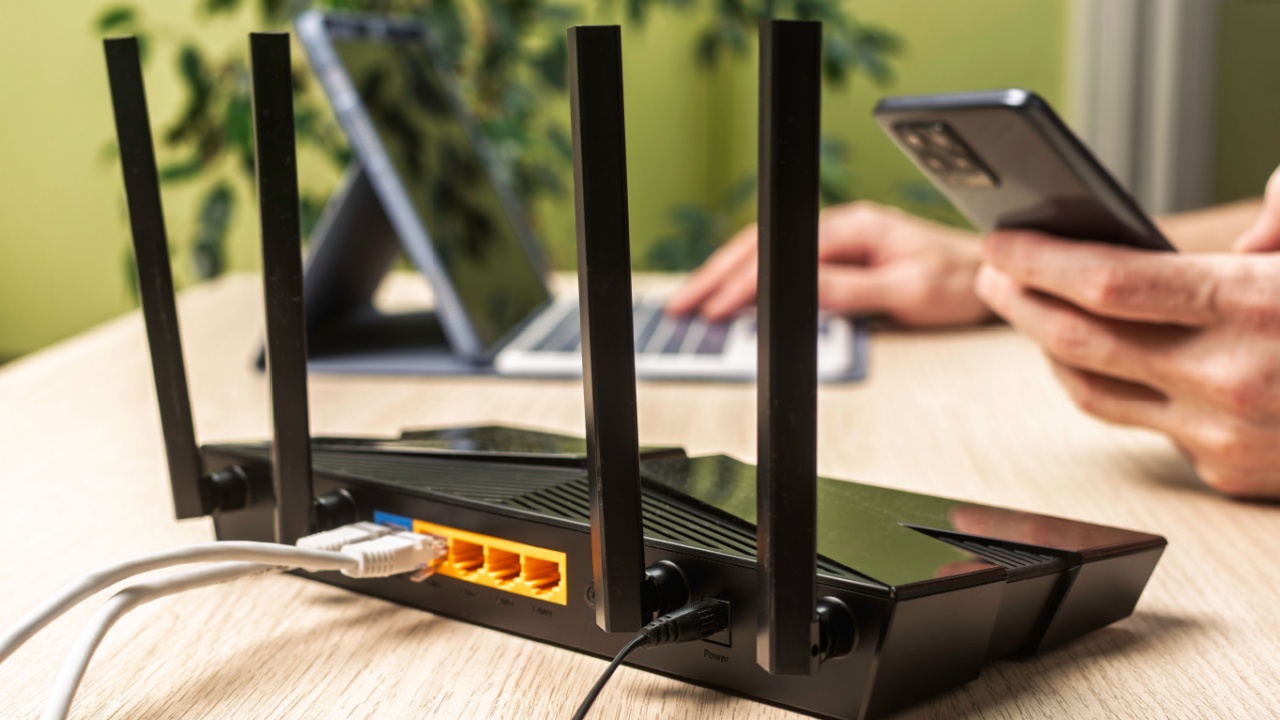
We live in a soup of invisible frequencies. WiFi routers, smart devices, and cell phones constantly emit electromagnetic fields. While technology connects us, it also interferes with the body’s natural electrical signals. Your nervous system struggles to power down when surrounded by this digital buzz.
The bedroom is the most critical area to address. Sleeping with a phone charging next to your head or a router blinking in the corner keeps your body in a state of subtle vigilance. This prevents you from reaching the deep, restorative stages of sleep necessary for mental clarity.
Try this: Turn off your WiFi router at night. Charge your phone in a different room or switch it to airplane mode before bed.
3. Synthetic Fragrances Masquerading as Cleanliness

A home smelling of “Mountain Breeze” or “Lemon Zest” might seem clean, but true cleanliness has no smell at all. Many commercial air fresheners, candles, and cleaning products rely on phthalates and other synthetic chemicals to create those scents. These compounds can disrupt hormones and add to your body’s toxic load.
By covering up a musty smell with a plug-in air freshener, you are essentially layering one toxin over another. Your lungs and liver then have to work overtime to process these airborne chemicals.
Try this: Ditch the scented candles and plug-ins. Open windows daily to circulate fresh air. If you need a scent, simmer a pot of water with citrus peels or cinnamon sticks.
4. Junk Lighting After Sunset
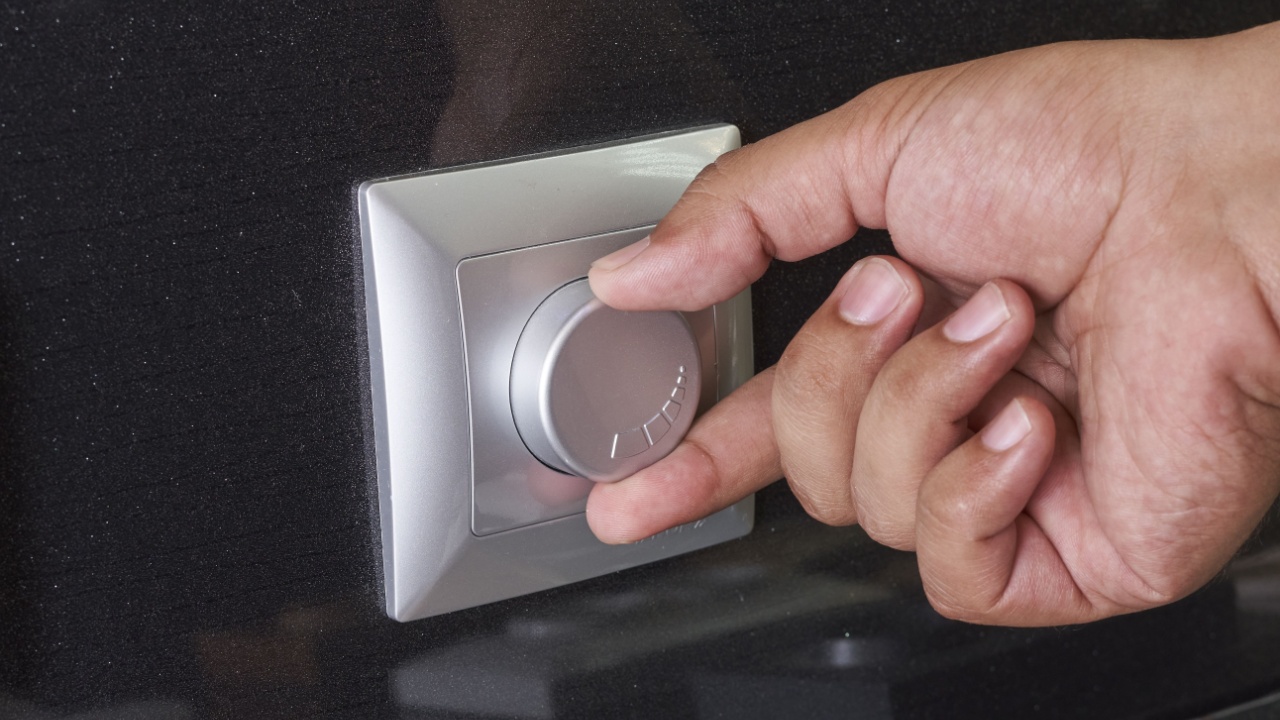
Our human biology is not designed for bright, blue-spectrum light after the sun goes down. Modern LED bulbs and screens mimic the brightness of midday sun. This confuses your circadian rhythm and suppresses melatonin production. When your hormones are out of sync, sleep quality suffers, and you wake up feeling unrefreshed.
Light acts as a primary cue for your body to be awake or asleep. Flooding your eyes with harsh, artificial light in the evening signals to your brain that it is still time to be alert. This mismatch between your environment and your biology creates chronic stress that eventually leads to exhaustion.
Try this: Switch to warm, amber-hued bulbs in your lamps for evening use. Install dimmer switches to lower light levels as bedtime approaches.
5. Visual Noise and Clutter

Piles of laundry, unsorted mail, and disorganized shelves create constant visual stimuli that your brain must process. This background processing drains mental energy and leaves you feeling anxious or overwhelmed without a clear cause.
Your home connects directly to your nervous system. When your environment feels chaotic, your internal state reflects that chaos. Clearing the space allows your mind to rest.
Try this: Focus on clearing surfaces in the bedroom first. Create a sanctuary where your eyes can rest without landing on a to-do list.
6. Off-gassing from Furniture and Textiles

That “new car smell” associated with mattresses, sofas, and carpets is actually the scent of volatile organic compounds (VOCs) off-gassing into your home. Flame retardants, formaldehyde, and other chemicals used in manufacturing can release gases for years after purchase.
Spending a third of your life on a mattress that is actively releasing chemicals means your detox pathways are working hard while you sleep. This nighttime chemical exposure can contribute significantly to morning brain fog and general lethargy.
Try this: Choose furniture made from solid wood or natural materials when possible. Let new items air out in a garage or spare room before bringing them into your main living spaces.
7. Constant Auditory Stress

Your ears never stop listening, even when you are asleep. The hum of a refrigerator, traffic noise from the street, or a television left on in the background keeps the brain engaged. This constant auditory input prevents the nervous system from fully relaxing.
Silence is a rare commodity in modern living. Just as the body needs darkness to produce melatonin, the brain needs quiet to process emotions and repair itself. Constant noise pollution acts as a stimulant that keeps cortisol levels elevated.
Try this: Use heavy curtains to dampen street noise. Consider a white noise machine if you cannot eliminate environmental sounds, as a consistent frequency is less disruptive than sudden noises.
Next Steps for a Clearer Mind

You do not need to move to a cabin in the woods to feel better. Start by auditing your bedroom. This is your recovery chamber. Making this one room a haven from mold, EMFs, light, and noise can have a profound impact on your daily energy levels. Pay attention to how your body feels when you step into your home.
If you feel a wave of fatigue hit you at the door, listen to that signal. Small changes to your environment can lift the fog and help you feel like yourself again.
Read more
5 Things Turning Home Into a Stressor Rather Than a Sanctuary
Is Your Home a Source of Stress? These 6 Items Are Contributing to That