12 Boomer Cooking Habits That Confuse Younger Generations
Walking into a kitchen run by an older relative often feels like stepping into a culinary time machine. Recipes passed down through decades still reign supreme, and specific preparations remain entirely unchanged. Younger cooks stepping into these spaces might quickly notice a stark contrast in culinary priorities. The pots simmering on the stove tell stories of different economic times and shifting nutritional advice.
Generational divides extend far past technology and fashion, landing squarely on the dinner table. People who grew up during specific cultural shifts learned to feed their families using the ingredients and methods available to them at the time. Younger home chefs grew up watching global food media and prioritize fresh, local, and diverse ingredients. This contrast creates amusing and sometimes bewildering moments during family dinners.
We will examine specific meal-preparation choices that older generations maintain, leaving younger cooks scratching their heads. You will see how historical context shaped these practices and why they persist in modern kitchens. Understanding these differences helps bridge the gap between traditional family cooks and modern food enthusiasts.
1. Cooking Organ Meats Regularly
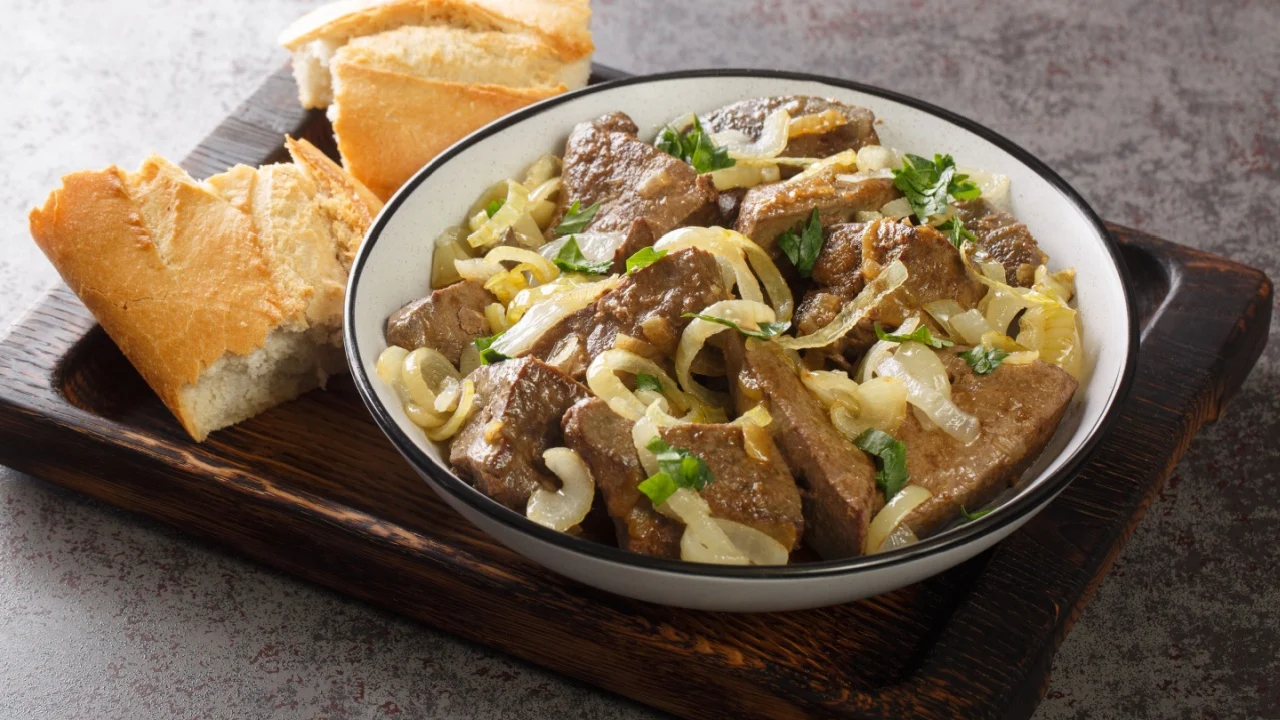
Liver and onions or giblet gravy were common weeknight staples a few decades ago. Coined “nose-to-tail eating,” historically, families used every part of the animal to stretch their grocery budgets and avoid food waste. Organ meats provided cheap protein and essential nutrients during times when prime cuts remained too expensive for daily consumption. Older cooks learned to prepare these items efficiently and developed a genuine taste for their distinct flavors.
Younger generations mostly view these proteins with suspicion or outright distaste (even if they’ve seen on social media that organs might be good for them). Modern supermarkets prioritize muscle meats, making organs less visible and less appealing to younger shoppers. The strong aromas and unique textures associated with liver or kidneys simply do not align with current popular diets.
2. Ignoring Expiration Dates And Hoarding Food

Many older adults keep deep freezers packed to the brim and pantries overflowing with goods purchased years ago. Growing up with parents who lived through rationing left a lasting mark on their purchasing behavior. Hoarding food represents security and preparedness for any unforeseen circumstance. They often treat expiration dates as mere suggestions, trusting their senses over printed numbers.
Market insights reveal that Gen Z is concerned about plastics and food waste when buying groceries. They tend to buy groceries for the immediate week to minimize food waste. They rely heavily on printed labels to determine food safety and frequently discard items past their prime. Seeing a grandparent use a sauce that expired three years ago causes genuine anxiety for younger dinner guests.
3. Serving Massive Portions Of Meat
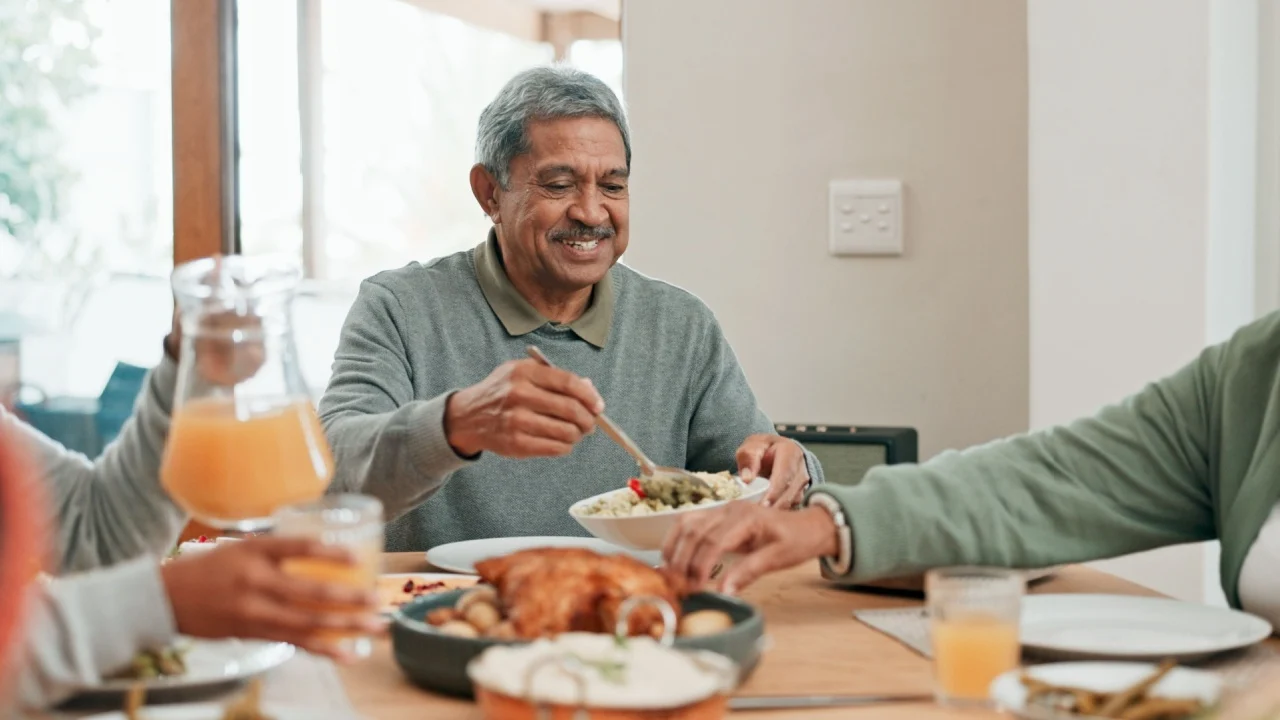
A dinner plate from a traditional boomer kitchen almost always features a giant centerpiece of beef, pork, or poultry. Recent research shows Boomers are not about to give up their meat. Vegetables and starches play minor supporting roles to the main attraction. For decades, serving a large piece of meat signaled prosperity and a well-rounded meal.
Plant-based diets and flexitarian eating patterns dominate younger culinary spaces today. Younger adults often build meals around grains, legumes, or vegetables, treating meat as an occasional side dish rather than the star. The idea of eating a massive steak every single night seems overly heavy and environmentally taxing to modern sensibilities. This contrast fundamentally changes how different generations plan their grocery shopping.
4. Using Extremely Specific Seasoning Habits

To many Boomers, all food is too spicy. Many traditional family recipes rely on minimal seasoning, often stopping at a heavy sprinkle of salt and black pepper. Oftentimes, spices are almost entirely absent, which is understandable since they are harder to digest anyway.
Modern home cooks usually possess cabinets overflowing with global spice blends and fresh herbs. They build complex flavor profiles using acids, heat, and diverse seasonings from around the world. A younger person tasting a traditionally prepared family dish might find it incredibly bland. The modern palate craves aggressive and varied flavors that traditional home cooking rarely provides.
5. Relying On Canned Vegetables
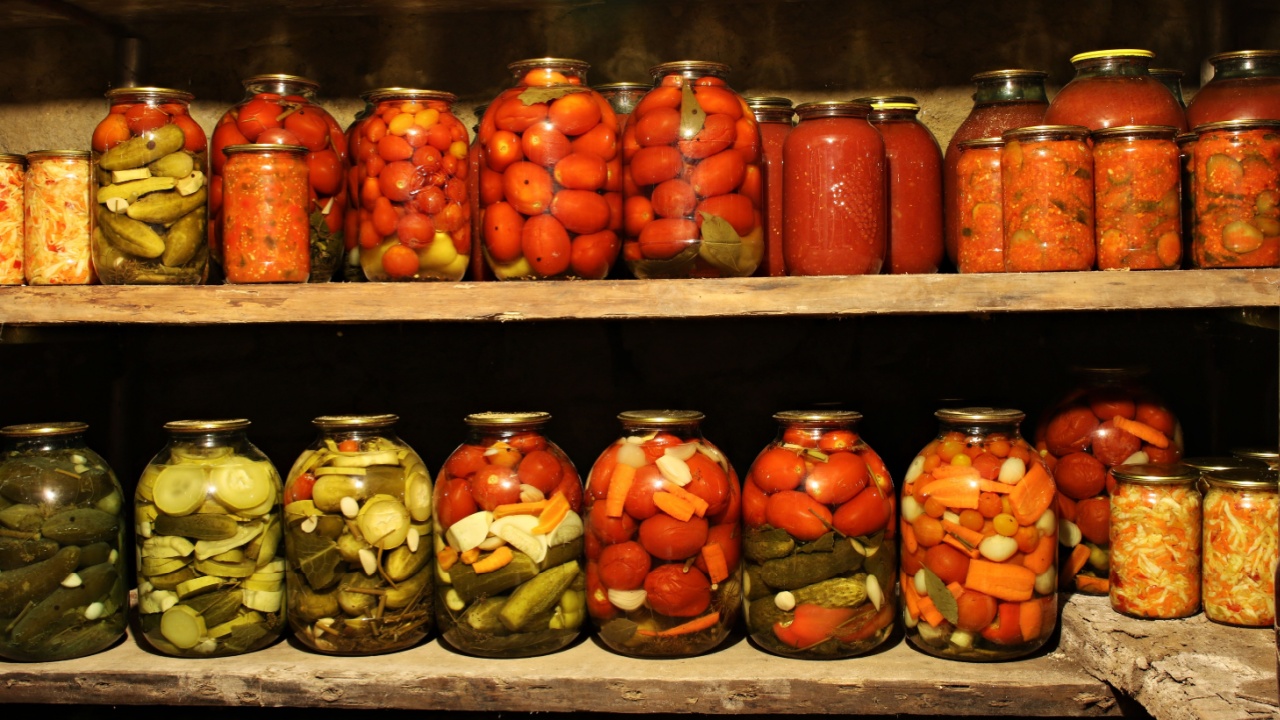
Canned green beans, peas, and corn dominated mid-century dinner tables across the country. Boomers still love canned vegetables. Canning provided a reliable way to keep vegetables in the house year-round before global shipping made fresh produce easily accessible.
Today, fresh or flash-frozen vegetables are the standard in younger households. The mushy texture and dull color of canned peas fail to impress cooks who prefer crisp, brightly colored produce. Younger cooks actively avoid the extra sodium often found in canned goods. They view canned vegetables as emergency rations rather than standard dinner components.
6. Keeping Relaxed Food Safety Standards

A 2022 study revealed that older generations had low information needs in food safety and believed they were resistant to food-borne illnesses. Leaving a cooked turkey on the counter for several hours was standard practice in many households decades ago. Older cooks frequently thaw meat at room temperature or wash raw chicken in the sink before cooking. They learned these methods from their own parents and have survived without major issues for decades
Modern food safety education emphasizes the dangers of cross-contamination and bacterial growth. Younger adults follow strict guidelines regarding temperature control and sanitization. Watching a relative leave mayonnaise-based salads out in the sun immediately raises concern among modern guests.
7. Following Outdated Nutritional Advice

Low-fat products and artificial sweeteners defined the diet culture of the late twentieth century. Older adults often still purchase margarine, fat-free dressings, and highly processed diet foods. They learned that avoiding fats was the primary way to maintain health. These nutritional dogmas became permanent fixtures in their meal planning routines.
According to UCLA Health, current nutrition science leans heavily toward whole foods and healthy fats like olive oil and avocados. Younger cooks may actively avoid artificial ingredients and prioritize ingredient quality over calorie counts. Seeing a relative use processed butter substitutes baffles younger generations who cook exclusively with real butter.
8. Embracing Processed Convenience Items
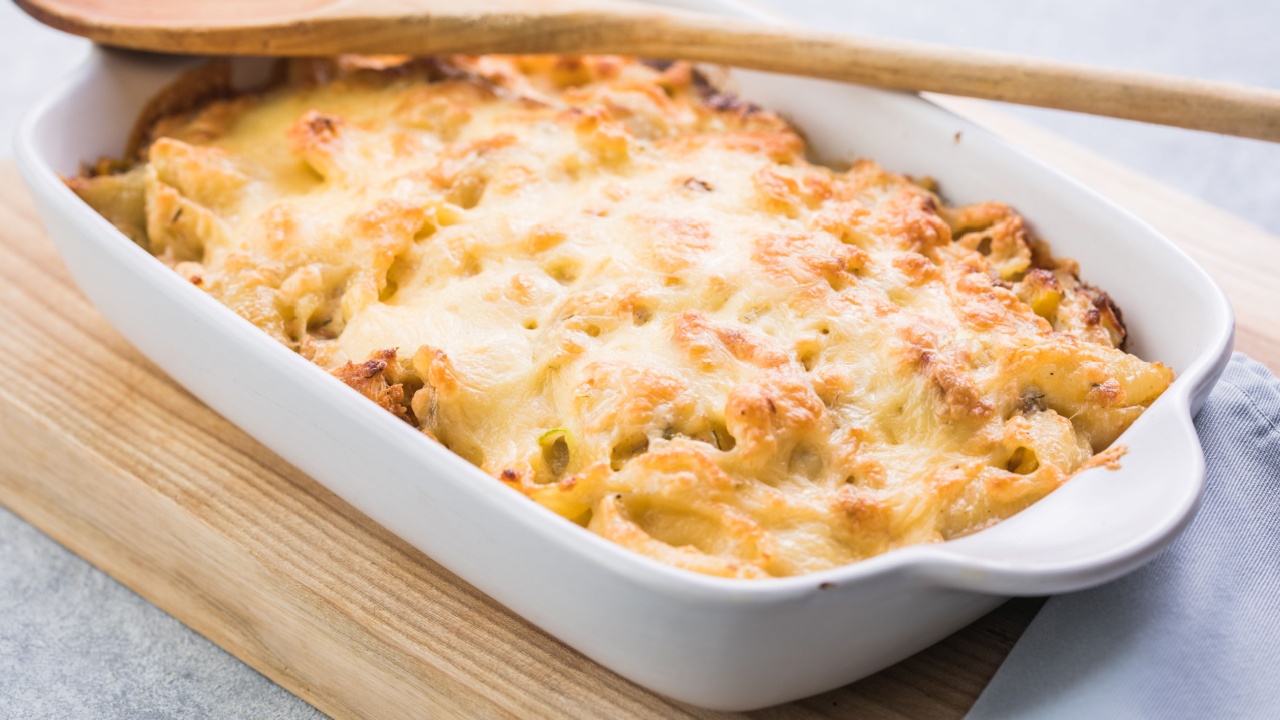
Casseroles made with condensed soups and boxed meal kits revolutionized cooking for working parents in previous decades. These products offered an easy way to get dinner on the table quickly. Brands heavily marketed these convenience foods as modern miracles for the busy homemaker. Many family favorite recipes rely entirely on these specific processed ingredients.
Research shows that most younger generations generally prefer eating out. They view condensed cream of mushroom soup as highly processed and nutritionally empty. The reliance on branded convenience foods seems completely unnecessary to modern home chefs.
9. Sticking Strictly To Familiar Cuisines

Meatloaf, mashed potatoes, and simple pasta dishes form the unchanging core of many older cooks’ repertoires. They found a meal rotation that worked for their families and stuck with it for decades. Experimenting with new ingredients or foreign cuisines rarely happens in these traditional kitchens. Consistency and reliability take precedence over culinary exploration.
The internet gives younger generations unlimited access to recipes from every corner of the globe. Over 55% of Gen Z use the internet and social media to discover new recipes. They actively seek out new flavors and routinely cook dishes from diverse cultures.
10. Boiling Vegetables Until Soft
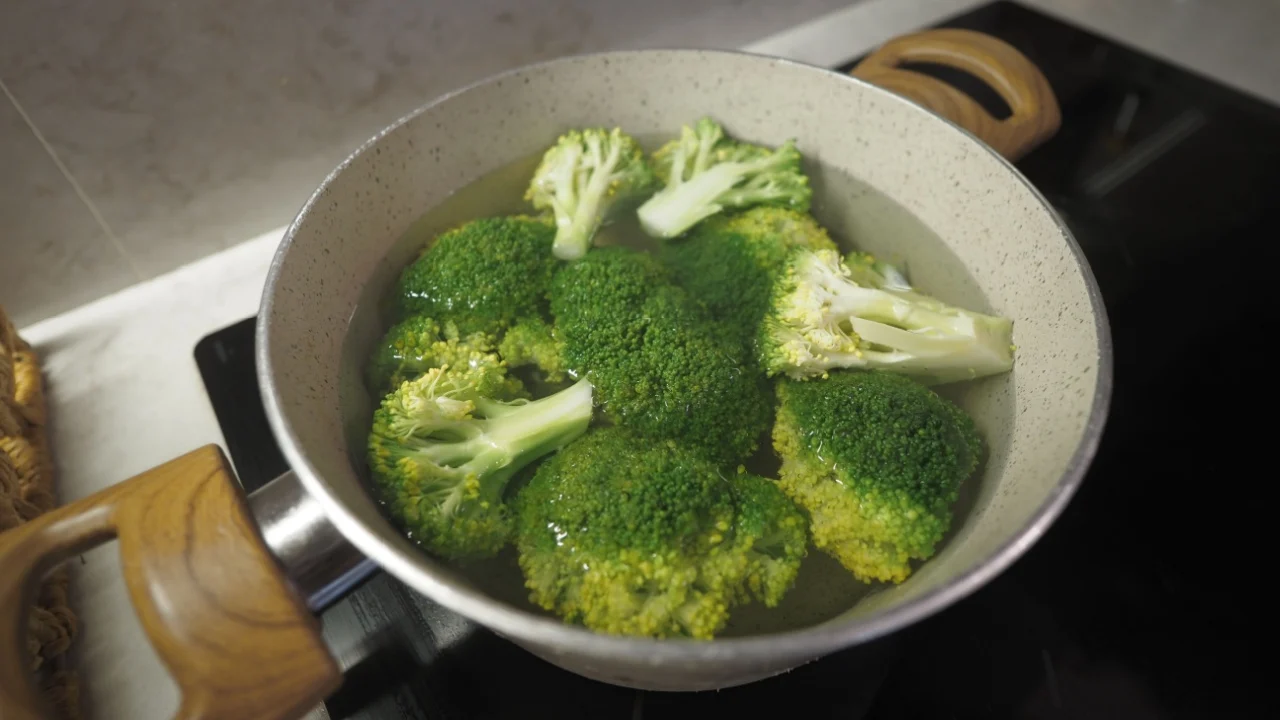
Traditional cooking methods often involve boiling vegetables until they lose all structural integrity. Cabbage, carrots, and broccoli historically endured long cooking times on the stovetop. This method guaranteed the food was fully cooked and easy to chew. Many older adults grew up eating vegetables prepared exactly this way and developed a preference for the soft texture.
Modern cooking techniques favor roasting, steaming, or sautéing to maintain texture and nutrients. Most younger cooks want their vegetables to retain a slight crunch and vibrant color. Serving gray, mushy broccoli to a younger guest usually results in polite but unenthusiastic bites.
11. Keeping Outdated Kitchen Gadgets

Electric carving knives, dedicated apple peelers, and bulky food processors take up significant counter space in older kitchens. Many of these tools were wedding gifts or popular infomercial purchases from the past. Older cooks maintain these gadgets out of habit or sentimental value. They rely on specific tools for specific tasks they perform frequently.
Minimalism and multi-functional tools dominate modern kitchen setups. Younger cooks prefer a high-quality chef knife over a drawer full of single-use gadgets. They view bulky electric carvings as unnecessary clutter that takes up valuable space. The attachment to highly specialized machinery seems impractical for generations that move frequently and value efficiency.
12. Using The Microwave For Heavy Cooking
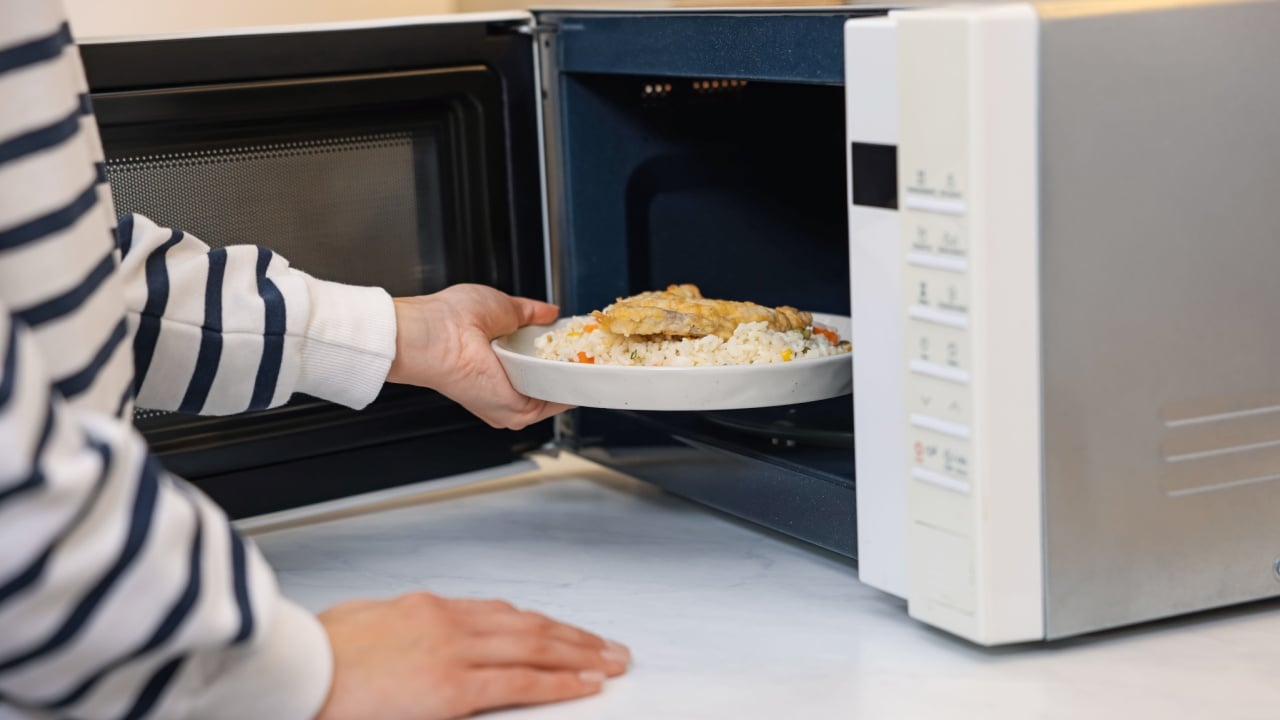
When microwaves first entered homes, marketers promoted them as primary cooking appliances capable of preparing entire meals. Some older adults still use them to cook meat, bake potatoes, or steam large batches of food. They fully embraced the promised convenience of this technology during its initial boom. The microwave remains a central tool for preparing meals rather than just reheating leftovers.
Modern cooks use microwaves almost exclusively to reheat coffee or warm up leftover takeout. They prefer ovens, air fryers, and stovetops for actual cooking tasks to ensure proper texture and flavor development. Cooking a raw piece of chicken in a microwave may leave harmful bacteria due to uneven cooking. This difference in appliance usage showcases how technological adoption changes over time.
The Future of Family Meals

Generational differences in the kitchen provide a fascinating look at how our society evolves. Each group approaches meal preparation based on the resources, knowledge, and cultural norms available during their formative years. Older cooks prioritize stability, resourcefulness, and familiar comforts they relied on for decades. Younger cooks focus heavily on global flavors, ingredient purity, and modern safety standards.
These contrasting styles do not mean one method is inherently superior to the other. Grandparents managed to raise entire families using methods modern internet chefs might criticize. Meanwhile, younger generations are discovering healthier, more vibrant ways to prepare daily meals. Both groups possess valuable knowledge worth sharing around the dinner table.
Read More:
14 Things Boomers Have That Feel Luxurious Today
12 Behaviors of Younger Generations That Seriously Confuse Boomers