7 Tricks to Start Decluttering and Stop Feeling Disorganized
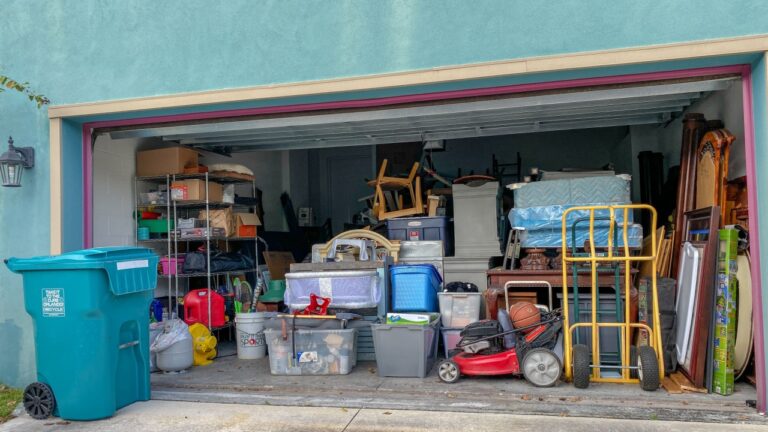
Clutter rarely arrives all at once. It builds through busy days, postponed decisions, and objects kept for reasons that no longer fit real life. When piles grow, the pressure to fix everything at once can feel heavier than the mess itself. That panic leads to quick cleanups that never stick.
But when you declutter with a clear plan, the whole thing changes. Instead of furiously digging through piles, you move with intention and set some boundaries. The tips that follow will help you get rid of stuff without second-guessing, so your place feels calmer and way easier to live in, every single day.
1. Break Work Into Timed Sessions

A long, unplanned clutter session can look like chaos. Instead, set a timer for short bursts of work, such as 20 or 30 minutes, and pause when time is up. A brief break resets the mind and limits rushed choices.
If more feels possible after the break, begin another timed cycle. This keeps the process calm and controlled. Pick a small area for each session, so progress is visible quickly.
2. Use Three Simple Decision Questions

During a session, pause with these three questions before choosing if an item stays:
- Do I use this?
- Do I enjoy having it?
- Would I buy it again if it weren’t here?
If you answer ‘No’ to all three, it’s a strong sign the item should go. These help you filter objects with fewer regrets in your wake. Keep answers honest and brief to avoid overthinking.
3. Give Every Item a Regular Spot
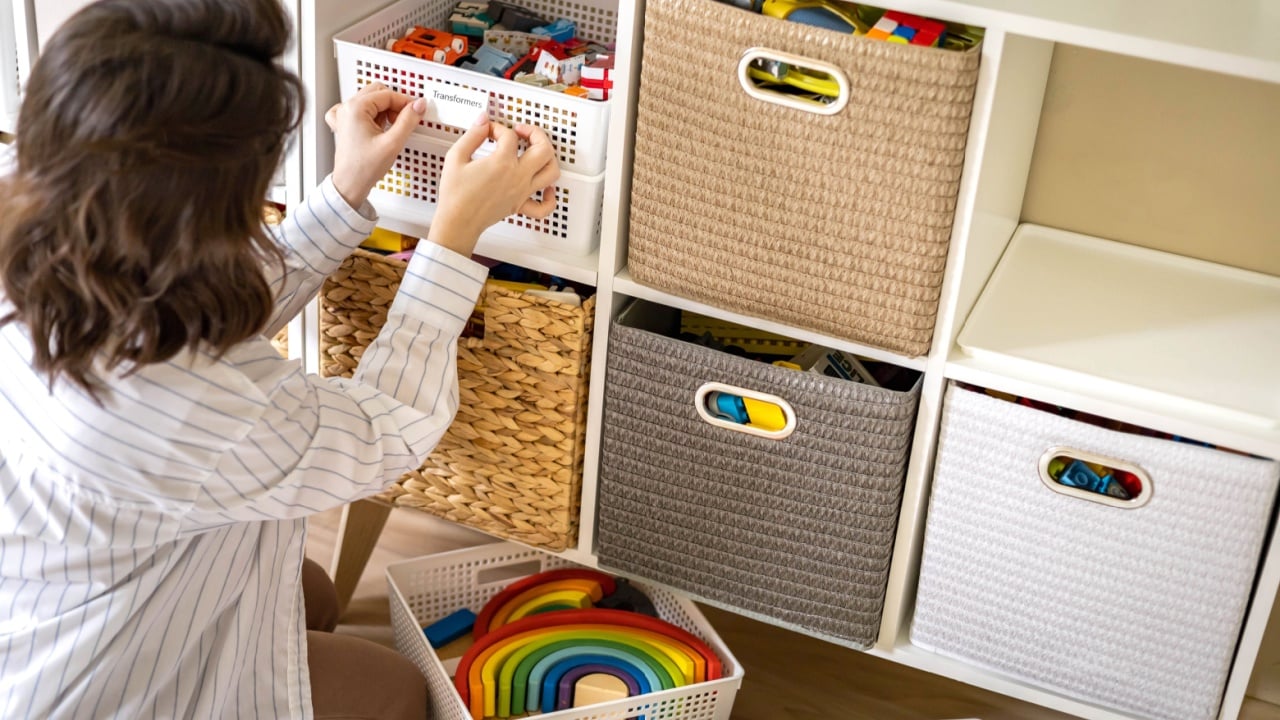
Keep your daily stuff like keys, mail, and tools in the same spot every day. When everything has a home, it stops that stuff from piling up and making you feel stressed and anxious later on.
For instance, you can label shelves or baskets so everyone in the household follows the same plan. A “drop zone” near the entrance is also ideal for quick, immediate organization upon arriving home.
4. Put Things Back After Each Use

This might be obvious, but building the actual habit is another bear. A simple routine of immediately returning an item to its place keeps surfaces clear and reduces future sorting work. If something feels out of place, consider whether its current home still fits your life.
If not, create a designated spot for it that makes sense in your daily workflow. This minimizes decision fatigue and makes the “return it immediately” rule easy to follow.
5. Set Completion Deadlines for Projects

Great decluttering efforts can drag on and affect your mental health. Choose a calendar date for finishing a specific area so decisions aren’t pushed indefinitely. A deadline gives structure without panic. Be realistic about deadlines and add reminders to stay on schedule.
Break down the large area into smaller, manageable sub-tasks. It makes the overall deadline less daunting and allows for a sense of accomplishment as you finish each one.
6. Weekly Mini Resets

At the end of each week, do a quick decluttering session. Tackle the mail pile, tidy surfaces, or sweep through a drawer. This stopgap keeps spaces manageable and prevents weekend clutter (or month-long or year-long) messes.
Keep the list short so it doesn’t feel like a chore. Shoot for tasks that only take about 15 to 30 minutes. Little bits of effort done consistently beat those exhausting clean-up sessions you only do once in a blue moon.
7. Try Reverse Decluttering

This option flips the usual approach. Instead of sorting everything and deciding what to toss, pull out only things you know you use and love.
Whatever doesn’t come out goes into storage or donation. This cuts down on decision fatigue and often reveals the true daily essentials.
Clarity Lives in the Small Decisions

A calmer home doesn’t come from a frantic purge. It grows from steady, thoughtful choices, small habits, and regular attention. Try a couple of these methods on and track progress in a simple notebook or app.
As routines settle, clutter shrinks, and daily spaces feel easier to use. Clear corners invite focus and a calmer outlook at home. Pick one strategy to start with this week and build from there.