6 Safety Reasons to Never Drink from a Garden Hose, Even If You Did It as a Kid
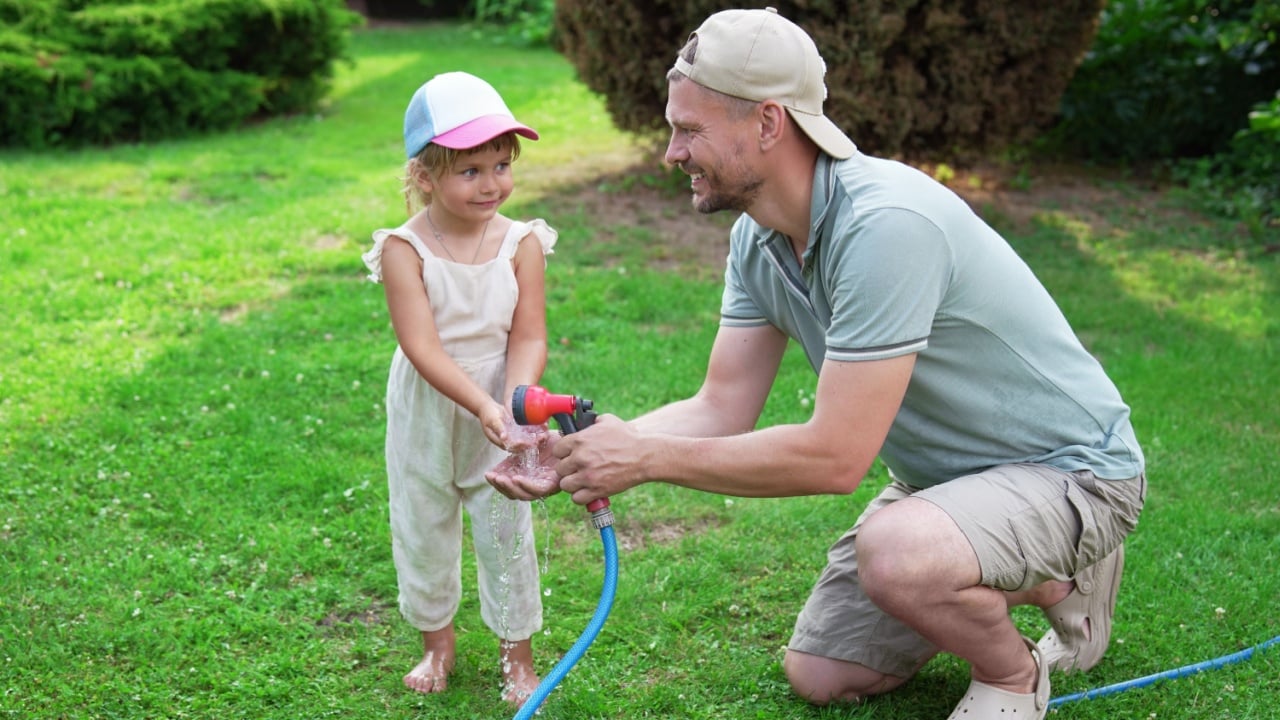
Many adults fondly remember sipping cold water from a garden hose on a hot summer afternoon. Running through sprinklers often led to a quick drink right from the source.
Those childhood memories hold a special place for anyone who grew up playing outside. Science reveals that taking a sip from your outdoor hose carries hidden dangers.
Older hoses are especially problematic because prolonged sun exposure causes the PVC to degrade.
Here are six hidden hazards lurking inside your outdoor watering equipment. This is why filling a glass from the kitchen tap is a much safer choice.
1. Dangerous Heat Levels
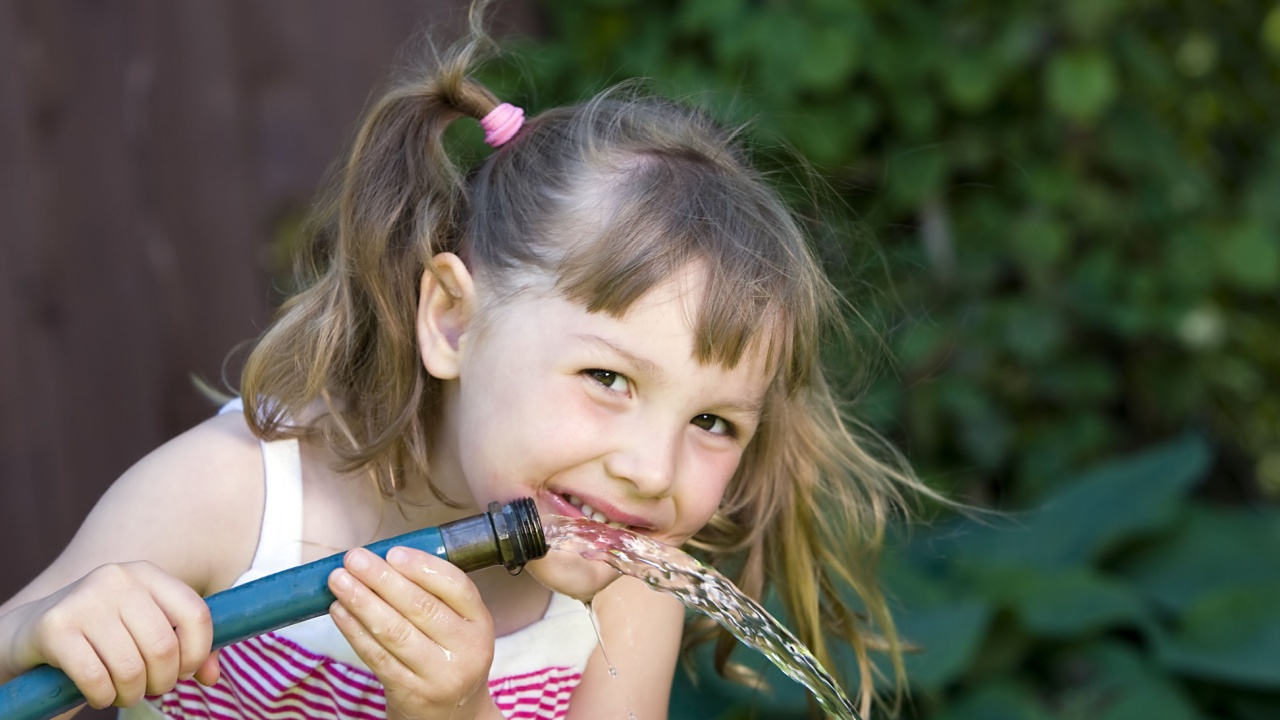
Water sitting in a tube outdoors absorbs significant solar radiation during hot summer afternoons. The liquid inside can quickly reach scalding temperatures that cause severe mouth burns.
Children are especially vulnerable to these unexpected temperature spikes when they turn on the faucet.
Always run the flow for several minutes before filling watering cans or pet bowls. Letting the hot liquid escape prevents accidental burns and clears out stagnant pools. This simple habit keeps everyone safe from sudden exposure to boiling water.
2. Harmful Bacteria Growth
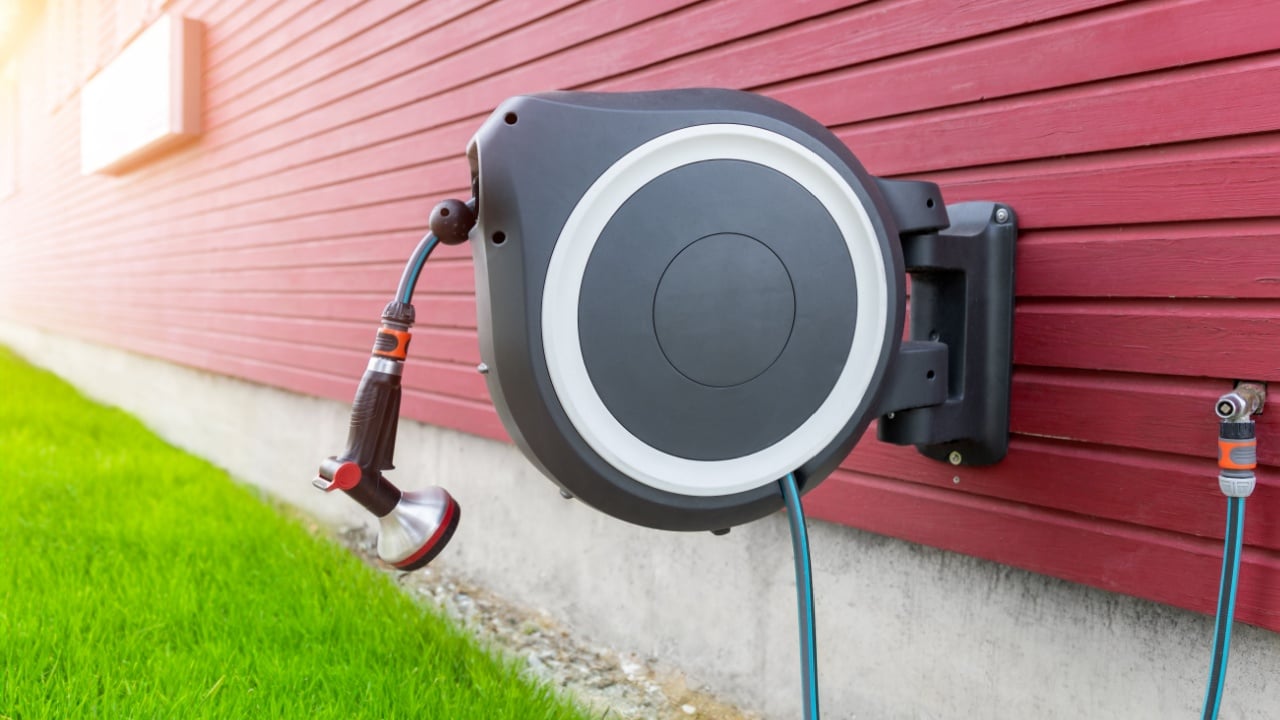
Dark and damp spaces provide the perfect environment for dangerous microorganisms to thrive. The water remaining inside your equipment creates a breeding ground for mold and bacteria.
Swallowing these pathogens can lead to severe gastrointestinal distress and other health complications.
Drain your equipment completely after each use to minimize the risk of microbial growth. Storing your gear in a shaded area also helps prevent these organisms from multiplying rapidly. Proper storage limits the chances of dangerous mold developing inside the lining or pets contaminating the pipe.
3. Unregulated Manufacturing Materials
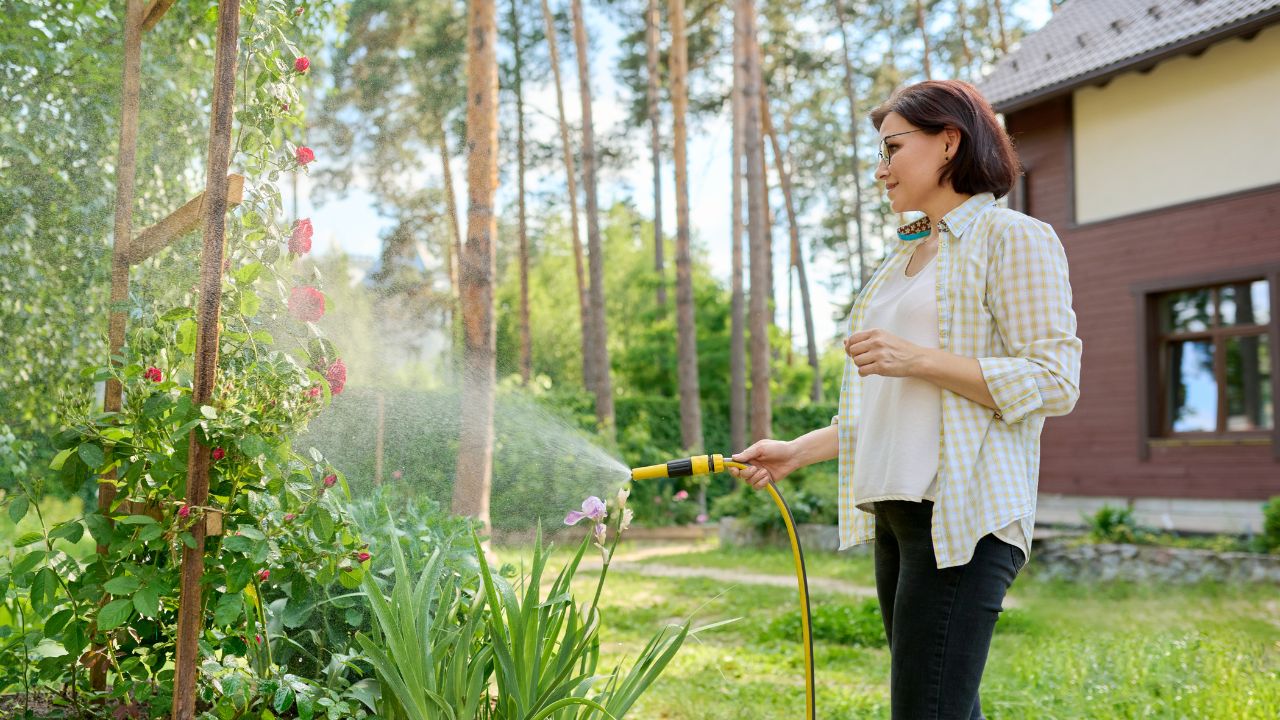
Factories produce outdoor watering gear without following the guidelines required for safe drinking supplies. Manufacturers use industrial-grade plastics and synthetic rubber designed strictly for yard maintenance.
These materials lack the protective coatings required for items intended for human consumption.
Purchase items specifically labeled as safe for drinking if you need an outdoor supply. These specialized products undergo rigorous testing to verify they meet strict health standards. Upgrading to a certified food-grade option protects your family from unknown industrial substances.
4. Toxic Chemical Leaching
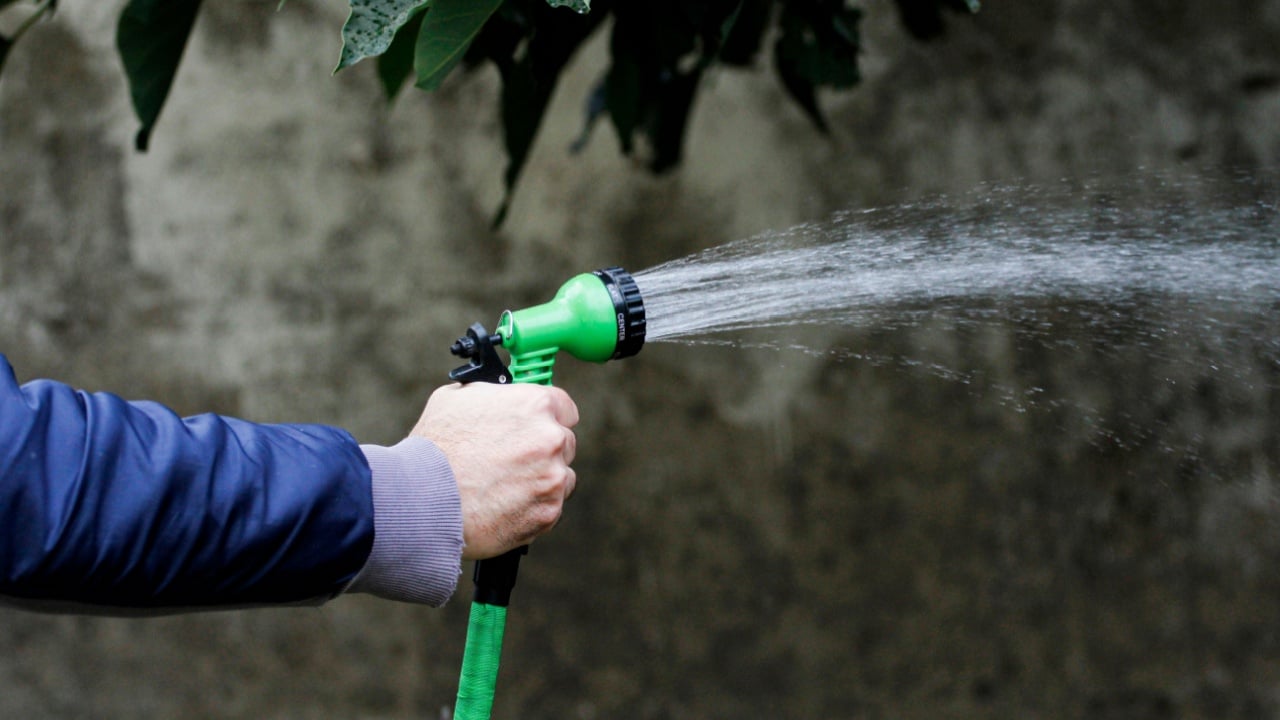
Standard flexible tubes contain a material called polyvinyl chloride or PVC for added durability. PVC contains harmful additives like lead and phthalates that slowly seep into the surrounding liquid.
Ingesting these heavy metals and endocrine disruptors causes long-term damage to your nervous system.
Switch to polyurethane or natural rubber alternatives to reduce your exposure to harmful chemicals. These materials provide similar flexibility without relying on dangerous synthetic plasticizers. Reading the packaging carefully helps you avoid hidden toxins in cheap PVC products.
5. Connection to Unsafe Sources
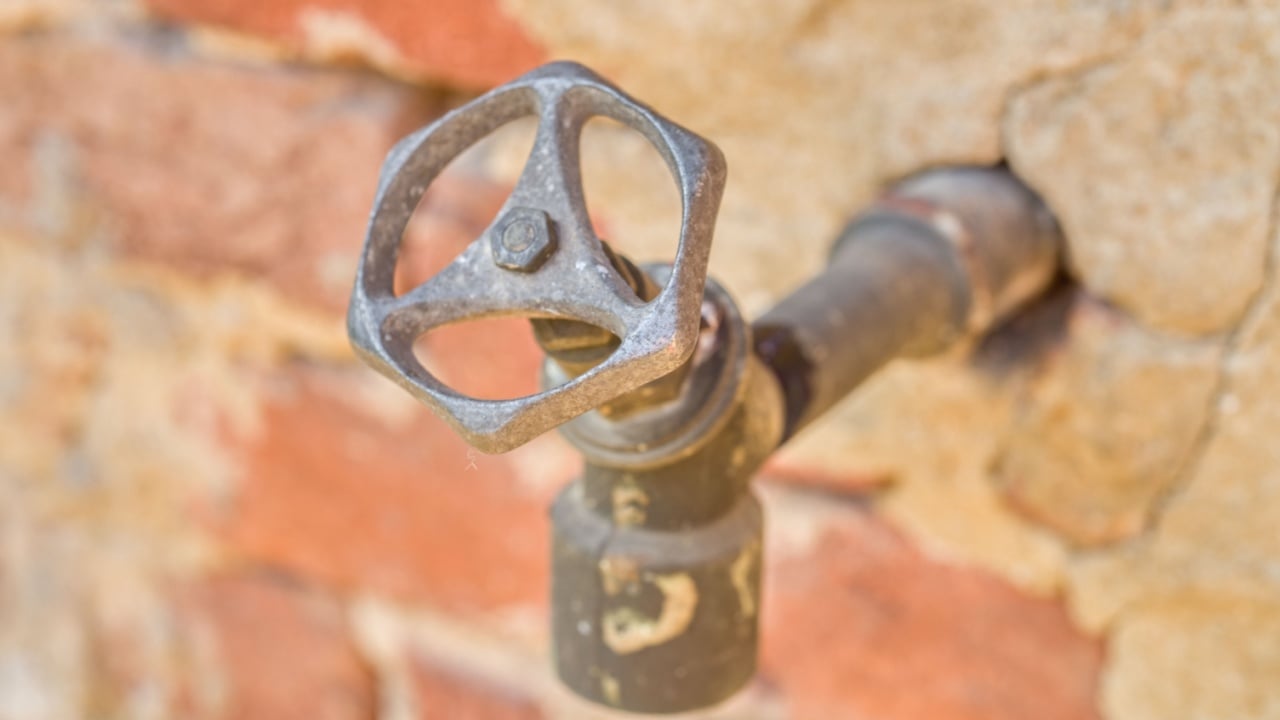
Outdoor spigots often connect to irrigation lines that bypass standard household filtration systems. Some rural properties use untreated well water exclusively for their yard maintenance needs.
Drinking from these unfiltered taps exposes you to agricultural runoff and soil contaminants.
Install a dedicated filtration unit on your exterior faucet if you require clean outdoor access. Testing your exterior supply annually helps identify potential contamination issues early. Knowing your source quality prevents accidental consumption of untreated ground runoff.
6. Risk of Microplastics
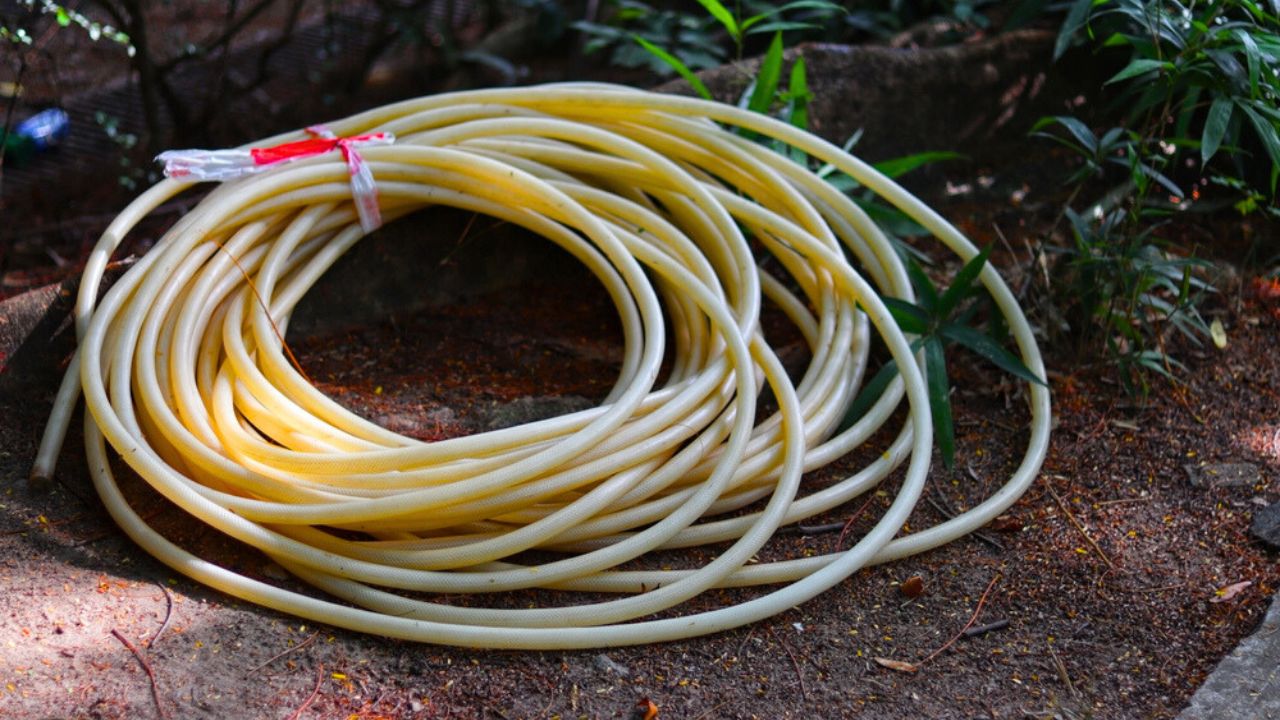
Many standard hoses are made of plastics that break down when exposed to the sun, heat, and regular use. As these hoses age, tiny plastic particles known as microplastics can flake off from the interior lining and mix into the water each time it is used.
When you drink from a hose, you risk swallowing these invisible bits, which are now found in drinking water and many household items.
Microplastics may accumulate in the body, potentially leading to unknown health effects; avoiding unnecessary exposure is prudent. Choosing to drink from a clean glass filled with tap water indoors removes the risk of accidentally consuming plastic debris.
Keep Your Family Safe Outdoors

Staying hydrated during outdoor activities remains incredibly important for your overall health. Relying on indoor plumbing guarantees you consume liquids free from industrial chemicals and dangerous bacteria.
Planning ahead with refillable bottles eliminates the temptation to take a quick sip from an outside tap.
Share this safety information with your children so they understand the hidden dangers of outdoor plumbing. Breaking old habits takes time, but prioritizing your family’s health makes the effort worthwhile.