6 Common HVAC Mistakes Costing Extra Money This Winter
As the winter chill creeps in, you rely on your HVAC system to turn your home into a snug retreat. But what if that very system is sabotaging your comfort and your wallet? You might be unknowingly making heating mistakes that allow warmth to escape, forcing your systems into overdrive and inflating your energy bills.
Don’t settle for wearing three sweaters indoors or dreading your next utility statement. By tackling these six HVAC missteps, you can keep your system running smoothly and your costs under control.
1. You Haven’t Changed Your Air Filters
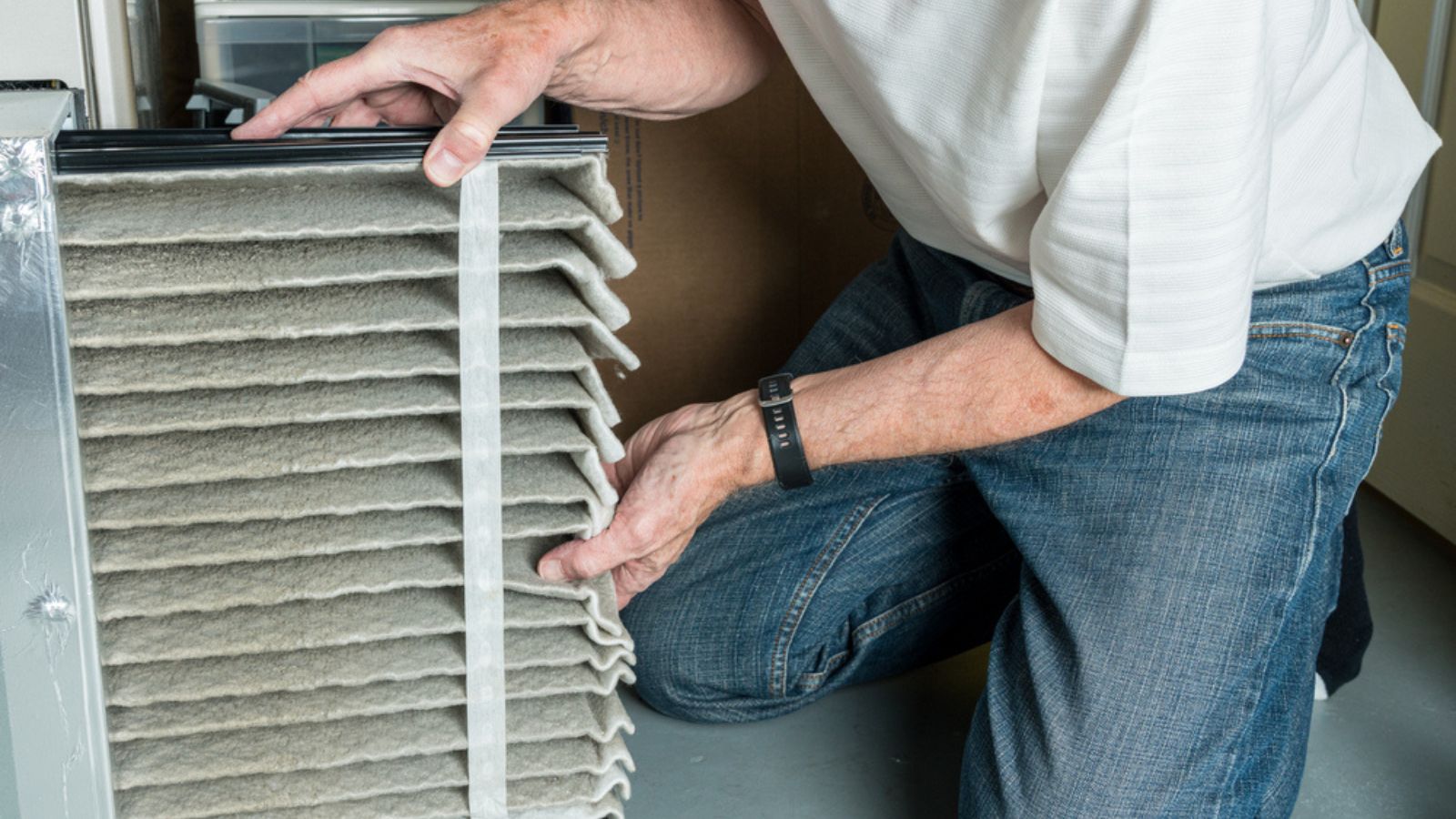
One of the most common and easily fixed mistakes is neglecting the air filter. Its job is to trap dust, pet dander, and other debris to improve your home’s Air quality. Over time, all that captured gunk builds up and clogs the filter. A clogged filter severely restricts airflow, forcing your furnace to work much harder to push warm air through the ducts.
This extra strain also leads to expensive problems. It can also drive up your energy bill and eventually burn the motor out. A simple filter change can prevent a costly repair and ensure your home heats up more effectively.
Next Steps:
- Check your air filter monthly during the winter.
- Change it at least once every three months, or more often if you have pets or live in a dusty area.
- Set a recurring reminder on your phone or calendar so you don’t forget.
2. You Have Poor Sealing and Insulation
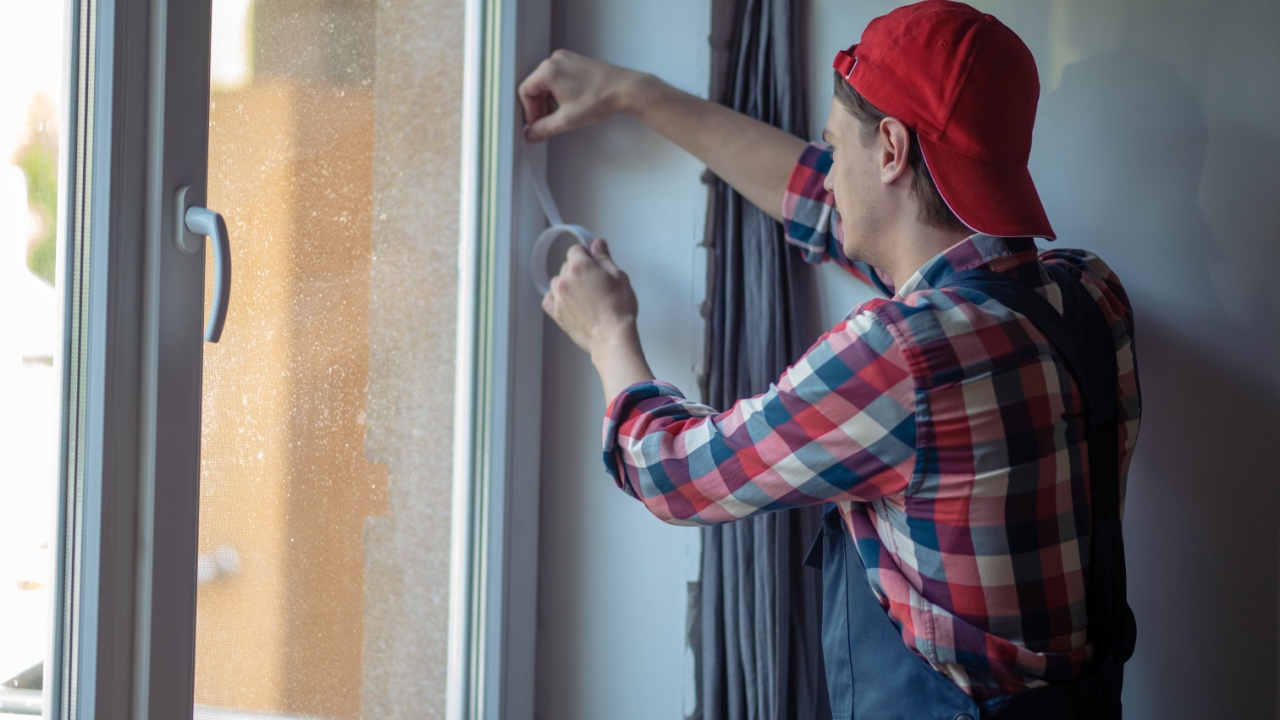
Even the most efficient HVAC system won’t perform well if your home is leaking air. Gaps around windows, doors, and ductwork let warm air escape and cold drafts sneak in, forcing your furnace to work harder and driving up energy costs.
Sealing these leaks is one of the best ways to prevent heat loss. Try a DIY energy audit by holding a candle or incense stick near windows and doors on a windy day. If the flame flickers, you’ve found a leak.
Next Steps:
- Apply weatherstripping around doors and caulk around window frames to seal gaps.
- Check for leaks in your ductwork (often found in attics, basements, and crawl spaces) and seal them with mastic sealant or metal-backed tape.
- Consider having a professional energy audit to pinpoint less obvious air leaks.
3. You’re Neglecting the Outdoor Unit

The outdoor condenser is crucial for heat pumps, providing both heating and cooling. Obstructions like snow or debris can block airflow, forcing the system into less efficient “emergency heat” mode, which increases electricity use. Keep the area clear to ensure peak efficiency and avoid higher energy bills.
Next Steps:
- Regularly clear away snow, leaves, and any other debris from around the outdoor unit.
- Ensure there’s at least two feet of clearance on all sides.
- If you notice ice buildup, use your system’s defrost cycle. Avoid chipping at the ice, as this can damage the coils.
4. You’re Setting the Thermostat Too High
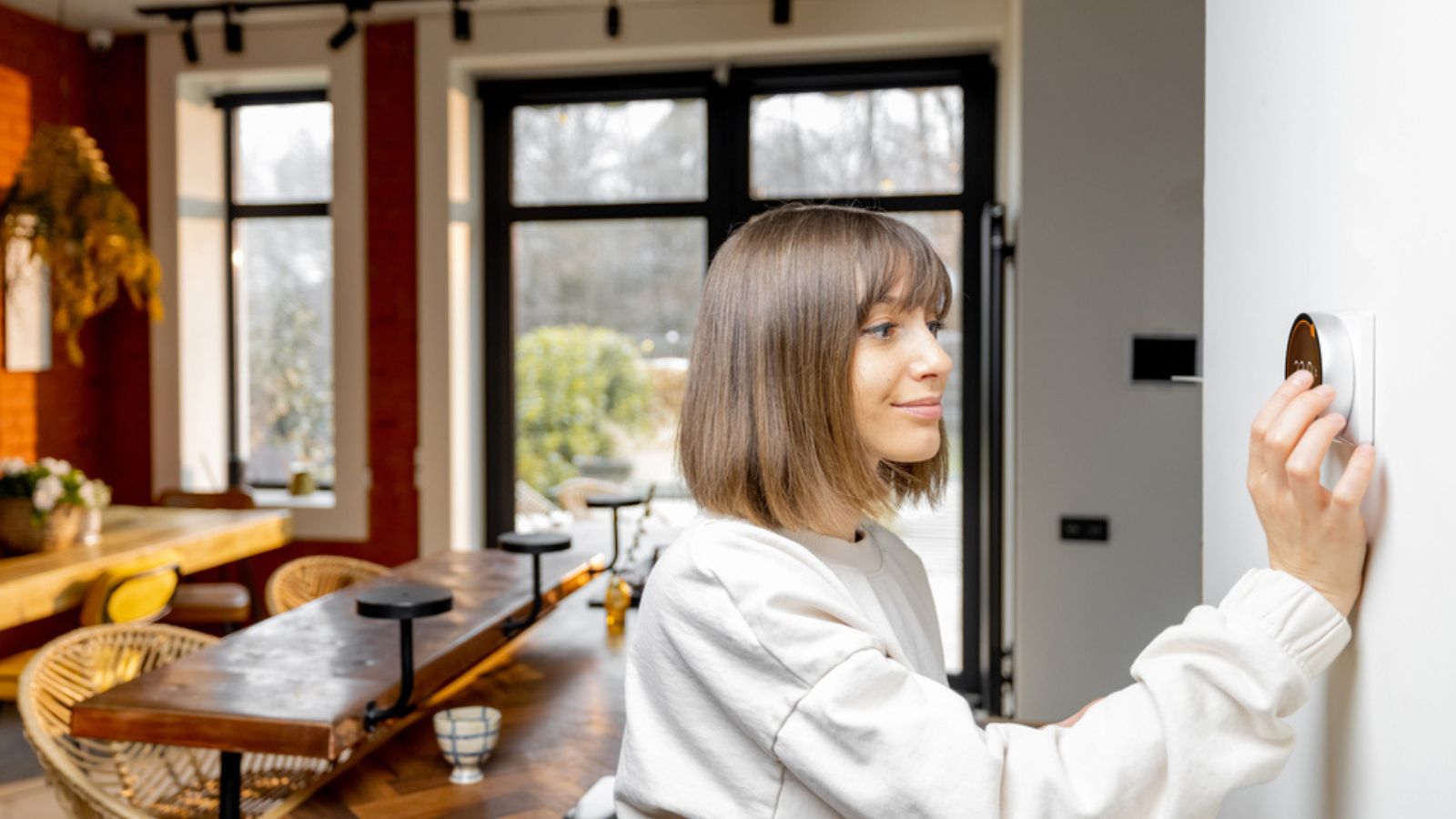
Cranking up your thermostat won’t heat your home faster; it just makes your furnace run longer, wasting energy. Instead, set it to a comfortable, consistent temperature. The U.S. Department of Energy recommends 68°F during the day and lowering it by 7-10 degrees at night or when away.
A smart or programmable thermostat can make this even easier and save you money effortlessly.
Next Steps:
- Find your ideal winter temperature (around 68-70°F is common) and stick to it.
- Invest in a programmable or smart thermostat to automatically adjust temperatures.
- When you feel a chill, reach for a sweater or blanket before turning up the heat.
5. You’ve Installed the Wrong Size HVAC System

When it comes to HVAC systems, size matters. A unit that’s too large wastes energy by “short cycling,” while one that’s too small struggles to heat your home and wears out quickly. A professional HVAC technician can perform a load calculation to find the perfect fit for optimal efficiency.
Next Steps:
- If you notice frequent short cycling or constant running, your system may be improperly sized.
- Before replacing your HVAC, insist on a professional load calculation (like a Manual J) from a qualified technician.
- Don’t just replace your old unit with one of the same size, especially if you’ve made energy-efficiency upgrades to your home.
6. You’re Skipping Annual Maintenance

Just like a car, your HVAC system needs regular tune-ups to stay efficient. Skipping annual maintenance can lead to worn parts, loose connections, and dirty burners, reducing performance and risking sudden breakdowns, often on the coldest days.
A professional tune-up inspects, cleans, and adjusts key components, ensuring your system is winter-ready, lasts longer, and saves you money on repairs..
Next Steps:
- Schedule a professional HVAC inspection and tune-up every fall before the heating season begins.
- Consider a service plan with a local HVAC company, which often includes annual maintenance and discounts on repairs.
- Keep a record of all maintenance and repairs for future reference.
Stay Warm and Save Money

By addressing these common mistakes, you can ensure your HVAC system operates efficiently all winter long. Taking these simple steps will not only keep your home warmer but will also protect your investment and keep more money in your pocket.