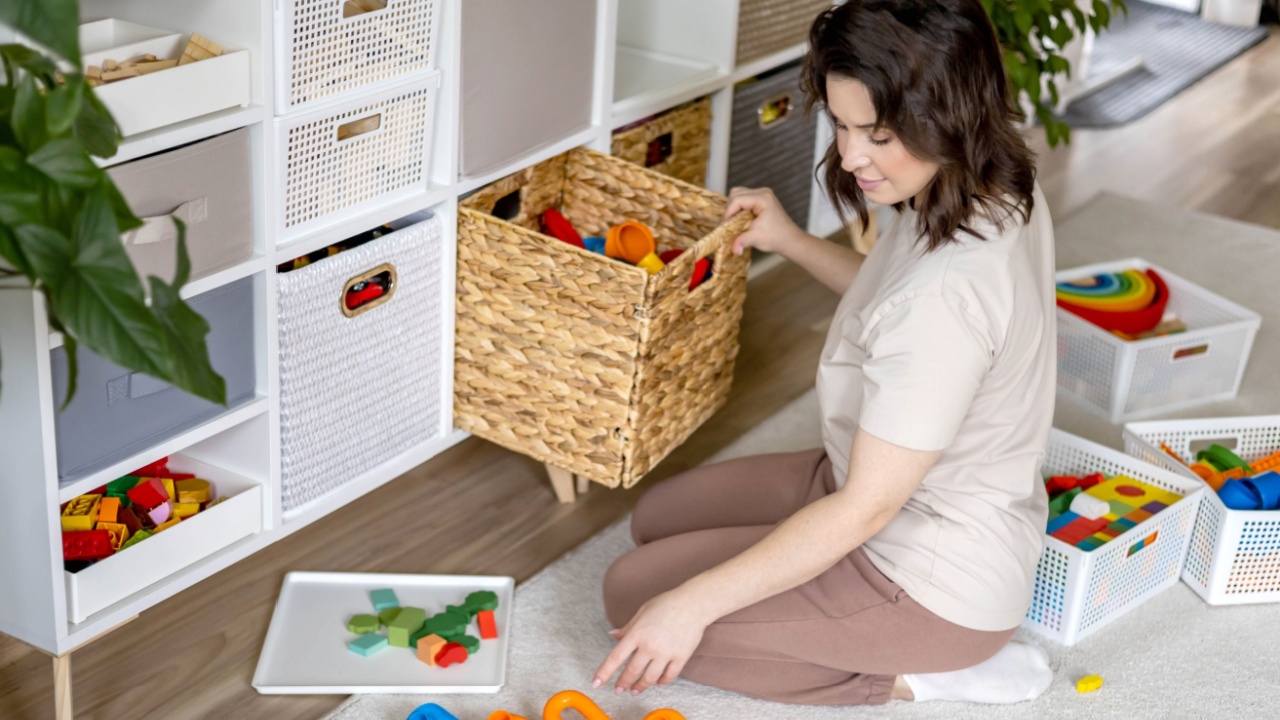
6 Things Stagers Always Hide in a Home
Putting your house on the market is essentially preparing for the world’s most judgmental houseguest. They are there to judge, as they should, since they plan to spend money. Suddenly, the charming clutter you have lovingly accumulated looks like a cry for help.
Professional home stagers have a secret weapon: they know what to hide to make a home look its absolute best. This guide will walk you through the six categories of items that always get tucked away before the first potential buyer walks through the door.
1. Personal Photos and Mementos

Family photos, children’s artwork, and that prized collection of souvenir spoons are part of what make a house a home. However, when selling, the objective is for buyers to envision their own life unfolding within the walls. Seeing your family’s smiling faces on the mantelpiece can make it harder for them to picture their own.
Stagers remove these items to create a neutral backdrop. They might replace them with simple, generic art that complements the room without telling a personal story. When a space is depersonalized, potential buyers tend to linger longer. They start talking about where their own furniture could go or which wall would be perfect for their photos. This is the connection you want them to make, as it can lead to a stronger offer.
2. Piles of Mail and Documents
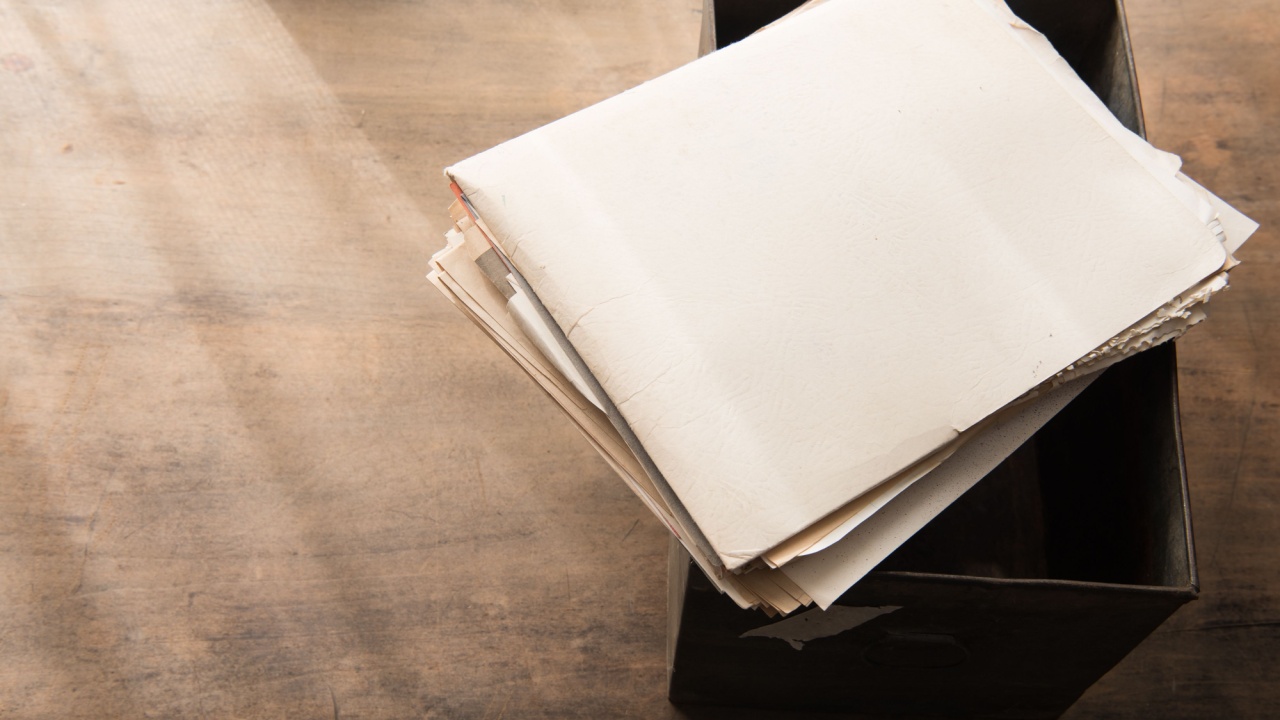
That stack of papers on the kitchen counter might seem harmless, but to a buyer, it reads as clutter. Bills, personal letters, school permission slips, and magazines create visual noise that distracts from your home’s best features. Staging professionals clear every single piece of paper from view to present a clean and organized environment.
Hiding your documents serves another important purpose: privacy. During an open house, many people will be walking through your home. Leaving out mail, tax forms, or medical information is a security risk. Tucking these items away protects your sensitive information and keeps the focus where it belongs: on the beautiful countertops and spacious layout, not on your to-do list.
3. Extra Furniture
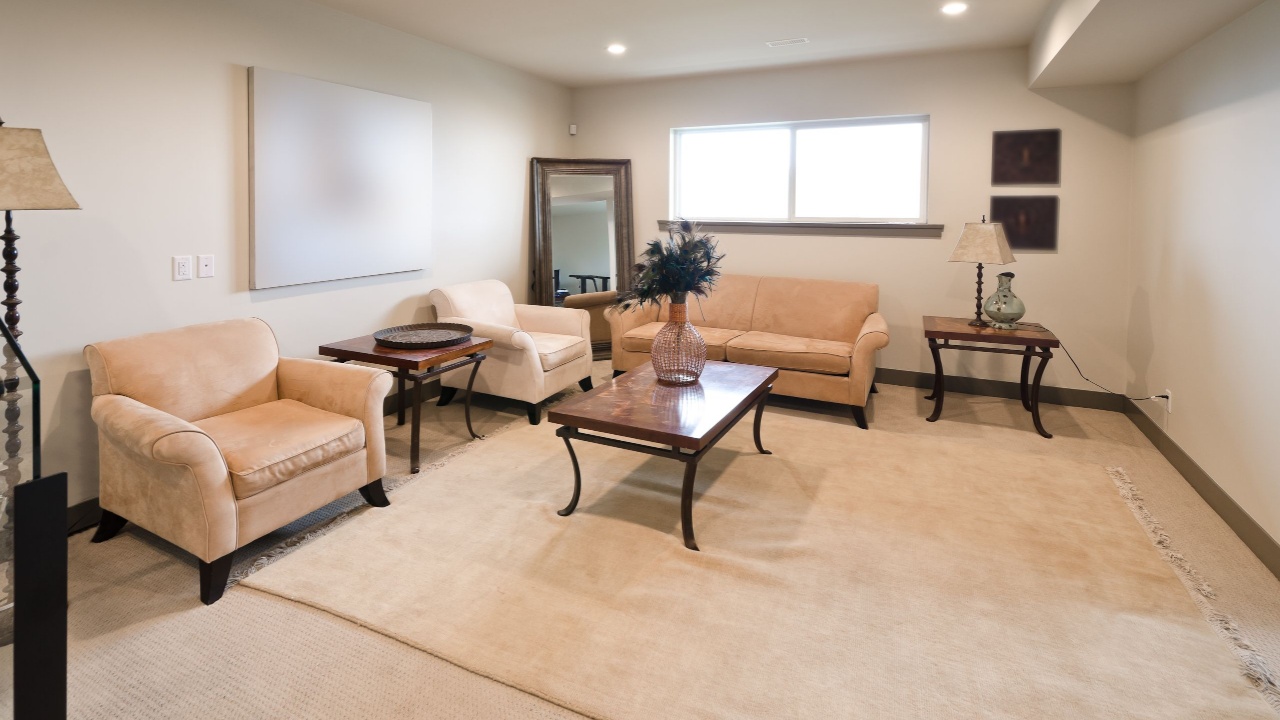
You might love having two armchairs, a loveseat, and a large sofa in your living room for movie nights. But when staging, less is more. Excess furniture can make a room feel cramped and smaller than it actually is. Home stagers are ruthless about removing any piece that obstructs walkways or makes a space feel crowded.
The goal is to show off the floor plan and create a sense of flow. By taking out a few pieces of furniture, a room can instantly feel more spacious and airy. Buyers can better appreciate the size of the room and the potential for their own furnishings. A well-edited room allows a home’s architecture and positive attributes to shine.
4. All the Pet Supplies

You adore your four-legged family members, but not every buyer will. Visible pet accessories like food and water bowls, beds, toys, or a litter box can be a turn-off for a few reasons. Some people have allergies, while others might worry about potential odors or damage, even if your home is immaculate.
Before any showing, stagers will hide all evidence of pets. This means tucking away the food bowls, putting the dog crate in the garage, and removing the cat tree from the living room corner. Creating this pet-free appearance helps your property appeal to the widest possible audience, ensuring that no buyer is deterred before they even have a chance to fall in love with the house itself.
5. Kids’ Toys and Gear
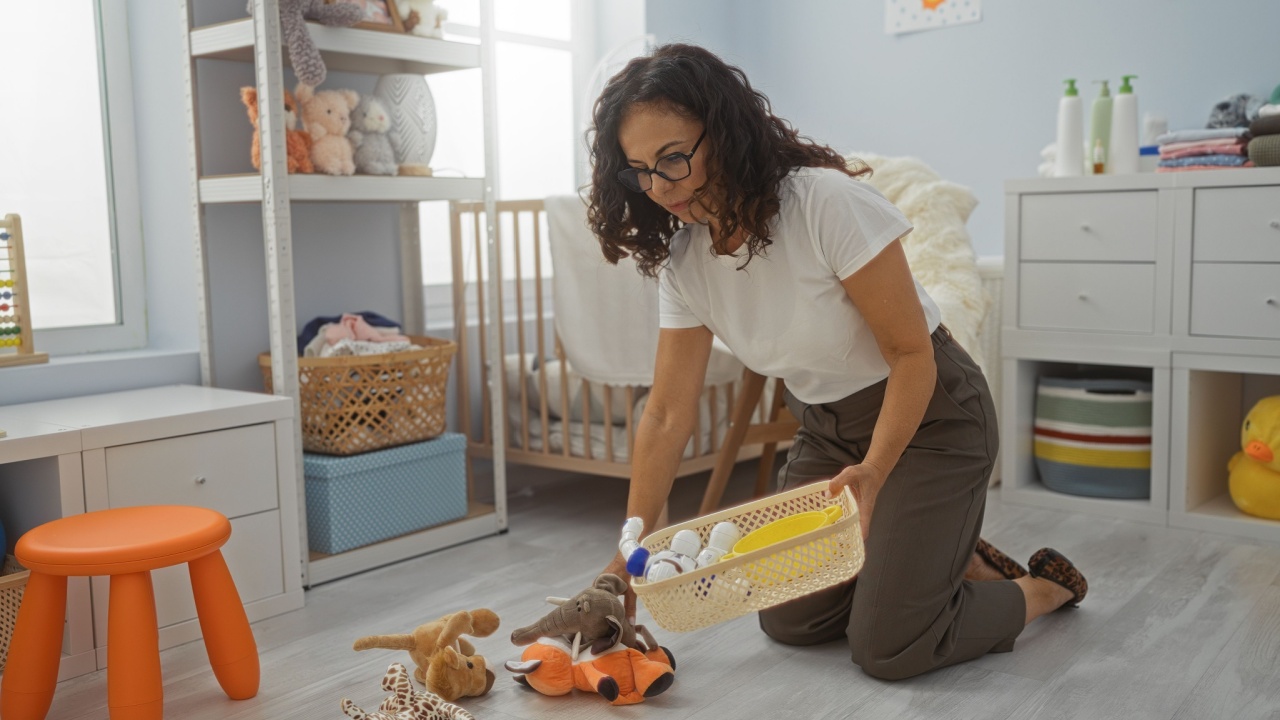
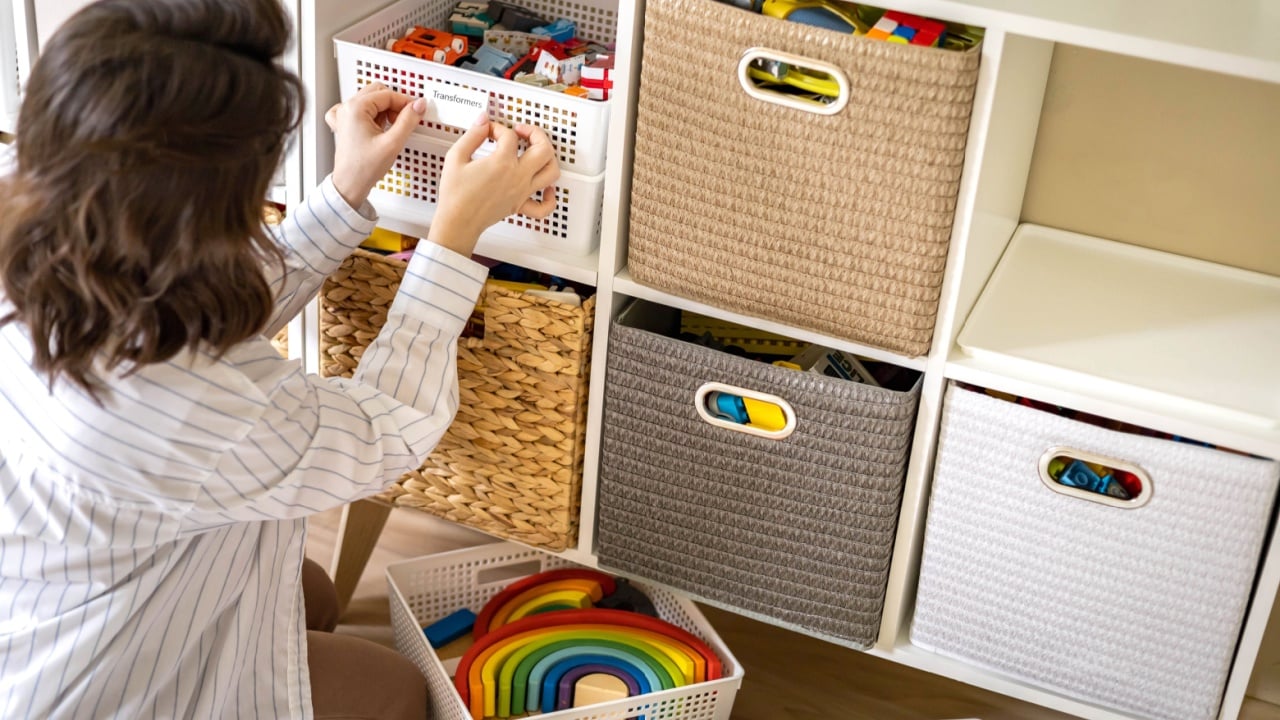
A home filled with children’s toys is a happy one, but it can be distracting during a sale. A floor covered in building blocks or a corner overflowing with stuffed animals can make a room look messy and small. Stagers aim to show off the versatility of a space, and a room designated solely for play can be hard for some buyers to look past.
Professionals will often pack up most of the toys, leaving only a few neatly arranged items on a shelf. Hiding the kids’ toys and messes can transform a “playroom” into a “flexible bonus room” in a buyer’s mind. They might see it as a potential home office, gym, or guest room. This broadens the home’s appeal, especially for buyers who do not have children.
6. Daily Cleaning Supplies
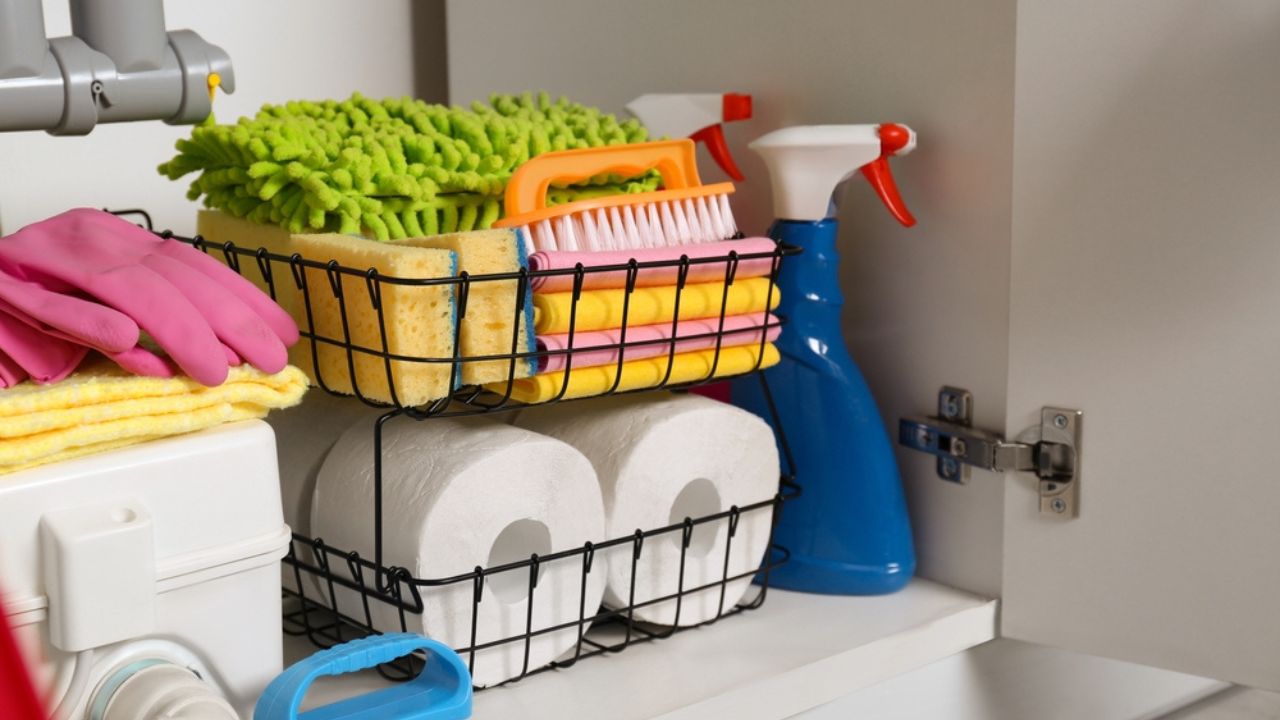
Everyone knows you clean your house, but they do not want to see the tools of the trade. A toilet brush next to the toilet, a sponge sitting in the kitchen sink, or a vacuum cleaner parked in a corner can detract from the clean, polished look you are trying to achieve. These items remind buyers of chores and maintenance.
Stagers make sure all cleaning supplies are completely out of sight. The dish soap and sponge go under the sink, the toilet plunger is hidden in a cabinet, and the paper towels are stored away. Presenting bathrooms and kitchens free of these everyday items helps create a spa-like, pristine feeling. It allows buyers to focus on the fixtures and finishes instead of the work it takes to keep them clean.
Ready, Set, Hide!
Preparing your home for sale is about helping buyers see its full potential. You can start this process by viewing your home through a buyer’s eyes. Go through your house room by room and clear off every flat surface.
Put everything you have cleared into a box. Then, be selective about what you put back. You might find that a few decorative items are all a room needs. This small exercise helps you detach emotionally and see your home as a product to be marketed, which is a powerful first step toward a successful sale.