12 Items to Always Toss Once You Hit Midlife
Reaching your middle years (based on average lifespan: that’s your 40s) brings a sudden urge to simplify your surroundings and create a more peaceful living space. You look around the house and notice how many objects have piled up silently in corners, closets, and drawers over the past few decades. All those accumulated possessions suddenly feel heavy, taking up physical space and mental energy that you would rather spend on living your life.
Clearing out your house at this stage of life provides immense relief and clarity. Having fewer items around means spending less time cleaning, organizing, and looking for misplaced belongings. Letting go of items you no longer use makes room for new experiences and a calmer daily routine.
This guide outlines a dozen specific items you should immediately remove from your home. Following this advice will help you declutter effectively and create a much lighter, more organized living environment.
1. Mystery Cords and Old Chargers
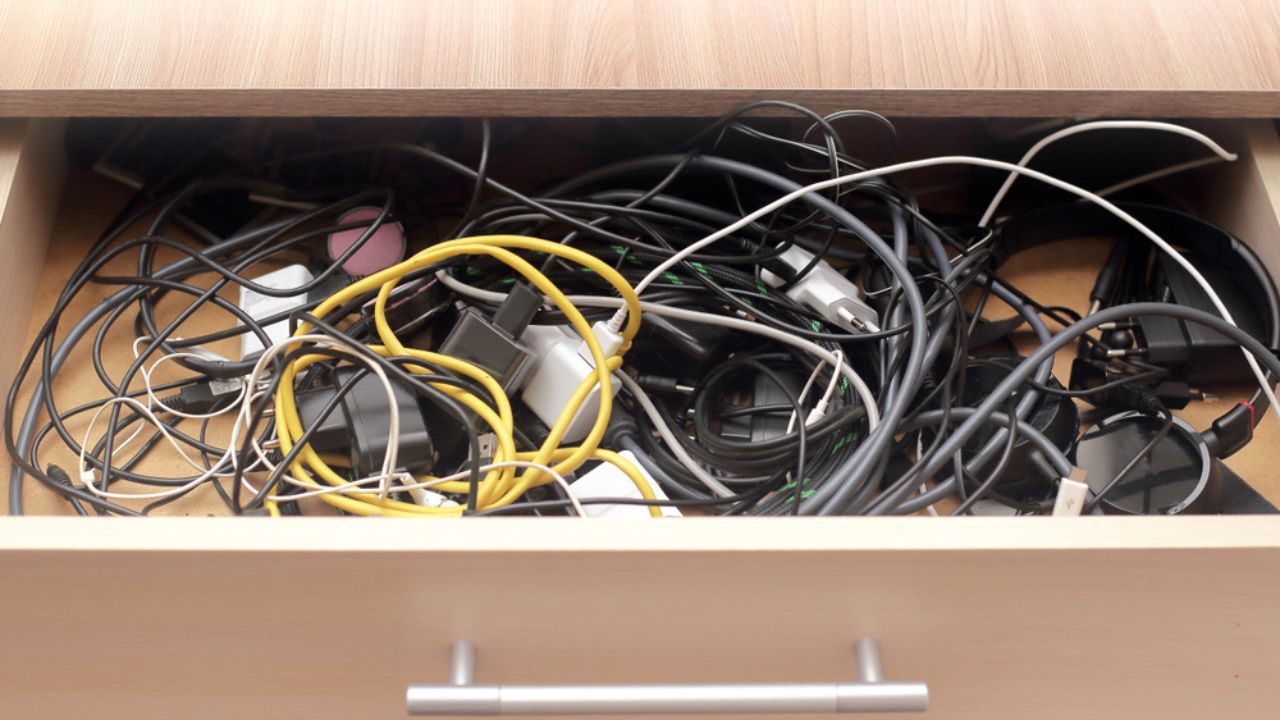
Almost every home has a tangled box of assorted wires, old phone chargers, and connecting cables for electronics you no longer own. Keeping these outdated cords serves absolutely no purpose, especially since modern devices use standardized connections. You likely have several duplicates of the few cords you actually need, making the rest of the pile completely useless.
Take a few minutes to match your current devices to their respective chargers, then discard the rest immediately. Electronic waste recycling centers accept old cables, making it easy to dispose of them responsibly.
2. Expired Pantry Goods and Spices
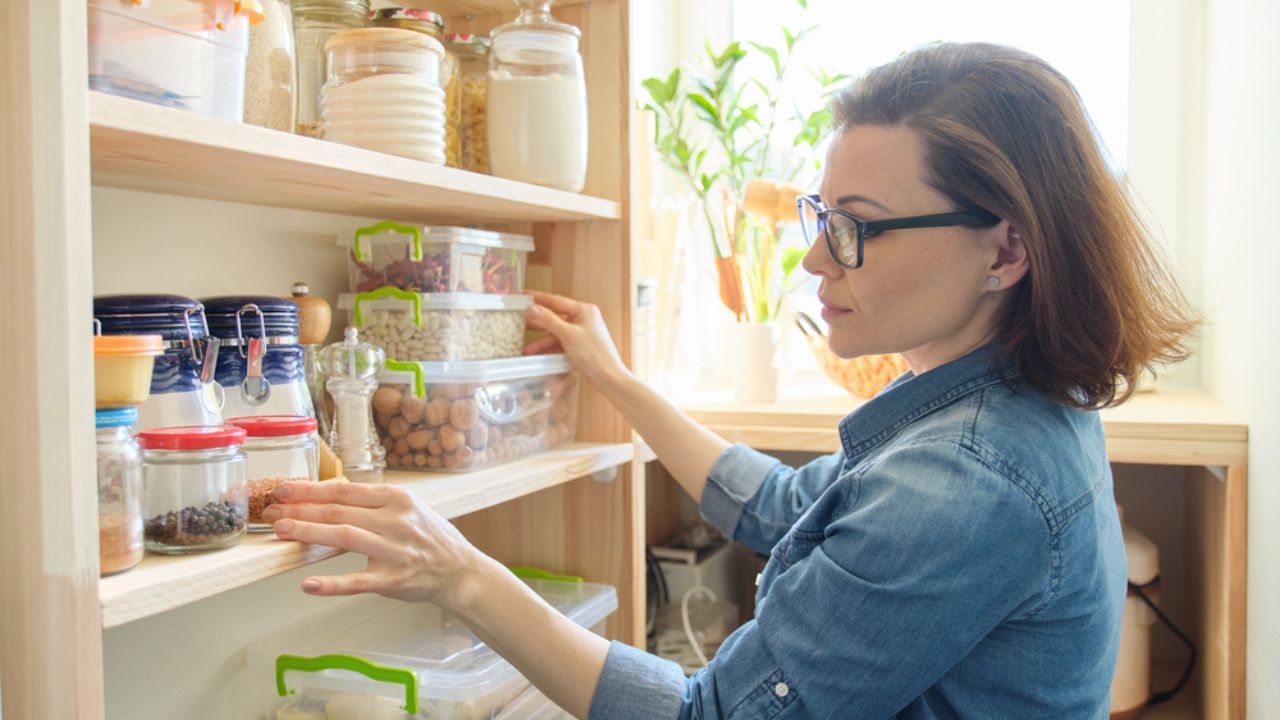
Your kitchen cabinets likely harbor ancient spices, expired canned goods, and stale baking ingredients that have sat untouched for years. Keeping old food items takes up space and makes cooking much harder than necessary. Spices lose their flavor entirely after a year or two, rendering them useless for any recipe.
Clean out the pantry and throw away these old provisions to get a realistic view of the ingredients you actually have available. You can easily see your fresh ingredients and avoid buying unnecessary duplicates at the grocery store. A streamlined kitchen makes preparing meals much more enjoyable and significantly reduces food waste.
3. Clothes That No Longer Fit Your Lifestyle

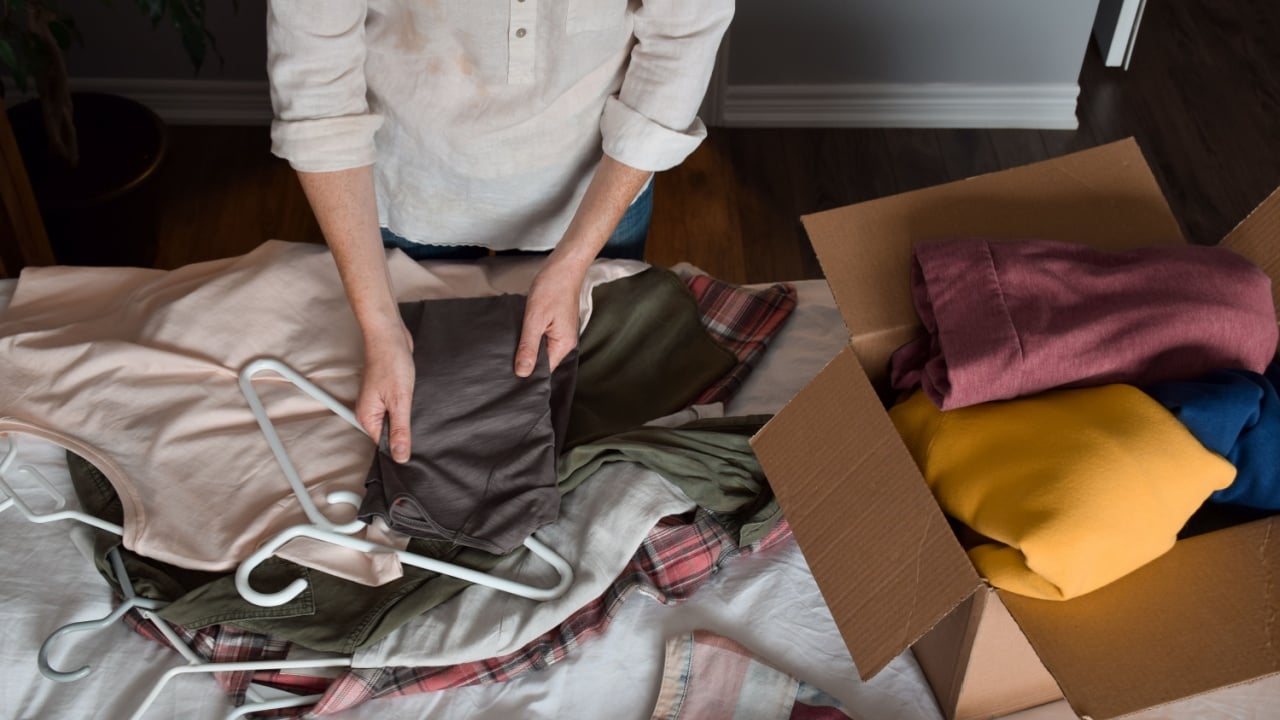
Holding onto clothing from past careers, outdated fashion trends, or different sizes clutters your closet with unwearable garments. You deserve a wardrobe filled exclusively with clothes that fit your current body and match your daily activities. Staring at outfits you never wear creates unnecessary guilt and makes getting dressed a chore.
Donate gently used professional wear or casual clothes to local charities where others can put them to good use. Keeping only pieces you truly enjoy wearing simplifies your morning routine significantly. Having a spacious, organized closet brings peace of mind every time you open the doors.
4. Novelty Coffee Mugs and Promotional Glasses
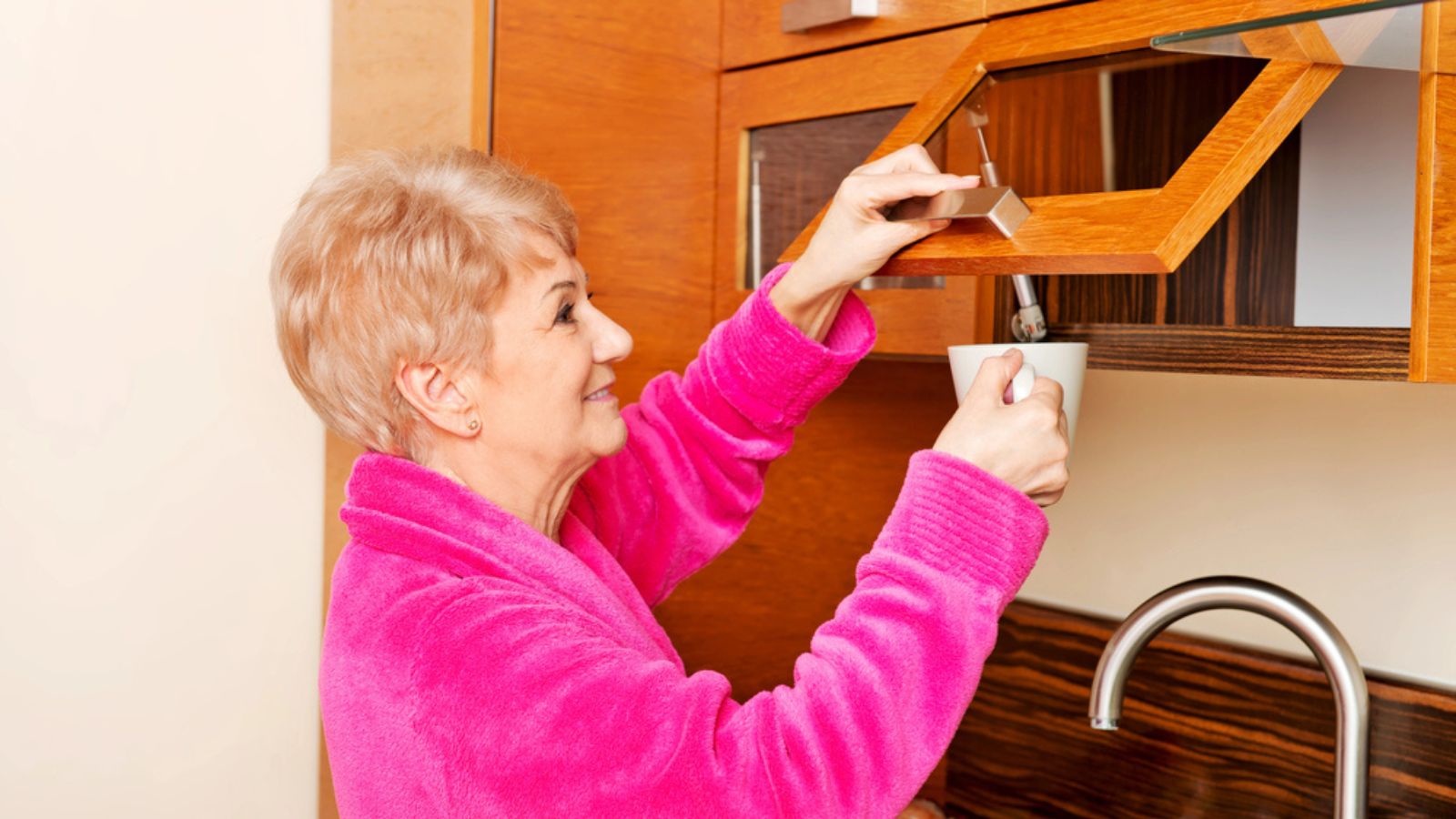
Accumulating souvenir cups, promotional water bottles, and quirky coffee mugs happens naturally over decades of working and traveling. Your cupboards end up crammed with mismatched drinkware that you rarely pull out for your morning coffee. Letting go of these random mugs creates immediate breathing room in your kitchen cabinets.
Select a matching set of your favorite mugs and donate the rest to a local thrift store immediately. You only need enough cups for your household and a few guests, making large collections unnecessary. A tidy, well-organized cupboard makes your kitchen feel much more functional and intentional.
5. Past-Prime Vitamins and Medications
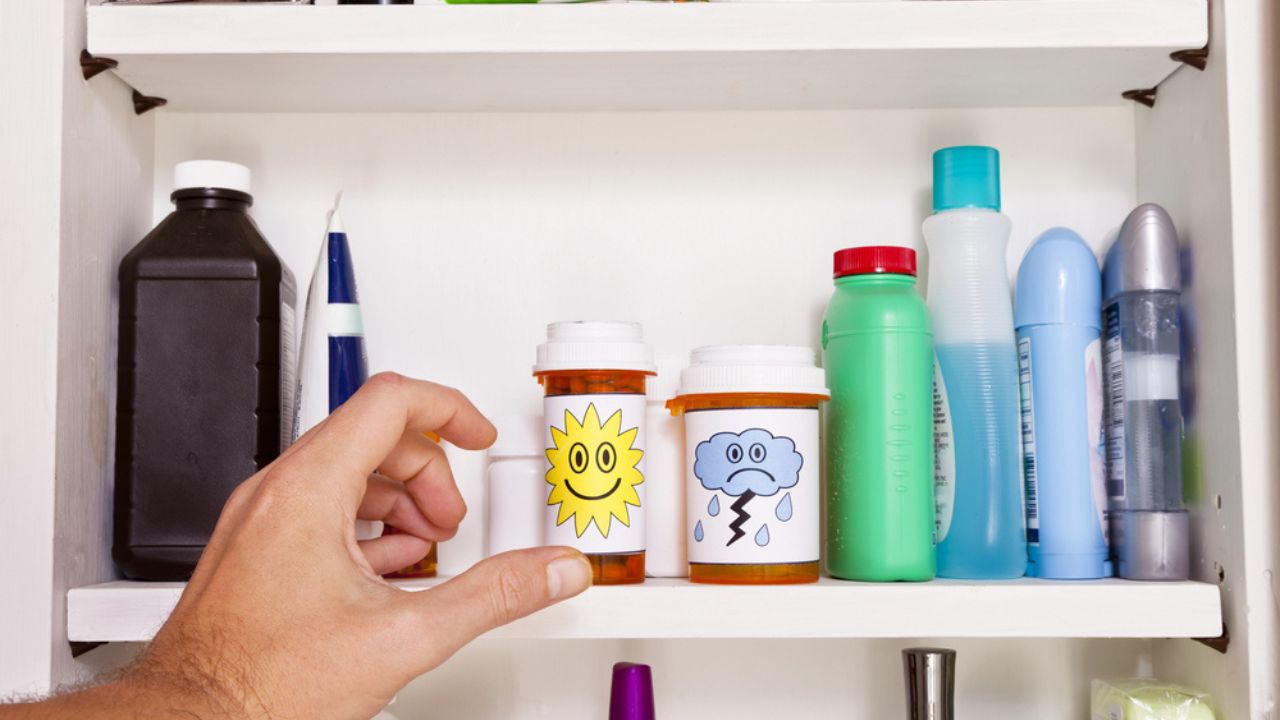
Medicine cabinets frequently overflow with expired pain relievers, old prescriptions, and abandoned vitamin supplements. Consuming expired medication poses health risks, and keeping these bottles creates unnecessary clutter in your bathroom. You need easy access to current, safe remedies without sorting through dozens of ancient bottles. Clearing out these old items protects your health and organizes your space simultaneously.
Check local pharmacy guidelines for safe disposal methods for prescription medications and old pills. Wipe down the empty shelves and restock only your current necessities to create a clean, functional bathroom cabinet. Finding what you need during a minor illness becomes simple and stress-free.
6. Instruction Manuals for Old Appliances
Some homeowners save every printed user guide, warranty card, and assembly booklet for every gadget they purchase. You likely have manuals for televisions, blenders, and vacuum cleaners that broke or were donated years ago. Keeping this bulky paperwork makes no sense when manufacturers post all instructions online in easily searchable formats.
Recycle the paper manuals and, if necessary, create a digital folder on your computer for important appliance information. Relying on digital searches saves massive amounts of physical space and provides faster answers to your questions.
7. Unidentifiable Kitchen Gadgets
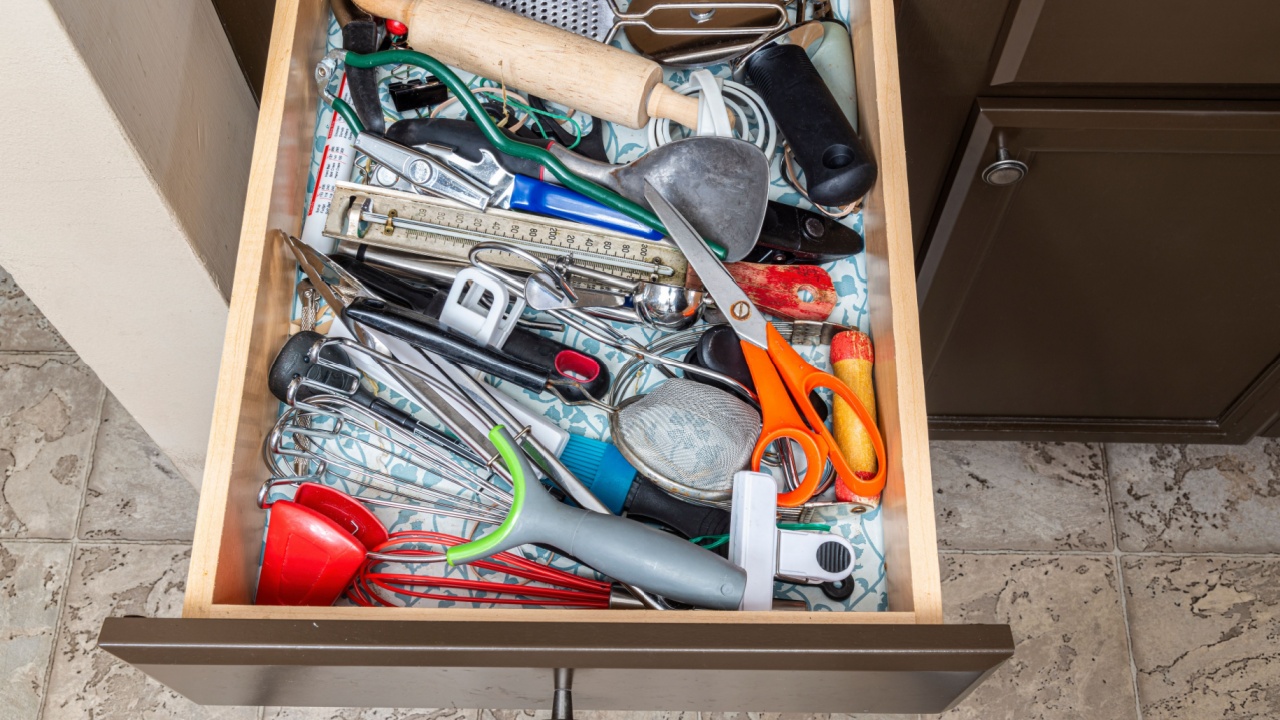
Drawers stuffed with single-use tools, dull peelers, and strange plastic contraptions make cooking frustrating and chaotic. Many of these specialized gadgets seemed useful at purchase but ultimately proved too difficult to clean or operate. Keeping tools you never use creates jams in your drawers and blocks access to your essential utensils. Tossing these unneeded items immediately improves your kitchen functionality.
Keep only the high-quality, multi-purpose utensils that you rely on for daily meal preparation. A chef’s knife, a good spatula, and a sturdy pair of tongs often replace dozens of specialty gadgets easily. Your kitchen becomes a much more efficient workspace when you only navigate around useful tools.
8. Old Paper Bills and Junk Mail
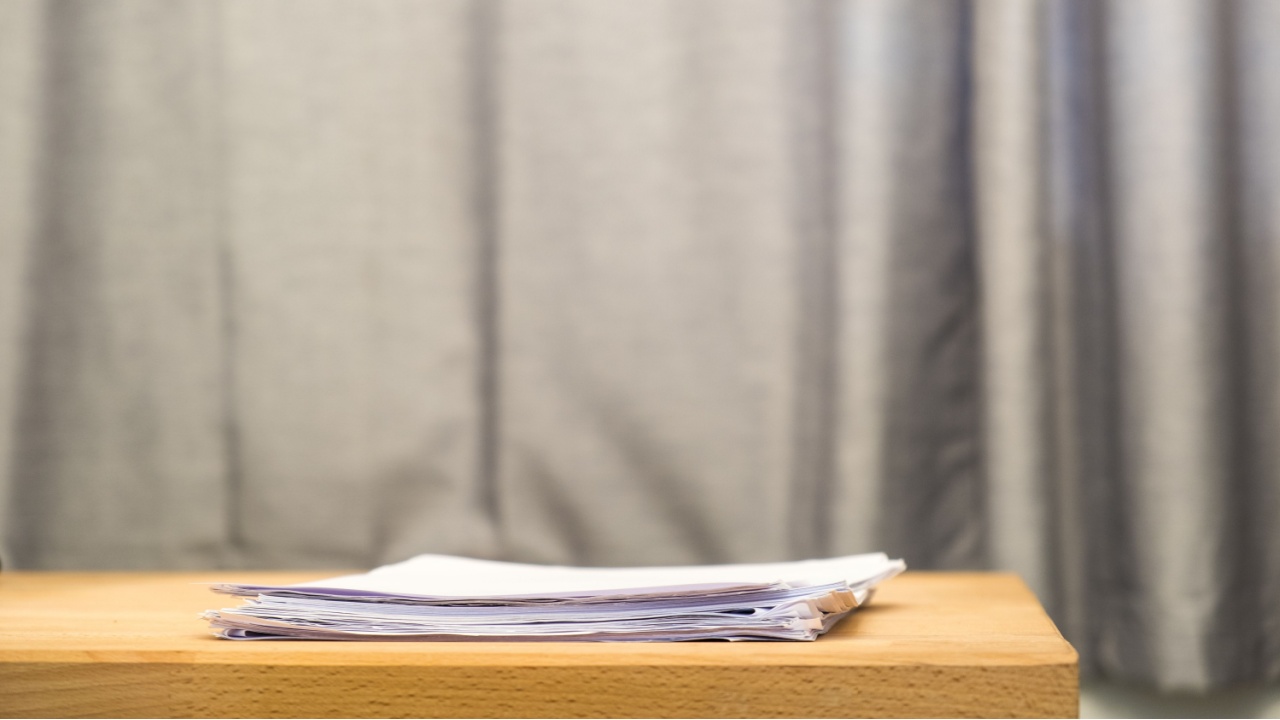
Stacks of outdated utility statements, credit card offers, and old catalogs easily take over countertops and desks. You do not need to keep physical copies of old bills, as financial institutions provide digital archives of your account history. This paper piles up quickly, creating visual noise and making your home feel perpetually messy. Shredding and recycling these documents instantly restores order to your living spaces.
Set up paperless billing for all your accounts to permanently stop the influx of future mail clutter. Sorting your incoming mail immediately upon arrival prevents new piles from forming on your kitchen island. Keeping your flat surfaces completely free of paper creates a remarkably calm environment.
9. Outdated Home Accessories

Decorative items like dusty artificial plants, old throw pillows, and faded knick-knacks accumulate on shelves over the years. These items often lose their appeal, turning into background clutter that requires constant dusting and maintenance. Your style evolves as you mature, making many older decorations feel completely out of place in your current home.
Box up the decorations that you no longer need and drop them off at a local donation center. Keeping your surfaces relatively clear makes cleaning your home much faster and easier. A few carefully chosen pieces make a much stronger visual statement than dozens of random objects.
10. Ticket Stubs and Faded Wristbands
Many people save concert tickets, event lanyards, and festival wristbands in an attempt to preserve specific memories. These trinkets and memorabilia end up crumpled in the bottom of drawers or stuffed into random boxes. The memory of the event lives in your mind and your photographs, not in a faded piece of cardstock. Throwing away these paper scraps clears out lingering junk from your storage spaces.
If certain events hold immense sentimental value, take a quick digital photo of the ticket before throwing the physical copy away. You can easily scroll through a digital album without taking up any physical space in your home. Releasing the attachment to these minor souvenirs feels incredibly liberating.
11. Unused Hobby Supplies
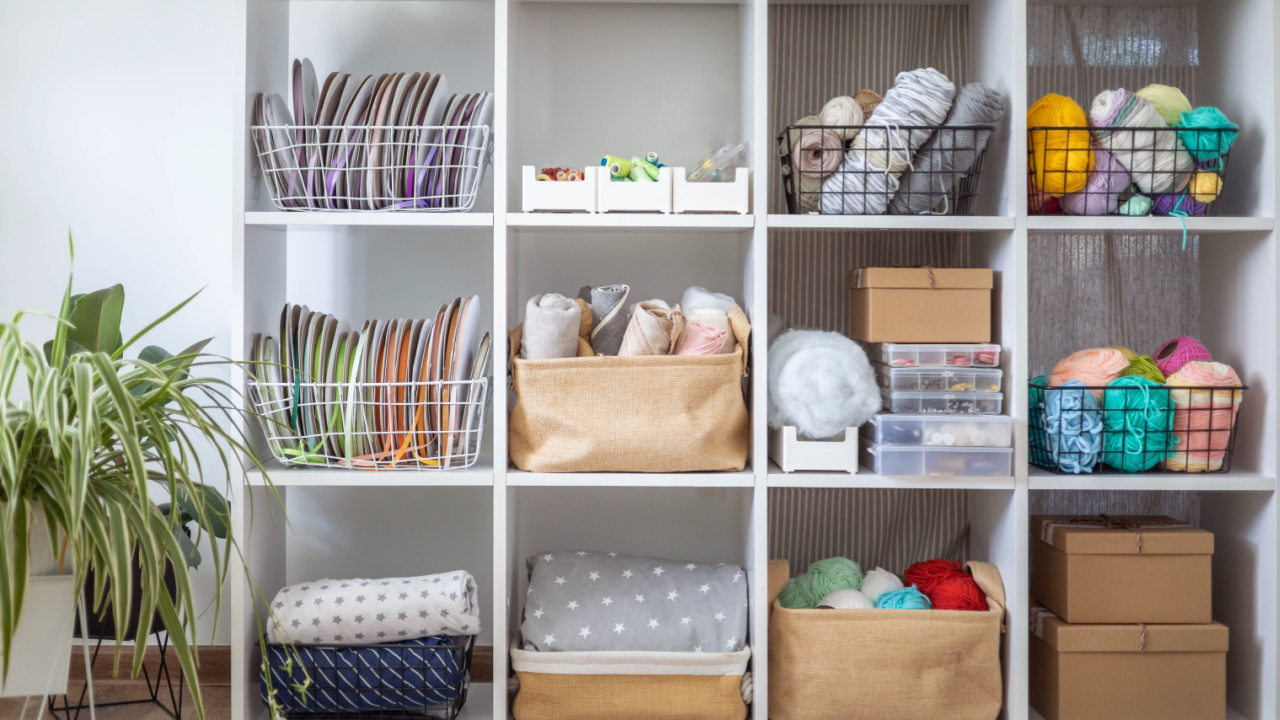
Sometimes, people lose the spark for hobbies. Closets often hide expensive supplies for crafts, sports, or projects you abandoned a decade ago. Keeping knitting yarn, old golf clubs, or scrapbooking materials creates guilt for hobbies you no longer actively pursue. Acknowledging that your interests have shifted allows you to let go of these unused materials freely.
Pass these supplies on to friends, schools, or community centers where enthusiastic beginners will happily use them. Surrounding yourself only with the items for your current passions makes your free time much more enjoyable. You no longer have to look at the supplies for projects you abandoned.
12. Mismatched Plastic Containers
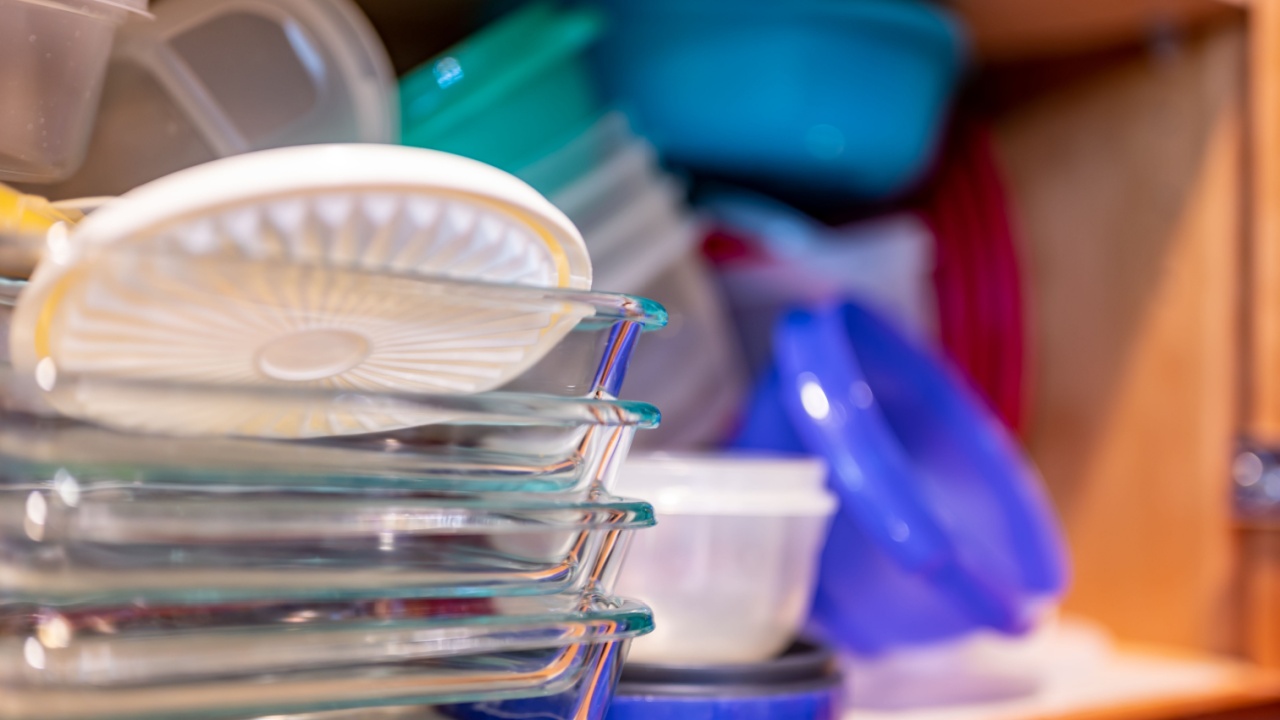
Every kitchen eventually develops a chaotic cabinet filled with plastic food storage containers missing their matching lids. Wrestling with a tumbling avalanche of plastic every time you need to store leftovers causes unnecessary daily aggravation. Keeping containers that you cannot seal wastes space properly and completely defeats the purpose of food storage.
To declutter plastics, recycle the orphaned lids and warped plastic bowls, then invest in a single, high-quality set of glass or durable containers. Storing a matching set neatly saves an incredible amount of cabinet space and reduces frustration. Packing up your dinner leftovers becomes a quick, seamless process rather than a stressful puzzle.
Fresh Start Ahead

Getting rid of unnecessary items transforms your house into a highly functional and peaceful environment. Letting go of decades of accumulated possessions allows you to fully embrace your current lifestyle. Reclaiming your space provides a profound sense of relief and leaves you ready to enjoy a much lighter, organized home.
Read More:
7 Tricks to Start Decluttering and Stop Feeling Disorganized
2026 is Now 25% Over- Use These Hacks to Declutter and Create a Calmer Space