6 Alternatives to a Thrift Store When You Have Unwanted Items to Purge
Getting rid of useful stuff can feel harder than the actual act of clearing out a closet. You do not want good items going to waste, yet you wonder if dropping everything at one thrift store is the best fit.
Some items can help people faster in a shelter or family center. Other things may bring in cash at a resale shop, support animal care, or land in the hands of someone who truly needs and appreciates them.
A better match often means your items stay in use longer. It can also save staff time, cut down on waste, and make your cleanout feel a lot more worthwhile.
If you are looking for alternatives to a thrift store when you have items to get rid of, this list covers practical places to donate, sell, or pass things on with purpose.
1. Emergency Shelters
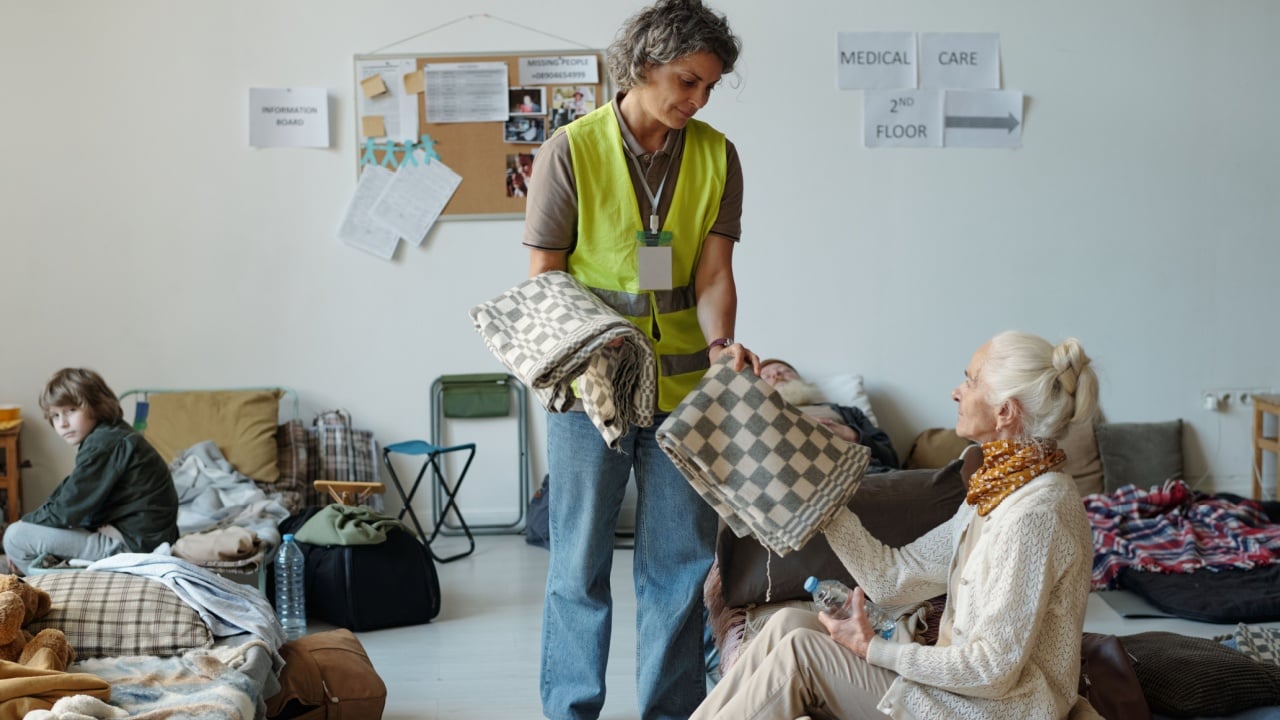
Emergency shelters often need the basics that people need right away. Clean clothing, shoes, coats, blankets, towels, unopened toiletries, and diapers can all fill urgent gaps for women, families, veterans, and people leaving unsafe homes.
These places often serve people in crisis, so useful everyday items can matter more than decorative goods. A bag of clean socks and hygiene supplies may do more good here than it would on a resale rack.
Before you drop anything off, check the shelter’s website or call the office for its current wish list. Many programs have limits on storage, and some can only take seasonal items or new personal care products. Wash clothing, pair shoes, and pack like items together so staff can sort them fast.
If you have luggage, backpacks, or sturdy tote bags, ask if they can use those too, since they help people carry what they receive.
2. Chain Resale Stores
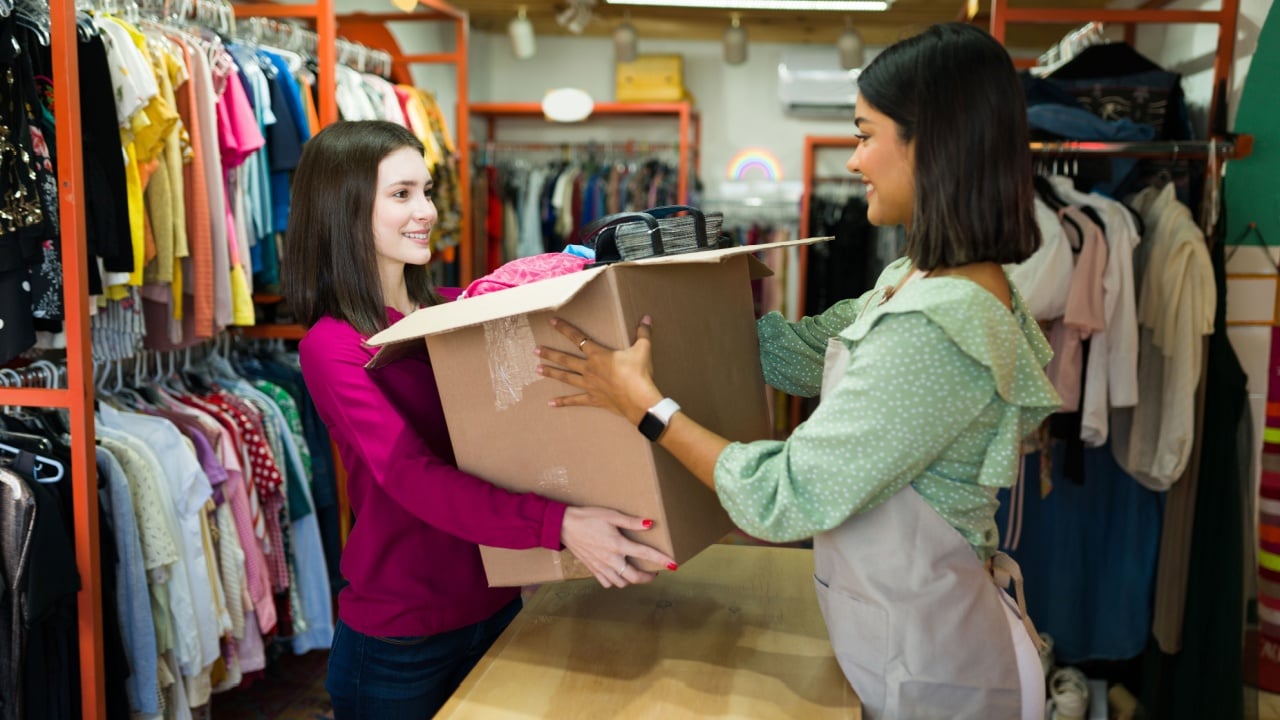
Chain resale stores can be a smart choice when you want cash instead of a donation receipt. Stores such as Plato’s Closet, Uptown Cheapskate, Once Upon a Child, and Play It Again Sports focus on specific categories, so they often buy current styles, kids’ gear, and sports equipment on the spot.
This route works best for clean items, in season, and still in demand. It is a good fit for people clearing out newer clothes, cleats, strollers, or branded athletic wear.
A little prep can raise your odds of a yes. Wash items, fold them neatly, replace missing laces or buttons, and bring the best pieces first, since buyers may stop once they hit their limit.
Check each store’s buying hours before you go, since some only buy during certain parts of the day. If a store passes on your items, ask what they accept most often so your next trip goes better.
3. Assisted Living Facilities
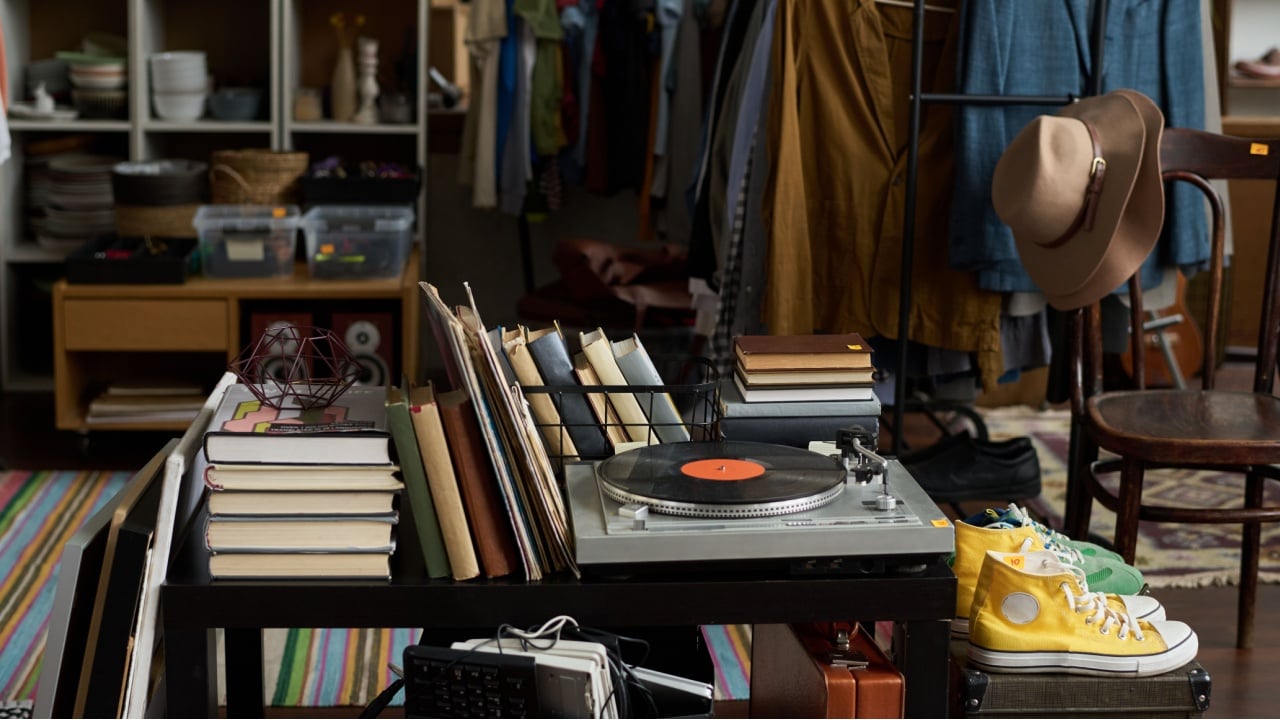
Assisted living facilities can use items that make daily life more pleasant for residents. Books with large print, puzzles, simple games, DVDs, music CDs, slippers, shawls, lap blankets, and art supplies are often useful in shared activity rooms or private spaces.
Many residents enjoy items that support comfort, hobbies, and social time. A donated stack of easy-to-hold card games or uplifting movies may get far more use here than in a general donation bin.
Call before delivering anything, since each facility has its own rules on what it can take. Some places may want clean magazines, unused craft supplies, or group activity materials, while others may avoid used fabric items for health reasons.
If you have holiday decorations, ask if they can use them in common areas for seasonal events. Staff can often tell you which donations residents enjoy most and which items they already have plenty of.
4. Local Bookshops

Independent bookshops are a strong option for used books that still have value. Many buy popular fiction, recent nonfiction, children’s books, cookbooks, and special interest titles for cash or store credit.
This can work better than sending books to a thrift store, where they may sit for a long time or never reach the right reader. Well-kept books with clean covers and minimal writing inside tend to do best.
If a shop does not buy your titles, there are still good ways to place them. Little Free Libraries, school reading corners, literacy groups, senior centers, and hospital family waiting rooms may welcome books in good shape.
Sort books by age group or topic before donating so they are easier to place. Skip moldy, damaged, or outdated books that no one is likely to use.
5. Humane Societies and Animal Shelters
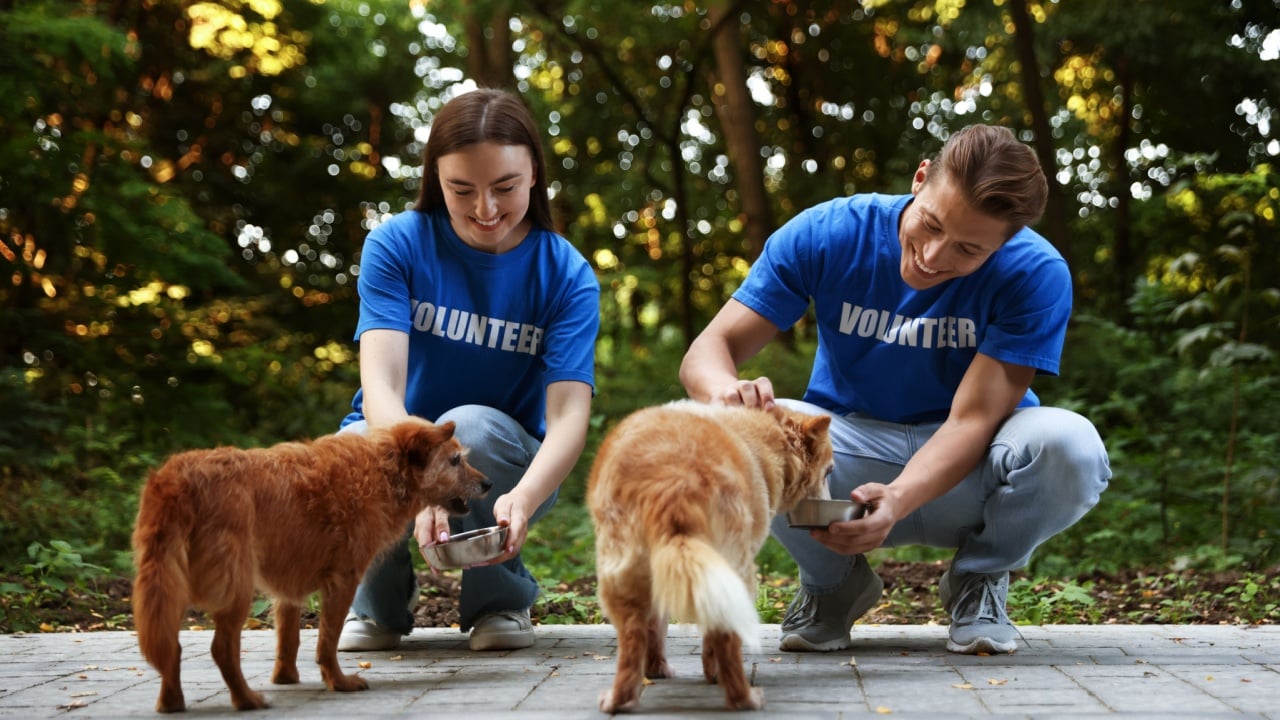
Animal shelters often need more than pet food and toys. Many accept clean towels, flat sheets, blankets, unopened pet treats, crates, carriers, stainless steel bowls, leashes, and pet beds in decent shape.
Some even use stuffed animals for comfort or enrichment, though rules vary by shelter. These items help staff care for animals while keeping supply costs down.
Reach out first, since shelters may have limits on bulky bedding or used pet gear. Ask if they need newspaper, laundry detergent, trash bags, or office supplies too, since daily operations use a wide range of basics.
Wash all fabric items with unscented detergent if possible, and label sizes on carriers or crates. If you have opened food or medication, do not assume it can be accepted without checking.
6. Household Consignment Shops

Household consignment shops are useful when you have furniture, lamps, wall art, mirrors, dishes, or décor with resale value. These shops usually look for clean, current pieces that are in strong condition and easy to display.
Instead of taking a small flat payout, you may earn a share after the item sells. This route can make sense for better-quality home goods that are still attractive and functional.
Ask how long the shop keeps items, what commission it charges, and who sets the price. Take clear photos and measurements before you haul anything over, since many stores pre-approve larger pieces by email or text.
If consignment feels too slow, Habitat for Humanity ReStores are another solid option for furniture, cabinets, lighting, tools, and building materials. Those donations support local housing work while keeping useful items out of landfills.
A Better Home For Your Stuff

A thrift store is one option, though it is far from the only one. The best place for your unwanted items depends on what you have, its condition, and whether you want to donate, sell, or give it away nearby.
When you match each item to the right place, your cleanout becomes more useful and less wasteful. Clothing can support a shelter, books can reach eager readers, and home goods can earn money or serve a family in need.
Before loading your car, sort your items into simple groups such as sell, donate, give away, and recycle. That small bit of planning can help you clear space faster and send each item where it has the best chance of being used again.
Read More:
6 Thrifted Items Stagers Always Buy to Make a Home Feel Elegant
These Are the Most Underrated Thrift Sections to Always Check