10 Care Tips for Thriving Winter Houseplants
Imagine being a peace lily or even a cactus in winter, freezing in a corner because no sweater fits, without anyone seeing your shiver. When the days get shorter and a chill fills the air, we all tend to hunker down with a cozy blanket and a warm drink. Your houseplants feel the same way, minus the hot cocoa.
Winter can be a tough season for our green friends, as the light, temperature, and humidity they loved all summer suddenly disappear. Your indoor jungle doesn’t have to turn into a botanical boneyard. Here’s how to keep your houseplants happy and healthy until spring returns.
1. Maximize the Light
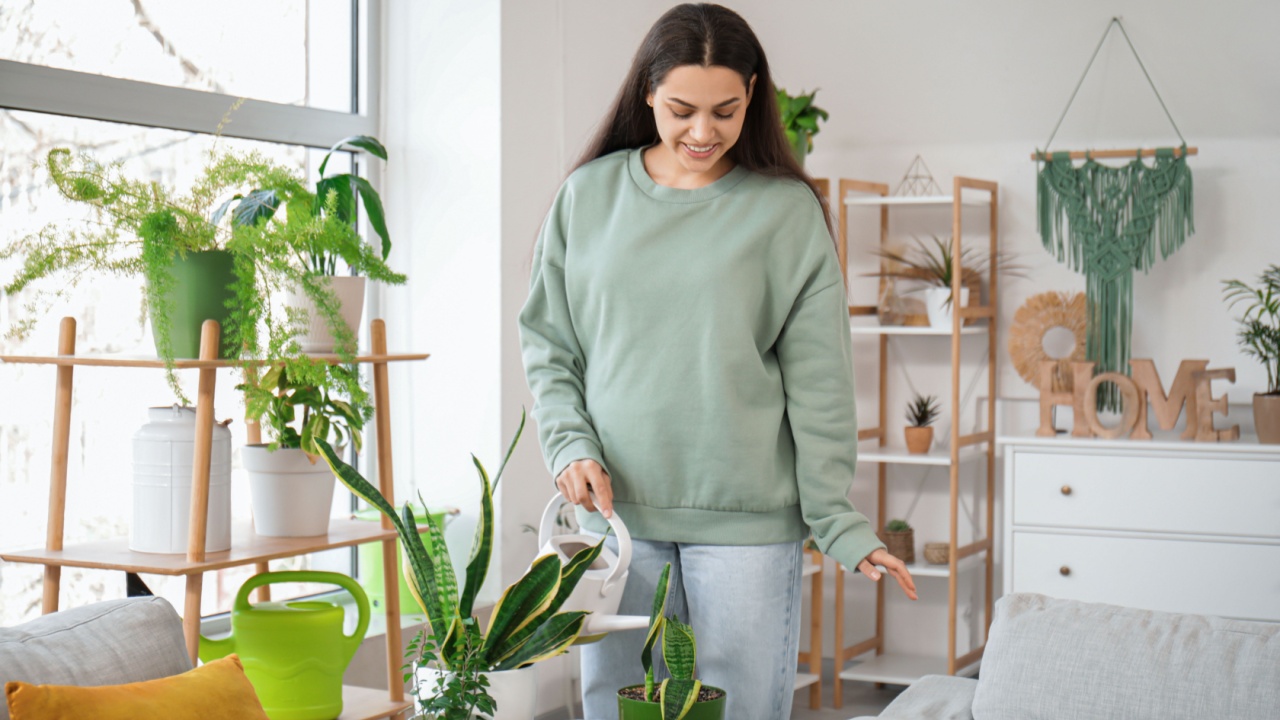
As the sun plays a cruel game of hide-and-seek during winter, your plants are often left wanting more. Light is the fuel for photosynthesis, the process that provides plants with the energy to grow and remain green. Shorter days and weaker sunlight mean your plants are running on fumes. Move them to a brighter spot to give them a fighting chance against the cold.
A south-facing window is perfect, offering the most intense and longest-lasting light. Take a tour of your home and identify the sunniest spots. You may need to play a bit of musical chairs with your pots, relocating plants to give them a front-row seat to the available sunlight. Don’t forget to clean your windows, inside and out. A surprising amount of light can be blocked by a thin layer of dust.
What to do:
- Move plants to south-facing windows.
- Clean windows to let more light through.
- Rotate your plants every week for even growth.
- Supplement with a grow light if natural light is scarce.
2. Adjust Your Watering Routine
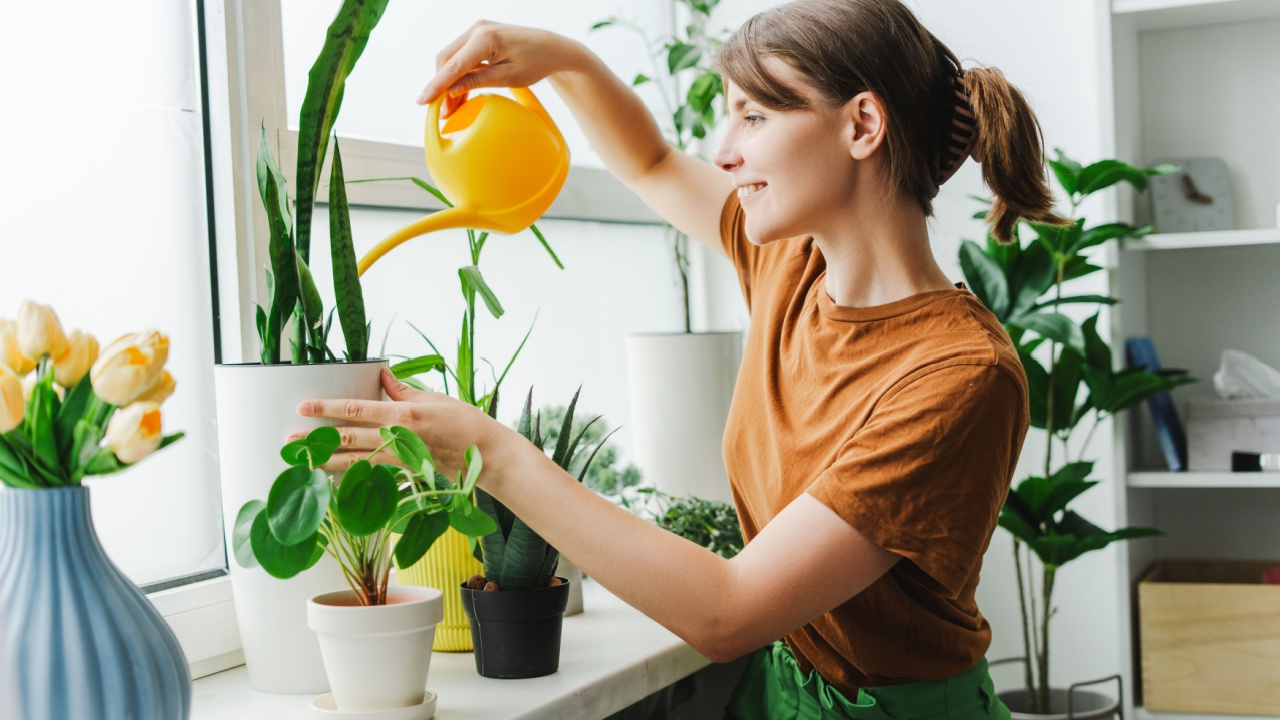
The number one mistake plant parents make in winter is overwatering. Your plants’ growth slows down, and their water needs decrease significantly. They are hibernating; they’re not as thirsty as they were during their summer growth spurt. Soggy soil in cold weather is a red carpet for root rot, a fungal disease that can quickly kill a plant.
Before you think about picking up the watering can, do the finger test. Stick your index finger about two inches into the soil. If it feels dry, it’s time to water. If you feel any moisture, step away and check again in a few days. For most common houseplants, this might mean watering every two weeks instead of every week. Cacti and succulents may only need a sip once a month.
What to do:
- Water less frequently than in spring and summer.
- Check the soil moisture before watering; only water when the top two inches are dry.
- Use room-temperature water.
- Ensure pots have good drainage to prevent water from sitting at the bottom.
3. Boost the Humidity
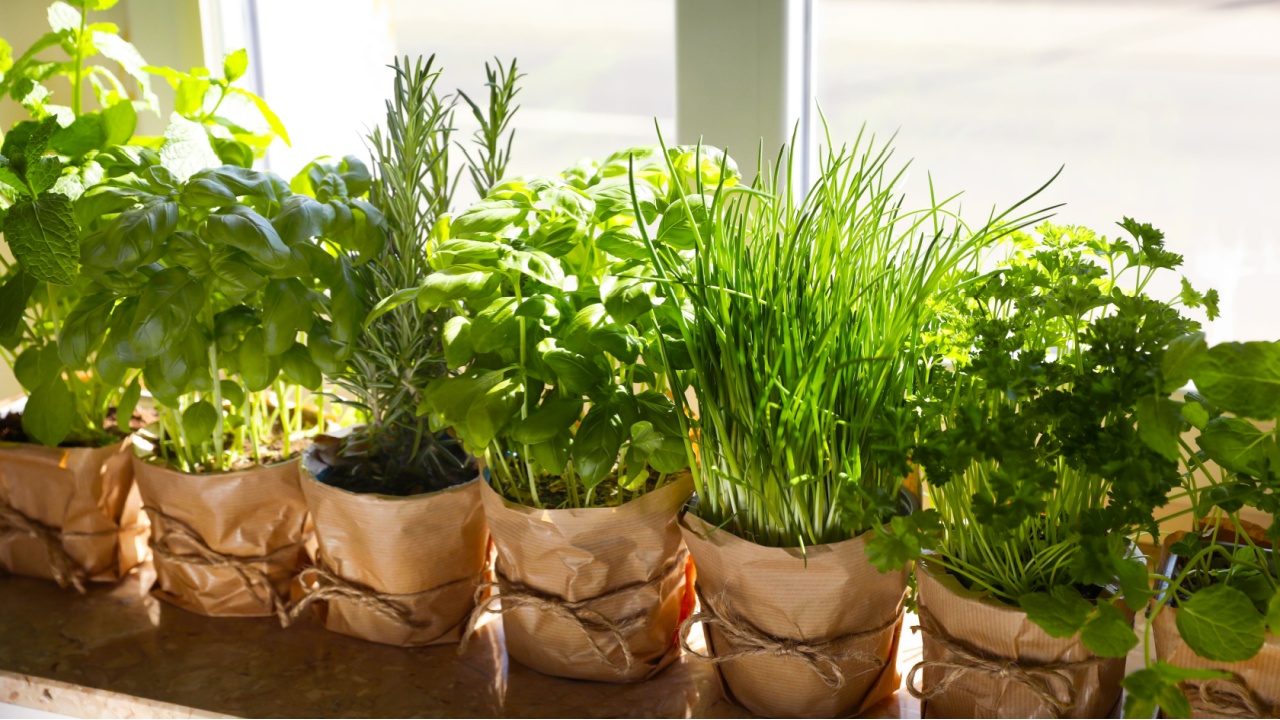
Winter air is notoriously dry, thanks to our indoor heating systems. While we might just get chapped lips, our houseplants, especially tropical ones, really suffer. Most houseplants prefer humidity levels of around 40-60%, but in winter, home temperatures can easily drop to 10-20%. This dry air can cause brown, crispy leaf tips, yellowing, and stunted growth.
Grouping your plants together is a simple and effective way to create a more humid microclimate. As plants transpire (release water vapor), they’ll raise the ambient humidity for their neighbors. For an extra boost, place your plants on pebble trays. Fill a shallow tray with pebbles and water, then set your pot on top. The pot will sit above the water, preventing root rot, while the evaporating water increases humidity right where it’s needed.
What to do:
- Group plants together to create a humid micro-environment.
- Use pebble trays filled with water beneath your pots.
- Invest in a small room humidifier.
- Avoid placing plants near heating vents or radiators.
4. Keep Temperatures Stable
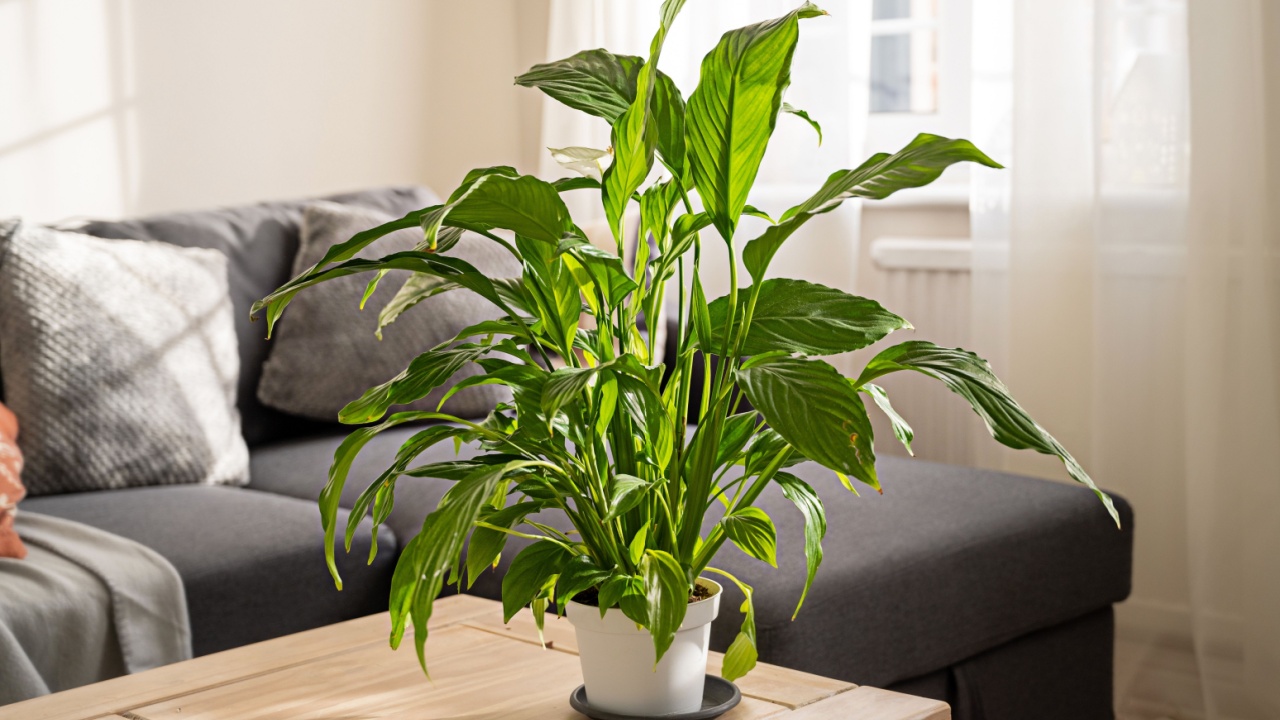
Houseplants are a bit like Goldilocks; they don’t like it too hot or too cold. Most prefer a consistent temperature between 65-75°F. The problem in winter isn’t just the cold, but the drastic temperature swings. Drafty windows, doors opening to the frosty outside, or a spot right next to a blasting heater can all stress your plants.
Take a moment to assess where your plants are living. Are they sitting on a chilly windowsill where their leaves touch the freezing glass? Move them back a few inches. Are they in the direct line of fire of a heat vent? Find them a new home. Sudden changes in temperature can cause leaves to yellow and drop suddenly.
What to do:
- Maintain indoor temperatures between 65-75°F.
- Keep plants away from drafty windows, doors, and heat sources.
- Avoid letting leaves touch cold windowpanes.
- Use a thermometer to monitor room temperature if you’re unsure.
5. Hold the Fertilizer
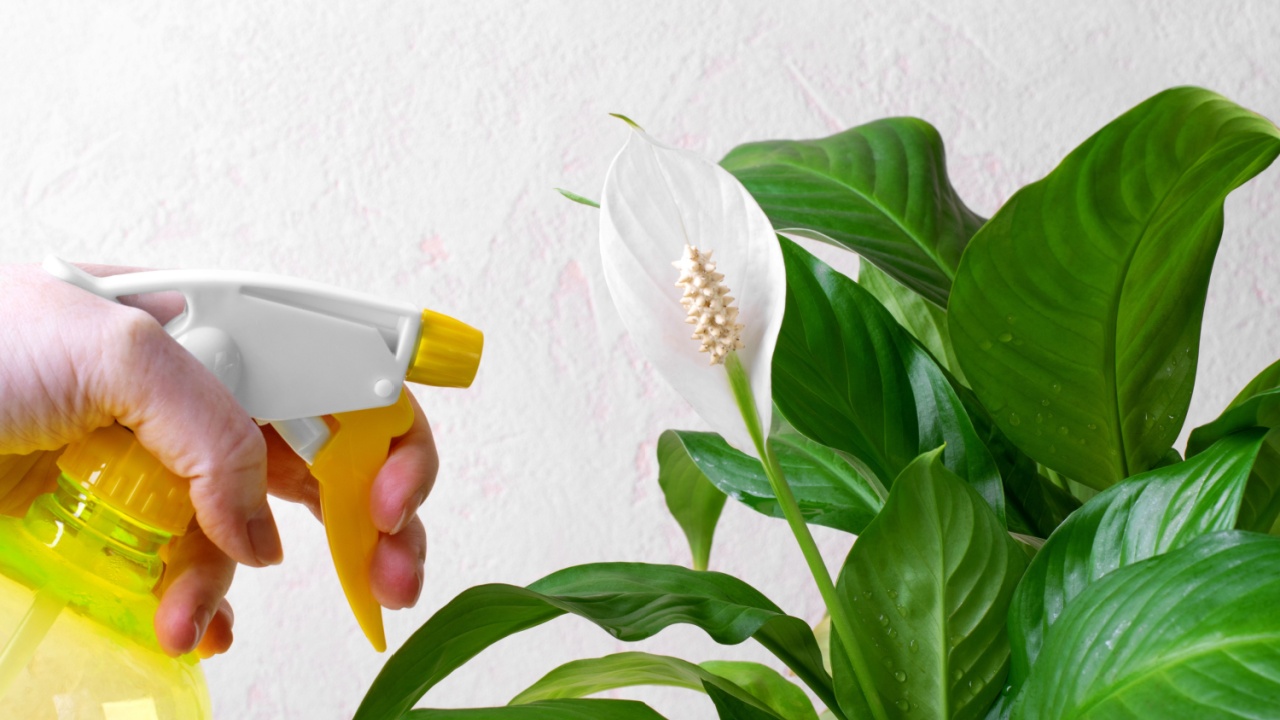
During their winter dormancy, plants don’t need the extra nutrients that fertilizer provides. They’ve slowed their roll and are conserving energy, so feeding them is like trying to force-feed someone who’s taking a nap. Excess fertilizer salts can build up in the soil, damaging the roots and causing leaf burn.
In almost all cases, you should stop fertilizing your houseplants in the fall and wait to resume until you see signs of new growth in the spring. The only exception might be for plants that are actively growing under a grow light. Even then, you should dilute the fertilizer to half-strength and use it sparingly. For everyone else, just let them rest.
What to do:
- Stop fertilizing most houseplants from fall until early spring.
- Excess fertilizer can burn roots and damage dormant plants.
- If a plant is actively growing, use a half-strength fertilizer occasionally.
- Resume your regular feeding schedule when you spot new growth in spring.
6. Clean the Leaves
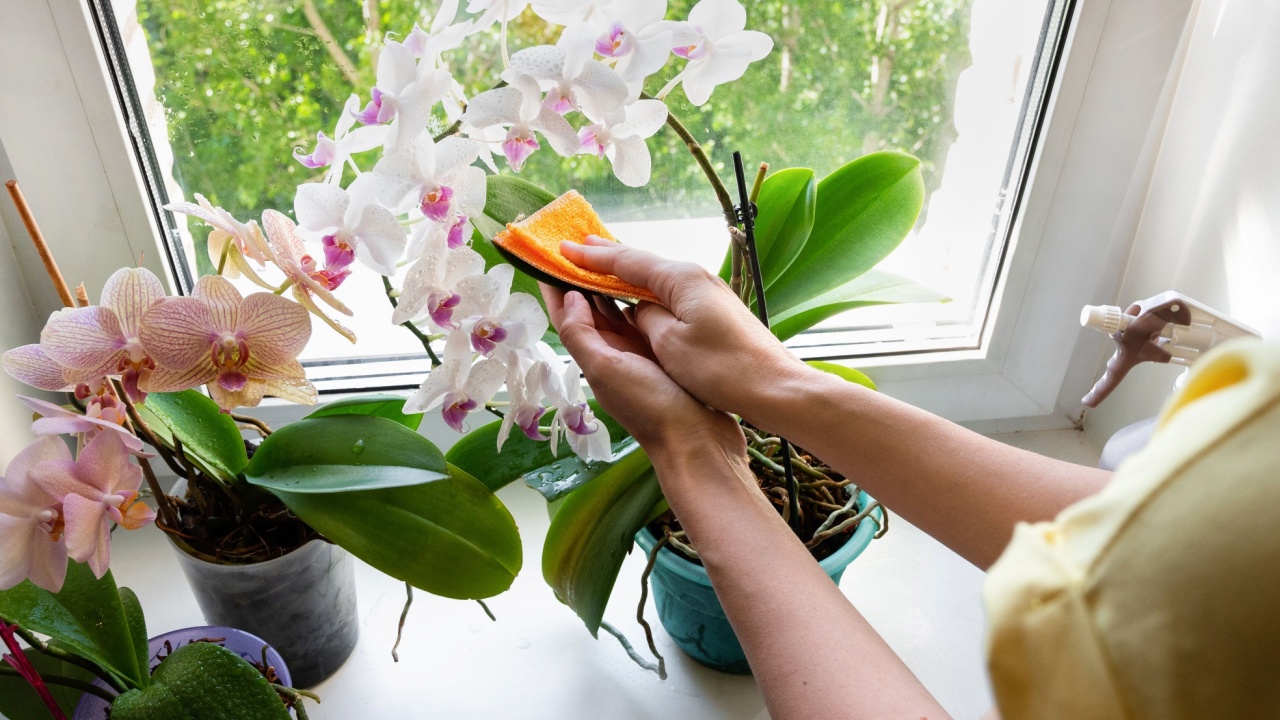
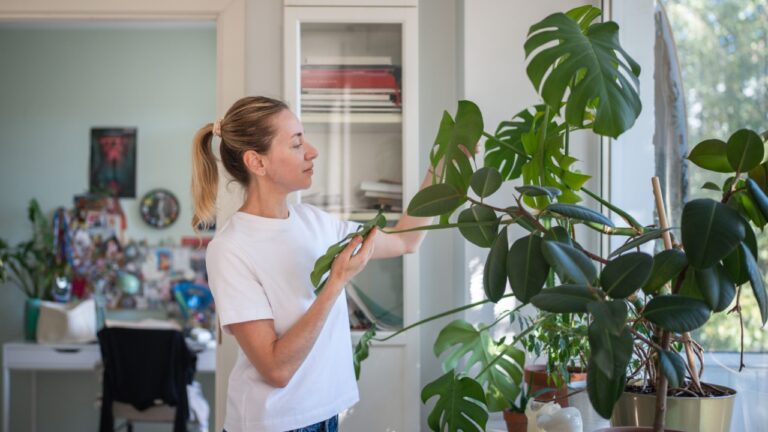
Your home gets dustier in the winter when windows are closed, and that dust settles on your plant’s leaves. A layer of grime might not seem like a big deal, but it blocks sunlight and clogs the pores (stomata) your plant uses to breathe. Cleaning the leaves is a simple act of kindness that helps your plant perform photosynthesis more efficiently.
For plants with large, smooth leaves, use a soft, damp cloth to gently wipe down each leaf. You can add a tiny drop of mild soap to the water for extra cleaning power. For plants with many small or fuzzy leaves, a gentle shower is a great option. Place them in the tub and use a lukewarm spray to rinse them off.
What to do:
- Wipe down leaves with a damp cloth every few weeks (water will do, anything more is a plant care myth).
- Give plants a lukewarm shower to wash off dust.
- Clean leaves help plants absorb more light.
- This is also a good opportunity to inspect for pests.
7. Monitor for Pests
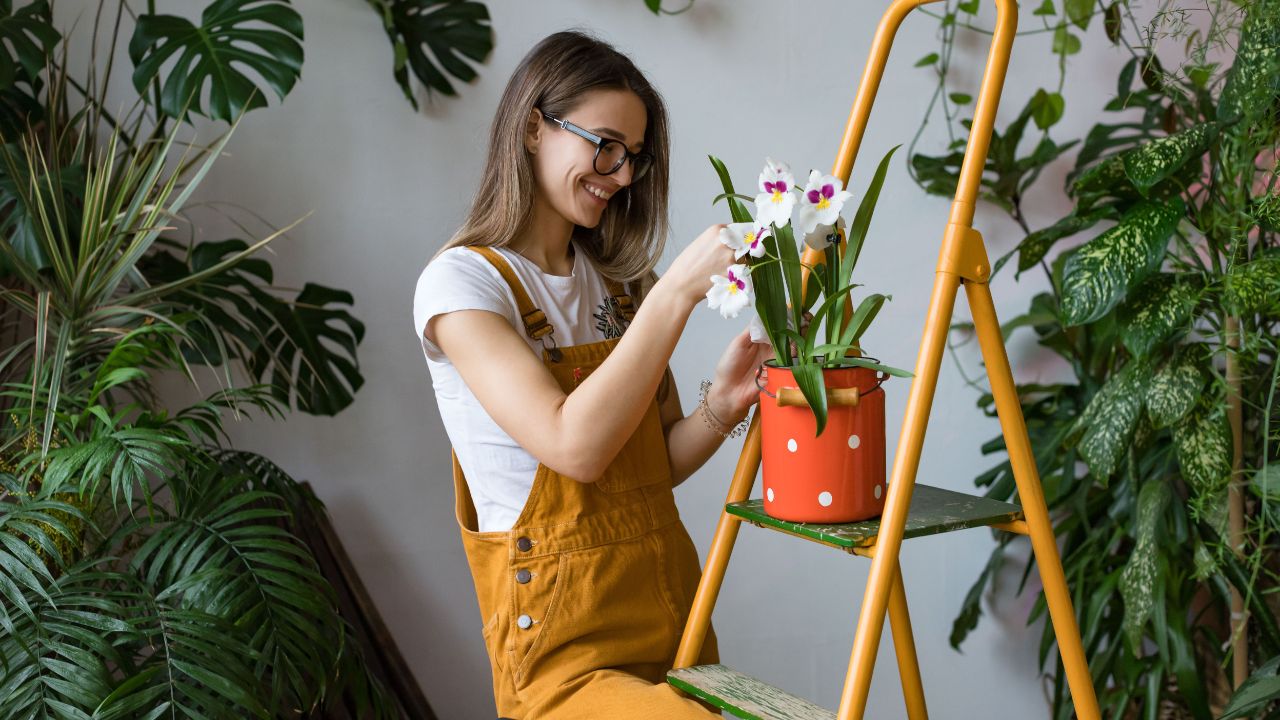
Winter is prime time for houseplant pests like spider mites, aphids, and mealybugs. These critters love the warm, dry conditions of our homes and can multiply quickly on stressed plants. Since you’re spending more time indoors, make it a habit to regularly inspect your plants for any signs of trouble.
Check the undersides of leaves, the joints where leaves meet stems, and the soil surface. Spider mites create fine, delicate webbing, while mealybugs look like tiny white cottony specks. If you bring a new plant home, quarantine it for a few weeks in a separate room to ensure it doesn’t introduce pests to your existing collection. If you do find an infestation, act quickly. Isolate the affected plant and treat it with a natural solution like neem oil or insecticidal soap.
What to do:
- Inspect plants regularly for pests, especially on the undersides of leaves.
- Quarantine new plants for at least four weeks.
- Look for webbing (spider mites) or white fuzzy spots (mealybugs).
- Treat infestations promptly with neem oil or insecticidal soap.
8. Embrace Dormancy
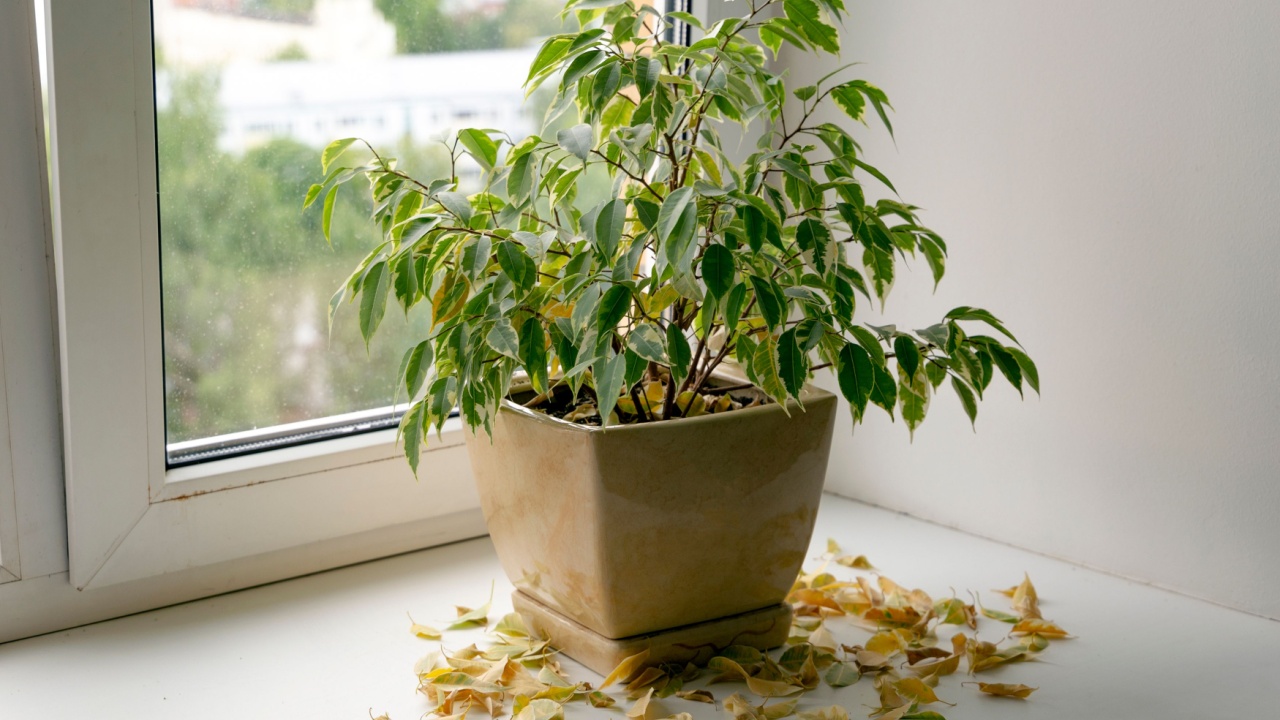
It can be alarming to see your plant start to drop leaves, but a little bit of leaf loss in winter is completely normal. As the plant adapts to lower light levels, it may shed older leaves to conserve energy and focus its resources on sustaining its core. This is not a sign that you’re a bad plant parent.
Instead of trying to support a lush canopy, it reduces its needs to match the available resources. As long as the leaf drop isn’t excessive and the plant otherwise looks healthy, just accept it as part of the seasonal cycle.
What to do:
- Expect some leaf drop as plants adjust to winter.
- This is a normal energy conservation strategy.
- Prune away dead or yellowing leaves to improve appearance.
- Focus on overall plant health rather than a few lost leaves.
9. Prune Strategically
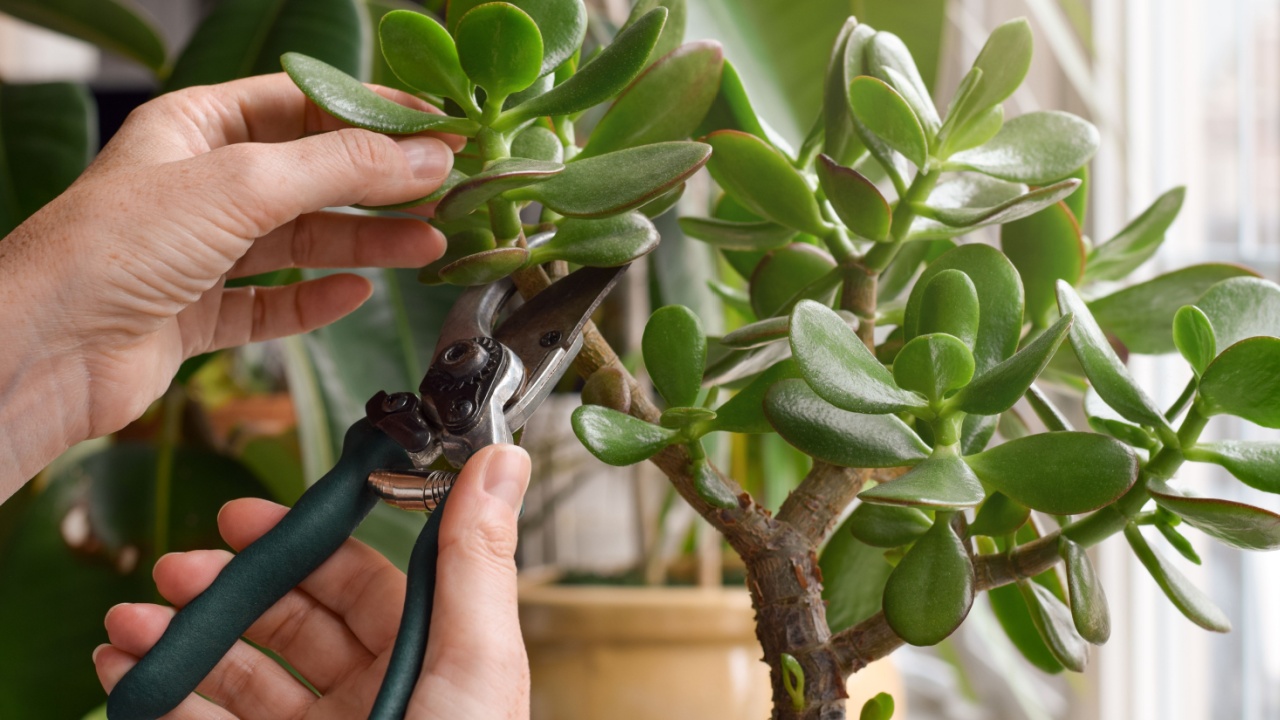
While major pruning is best saved for the spring growth season, a light winter trim can be beneficial. Pruning helps maintain a plant’s shape, encourages fuller growth later on, and removes any dead or unhealthy foliage that could attract pests or disease. It’s also a good way to manage any “leggy” growth, those long, sparse stems that have stretched out in search of light.
Focus on removing any yellowing or dead leaves and spent flowers. You can also trim back any scraggly or overgrown vines to give the plant a neater appearance. Use clean, sharp pruning shears or scissors to make precise cuts. This will help prevent tearing the plant tissue and reduce the risk of infection.
What to do:
- Perform light pruning to remove dead or yellow leaves.
- Trim leggy stems to encourage bushier growth in the spring.
- Use clean, sharp tools for precise cuts.
- Avoid heavy pruning until the plant is actively growing again.
10. Prepare for Vacation
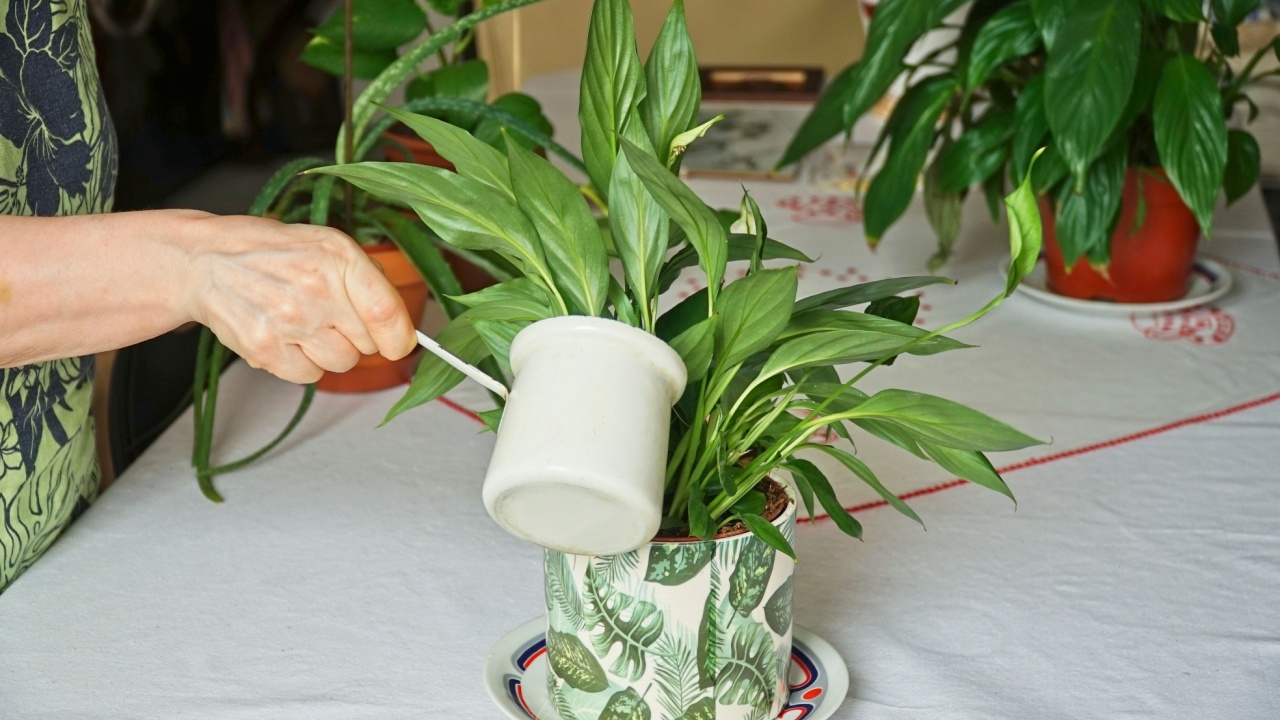
Heading out of town for a winter holiday? Don’t let your plants become a source of stress. With a little preparation, they can manage just fine while you’re away. The key is to ensure they have enough water without being waterlogged. A week or so before you leave, give them a thorough watering, letting the excess drain away completely.
Move your plants away from direct sunlight and heat sources. Lower light means they’ll use water more slowly. For longer trips, consider using self-watering globes or setting up a simple wicking system. You can place one end of a cotton string in a jar of water and the other end in the plant’s soil. The soil will draw moisture as needed. Grouping plants together will also help them retain humidity.
What to do:
- Water plants thoroughly a few days before you leave.
- Move them out of direct sunlight to slow water consumption.
- Group plants to maintain humidity.
- For longer trips, use self-watering globes or a DIY wicking system.
Your Next Steps for a Green Winter
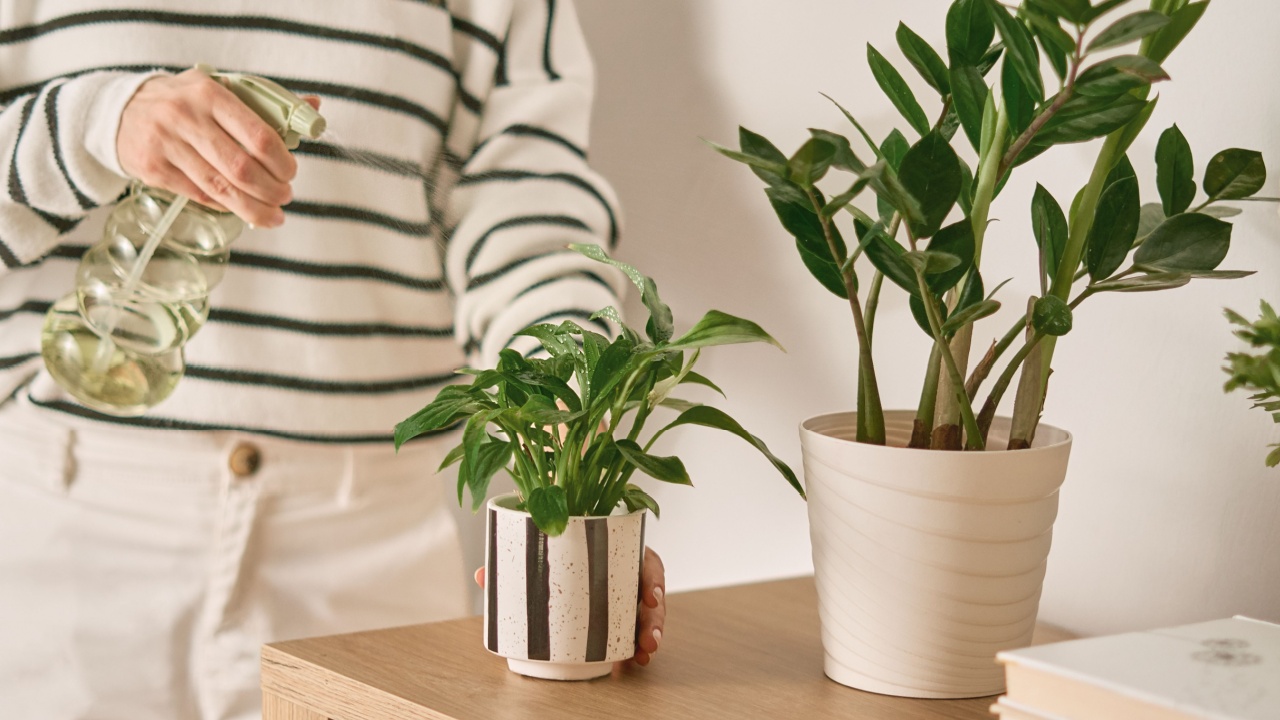
The best thing you’ll do for your plant in winter is observe and adjust. Your plants have different needs during this quiet season, and by listening to them, you can provide the perfect environment for a healthy rest.
Now that you’re armed with these tips, take a walk through your indoor garden. Identify which plants need a new, sunnier spot, check the soil on that ficus you’ve been eyeing suspiciously, and give those dusty monstera leaves a good wipe.