6 Professional Tips to Always Cook Perfect Pasta
Pasta night is a staple in households everywhere for good reason. It’s comforting, versatile, and a surefire crowd-pleaser. Yet, for such a simple dish, there’s a surprising amount of debate on how to get it just right. From mushy noodles to bland flavor, many home cooks struggle to replicate that perfect, restaurant-quality al dente bite. If your pasta sometimes turns out less than perfect, you’re not alone.
The good news is that cooking flawless pasta isn’t about secret, complex techniques. It’s about mastering a few fundamental steps that professional chefs swear by. These six essential tips below will elevate your pasta game, ensuring delicious results every single time.
How We Got This Info
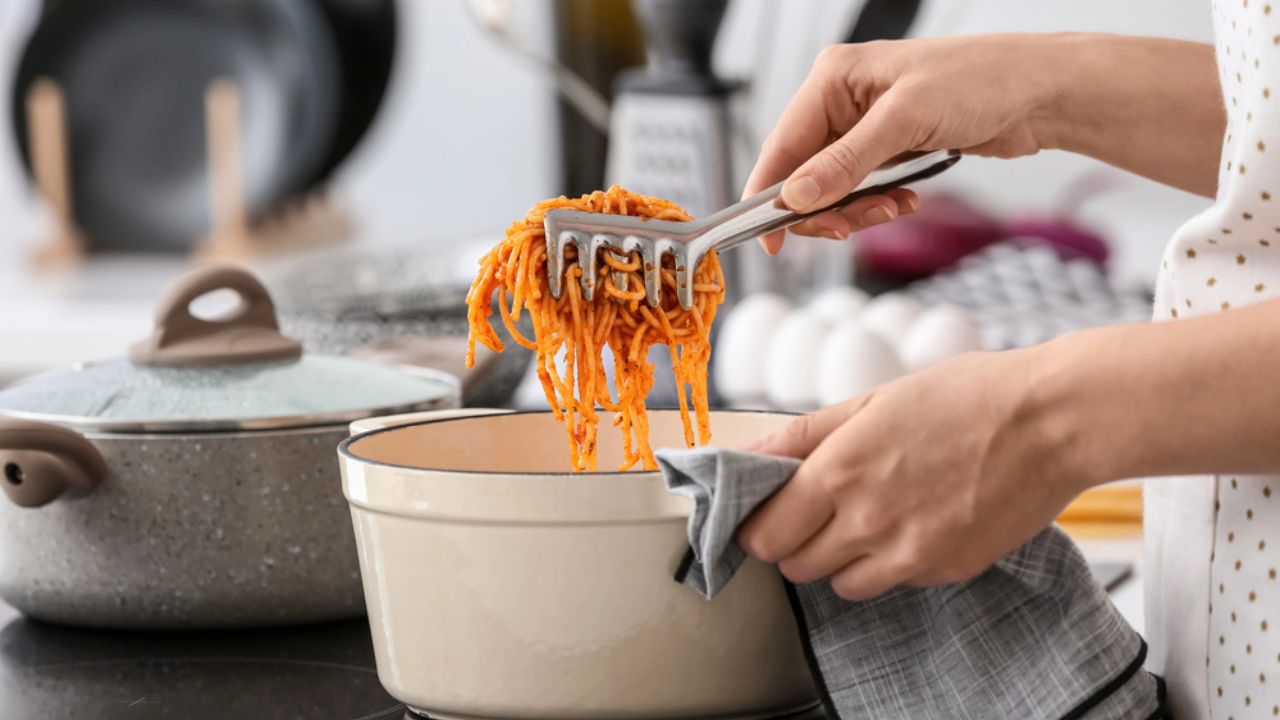
These pasta tips aren’t kitchen folklore. They come from a mix of chef-tested techniques, university extension cooking guides, and professional culinary forums where experts share what really works.
We pulled together the most consistent advice from trusted sources, fact-checked it against established cooking science, and translated it into easy steps you can use at home.
1. Use a Large Pot with Plenty of Water
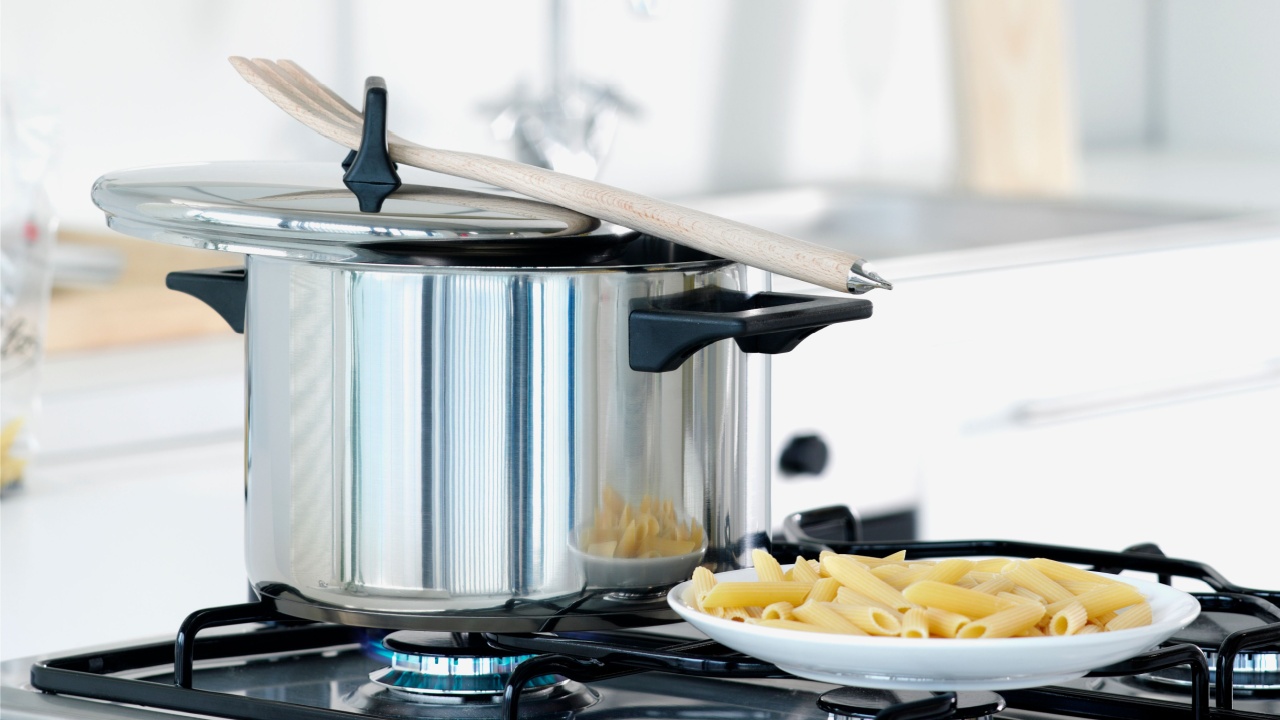
One of the most common mistakes in pasta-making happens right at the start: using a pot that’s too small. Pasta needs ample room to move around as it cooks, which prevents the pieces from sticking together. Cramming pasta into a small pot leads to clumping and unevenly cooked noodles, some mushy, some still hard.
For a 1-pound package of pasta, use a 6-8 quart pot with 5-6 quarts of water. This prevents the pasta from becoming gummy. To speed up boiling, cover the pot slightly ajar to avoid boil-overs.
2. Salt the Water Generously
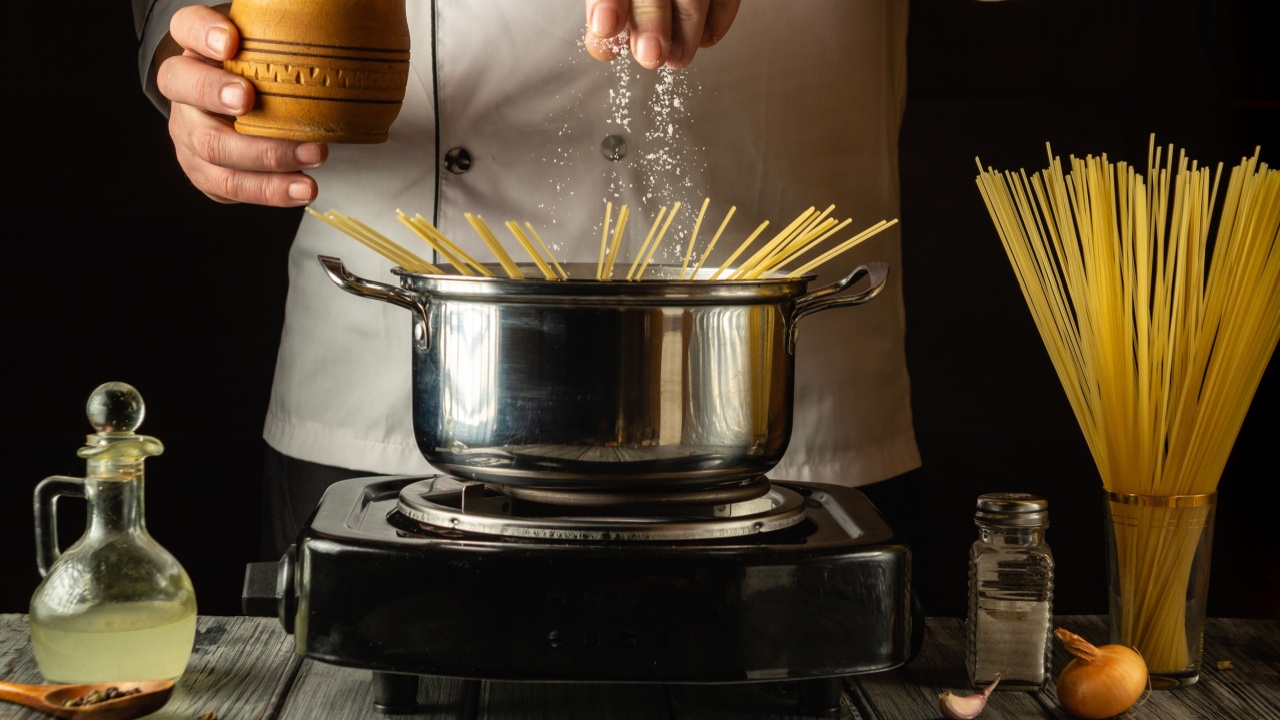
If you take only one tip from this list, let it be this one. Salting your pasta water is non-negotiable for flavorful results. As pasta boils, it absorbs the salt within it, seasoning the noodles from the inside out. Without this step, your pasta will taste bland, no matter how delicious your sauce is.
So, how much salt is enough? Don’t be shy. A common chef’s guideline is to make the water taste “as salty as the sea,” but a more practical measure is to add at least 1 to 2 tablespoons of coarse salt for every 4 quarts of water. Wait until the water is at a full rolling boil before adding the salt; it will dissolve faster.
3. Wait for a Full, Rolling Boil
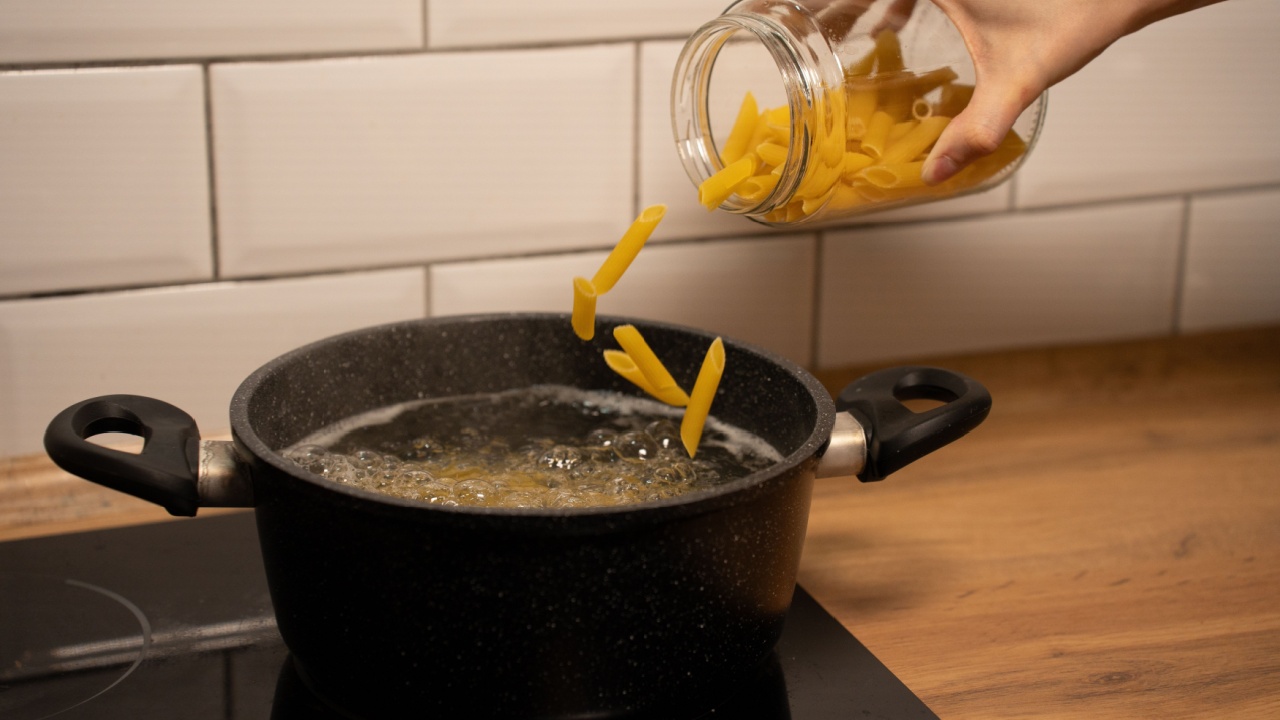
Patience is a virtue, especially when waiting for water to boil. It can be tempting to add your pasta when you see the first few bubbles, but you must wait for a full, rolling boil. This is when large bubbles are vigorously and continuously breaking the surface. Adding pasta to water that isn’t hot enough will cause it to become soggy and clump together as it sits in lukewarm water, releasing starch incorrectly.
A strong, rolling boil keeps the pasta moving and separated. When you drop the pasta in, the water temperature will naturally decrease slightly. To counteract this, you can briefly place the lid back on the pot to help it return to a boil more quickly. As soon as it does, remove the lid to prevent it from boiling over.
4. Stir It, Especially at the Beginning
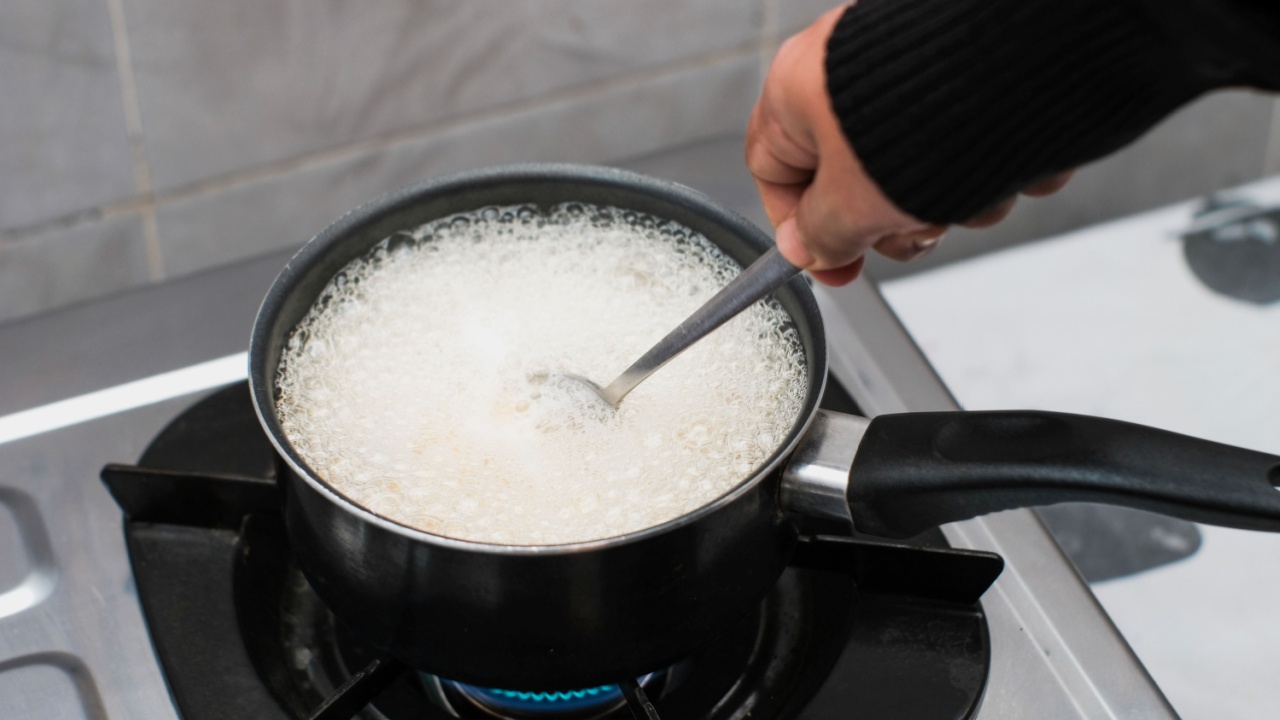
Once you’ve added the pasta to the boiling water, don’t just walk away. The first two minutes are the most critical time for stirring. During this period, the pasta releases its starches, which can act like glue, causing the noodles to stick to each other and the bottom of the pot.
Give the pasta a good stir immediately after adding it to the water, and then stir it a couple more times within the first two minutes of cooking. This ensures every piece is separated and has space to cook properly. After the initial period, you only need to stir occasionally to prevent any sticking. This simple action is your best defense against a clumpy mess.
5. Test for Doneness Before the Timer Goes Off

The cooking time on the pasta box is a guideline, not a strict rule. Factors like pasta shape and altitude can affect the actual cooking time.
To achieve a perfect al dente texture, start tasting the pasta a couple of minutes before the time suggested on the package. Fish out a piece, let it cool, and bite into it.
It should be tender but still have a firm bite in the center. If it’s crunchy, it needs more time; if it’s mushy, it’s overcooked. Tasting is the only way to get it just right.
6. Save Some Pasta Water Before Draining
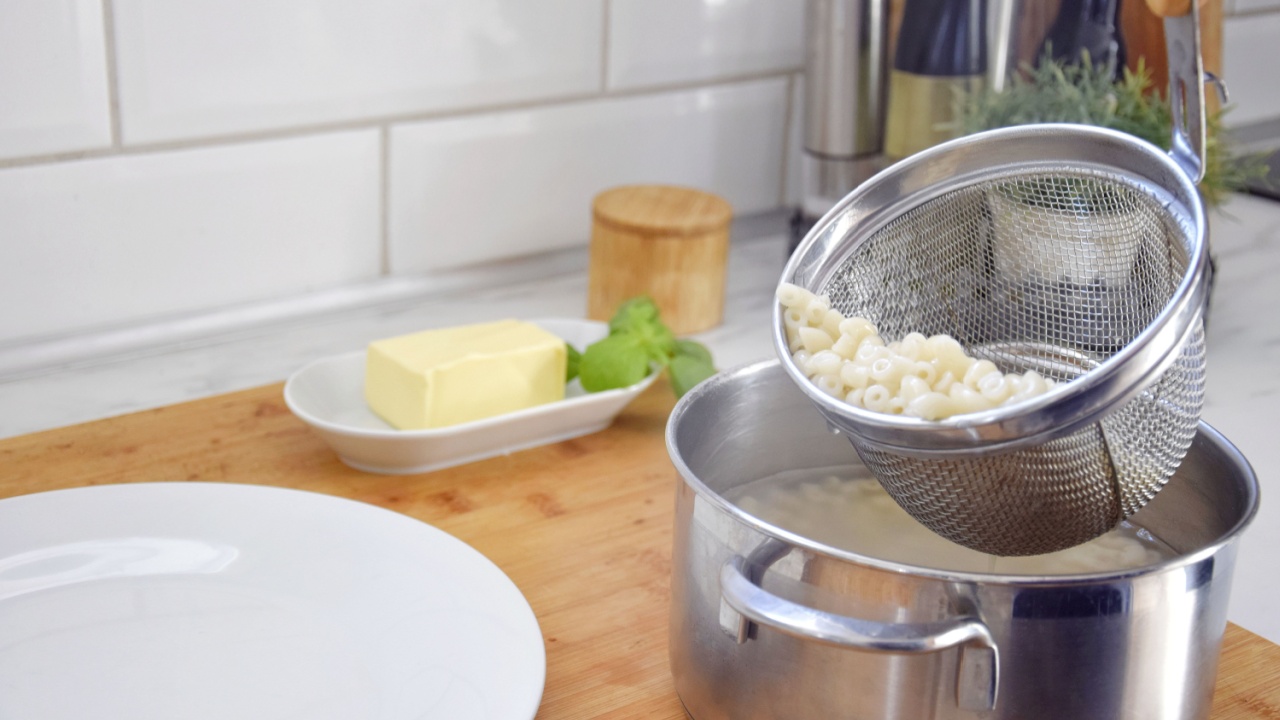
Before you pour all that water down the drain, scoop out a cup or two and set it aside. This cloudy, starchy liquid is liquid gold. The starches from the pasta that have been released into the water act as a natural emulsifier and thickener.
When you’re ready to combine your pasta and sauce, add a few splashes of this reserved water. It will help the sauce cling beautifully to the noodles, creating a more cohesive and flavorful dish. It also helps to thin out thicker sauces to the perfect consistency without diluting the flavor. Never rinse your cooked pasta (unless you’re making a cold pasta salad), as this washes away the starches that help the sauce adhere.
Mastering Pasta: Tips for Perfect Homemade Dishes
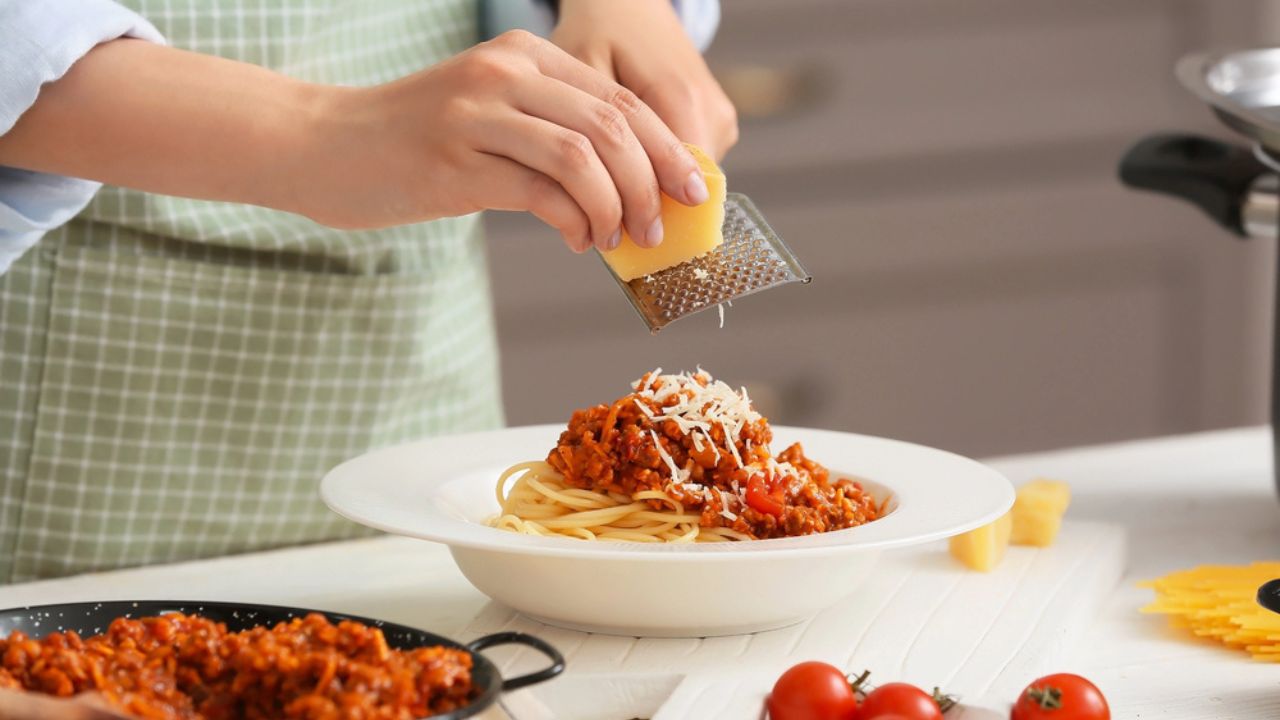
Now that you’re armed with these professional tips, you’re ready to tackle any pasta recipe with confidence. Put these steps into practice, and you’ll find that making perfect pasta at home is not only possible but easy.
For your next dinner, why not try making a classic spaghetti carbonara or a vibrant pesto pasta and see the delicious difference for yourself?