Don’t Skip These Old Farmer’s Almanac Tricks Your Grandmother Swore By
The most effective gardening advice available right now was written before your great-grandmother was born. It doesn’t come from an influencer with a ring light and a raised bed sponsorship. It comes from a battered almanac that’s been in continuous print since George Washington was president.
The Old Farmer’s Almanac, first published in 1792, was never meant to be charming or nostalgic. It was a survival manual. It told people when to plant by the moon, how to keep beetles off their beans with wood ash, and which crops to rotate so the soil wouldn’t go dead. Generations of Americans fed their families with it.
Then we stopped listening. Somewhere between the invention of synthetic fertilizer and the $50 billion lawn-and-garden industry, we decided that older meant outdated. We swapped compost for chemical feeds, companion planting for pesticide sprays, and saved seeds for whatever hybrid the box store was pushing that spring.
Now a growing number of gardeners are going back. They’re pulling up those old-school methods, like moon planting, natural pest control, crop rotation, and soil building, and finding that they work better than the modern replacements. They’re spending less money, fighting fewer pests, and harvesting more than the people filling their carts at the garden center every weekend.
Why These Ancient Tricks Still Matter Today

Modern gardening has a spending problem. The average American household now spends an average of $616 each year on lawn and garden products, according to the 2023 National Gardening Survey. Yet soil health is declining in many home gardens, pest pressure is rising, and yields are not keeping pace with the investment.
The Almanac’s ancient methods are almost entirely free: they require observation, patience, and a willingness to let the land lead. That is exactly what more gardeners are rediscovering. Are you willing to try one of these ancient tricks?
1. Planting by the Moon Sounds Unusual, Until You Try It

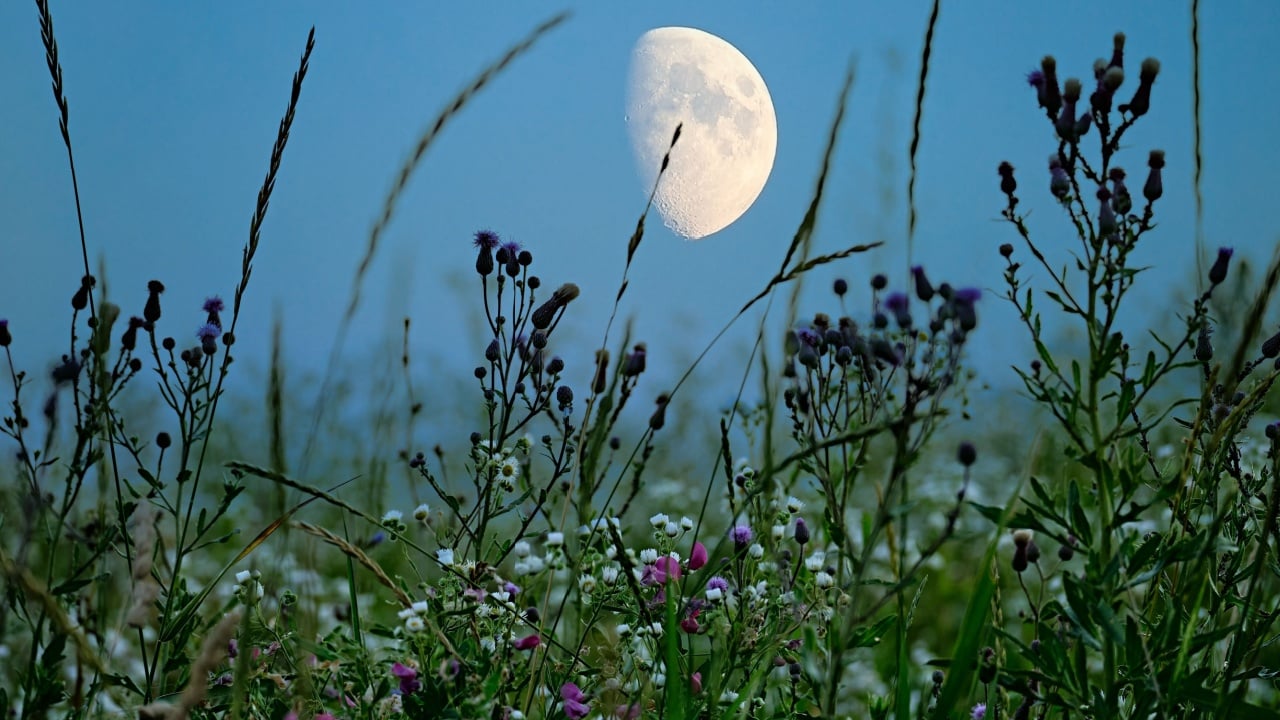
The Old Farmer’s Almanac has recommended lunar gardening since the 1700s, and still publishes moon-phase planting calendars in every edition.
The principle is simple: during a waxing moon (between new and full), moisture is believed to rise toward the soil surface, supporting strong germination for above-ground crops like tomatoes, beans, corn, lettuce, peppers, and squash. During a waning moon (between full and new), energy moves downward, making it the preferred time for root crops: carrots, garlic, onions, potatoes, beets, and turnips.
Skeptics call it folklore. But the Old Farmer’s Almanac claims an 80% accuracy rating for its long-range weather forecasts, drawn from the same astronomical and solar science data behind its planting calendars. This is not astrology; it is observational science that predates the terminology we now attach to it.
Try it as a single-season experiment. Plant tomatoes on a waxing moon and garlic on a waning moon. The Almanac has recommended this for 230 years. That is a long time for something to survive on coincidence alone.
2. Read the Oak Tree, Not the Calendar
Frost dates are averages. This is what the Almanac has tried to tell us for generations, and what most modern gardeners still ignore. A regional average frost date means that in half of all years, frost arrived earlier or later than that date. Planting by the calendar alone is planting by a statistical midpoint, and nature does not work on that schedule.
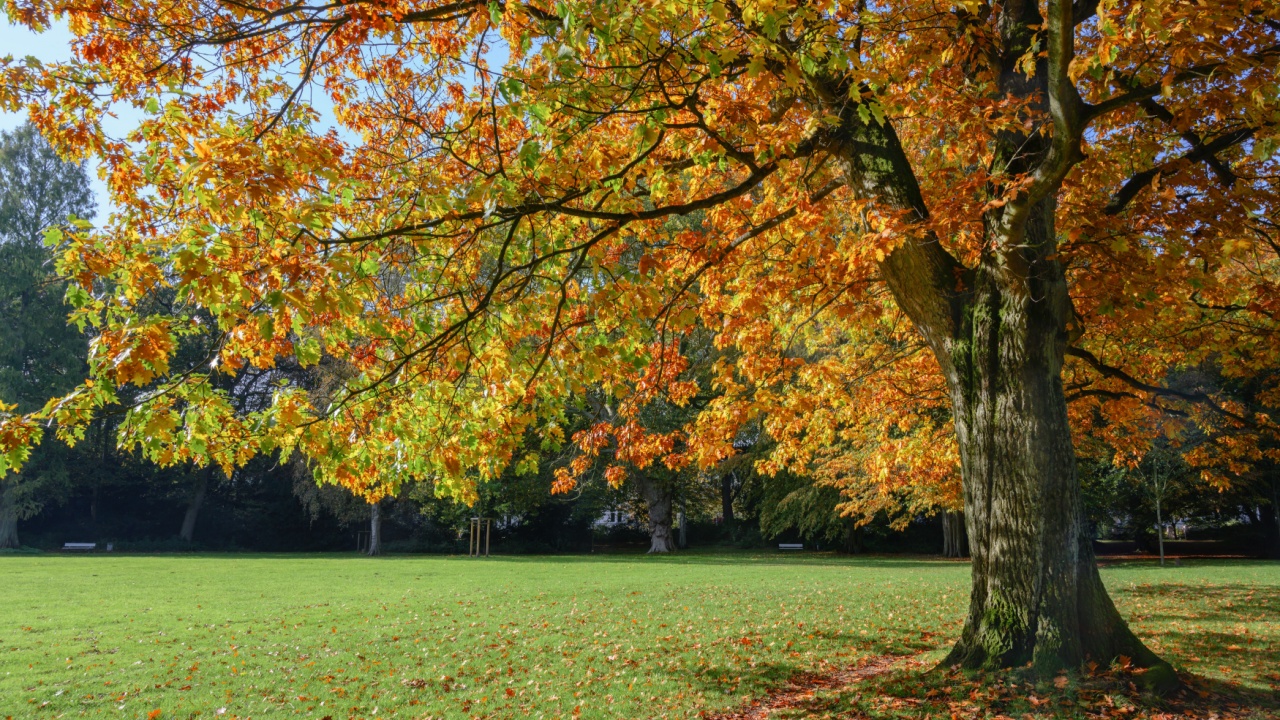
Phenology, or timing your planting by nature’s own signals, is the Almanac‘s older, more precise answer that is grounded in Indigenous wisdom. The specific cues have held up for centuries. Plant corn when oak leaves reach the size of a mouse’s ear. Plant peas when forsythia blooms. Wait for lilac flowers to fade before putting in cucumbers and squash. Watch for dandelions before planting potatoes.
The first time you follow a phenology cue, and it works, you will stop trusting the printed chart. Almost every experienced gardener who has tried this says the same thing.
3. The Three Sisters (And the Fourth One Nobody Talks About)
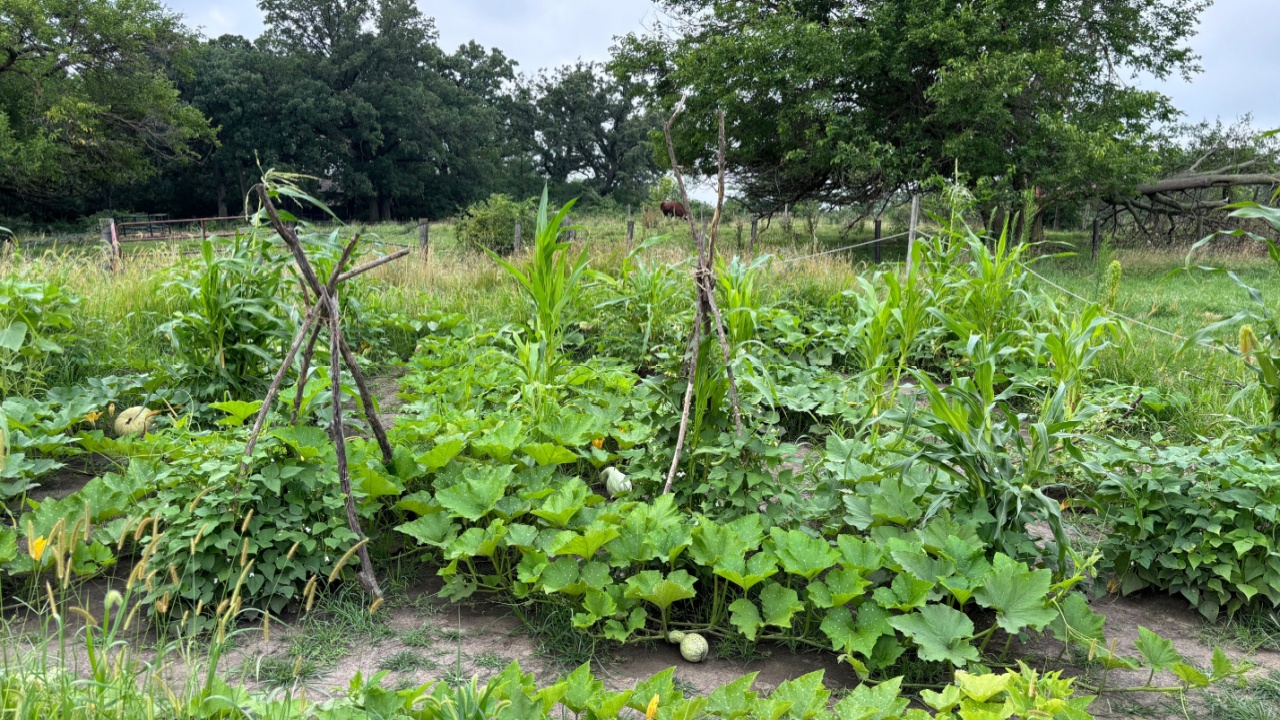
The Three Sisters companion planting system, corn, beans, and squash grown together, is one of the most celebrated techniques in Almanac tradition, and one of the most misunderstood.
Most articles describe this method of gardening as charming Indigenous history, when it is actually a precisely engineered growing system. As the Old Farmer’s Almanac explains, corn provides a natural climbing pole for beans; beans fix atmospheric nitrogen directly into the soil, feeding future crops; and the wide squash leaves shade the ground like a living mulch, holding moisture and suppressing weeds. Squash’s prickly leaf texture also discourages animal pests.
Almost no one mentions the fourth sister: sunflowers. Added at the corners of a Three Sisters bed, they draw in pollinators and support the health of the entire garden. It is the detail that completes the system, and it costs one packet of seeds.
Small-space gardeners should not be discouraged by the footprint. A two-sister pairing of beans and squash still delivers meaningful soil and pest benefits in a single raised bed. The principle scales down. The benefits do not disappear because you have a backyard rather than a field.
4. Bury Fish Scraps, Scatter Ash: The Fertilizer Methods That Cost Nothing
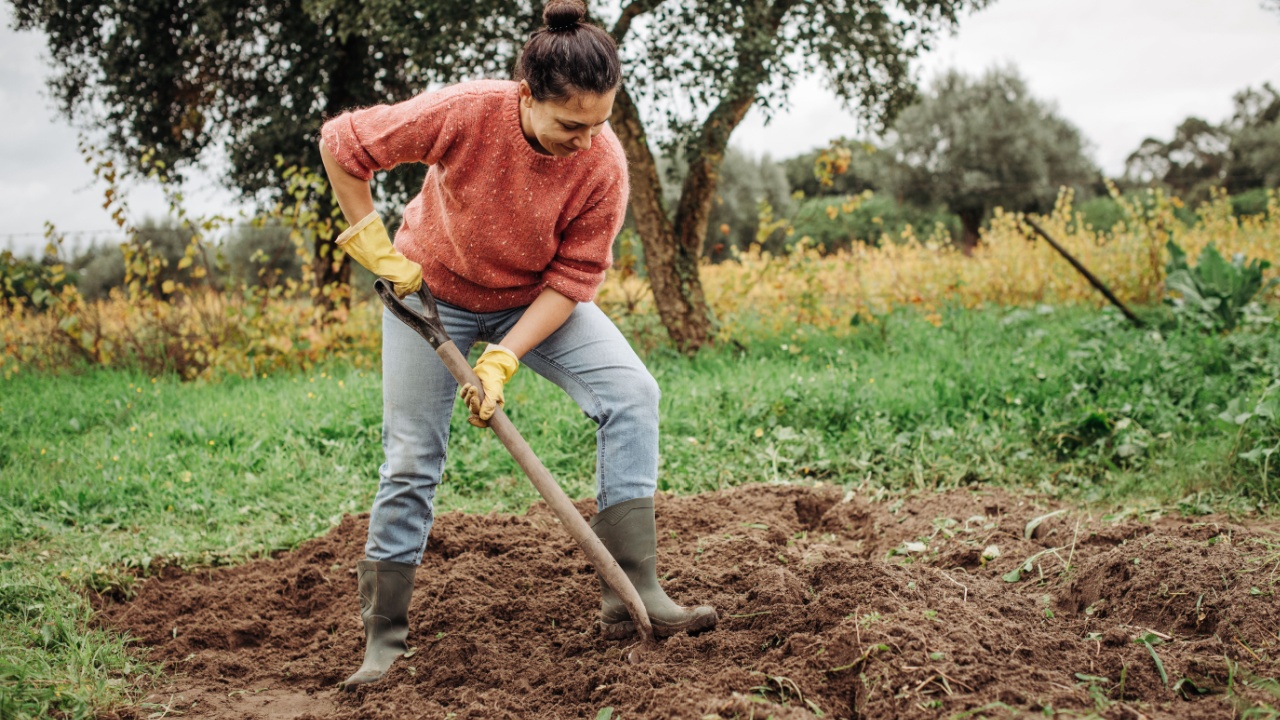
Before synthetic fertilizers, farmers returned everything to the soil. The Almanac‘s earliest editions described practices that now seem almost radical: burying fish scraps at the base of planting rows, scattering wood ash over beds, and returning crop residue to the earth. These were not superstitions. They were functional soil chemistry.
Fish scraps buried near transplant roots break down slowly to release nitrogen, phosphorus, and trace minerals across the full growing season. This practice predates commercial fertilizer by centuries, and experienced gardeners who revive it consistently report stronger fruit set and more vigorous plants, particularly with tomatoes.
Wood ash, according to the University of New Hampshire Cooperative Extension, is a legitimate source of potassium and calcium for garden soil. Apply it carefully in a thin layer once a year, roughly a handful per square foot, worked gently into the surface. Ash raises soil pH, and too much will lock out nutrients rather than provide them. For a gentler approach, soak ash in water for 24 hours and use the strained liquid to water your beds.
5. Stop Tilling
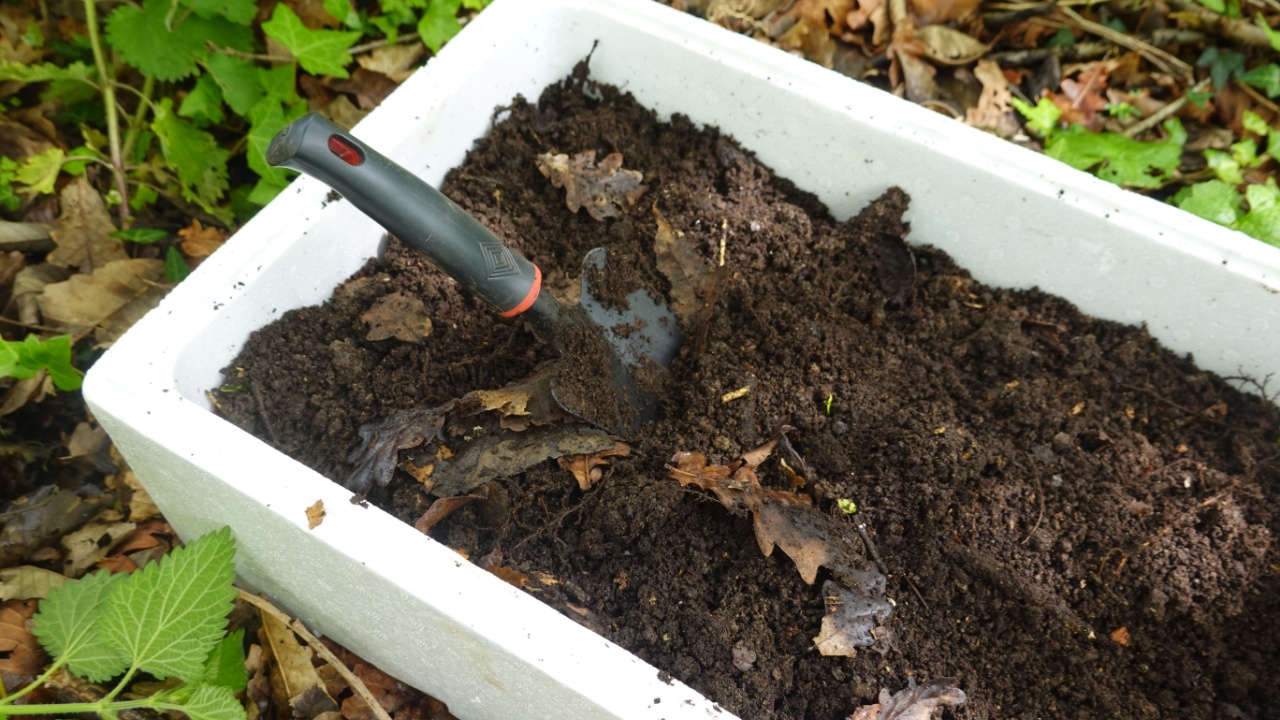
No-till gardening has become trendy in gardening circles.
The Old Farmer’s Almanac had already been advocating the principle for decades before it had a modern name. The science, as confirmed by the Natural Resources Conservation Service, is now unambiguous: tilling destroys the fungal networks and bacterial communities that create healthy soil. It compacts the earth below the tilled zone, blocks water movement, and triggers weed germination by bringing dormant seeds to the surface.
The alternative could not be simpler. In autumn or early spring, spread two to four inches of finished compost over your beds and leave it alone. No turning. No breaking. Let worms and microbes work it down over the winter. Your back will thank you. So will your soil.
Start With One Trick This Weekend
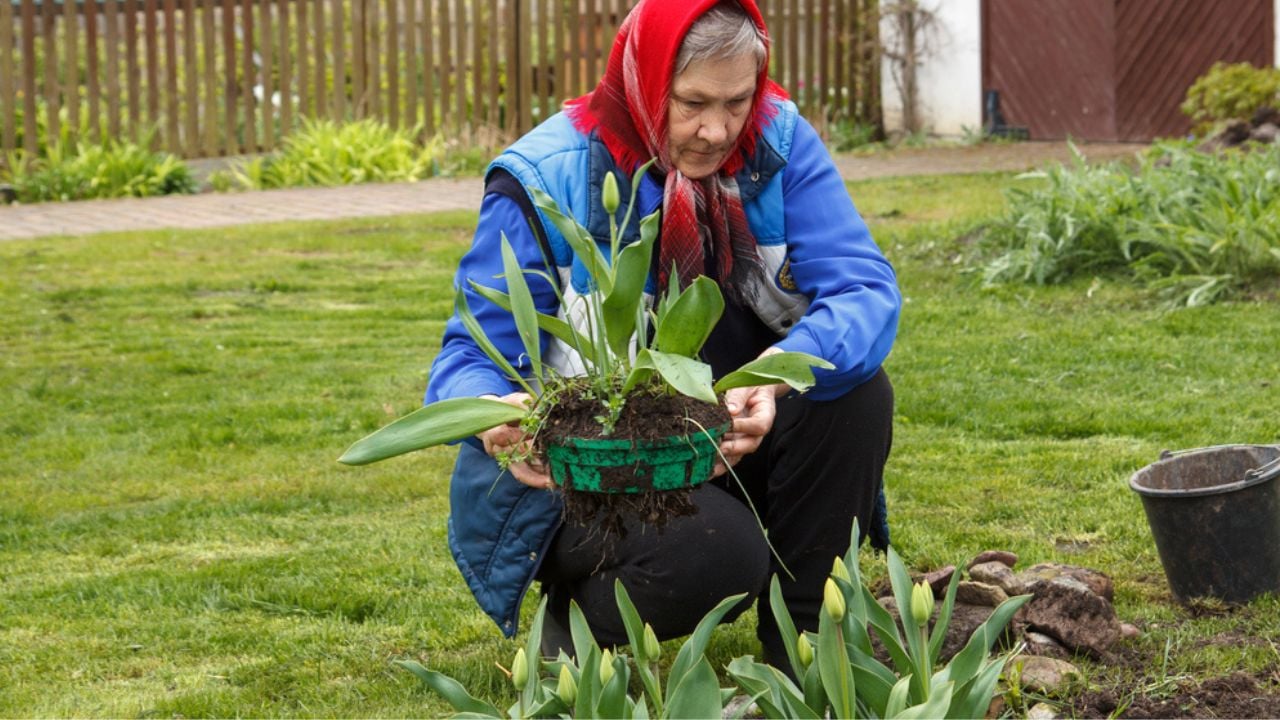
You do not need to reinvent your garden. Pick one technique and begin. Phenology is the lowest-risk starting point: go outside, find your oak, your forsythia, your lilac, and start paying attention. It costs nothing and teaches you something about your own yard that no gardening app can replicate.
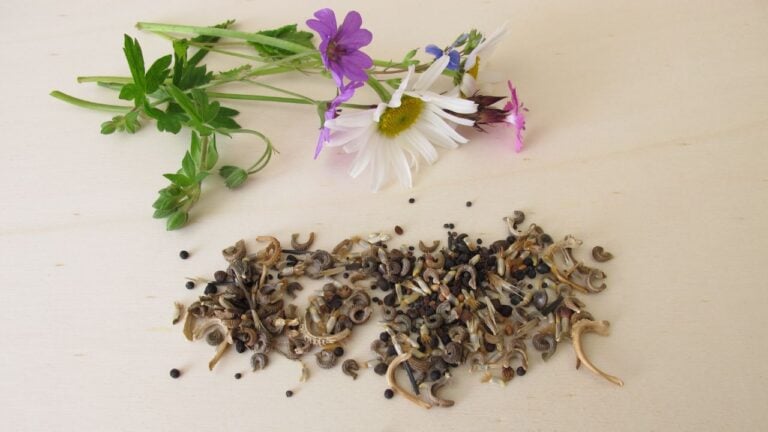
If you grow tomatoes, time your next planting to a waxing moon. Save a handful of seeds from your strongest performer this season. Tuck a sunflower into the corner of your vegetable bed. These small acts reconnect you to a 230-year lineage of gardeners who understood that the best tools are the ones you never have to buy.
The Wisdom Has Always Been There
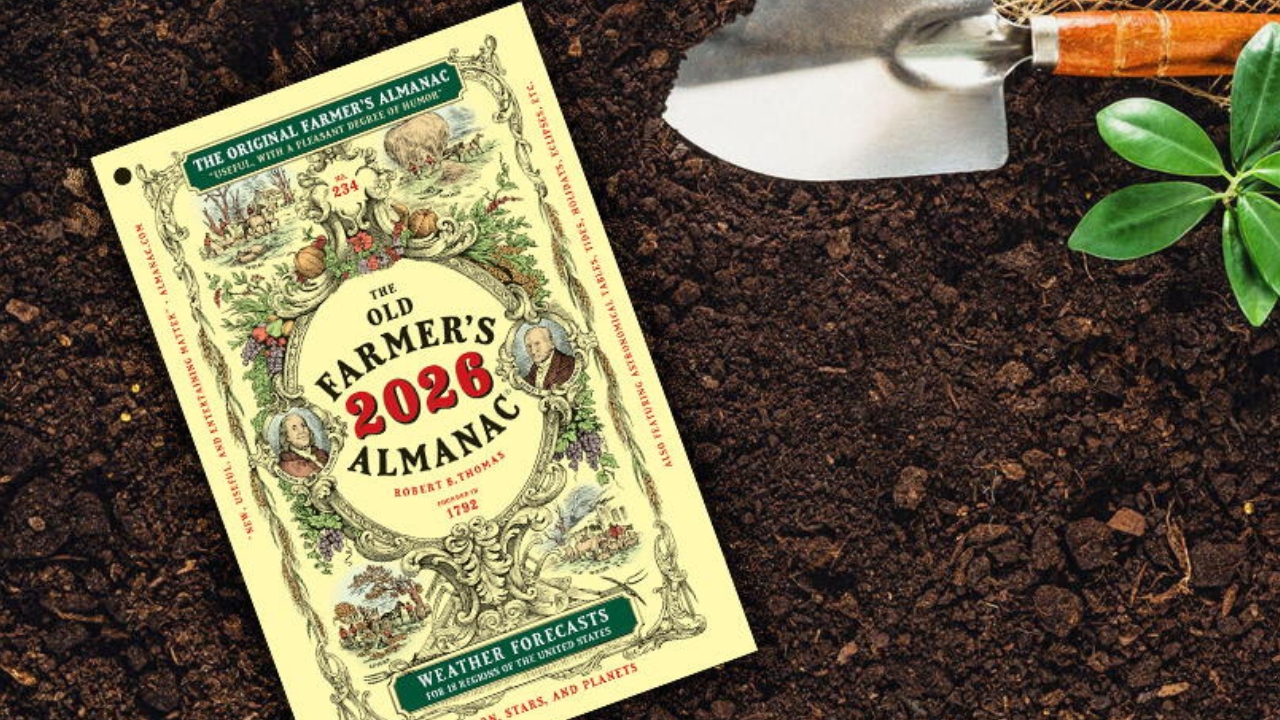
The Old Farmer’s Almanac is not a relic. It is a 234-year-old argument that paying close attention to nature is more productive than trying to override it.
The ancient tricks in its pages- phenology, lunar planting, companion planting, no-till soil care, and fish-and-ash fertility have survived not because of nostalgia, but because they keep working. Every spring, somewhere, a gardener plants their corn when the oak leaves say to. And every year, they wonder why they ever stopped.
Read More
Is Your Garden Hurting You? 9 Tools Doctors Say Could Save Your Joints
Ten Companion Plants Your Peppers Need For A Successful Growing Season