19 Beautiful Flowers to Grow for Year-Round Color
Having a garden that blooms year-round may sound like a dream, but with the right planning, you can enjoy continuous color from early spring through late winter. While no outdoor plant can flower through freezing temperatures in colder zones, a mix of seasonal perennials, long-blooming plants, and indoor container options can give you a steady stream of blooms.
Let’s explore flowers by category: hardy choices by USDA zone, long-blooming powerhouses, indoor-friendly winter bloomers, and options for warm zones that can bloom nearly year-round. Then, we’ll wrap it all up with a sample seasonal planting plan.
How to Get Blooms All Year: Flowers That Keep Your Garden Colorful in Every Season
Is There Such a Thing as a Continuously Blooming Flower?
Unfortunately, there are a lot of articles circulating with a title promising flowers that bloom all season long. But many growing climates experience frost, which often kills even the heartiest of flowers. Plus, plants and flowers have natural cycles of growth and “death”- making a continuous bloom mostly a myth (we will look at a few true year-round bloomers soon).
To reiterate, if you live in a zone where there is frost, there really isn’t anything that’ll survive. If you live in a warmer zone, there are a few flowers that can fit the bill for continuously blooming if they are cared for correctly.
If you live in a colder zone, having an indoor garden or windowsill can allow you to keep enjoying certain flowers even in the barrenest of months.
Best Blooming Plants for Zones 5–7

First, let’s look at flowers that offer the best blooms during the growing season. These flowers thrive when the weather is warmer. They offer great pops of colors and thrive when cared for correctly.
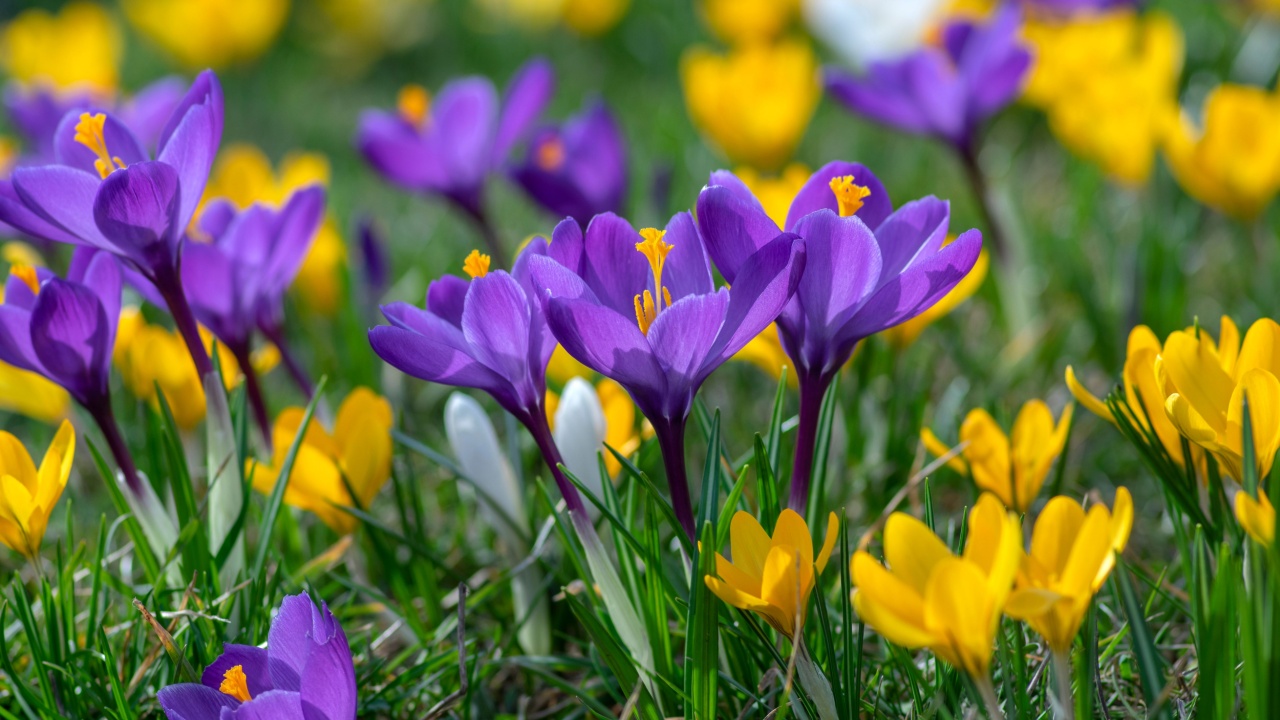
Crocus (Crocus vernus)
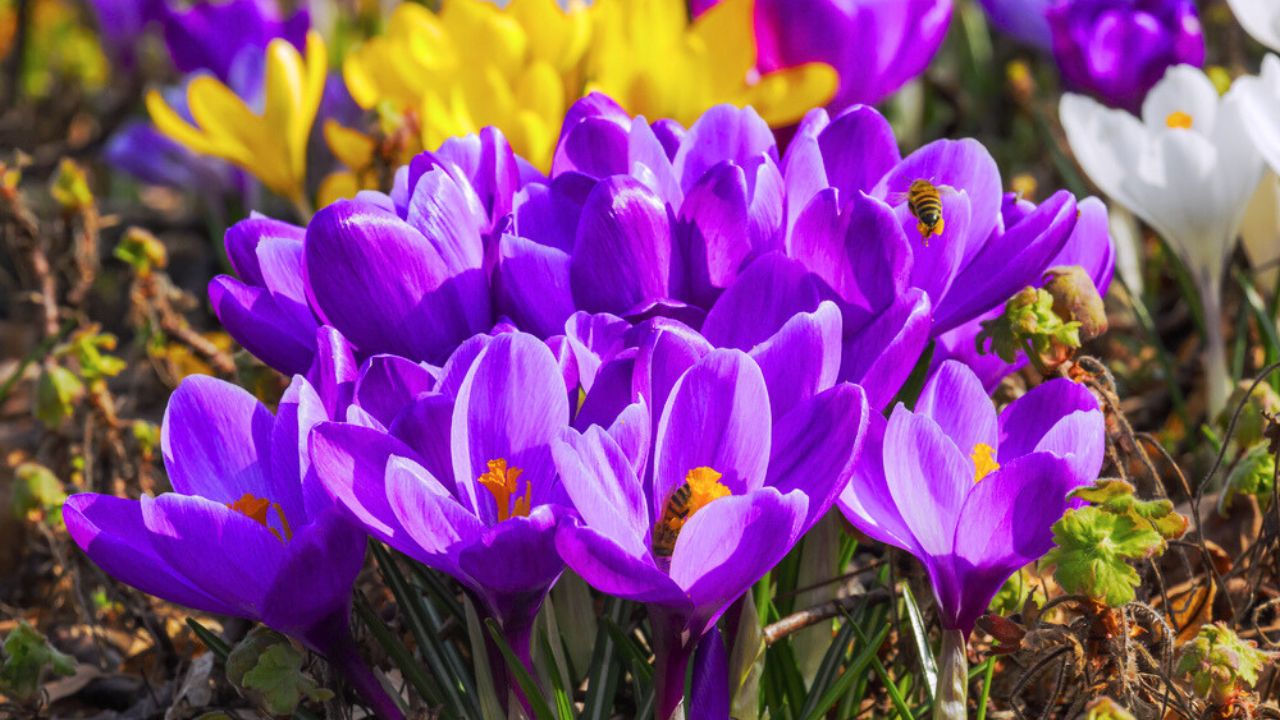
Crocuses are some of the earliest spring bloomers, often poking through the snow. These small bulbs bloom in purples, whites, and yellows.
Care Tips:
- Plant in fall, 3″ deep in well-drained soil.
- Choose a sunny or lightly shaded spot.
- Naturalizes well over time.
Hellebores (Helleborus spp.)
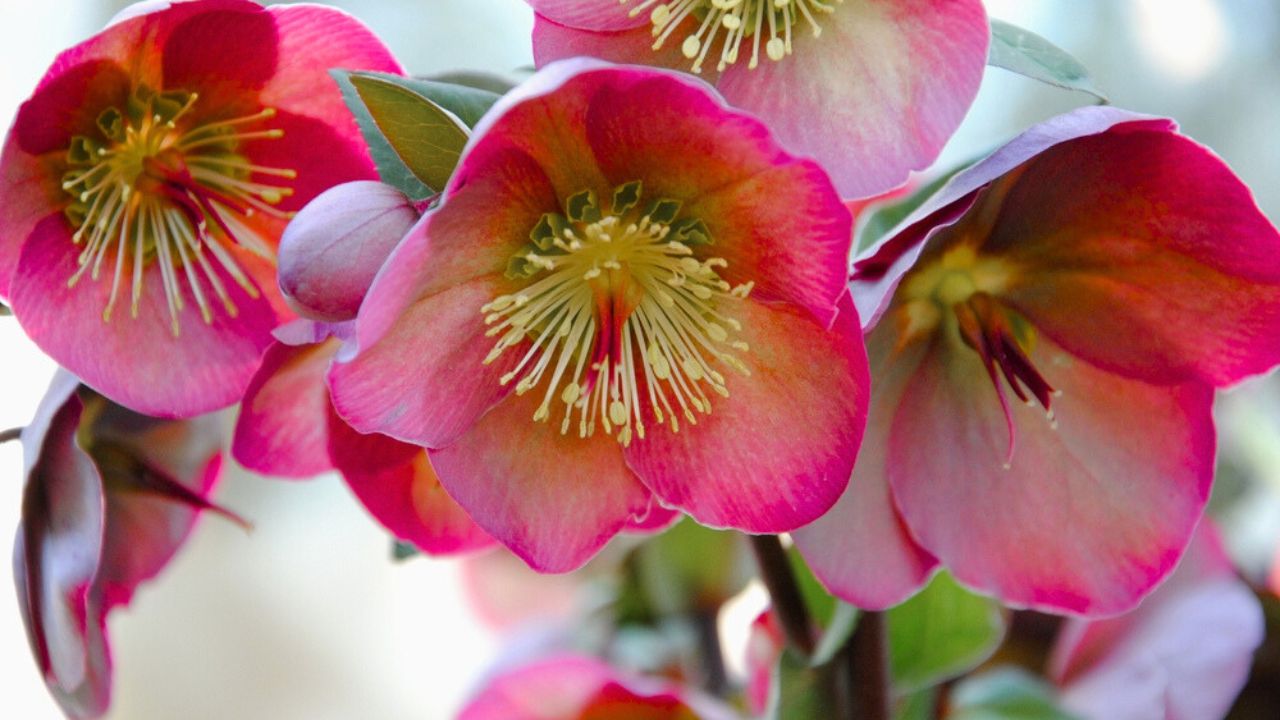
Also known as Lenten Rose, hellebores bloom in late winter to early spring and are evergreen in mild climates.
Care Tips:
- Prefers partial to full shade.
- Requires well-drained, rich soil.
- Mulch in winter to protect roots in zone 5.
Witch Hazel (Hamamelis virginiana)
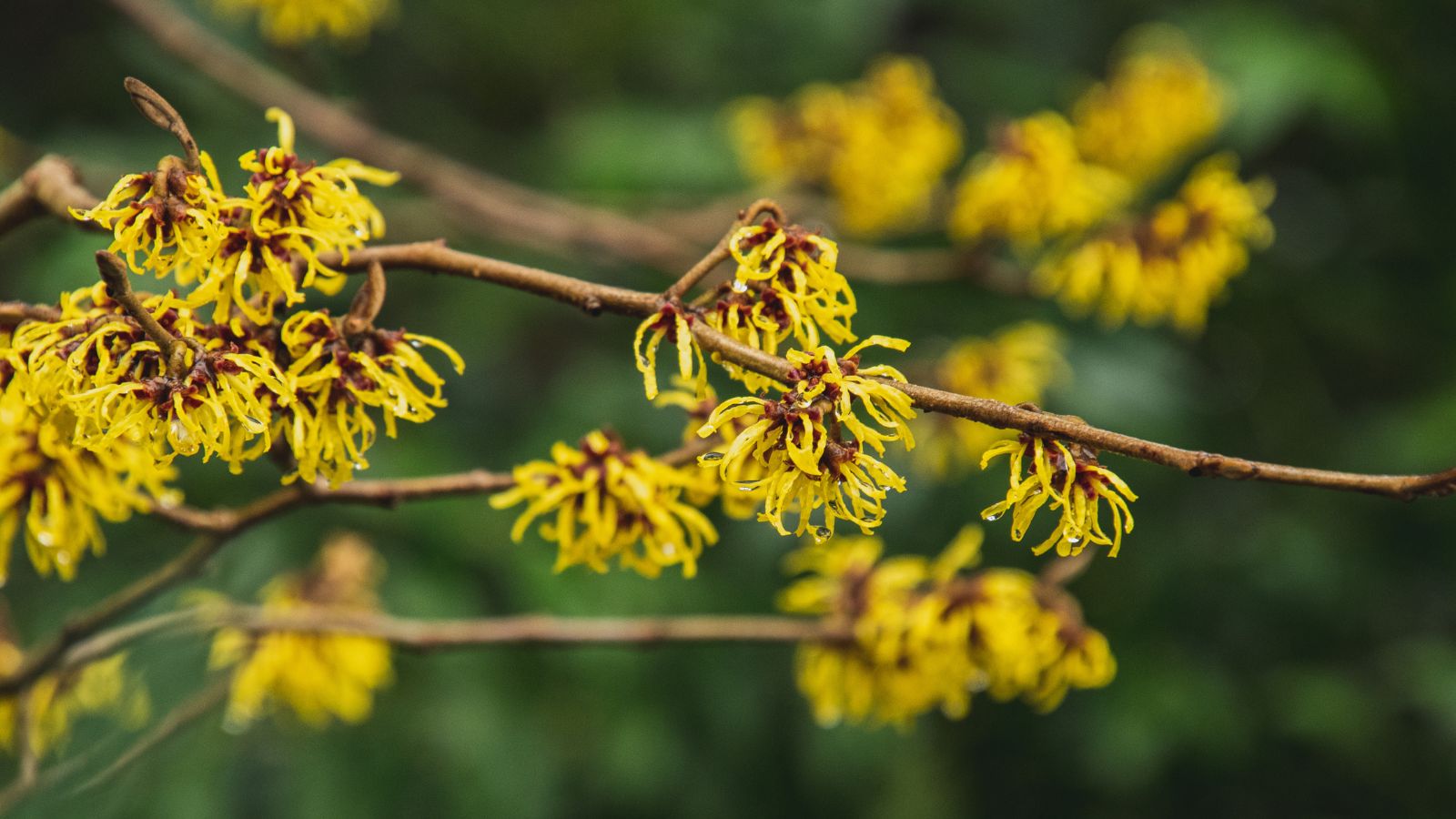
A winter-to-spring blooming shrub with fragrant yellow to red ribbon-like flowers.
Care Tips:
- Plant in full sun to part shade.
- Needs moist, well-draining soil.
- Prune immediately after flowering.
Coneflowers (Echinacea spp.)

These native perennials bloom mid-summer to fall and attract pollinators.
Care Tips:
- Thrives in full sun and well-drained soil.
- Drought-tolerant once established.
- Deadhead for more blooms.
Asters (Symphyotrichum spp.)

Blooming in late summer to fall, asters add a final pop of color before frost.
Care Tips:
- Likes full sun and moist, loamy soil.
- May need staking in rich soil.
- Cut back in early spring.
Long-Blooming Powerhouses for Summer Color
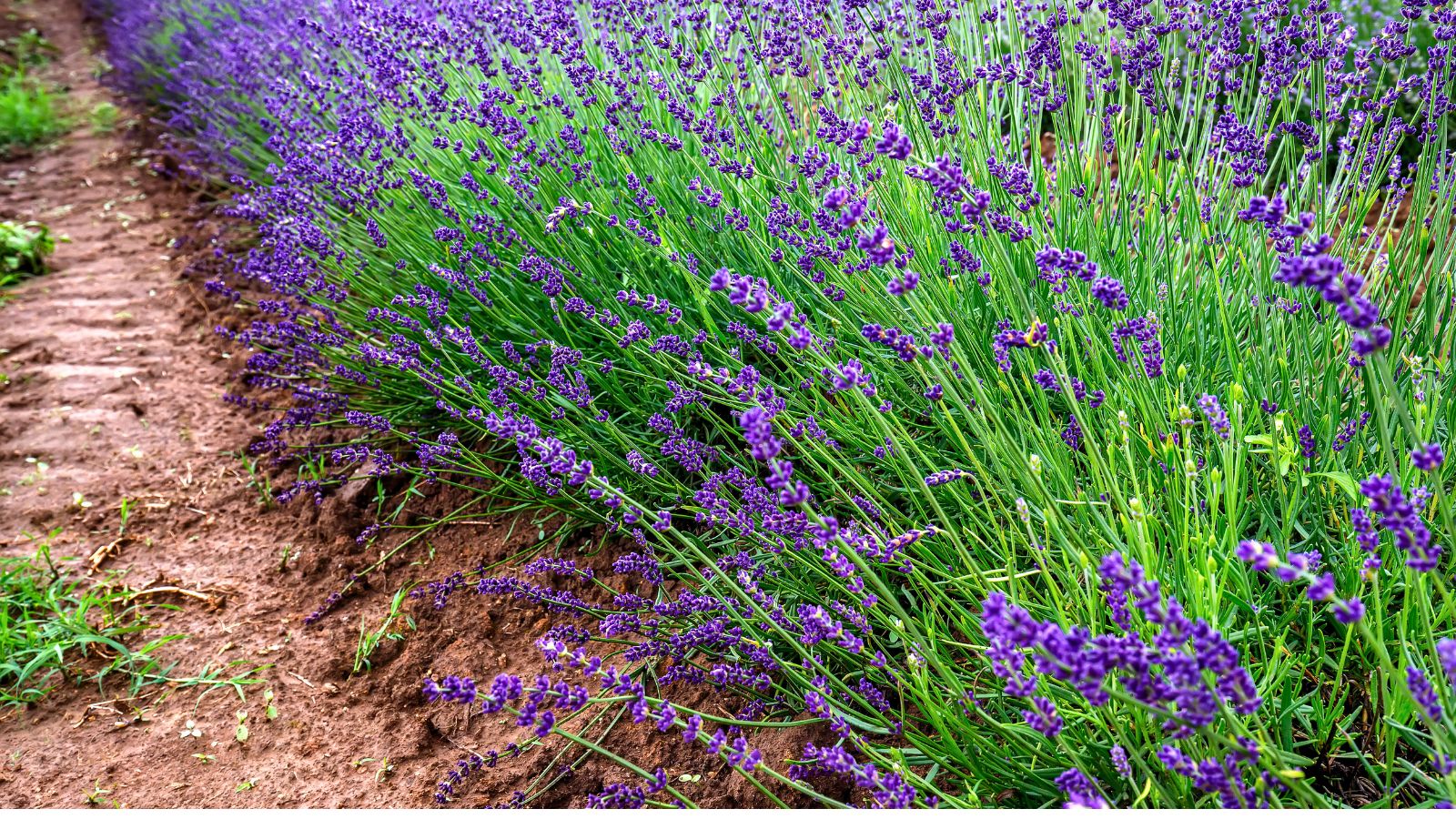
If you want color for as long as possible in the summer, these are your best choices. Many of them bloom from the first signs of spring to the first frost of fall.
Butterfly Milkweed (Asclepias tuberosa)
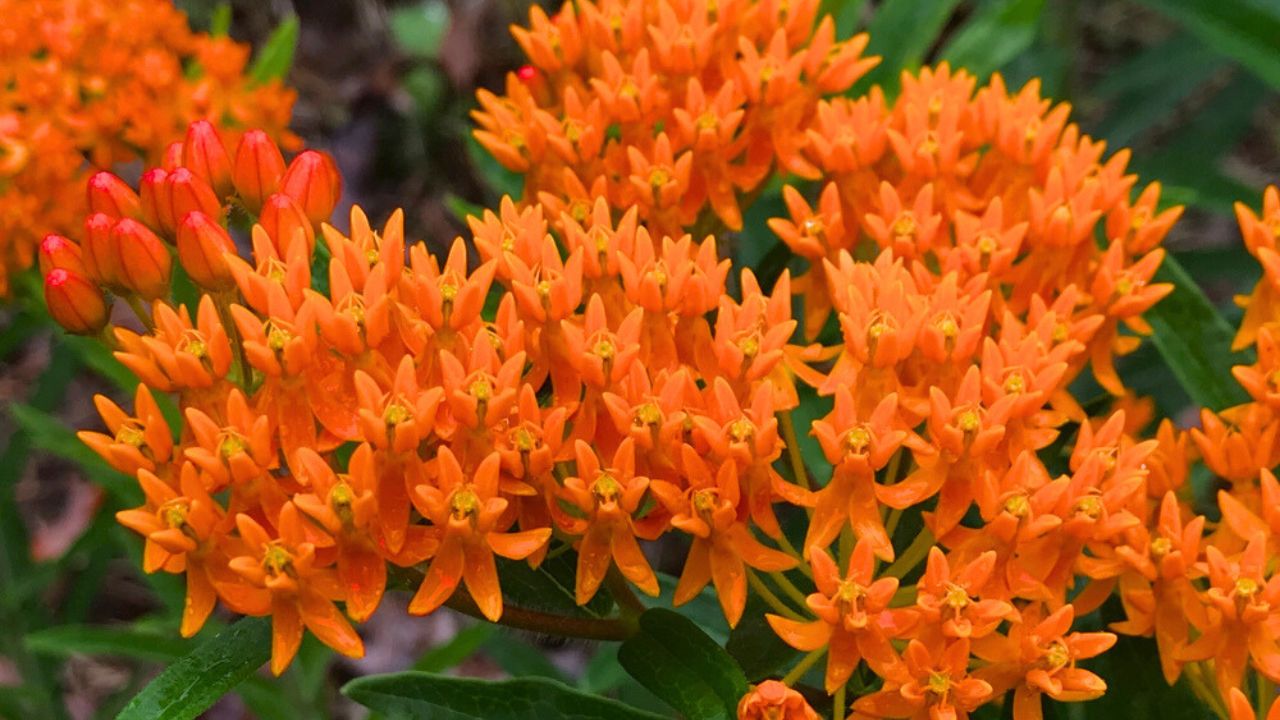
This native wildflower blooms from June to September and supports monarchs.
Care Tips:
- Full sun and sandy or well-drained soil.
- Drought-tolerant; do not overwater.
- Avoid transplanting once established.
Coreopsis (Coreopsis verticillata)

Blooms from early summer through fall. A favorite for wildflower and cottage gardens.
Care Tips:
- Full sun is best.
- Tolerates poor soils.
- Deadhead to prolong bloom.
Black-Eyed Susan (Rudbeckia fulgida)
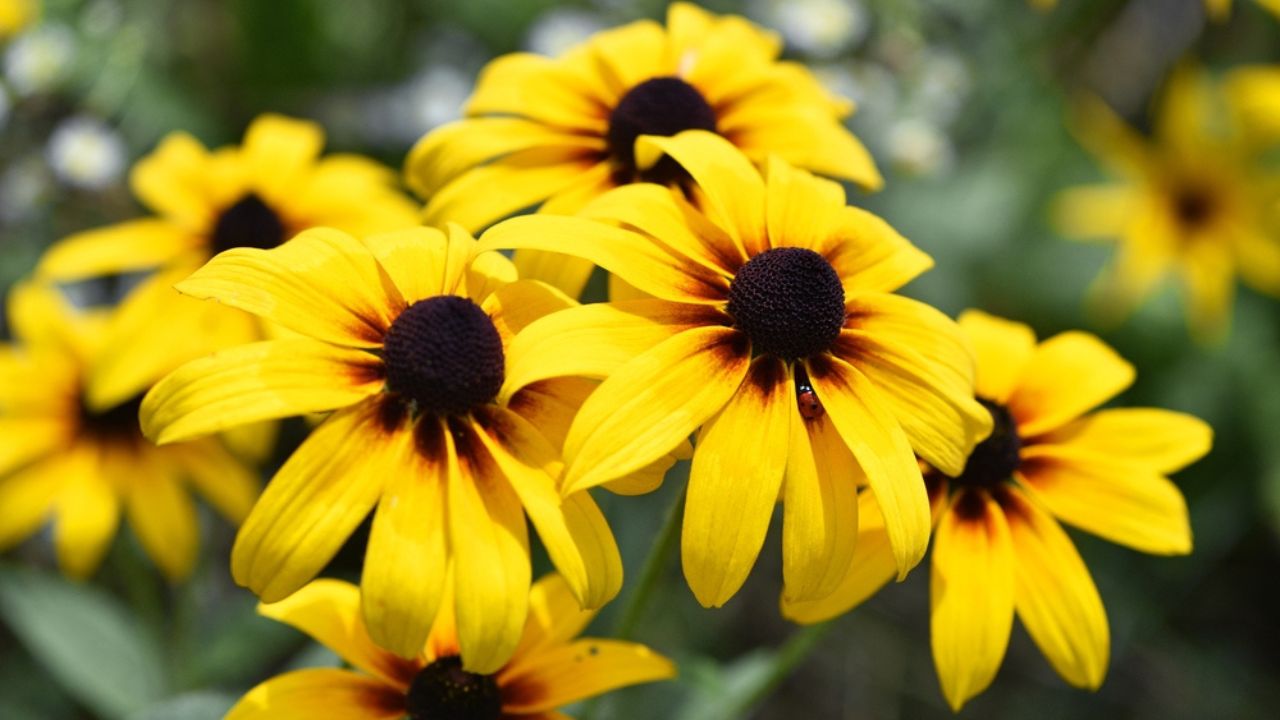
Golden yellow daisies bloom all summer and into fall.
Care Tips:
- Full sun and average soil.
- Divide every 3–4 years.
- Minimal maintenance needed.
Bee Balm (Monarda didyma)
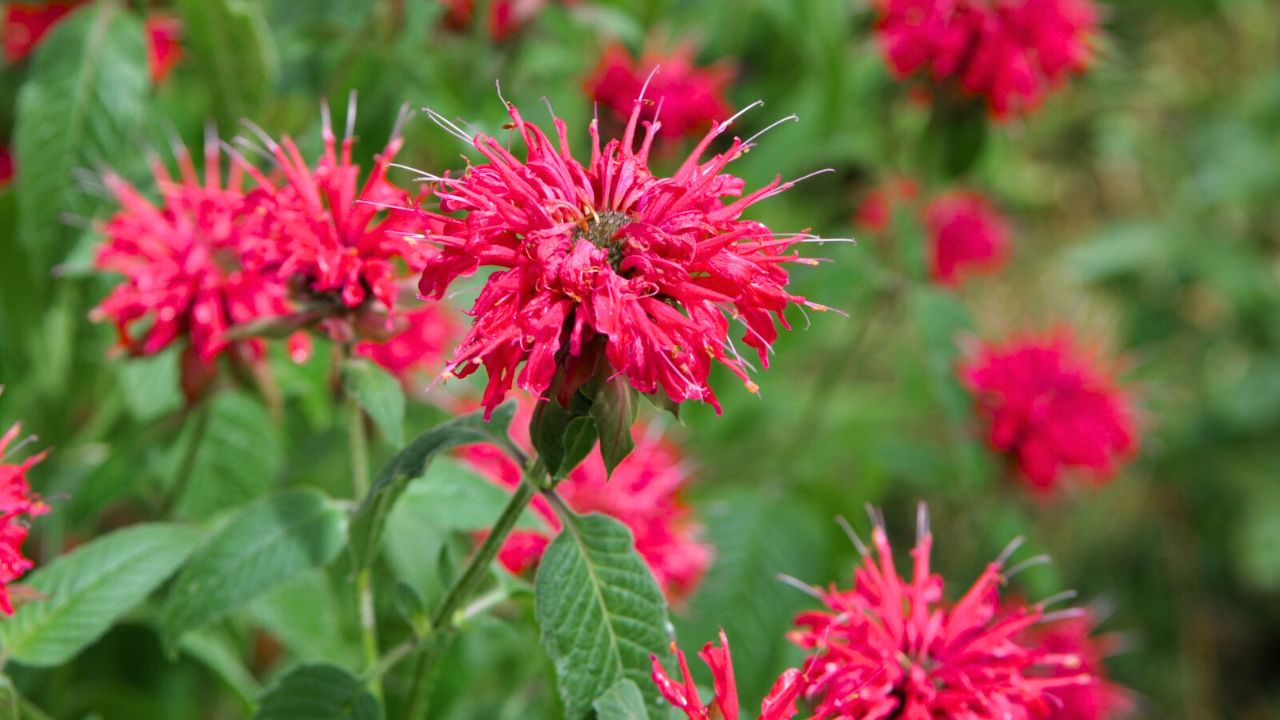
Blooms mid-to-late summer and attracts hummingbirds.
Care Tips:
- Moist soil and full sun to part shade.
- Watch for powdery mildew.
- Deadhead to extend bloom.
Lavender (Lavandula spp.)
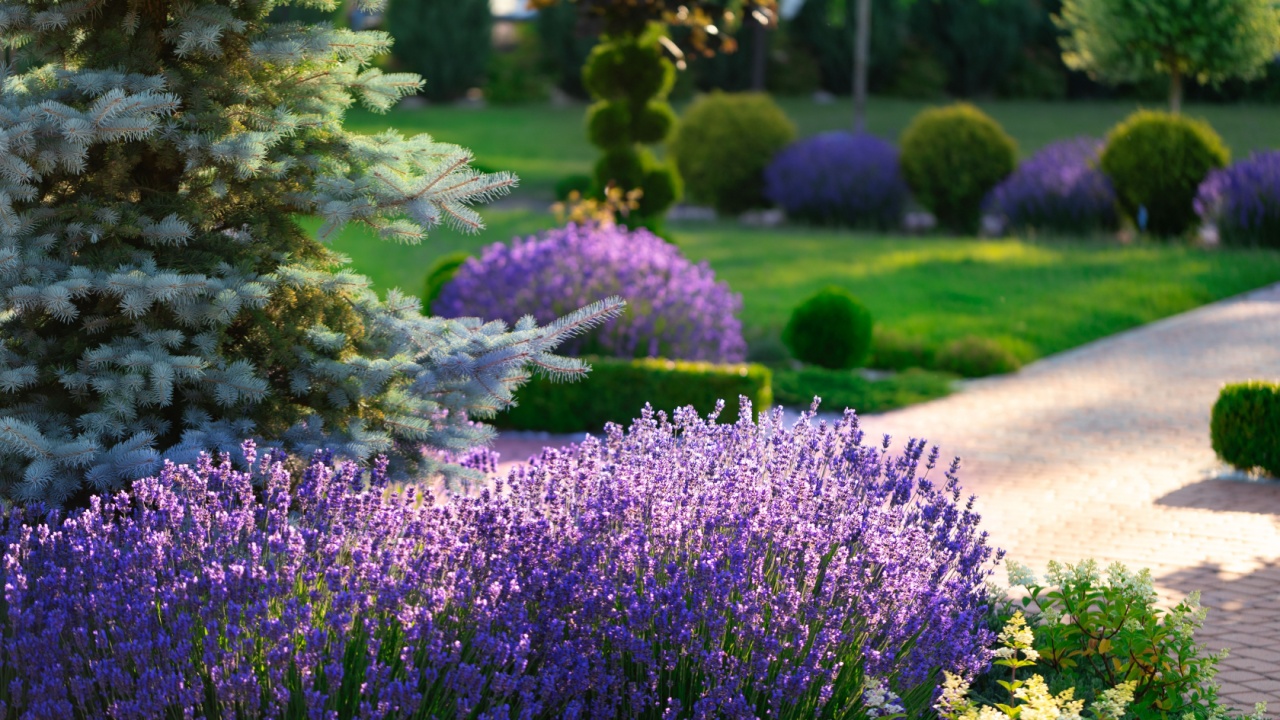
With a long bloom period and aromatic leaves, lavender is perfect for summer borders.
Care Tips:
- Full sun and sandy, well-drained soil.
- Prune lightly after flowering.
- Needs winter protection in zone 5.
Indoor and Container Blooms for Winter Color
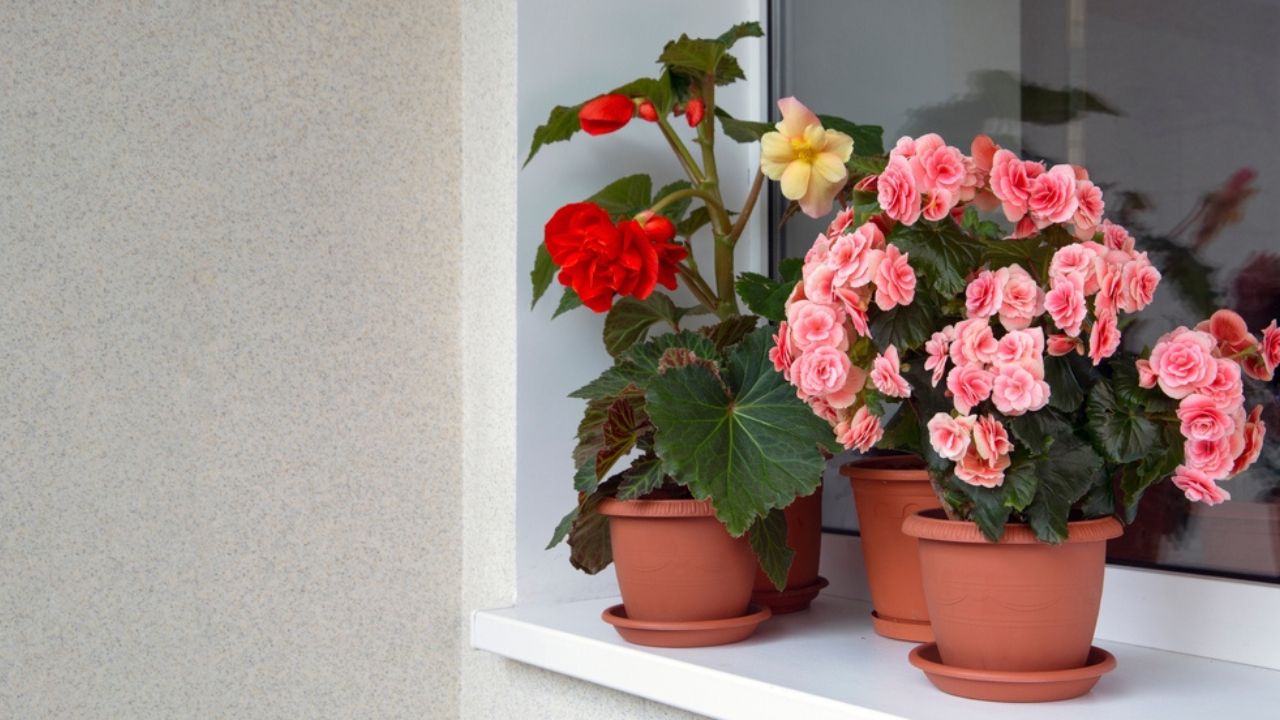
Keep the garden party going indoors. Enjoy blooms indoors by adding one (or ten) of these flowers to a windowsill that could use an upgrade.
African Violet (Saintpaulia spp.)
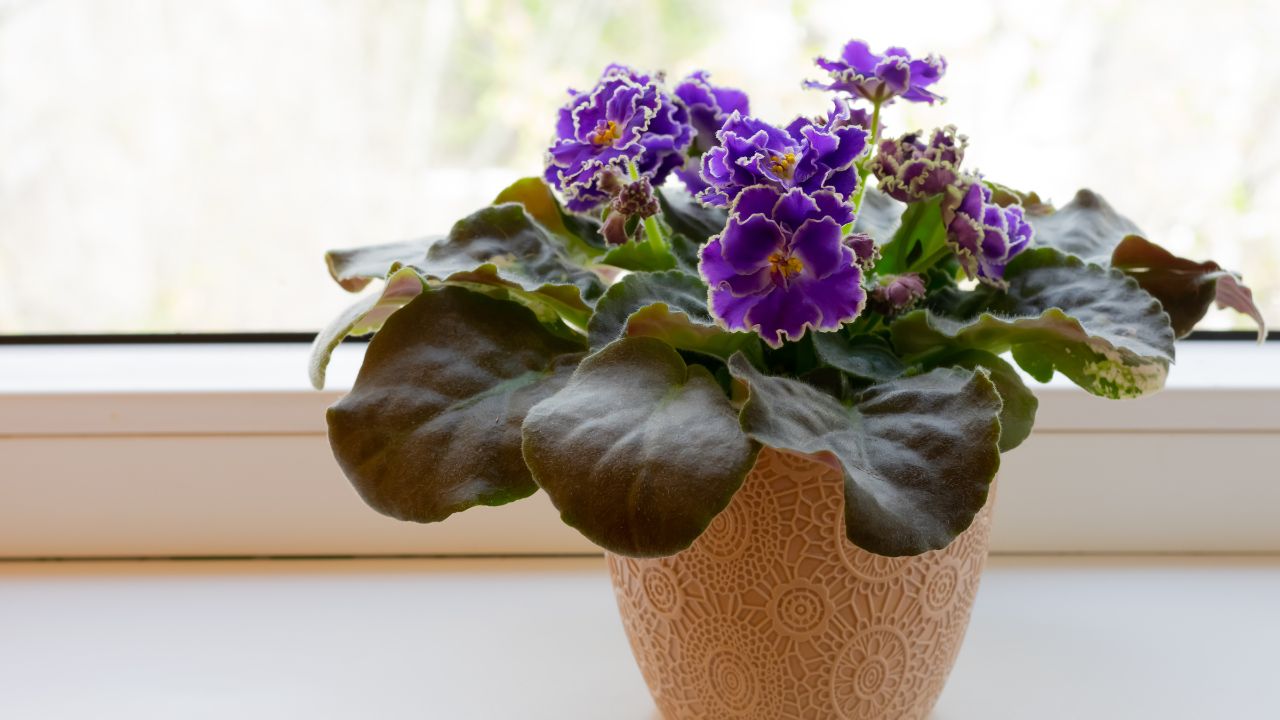
One of the best indoor flowering plants, blooms year-round with good care.
Care Tips:
- Bright, indirect light.
- Keep soil moist but not soggy.
- Use pots with drainage holes.
Begonias (Begonia spp.)
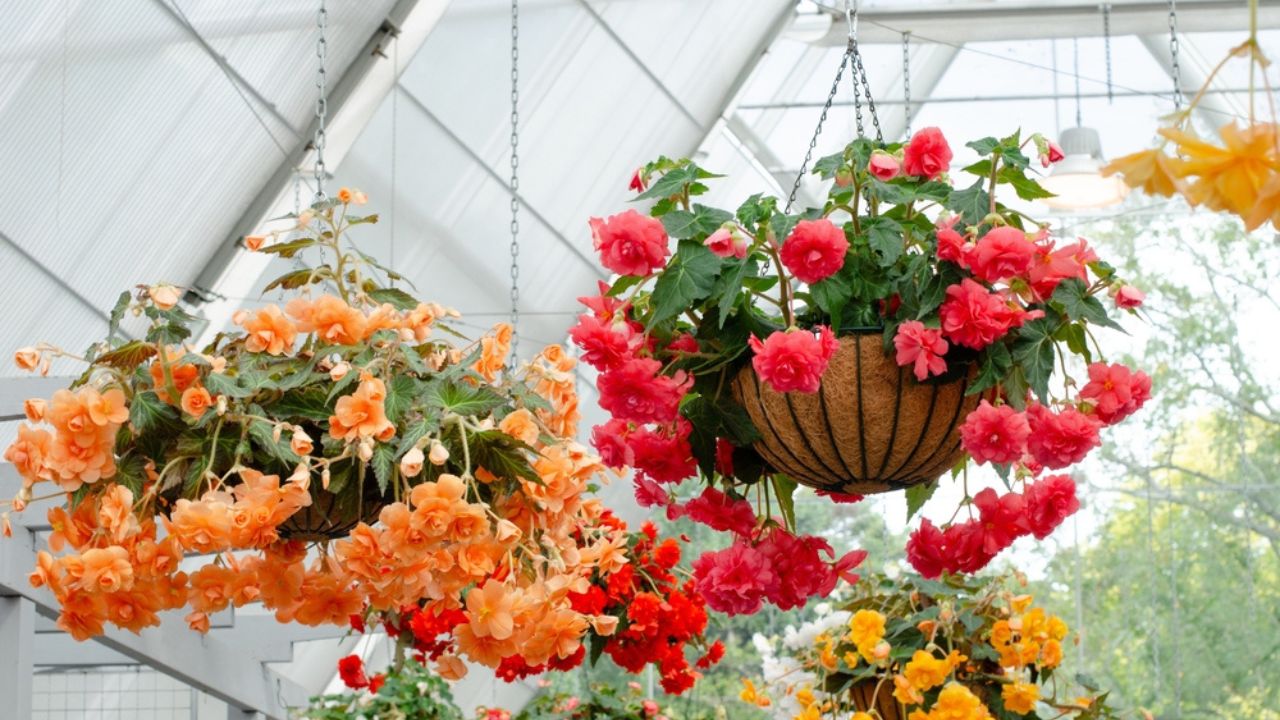
Varieties like Rieger begonias bloom indoors in winter.
Care Tips:
- Filtered light and high humidity.
- Let top inch of soil dry before watering.
- Fertilize monthly in active growth.
Camellias (Camellia japonica / sasanqua)
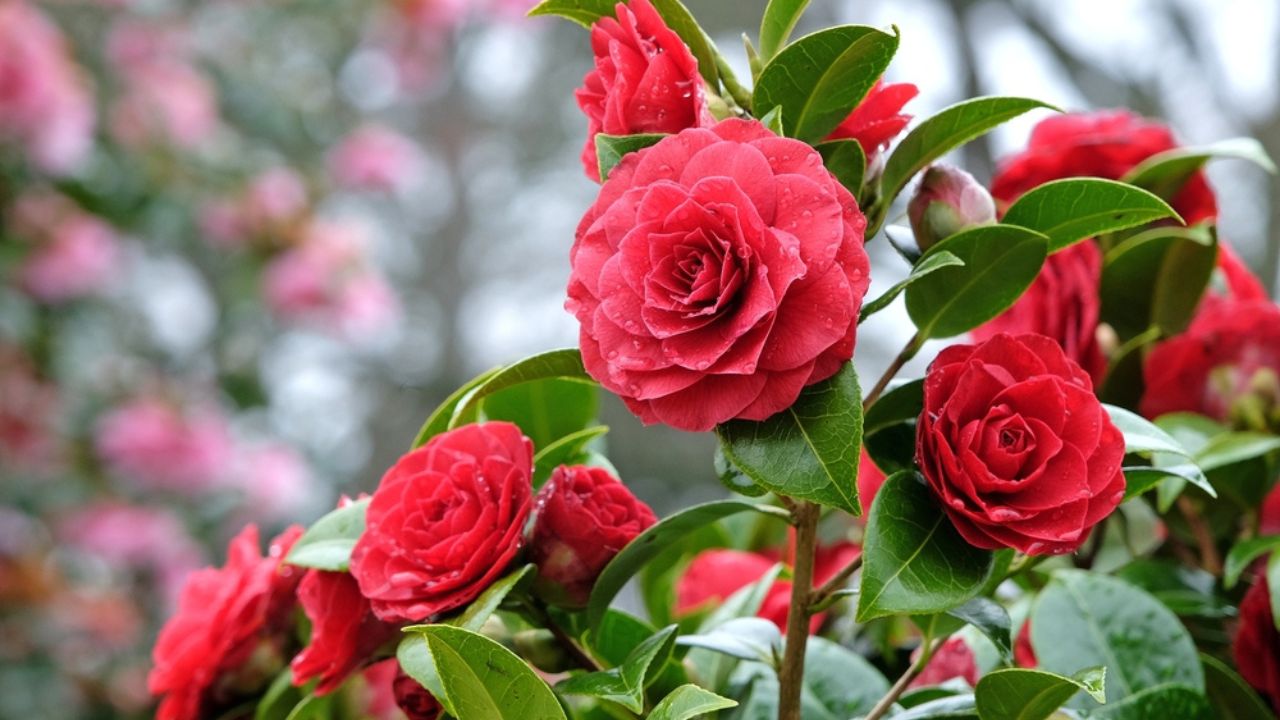
These shrubs bloom from fall through spring when grown indoors or in sheltered containers.
Care Tips:
- Cool temps and bright indirect light.
- Keep soil consistently moist.
- Needs acidic potting mix.
Lantana (Lantana camara)
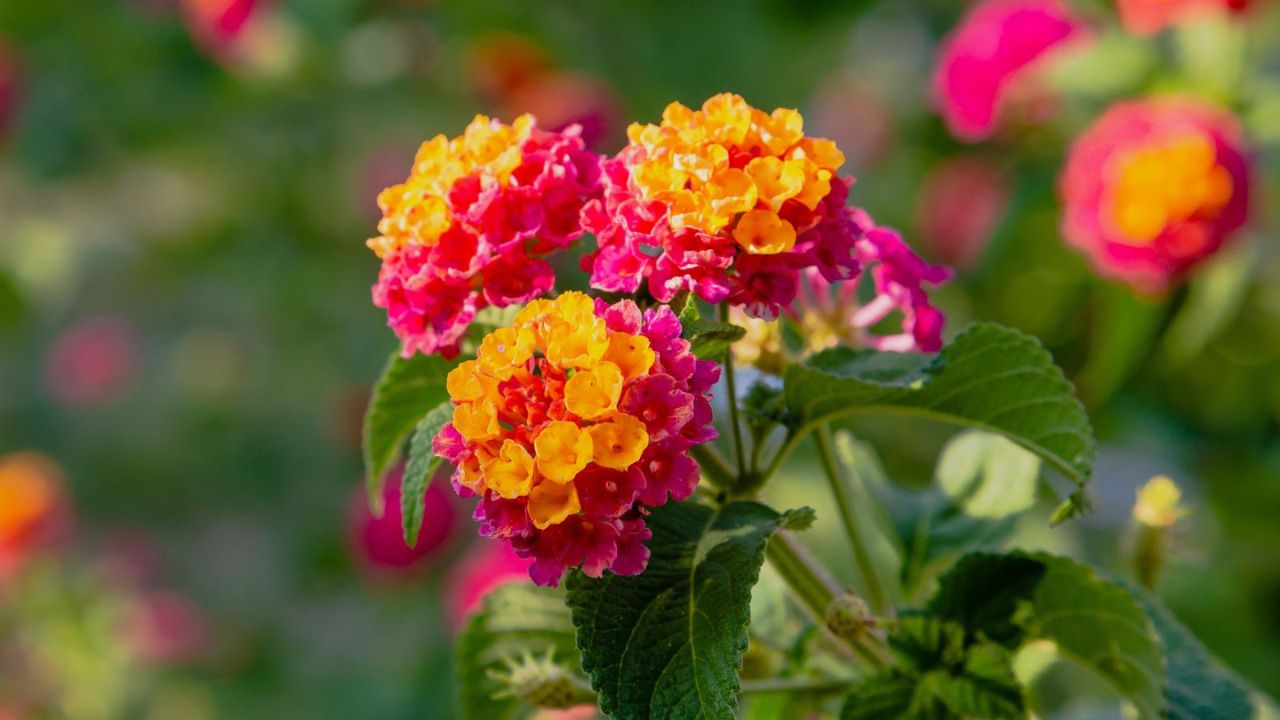
This tropical plant can overwinter indoors with enough light.
Care Tips:
- Full sun or bright window.
- Water the soil when it is dry to the touch.
- Prune lightly to shape.
Best Blooming Plants for Zones 8–11 (Warm Climates)
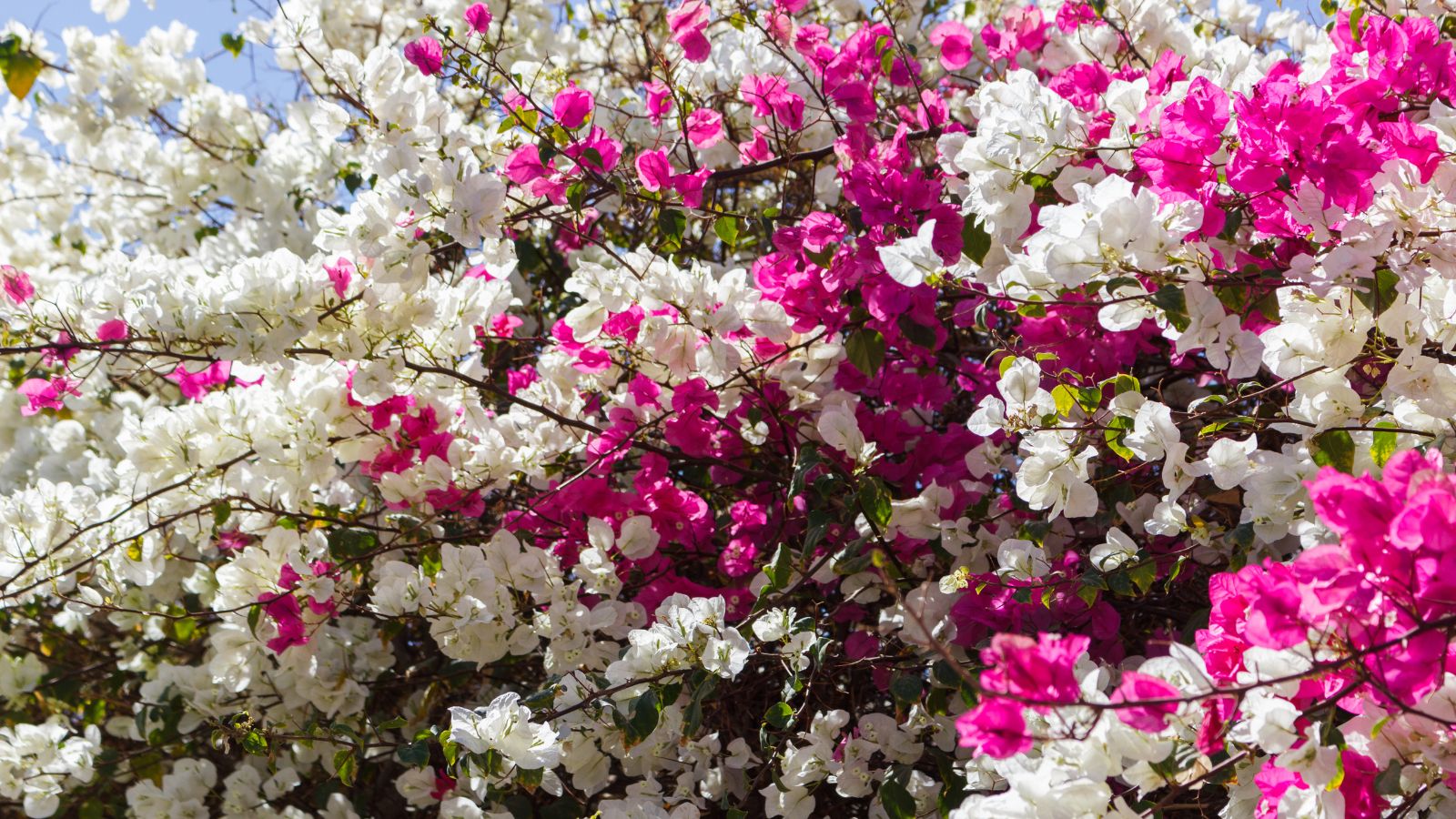
If you happen to live in a warm growing zone, you have plenty of options for flowers. These are some of the best options for nearly year-round blooms.
Bougainvillea (Bougainvillea spp.)

Vibrant bracts in pink, purple, or red appear throughout the year in frost-free areas.
Care Tips:
- Needs full sun and well-drained soil.
- Tolerates drought but blooms more with regular water.
- Prune regularly to shape.
Plumbago (Plumbago auriculata)

Sky-blue flowers bloom nearly year-round in warmer zones.
Care Tips:
- Full sun to partial shade.
- Well-drained soil and regular watering.
- It can be grown as a shrub or vine.
Mexican Heather (Cuphea hyssopifolia)

Small, dainty purple flowers bloom continuously in warm climates.
Care Tips:
- Full sun to part shade.
- Prefers well-drained soil.
- Low maintenance and drought-tolerant.
Salvia ‘Mystic Spires’
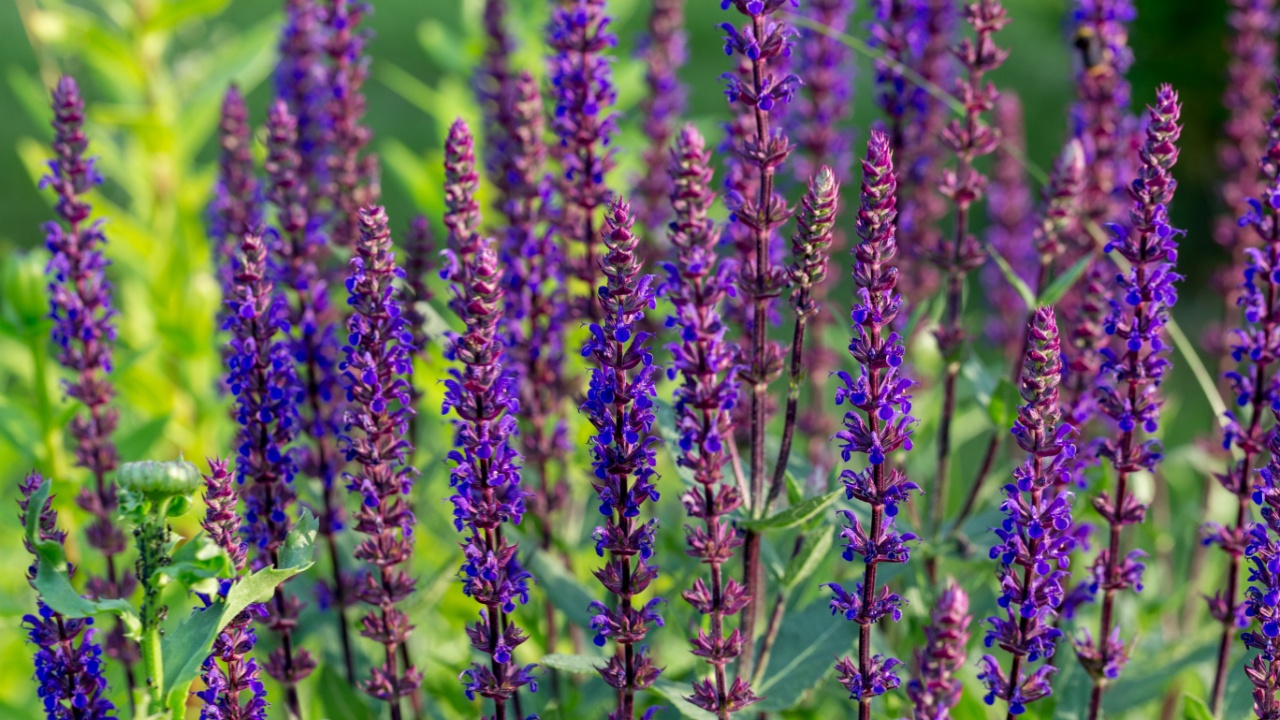
Long spikes of purple-blue flowers bloom from spring through fall—and sometimes winter in warm zones.
Care Tips:
- Full sun.
- Well-drained soil.
- Cut back in late winter.
Gaillardia (Blanket Flower)
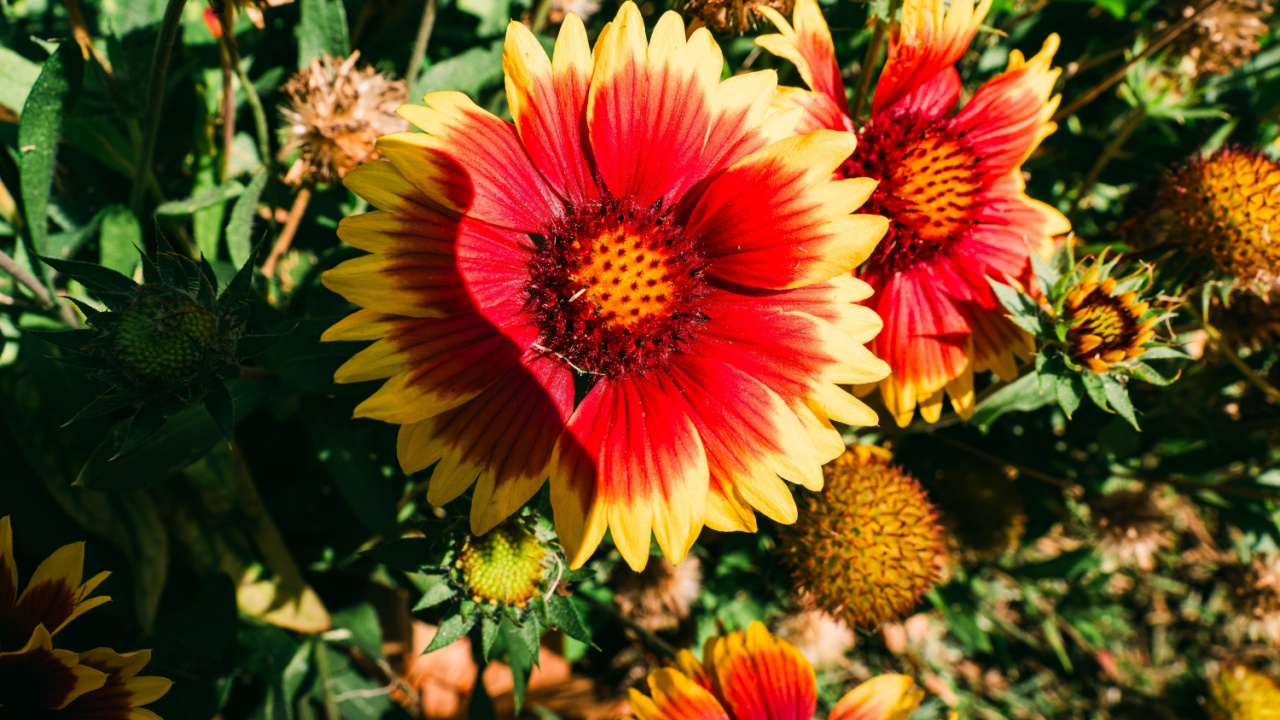
A tough native with red and yellow blooms nearly year-round in zones 9–11.
Care Tips:
- Full sun and sandy soil.
- Drought-tolerant.
- Deadhead to extend flowering.
Seasonal Blooming Plan: Something in Every Season
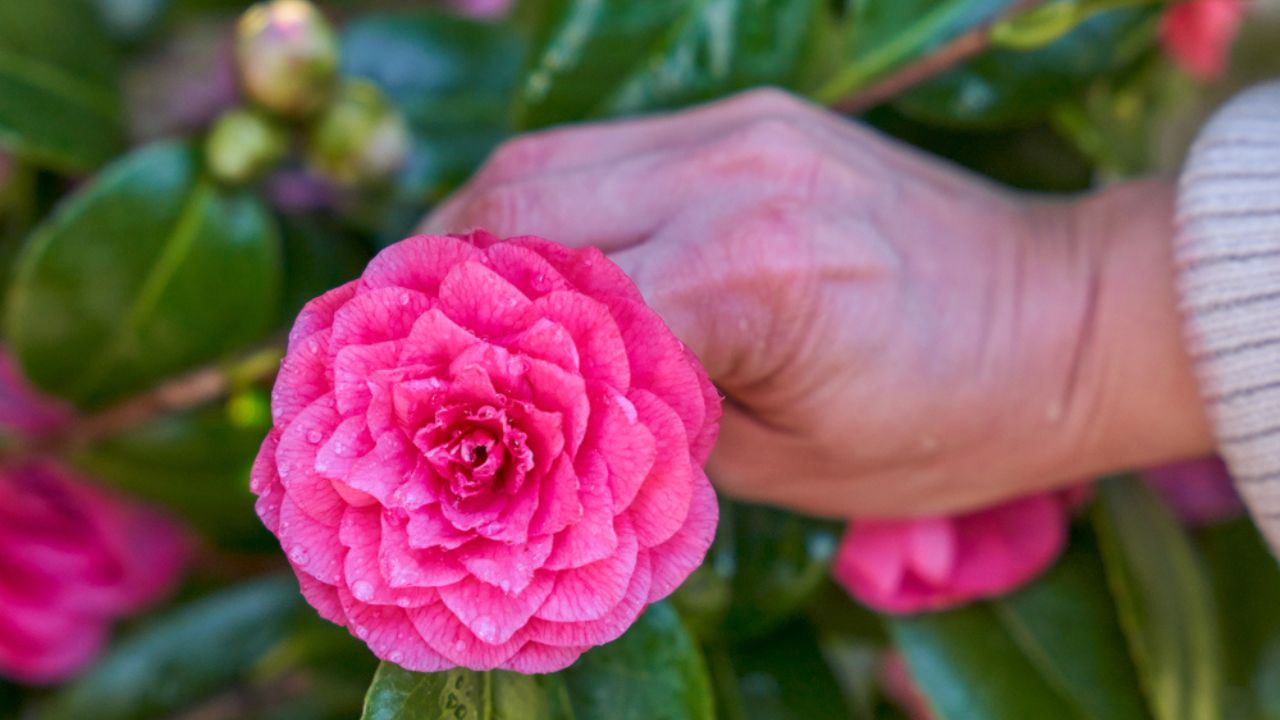
It’s tough to find a flower that truly blooms all the time, but planting a mix of flowers that bloom at different times of the season can help your garden feel vibrant. Imagine one flower blooming, and as it dies, the next follows. It feels magical when there’s always something new replacing the old.
Here’s a sample based on your recommendations:
Spring
- Crocus
- Hellebores
- Witch Hazel
Summer
- Butterfly Milkweed
- Coneflowers
- Coreopsis
- Lavender
Fall
- Asters
- Black-Eyed Susan
- Bee Balm
Winter (Indoors or Warm Zones)
- Camellias
- African Violets
- Begonias
- Bougainvillea (zones 9–11)
- Mexican Heather (zones 8–11)
- Lantana
Suggested Companion Plantings
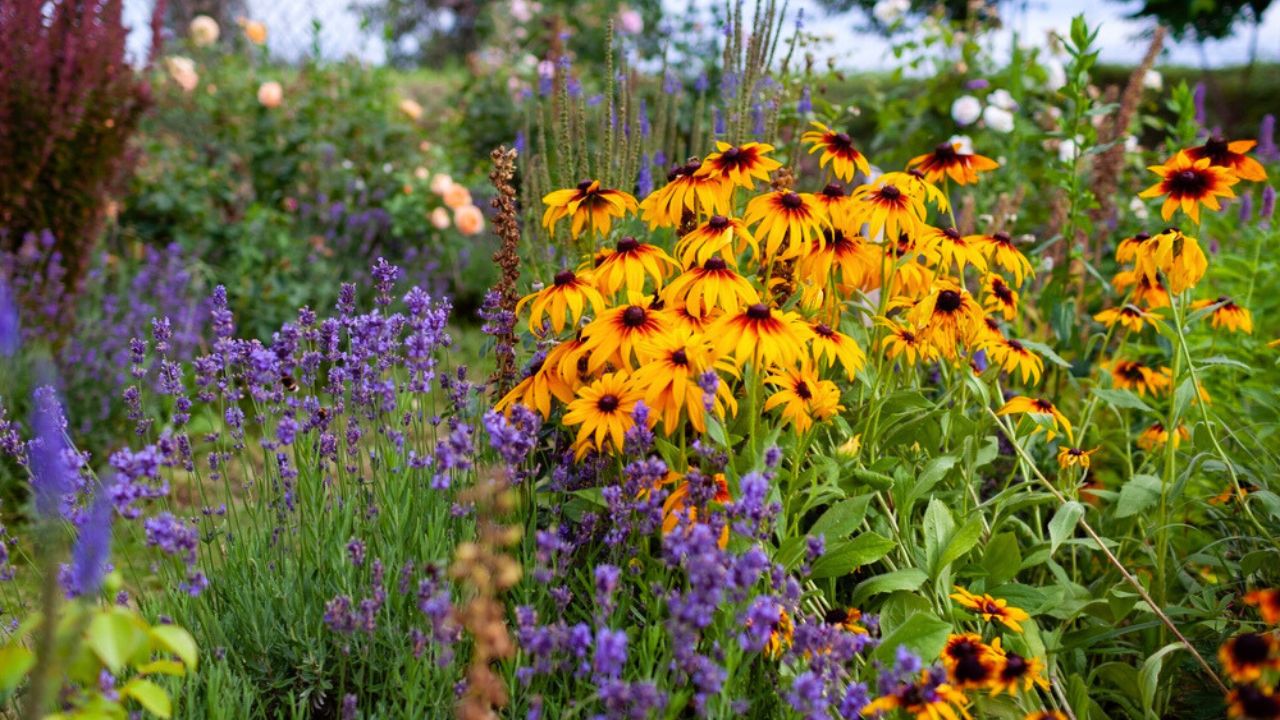
To get continuous color, try grouping:
- Hellebores + Coneflowers + Asters: Early, mid, and late season combo for borders
- Lavender + Bee Balm + Black-Eyed Susans: All summer bloomers that attract pollinators
- Camellia in a container near indoor windows + African Violet + Begonia: Winter color indoors
- Bougainvillea + Plumbago + Salvia: Heat-loving combo for zones 9–11
With smart planning and a combination of perennials, natives, warm-climate plants, and indoor bloomers, you can create a garden that has color every month of the year.
Read more
14 Beautiful Flower Shrubs to Elevate Any Landscape
10 Beautiful Flowers for Shady Spots You’ll Love