8 Steps to Winterize Peonies the Right Way
As summer’s bright colors fade and the chill of fall sets in, it’s time to get your garden ready for winter, especially those gorgeous peonies! These lush, fragrant blooms are a favorite, and with the right care, they’ll bounce back beautifully next spring.
Don’t worry, winterizing your peonies isn’t as hard as it sounds. In fact, it’s pretty simple! Follow these 8 easy steps to make sure your peonies stay cozy through the winter and come back even better next year. Let’s get started!
Where We Got This Data
The information in this article is based on guidance from trusted horticultural experts, university extension programs, and established gardening organizations. These sources provide research-backed recommendations on peony care, pruning, soil management, mulching, and pest prevention.
1. Wait for the First Frost to Cut Back Foliage
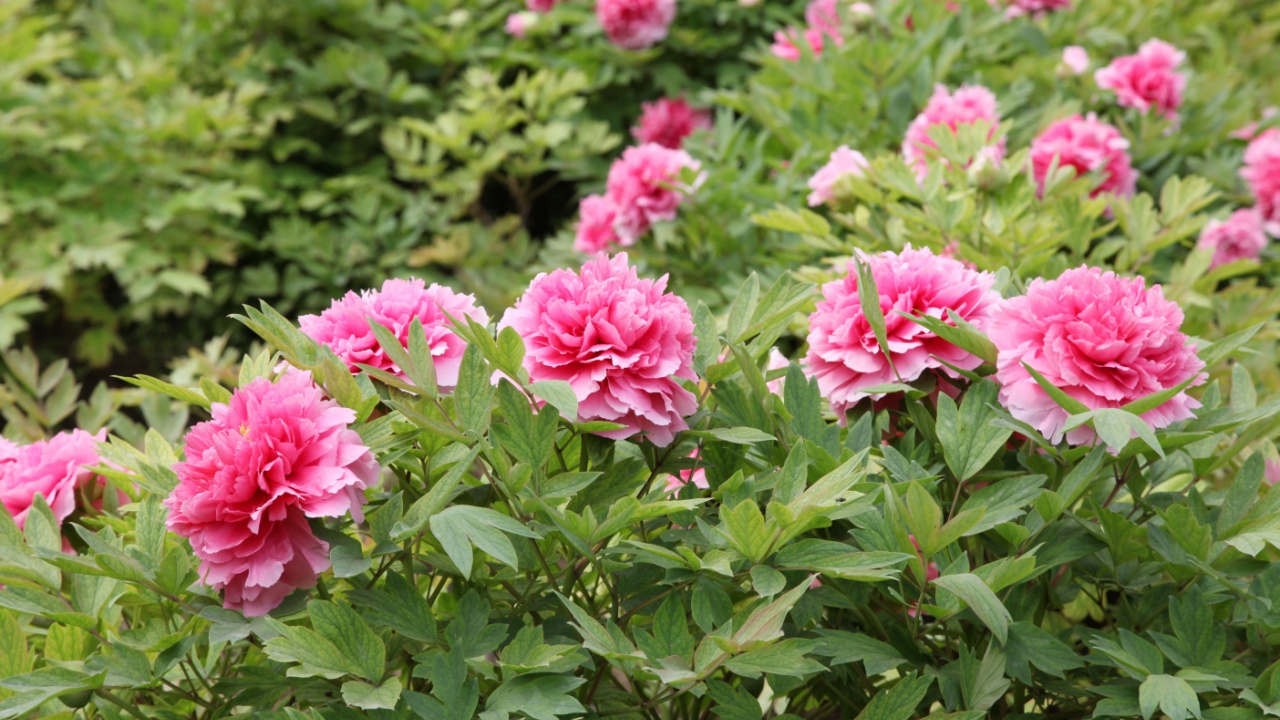
Don’t cut back peonies too early, even if the foliage looks untidy. Those leaves are still converting sunlight into energy for next year’s blooms. Wait until after the first hard frost, when the leaves have completely yellowed and wilted.
Once frosted, use clean, sharp pruning shears to cut stems down to about one inch from the ground. This also prevents diseases like botrytis blight.
Quick Care Tips:
- Don’t cut back green or slightly browning foliage. The leaves are still feeding the roots for next year’s flowers.
- Use clean pruning shears to trim stems down to about one inch.
- To prevent fungal diseases, throw away all cuttings. Do not compost them.
2. Clean Up the Area Around the Plant
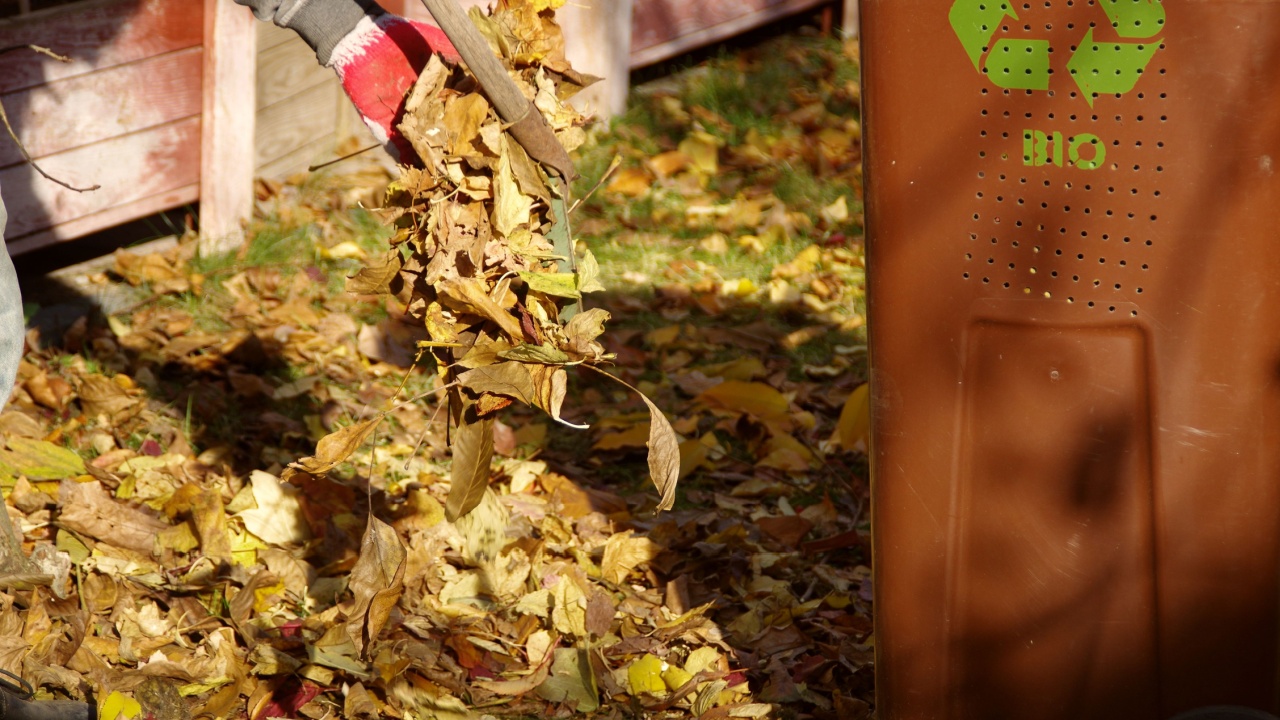
After you’ve cut back the stems, take the time to thoroughly clean the area around the base of your peony plants. Rake away any fallen leaves, weeds, or other plant debris. Just like the foliage, this debris can provide a cozy winter home for pests and diseases.
A clean garden bed minimizes the risk of your peonies waking up to an infestation in the spring. This simple act of tidiness is a form of preventative care that pays off with healthier plants.
Quick Care Tips:
- Remove any debris or dead leaves around the plant base to keep the area clean and minimize pests.
- Avoid overwatering the area to prevent root rot or fungal growth.
- Mulch around the base of the plant after pruning to protect roots during colder months.
- Inspect regularly for signs of pests or diseases to take timely action.
- Always sanitize pruning tools before and after use to reduce the spread of infection.
3. Choose the Right Peony Varieties for Your Zone
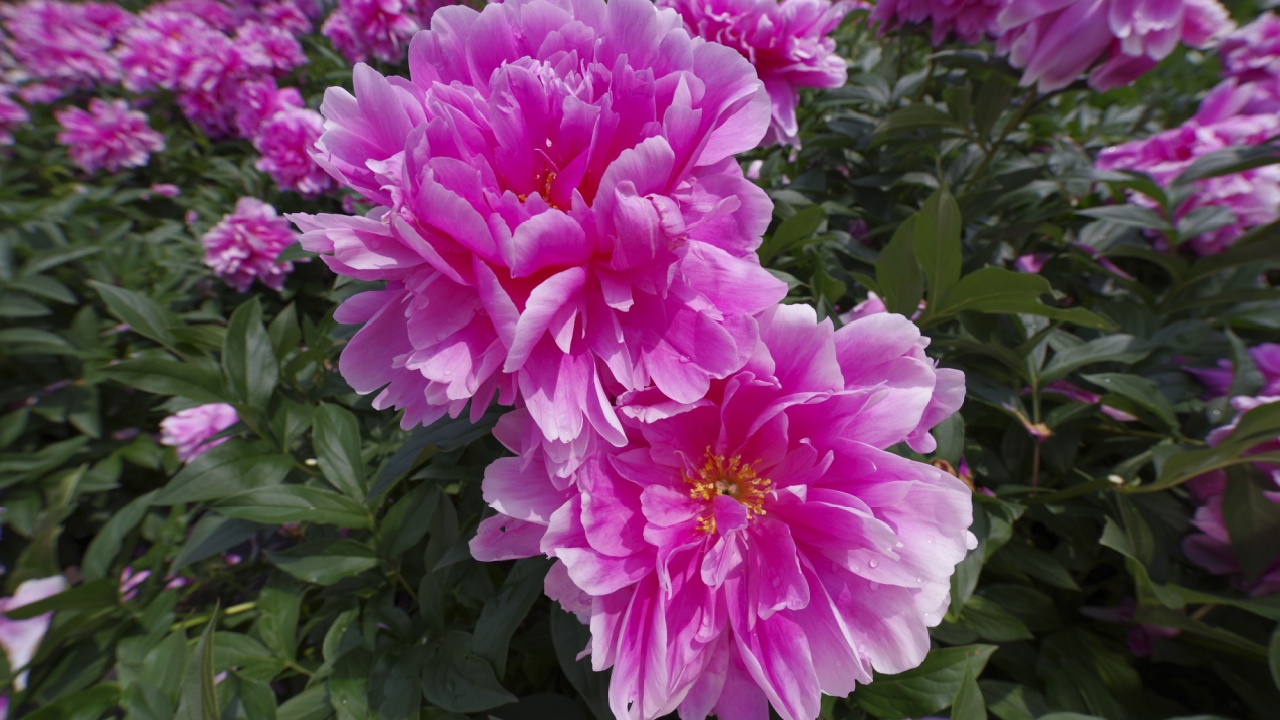
If you’re new to growing peonies, your success starts with choosing the right variety for your climate. Peonies require a period of cold dormancy to set their flower buds, so picking one that suits your region is key. Knowing your USDA Hardiness Zone and selecting an appropriate variety from the start will make winter care much easier.
Quick Care Tips:
- Most herbaceous peonies are hardy in USDA Zones 3-8.
- For colder regions, choose resilient varieties like ‘Sarah Bernhardt,’ ‘Kansas,’ and ‘Festiva Maxima.’
- If you live in a warmer climate (Zones 9+), peonies will struggle to bloom without special care.
4. Amend the Soil (If Needed)
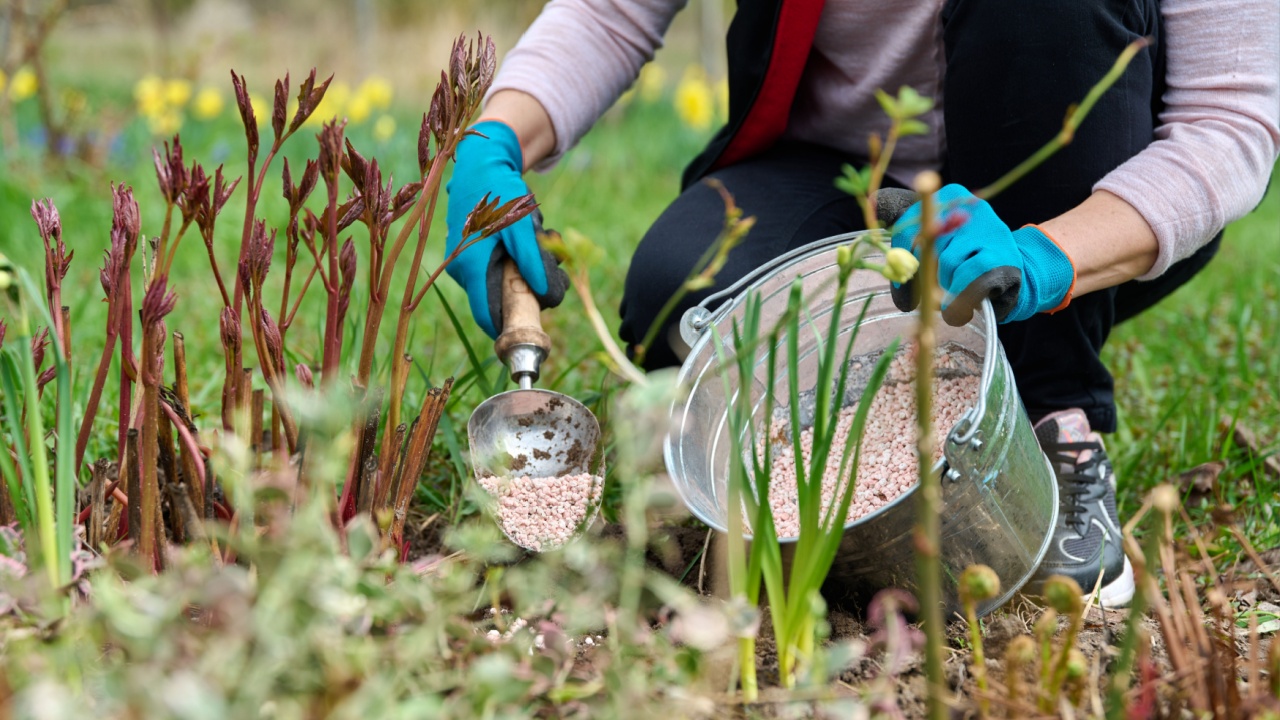
Autumn is a great time to boost your soil, but go easy on peonies. Avoid nitrogen-rich fertilizers that encourage cold-sensitive growth. Instead, use bone meal or a low-nitrogen, high-phosphorus fertilizer to support root development. A light compost top dressing is also helpful for slow nutrient release..
Quick Tips:
- Peonies are not heavy feeders; avoid over-fertilizing.
- Skip nitrogen-rich fertilizers in fall, as they encourage vulnerable new growth.
- If the soil is poor, add a small amount of bone meal or a low-nitrogen, high-phosphorus fertilizer to the drip line for root development.
- A light top dressing of compost provides slow-release nutrients.
5. Apply a Protective Layer of Mulch

After the ground freezes, apply a 2-4 inch layer of mulch over the plant’s crown to insulate the roots from extreme temperature changes. Use light materials like shredded leaves, straw, or pine needles. This is especially important for newly planted peonies or in colder climates, as it protects the roots from damaging freeze-thaw cycles. Avoid heavy materials that can trap moisture and cause the crown to rot.
Quick Tips:
- Wait until the ground freezes before applying mulch.
- Apply a 2-4 inch layer over the plant’s crown.
- Use light materials like shredded leaves, straw, or pine needles.
- Avoid heavy materials that can cause rot, such as whole leaves.
6. Take Special Care with Tree Peonies
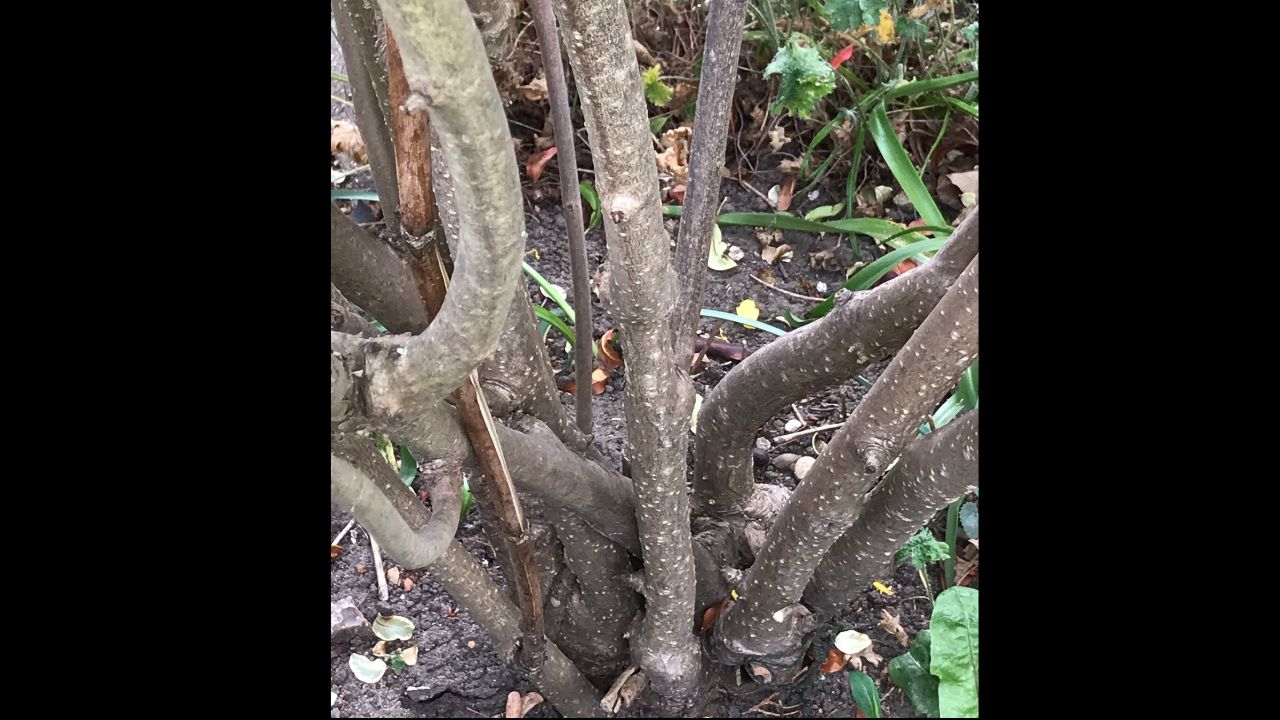
While herbaceous peonies die back to the ground, tree peonies have woody stems that remain above ground all winter. They require a slightly different approach.
Quick Tips:
- Do not cut them back in the fall! Their woody stems remain above ground.
- Clean up fallen leaves from around their base.
- In very cold climates (Zones 4-5), provide extra protection. Wrap the woody structure in burlap or create a chicken wire cage filled with straw or shredded leaves.
- This protection stems from harsh winds and ice, safeguarding next year’s flower buds.
7. Provide Adequate Drainage
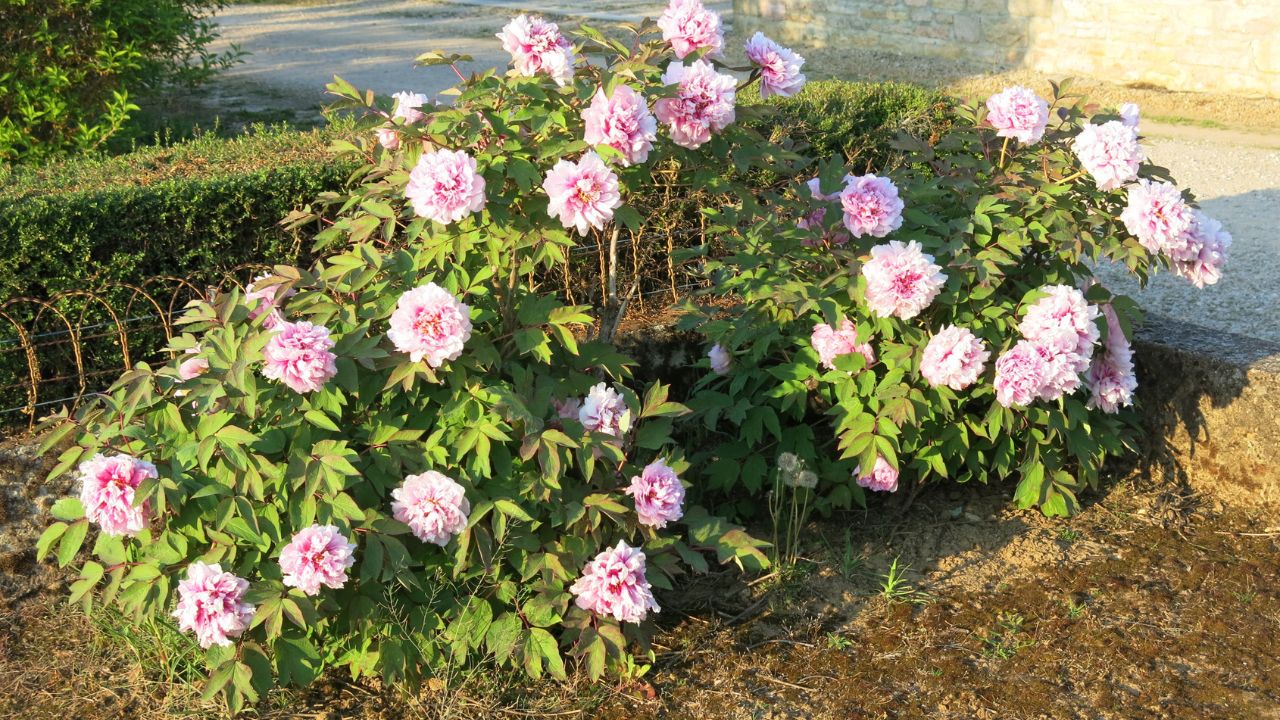
Peonies hate “wet feet,” especially in winter. Cold, waterlogged soil can lead to root rot. To prevent this, plant them in a well-draining spot.
If you have heavy clay soil, mix in compost to improve drainage. For established plants, ensure water from downspouts or melting snow doesn’t pool around their base. If it does, create a small channel to divert it away.
Quick Tips
- Plant in well-draining soil to avoid waterlogging.
- Amend heavy clay soil with compost to improve drainage.
- Keep water from pooling around the plant’s base.
- Divert water away using small channels or berms if needed.
- Avoid planting in low-lying areas prone to flooding.
8. Monitor for Pests During Winter Thaws
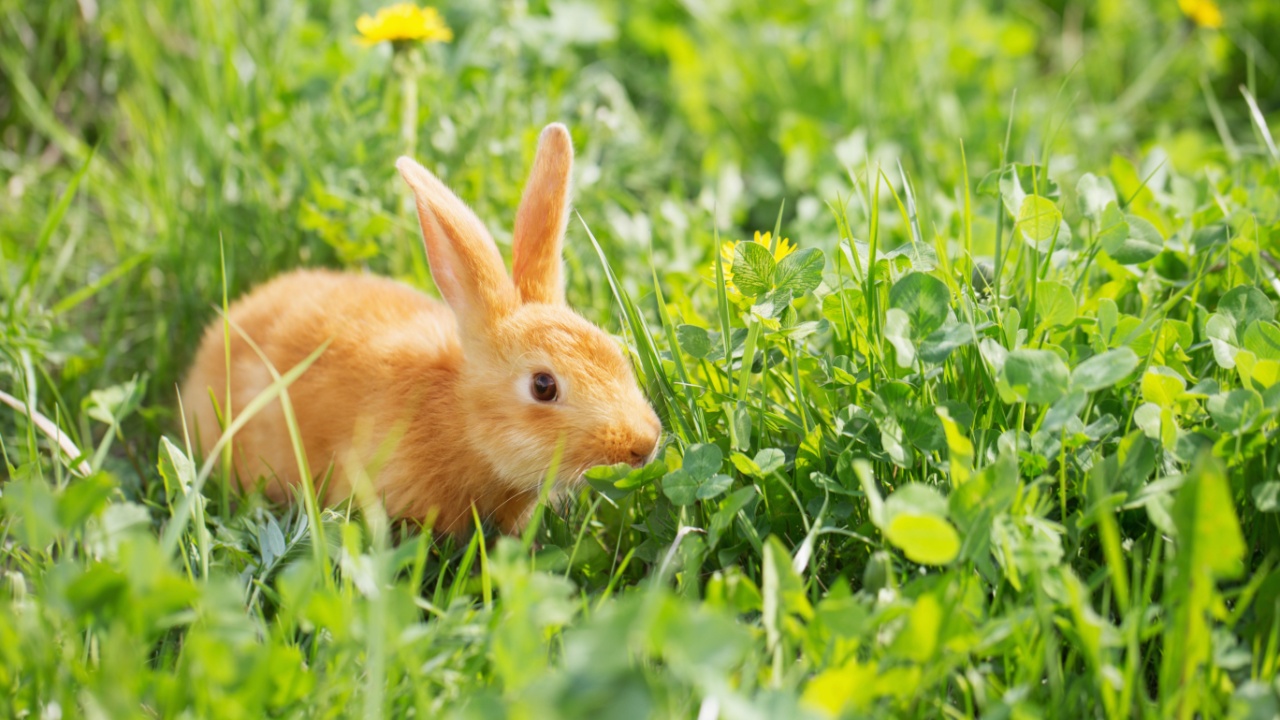
Even during mild winter spells, check your garden for pests. Voles and rabbits can be active, chewing on peony roots or stems when food is scarce. If you see signs of nibbling or tunneling, install a protective barrier. A simple hardware cloth cylinder around the plant’s base can deter these critters until spring.
Quick Tips:
- Inspect plants during mild winter days for signs of pest activity.
- Look for nibbling damage or tunneling near peony roots and stems.
- Use hardware cloth or similar protective barriers to guard against voles and rabbits.
- Avoid overwatering, as excess moisture can harm dormant roots.
- Clear away debris around the base of the plants to reduce hiding spots for pests.
Conclusion: Your Peonies, Winter-Ready
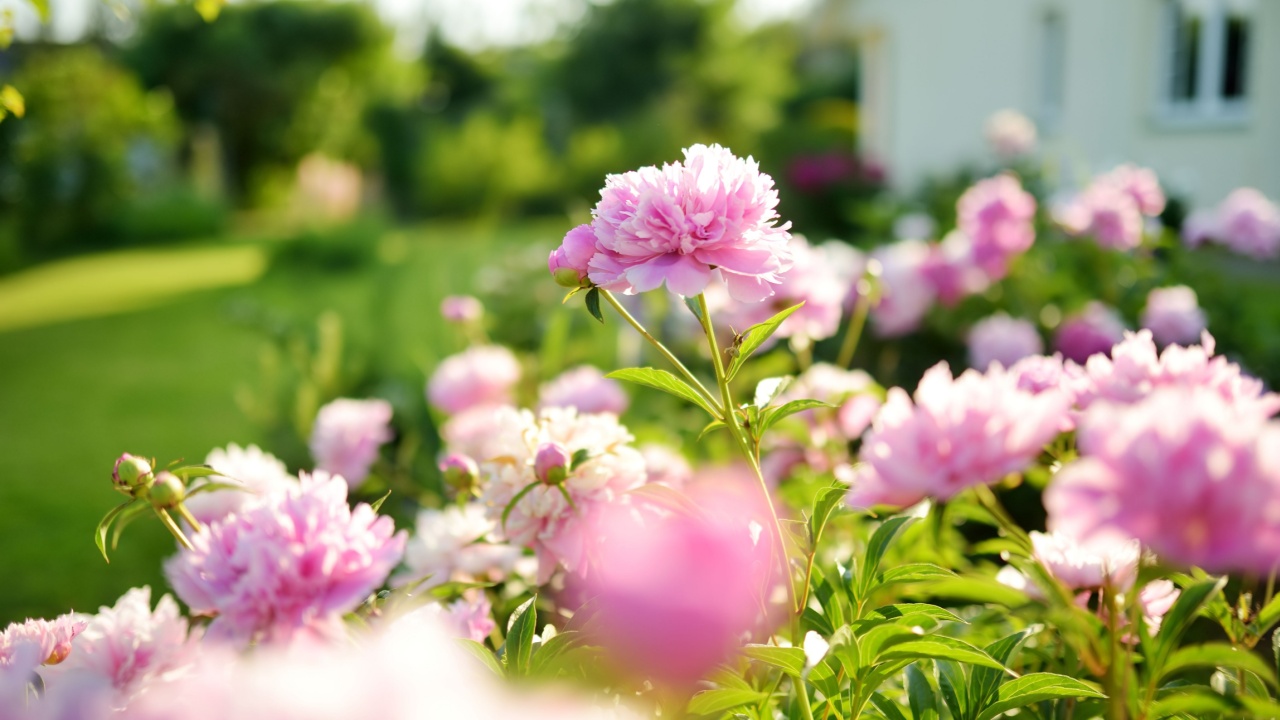
By following these steps, you can confidently prepare your peonies for the harsh winter months. This little bit of autumn effort will reward you with a stunning display of lush, beautiful blooms when the garden reawakens in the spring.