7 Basil Harvesting Mistakes That Are Secretly Killing Your Plant
You’re babying your basil to death. That single leaf you plucked for tonight’s pasta? It did almost nothing for the plant, and it did almost nothing for your dinner. Meanwhile, your basil is quietly stretching toward the sky, preparing to flower, and getting ready to shut down leaf production for good. The most common reason basil fails in home gardens has nothing to do with sunlight, water, or soil. It’s the harvesting.
Most gardeners treat basil like a delicate specimen, tiptoeing around it, taking as little as possible, convinced that restraint will keep it alive longer. That instinct is exactly backward. Basil is one of the rare plants that actually thrives on aggressive cutting. Every time you harvest a stem correctly, the plant responds by splitting that growth point into two new shoots, a biological process called apical dominance release. Gentle harvesting doesn’t protect basil. It guarantees an early death.
August is the peak of basil season, and every week you spend making these mistakes is a week of lost harvest you won’t get back before the first frost arrives. The good news is that every one of these mistakes is fixable today, and the results will be visible within a week. Here are seven harvesting errors that are holding your basil back, and what experienced gardeners do instead.
1. You’re Picking Individual Leaves Instead of Cutting Stems
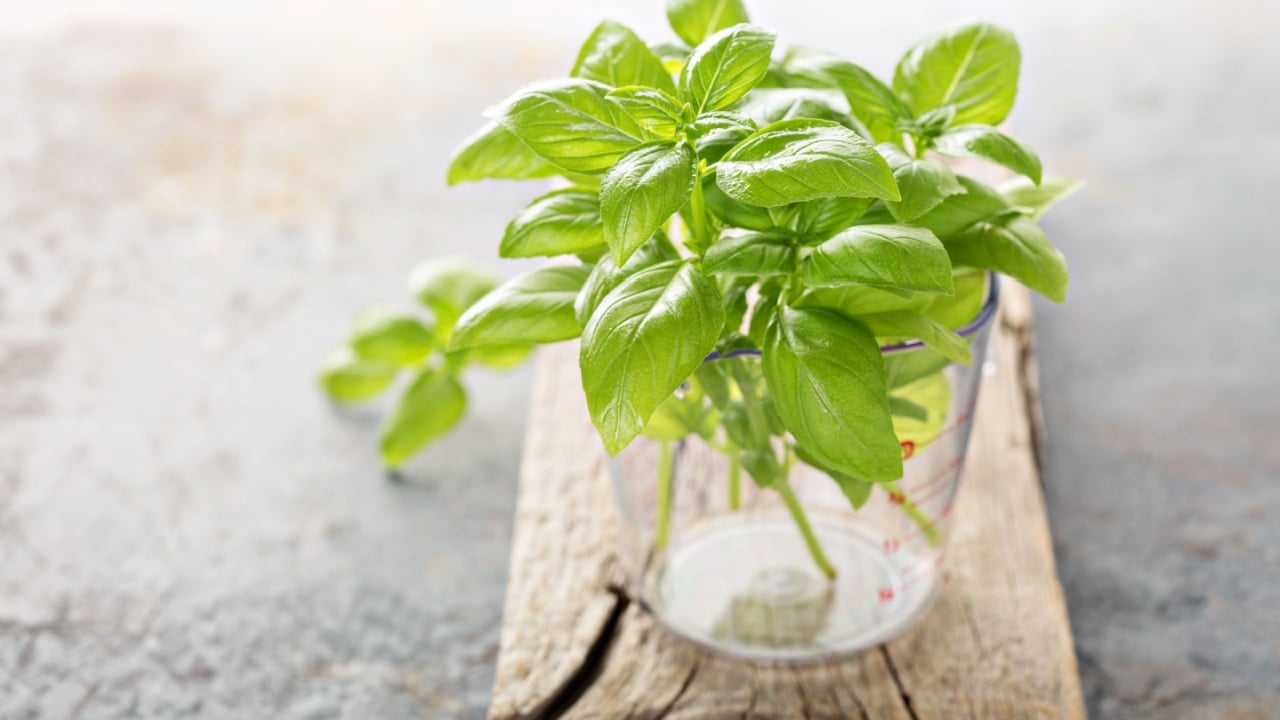
This is the single most damaging basil habit, and nearly every beginner does it. Plucking individual leaves feels intuitive, but it strips the plant without triggering new growth. “The single most important thing you can do is harvest regularly and always cut just above a leaf node so the plant forks and gets bushier instead of taller,” writes Nicole Burke, founder of Gardenary and author of Kitchen Garden Revival.
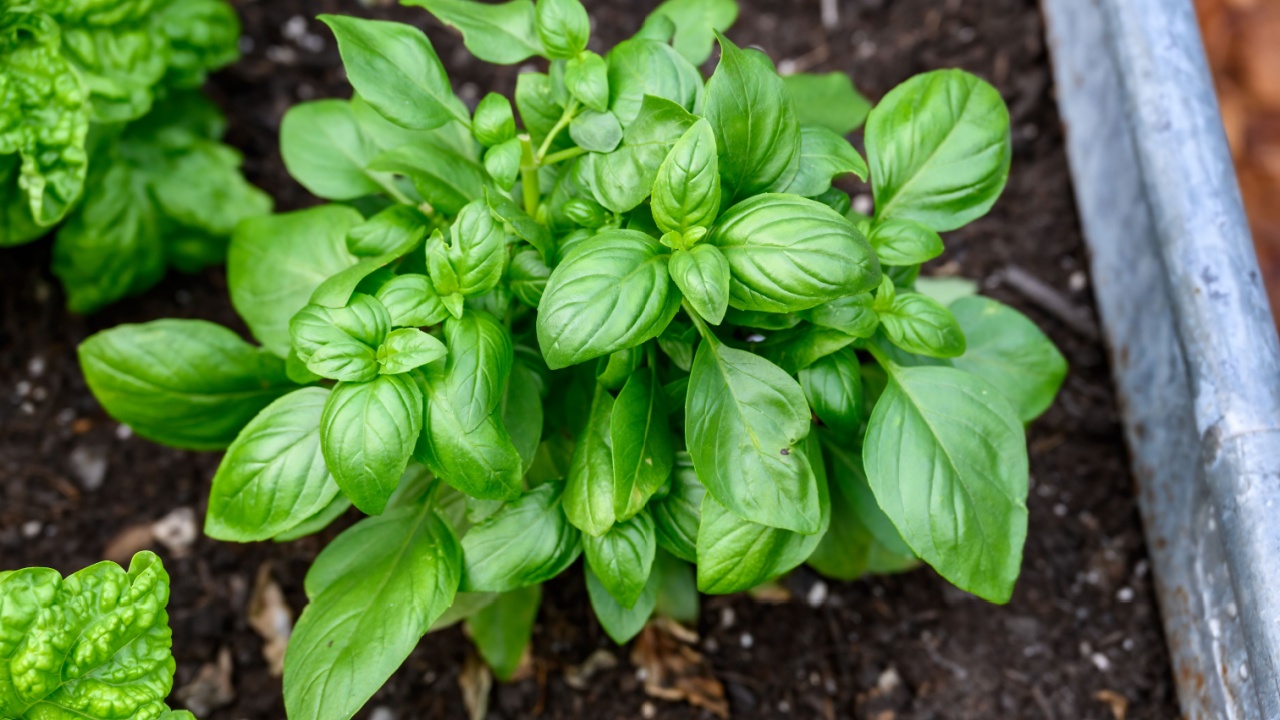
The fix is simple. Find a leaf node, the spot where two leaves grow directly opposite each other on the stem, and cut ¼ inch above it with clean scissors. Within a week, you’ll see two new stems emerging from that exact point. What most gardeners never hear is that this one technique is the entire difference between a plant that produces a handful of leaves and one that produces armfuls.
2. You’re Harvesting from the Bottom of the Plant

When those big, lush leaves near the base of the plant catch your eye, resist the urge. “Harvest from the top of the plant so more leaves are produced,” advises Arricca Elin SanSone of Southern Living. “If you pick from the bottom, it will get lanky and scraggly looking.”
Those bottom leaves aren’t just decorative. They’re the plant’s solar panels, the primary energy source that fuels all new growth. Removing them forces the plant to work harder with less, producing weak, spindly stems that flower quickly and die. Gardeners who’ve been growing basil for twenty years still make this mistake, often because they learned it from a well-meaning neighbor decades ago. Always work from the top down.
3. You’re Being Too Timid with How Much You Take
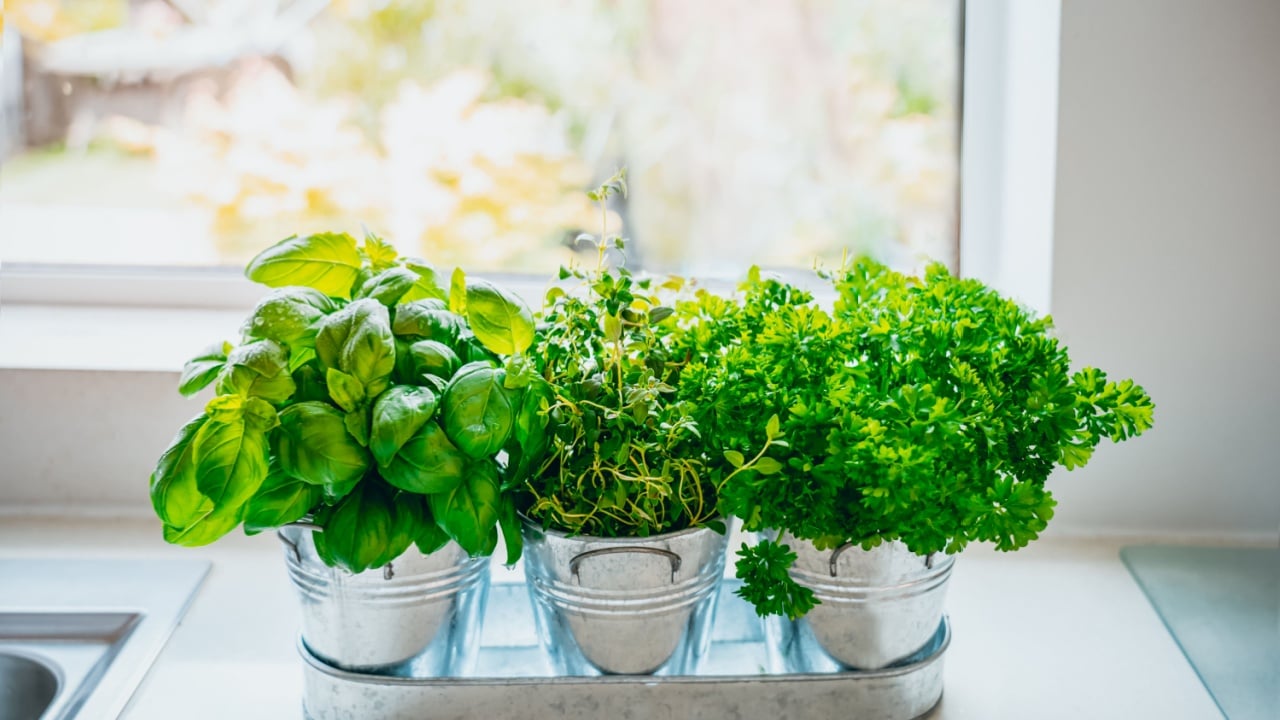
Every time you make a proper cut above a node, basil produces two new stems from that point. Cut those two stems in a week, and you get four. Cut those four, and you get eight. A single basil plant can double its number of growing tips every two weeks with correct harvesting, which means the more you take, the more it gives back.
The standard rule is to never remove more than one-third of the plant’s height in one session. That sounds conservative, but one-third of a well-branched basil plant is a generous handful, enough for a full batch of pesto. “Harvesting basil encourages it to produce more leaves, so the more you harvest, the more the plant will grow,” notes Sheryl Geerts in Better Homes & Gardens. If you’re only snipping a leaf or two at a time, you’re leaving most of your harvest on the table.
4. You’re Ignoring the Flowers Until It’s Too Late
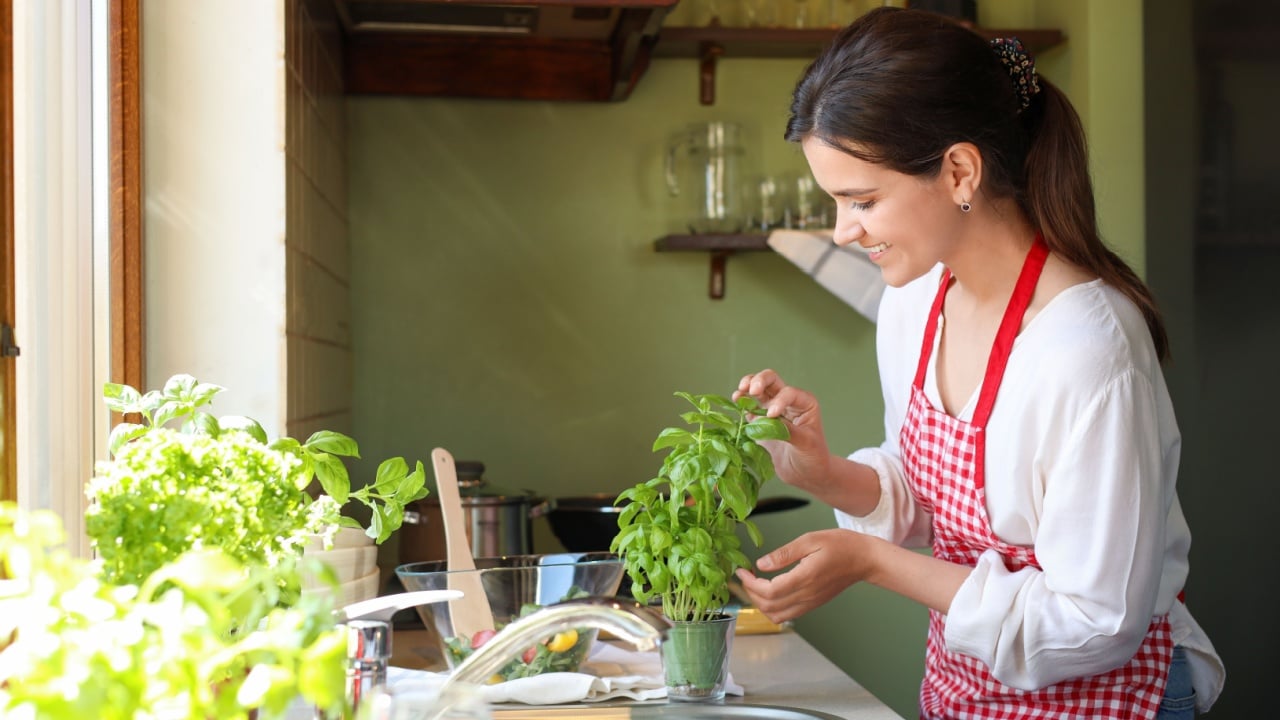
Once basil flowers, the flavor is essentially over. The plant shifts all its energy into seed production, and the leaves left behind turn bitter, tough, and sparse. Most gardeners notice the flowers when they’re already fully open, which is several days too late.
“Pinching the flower heads off prevents the plant from putting energy into producing seeds, allowing it to grow more foliage,” explains Kris Bordessa in Attainable Sustainable, a certified Master Food Preserver and National Geographic author. The key is vigilance: check for tiny flower buds at the tips of stems every few days, especially once August temperatures push above 80°F. If flowering persists despite regular pinching, the UC Master Gardeners of Placer County recommend cutting the budding stalks at least four leaf nodes down the stem to shock the plant back into vegetative mode.
5. You’re Harvesting at the Wrong Time of Day
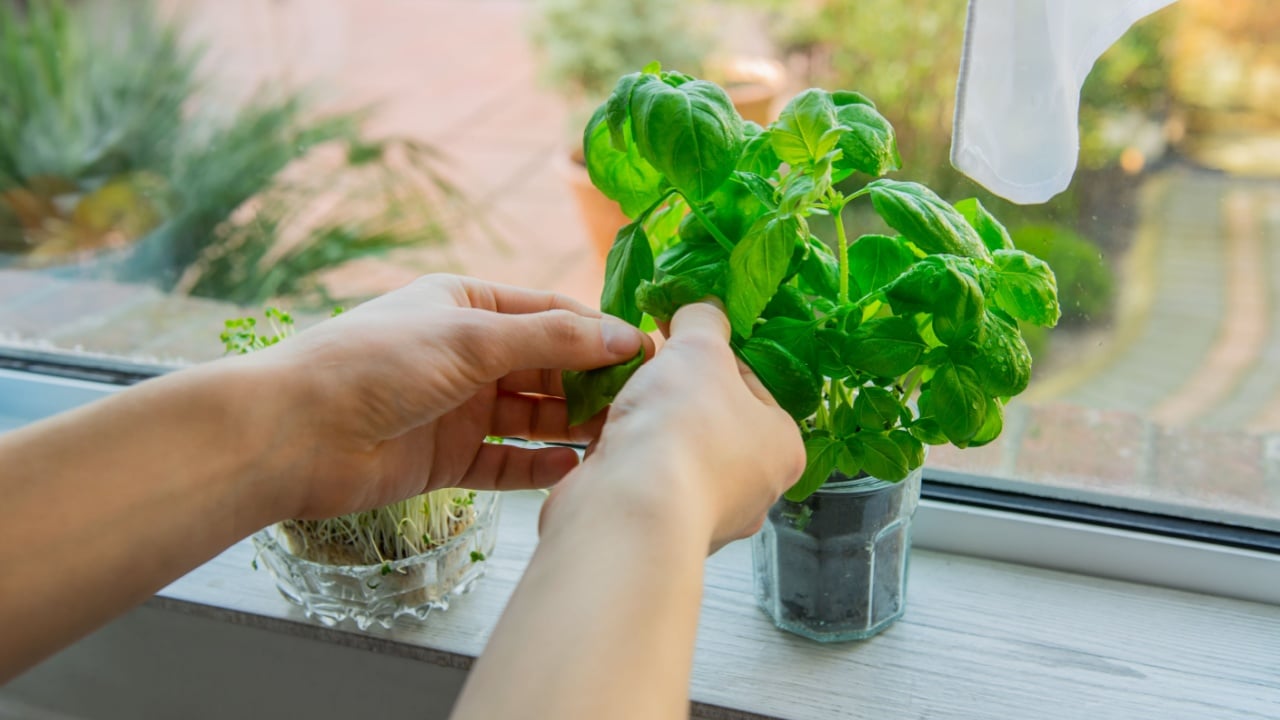
Your grandmother picked her herbs at dawn for a reason, and science has since confirmed she was right. Basil leaves contain their highest concentration of essential oils in the early morning, after the dew has dried but before the afternoon heat causes those volatile compounds to dissipate. Harvesting at midday or in the evening means less flavor per leaf.
“The morning is the best time to harvest leafy greens and herbs from your garden. They’ll have more water in their leaves, they’ll taste sweeter, and they’ll preserve easier,” writes Nicole Burke of Gardenary. Make sure the leaves are completely dry before cutting; wet foliage can transfer fungal diseases and shorten storage life.
6. You’re Storing It in the Fridge
You just grew beautiful basil for almost nothing, harvested it correctly, and then killed it by putting it in the refrigerator. Basil is a tropical plant that suffers cold damage at temperatures below 50°F. Refrigerated basil turns black, slimy, and unusable within a day or two.
Instead, treat fresh basil like a bouquet of flowers. “The best way to store fresh basil for a few days is to clip the sprigs and place them in room-temperature water for up to five days,” advises Sheryl Geerts in Better Homes & Gardens. For longer storage, blend leaves with olive oil and freeze in ice cube trays. Each cube is a ready-made flavor bomb for soups, pastas, and sauces all winter, and the cost per cube is essentially zero.
7. You’re Growing One Plant When You Need Three

One basil plant, no matter how perfectly you harvest it, has limits. It needs recovery time between cuttings. It will eventually slow down. And if a pest or sudden weather event takes it out, your entire basil supply disappears overnight.
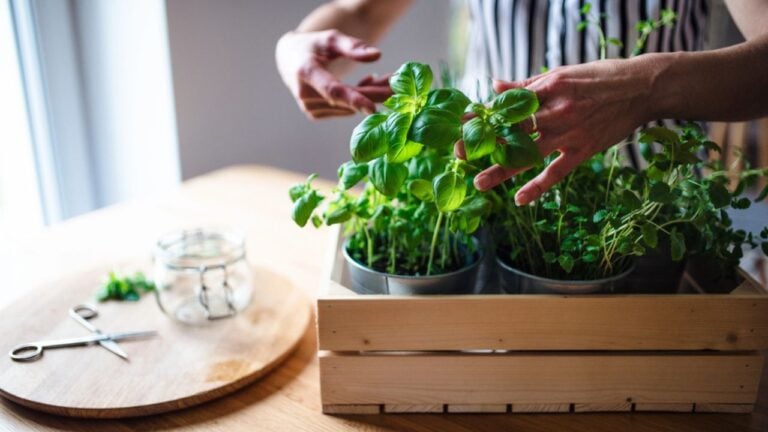
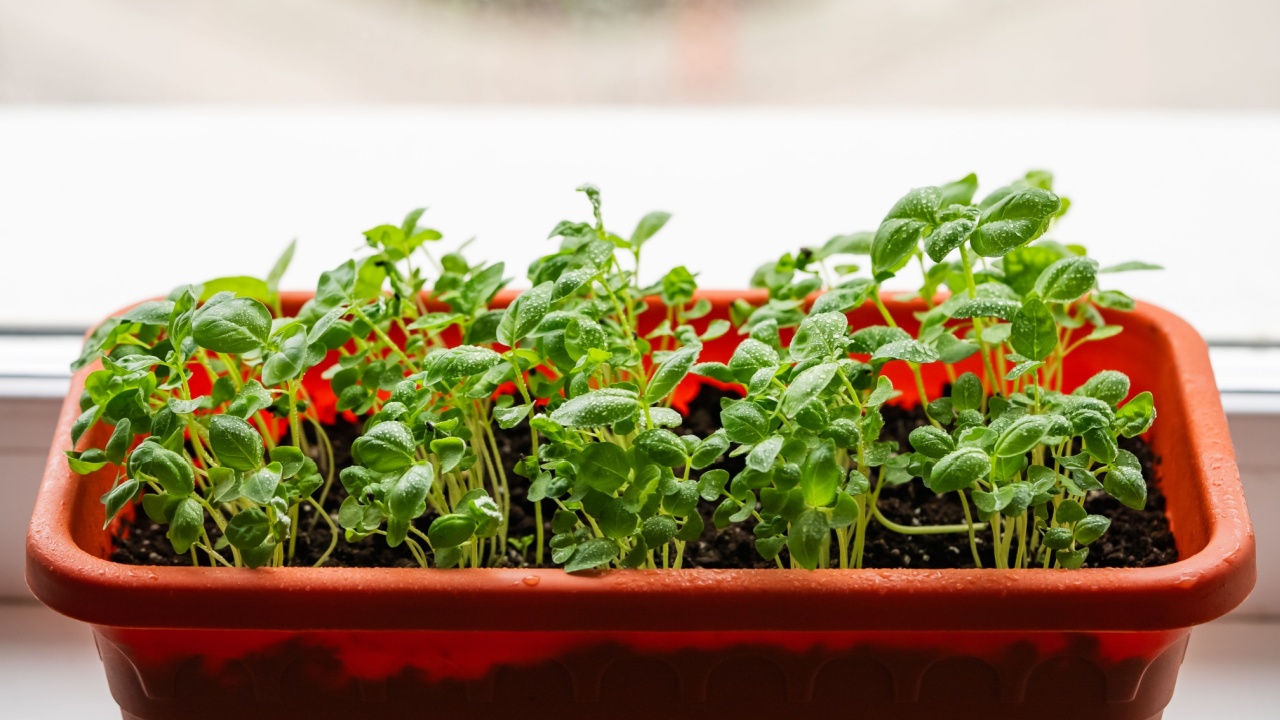
Experienced gardeners grow at least three basil plants so they can rotate heavy harvests without stressing any single plant. Better yet, you can get those extra plants for free. Basil stems root easily in a glass of water on a sunny windowsill; within two to three weeks, you’ll have new plants ready to pot up. One $3 plant becomes an unlimited supply. As a bonus for pet owners, basil is one of the few popular culinary herbs that is completely non-toxic to dogs and cats, making it a safe choice for gardens where curious animals roam.
The Simplest Herb, Done Right
Go outside this evening and give your basil a proper haircut. Cut every stem back to just above a node, removing up to one-third of the plant’s height. Pinch off any flower buds you see. Use what you’ve harvested for dinner tonight, blend the rest with olive oil and freeze it, and check back in a week. You will not believe how much new growth appears.
If you don’t have basil in the ground yet, it’s not too late. Basil planted in August still has 6 to 8 weeks of warm weather in most regions, enough time for several good harvests before frost. A single plant from any garden center costs less than one package of fresh basil at the grocery store and will produce twenty times as much.
Basil doesn’t ask for much. It wants sun, water, and a gardener who isn’t afraid to use the scissors. Now is the time to stop treating your basil like a museum piece. Cut it, eat it, freeze it, share it. It will thank you by growing back twice as full, and your grocery bill will thank you, too.
Read More
Washing Your Lettuce Won’t Remove Cyclosporiasis, But Growing Your Own Will
Your Grandmother Stored These 8 Foods All Winter Without Canning a Single Jar