The #1 Reason Hummingbirds Are Avoiding Your Yard (And 15 Plants That Will Fix It)
Most gardeners think the secret to attracting hummingbirds is the right shade of red. They’re only half right; the real reason hummingbirds skip so many well-intentioned yards has nothing to do with color at all.
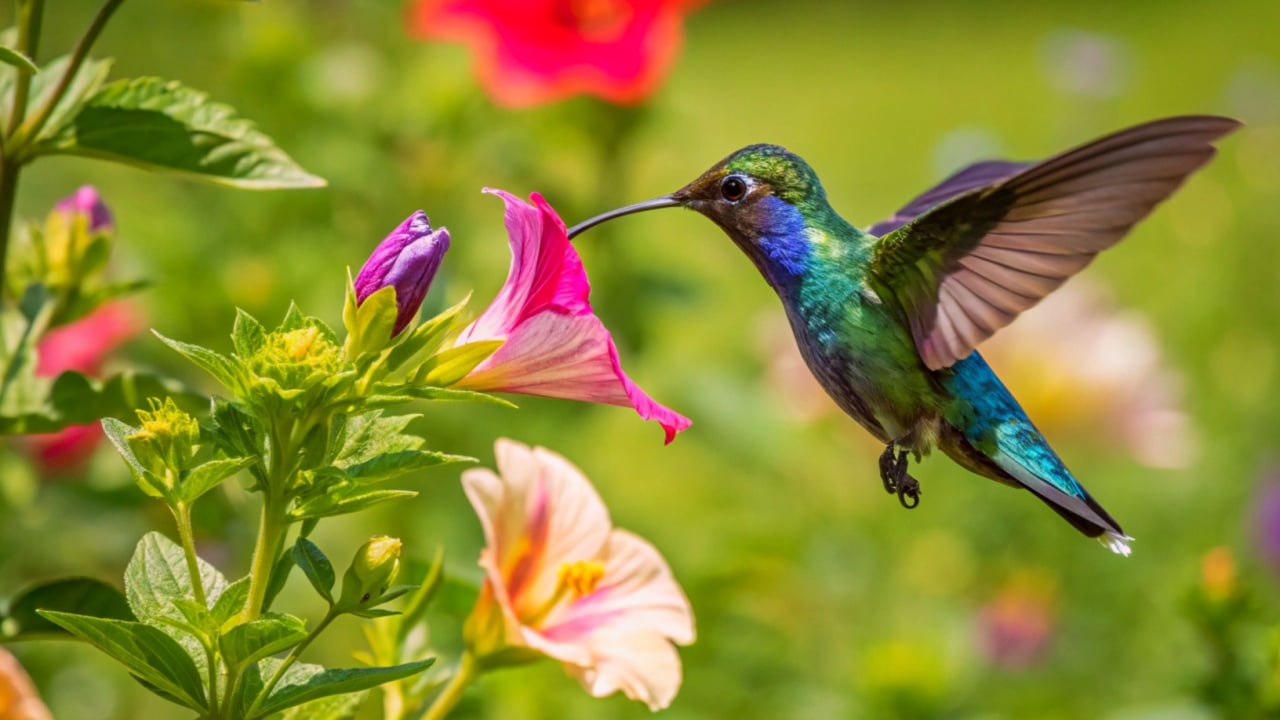
April is peak arrival time for ruby-throated hummingbirds across much of the eastern United States, and if you want these brilliant little birds to choose your yard this season, the plants you choose matter enormously. So does what’s on those plants before you ever put them in the ground.
Many ornamental plants sold at garden centers, including those marketed specifically as pollinator-friendly, have been pre-treated with neonicotinoid pesticides. These systemic chemicals travel through the entire plant, right into the nectar. A 2021 study published in Scientific Reports found that ruby-throated hummingbirds exposed to neonicotinoids saw their metabolic rates drop by up to 25% within just a few hours. For a bird that needs to feed every 10 to 15 minutes to survive, that’s devastating.
The good news is that once you know what to plant, what to avoid, and what to stop doing, attracting hummingbirds to your yard this spring is genuinely achievable for any home gardener.
Why Hummingbirds Skip Beautiful Yards
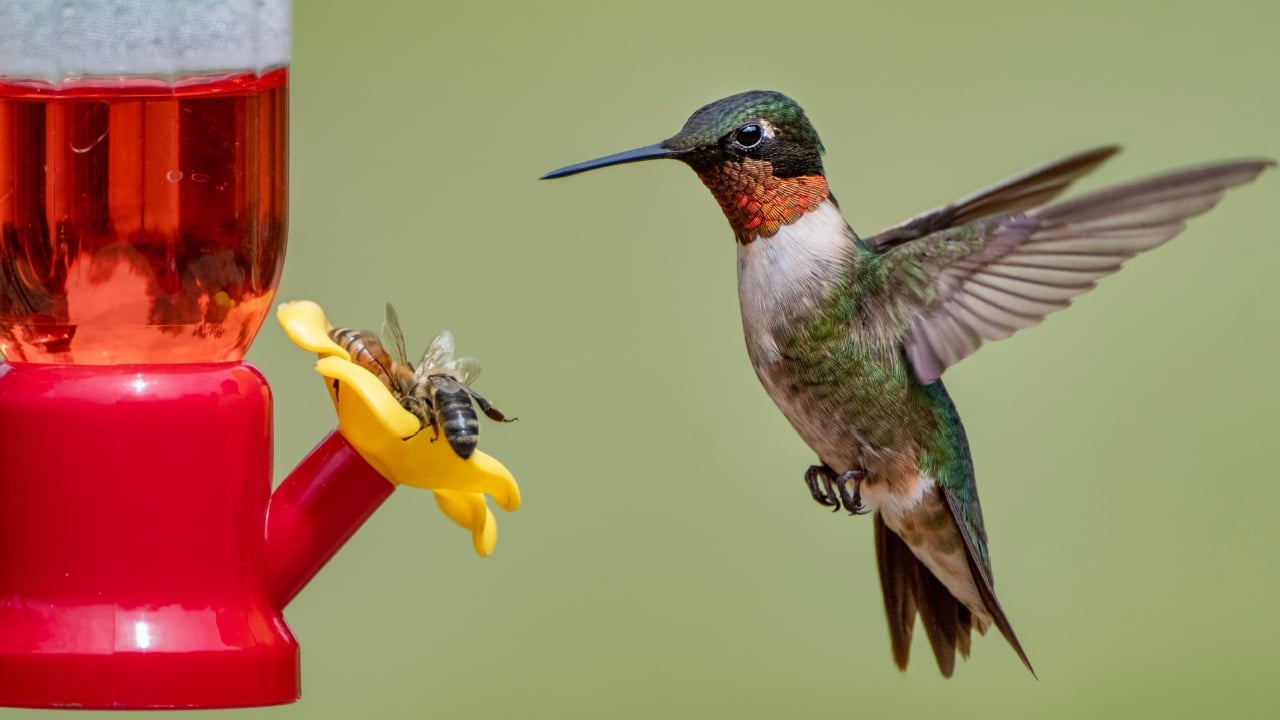
Before getting to the plant list, there’s a counterintuitive truth worth knowing: hummingbirds are not purely flower birds. According to Doug Tallamy, professor and chair of the University of Delaware’s Department of Entomology, “Hummingbirds like and need nectar, but 80 percent of their diet is insects and spiders. If you don’t have those insects and spiders in your yard, it doesn’t matter how many hummingbird feeders you have; you are not going to be able to support hummingbirds.”
That means a perfectly manicured, pesticide-treated yard may actually be a food desert for hummingbirds, even if it’s filled with red blooms. The Audubon Society recommends minimizing or eliminating pesticide use and prioritizing native plants, which support far greater concentrations of insects than non-native ornamentals (audubon.org).
Before buying any plant specifically to attract hummingbirds, ask your nursery whether it has been pre-treated with neonicotinoids. Many major retailers are moving away from these treatments, but pre-treated stock is still widely sold.
Here are 15 of the best plants to attract hummingbirds to your yard.
1. Bee Balm (Monarda spp.)
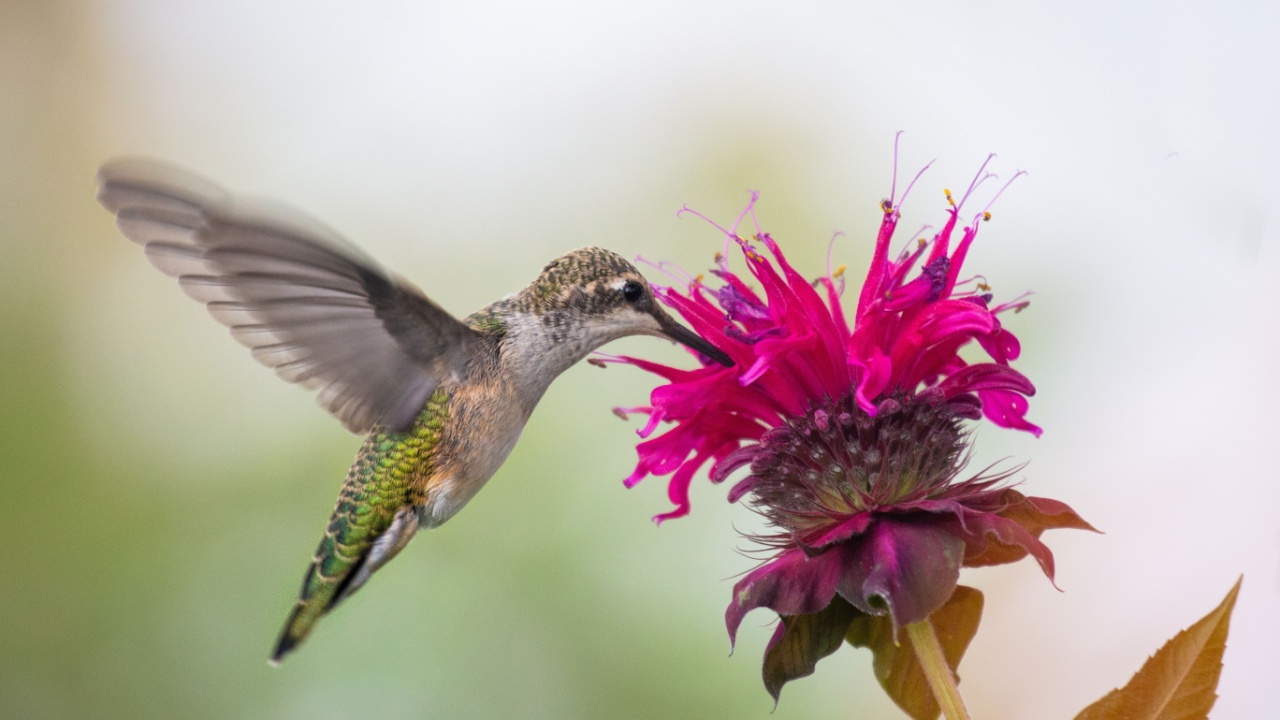
Bee balm is one of the most reliable hummingbird perennials in North America. “Bee balm has tubular blooms in very bright colors and produces tons of nectar,” says Laura Janney, CEO of The Inspired Garden, in Real Simple.
It blooms in red, pink, and purple; continuous deadheading prolongs the season.
2. Red Salvia (Salvia spp.)
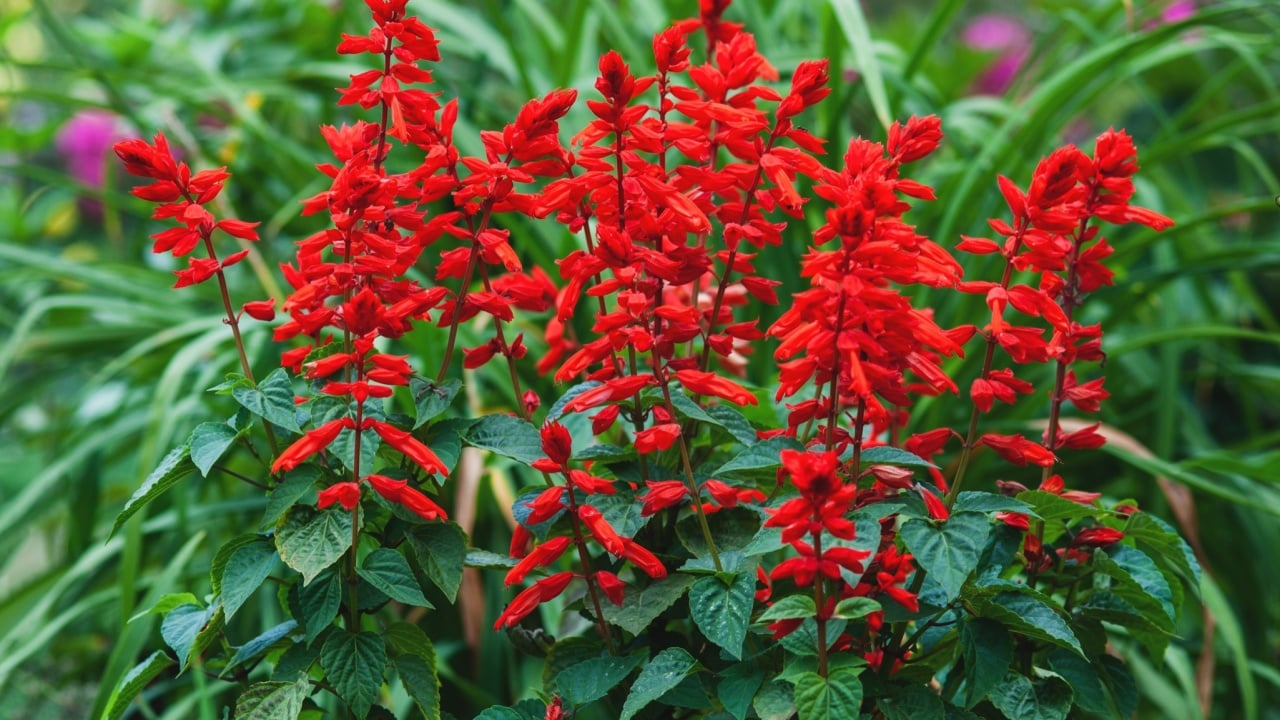
Red salvia is a long-season workhorse. Jennifer McGimsey, owner of Akin’s Nursery, calls red salvia one of her top picks for its vivid color and nectar-rich blooms that last from early summer to frost in KTBS.
Both red and blue salvia cultivars perform well in Zones 4–11.
3. Coral Honeysuckle (Lonicera sempervirens)

Coral honeysuckle is the well-behaved native alternative to invasive Japanese honeysuckle.
Trumpet-shaped, fragrant, and nectar-rich, it thrives on fences and trellises and even grows in clay soil across Zones 4–9.
4. Hummingbird Mint (Agastache spp.)
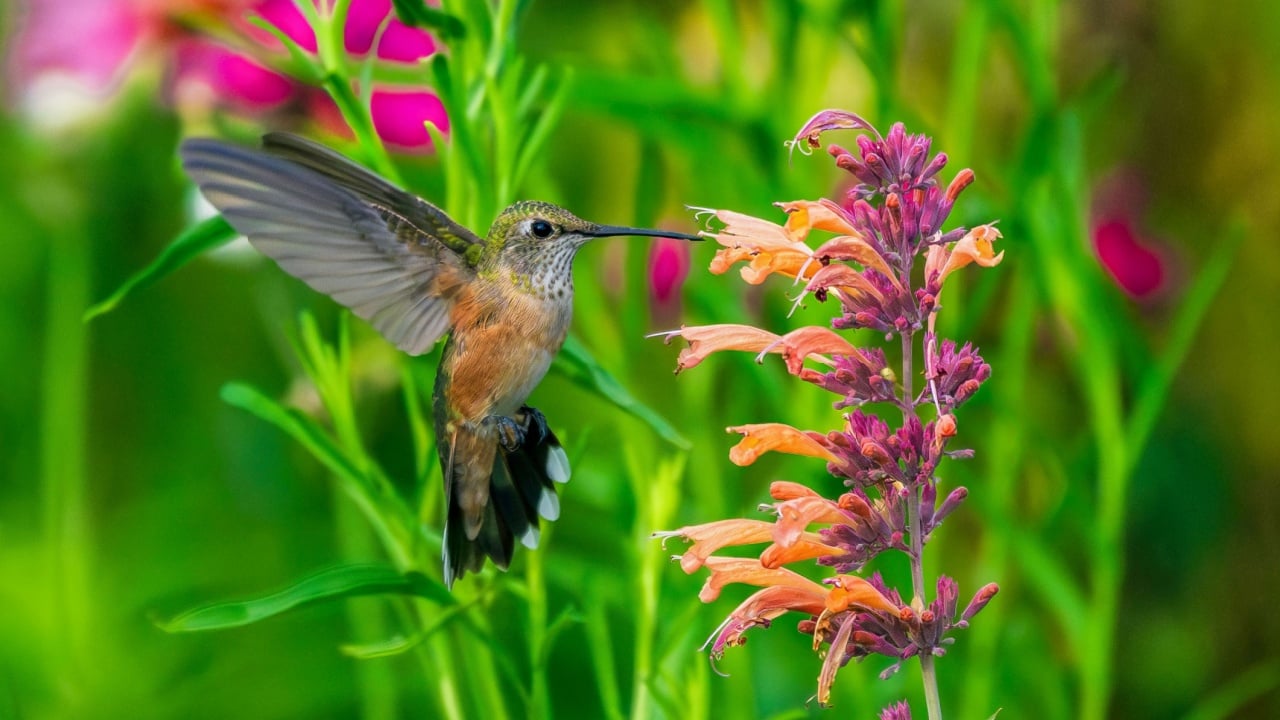
Hummingbird mint blooms from early summer all the way to late fall with nectar-filled tubular flowers in orange, pink, and purple.
Once established, it is drought-tolerant and virtually maintenance-free. The Audubon Society recommends it as a seasonal anchor plant.
5. Trumpet Vine (Campsis radicans)
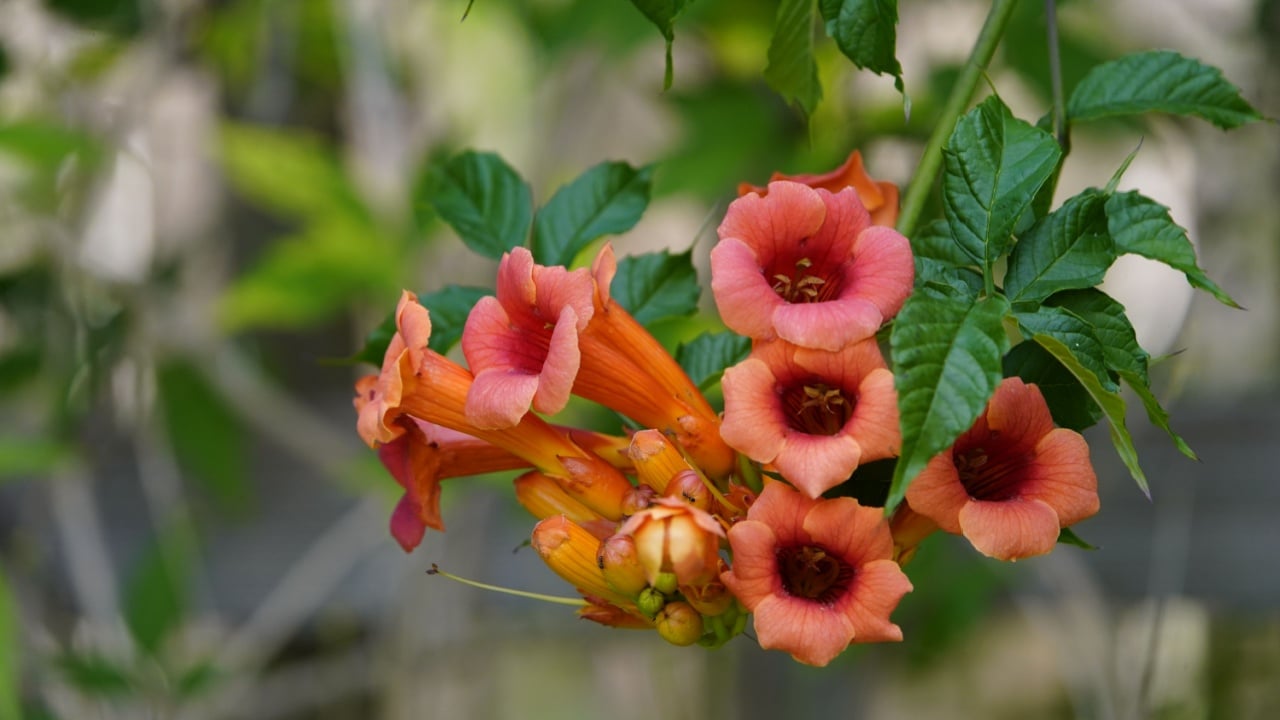
Trumpet vine is a nectar powerhouse. Birds and Blooms reports that it can offer hummingbirds up to 10 times more nectar than most plants. Trumpet vine blooms from May through October.
It’s important to note that all parts of the plant are mildly toxic; wear gloves and keep away from pets and children. It can be invasive in some southeastern states; check with your local extension office.
6. Cardinal Flower (Lobelia cardinalis)

The brilliant red spikes of cardinal flower are specifically co-evolved with ruby-throated hummingbirds. It blooms in late summer and fall, delivering critical nectar during migration.
Plant in moist soil in clusters of three or more in Zones 3–9.
7. Coneflower (Echinacea spp.)

Chuck Pavlich, expert horticulturist at Terra Nova Nurseries, singles out the red ‘Tomato Soup’ variety in Real Simple as particularly appealing to hummingbirds.
Coneflower is an easy, drought-tolerant perennial for full sun, well-suited to Zones 3–9.
8. Zinnia (Zinnia elegans)
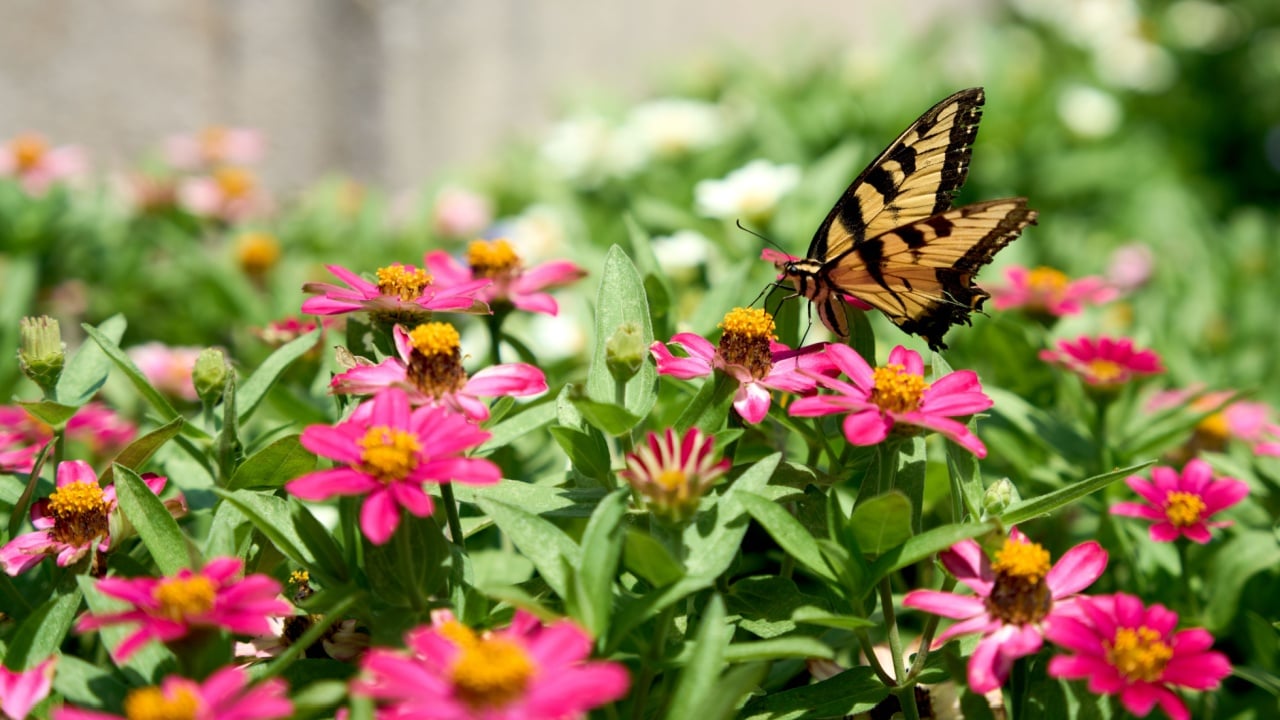
One of the most flexible annuals: Zinnia grows in beds or containers, blooms prolifically in full sun, and its nectar-filled centers are a hummingbird favorite.
Deadhead consistently to keep flowers coming all season across Zones 2–11.
9. Petunia (Petunia spp.)

Budget-friendly and container-ready, petunias offer bright tubular blooms in red, pink, violet, and blue. Pinch back regularly to prevent legginess.
Petunias are ideal for balconies and small-space gardens, and it grows as an annual in most zones.
10. Lantana (Lantana camara)
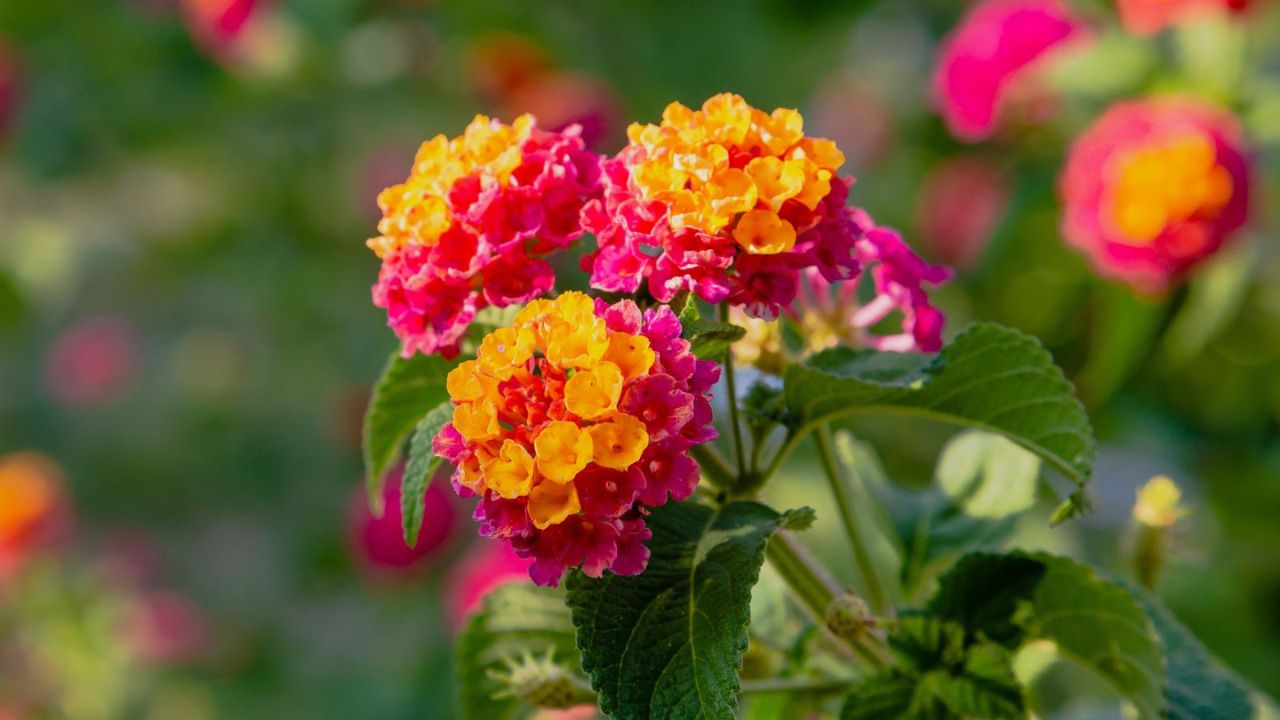
Dense multi-colored bloom clusters in red, orange, yellow, and purple are nectar-rich and hummingbird-approved from summer through frost.
Plant in full sun; perennial in warm climates, annual elsewhere. Lantana grows well in Zones 7–11.
11. Red Hot Poker (Kniphofia spp.)
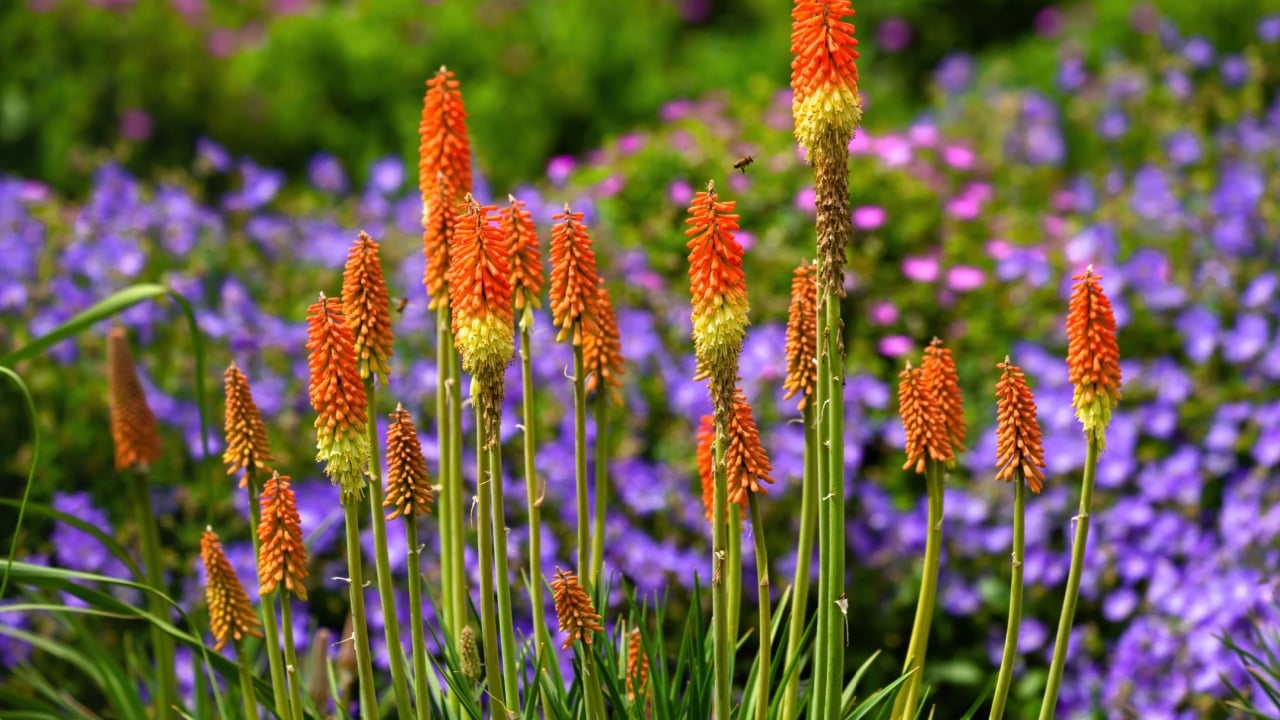
The vivid orange, red, and yellow spiky flowers of red hot poker are tailor-made for hummingbird beaks.
“Red hot poker attracts hummingbirds and other pollinators with its bright, tubular-shaped flowers,” says Pavlich. Plant it in full sun with well-draining soil in Zones 5–9.
12. Wild Columbine (Aquilegia canadensis)
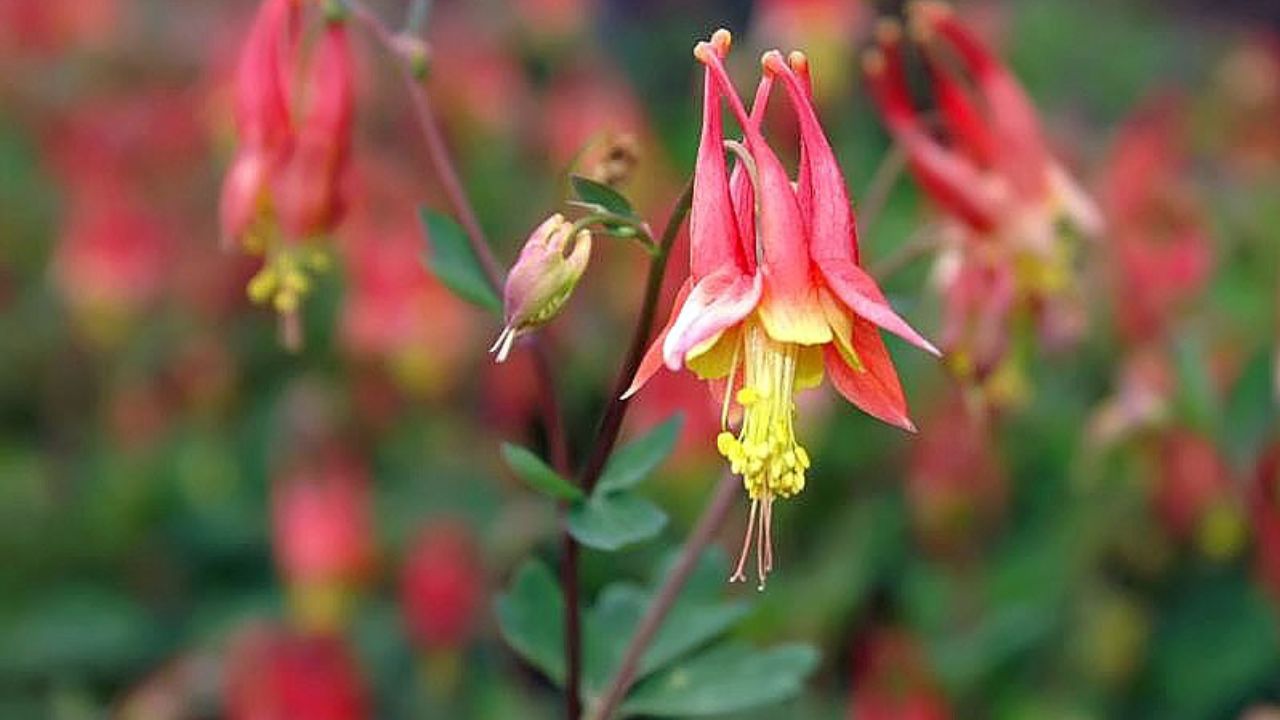
One of the first native perennials to bloom each spring, wild columbine provides critical nectar for returning hummingbirds when almost nothing else is in flower.
It thrives in partial shade and woodland edges throughout Zones 3–8.
13. Cigar Plant (Cuphea spp.)
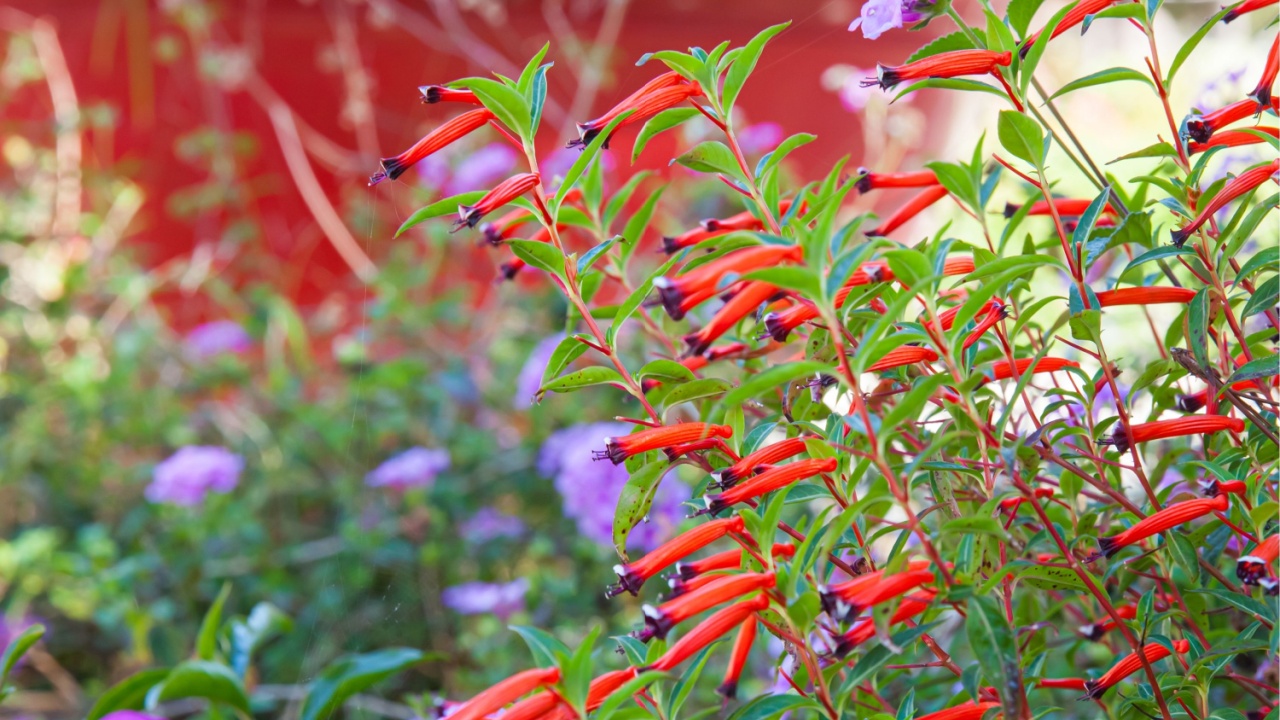
Also called the hummingbird plant, Cuphea is a consistent performer that nursery professionals specifically recommend for drawing hummingbirds throughout the season.
It thrives in warm weather and full sun.
14. Pentas (Pentas lanceolata)
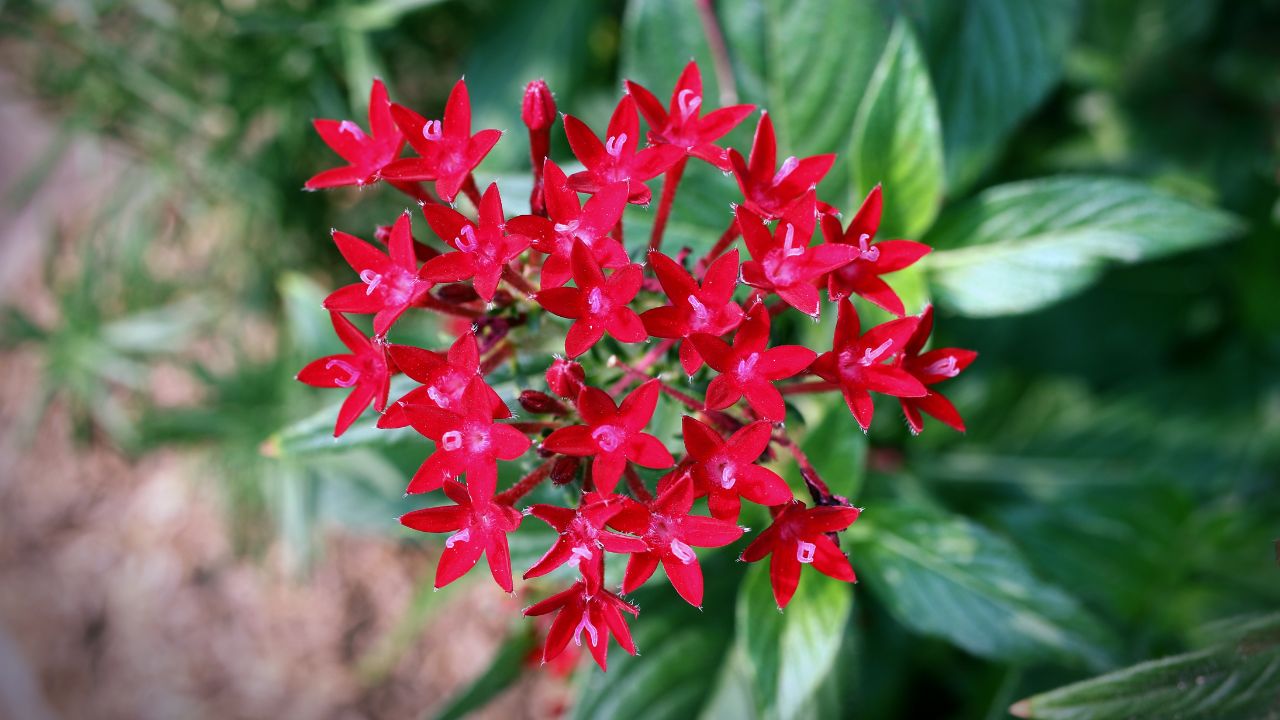
Pentas is a dependable warm-season performer with star-shaped clusters of red, pink, and white blooms.
It is especially effective in the South and in container gardens. Plant pentas in full sun with consistent moisture.
15. Butterfly Bush (Buddleia davidii)

While not a primary hummingbird plant, butterfly bush provides abundant nectar from midsummer almost to frost, and its thin stems offer hummingbirds convenient perches for surveying the garden.
Choose sterile cultivars like ‘Miss Molly’ to minimize invasive spread. Butterfly bush grows well in Zones 5–9.
What Hummingbirds Really Want From Your Garden (Beyond the Flowers)
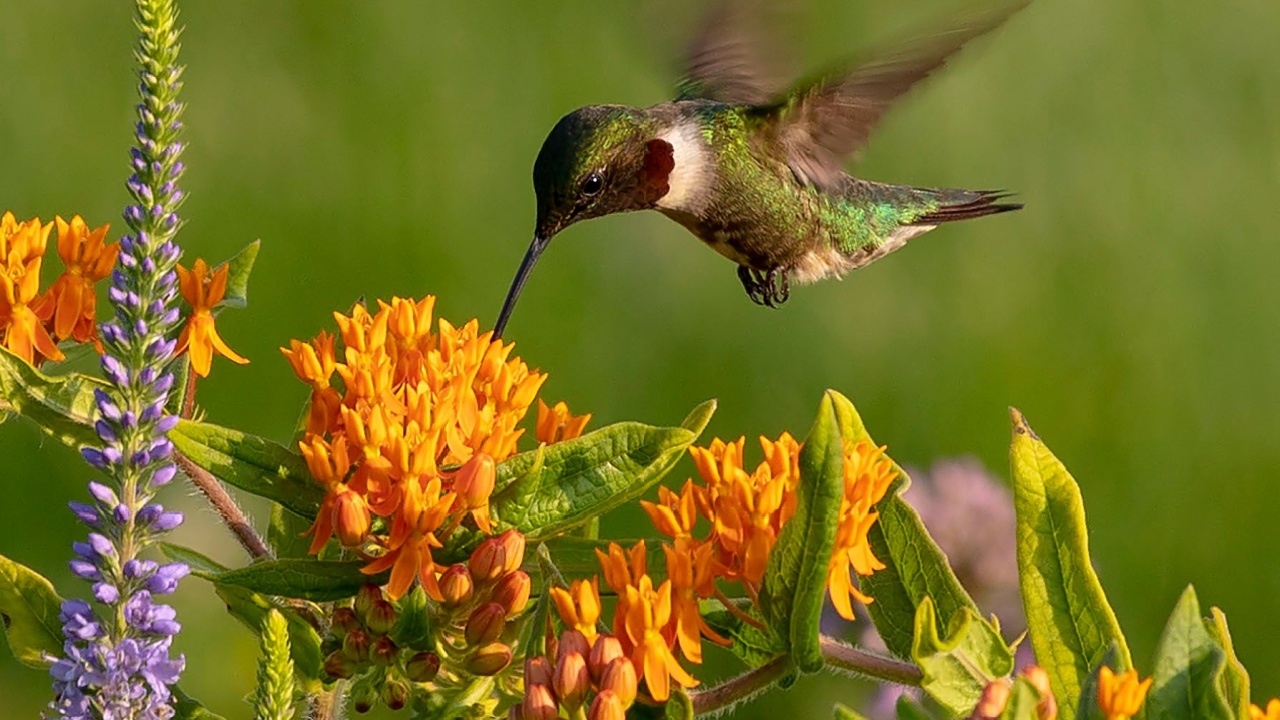
The plant list is only part of the equation. Experienced gardeners who have watched hummingbirds for decades know a few things that never make it into most articles.
Water, especially moving water. The JCC Williamsburg Master Gardener Association notes that a shallow birdbath with a bubbler, fountain, or mister makes a yard instantly more attractive to hummingbirds and other bird species. Hummingbirds are well known for hovering in garden sprinkler mist; a simple drip attachment on a garden hose can make a significant difference.
Perches matter. Hummingbirds spend more time perching between feeding sessions than most people realize. Leaving small sticks and thin branches on bushes and trees gives these birds a place to rest, survey their territory, and watch for rivals.
Think in layers. Audubon Rockies explains that a diverse layered habitat consisting of a vegetative understory of perennials, a midstory of vines and large shrubs, and an overstory of trees, supports a greater variety of invertebrates and creates food for hummingbirds throughout the season.
Be patient. Audubon’s garden design guide notes that hummingbirds may appear within minutes of new plantings, or it may take several weeks. Once they discover your yard, they are likely to return throughout the season and come back year after year.
One More Thing: Never Plant These Without Knowing This First
Trumpet vine is extraordinary for hummingbirds, but it deserves serious caution. All parts of the plant are mildly toxic; wear gloves when handling it and keep it well away from areas where children and pets play. Its aerial roots can damage wood, stone, and building exteriors. It spreads aggressively by underground runners and can be extremely difficult to remove once established. In parts of the southeastern United States, it is classified as invasive.
If you love the idea of a nectar-powerhouse vine without the management headaches, coral honeysuckle (Lonicera sempervirens) is a non-invasive native vine that delivers most of the hummingbird appeal with a fraction of the trouble.
And whatever plants you choose this spring, skip the pesticide spray. The aphids on your salvia are not a problem to be solved. They’re a protein buffet your hummingbirds are counting on.
Read more:
Why wildlife experts are telling people to take down their bird feeders
Plant these 10 companion plants with your tomatoes — and stop planting these 4