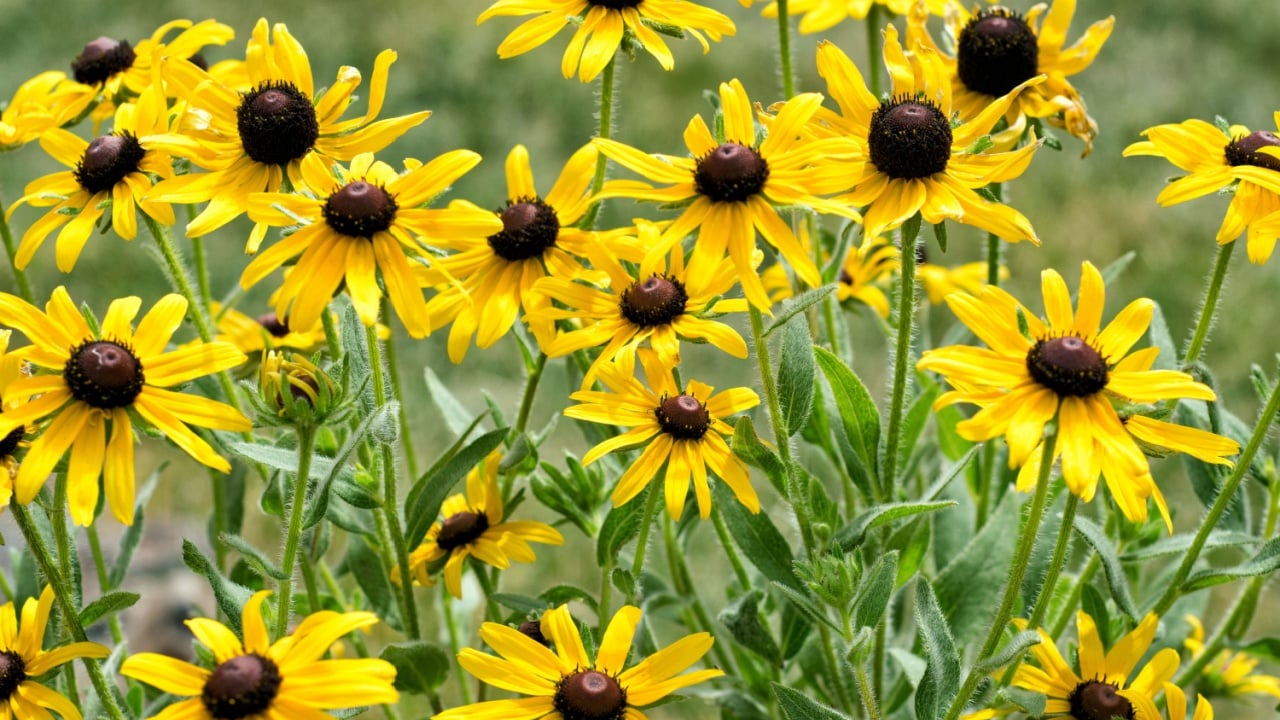
12 Cheery Yellow Flowers That’ll Hold Their Color Through Fall
As the crisp autumn air settles in and leaves begin their colorful descent, it doesn’t mean your garden’s vibrancy has to fade. While reds and oranges often steal the fall spotlight, the brilliant, sunny glow of yellow flowers can keep your outdoor space feeling alive and cheerful. Planting yellow blooms for the fall extends the gardening season, provides a vital late-season food source for pollinators, and adds a burst of golden light to your landscape just when you need it most.
These hardy flowers bridge the gap between summer’s end and winter’s chill, offering beauty and resilience. From towering stalks to delicate ground cover, there is a perfect yellow flower to brighten every corner of your yard.
Let’s explore twelve fantastic options that will keep your garden glowing through the autumn months.
1. Goldenrod (Solidago)
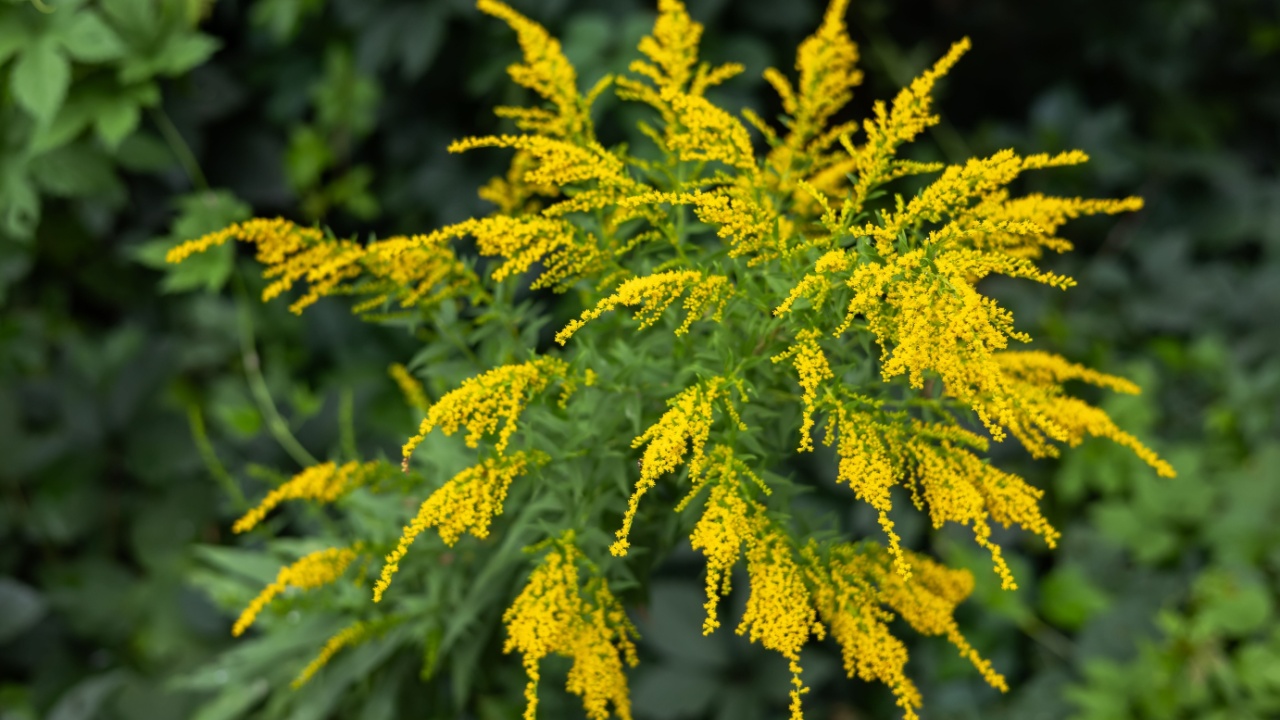
Goldenrod is the quintessential flower of fall, with its feathery plumes of brilliant yellow lighting up fields and gardens across North America. Often unfairly blamed for seasonal allergies (the real culprit is typically ragweed, which blooms at the same time), goldenrod is a pollinator powerhouse. Its pollen is heavy and sticky, designed to be carried by insects, not the wind.
This hardy perennial is incredibly easy to grow and provides a critical nectar source for bees and butterflies preparing for winter. Its tall, arching stems create a stunning vertical element in borders and naturalized areas. Modern cultivars are much more well-behaved than their wild relatives, forming tidy clumps that won’t take over your garden.
Care at a Glance:
- Sunlight: Full sun
- Soil: Tolerates a wide range of soils, including poor or clay soil.
- Water: Drought-tolerant once established, but performs best with average moisture.
- Maintenance: To prevent aggressive spreading, choose a named cultivar and divide clumps every 2-3 years in the spring.
2. Black-Eyed Susan (Rudbeckia fulgida)
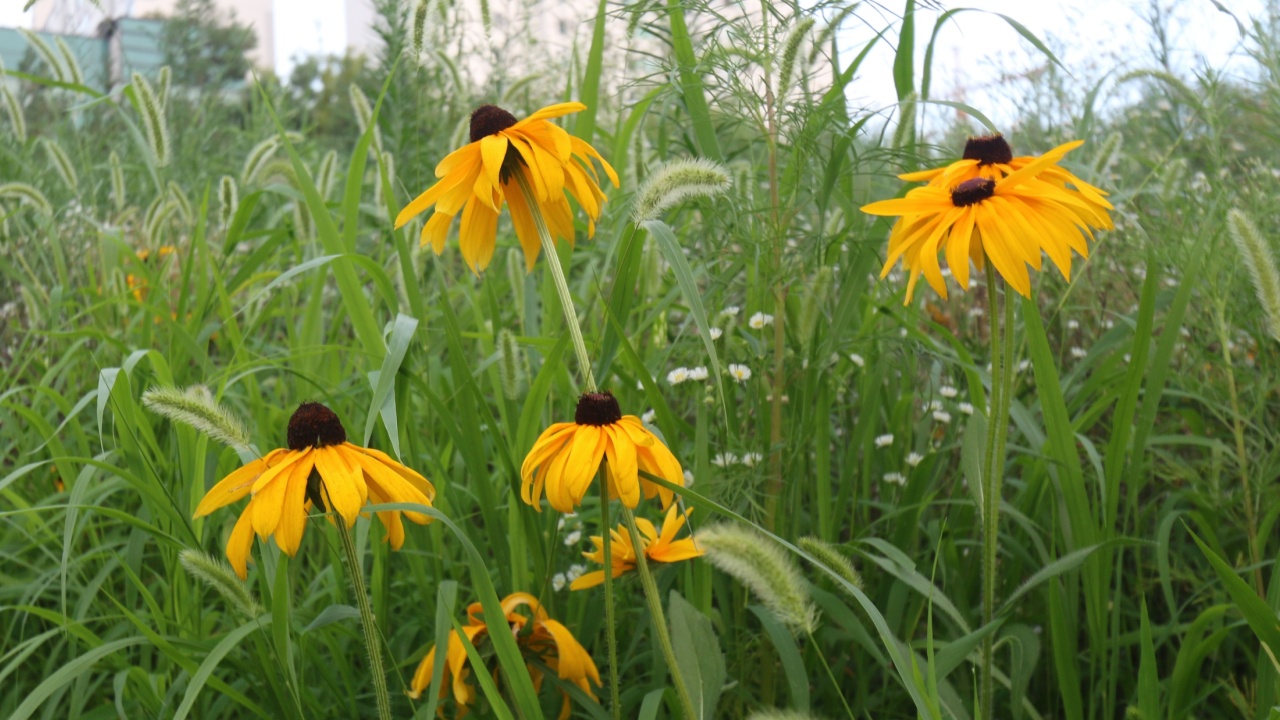
With its classic daisy-like shape and cheerful disposition, the Black-Eyed Susan is a garden favorite for good reason. These bright yellow petals surround a prominent dark brown or black cone, creating a beautiful contrast that stands out in any planting. Native to North America, they are exceptionally tough and adaptable, thriving in heat, humidity, and a variety of soil types.
Black-Eyed Susans bloom profusely from mid-summer straight through the first frost, providing continuous color when other flowers begin to fade. They are perfect for cottage gardens, borders, and containers. Leaving the seed heads on the stalks through winter not only adds visual interest but also provides a food source for birds like goldfinches.
Care at a Glance:
- Sunlight: Full sun to light shade.
- Soil: Well-drained soil is ideal, but they are highly adaptable.
- Water: Average water needs; drought-tolerant once established.
- Maintenance: Deadhead spent blooms to encourage a longer flowering period. Cut back stems in late fall or early spring.
3. Sneezeweed (Helenium autumnale)
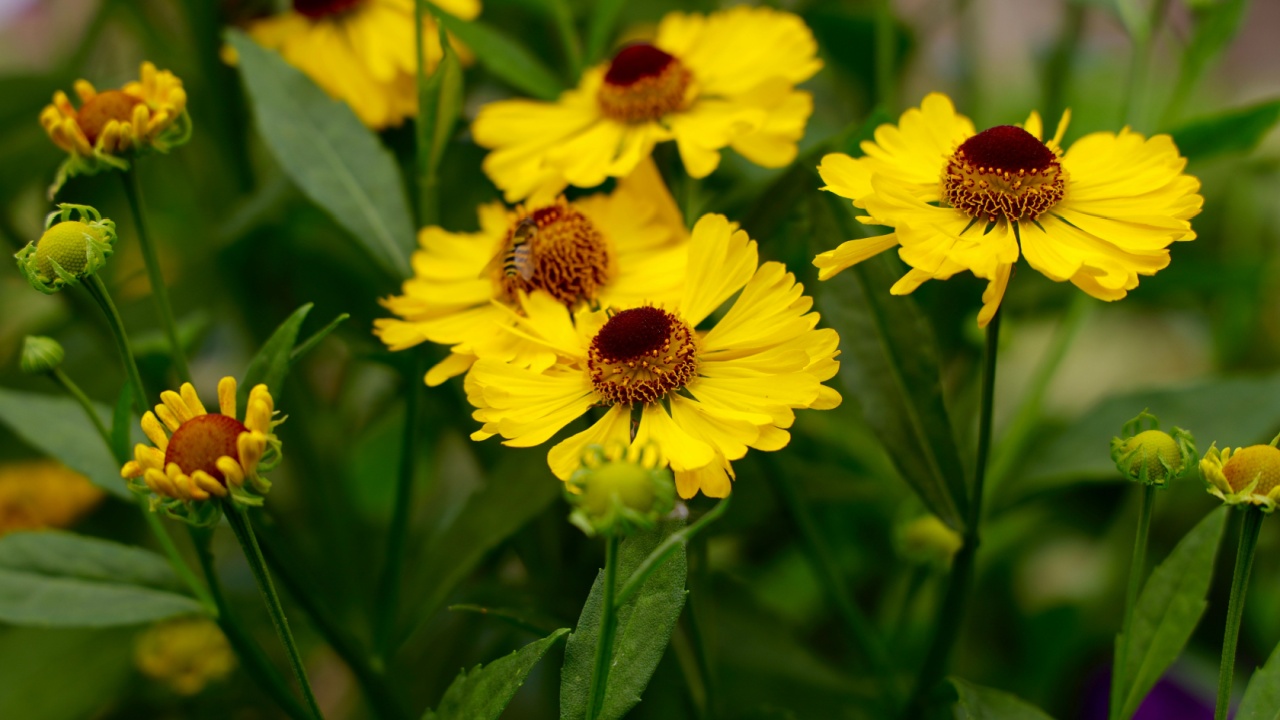
Don’t let the unfortunate name fool you; Sneezeweed is a spectacular fall bloomer that won’t make you achoo. The name comes from its historical use, where dried leaves were ground to make a snuff that induced sneezing to rid the body of evil spirits. In the garden, its only effect is adding stunning color. The daisy-like flowers come in warm shades of golden yellow, burnt orange, and deep red.
Helenium blooms in late summer and fall, perfectly timed to attract migrating butterflies and hungry bees. The centers of the flowers are prominent and ball-shaped, providing an easy landing pad for pollinators. They are an excellent choice for adding height and rich color to the back of a border.
Care at a Glance:
- Sunlight: Full sun.
- Soil: Prefers moist, well-drained, rich soil. It does not tolerate dry conditions well.
- Water: Keep consistently moist, especially during dry spells.
- Maintenance: Pinching back the stems in late spring can encourage bushier growth and more flowers. Divide clumps every 3-4 years to maintain vigor.
4. Perennial Sunflower (Helianthus ‘Lemon Queen’)
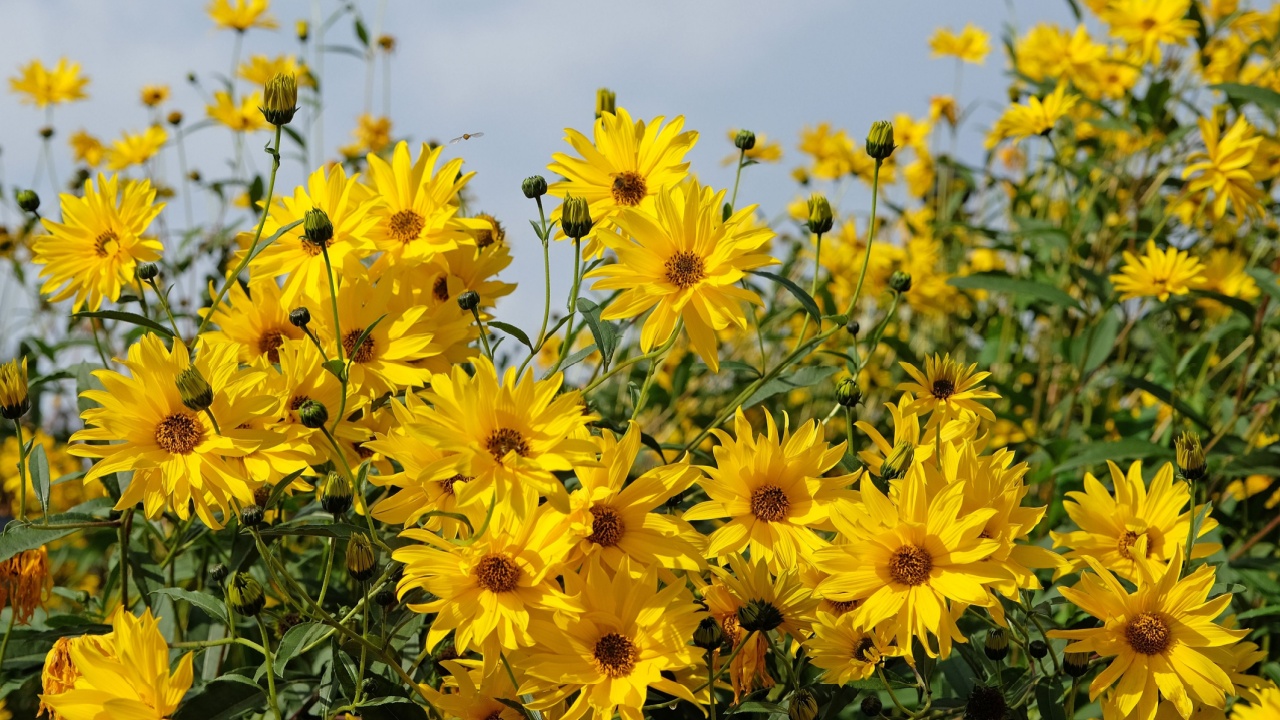
While annual sunflowers are famous for their giant heads, perennial varieties like ‘Lemon Queen‘ offer a different kind of charm. This plant produces a profusion of smaller, soft-yellow flowers on towering stems that can reach heights of 6-8 feet. It creates a magnificent, living screen or a dramatic backdrop for shorter plants.
‘Lemon Queen’ is a magnet for all kinds of pollinators, especially bees. Its late-season bloom provides a crucial food supply when other nectar sources are scarce. This plant is robust and reliable, returning year after year to put on its impressive golden show from late summer into mid-fall.
Care at a Glance:
- Sunlight: Full sun.
- Soil: Adaptable to most soil types but prefers well-drained soil.
- Water: Needs regular water, especially when young. Becomes more drought-tolerant with age.
- Maintenance: May require staking in windy locations. Divide the clumps every few years to control its spread.
5. Mexican Sunflower (Tithonia rotundifolia)
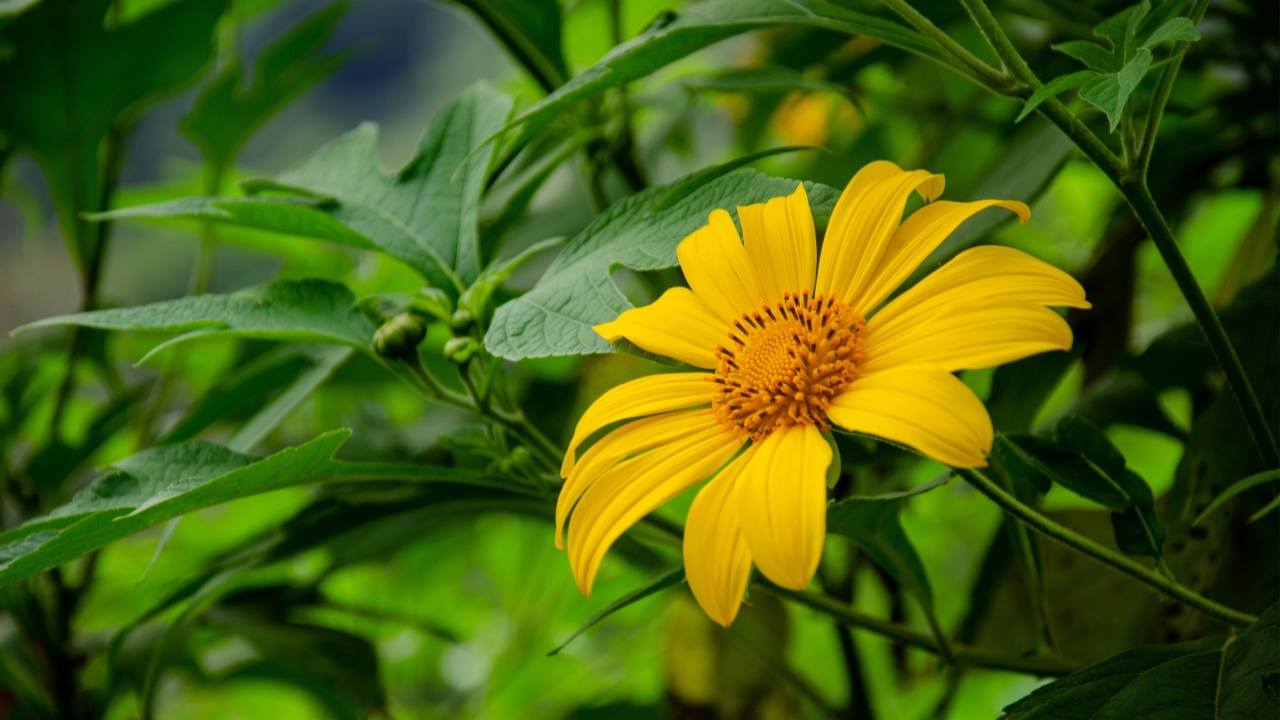
For a blast of intense, fiery color, look no further than the Mexican Sunflower. Although it’s an annual, this fast-growing plant can reach impressive heights of 4-6 feet in a single season, producing velvety, orange-yellow blossoms that demand attention. The flowers have a large, daisy-like appearance and sit atop sturdy, branching stems.
Mexican Sunflowers thrive in the heat and are incredibly attractive to butterflies, especially Monarchs. They are perfect for filling in gaps in the garden with bold, temporary color. Their long stems also make them an excellent cut flower for vibrant indoor arrangements.
Care at a Glance:
- Sunlight: Full sun is a must.
- Soil: Prefers well-drained soil and does not need rich conditions.
- Water: Drought-tolerant but will produce more flowers with consistent moisture.
- Maintenance: Deadhead regularly to promote continuous blooming until the first frost.
6. Threadleaf Coreopsis (Coreopsis verticillata)
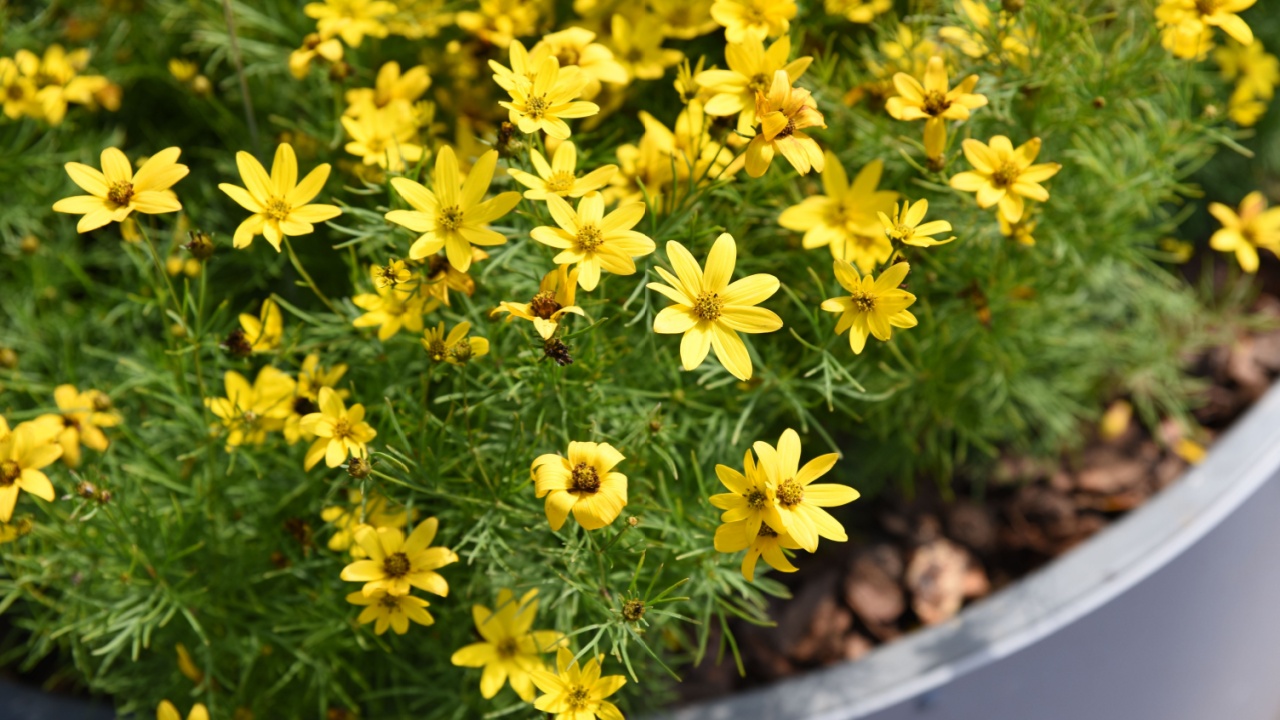
Delicate in appearance but tough in nature, Threadleaf Coreopsis provides a soft, airy texture to the garden. It features fine, fern-like foliage and is covered in a cloud of small, star-like yellow flowers. Varieties like ‘Moonbeam’ and ‘Zagreb’ are particularly popular for their long bloom times and manageable size.
This perennial is low-maintenance, drought-tolerant, and resistant to most pests and diseases. It blooms from early summer through fall, especially if sheared back after its initial flush of flowers. Coreopsis is a wonderful choice for borders, rock gardens, or for softening the edges of a pathway.
Care at a Glance:
- Sunlight: Full sun.
- Soil: Thrives in well-drained, even sandy or rocky, soil.
- Water: Low water needs once established.
- Maintenance: Shear the plant by about one-third in mid-summer to encourage a second wave of blooms in the fall.
7. African Marigold (Tagetes erecta)
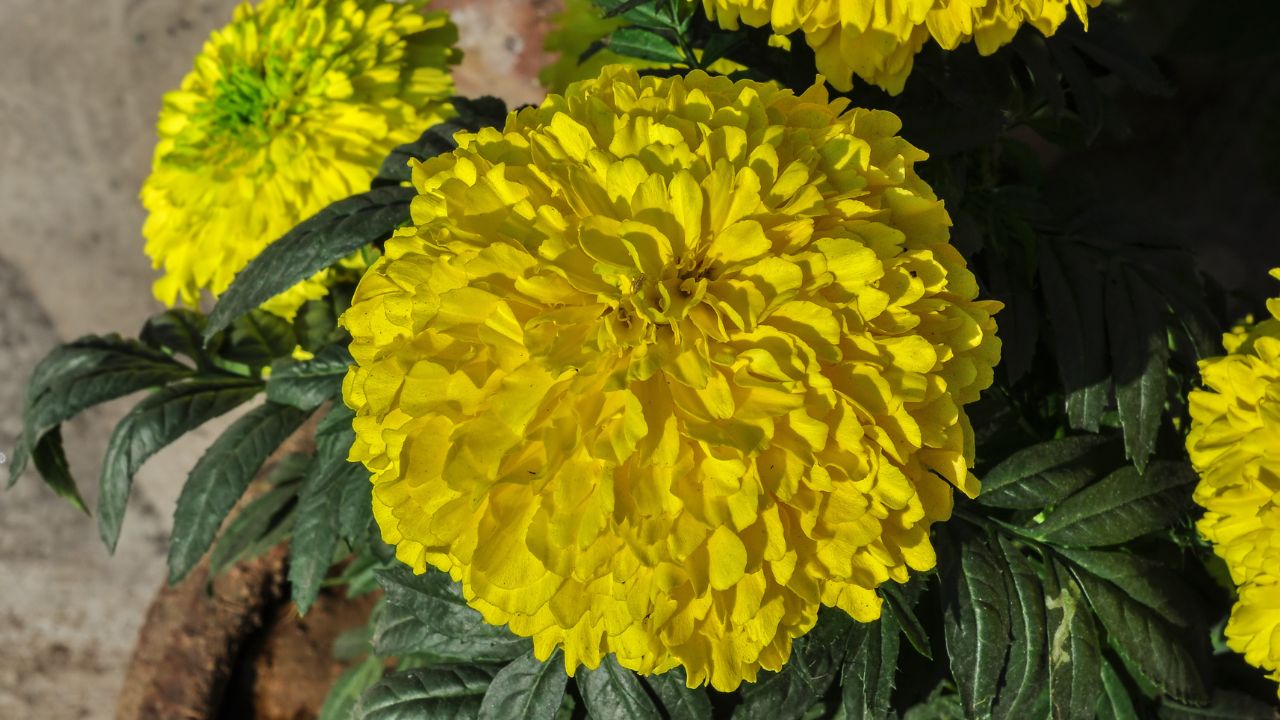
A classic for a reason, the African Marigold delivers large, pom-pom-like blooms in shades of brilliant yellow, gold, and orange. These annuals are easy to grow from seed and provide non-stop color from summer until the first hard frost. Their dense, frilly flower heads make a bold statement in garden beds, borders, and containers.
Beyond their beauty, marigolds are known for their pungent scent, which can help deter pests like nematodes in the soil and rabbits above ground. They are a fantastic companion plant in vegetable gardens and attract beneficial insects like hoverflies.
Care at a Glance:
- Sunlight: Full sun.
- Soil: Adaptable to most garden soils but prefers well-drained conditions.
- Water: Water regularly, but avoid letting the soil become soggy.
- Maintenance: Deadhead spent flowers to keep the plant looking tidy and encourage more blooms.
8. Pot Marigold (Calendula officinalis)
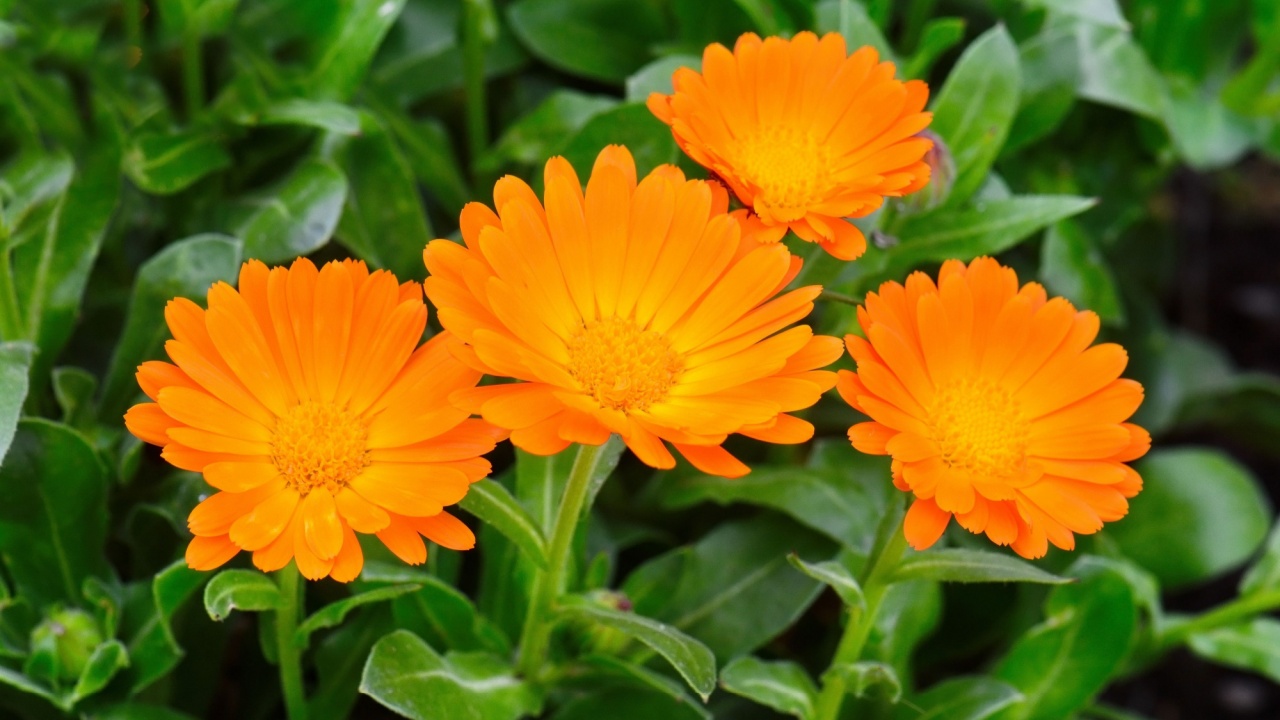
Not a true marigold, Calendula is a cool-season annual known for its cheerful, edible flowers. The blooms range from pale yellow to deep orange (as pictured here) and have a simple, open-faced shape that is highly accessible to pollinators. Calendula often takes a break during the heat of summer but puts on a fresh burst of growth and flowers as the weather cools in the fall.
The petals are edible with a peppery taste, making a beautiful garnish for salads and desserts. Calendula is also prized for its medicinal properties and is often used in salves and lotions. It readily self-seeds, so you’ll often have volunteer plants popping up the following year.
Care at a Glance:
- Sunlight: Full sun to partial shade.
- Soil: Prefers well-drained, moderately rich soil.
- Water: Keep soil consistently moist.
- Maintenance: Deadhead frequently to prolong the blooming season and prevent excessive self-seeding.
9. Blanket Flower (Gaillardia aristata)
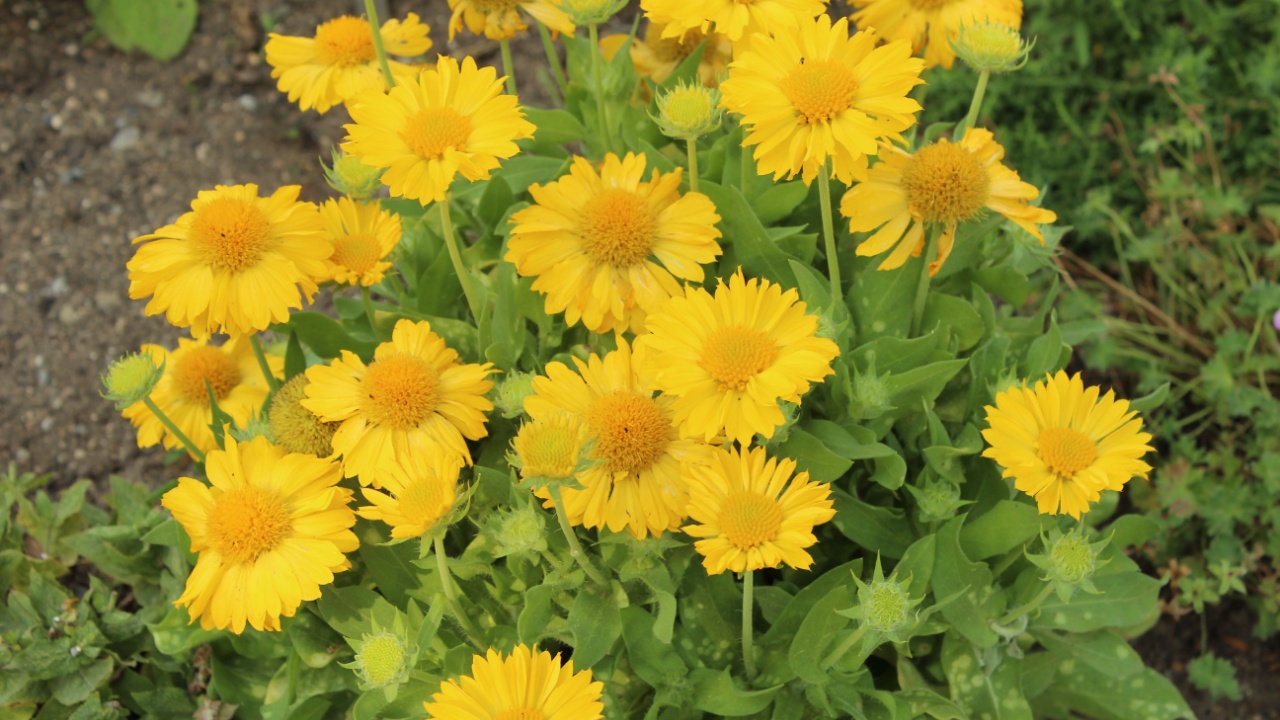
Blanket Flower brings the warm, rustic colors of a sunset to your garden. The daisy-like flowers typically feature a combination of red and yellow, though pure yellow varieties are also available. These North American natives are incredibly tough, tolerating heat, drought, and poor soil with ease.
Blooming continuously from early summer until frost, Gaillardia is a reliable performer that asks for very little in return. It’s a favorite of bees and butterflies. The common name is said to come from the way it can “blanket” an area with color, reminiscent of the vibrant patterns of Native American blankets.
Care at a Glance:
- Sunlight: Full sun.
- Soil: Must have well-drained soil; it will not tolerate wet feet.
- Water: Very drought-tolerant once established.
- Maintenance: Deadheading will promote more flowers, though it isn’t strictly necessary.
10. Yellow Coneflower (Echinacea paradoxa)

While most people associate coneflowers with shades of purple and pink, this unique species stands apart with its brilliant yellow, drooping petals. Native to the Ozark Mountains, Echinacea paradoxa is a true paradox in its genus. The large, dark central cone contrasts beautifully with the sunny petals, creating a striking focal point.
Like its purple cousins, Yellow Coneflower is drought-tolerant, deer-resistant, and a magnet for pollinators. Goldfinches and other small birds love to feast on the seeds in the fall and winter, making it a valuable addition to a wildlife-friendly garden.
Care at a Glance:
- Sunlight: Full sun.
- Soil: Prefers well-drained soil; tolerates poor, rocky, or clay soils.
- Water: Drought-tolerant once established.
- Maintenance: Leave seed heads for winter interest and bird food.
11. Japanese Rose (Kerria japonica)
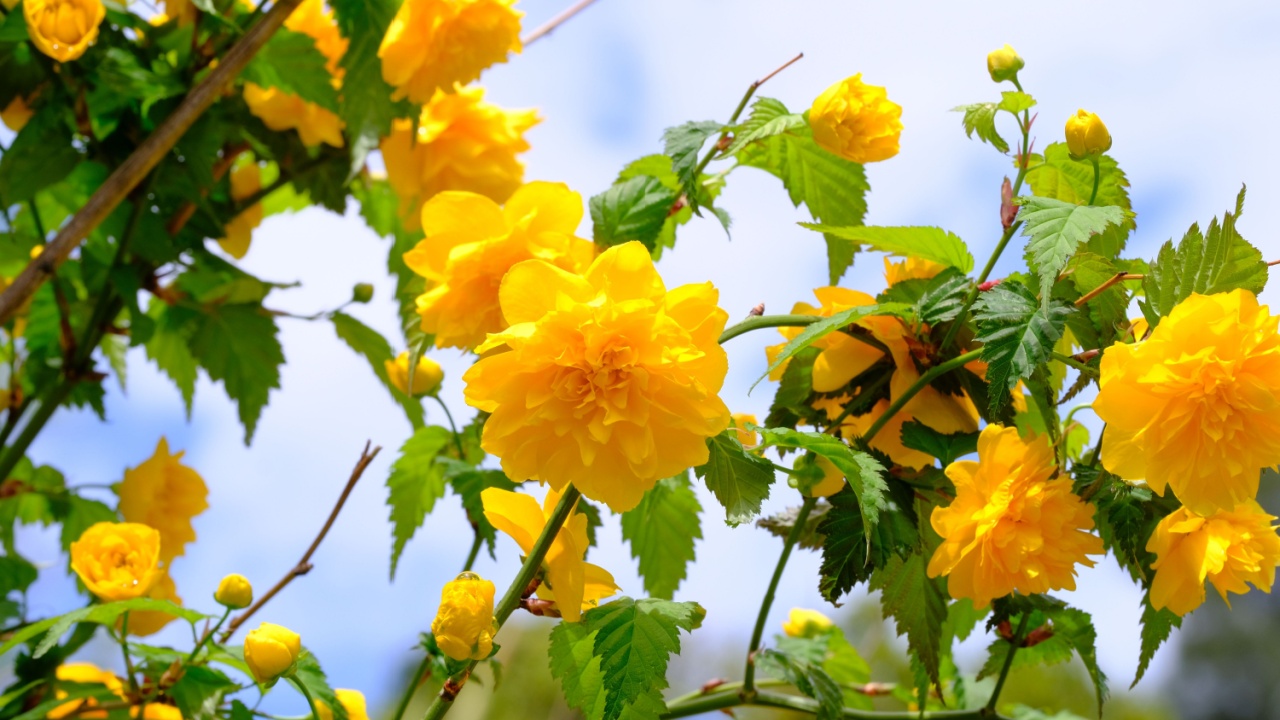
For a splash of yellow in a shady spot, Japanese Rose is an outstanding choice. This deciduous shrub is one of the few plants that blooms reliably in the shade, producing cheerful, pom-pom-like yellow flowers in the spring and then often reblooming sporadically through summer and fall. The ‘Pleniflora’ variety is particularly popular for its double flowers.
Even after the leaves drop, Kerria provides winter interest with its bright green, arching stems that stand out against a snowy backdrop. It’s a graceful, low-maintenance shrub that brightens up woodland gardens or the north side of a house.
Care at a Glance:
- Sunlight: Partial to full shade. Too much sun can scorch the leaves.
- Soil: Adaptable to a variety of soils but prefers moist, well-drained conditions.
- Water: Needs regular moisture but can tolerate short dry periods.
- Maintenance: Prune right after the main spring bloom to shape the plant and remove any dead or older canes.
12. Autumn Sun Coneflower (Rudbeckia ‘Herbstsonne’)
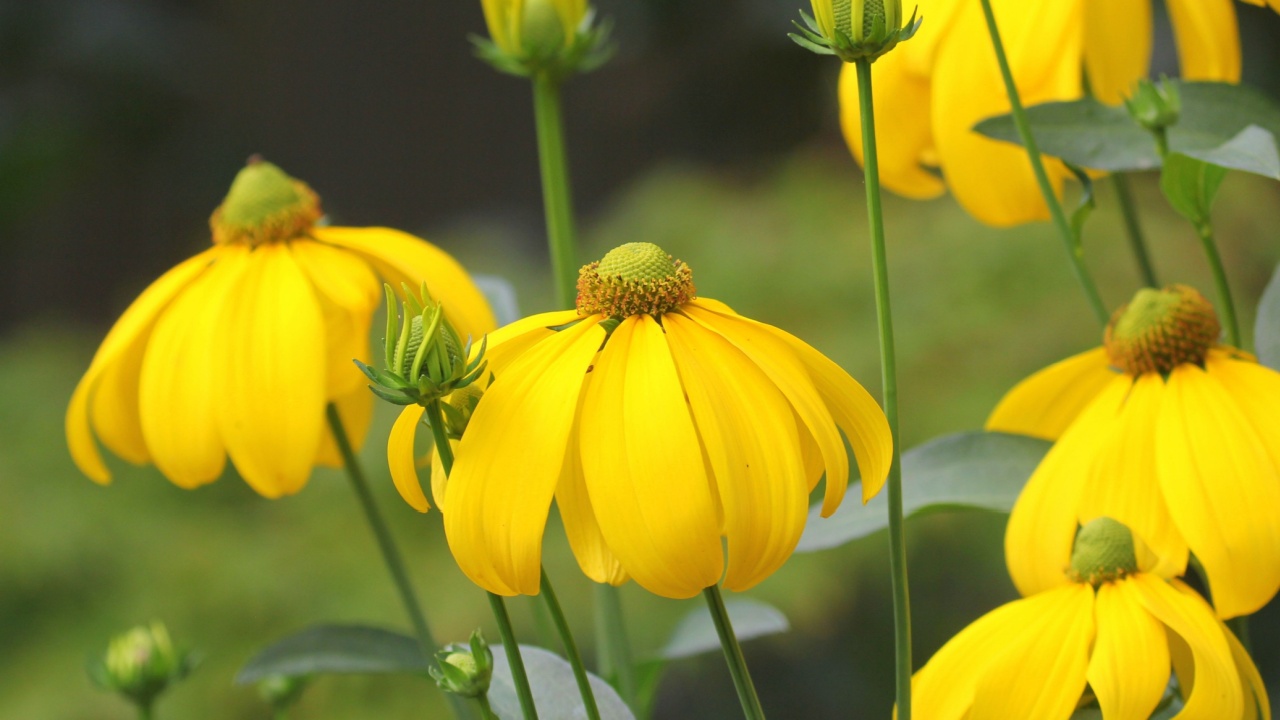
A giant in the fall garden, Autumn Sun Coneflower sends up towering stalks that can easily reach 5-7 feet. At the top, it produces large, reflexed yellow petals around a prominent green cone. The flowers look like badminton shuttlecocks and dance in the autumn breeze, adding movement and grace to the landscape.
This plant is perfect for the back of the border, where its height can be appreciated without overwhelming smaller plants. It blooms from late summer into fall, attracting a host of bees and butterflies. Its impressive stature and brilliant color make it a true showstopper.
Care at a Glance:
- Sunlight: Full sun to light shade.
- Soil: Prefers moist, rich, well-drained soil.
- Water: Needs consistent moisture for best performance.
- Maintenance: Can be cut back by half in early summer to create a shorter, sturdier plant that may not need staking.
Nurturing a Golden Autumn Garden
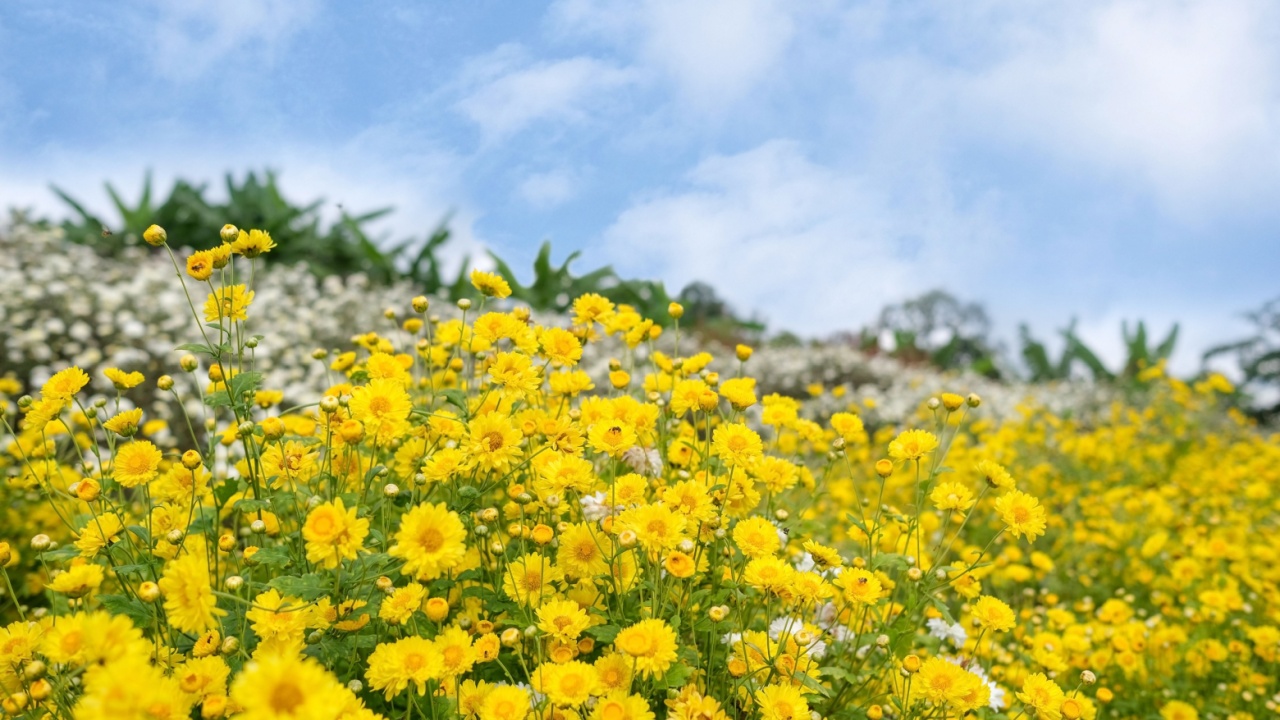
Feeling inspired to add a touch of sunshine to your fall landscape? Your journey is just beginning. Start by assessing your garden’s sunlight and soil conditions to choose the right plants for your space. Visit a local nursery to see which of these varieties they have in stock—fall is an excellent time for planting perennials, as the cool air and warm soil help them establish strong roots before winter.
Consider pairing these yellow beauties with other fall stars like purple asters, deep red mums, or ornamental grasses to create a rich, textured display. Don’t forget to prepare your soil with some compost to give your new plants the best possible start. By planning now, you can ensure your garden remains a vibrant, joyful space all the way until the first snowfall.