20 Indoor Veggies (And Herbs) That Thrive During Winter
As we hit the shortest (and coldest) days of the year, many gardeners feel a sense of melancholy as they put their outdoor plots to bed for the winter. But what if you could keep the fresh, vibrant flavors of summer going all year round? Growing herbs and certain vegetables indoors is a simple and rewarding way to bring greenery into your home and incredible taste to your kitchen, even when it’s frosty outside.
An indoor garden saves you money on expensive grocery store produce, which often lacks the potent flavor of something freshly picked. It’s also surprisingly easy. With a sunny windowsill or a simple grow light, you can cultivate a thriving collection of edible plants.
This guide will walk you through 20 of the best herbs and vegetables that flourish indoors (based on our own gardening experiences), giving you the confidence to start your own winter harvest.
1. Basil
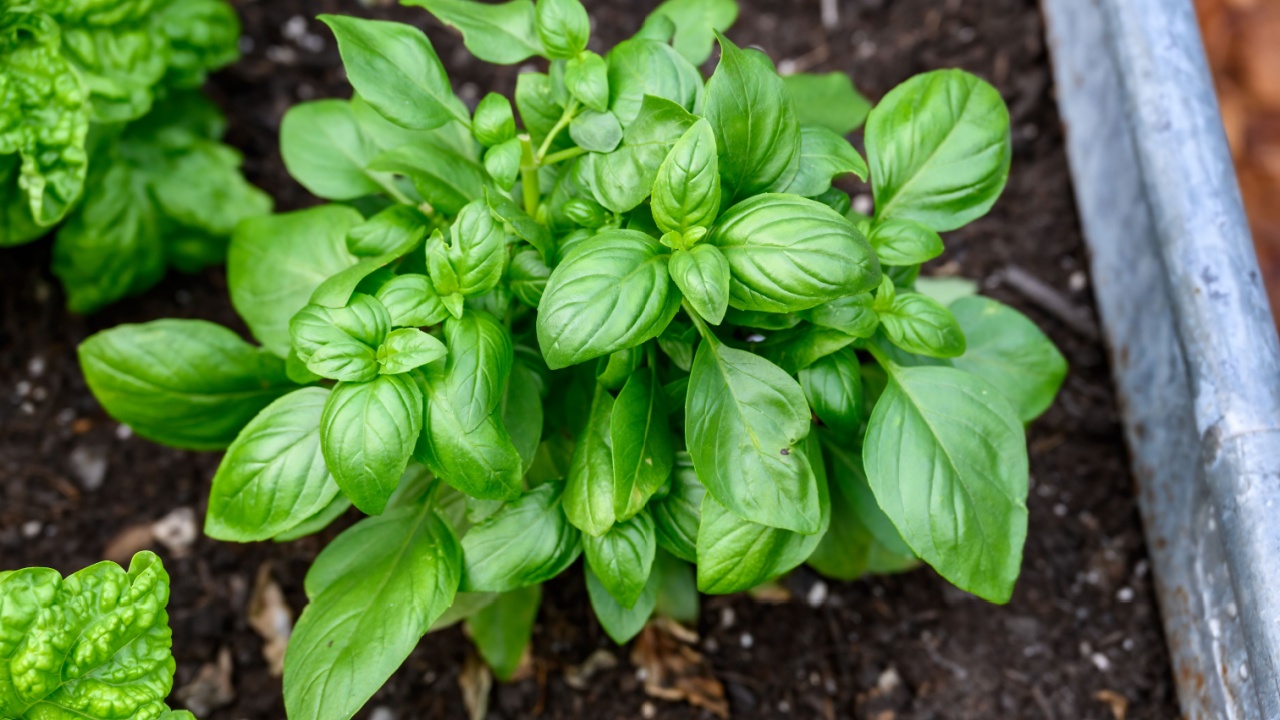
Sweet, aromatic basil is the star of many summer dishes, and it happily adapts to indoor living. It thrives in the consistent warmth of a kitchen, making it a perfect candidate for a sunny windowsill. Growing it yourself ensures you always have fresh leaves for pesto, pasta sauce, or a caprese salad, without the high cost and rapid wilting of store-bought bunches.
Basil loves heat and light, so place it in your warmest, sunniest spot where it can get at least six hours of direct sun daily. Keep the soil consistently moist but not waterlogged; water when the top inch of soil feels dry. One of the most important care tips is to pinch off any flower buds as soon as they appear. Once basil flowers, its leaves can turn bitter. Regular harvesting encourages the plant to become bushier, giving you a fuller plant and a bigger yield.
Quick Care Guide:
- Light: 6+ hours of direct sun.
- Water: Keep soil consistently moist.
- Key Tip: Pinch off flower buds to maintain flavor.
- Harvesting: Snip stems just above a pair of leaves.
2. Mint
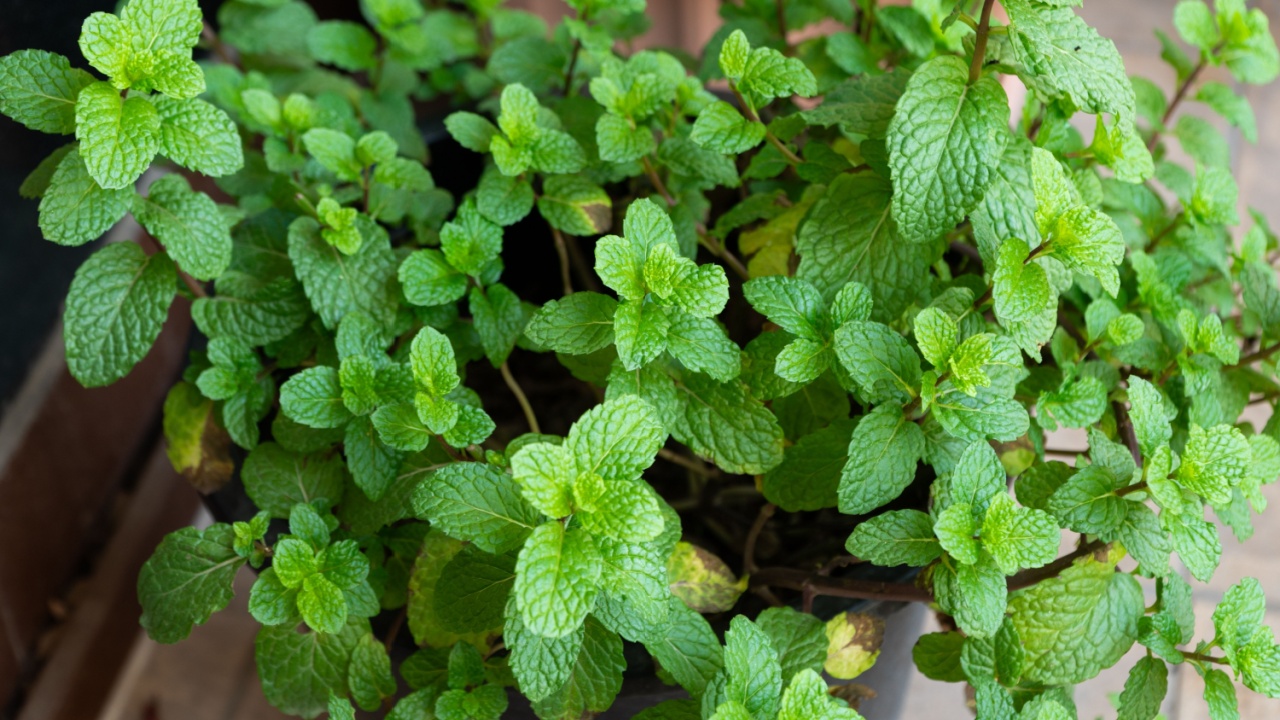
Mint is famously vigorous, a trait that makes it an excellent choice for container gardening. Its tendency to take over a garden bed is perfectly contained in a pot, where it will produce an endless supply of leaves for teas, cocktails, and desserts. It’s also more tolerant of lower light conditions than many other herbs.
This hardy herb isn’t fussy. It can handle partial sun, needing only about four hours of light a day. Mint prefers evenly moist soil, so don’t let it dry out completely. To keep the plant from getting leggy and woody, trim it back regularly. A great bonus is how easy it is to propagate; simply place a cutting in a glass of water, and it will sprout roots in a week or two, giving you a brand new plant for free.
Quick Care Guide:
- Light: 4+ hours of sun.
- Water: Keep soil evenly moist.
- Key Tip: Trim regularly to encourage full growth.
- Harvesting: Cut stems as needed; it grows back quickly.
3. Chives
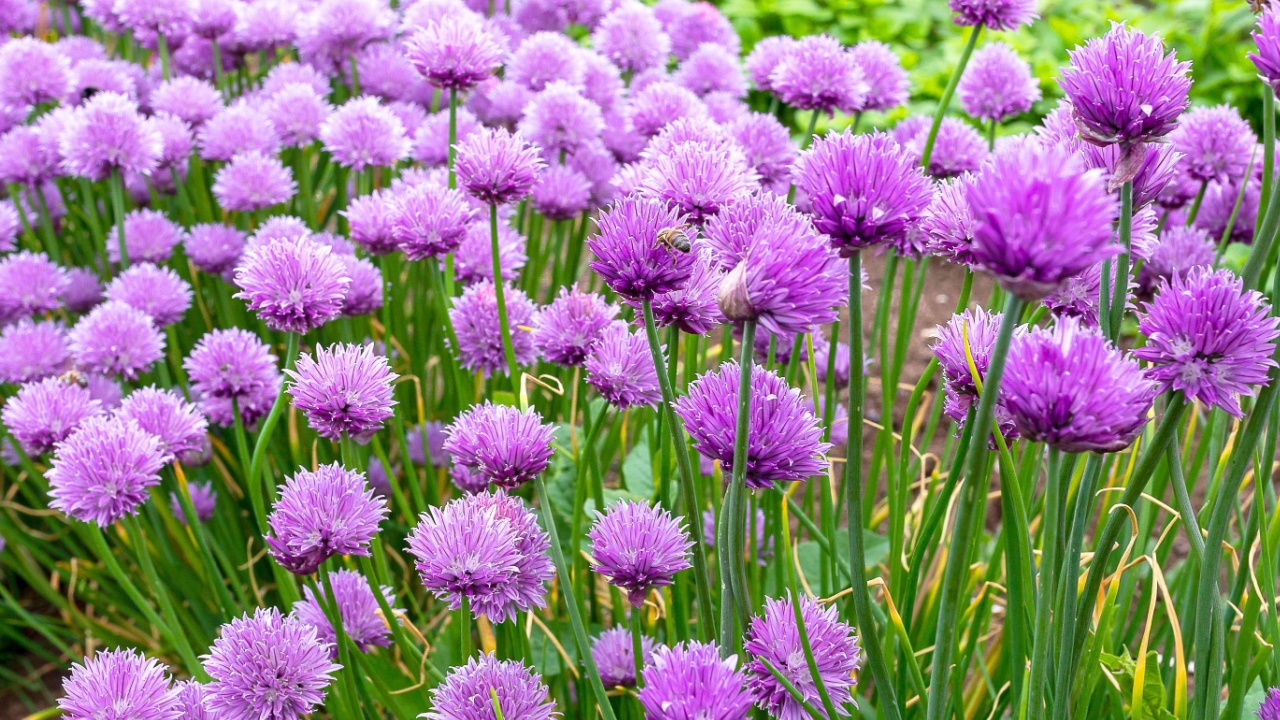
Chives are one of the most foolproof herbs to grow indoors. These members of the onion family provide a delicate, mild onion flavor that enhances eggs, potatoes, and soups. They grow in grass-like clumps and are incredibly resilient, making them a great starting point for new indoor gardeners.
Chives do well with at least four to six hours of sunlight but can tolerate less. They prefer to be kept in cooler conditions, around 60-70°F, which is often the temperature near a winter window. Water when the top inch of soil is dry. To harvest, use scissors to snip the leaves about two inches from the base. The plant will quickly regenerate, giving you a continuous supply. If the pot becomes overcrowded, you can easily divide the clump to create more plants.
Quick Care Guide:
- Light: 4-6 hours of sun.
- Water: Water when the top inch of soil is dry.
- Key Tip: They prefer cooler temperatures.
- Harvesting: Cut leaves down to 2 inches from the soil.
4. Parsley

Whether you prefer the robust flavor of flat-leaf (Italian) parsley for cooking or the decorative touch of the curly variety for garnishes, both grow well indoors. Parsley is a slow but steady producer, offering its fresh, green flavor throughout the winter. It’s packed with vitamins and is a versatile addition to countless recipes.
Parsley is quite content with moderate light (at least four hours) and cooler indoor temperatures. It needs consistent moisture to thrive, so check the soil every couple of days and don’t let it dry out completely. When harvesting, snip the outer stalks first, leaving the inner shoots to continue growing. This method ensures the plant remains productive for months.
Quick Care Guide:
- Light: 4+ hours of sun.
- Water: Keep soil consistently moist.
- Key Tip: Harvest outer leaves to promote new growth from the center.
- Harvesting: Snip outer stalks at the base.
5. Oregano

This Mediterranean herb brings a robust, peppery flavor that is essential for Italian, Greek, and Mexican cuisines. Oregano is very forgiving, especially when it comes to watering, as it is naturally drought-tolerant. Its love for dry conditions makes it well-suited to the air in most heated homes during winter.
Oregano needs a lot of light, at least six hours of direct sun, to develop the best flavor. Allow the soil to dry out completely between waterings to prevent root rot. Good air circulation is also important. Pruning the plant regularly will encourage it to grow into a dense, bushy shape rather than becoming long and spindly. For the most potent flavor, harvest your oregano leaves before the plant begins to flower.
Quick Care Guide:
- Light: 6+ hours of direct sun.
- Water: Let the soil dry out completely between waterings.
- Key Tip: Prefers dry air and well-draining soil.
- Harvesting: Trim stems regularly to encourage bushy growth.
6. Thyme
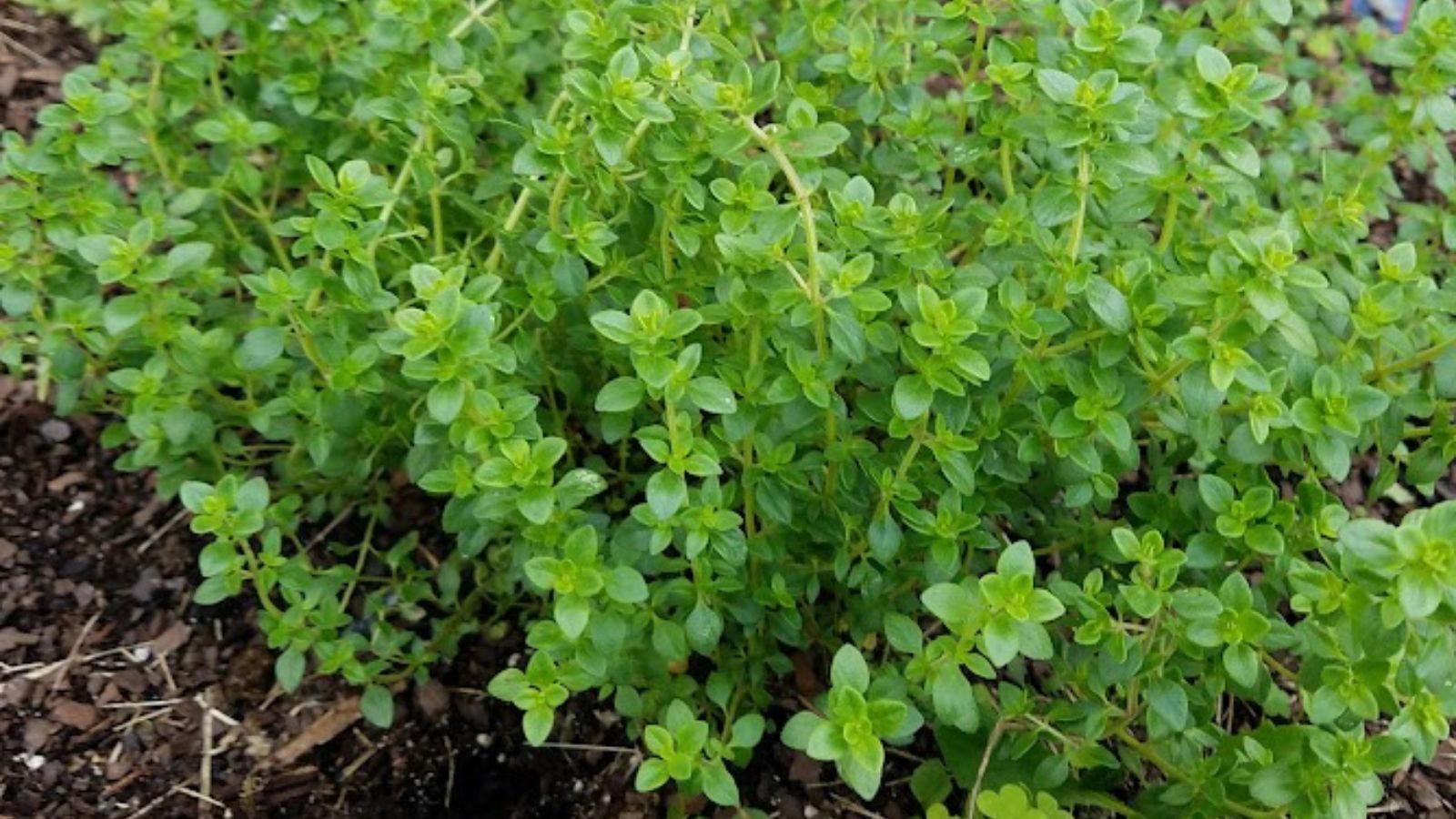
Thyme is another Mediterranean native that thrives in dry, sunny conditions. Its tiny, fragrant leaves pack an earthy flavor that complements roasted meats, stews, and vegetable dishes. It grows slowly, but a little bit of fresh thyme goes a long way. Its compact size makes it an ideal windowsill plant.
Provide thyme with as much direct sunlight as you can; six or more hours is ideal. This herb detests “wet feet,” so excellent drainage is critical. Use a sandy potting mix and water only when the soil is completely dry to the touch. English thyme is a popular choice for cooking, while lemon thyme adds a wonderful citrus note. Don’t worry if the stems become woody; this is normal for thyme.
Quick Care Guide:
- Light: 6+ hours of direct sun.
- Water: Water sparingly; allow soil to dry out.
- Key Tip: Requires excellent drainage; add perlite or sand to the soil.
- Harvesting: Snip the top few inches of new, soft growth.
7. Rosemary
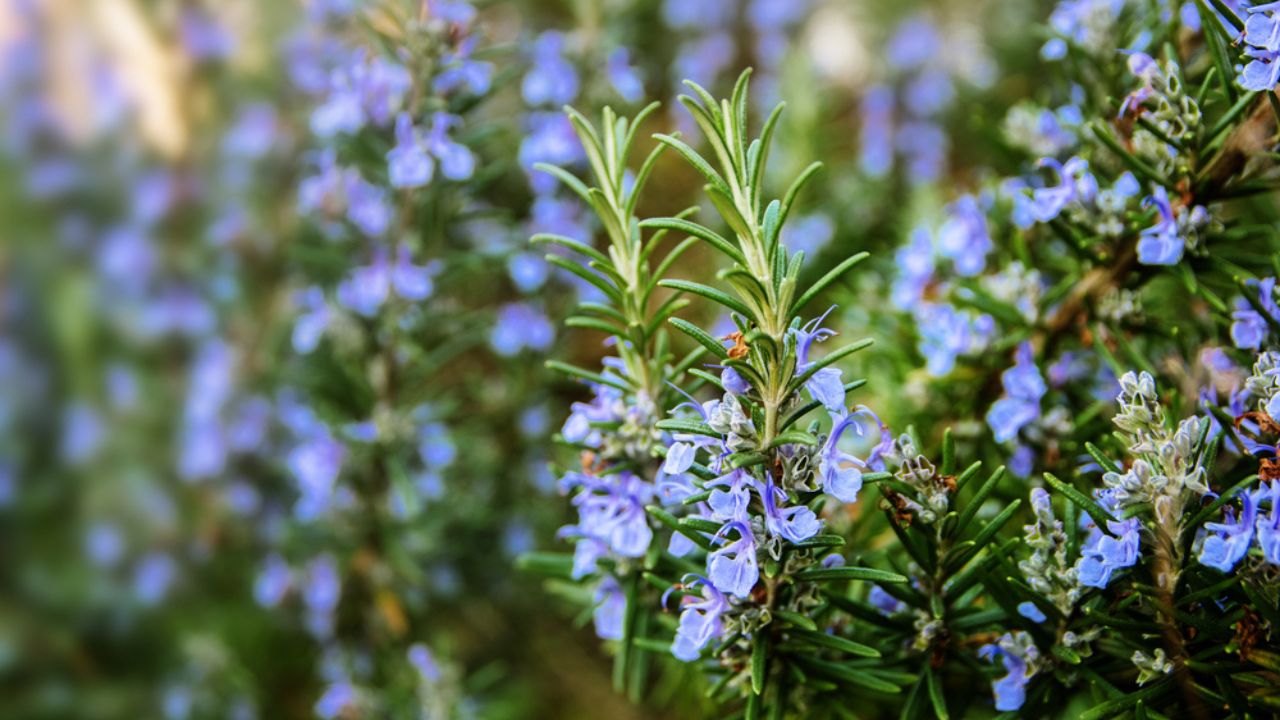
The wonderfully pine-like scent and flavor of rosemary can be a bit trickier to cultivate indoors, but it’s well worth the effort. It’s perfect for flavoring roasts, potatoes, and breads (even the flowers are edible!). The key challenge is balancing its need for sun, cool air, and humidity, which can be contrary to typical indoor environments.
Rosemary needs at least six hours of bright, direct sunlight. It also requires good air circulation and prefers cooler temperatures, so keep it away from heating vents. Let the soil dry out between waterings, but then water it thoroughly. Since indoor air is often dry, misting the air around the plant occasionally can help provide the humidity it craves and prevent its needles from drying out.
Quick Care Guide:
- Light: 6+ hours of direct sun.
- Water: Let the soil dry out, then water thoroughly.
- Key Tip: Needs good air circulation and cool temperatures.
- Harvesting: Cut sprigs as needed, focusing on new growth.
8. Sage
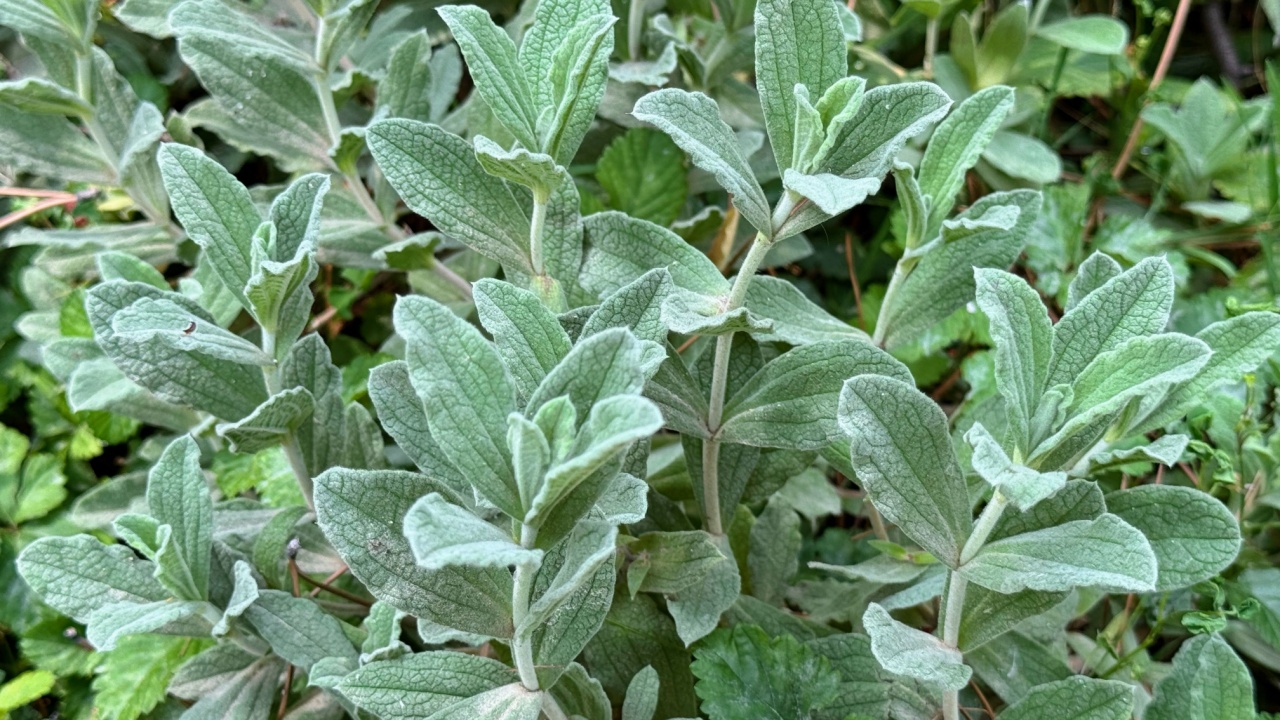
With its soft, velvety leaves and earthy, peppery flavor, sage is a must-have for fall and winter cooking. It pairs beautifully with poultry, pork, and winter squash. Sage can grow happily indoors as long as it receives plenty of light, which helps it avoid the fungal issues that can plague outdoor plants.
Sage is a sun-worshipper and needs a minimum of six hours of direct light a day. A south-facing window or a grow light is best. Like other Mediterranean herbs, it prefers its soil on the drier side, so wait until the soil feels dry before watering. Ensure there is good air circulation around the plant to help prevent powdery mildew, a common issue for sage.
Quick Care Guide:
- Light: 6+ hours of very bright sun.
- Water: Water only when the soil is dry.
- Key Tip: Good air circulation is crucial to prevent mildew.
- Harvesting: Pick individual leaves as needed.
9. Cherry Tomatoes

You don’t have to endure bland, hard grocery store cherry tomatoes all winter. Small, determinate (bushing) varieties of cherry tomatoes can be grown successfully indoors. While they require more attention than herbs, the reward of a sweet, juicy, sun-ripened tomato in January is unbeatable.
Tomatoes are light-hungry plants, so a powerful grow light is almost essential for a good harvest. Plan for at least 10-12 hours of light per day. Use a large pot (at least 5 gallons) to give the roots enough space. You will also need to hand-pollinate the flowers by gently shaking the plant or using a cotton swab to transfer pollen from one flower to another.
Quick Care Guide:
- Light: 10+ hours of strong light (grow light recommended).
- Water: Keep soil consistently moist.
- Key Tip: Hand-pollinate flowers to ensure fruit production.
- Harvesting: Pick tomatoes when they are fully colored and slightly soft.
10. Lettuce
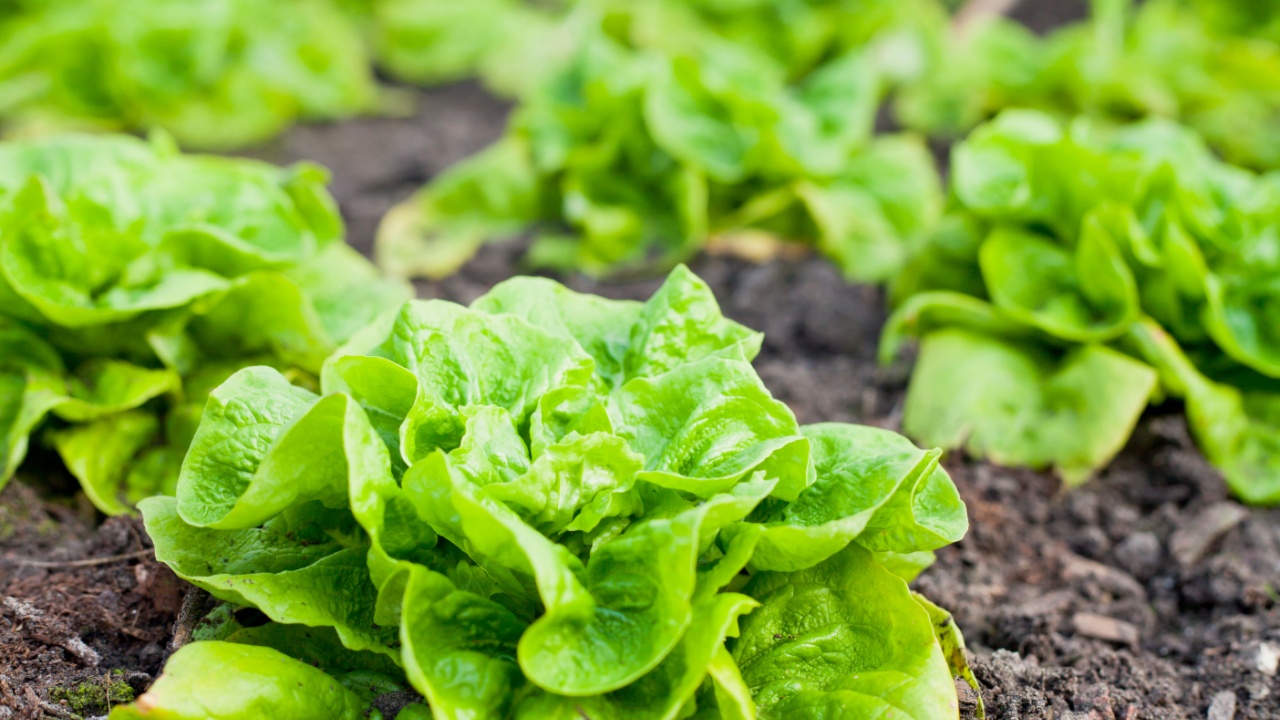
Growing your own lettuce indoors means you can have a fresh, crisp salad anytime. Leafy varieties like Bibb, butterhead, or loose-leaf mixes are particularly well-suited for indoor cultivation. You can harvest leaves as you need them, and the plant will continue to produce. While the heads may be smaller than those grown outdoors, the flavor is far superior.
Lettuce prefers cooler temperatures and can get by with less intense light than fruiting plants like tomatoes, though a grow light will yield better results. Keep the soil consistently moist. You can start harvesting the outer leaves once they reach about 4 inches long. This “cut-and-come-again” method will give you a steady supply for weeks.
Quick Care Guide:
- Light: 6+ hours of moderate light.
- Water: Keep soil consistently moist.
- Key Tip: Harvest outer leaves to allow the plant to keep producing.
- Harvesting: Snip outer leaves as needed.
11. Radishes
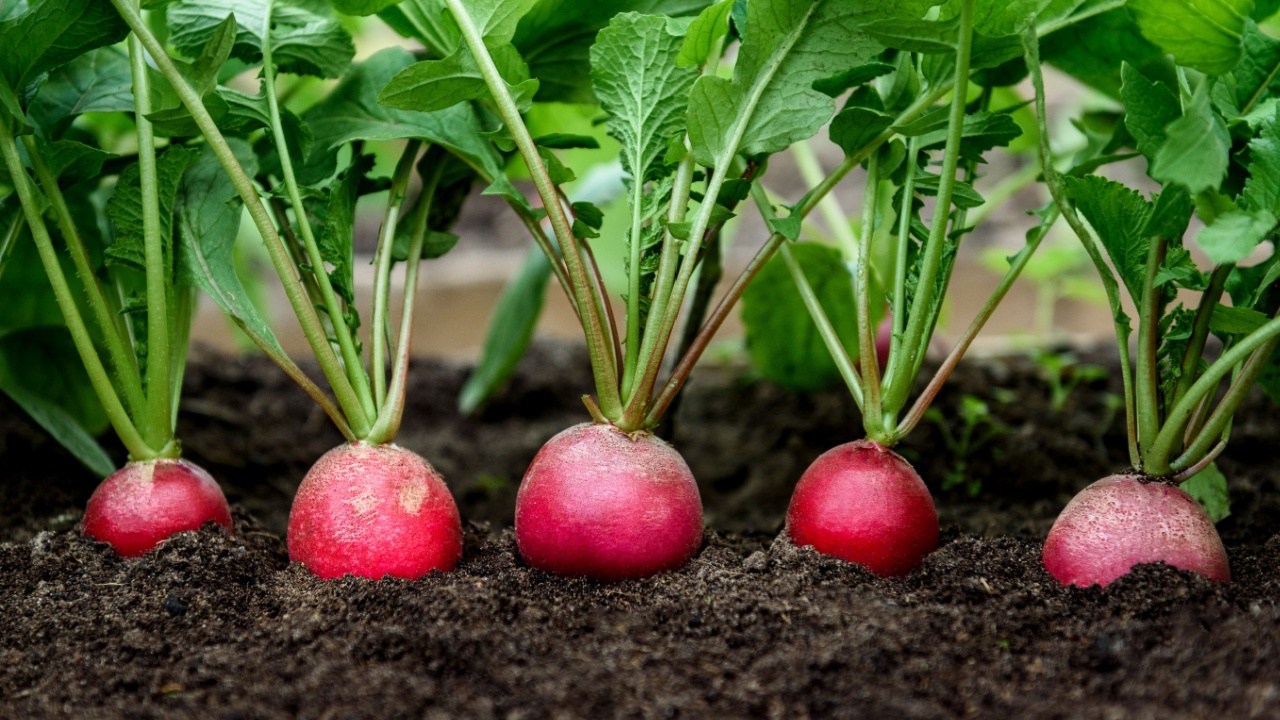
Radishes are one of the fastest-growing vegetables, with some varieties ready to harvest in as little as a month. Their peppery crunch is a welcome addition to salads and snacks. Because they have a shallow root system and grow quickly, they are an excellent choice for indoor container gardening.
Choose a container that is at least 6 inches deep to allow room for the roots to develop. Radishes thrive in the loose, well-draining soil found in potting mixes. They don’t need intense light but will appreciate a sunny spot. Keep the soil moist to encourage rapid, even growth, which prevents the roots from becoming woody or overly spicy.
Quick Care Guide:
- Light: 6 hours of sun.
- Water: Keep soil consistently moist.
- Key Tip: Need at least 6 inches of soil depth.
- Harvesting: Pull when roots are about 1 inch in diameter.
12. Cilantro
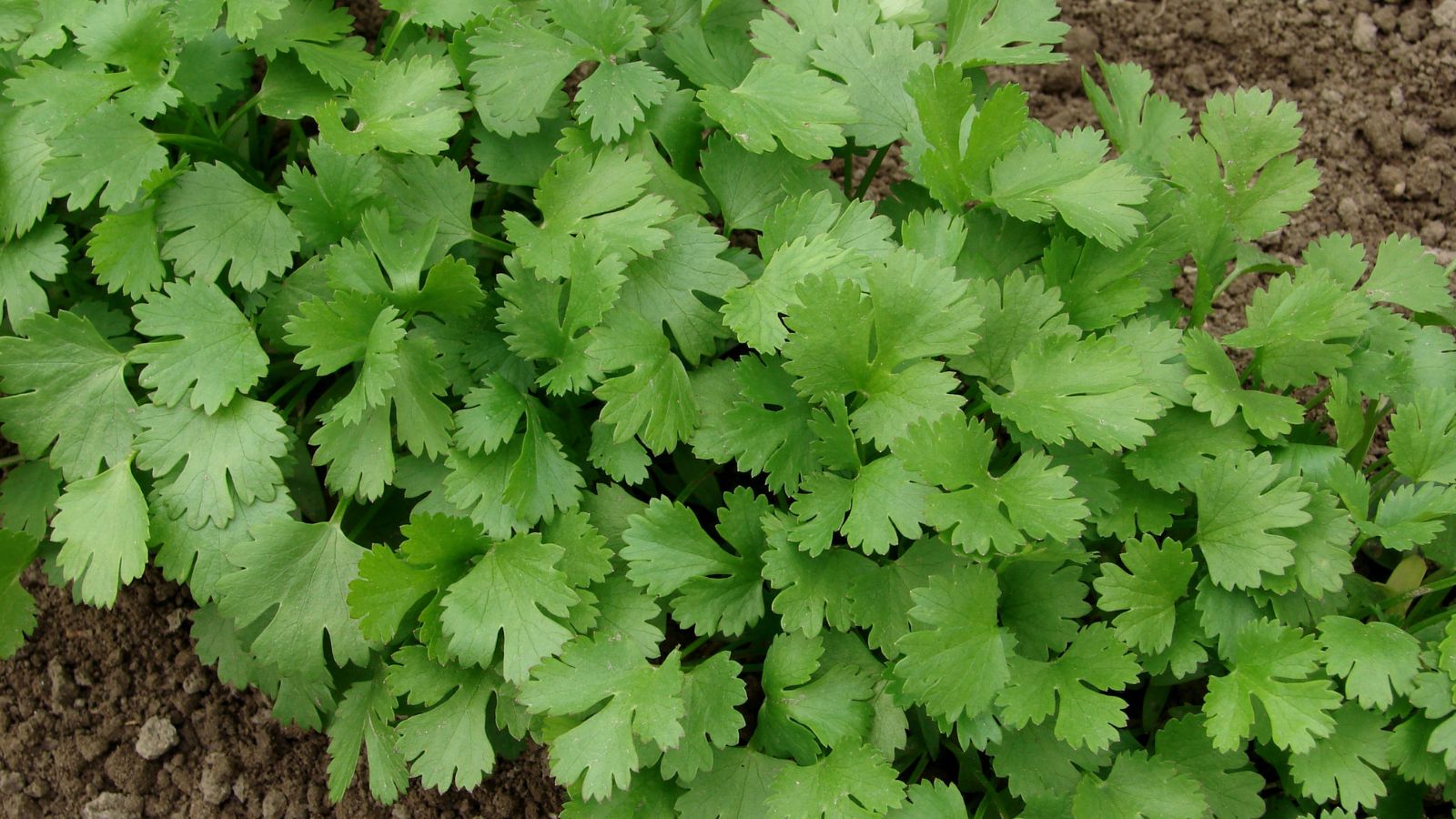
Cilantro’s bright, citrusy flavor is essential for salsa, guacamole, and many Asian and Latin American dishes. This herb grows quickly but is infamous for “bolting” (flowering and going to seed) in warm conditions. Growing it indoors allows you to control the temperature better, potentially extending your harvest.
Cilantro prefers cooler temperatures, ideally below 70°F. Keep the soil moist and harvest the leaves frequently to encourage more growth and delay bolting. Because it grows so fast and bolts so quickly, the best strategy for a continuous supply is succession planting, sow new seeds every 3-4 weeks.
Quick Care Guide:
- Light: 6+ hours of sun.
- Water: Keep soil consistently moist.
- Key Tip: Prefers cool temperatures; sow new seeds every few weeks.
- Harvesting: Cut outer leaves regularly.
13. Dill

Fresh dill’s feathery fronds offer a unique, tangy flavor that is far superior to its dried counterpart. It’s wonderful with fish, potatoes, and yogurt-based sauces. Like cilantro, dill can grow quickly and has a tendency to bolt, so it benefits from the controlled environment of an indoor garden.
Dill needs lots of light to thrive, at least six hours of direct sun. The ‘Fernleaf’ variety is a good choice for containers as it is more compact. For a continuous harvest, it’s best to sow seeds every few weeks. Harvest the leaves before the plant flowers for the best flavor.
Quick Care Guide:
- Light: 6+ hours of direct sun.
- Water: Keep soil moist.
- Key Tip: Choose compact varieties and sow seeds successively.
- Harvesting: Snip fronds as needed.
14. Lemon Balm
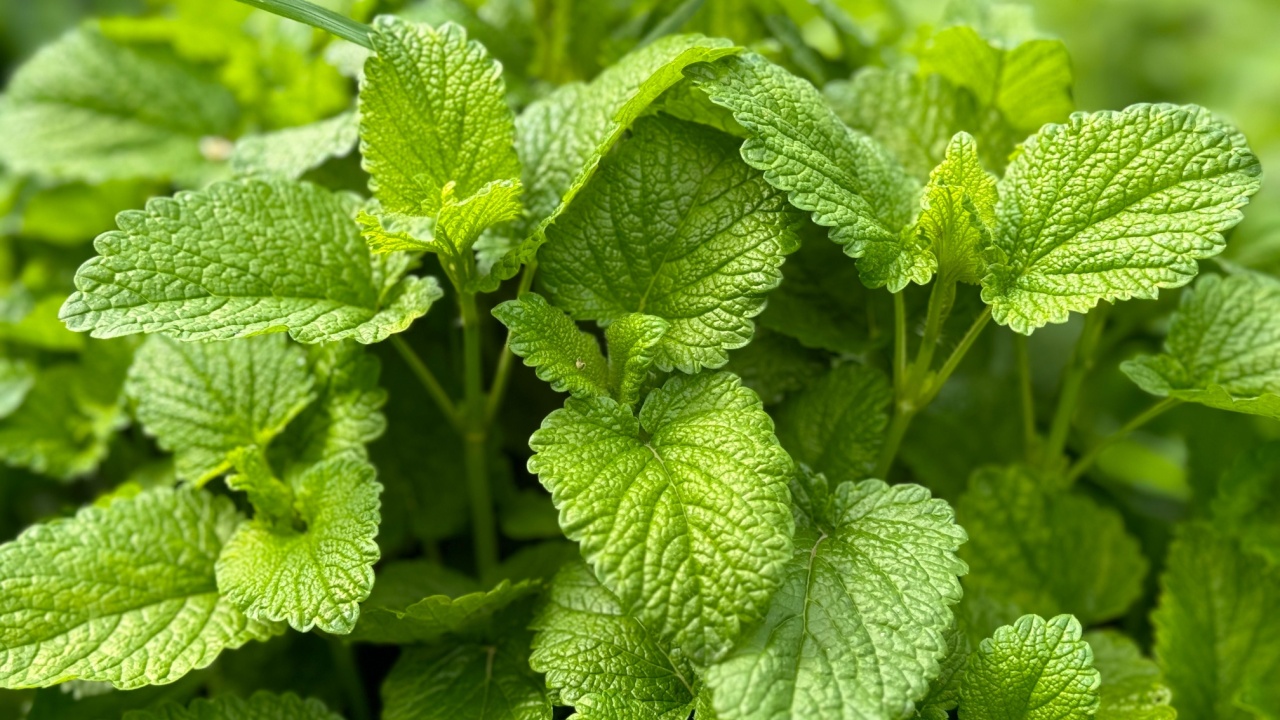
A member of the mint family, lemon balm has a delightful citrus scent and flavor without the acidity of a real lemon. It’s perfect for making soothing teas, flavoring water, or adding a bright note to fruit salads. It grows enthusiastically and is quite tolerant of a range of indoor conditions.
Lemon balm is one of the more shade-tolerant herbs, making it a good choice for windowsills that receive less than full sun. It prefers evenly moist soil. Pinch back the stems regularly to keep the plant bushy and prevent it from becoming scraggly. The leaves have the best flavor and aroma when harvested before the plant flowers.
Quick Care Guide:
- Light: Tolerates partial shade (4 hours of sun).
- Water: Keep soil evenly moist.
- Key Tip: Pinch regularly to maintain a compact shape.
- Harvesting: Harvest leaves before the plant flowers.
15. Tarragon
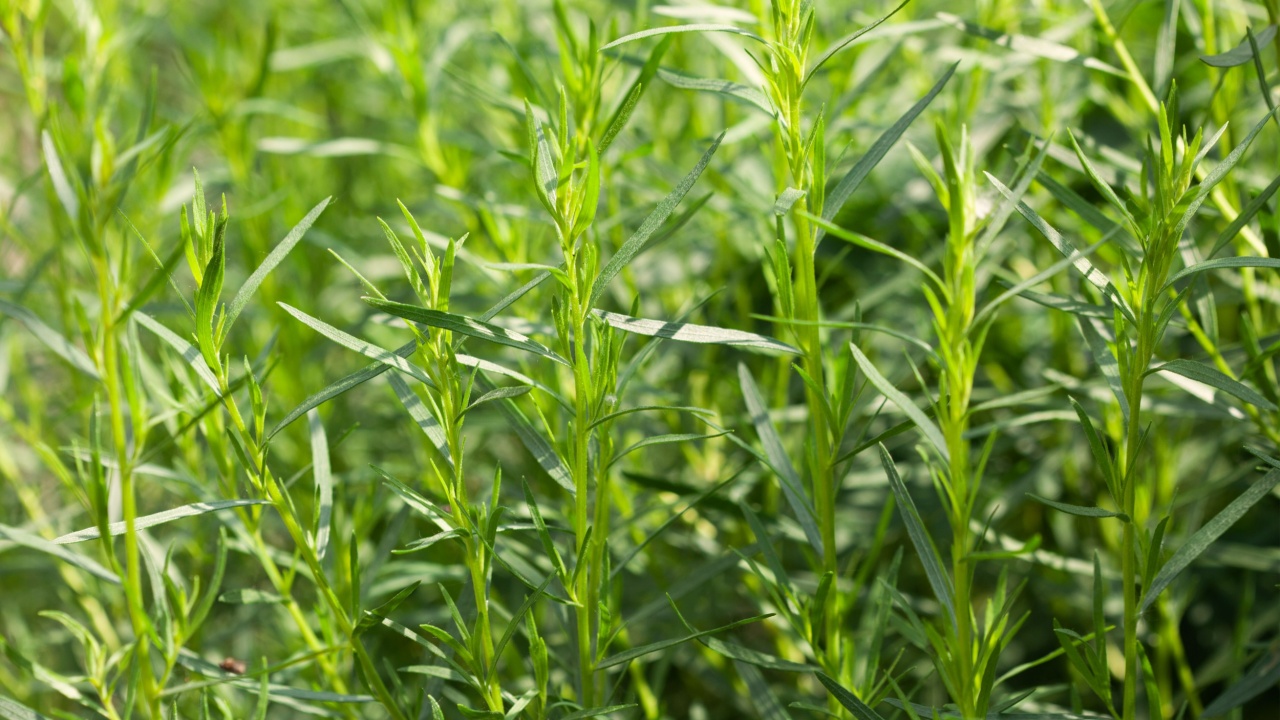
French tarragon offers a sophisticated, slightly sweet flavor with hints of anise. It is a classic herb in French cooking, essential for béarnaise sauce and excellent with chicken and fish dishes. It’s important to get the right variety; Russian tarragon is much easier to grow from seed but lacks the distinctive flavor of true French tarragon.
This herb needs very good drainage and does not like to be overwatered, so err on the side of dryness. True French tarragon does not produce viable seeds, so you must buy a plant or start from a cutting. It may go partially dormant in winter, but keeping it indoors protects the tender perennial from freezing.
Quick Care Guide:
- Light: 6+ hours of sun.
- Water: Don’t overwater; let the soil get slightly dry.
- Key Tip: Must be grown from cuttings or plants, not seed.
- Harvesting: Snip top leaves and stems as needed.
16. Lavender
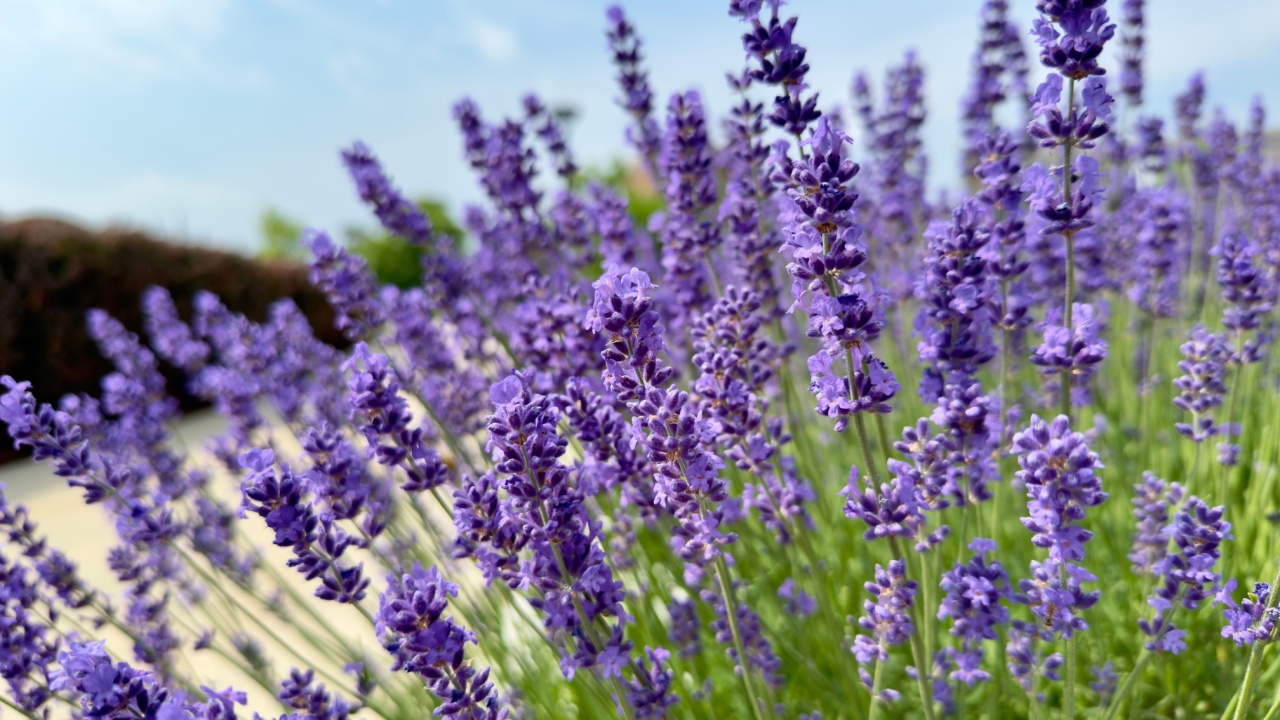
While primarily grown for its incredible fragrance, lavender flowers are also edible and can be used in baking or to make teas. Growing it indoors can admittedly be a challenge, but the reward of its calming scent is worth the attempt. French and Spanish lavenders tend to adapt better to indoor conditions than English varieties.
Lavender demands two things: tons of light and excellent drainage. A south-facing window supplemented with a grow light is your best bet. Use a sandy, alkaline soil mix and water very sparingly, allowing the soil to dry out completely between waterings. Good air circulation is also vital to prevent fungal diseases.
Quick Care Guide:
- Light: As much as possible (8+ hours).
- Water: Water very sparingly.
- Key Tip: Requires sandy soil and excellent air circulation.
- Harvesting: Cut flower stalks just as they begin to open.
17. Scallions (Green Onions)
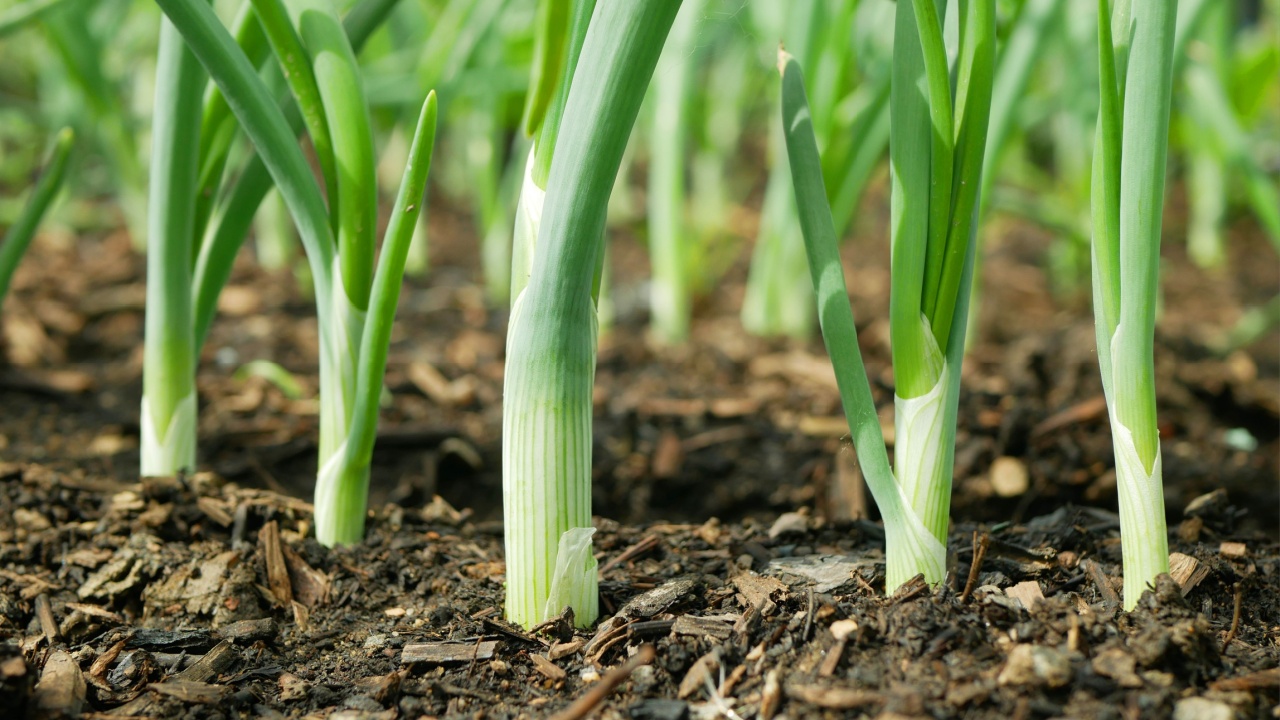
Scallions are incredibly easy to grow indoors. In fact, you don’t even need seeds or soil to start. You can regrow them from the scraps you’d normally throw away. Their mild onion flavor is perfect for garnishing almost any savory dish.
Simply take the white root ends of scallions you’ve bought from the store and place them in a small glass with an inch of water. Set the glass on a sunny windowsill, and the green shoots will start to regrow in just a few days. Change the water every other day. You can also plant these root ends in a pot of soil for a more robust, long-term plant.
Quick Care Guide:
- Light: 4-6 hours of sun.
- Water: If in water, change daily. If in soil, keep moist.
- Key Tip: Can be regrown from store-bought scraps.
- Harvesting: Snip the green tops, leaving about an inch to regrow.
18. Microgreens
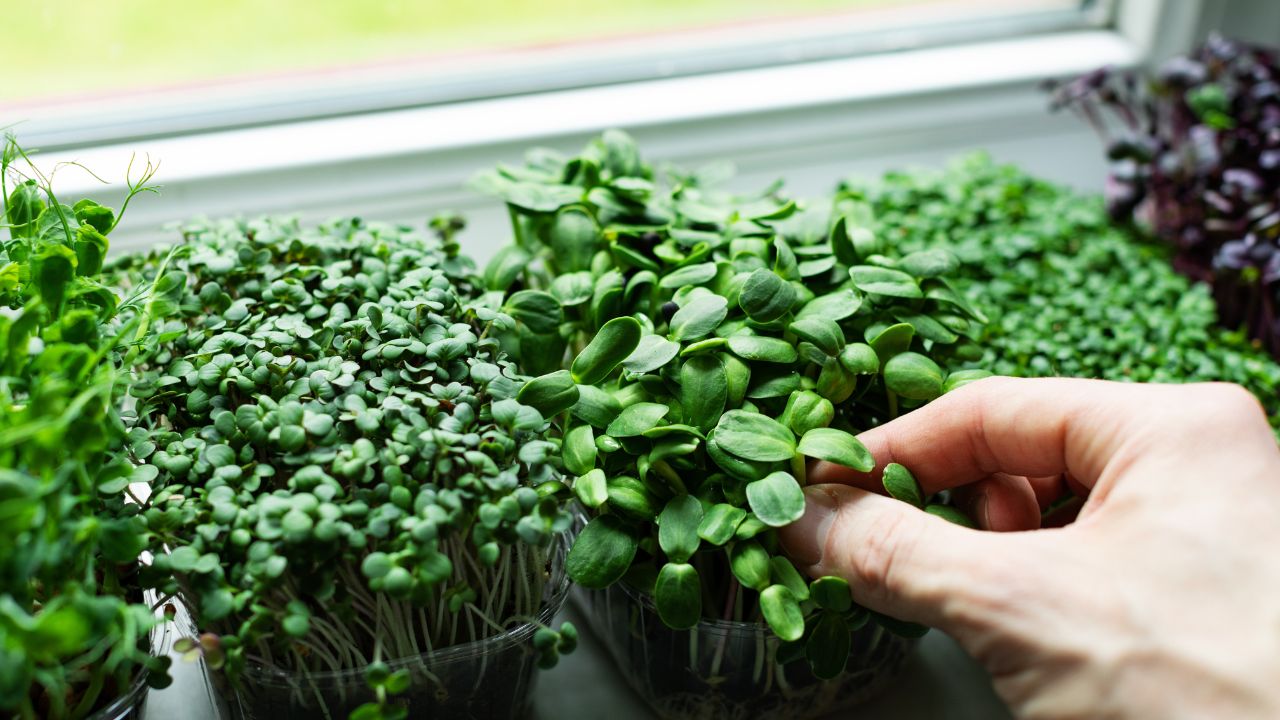
Microgreens (aka sprouts) are the young seedlings of vegetables and herbs like kale, broccoli, radish, and basil. They are harvested just after the first true leaves have developed. They are packed with nutrients, often containing higher concentrations of vitamins than their mature counterparts, and add a burst of flavor and color to salads, sandwiches, and soups.
Growing microgreens is fast and requires minimal space. Fill a shallow tray with potting mix, sprinkle the seeds densely over the surface, and lightly cover with more soil. Mist to keep the soil moist and place in a sunny spot. Most microgreens are ready to harvest with scissors in just one to three weeks.
Quick Care Guide:
- Light: A sunny windowsill is sufficient.
- Water: Mist daily to keep soil moist.
- Key Tip: Can be grown in any shallow tray.
- Harvesting: Cut with scissors when seedlings are 1-3 inches tall.
19. Carrots
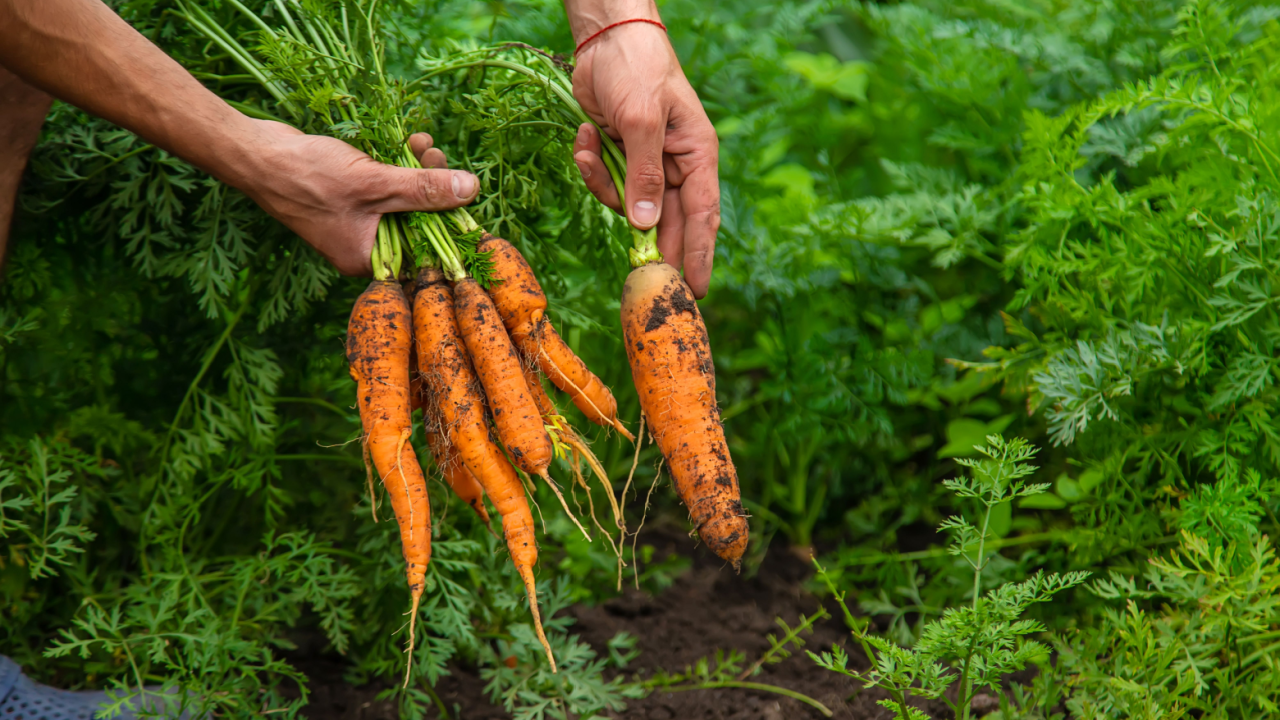
While you won’t be growing large “Bugs Bunny” carrots indoors, smaller, round varieties are perfectly suited for container gardening. Varieties like ‘Paris Market’ or ‘Thumbelina’ grow well in pots and provide the sweet, earthy flavor of a homegrown carrot.
The key to growing carrots is providing enough soil depth. Choose a container that is at least 8-10 inches deep and fill it with a loose, sandy potting mix free of rocks. Obstructions in the soil can cause the roots to become stunted or forked. Keep the soil consistently moist to encourage straight, tender root development.
Quick Care Guide:
- Light: 6+ hours of sun.
- Water: Keep soil consistently moist.
- Key Tip: Requires deep pots and loose, rock-free soil.
- Harvesting: Gently pull when the tops of the roots reach the desired size.
20. Spinach
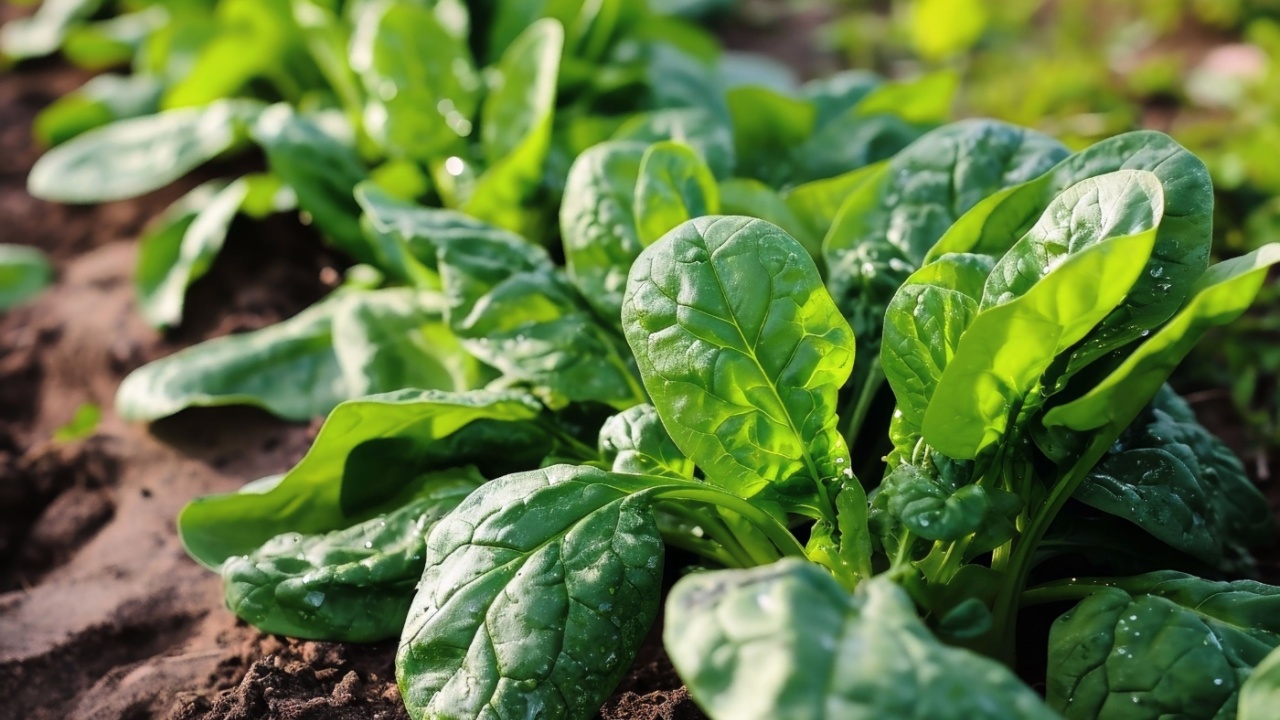
Spinach is a cool-weather crop that thrives in the moderate temperatures of an indoor environment. Its tender, flavorful leaves are a versatile and healthy addition to any meal, whether raw in a salad or cooked. Growing it inside also protects it from common garden pests.
Spinach does well with about six hours of light per day and prefers cooler conditions. You can harvest it using the “cut-and-come-again” method by snipping the outer leaves, which allows the plant to continue producing from its center. Keep the soil evenly moist for the best results.
Quick Care Guide:
- Light: 6 hours of sun.
- Water: Keep soil evenly moist.
- Key Tip: Harvest outer leaves to extend the plant’s productive life.
- Harvesting: Snip outer leaves once they are large enough to eat.
Getting Started on Your Indoor Garden
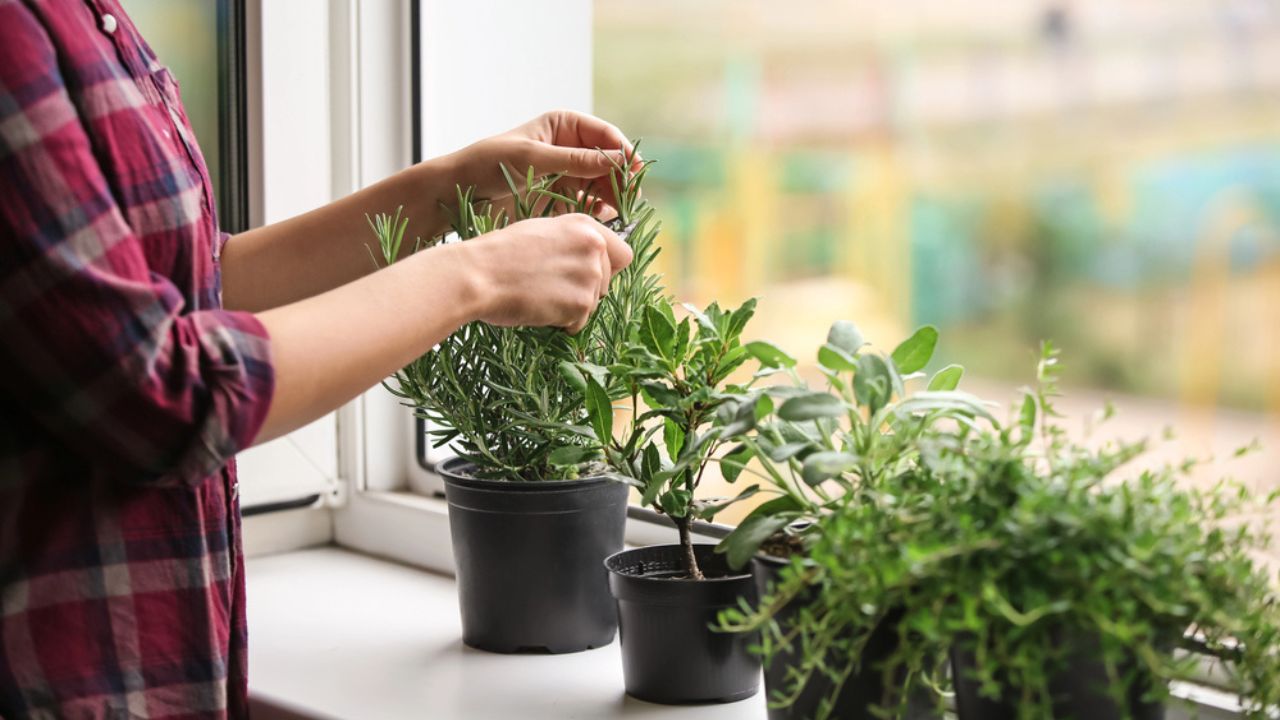
Ready to bring the garden inside? The process is simpler than you might think.
- Choose Your Plants: Start small with two or three easy options from this list, like chives, mint, or lettuce.
- Find the Right Spot: Identify the sunniest windowsill in your home. A south-facing window is ideal, but east or west windows also work. If light is limited, consider investing in an affordable LED grow light.
- Gather Your Supplies: All you need are some pots with drainage holes, a good-quality potting mix (never use garden soil), and saucers to catch excess water.
- Plant and Water: Follow the specific care tips for your chosen plants, paying close attention to their watering needs. The most common mistake is overwatering, so always check the soil before adding more.
Don’t be afraid to experiment and learn as you go. Even a small pot of fresh basil on your kitchen counter can bring immense satisfaction and flavor. Enjoy the process of nurturing life indoors and the delicious rewards of your winter harvest.