8 Fall Yard Care Mistakes Homeowners Make Every Year
When the leaves start falling and the mornings turn chilly, it’s tempting to declare the gardening season over. The lawnmower can go into storage, the rake comes out, and plans for the backyard can wait until spring.
But fall is actually one of the busiest and most useful seasons for certain kinds of yard work. Some plants benefit from being planted now, fallen leaves can improve your soil, and a little lawn care before winter can make a difference next spring.
The tricky part? Not every piece of fall gardening advice is worth following. Some common recommendations are outdated, while others only make sense in certain climates or for specific plants.
Here are 8 fall landscaping myths worth reconsidering, along with what you can do instead.
1. Thinking It’s Time to Stop Mowing the Lawn
If you’ve ever been tempted to put away your lawnmower at the first sign of autumn, you’re not alone. But falling leaves don’t necessarily mean your grass has stopped growing.
Cool-season grasses, such as fescue and Kentucky bluegrass, can continue growing well into fall. Leaving the lawn excessively long going into winter can increase the risk of snow mold and give small rodents more places to shelter.
What to do instead: Keep mowing as needed until the grass stops growing. For many cool-season lawns, a height of around 2½ to 4 inches is appropriate during the growing season, depending on the grass type.
For the final mow, you can lower the mower slightly if your lawn is unusually tall, but there’s no need to scalp it. Cutting grass too short can weaken it and leave it more vulnerable to damage.
2. Believing All Fallen Leaves Must Be Raked and Bagged
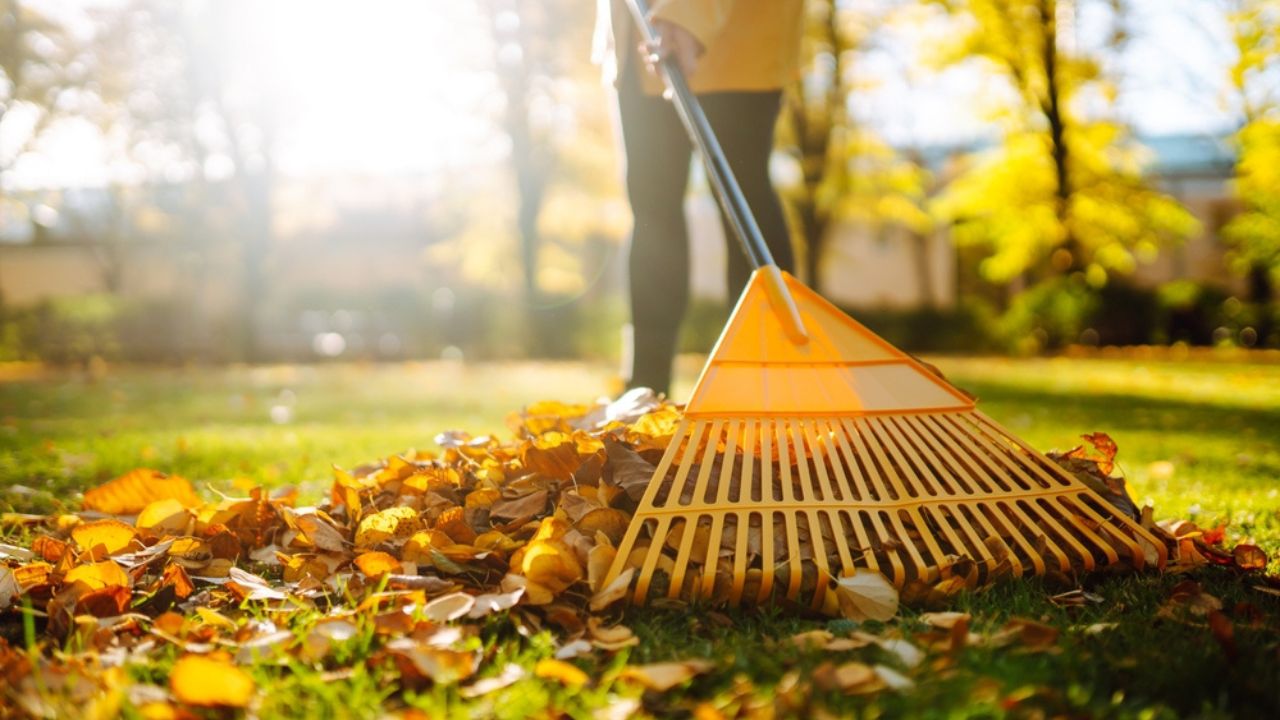
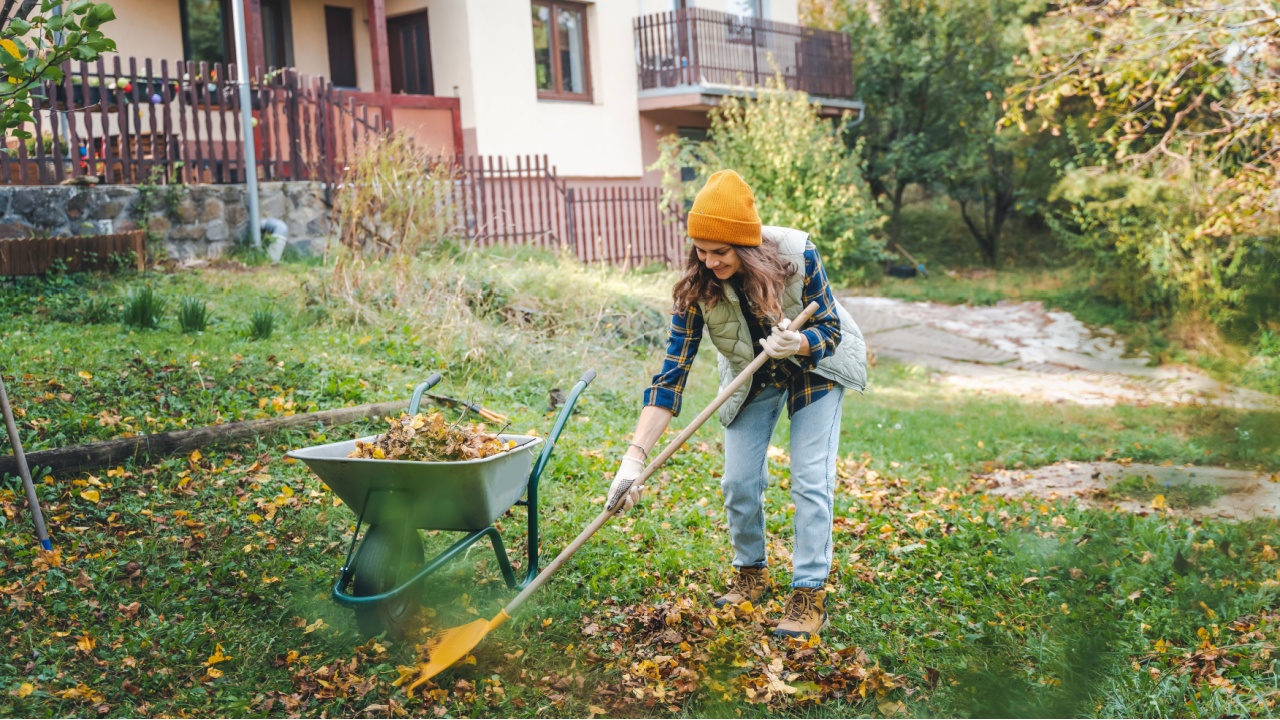
A yard covered in colorful autumn leaves can look beautiful, but those same leaves can quickly become a weekend-long cleanup project. The good news is that you don’t have to remove every leaf to keep your yard healthy.
In fact, leaves are a valuable source of organic matter. As they break down, they return nutrients to the soil and help improve its structure. Removing all of them means hauling away material that could benefit your garden.
What to do instead: If you have a lawn, try running a mulching mower over a light layer of dry leaves. The goal is to chop them into small pieces that can settle between the grass blades rather than form a thick blanket on top.
If you have more leaves than your mower can handle, rake the excess into garden beds where appropriate, or add them to your compost pile.
When should you remove leaves? Don’t leave a thick, wet layer sitting on your grass. Too many leaves can block light and trap moisture, potentially damaging the lawn. Also keep leaves away from storm drains and clear them from paths where they could become slippery.
3. Considering Fall Fertilizing a Waste of Time
Grass may look less active as temperatures drop, but that doesn’t mean its roots have stopped working. For many cool-season lawns, fall is an excellent time to replenish nutrients and support root growth before winter.
That doesn’t mean every lawn needs fertilizer, however. Applying nutrients your soil already has in abundance can waste money and contribute to environmental pollution.
What to do instead: Start with a soil test to find out whether your lawn needs fertilizer and which nutrients are actually lacking. If the results indicate a need, follow recommendations for your grass type and region.
In many areas, fall fertilizer applications focus on nitrogen rather than automatically adding phosphorus and potassium. The right timing also depends on local weather, grass species, and how close your lawn is to dormancy.
4. Thinking Planting Season is Over
Spring gets plenty of attention as planting season, but autumn can be an excellent time to add certain plants to your landscape.
The soil often remains warm after summer, while cooler air temperatures reduce heat stress. These conditions can help many trees, shrubs, and hardy perennials establish roots before the next growing season.
Fall is also the traditional planting season for many spring-flowering bulbs, including tulips and daffodils.
What to do instead: Check whether the plants you want to grow are suitable for fall planting in your region. Trees and shrubs generally need enough time to establish roots before the ground freezes, and some species are better planted in spring.
As a general starting point, aim to plant hardy trees and shrubs several weeks before the ground freezes, following local recommendations. Water thoroughly after planting and continue checking soil moisture during dry weather.
5. Assuming Hardscaping Projects Should Wait Until Spring
A new patio, garden path, retaining wall, or fire pit can seem like a project best left for warm weather. But depending on your climate and the work involved, fall can be a practical time to get started.
Cooler temperatures can make digging and other physical work more comfortable. Finishing a project before winter may also leave you with less construction work to tackle when gardening season returns.
However, fall isn’t automatically the best time for every outdoor project. Frozen ground, heavy rain, early snow, and temperature-sensitive construction materials can all complicate the work.
What to do instead: Choose projects that can realistically be completed before local weather turns against you. Check the forecast, allow time for site preparation and drainage work, and follow manufacturer instructions for materials such as concrete and mortar.
For retaining walls, large patios, and other projects that affect drainage or slope stability, make sure the design is appropriate for your property. Some jobs are better left to a qualified contractor.
6. Thinking Fall is the Wrong Time to Prune Trees and Shrubs
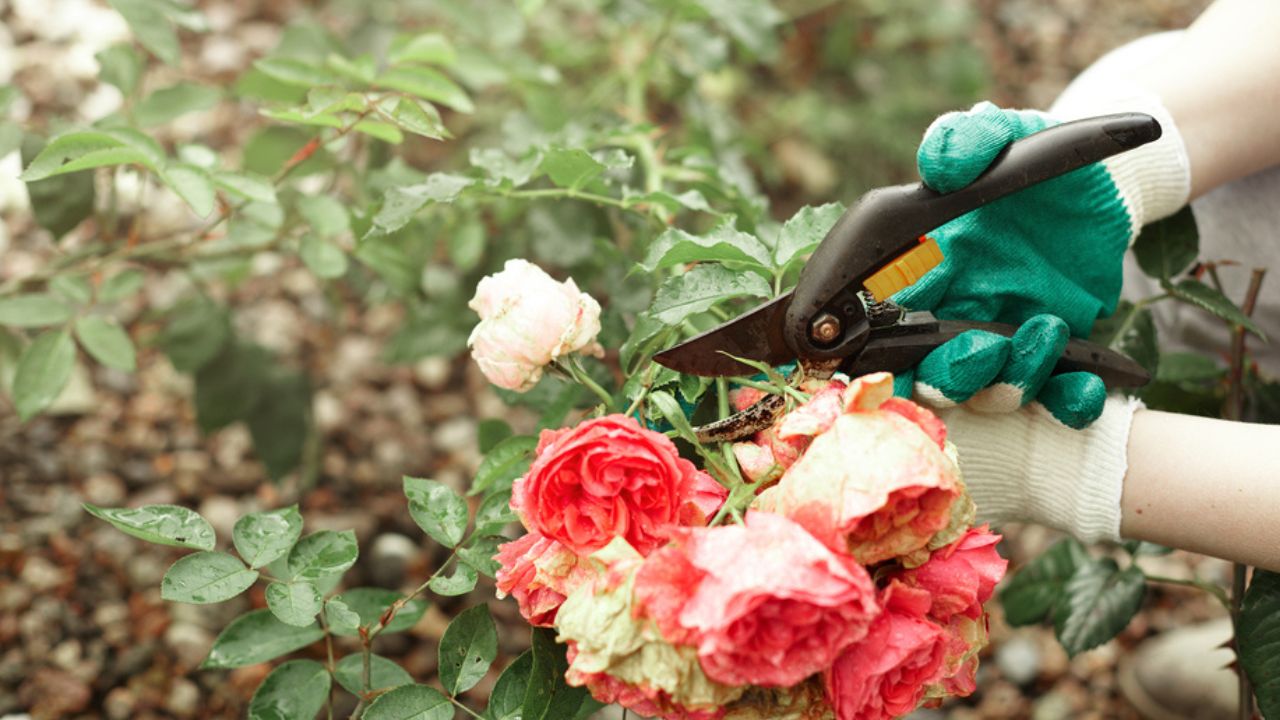
Fall pruning advice can be confusing because there’s some truth on both sides. Pruning at the wrong time can remove next spring’s flowers or encourage growth that won’t have enough time to harden off before winter.
At the same time, dead, damaged, or diseased branches shouldn’t necessarily be left untouched until spring.
What to do instead: Remove hazardous or damaged branches when it is safe and appropriate to do so, and avoid major pruning of healthy plants unless you know fall is a suitable time for that species.
Pay particular attention to spring-flowering shrubs, such as lilacs and forsythias. Many set their flower buds before winter, so pruning in autumn can mean fewer flowers next year.
Trees also have different pruning needs depending on the species, the condition of the tree, and the reason for pruning. If you’re unsure, consult a local arborist or university extension resource before making major cuts.
7. Stopping Watering in the Fall
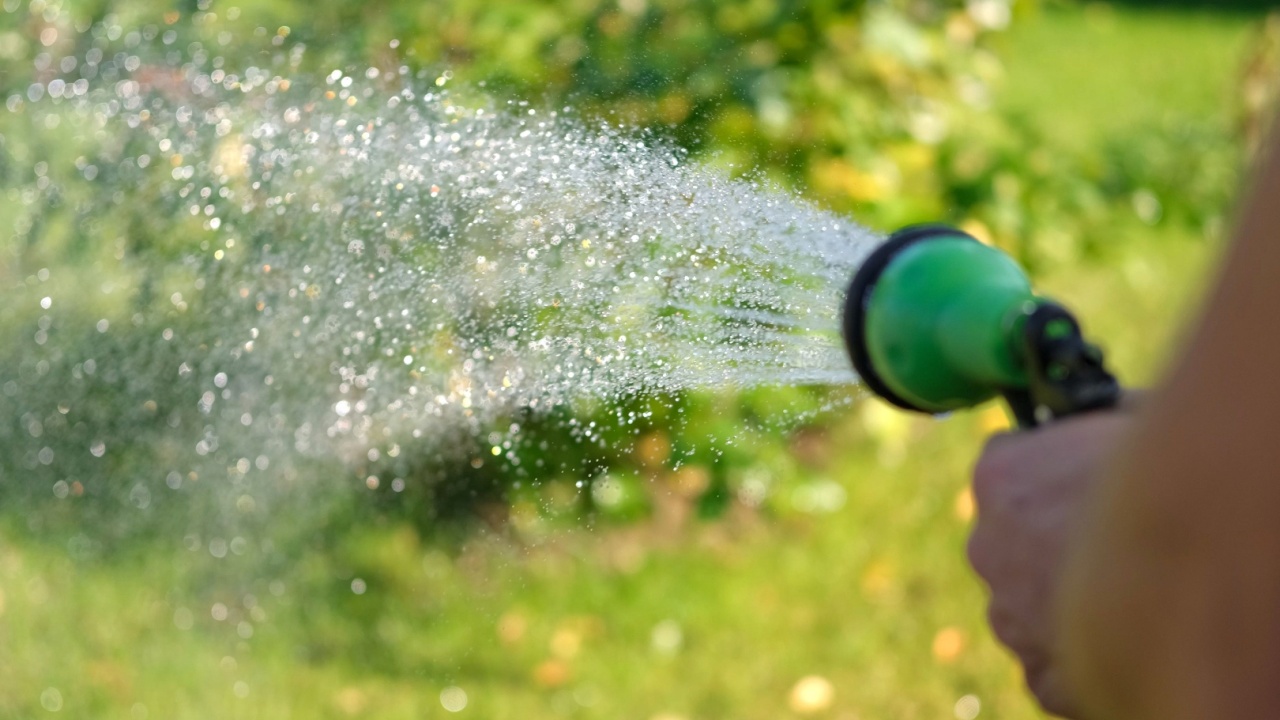
Cooler weather usually means plants lose moisture more slowly than they do during summer. But it doesn’t mean every plant can get by without supplemental water.
Newly planted trees and shrubs are especially vulnerable because their roots haven’t fully established. Evergreens can also lose moisture through their foliage during dry, windy winter weather.
The mistake is assuming that every plant needs the same watering schedule—or that you should keep watering at summer levels regardless of the weather.
What to do instead: Check the soil before reaching for the hose. If the root zone is dry and rain hasn’t provided enough moisture, water deeply, especially around new plantings.
Established plants may need little or no supplemental watering during a wet fall, while newly planted trees and shrubs often need more attention. Soil type, plant species, and local weather all influence how frequently you should water.
Continue monitoring moisture until the ground freezes, where applicable, but avoid waterlogged soil. Too much water can damage roots just as too little can.
8. Skipping Tilling (Some) Garden Beds in the Fall
Turning over garden beds in autumn can seem like a sensible way to prepare for spring. It exposes the soil, makes it easier to incorporate compost, and can help break up clods in some conditions.
But routine tilling isn’t always beneficial. Working wet soil can compact it, while repeated tilling can damage soil structure and disturb beneficial organisms. It may also bring buried weed seeds closer to the surface, where they can germinate.
What to do instead: Start by deciding what your garden bed actually needs. If the soil is healthy and drains well, you may not need to till at all.
For many home gardens, spreading a layer of finished compost over the soil and covering bare ground with an appropriate mulch is a gentler way to prepare for spring. The compost adds organic matter as soil organisms gradually incorporate it.
If you have compacted soil or need to work in amendments, consider whether targeted loosening or another approach would solve the problem without turning over the entire bed. Avoid working soil when it’s wet enough to clump heavily or smear when handled.
Ultimately, fall yard work doesn’t have to mean spending every weekend raking, pruning, and preparing for winter. The best approach is to focus on the tasks that will genuinely help your landscape—and skip the ones that don’t suit your plants or local conditions.