21 Plants That Don’t Thrive Indoors
Bringing the beauty of nature indoors can transform your living space, purify the air, and boost your mood. While many plants adapt beautifully to indoor life, others struggle to flourish away from their natural outdoor habitats. Factors like light, humidity, temperature fluctuations, and sheer size can make it challenging for certain species to thrive inside your home. Understanding a plant’s specific needs is the key to a happy and healthy indoor garden.
This guide explores 21 plants that are generally better suited for the great outdoors. We’ll dive into why they find indoor environments difficult, what they require to grow successfully, and offer tips for those determined gardeners who want to try anyway (from trusted garden experts and extension sources). By learning which plants to avoid, you can save yourself time and heartache, and instead choose houseplants that are set up for success from the start.
1. Roses
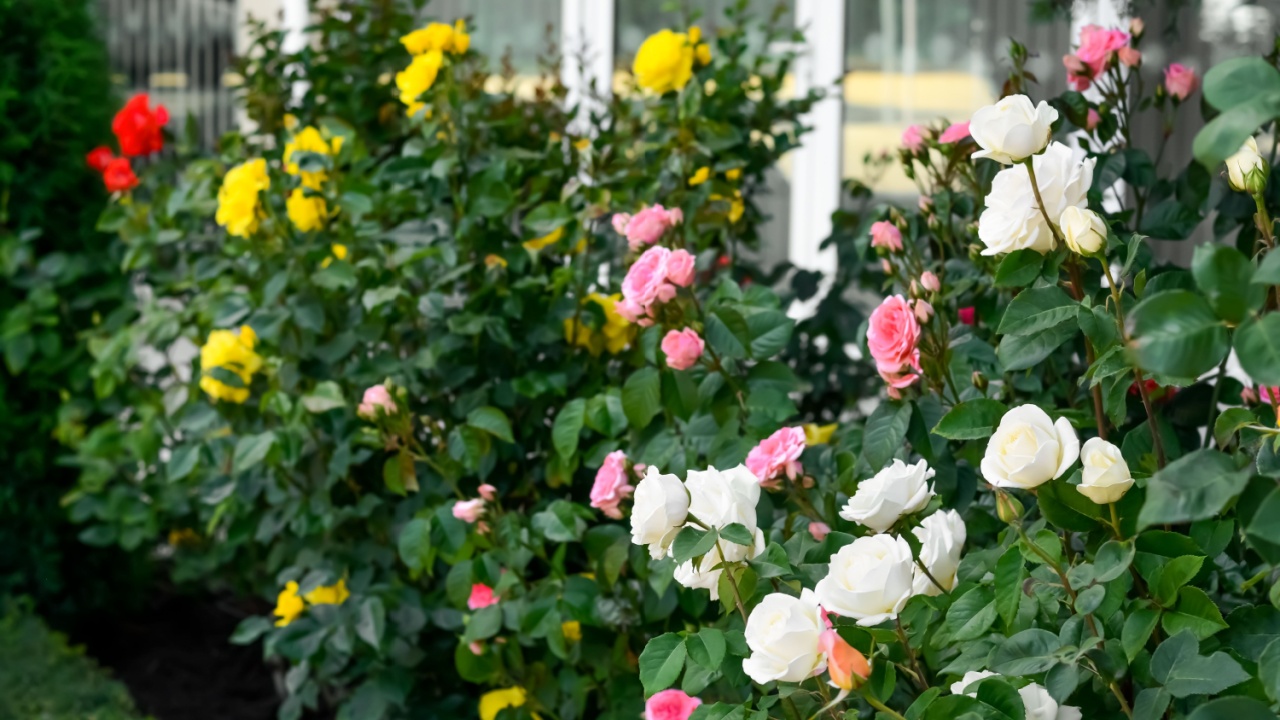
Roses are the quintessential garden flower, celebrated for their stunning blooms and romantic fragrance. However, their needs are deeply rooted in outdoor conditions. They are sun-worshippers, demanding at least six to eight hours of direct, bright sunlight each day—a requirement that is nearly impossible to meet indoors without powerful, specialized grow lights. They also need excellent air circulation to prevent common fungal diseases like powdery mildew and black spot, which can run rampant in the stagnant air of a home.
For those who love the look of roses indoors, your best option is a fresh-cut bouquet from your garden or local florist. If you are set on trying to grow them in a pot, choose a miniature variety, place it in the sunniest south-facing window you have, and consider supplementing with a grow light. Be prepared for a constant battle against pests like spider mites, which are drawn to indoor roses.
- Sunlight: Full, direct sun (6-8+ hours)
- Water: Keep soil consistently moist, but not waterlogged
- Why it’s difficult: Insufficient light, poor air circulation, and susceptibility to pests and diseases indoors.
- Alternative: Choose a flowering houseplant like an African Violet or Peace Lily.
2. Sunflowers
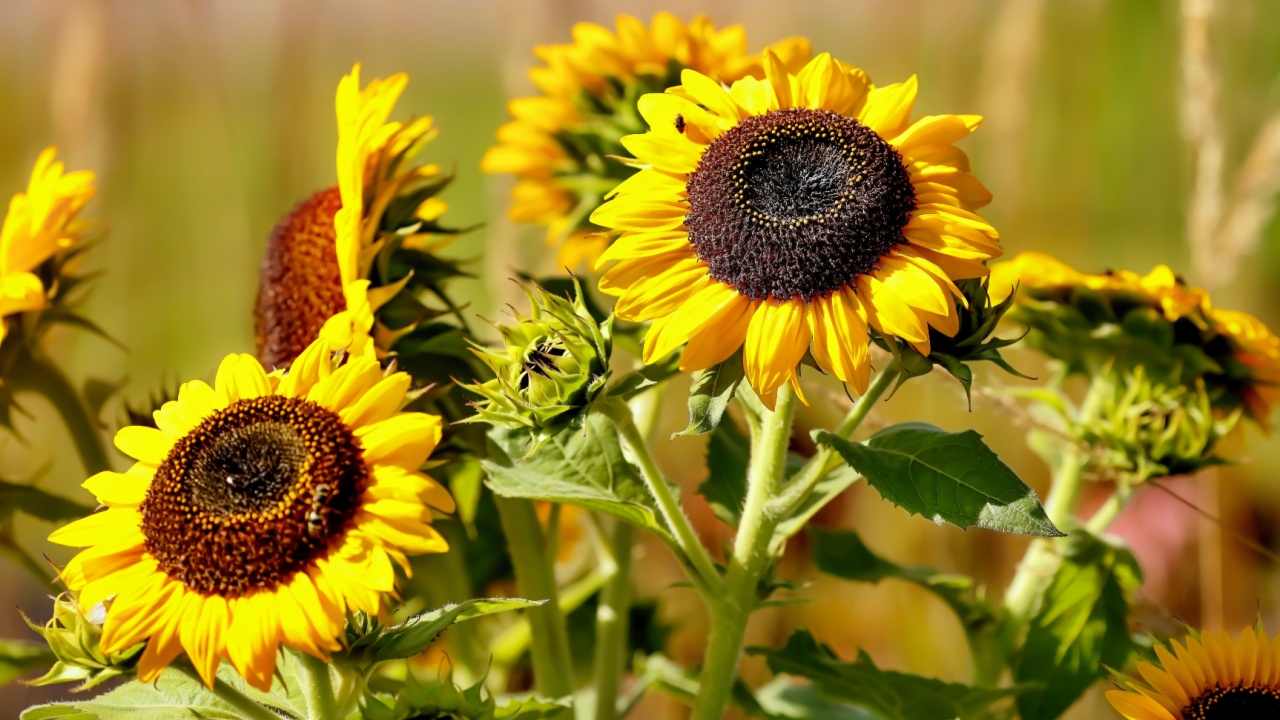
With their towering height and cheerful, sun-facing heads, sunflowers are a dramatic and beloved garden staple. Their name says it all: they need sun , and lots of it. Dwarf varieties might seem like a manageable indoor option, but even these smaller types require more direct sunlight than a windowsill can provide. Without it, they will become “leggy,” with weak, elongated stems that stretch desperately toward the light, and they will likely fail to produce their signature large blooms.
Growing sunflowers is an outdoor activity. They need deep soil for their extensive root systems and the open sky to reach their full potential. If you want to enjoy them inside, the best way is to display a beautiful bouquet of cut sunflowers, which can brighten any room for a week or more.
- Sunlight: Full sun (6-8+ hours)
- Water: Water deeply and regularly, especially during hot weather
- Why it’s difficult: Extreme light requirements cannot be met indoors, leading to weak stems and no flowers. Plus, they like deep roots.
- Alternative: For a splash of yellow, consider a Golden Pothos or a flowering Bromeliad.
3. Lavender
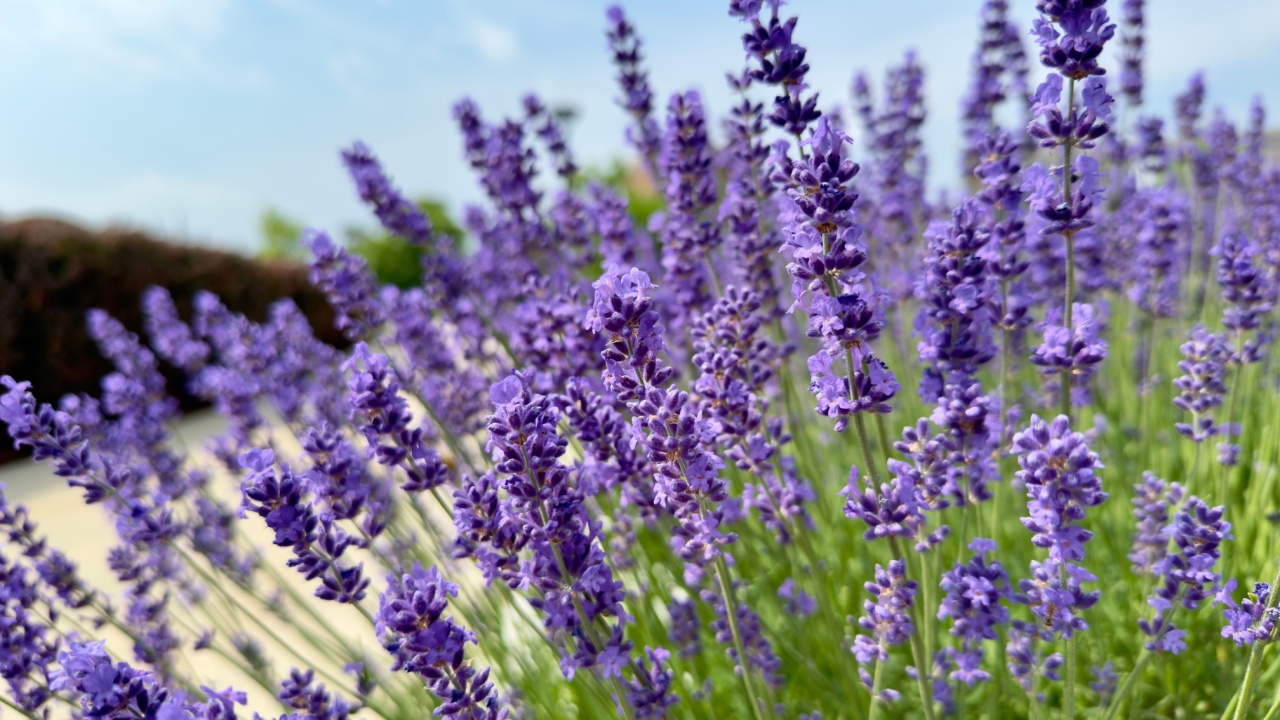
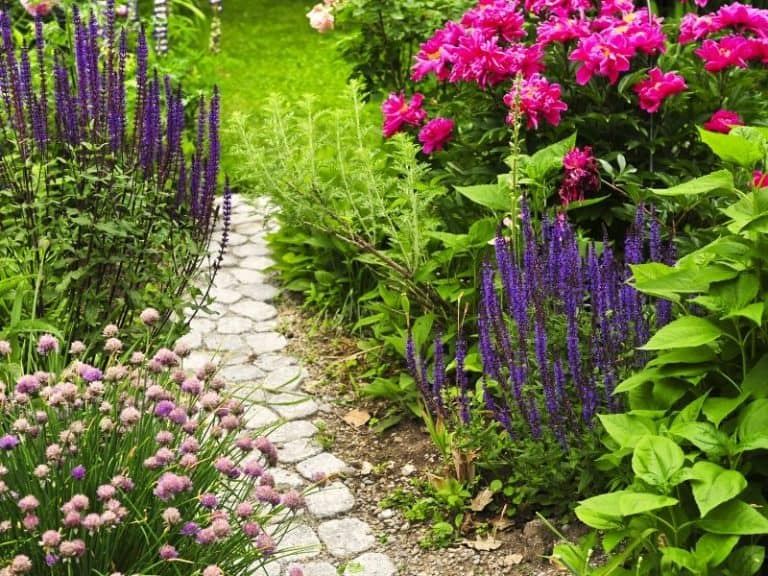
The soothing scent and delicate purple flowers of lavender make it a tempting choice for an indoor herb garden. Unfortunately, lavender is a Mediterranean native that craves conditions most homes can’t replicate. It requires full, intense sunlight for most of the day and thrives in dry, lean soil with excellent drainage. Indoors, it often suffers from insufficient light, and the temptation to overwater in standard potting soil can quickly lead to root rot. It also prefers cool nighttime temperatures, which can be hard to manage in a centrally heated home.
If you want to try, place your lavender in a south-facing window and use a gritty, sandy potting mix (like a cactus mix). Water only when the soil is completely dry to the touch. A more reliable way to enjoy its benefits indoors is to use dried lavender sachets, essential oil diffusers, or fresh-cut stems.
- Sunlight: Full sun (8+ hours)
- Water: Sparingly; allow soil to dry out completely between waterings
- Why it’s difficult: Needs more sun and better air circulation than available indoors; prone to root rot.
- Alternative: Try scented geraniums, which come in various fragrances and are better adapted to indoor life.
4. Boston Ferns
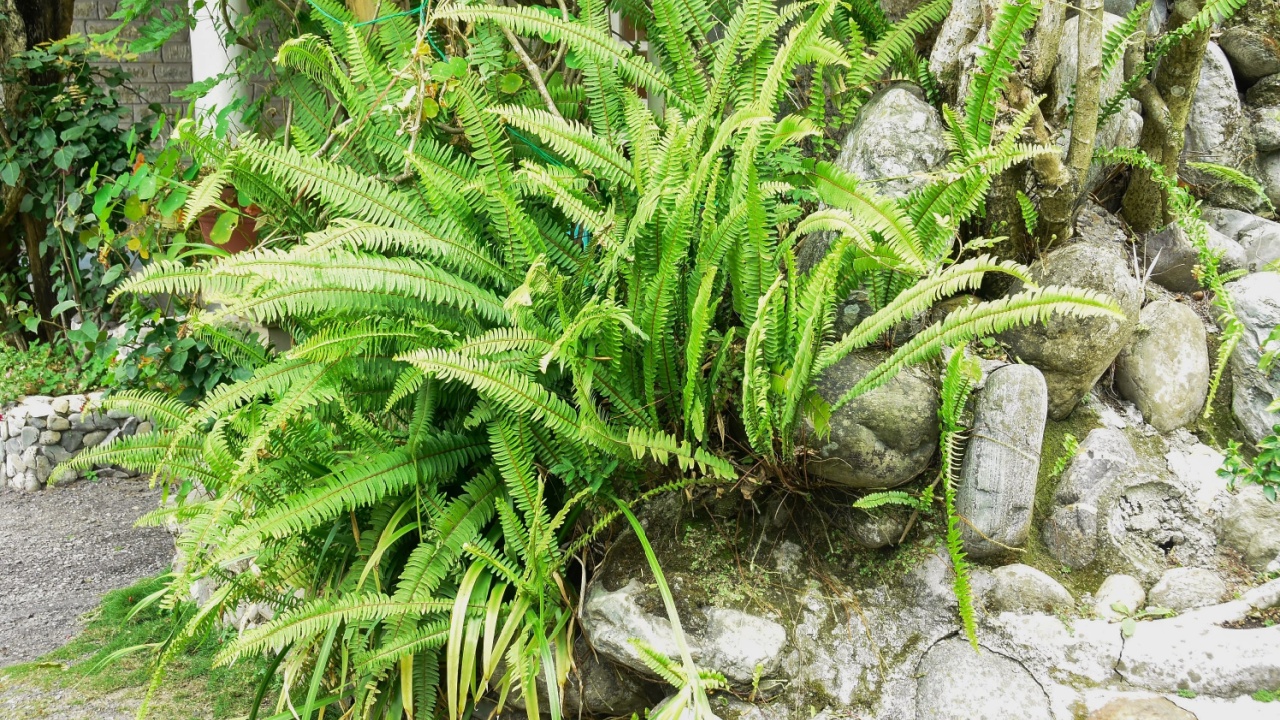
Boston Ferns are famous for their lush, feathery fronds, but they are notoriously finicky indoors. Their primary demand is high humidity—think misty, tropical forest floor. The dry air in most modern homes, especially in winter when heating systems are running, causes their delicate fronds to turn brown, dry out, and shed leaflets everywhere. This creates a constant mess and a perpetually unhappy-looking plant. While they are a popular houseplant, they require a dedicated owner.
To keep a Boston Fern happy inside, you’ll need to place it in a naturally humid area like a bathroom with a window, use a humidifier, or regularly mist the plant. They prefer bright, indirect light and consistently moist soil. If that sounds like too much work, there are hardier fern options available.
- Sunlight: Bright, indirect light
- Humidity: Very high humidity is essential
- Why it’s difficult: Low humidity in homes causes fronds to dry, brown, and drop, creating a mess.
- Alternative: The Bird’s Nest Fern or Rabbit’s Foot Fern is more tolerant of average indoor humidity.
5. Hydrangeas
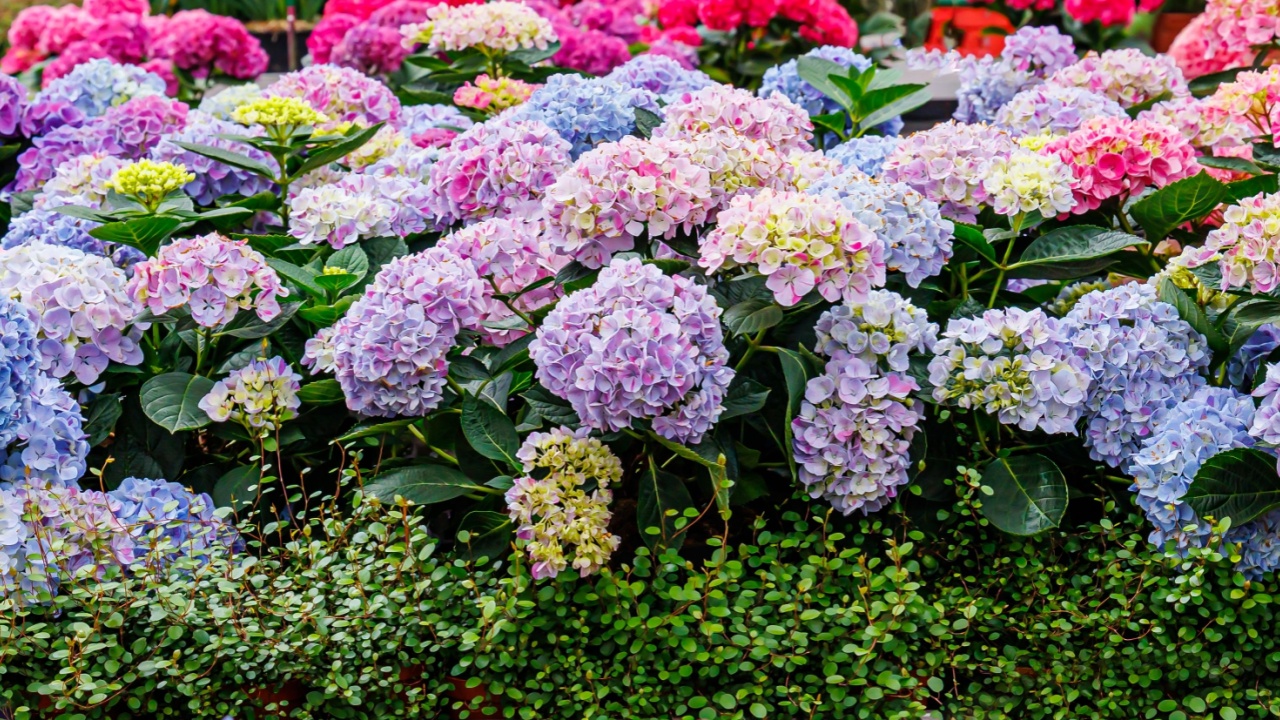
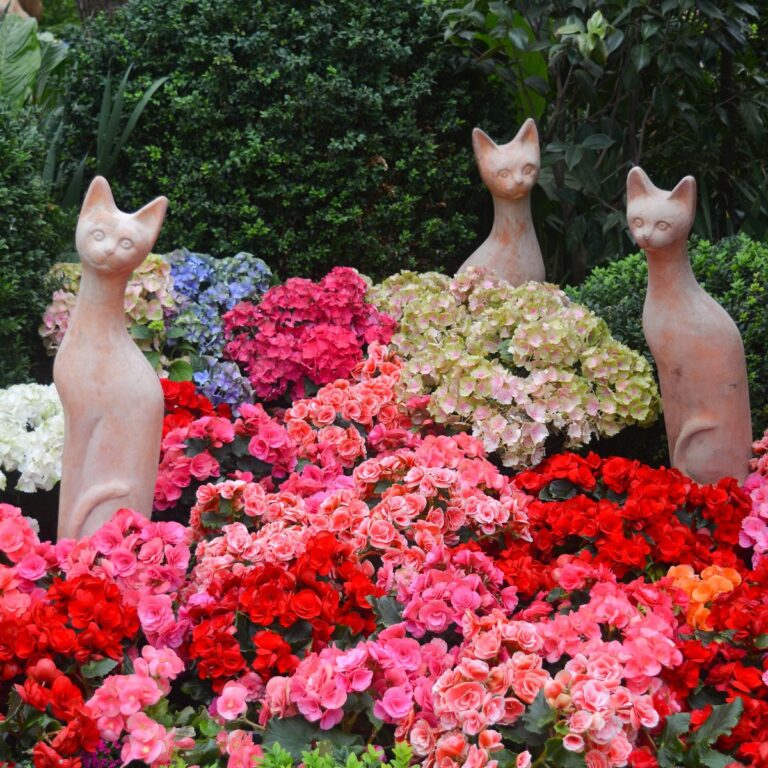
Often sold in decorative pots for holidays like Easter and Mother’s Day, hydrangeas give the impression of being excellent houseplants. In reality, these are outdoor shrubs that have been forced to bloom in a greenhouse and are not meant for long-term indoor living. They require ample sunlight, significant water, and a period of cold dormancy in winter to set buds for the following year.
Indoors, they quickly decline after their initial bloom, and it is very difficult to get them to re-flower. The best approach is to treat a potted hydrangea as a temporary floral display. Enjoy its beautiful blooms, and once they have faded, plant it outdoors in your garden in the spring or fall. There, it can establish itself and reward you with yearly flowers.
- Sunlight: Morning sun and afternoon shade (outdoors)
- Water: They are very thirsty plants; keep the soil consistently moist
- Why it’s difficult: They are woody shrubs that need outdoor conditions and a cold dormancy period to thrive and re-bloom.
- Alternative: For large, showy blooms indoors, look to Amaryllis bulbs or Rieger Begonias.
6. Rosemary
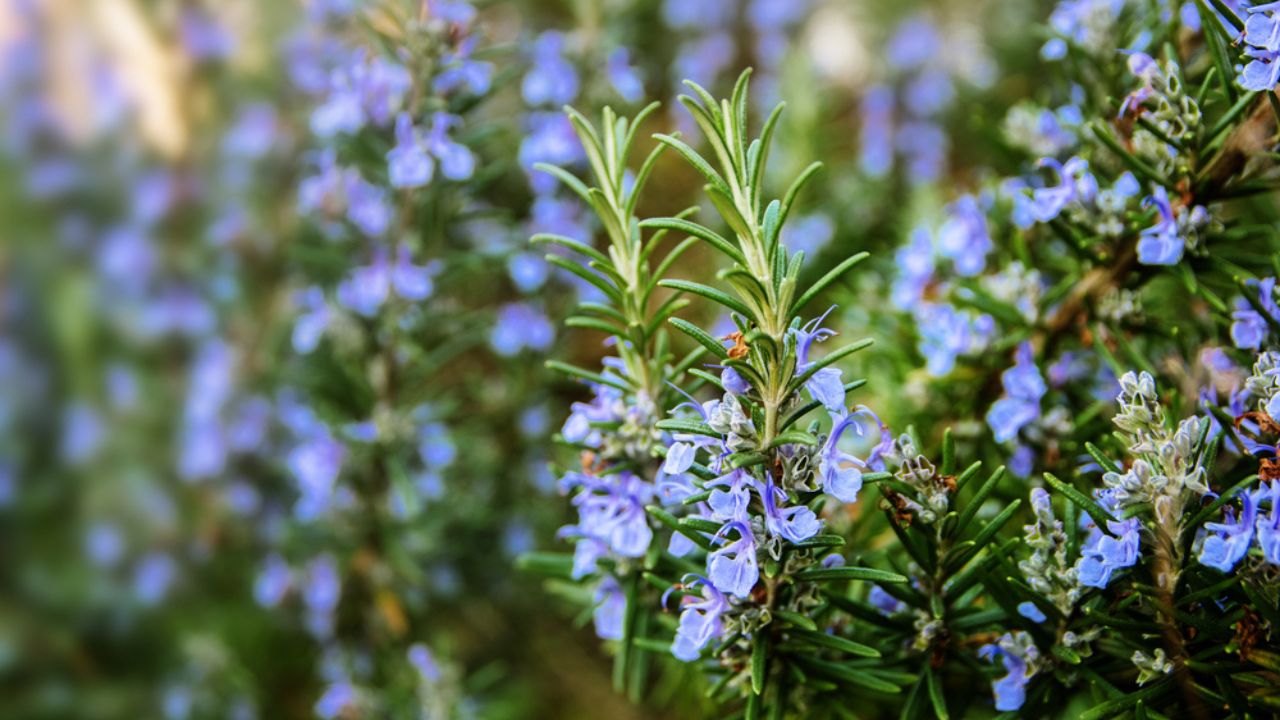
Similar to lavender, rosemary is another Mediterranean herb that struggles indoors. Its love for bright sun, excellent air circulation, and dry conditions makes it a poor match for the average home. Indoors, rosemary is highly susceptible to powdery mildew, a fungal disease that thrives in the still air. It also tends to become weak and spindly without enough direct sunlight, losing its signature robust flavor and aroma.
Many gardeners have tried and failed to keep a grocery store rosemary pot alive on their kitchen counter. For success, you would need to provide at least six hours of direct sun daily and be careful not to overwater. A better plan is to grow rosemary in a pot outdoors on a sunny patio or balcony, bringing it inside only to protect it from the harshest winter freezes.
- Sunlight: Full sun (6-8+ hours)
- Water: Allow soil to dry out between waterings
- Why it’s difficult: Prone to powdery mildew from poor air circulation and needs more sun than is typically available.
- Alternative: Bay laurel (Laurus nobilis) can be grown indoors and provides aromatic leaves for cooking.
7. Gardenias
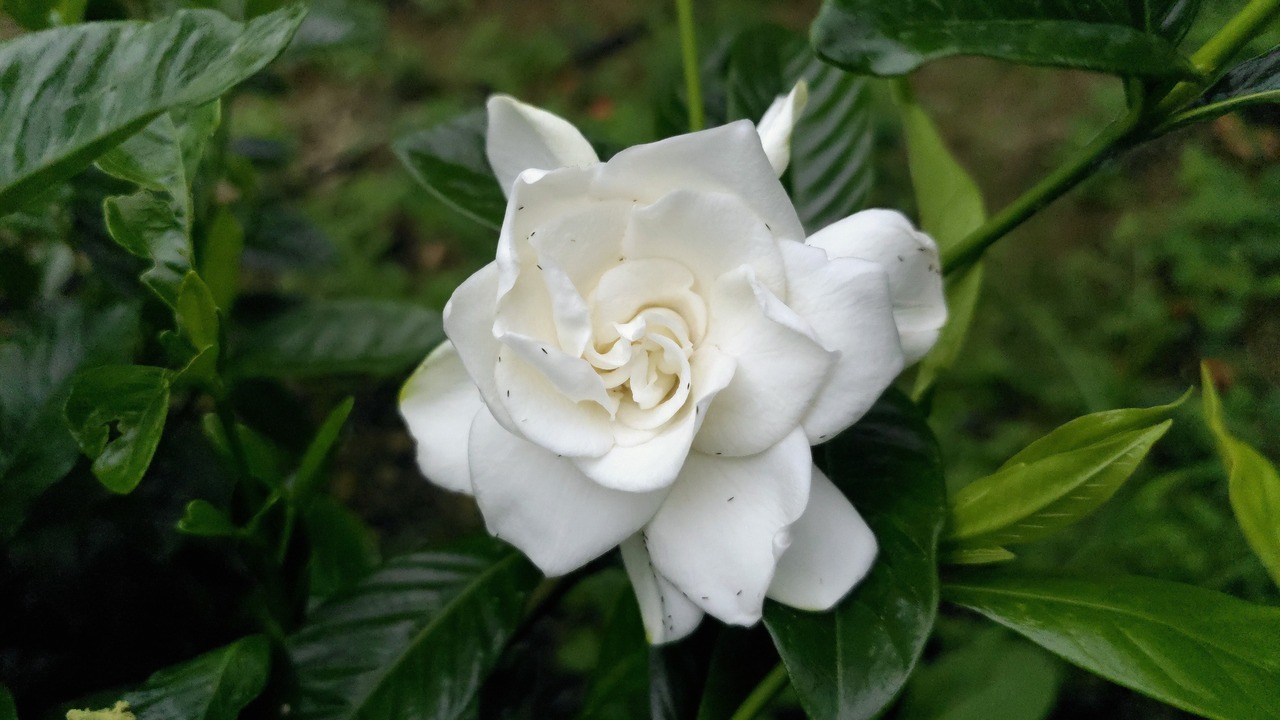
Gardenias are prized for their intoxicatingly fragrant, creamy white blossoms and glossy, dark green leaves. They are also notoriously difficult to care for, even for experienced gardeners. Indoors, their needs are magnified. They demand high humidity, bright but not direct sun, specific acidic soil, and consistent temperatures. They are also prone to dropping their flower buds if any of their conditions are not met perfectly.
Furthermore, gardenias are magnets for pests like spider mites, aphids, and mealybugs, which can quickly infest the plant and spread to other houseplants. Unless you are willing to create a greenhouse-like environment with humidifiers and a strict care regimen, it’s best to admire gardenias as a landscape shrub in warmer climates.
- Sunlight: Bright, indirect light
- Humidity: High humidity is critical
- Why it’s difficult: Extremely finicky about humidity, light, and temperature; a major pest magnet.
- Alternative: Jasmine varieties like Jasminum polyanthum can provide fragrance and are slightly easier to manage indoors.
8. Colocasia (Elephant Ear)
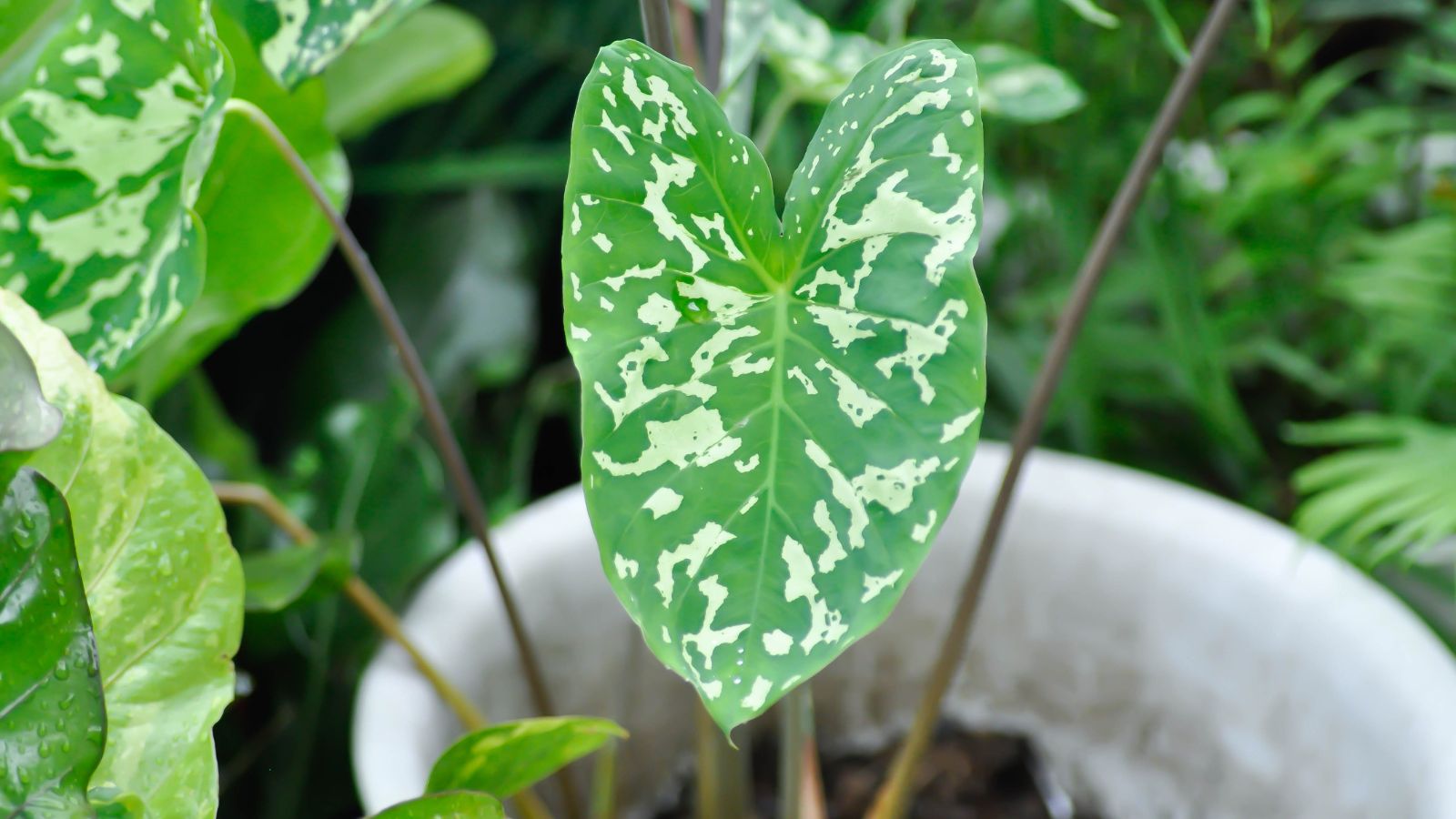
With their gigantic, heart-shaped leaves, Colocasia plants, also known as Elephant Ears, make a stunning tropical statement. These plants are native to marshy, humid environments and have needs that reflect their origins. They require bright light, consistently wet soil, and very high humidity to flourish. They can grow very large, very quickly, easily outgrowing their space indoors. Indoors, it is a constant struggle to provide enough water and humidity to keep the leaves from developing brown, crispy edges. They also go through a dormant period in the winter, where they may die back completely, which can be alarming for an unsuspecting owner. These are best grown outdoors near a pond or in a large container that can be kept well-watered.
- Sunlight: Bright light
- Water: Needs consistently moist to wet soil
- Why it’s difficult: Requires very high humidity and water levels that are hard to maintain; gets very large.
- Alternative: The smaller Alocasia Polly has a similar look but is more manageable in size for indoor growing.
9. Banana Trees
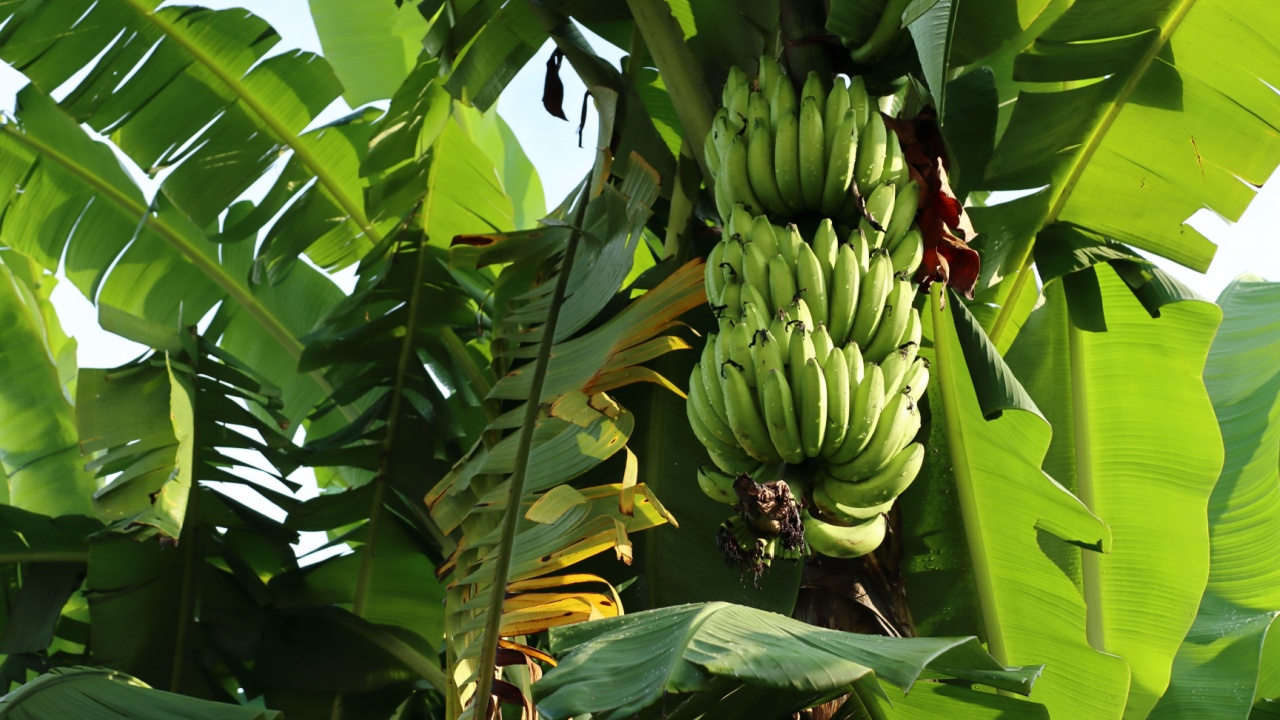
The idea of growing your own bananas is exciting, but a banana tree is not a practical houseplant. Even dwarf varieties need a tremendous amount of light, heat, and space to grow, let alone produce fruit. They are incredibly fast growers that can quickly hit the ceiling in a standard room. Their large leaves require high humidity to stay lush and green. Most homes simply cannot provide the combination of 12 hours of bright light, consistent warmth, and jungle-like humidity that a banana tree needs. They are better suited for large, sunny atriums or greenhouses. If you love the tropical look, there are other plants that can provide it without the demanding requirements.
- Sunlight: Full, direct sun (8-12 hours)
- Water: Very thirsty; keep soil consistently moist
- Why it’s difficult: Requires intense light, high heat, high humidity, and grows too large for most homes.
- Alternative: A Bird of Paradise (Strelitzia nicolai) offers a similar large-leaf, tropical vibe and is a proven indoor performer.
10. Oleander
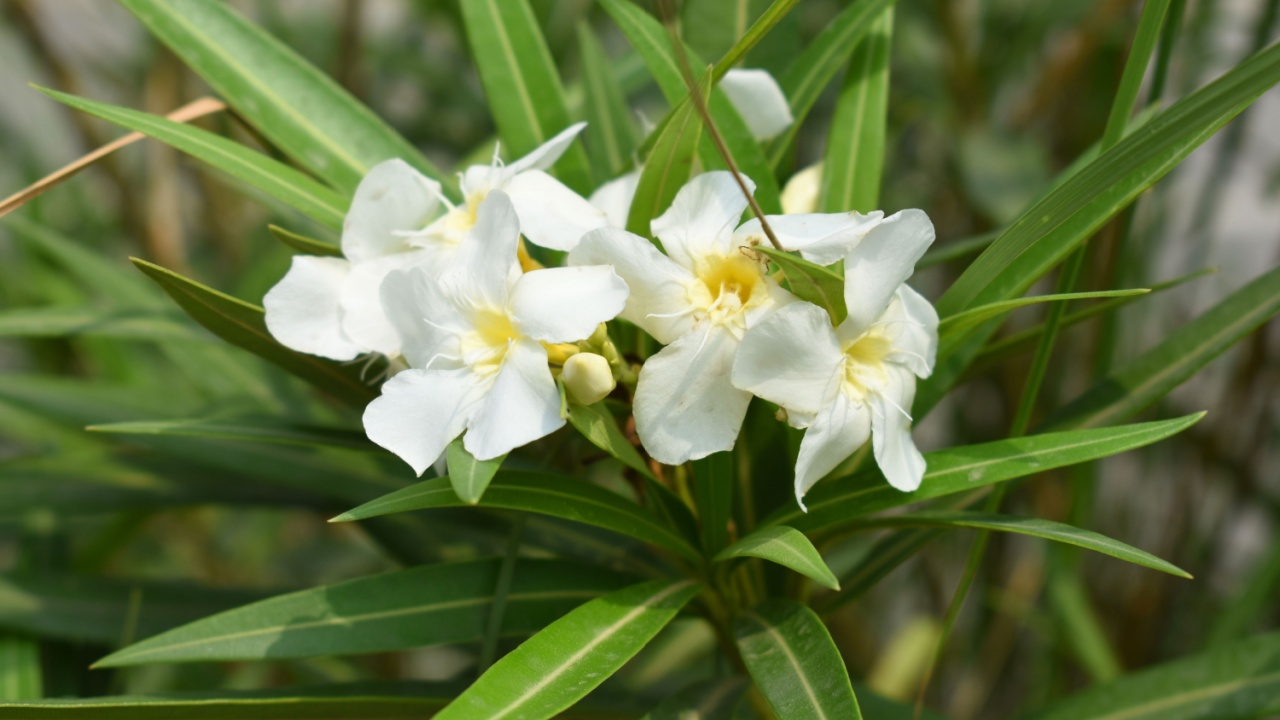
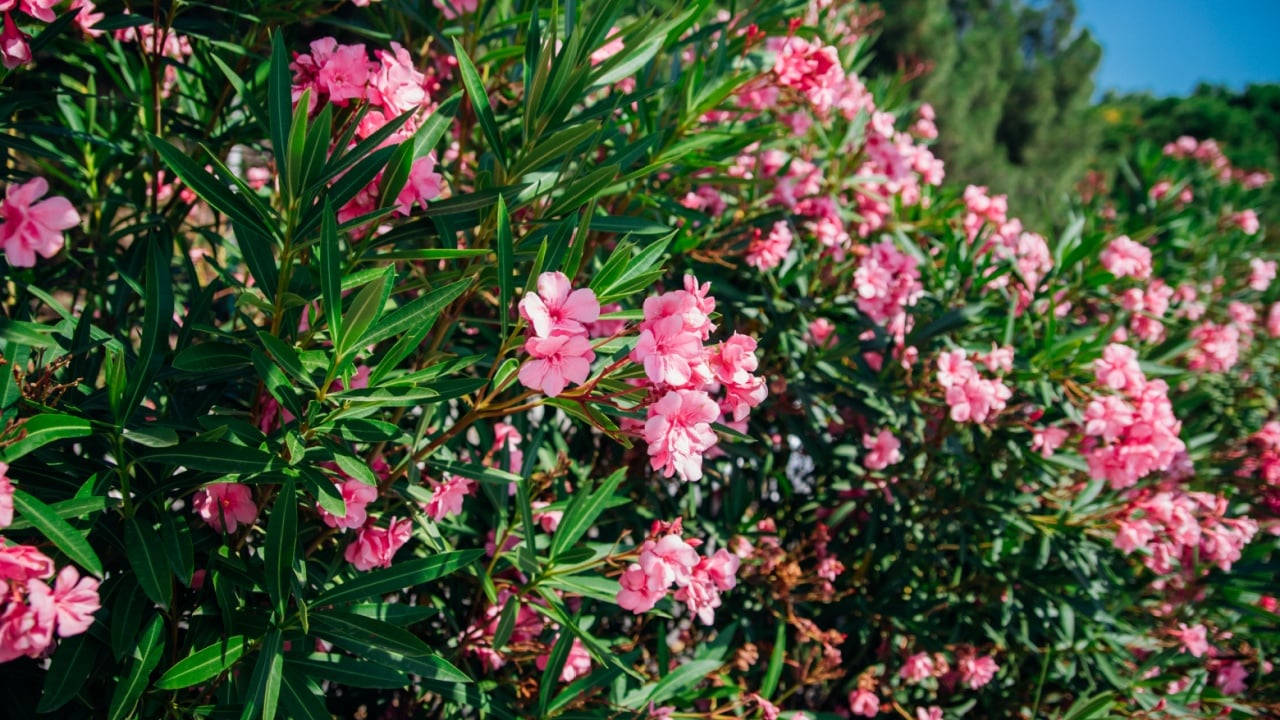
Oleander is a beautiful flowering shrub known for its drought tolerance and prolific blooms in shades of pink, white, and red. However, every part of the oleander plant is extremely toxic. Ingesting even a small amount can be dangerous for people and pets, causing serious heart problems. Bringing a plant this poisonous into a home, especially one with curious children or animals, is an unnecessary risk. Beyond its toxicity, oleander needs full sun to bloom well and can become quite large. It is a wonderful, low-maintenance landscape plant for sunny, dry climates, where its toxicity is less of a direct threat. For indoor safety, it’s best to choose non-toxic alternatives.
- Sunlight: Full sun
- Water: Drought-tolerant once established outdoors
- Why it’s difficult: Highly toxic, making it a significant safety risk for homes with children or pets.
- Alternative: Hibiscus plants offer large, colorful blooms and are safe to grow indoors.
11. Chrysanthemums
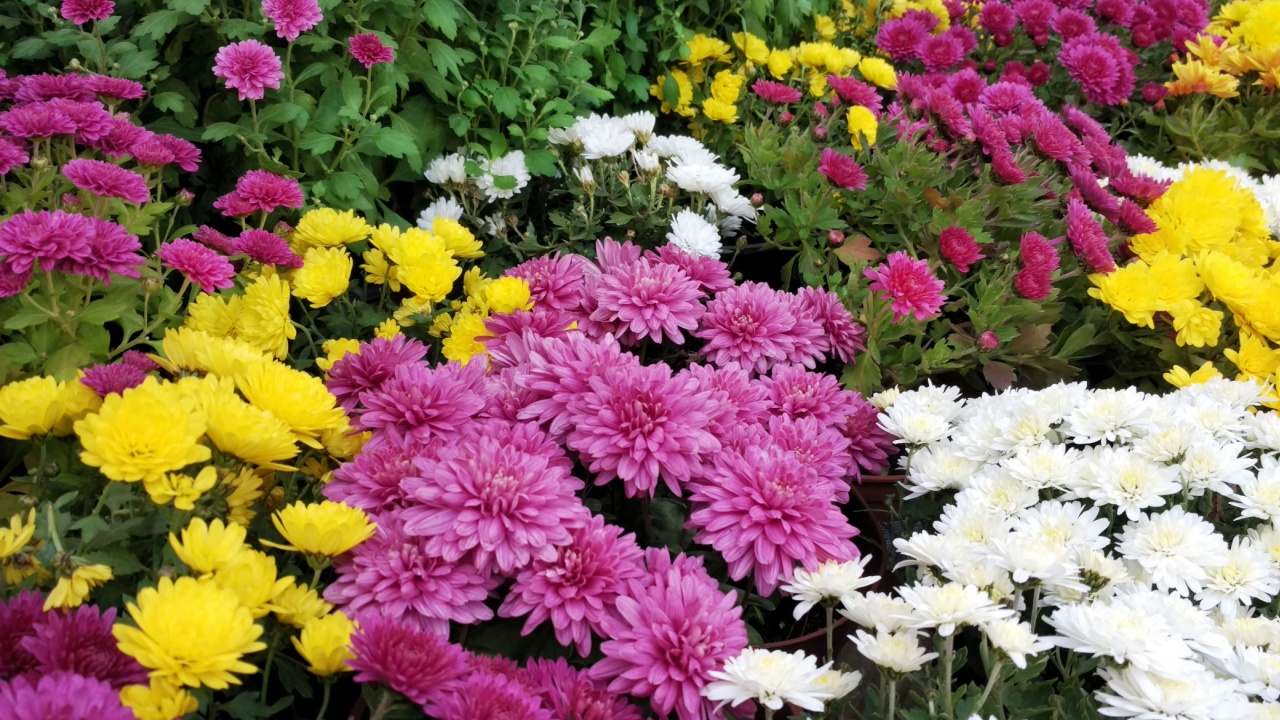
Often sold as colorful potted plants in the fall, chrysanthemums (or “mums”) are best thought of as temporary indoor decor. These plants are perennials that are meant to live outdoors. They are photoperiodic, meaning they set their flower buds in response to the shortening days and cooler temperatures of autumn. It is nearly impossible to mimic these conditions indoors to get them to re-bloom.
After their flowers fade, indoor mums typically look straggly and unwell. Your best bet is to enjoy them while they last and then add them to your compost pile. If you buy a hardy garden mum (not a florist mum), you can plant it outside in the fall to enjoy for years to come.
- Sunlight: Full sun
- Water: Keep soil evenly moist
- Why it’s difficult: Requires specific day-length and temperature cues to bloom, which cannot be replicated indoors.
- Alternative: For long-lasting indoor color, consider Kalanchoe or Gerbera Daisies (though the latter can also be tricky).
12. Venus Flytraps
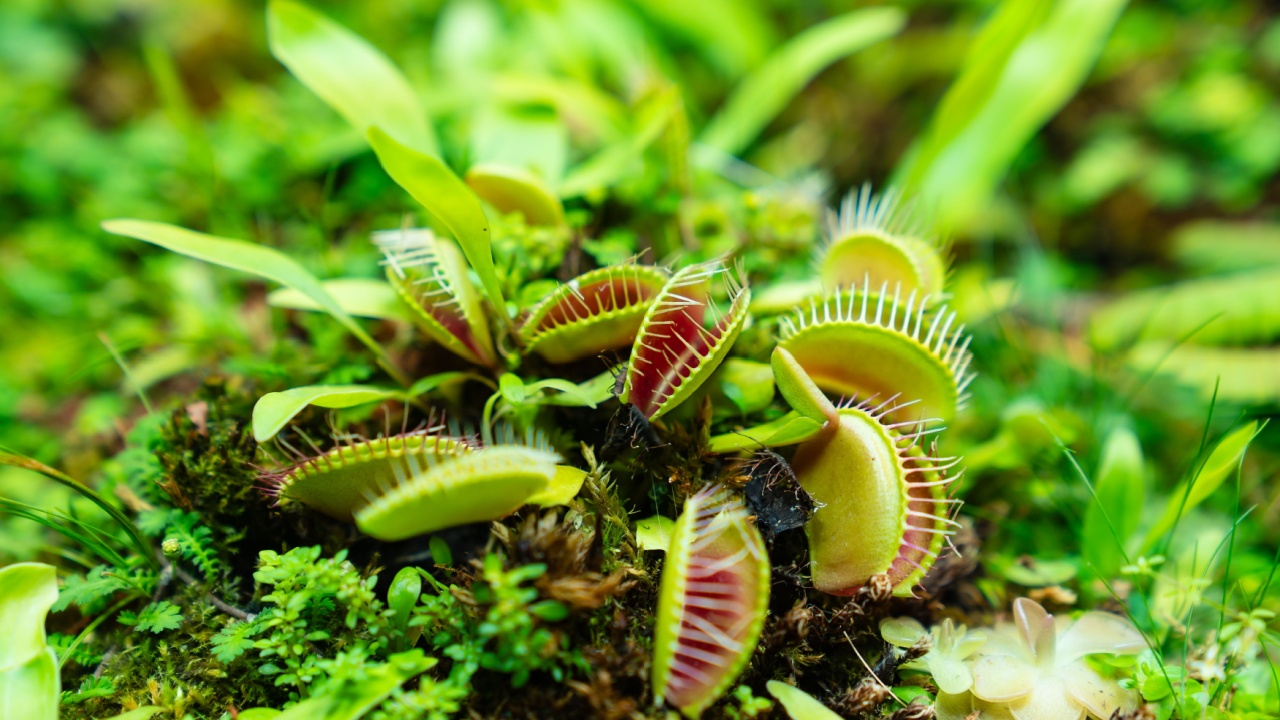
This fascinating carnivorous plant captures the imagination, but it is a terrible houseplant. Venus flytraps are native to the nutrient-poor bogs of the Carolinas and have very specific needs. They require full, direct sunlight, high humidity, and mineral-free water (distilled or rainwater only). Tap water will kill them over time. Most importantly, they need a cold winter dormancy period for 3-4 months to survive long-term. Without this chilling period, they will weaken and die.
Replicating these bog-like conditions indoors is extremely difficult. They are best grown outdoors in a container, bog garden, or in a dedicated terrarium where their unique needs can be met. Forcing them to live on a windowsill is usually a death sentence.
- Sunlight: Full, direct sun
- Water: Use only distilled, reverse osmosis, or rainwater; keep soil wet
- Why it’s difficult: Requires mandatory winter dormancy, high humidity, and mineral-free water.
- Alternative: If you want a carnivorous plant, pitcher plants (Nepenthes) are often more adaptable to indoor conditions.
13. Begonias

This is a broad category, and while some begonias (like many Rex or Cane types) make wonderful houseplants, the popular tuberous begonias known for their massive, rose-like flowers do not. These types are grown for spectacular summer blooms outdoors in shady spots. They need high humidity, excellent air circulation to prevent fungal diseases, and a winter dormancy period where their tuber is stored in a cool, dry place. They are simply not suited for year-round indoor culture.
If you bring a potted tuberous begonia inside, expect it to decline as it enters its natural dormancy. The best way to enjoy these is in outdoor hanging baskets and containers during the summer.
- Sunlight: Bright, indirect light or shade (outdoors)
- Humidity: Prefers high humidity
- Why it’s difficult: Tuberous varieties need a dormant period and are prone to rot and mildew in indoor conditions.
- Alternative: Angel Wing Begonias or Rex Begonias are grown for their foliage and thrive indoors.
14. Majesty Palms
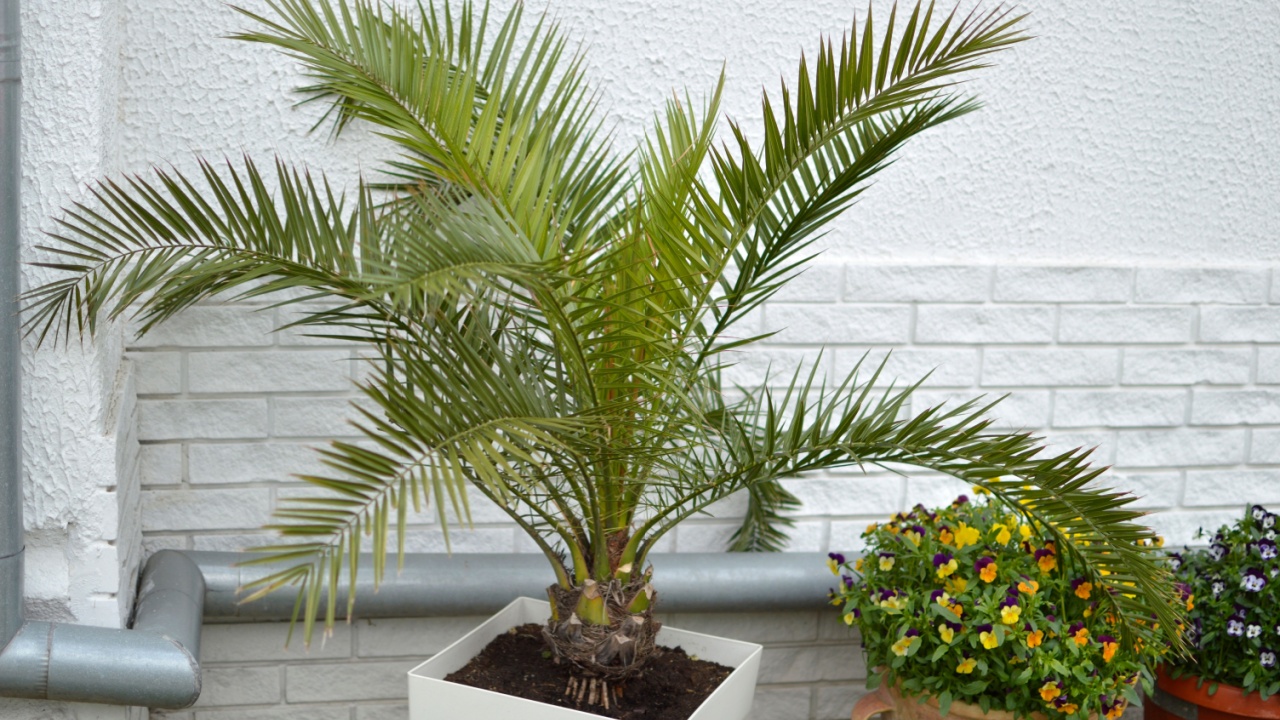
The Majesty Palm (Ravenea rivularis) is widely sold as an inexpensive, elegant houseplant, but it has a dismal survival rate indoors. In its native habitat in Madagascar, it grows along riverbanks in full sun. This means it needs very bright light, high humidity, and consistently moist soil. In the average home, it is starved for light and humidity. This leads to yellowing fronds, slow growth, and an eventual, drawn-out decline. They are also highly susceptible to spider mites.
Many indoor gardeners end up in a frustrating cycle of buying a Majesty Palm, watching it slowly die over a year, and then replacing it. There are far better palm choices for your home.
- Sunlight: Bright light (ideally direct sun)
- Water: Keep soil consistently moist
- Why it’s difficult: Needs more light, water, and humidity than most homes can provide, leading to a slow decline.
- Alternative: The Kentia Palm or Parlor Palm is much more tolerant of lower light and average indoor conditions.
15. Fiddle Leaf Figs
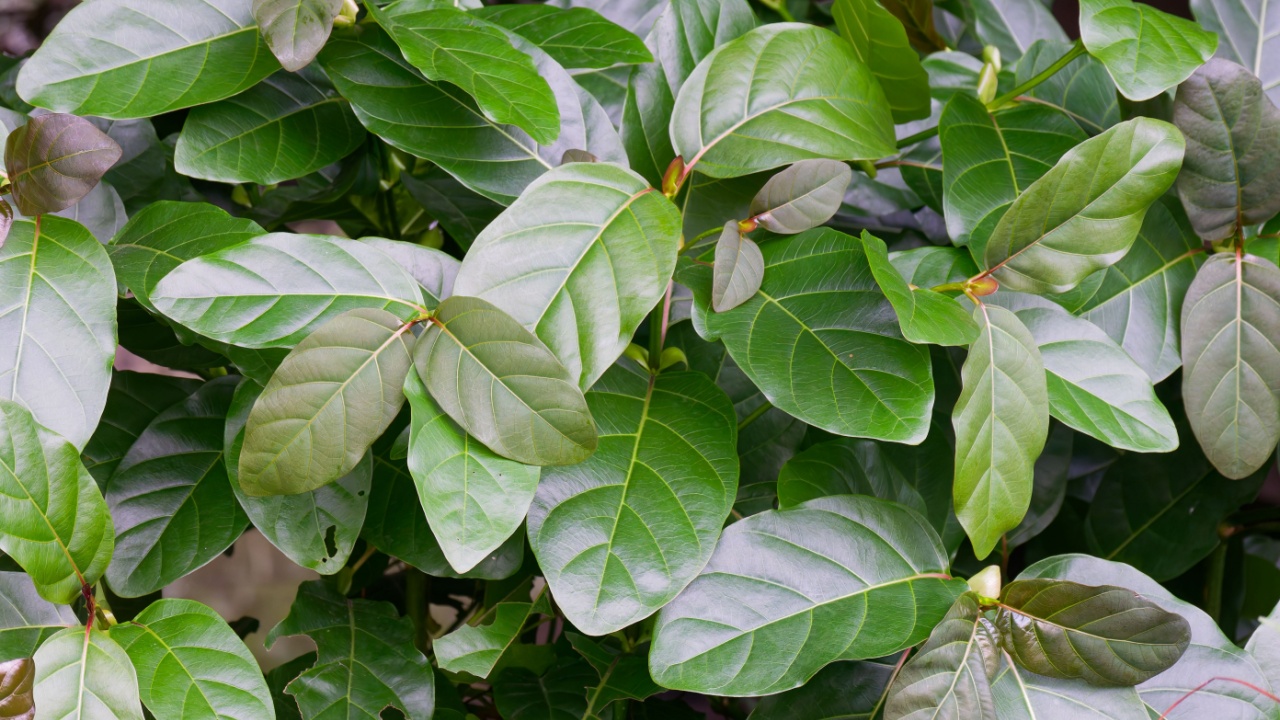
The Fiddle Leaf Fig (Ficus lyrata) is an interesting case. It has been the “it” houseplant for years and can absolutely be grown indoors. However, it is included on this list because it is incredibly unforgiving and difficult for beginners. These trees are drama queens; they hate being moved, they demand bright, consistent, indirect light, and they are finicky about watering. Any deviation from their ideal conditions can result in sudden, dramatic leaf drop.
If you are a novice gardener or have a low-light home, this plant will cause you nothing but stress. It requires a commitment to learning its specific needs and providing a stable environment. For experienced plant parents in the right setting, it can be a stunning success, but for many, it’s a frustrating failure.
- Sunlight: Bright, indirect light
- Water: Water thoroughly when the top few inches of soil are dry; very sensitive to overwatering
- Why it’s difficult: Extremely sensitive to changes in its environment, leading to leaf drop. Not for beginners.
- Alternative: The Ficus ‘Audrey’ (Ficus benghalensis) has a similar look but is much more forgiving.
16. Cacti
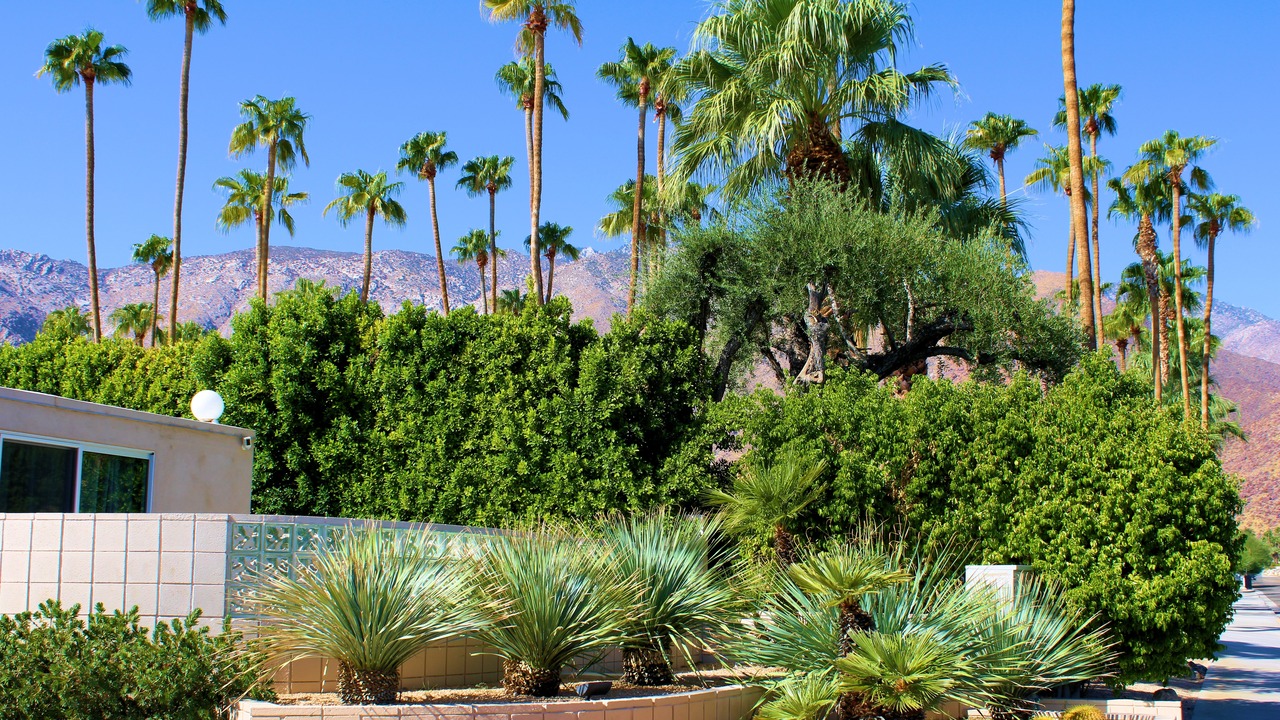
Like the Fiddle Leaf Fig, cacti can be grown indoors, but they are widely misunderstood. People assume they are easy, “no-care” plants. The reality is that most desert cacti require an immense amount of direct sunlight—far more than even a bright south-facing window can offer.
Without sufficient light, they will etiolate, meaning they will grow thin, pale, and stretched out as they search for sun. They also require a “boom and bust” watering cycle and a cool, dry winter rest to encourage blooming. While some jungle cacti (like Christmas Cactus) are great houseplants, the classic desert cacti will slowly lose their compact shape and fail to thrive without intense light. They are truly happiest in a sunny outdoor rock garden or on a sun-drenched balcony.
- Sunlight: Full, direct sun (6-8+ hours)
- Water: Water deeply, then allow to dry out completely. Water very little in winter.
- Why it’s difficult: They need more direct sun than almost any other houseplant to maintain their shape and health.
- Alternative: Snake Plants and ZZ Plants offer a sculptural, low-water alternative that thrives in lower light.
17. Bonsai
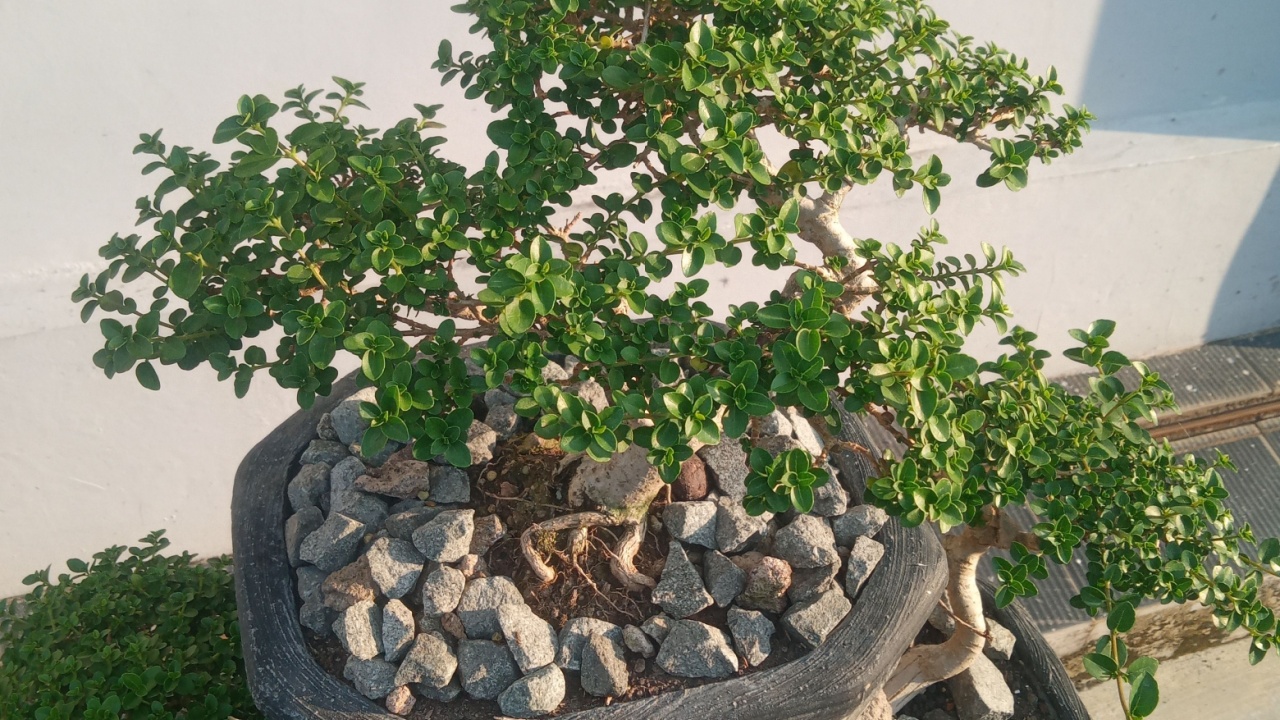
The art of bonsai is the practice of growing and shaping a miniature tree in a container. The keyword is “tree.” Most species used for traditional bonsai—like junipers, maples, and pines—are temperate outdoor trees that require a period of cold winter dormancy to survive.
Bringing a juniper bonsai indoors for the winter will kill it. It needs to experience the seasons. While some tropical species can be grown as “indoor bonsai,” the practice itself is extremely demanding. It requires years of dedication to learn the techniques of wiring, pruning, and repotting. It is not a simple decorative plant but a serious, time-consuming horticultural hobby. Buying a “mall bonsai” without understanding its needs is setting it up for failure.
- Sunlight: Varies by species, but most need bright light or full sun
- Care: Requires specialized, intensive care and training
- Why it’s difficult: Most are outdoor trees that need winter dormancy. The art form itself is very high-maintenance.
- Alternative: A well-pruned Ficus ginseng offers a similar aesthetic with standard houseplant care.
18. Ivy

English Ivy (Hedera helix) is often sold as a trailing houseplant, but it is an aggressive, invasive vine that is much happier climbing up the side of a building. Indoors, it is a magnet for spider mites. These tiny pests thrive in the warm, dry air of homes and can quickly create a massive infestation that is very difficult to eradicate, spreading to all of a person’s other plants.
While ivy can survive indoors, it’s a constant battle to keep it pest-free and looking its best. There are many other trailing plants that offer a similar look with a fraction of the pest problems. If you must grow it, keep it isolated and inspect it for pests weekly.
- Sunlight: Bright, indirect light
- Pests: Extremely prone to spider mites
- Why it’s difficult: It’s a major pest magnet, specifically for spider mites.
- Alternative: Pothos or Philodendron are hardy, fast-growing vining plants that are much less susceptible to pests.
19. Daisies
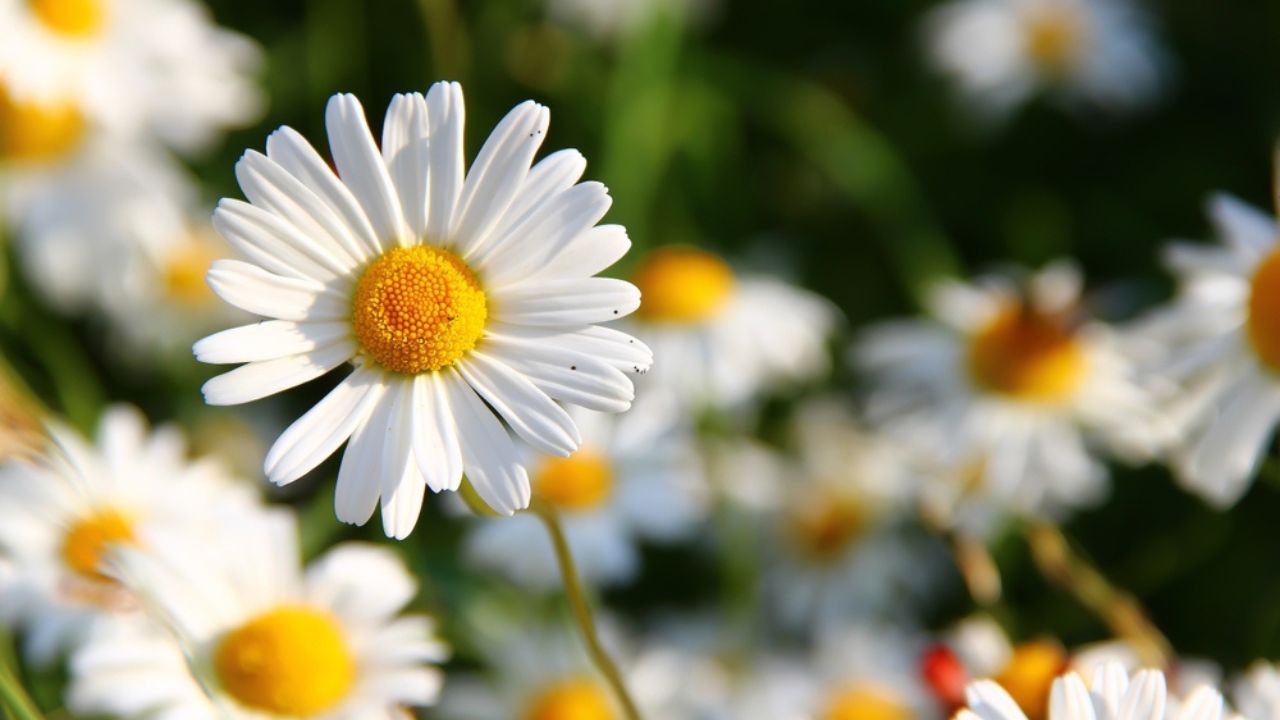
Simple, cheerful daisies are a delight in a wildflower meadow or a cottage garden, but they make poor houseplants. Like sunflowers, they are sun-lovers that need lots of bright light to produce blooms. They are also typically grown as annuals or short-lived perennials outdoors and do not have a growth habit suited to long-term indoor cultivation. Furthermore, their pollen can be a major irritant for allergy sufferers when confined to an indoor space.
Enjoy daisies as cut flowers in a vase. Trying to keep a potted Shasta or Gerbera daisy alive and re-blooming indoors is a challenge that rarely ends in success.
- Sunlight: Full sun
- Water: Keep soil evenly moist
- Why it’s difficult: Insufficient light prevents blooming, and they can trigger allergies indoors.
- Alternative: Flowering Kalanchoe offers clusters of long-lasting, colorful flowers and is easy to care for indoors.
20. Ficus benjamina (Weeping Fig)
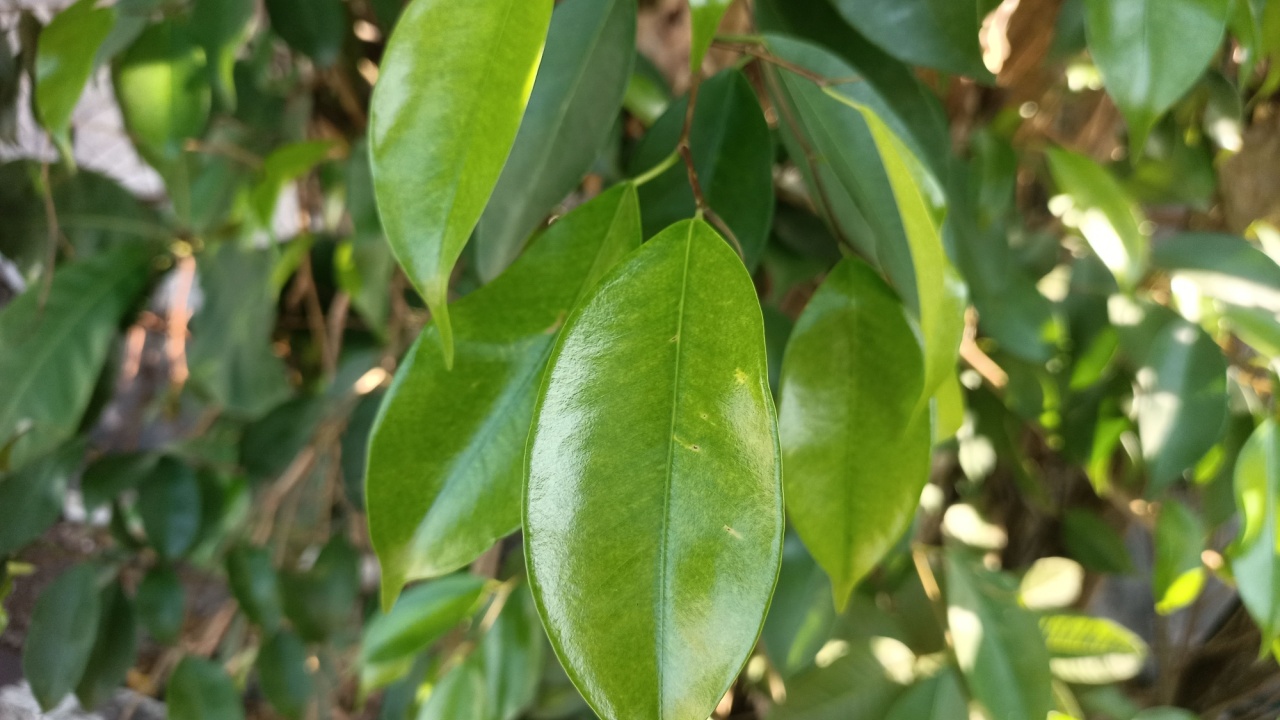
The Weeping Fig is a classic houseplant that has been popular for decades. So why is it on this list? Like its cousin, the Fiddle Leaf Fig, it is notoriously finicky. Its common name, “weeping fig,” could easily refer to the tears of its owner after it drops half its leaves overnight. These trees are extremely sensitive to change. Moving them to a new spot, changes in light, or slight variations in watering can trigger dramatic leaf loss. While they can be beautiful when happy, their temperamental nature makes them a frustrating choice for many. They demand consistency in all aspects of their care. If you want a large indoor tree without the drama, there are more reliable options.
- Sunlight: Bright, indirect light
- Water: Keep soil lightly moist; hates wet feet
- Why it’s difficult: It famously drops leaves in response to any change in its environment.
- Alternative: The Dragon Tree (Dracaena marginata) or the Rubber Plant (Ficus elastica) are much more stable and forgiving large plants.
21. Mint
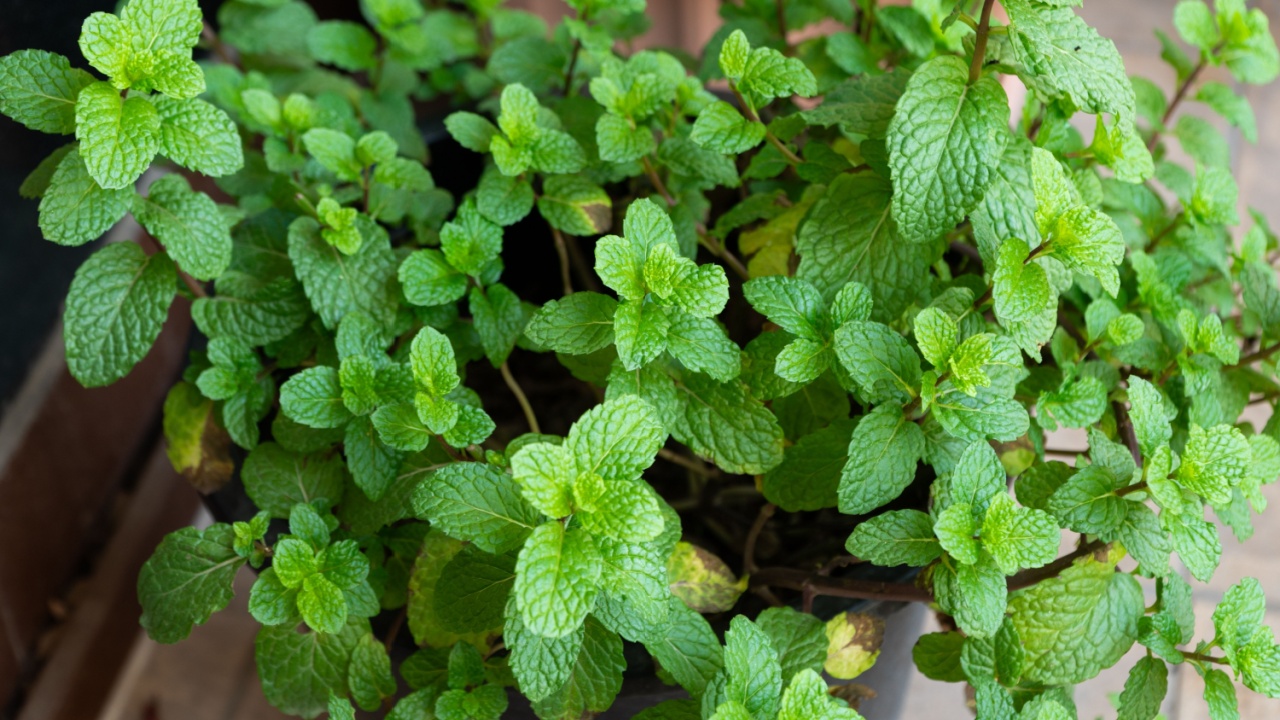
Mint seems like the perfect herb for a kitchen windowsill—it’s delicious, aromatic, and grows quickly. Too quickly, in fact. Mint is an incredibly aggressive spreader. Its runners will rapidly fill a pot, choking itself out and becoming leggy and weak. It also prefers more sun than a typical kitchen window provides.
While you can grow it indoors for a short time, you will find it needs to be divided and repotted constantly to stay healthy. The best way to grow mint is to confine it to a pot outdoors. This contains its aggressive roots while giving it the sun it craves. You can then snip fresh leaves as needed to bring inside.
- Sunlight: Full sun to partial shade
- Water: Keep soil consistently moist
- Why it’s difficult: It grows too aggressively for a small pot and quickly becomes root-bound and unhealthy indoors.
- Alternative: Basil is another aromatic herb that is generally better behaved in an indoor pot.
Which Plants to Place in Your Indoor Garden
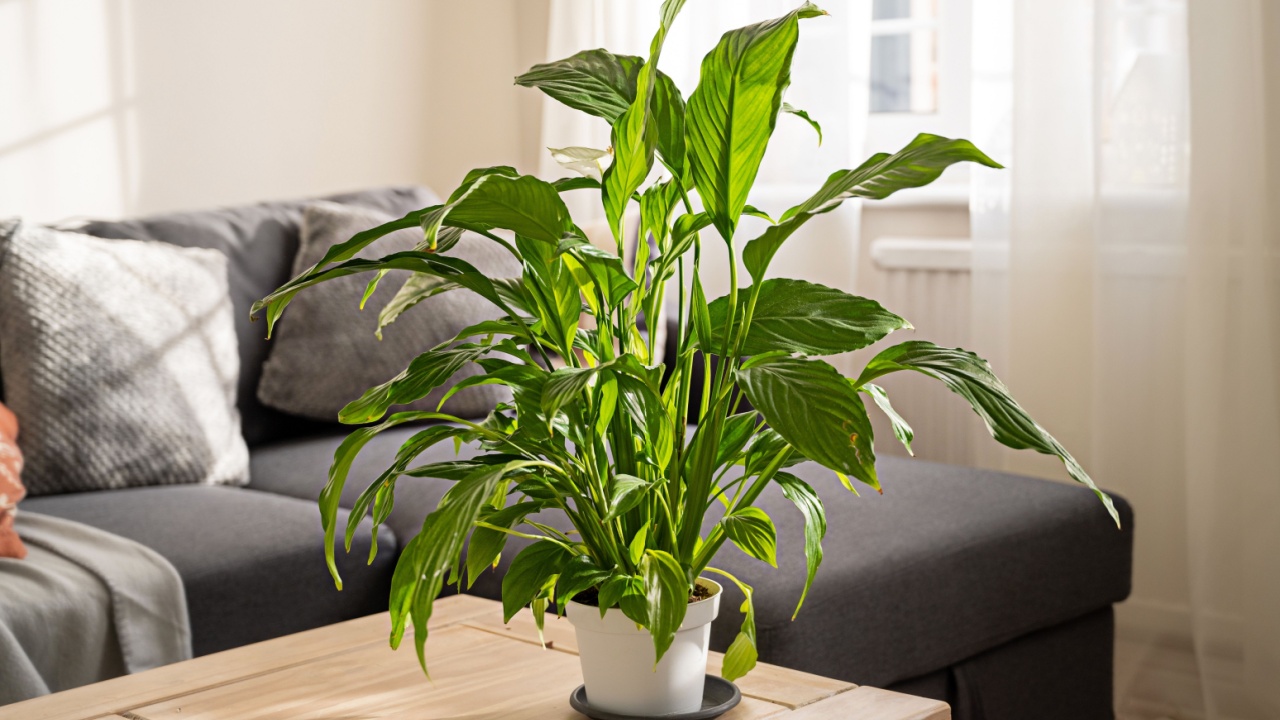
Choosing the right plant for the right place is the most important step toward creating a thriving indoor garden. Instead of fighting to keep an outdoor plant alive inside, you can fill your home with species that are naturally adapted to the conditions you can provide. Before your next trip to the garden center, take a look at the light in your home. Do you have bright, sunny windows, or cozier, low-light corners? Assess your willingness to manage humidity or follow a strict watering schedule. Armed with this knowledge, you can research plants that fit your environment and lifestyle, ensuring that your next green addition is a source of joy, not frustration.