27 Best Fall Flowers for Your Garden and Table
As summer’s vibrant energy gives way to the crisp, cool air of autumn, our gardens don’t have to fade away. Fall is a season of rich, warm colors, and a surprising number of flowers are at their best during this time. From fiery oranges and deep burgundies to soft pinks and brilliant purples, autumn blooms can bring a second wave of life to your garden beds, containers, and indoor arrangements. Whether you’re looking to create a stunning landscape that lasts until the first frost or gather beautiful bouquets for your dining table, there’s a perfect fall flower waiting for you.
We will walk you through 27 of the best flowers that shine in the autumn months. We’ll explore why each one is a fantastic choice, how to care for them, and unique ways to enjoy their beauty. We sourced our recommendations from our own personal favorites, reader favorites, and a healthy mix of university extension-confirmed fall favorites.
1. Chrysanthemums
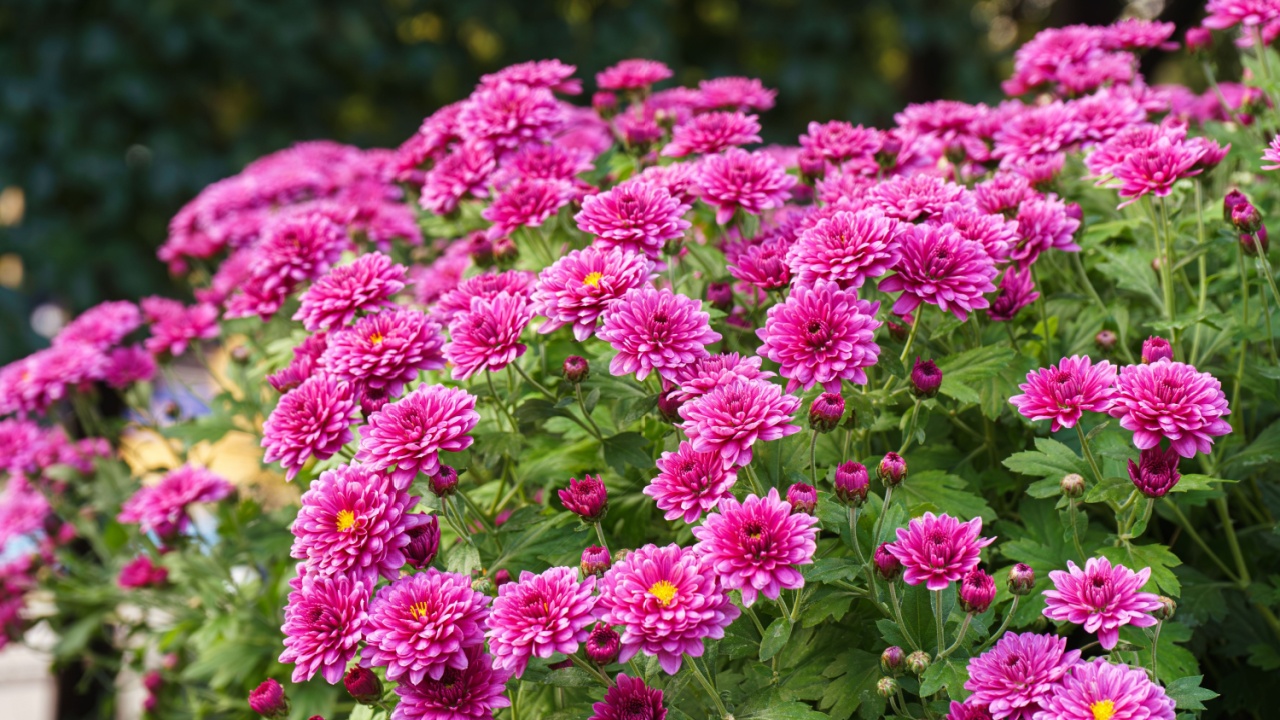
Often called the queen of fall flowers, the chrysanthemum (or “mum”) is a classic symbol of the season. Their arrival in garden centers signals that autumn is truly here. Mums offer an incredible diversity of colors, from traditional yellows, oranges, and reds to beautiful pinks, purples, and whites. They come in various forms, including daisy-like singles, decorative pom-poms, and exotic spider mums, making them incredibly versatile for any garden style.
Hardy mums planted in the ground can return year after year, providing reliable color when other perennials have finished. They are perfect for filling containers, lining walkways, and adding mass color to garden beds.
- Why it’s a great fall option: Unmatched color range and variety; quintessential autumn flower.
- Care Tips: Plant in full sun and well-drained soil. Water consistently, especially when in pots, but avoid waterlogged roots. Pinch back the tips in early summer to encourage bushier growth and more blooms.
- Unique Features: Excellent as a long-lasting cut flower. Some varieties can be overwintered in the garden for blooms next year.
2. Asters
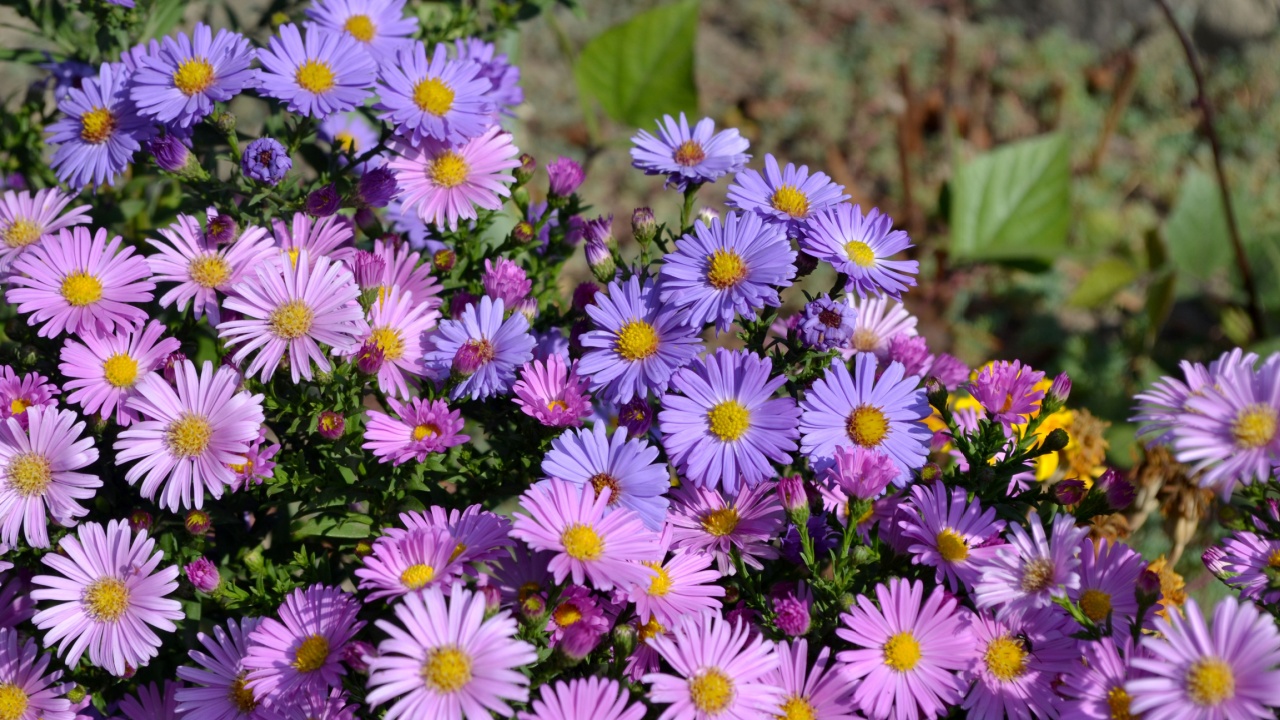
Asters bring a burst of daisy-like cheer to the fall garden. Their star-shaped flowers come primarily in shades of purple, blue, pink, and white, each with a bright yellow center. These perennials are a critical late-season food source for pollinators like bees and butterflies, making your garden an important ecological habitat before winter sets in.
They bloom profusely, covering the plant in a cloud of color that pairs beautifully with the golden foliage of autumn. Popular varieties like the New England aster can grow quite tall, creating a stunning backdrop, while more compact types are perfect for the front of a border.
- Why it’s a great fall option: Provides vital nectar for late-season pollinators; available in cool tones that complement warm fall colors.
- Care Tips: Prefers full sun to part shade and moist, well-drained soil. Good air circulation helps prevent powdery mildew. Divide them every few years to maintain vigor.
- Unique Features: The name “aster” comes from the Greek word for “star,” perfectly describing their bloom shape.
3. Dahlias
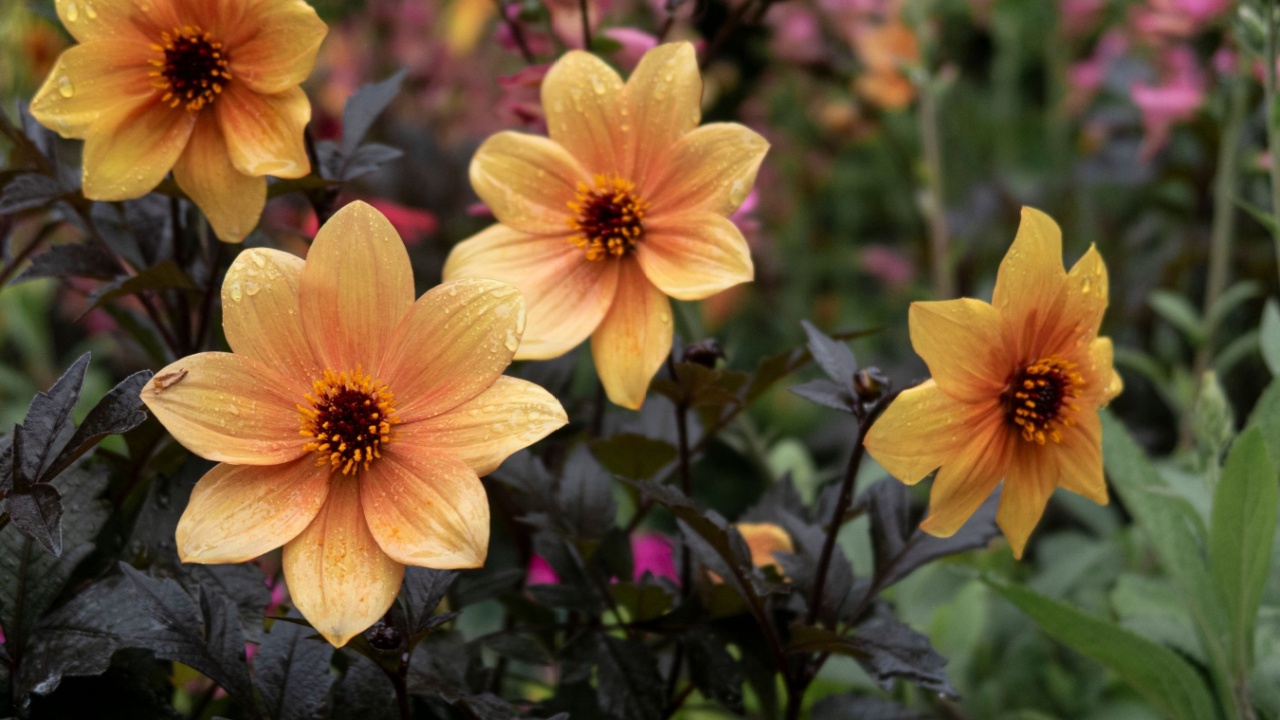
Dahlias are the dramatic showstoppers of the late summer and fall garden. They produce an astonishing array of flower shapes, sizes, and colors, from small, single-petaled varieties to giant “dinnerplate” blooms that can span ten inches or more. Their intricate, geometric petal arrangements are simply mesmerizing.
While they start blooming in summer, many dahlia varieties reach their peak in the cooler temperatures of early fall and will continue to produce flowers until the first hard frost. This makes them a fantastic source for stunning cut flower bouquets throughout the season.
- Why it’s a great fall option: Incredibly diverse and showy blooms that peak in early autumn.
- Care Tips: Full sun is a must for strong stems and abundant flowers. They thrive in rich, well-drained soil and require regular watering. Dahlias are grown from tubers, which must be dug up and stored in a frost-free location in colder climates.
- Unique Features: The more you cut dahlia flowers for arrangements, the more the plant will produce.
4. Japanese Anemone
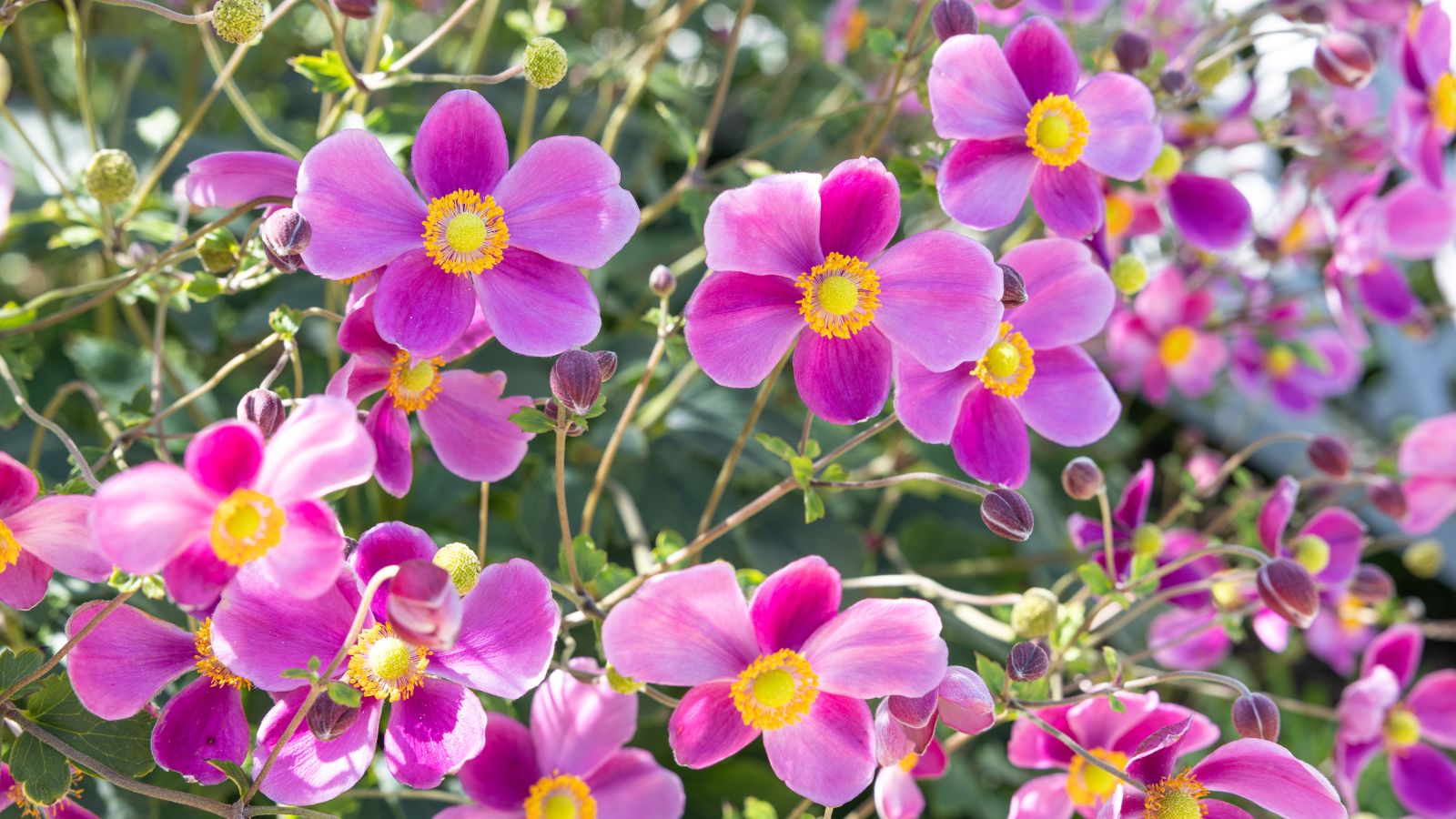
For a touch of elegance and grace in the late-season garden, look no further than the Japanese Anemone. These perennials produce lovely, cup-shaped flowers with prominent yellow stamens, held high on slender, wiry stems that dance in the autumn breeze. Blooms typically come in shades of white and pink.
They thrive in the dappled light of a woodland edge or a partially shaded border, bringing brightness to areas where other flowers might struggle. Their bloom time, from late summer through fall, fills a gap when many other perennials are fading.
- Why it’s a great fall option: Adds delicate beauty and movement to shade or part-sun gardens.
- Care Tips: Plant in part sun with rich, moist, and well-drained soil. They can take a season to establish, but will spread to form a lovely colony once happy.
- Unique Features: Their tall, airy stems make them appear to float above their foliage, adding a whimsical touch.
5. Goldenrod
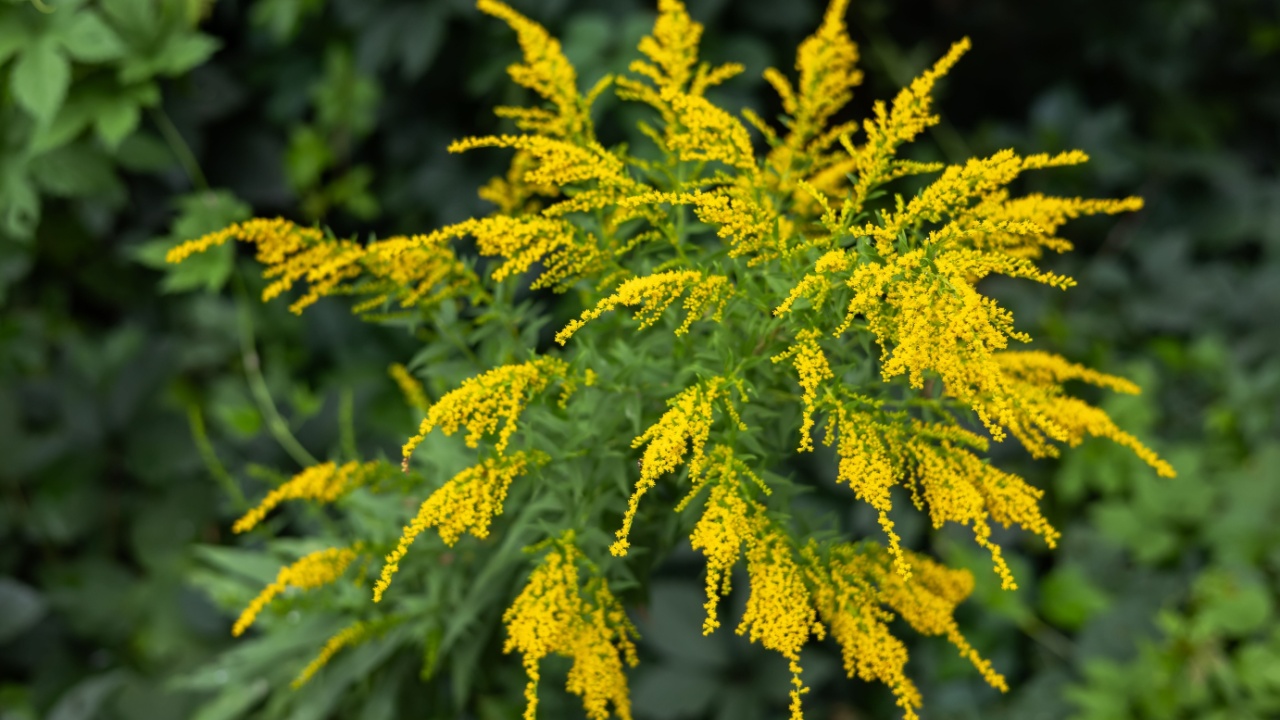
Once unfairly blamed for hay fever (the real culprit is ragweed, which blooms at the same time), Goldenrod is now celebrated for its brilliant plumes of golden-yellow flowers. This native perennial is a powerhouse for pollinators, attracting a huge diversity of bees, wasps, and butterflies in late fall.
There are many species of goldenrod, with some being more compact and well-behaved for a garden setting than their wilder cousins. The bright yellow flowers create a stunning visual contrast when planted next to purple asters.
- Why it’s a great fall option: A super-pollinator plant that provides a blaze of gold color.
- Care Tips: Prefers full sun and is tolerant of a wide range of soil types, including poor, dry soil. Choose clumping varieties like ‘Fireworks’ or ‘Golden Fleece’ to prevent aggressive spreading.
- Unique Features: The flowers are beautiful in fresh bouquets and also dry well for everlasting arrangements.
6. Sedum (Stonecrop)
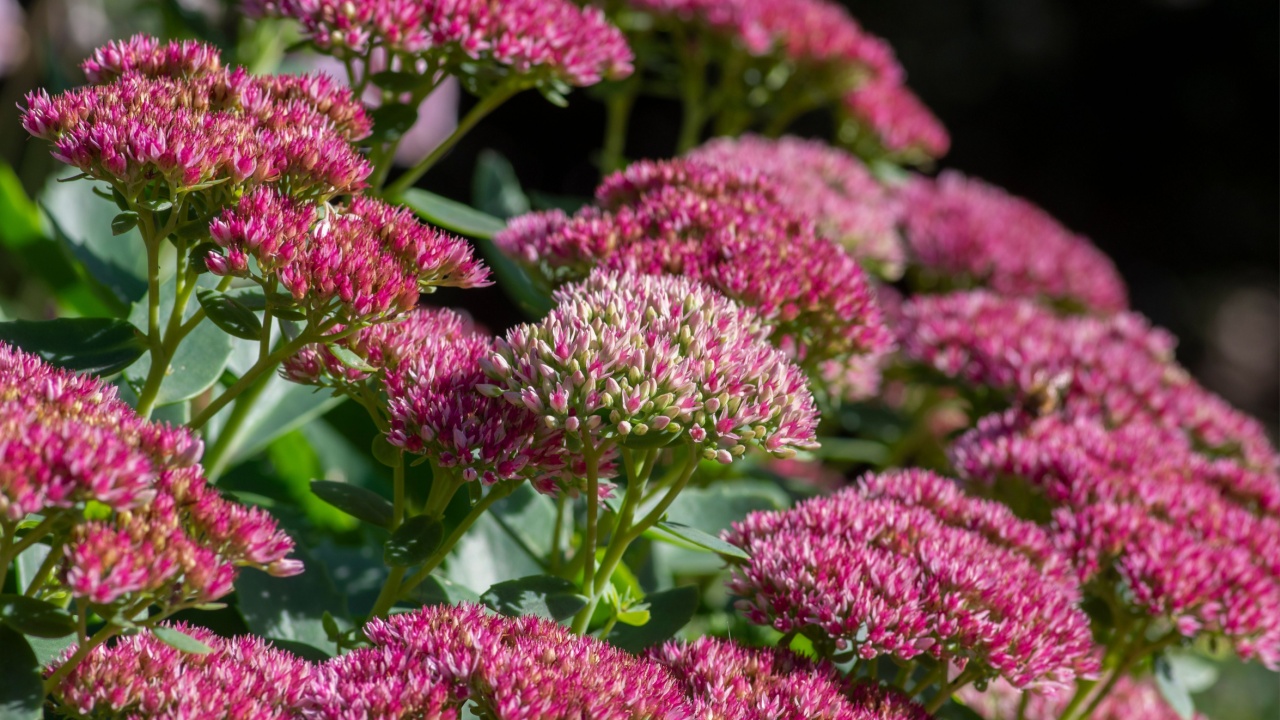
Upright sedums, particularly the popular ‘Autumn Joy‘ variety, are staples of the four-season garden. They begin as clusters of green, broccoli-like buds in the summer, slowly transitioning to pale pink, then a deep rosy red, and finally a coppery brown in the fall. These flower heads provide structure and interest long into winter.
As a succulent, stonecrop is incredibly drought-tolerant and low-maintenance, making it a reliable choice for busy gardeners. The flat flower heads are a favorite landing pad for butterflies.
- Why it’s a great fall option: Evolving color provides multi-season interest; extremely drought-tolerant.
- Care Tips: Requires full sun and very well-drained soil. It is prone to flopping in overly rich soil or too much shade.
- Unique Features: The dried seed heads look beautiful when dusted with snow, providing excellent winter interest.
7. Pansies
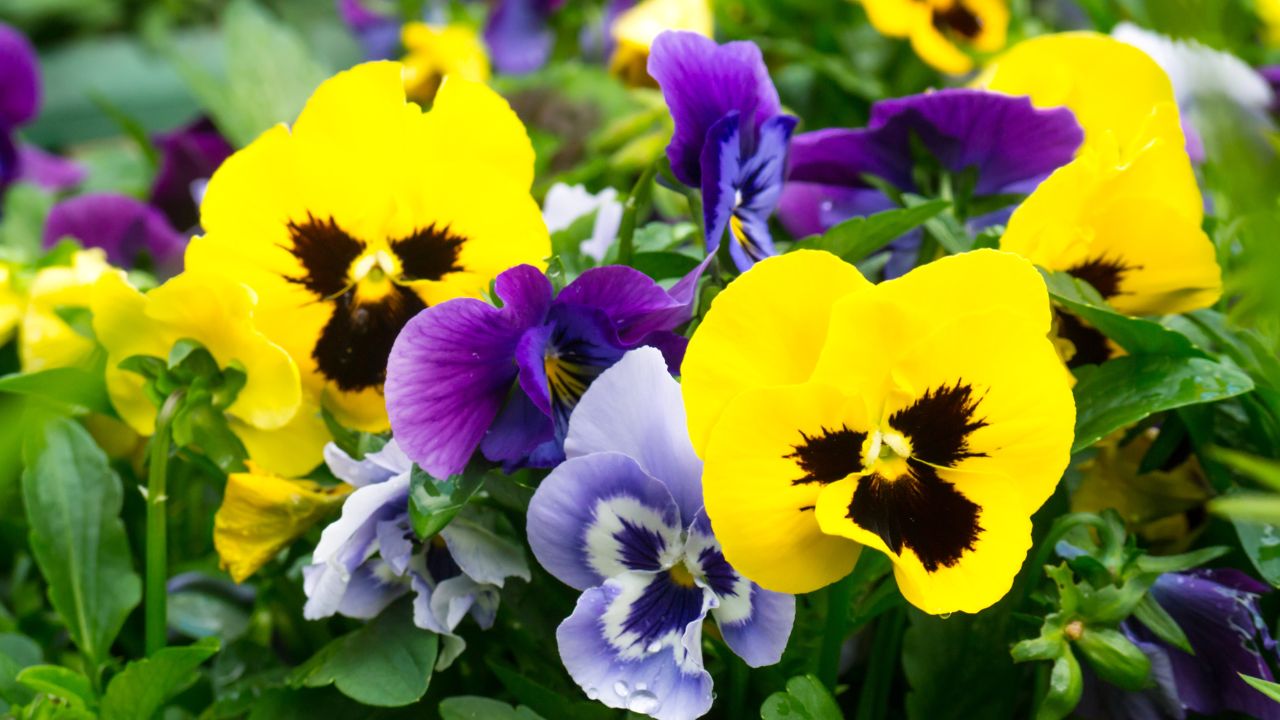
Don’t be fooled by their delicate appearance; pansies are surprisingly tough. While often planted in spring, they are also perfect for fall, as they adore cool weather. Planting them in early autumn will give you a long season of cheerful color, and in milder climates, they may even bloom straight through the winter.
Their “faces” come in a nearly endless combination of colors, from deep purples and blues to bright yellows and oranges. They are ideal for containers, window boxes, and the front of garden beds, where their happy expressions can be enjoyed up close.
- Why it’s a great fall option: Thrives in cool weather and can survive light frosts, extending the garden season.
- Care Tips: Plant in full sun to part shade in well-drained soil. Deadhead spent blooms regularly to encourage continuous flowering.
- Unique Features: The flowers are edible and can be used to garnish salads, desserts, and drinks for a whimsical touch.
8. Sunflowers
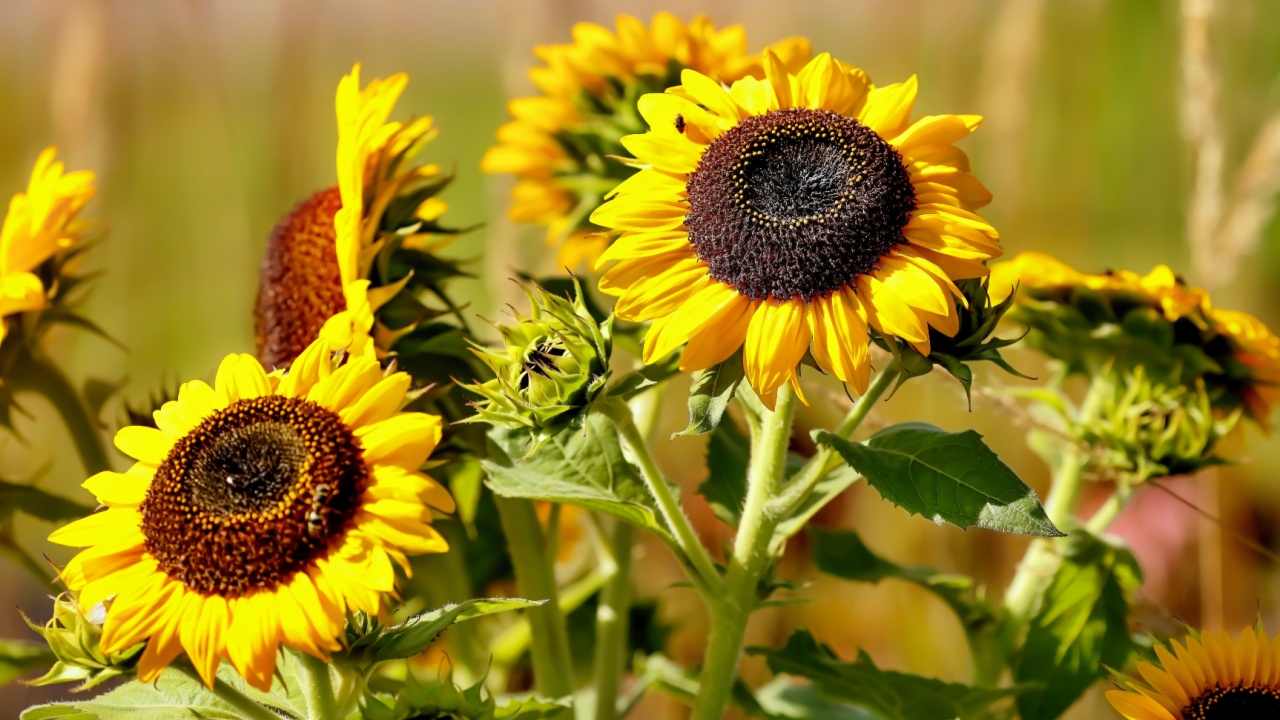
While we often associate them with the peak of summer, many sunflower varieties continue to bloom well into the fall. Planting a succession of seeds or choosing late-blooming varieties ensures you have these sunny faces in your garden until the first frost.
Beyond the classic yellow, fall-planted sunflowers can include varieties in deep red, bronze, and rich orange, perfectly matching the autumn palette. They are a source of joy for people and a food source for birds and squirrels once the seeds mature.
- Why it’s a great fall option: Brings a cheerful, sunny presence to the autumn landscape; seeds provide food for wildlife.
- Care Tips: Need a spot with at least 6-8 hours of direct sun. They tolerate average soil but need good drainage. Taller varieties may require staking to prevent them from toppling over in the wind.
- Unique Features: You can find both towering single-stem varieties and shorter, branching types that produce multiple flowers.
9. Zinnias
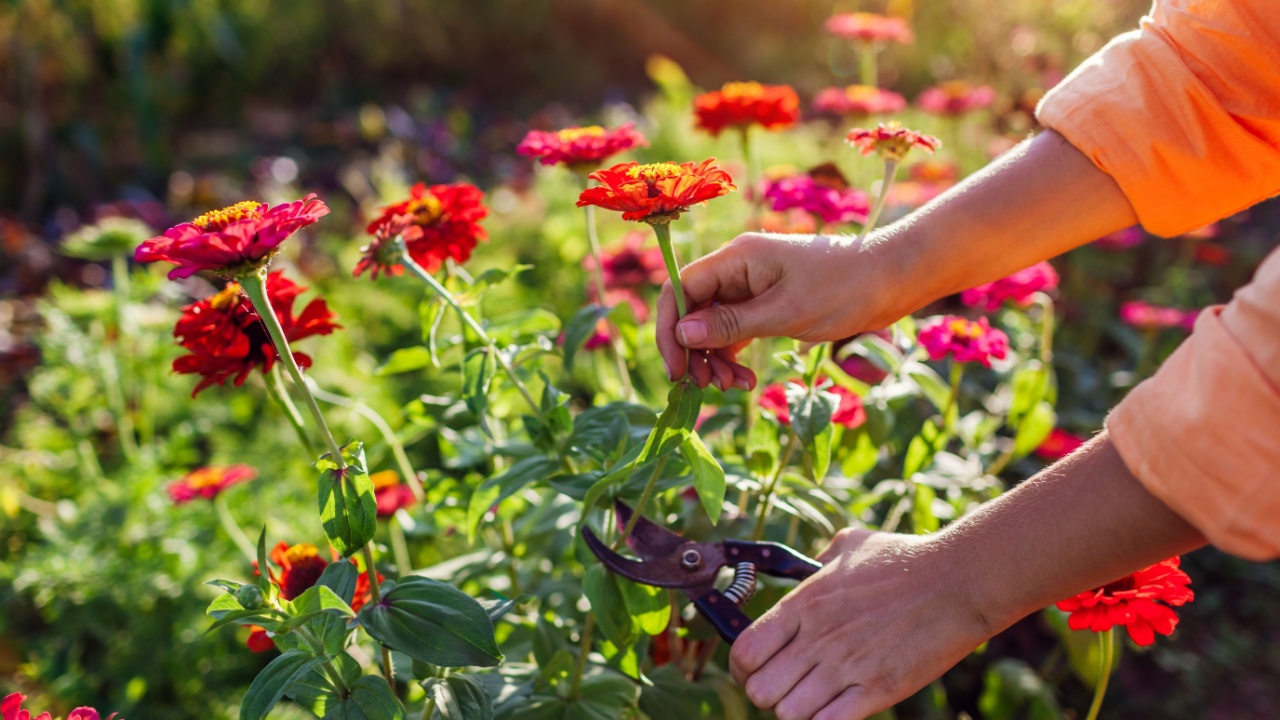
Zinnias are true workhorses of the annual garden. They bloom tirelessly from summer until the first hard frost, and a late-summer planting can ensure a fresh, vibrant crop for fall. The more you cut them, the more they bloom, making them an endless source for bouquets.
They come in almost every color imaginable, with flower forms ranging from simple, single-petaled daisies to complex, dome-shaped blossoms. Zinnias are a favorite of butterflies and other pollinators.
- Why it’s a great fall option: A cut-and-come-again flower that provides continuous color until frost.
- Care Tips: Plant in full sun in rich, well-drained soil. Provide good air circulation to minimize powdery mildew, especially in humid climates.
- Unique Features: Varieties like ‘Queeny Red Lime’ offer unique, antique color combinations of dusty rose, lime, and chartreuse that are perfect for fall arrangements.
10. Sneezeweed (Helenium)
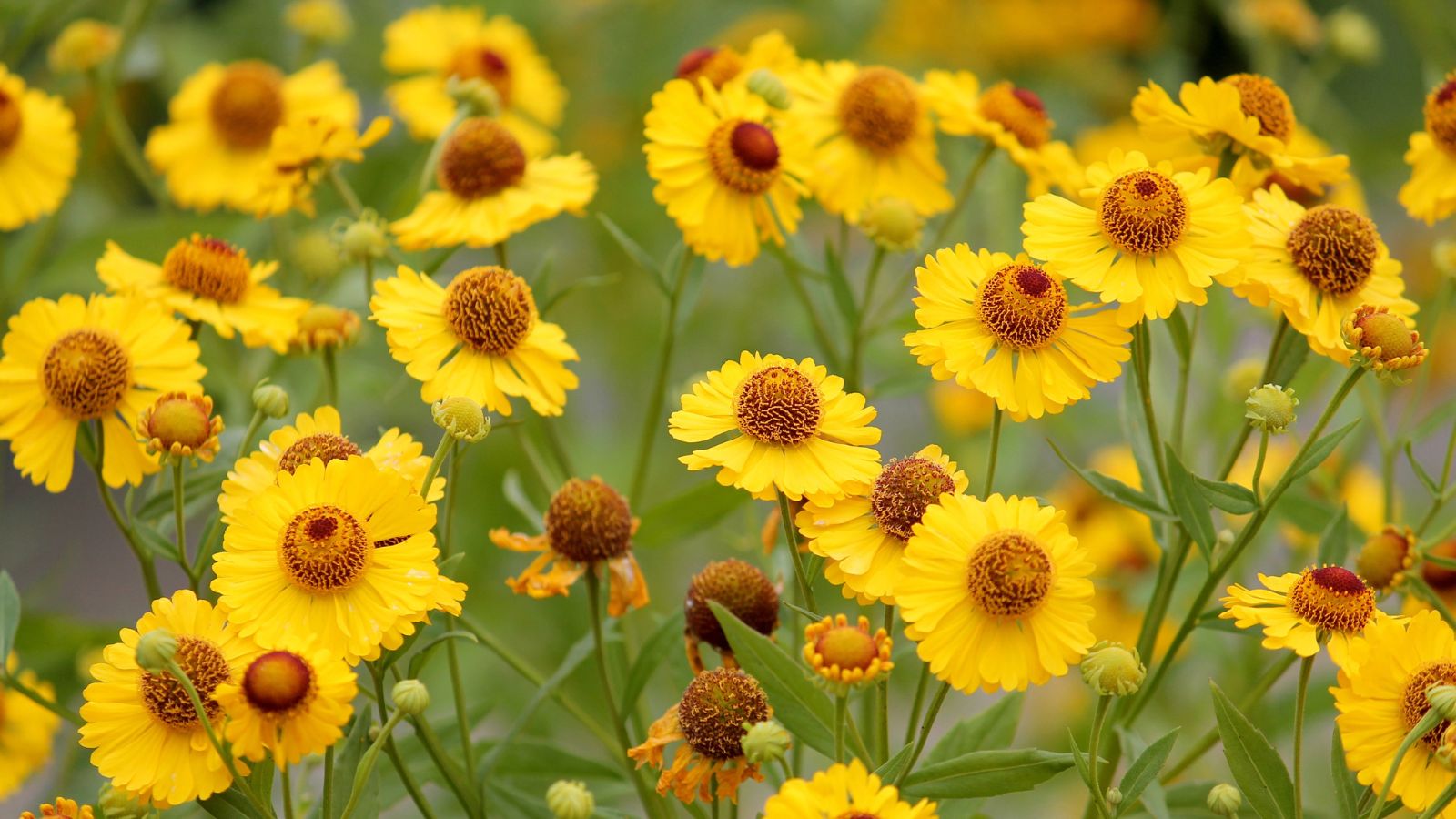
Despite its unfortunate name, Sneezeweed is a beautiful and valuable addition to the fall garden. It does not cause allergies. The daisy-like flowers feature a prominent central cone surrounded by fanned, slightly drooping petals in warm shades of yellow, orange, and deep red.
Blooming from late summer through fall, Helenium provides a rich source of nectar for bees. The flowers are held on sturdy stems, creating a bold statement in the middle or back of a border.
- Why it’s a great fall option: Offers rich, warm colors that perfectly capture the essence of autumn.
- Care Tips: Prefers full sun and consistently moist, well-drained soil. It will not tolerate drying out.
- Unique Features: The name comes from its historical use; the dried leaves were used to make a snuff that induced sneezing to rid the body of evil spirits.
11. Russian Sage
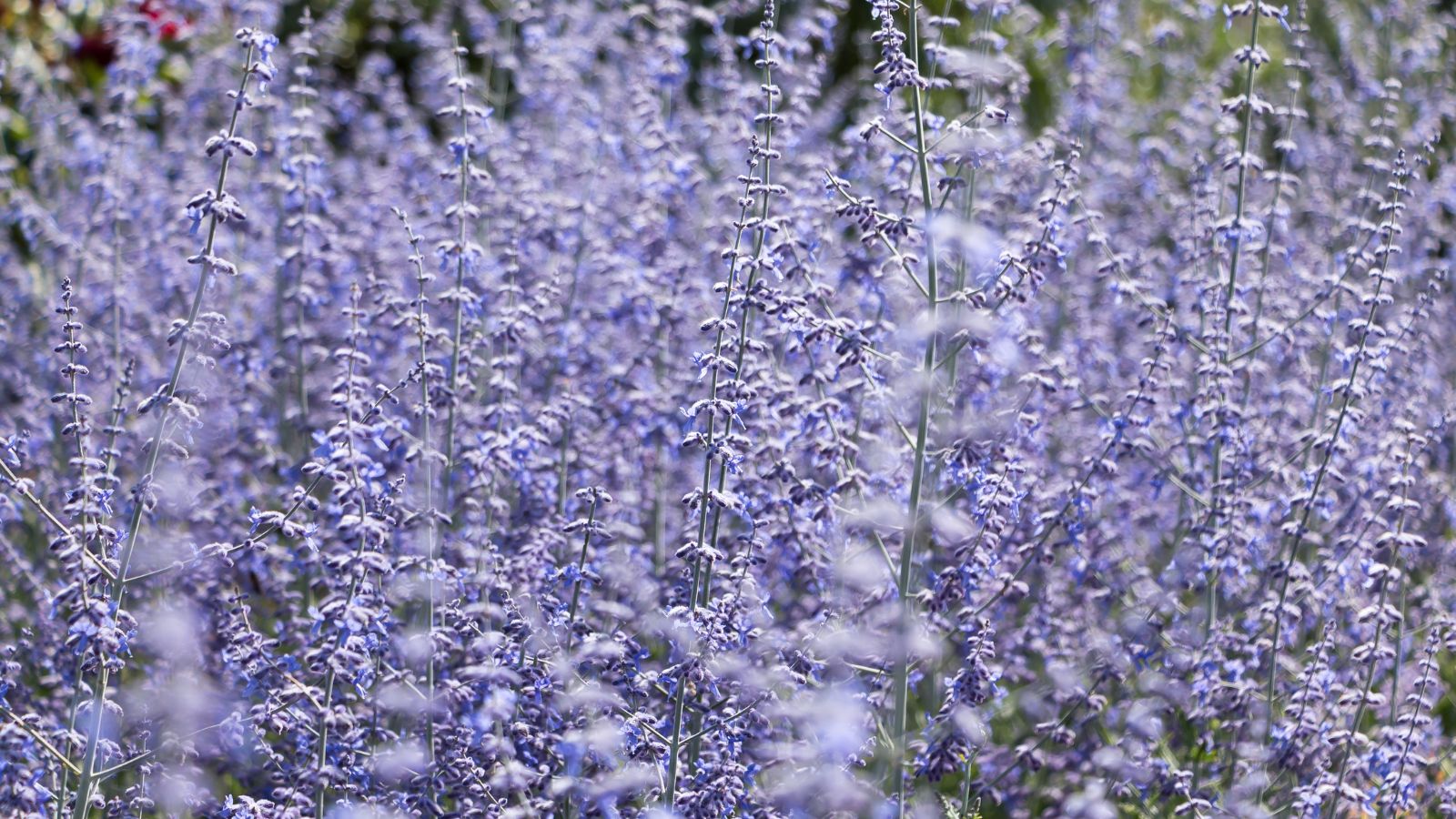
Russian Sage provides a cool, airy texture to the garden with its silvery-gray foliage and tall spires of lavender-blue flowers. It begins blooming in mid-summer and continues its show straight through the fall, offering a long season of color.
This hardy perennial is incredibly tolerant of heat, drought, and poor soil, making it an excellent choice for tough, sunny spots. Its fine texture creates a beautiful haze of color that contrasts wonderfully with the bolder shapes of mums and asters.
- Why it’s a great fall option: Drought-tolerant and long-blooming, with a cool color palette.
- Care Tips: Must have full sun and well-drained soil to thrive. It can become leggy and flop in too much shade or rich soil. Prune back hard in early spring.
- Unique Features: The foliage is aromatic when crushed, releasing a pleasant sage-like scent.
12. Celosia (Cockscomb)
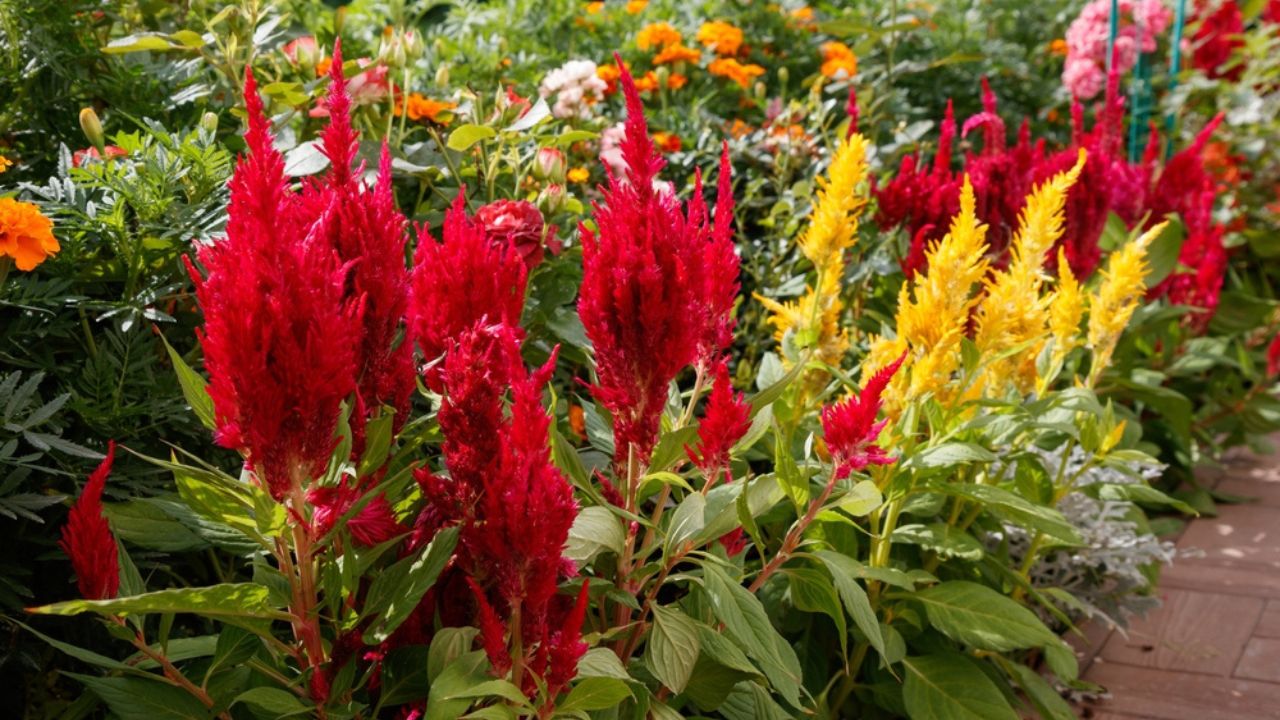
Celosia brings unique and fascinating textures to the fall garden. It comes in three main forms: the velvety, brain-like “cockscomb” (cristata), the feathery “plume” (plumosa), and the spiky “wheat” (spicata). All are available in vibrant shades of red, orange, yellow, pink, and magenta.
These heat-loving annuals continue to look great as the weather cools, and their color holds strong well into autumn. They are exceptional as both fresh and dried flowers.
- Why it’s a great fall option: Unique textures and intense colors that hold up well in cool weather.
- Care Tips: Thrives in full sun and well-drained soil. Celosia is relatively drought-tolerant once established.
- Unique Features: When dried, celosia retains its vibrant color and structure for years, making it a staple for everlasting arrangements.
13. Marigolds
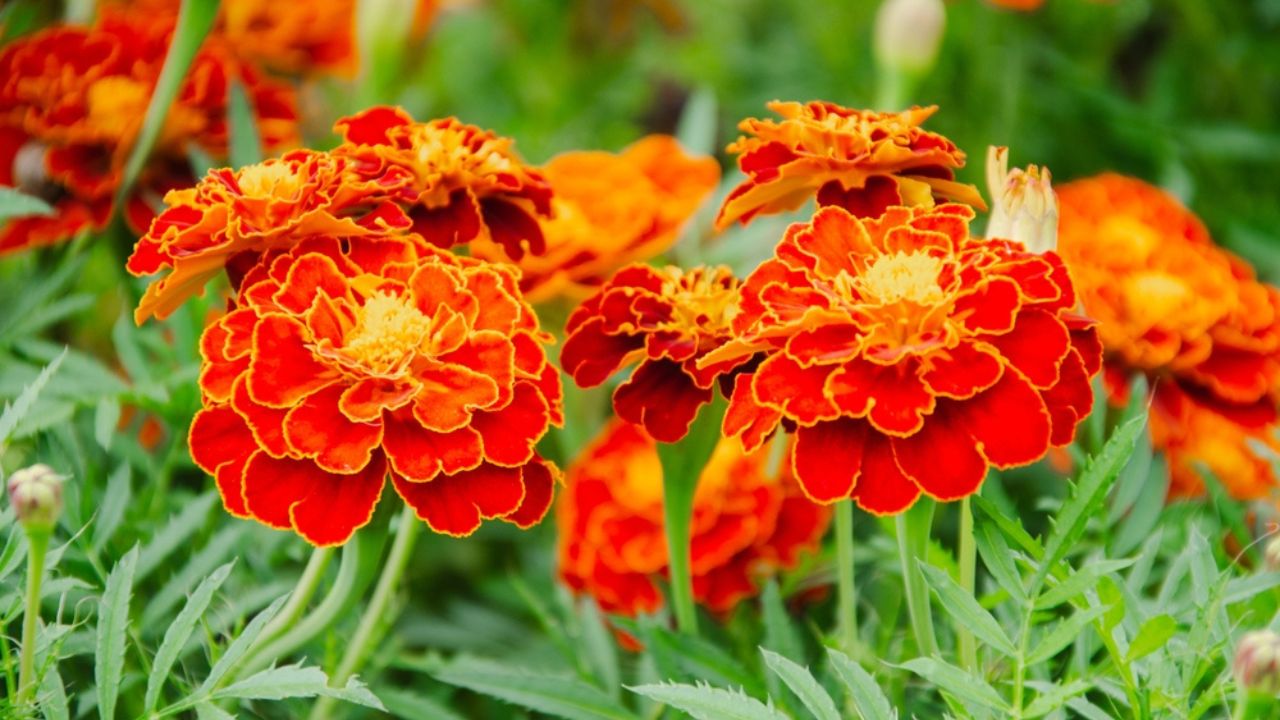
Marigolds are beloved for their sunny dispositions and their ability to bloom profusely until the first frost. Planting marigolds in late summer gives you a fresh flush of warm yellows, oranges, and rusty reds that are perfect for autumn.
Marigolds are famously easy to grow and are a great choice for beginner gardeners. They are often used in vegetable gardens as a companion plant, believed to deter certain pests. French marigolds are compact, while African marigolds are much taller with larger, globe-like blooms.
- Why it’s a great fall option: Easy to grow, long-blooming, and provides classic fall colors.
- Care Tips: Plant in full sun and well-drained soil. Deadheading is not strictly necessary, but it will promote even more flowers.
- Unique Features: The petals of some varieties are edible and have a slightly peppery flavor.
14. Sweet Alyssum
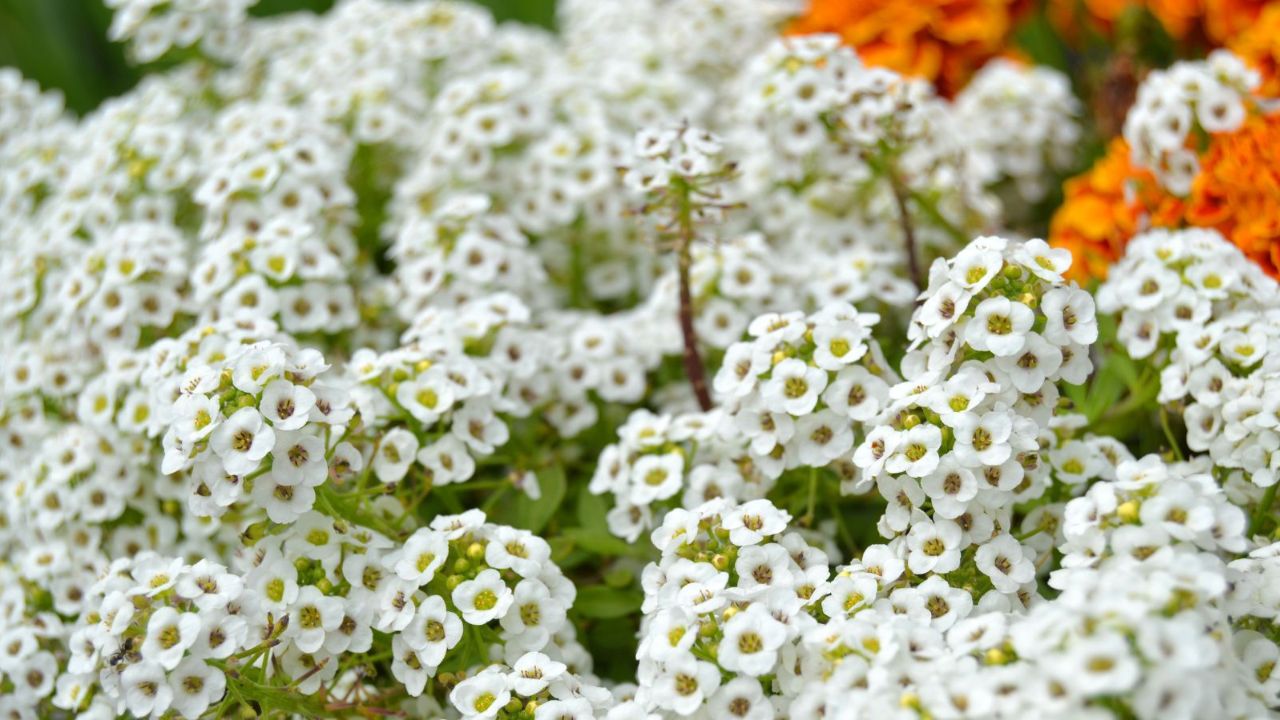
This low-growing annual forms a fragrant carpet of tiny flowers, typically in white, but also available in shades of pink and purple. Sweet Alyssum loves cooler temperatures, making it an excellent choice for both spring and fall. A summer lull is often followed by a massive re-bloom as autumn approaches.
It is perfect for spilling over the edges of containers, filling in gaps at the front of a border, or tucking into rock walls. Its sweet, honey-like fragrance is an added bonus.
- Why it’s a great fall option: Provides a fragrant, delicate groundcover and thrives in cool weather.
- Care Tips: Prefers full sun to part shade and moist, well-drained soil. If it looks tired mid-season, shear it back by about half to encourage fresh growth and new blooms.
- Unique Features: It’s a fantastic “spiller” plant for container arrangements and a magnet for tiny beneficial insects like hoverflies.
15. Ornamental Kale and Cabbage
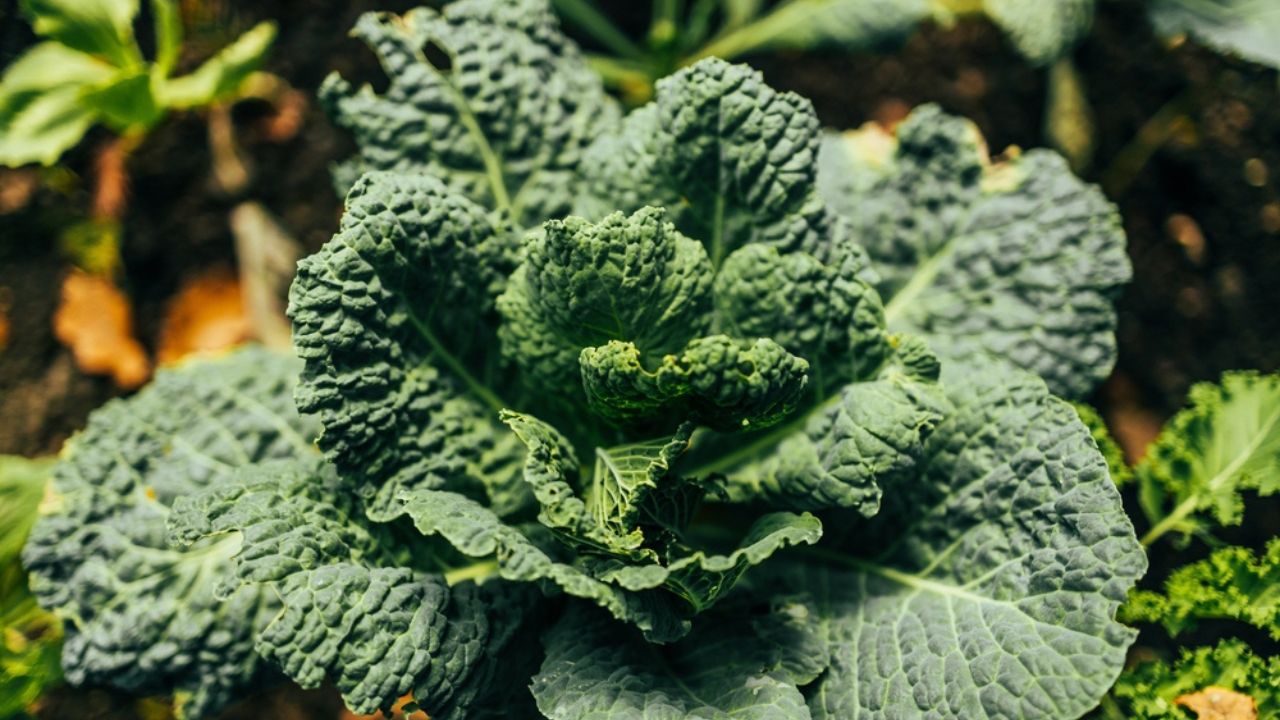
While they don’t produce traditional flowers, ornamental kale and cabbage are grown for their large, showy rosettes of colorful leaves. As temperatures drop in the fall, their colors intensify, becoming vibrant shades of pink, purple, and creamy white at the center.
These plants are incredibly cold-hardy and will often look fantastic even after a few snowfalls, providing color when everything else in the garden has faded. They are perfect for replacing tired summer annuals in pots and beds for instant fall appeal.
- Why it’s a great fall option: Unbeatable cold tolerance; colors become more vibrant as it gets colder.
- Care Tips: Plant in full sun for the best color. They appreciate rich, well-drained soil and consistent moisture.
- Unique Features: While technically edible, they are bred for looks, not taste, and can be quite bitter.
16. Ironweed
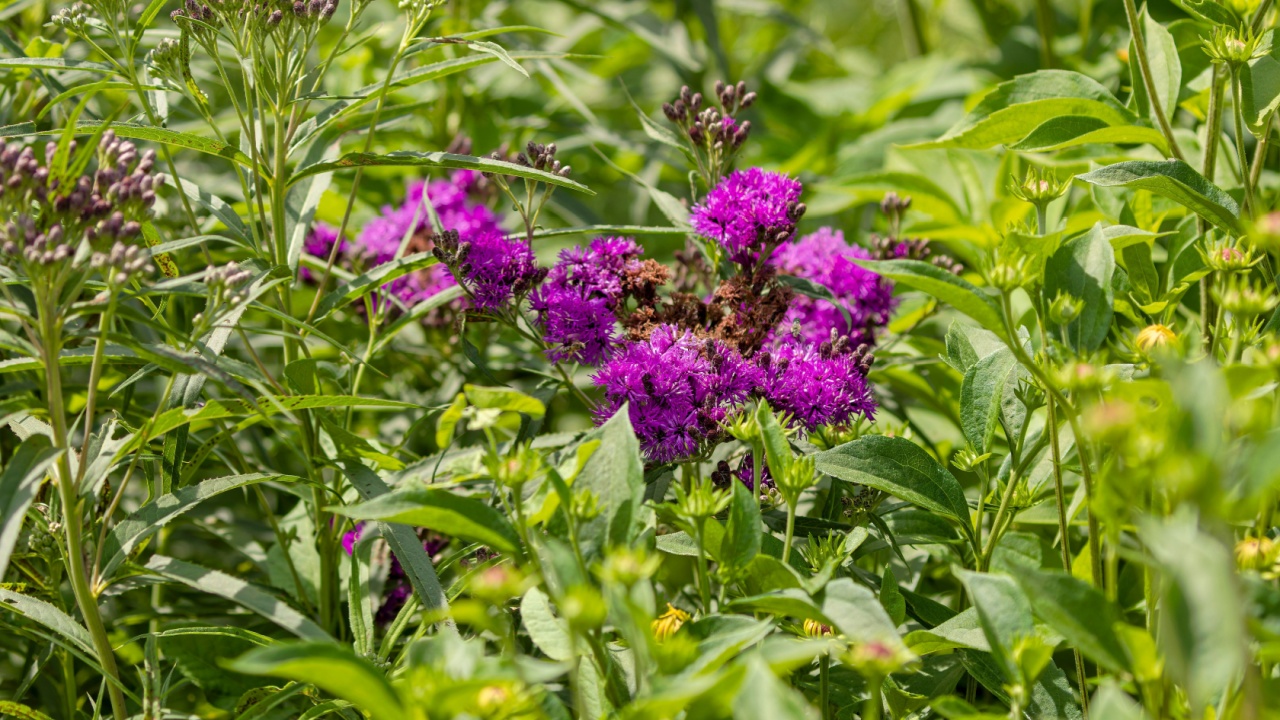
Ironweed is a tall, stately native wildflower that produces clusters of intensely purple, fuzzy flowers in late summer and early fall. Its strong, upright stems give it the “iron” in its name, as it rarely needs staking.
This perennial is a fantastic choice for the back of the border, where its height can create a dramatic effect. It’s also a major draw for late-season butterflies, especially Monarchs.
- Why it’s a great fall option: Provides strong vertical structure and a shot of vibrant purple.
- Care Tips: Prefers full sun and moist to average soil. It’s a robust plant that requires little care once established.
- Unique Features: Its vivid purple is a perfect companion for the yellows of goldenrod and sunflowers.
17. Turtlehead (Chelone)
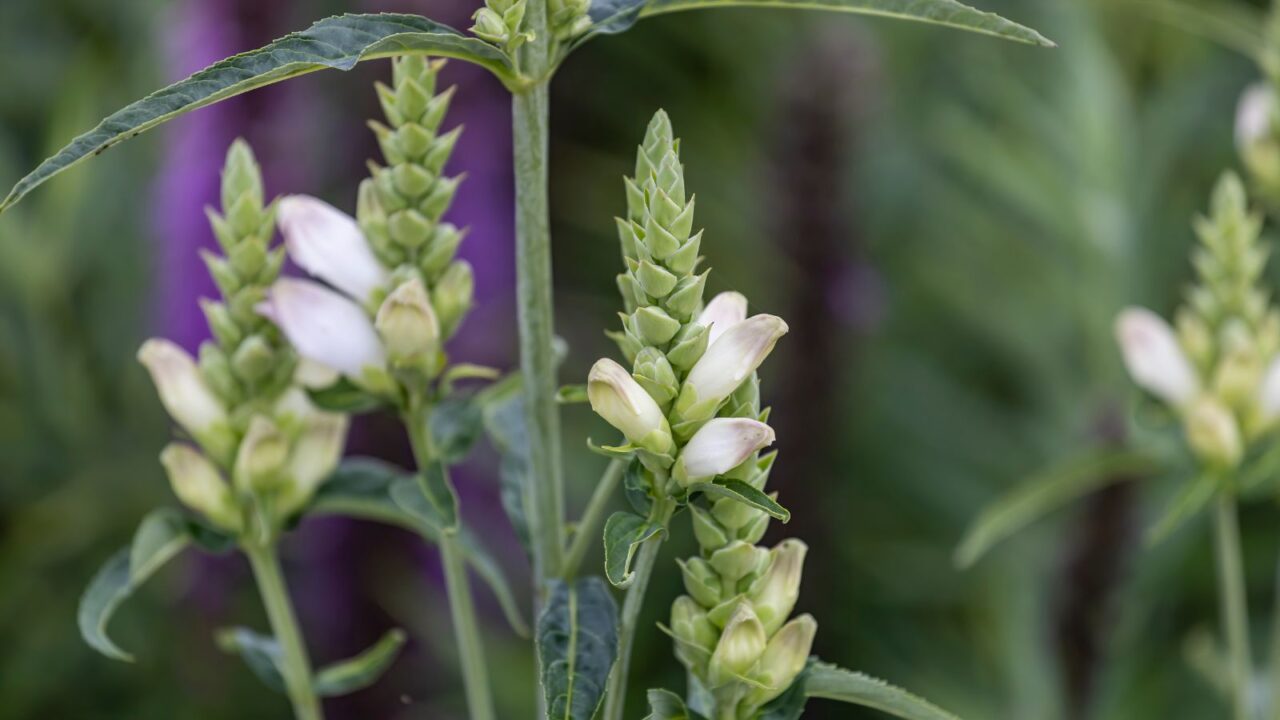
Named for its unique flowers that resemble the head of a turtle, this native perennial is a charming addition to the fall garden. The snapdragon-like blooms, which appear in late summer and fall, come in shades of pink or white.
Turtlehead thrives in moist, shady, or partially shaded areas, making it a great solution for those trickier spots in the landscape. It is also the host plant for the Baltimore Checkerspot butterfly.
- Why it’s a great fall option: A unique flower shape that blooms in moist, shady conditions.
- Care Tips: Requires consistently moist to wet soil and prefers part shade, though it can tolerate full sun if the soil stays wet.
- Unique Features: The flowers are a fun conversation starter due to their distinctive shape.
18. Joe Pye Weed
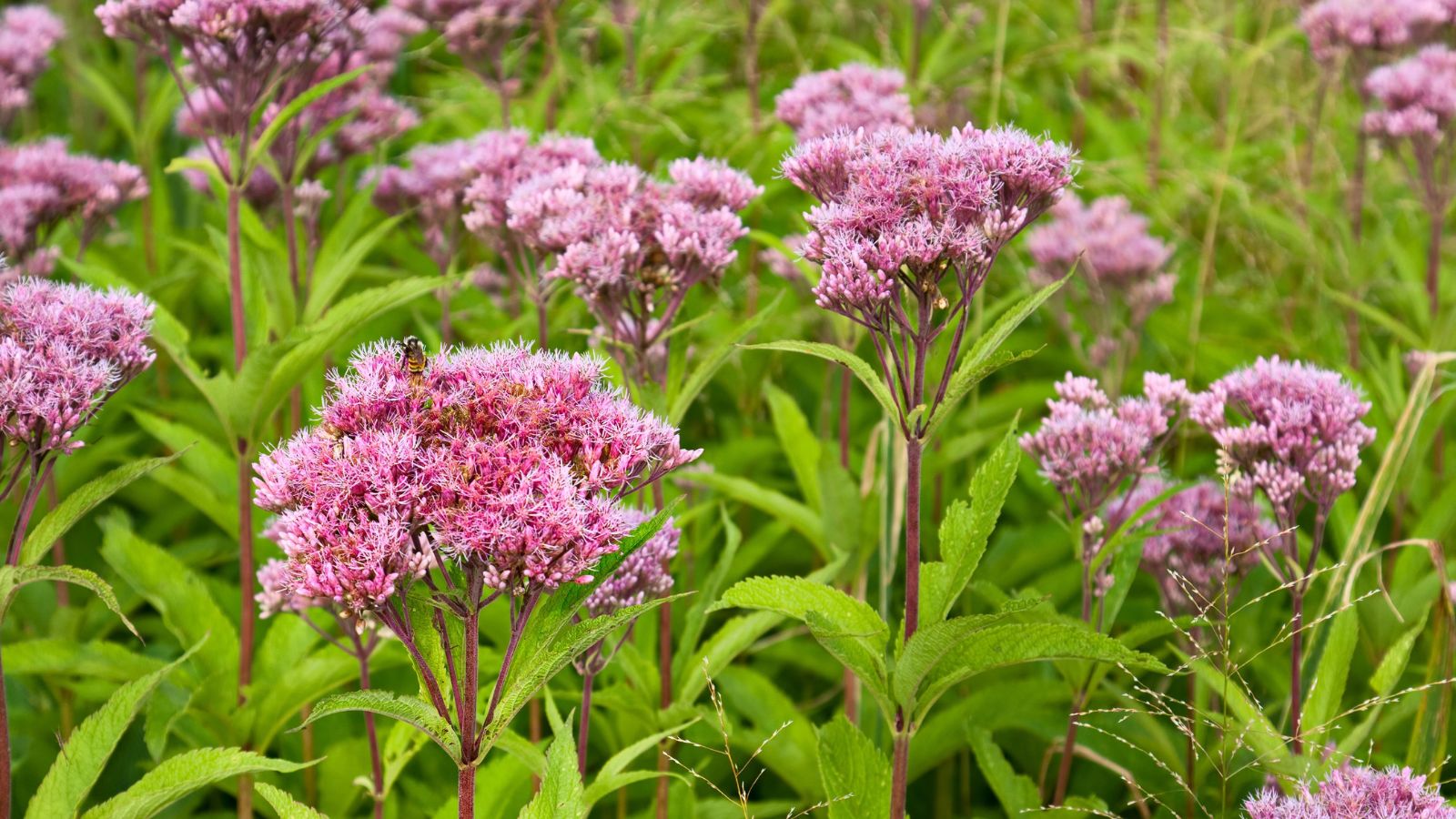
This towering native perennial is a monarch in the late-season garden, often reaching heights of six feet or more. In late summer and fall, it’s topped with huge, dusty-rose to mauve-colored flower heads that are absolutely covered in butterflies and bees.
Joe Pye Weed adds a wonderful architectural element to the garden. Shorter cultivars like ‘Little Joe’ are available for smaller spaces.
- Why it’s a great fall option: A pollinator magnet that provides dramatic height and structure.
- Care Tips: Prefers full sun to part shade and loves moist soil. It’s a great choice for rain gardens or areas with poor drainage.
- Unique Features: The large flower heads have a faint vanilla scent.
19. Strawflowers
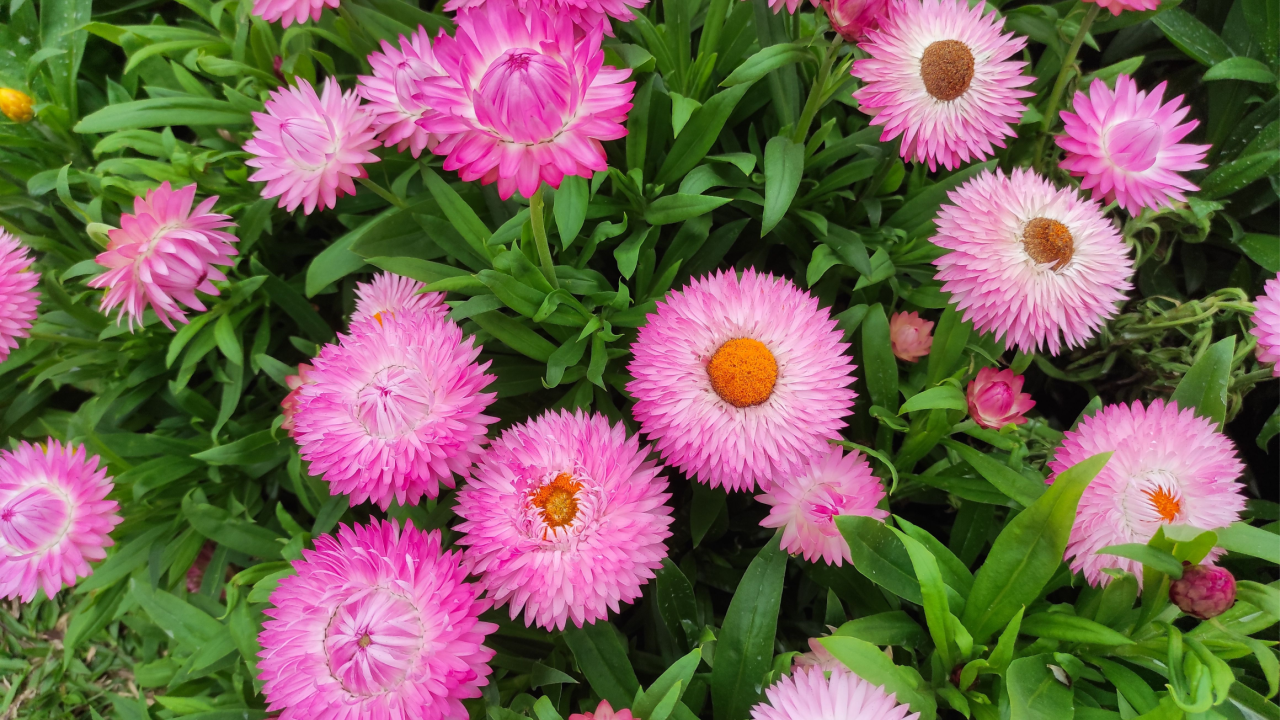
Strawflowers live up to their name with papery, stiff petals that feel dry to the touch even when fresh. They come in a wide range of jewel-toned colors, including pink, orange, yellow, red, and white.
These annuals bloom from summer through fall and are easy to grow from seed. Their greatest feature is their ability to be dried. Simply cut the stems before the flowers are fully open and hang them upside down to create beautiful, long-lasting decorations.
- Why it’s a great fall option: The ultimate flower for drying and crafting.
- Care Tips: Plant in full sun and well-drained soil. They are quite drought-tolerant. Harvest flowers for drying continuously to encourage more blooms.
- Unique Features: The “flowers” retain their color and shape for months, or even years, after being dried.
20. Toad Lily (Tricyrtis)

For an exotic, orchid-like beauty in the fall shade garden, the Toad Lily is a must-have. These fascinating perennials produce small, star-shaped flowers that are often white or pale lilac and heavily spotted with deep purple.
They bloom late in the season, from late summer through fall, bringing intricate detail to the garden when you least expect it. They are best planted along a path or at the front of a border where their unique flowers can be admired up close.
- Why it’s a great fall option: Provides exotic, detailed blooms for shady areas late in the season.
- Care Tips: Thrives in part to full shade in rich, moist, and well-drained soil.
- Unique Features: Their speckled pattern is unlike almost any other temperate garden flower, resembling a miniature orchid.
21. Dianthus
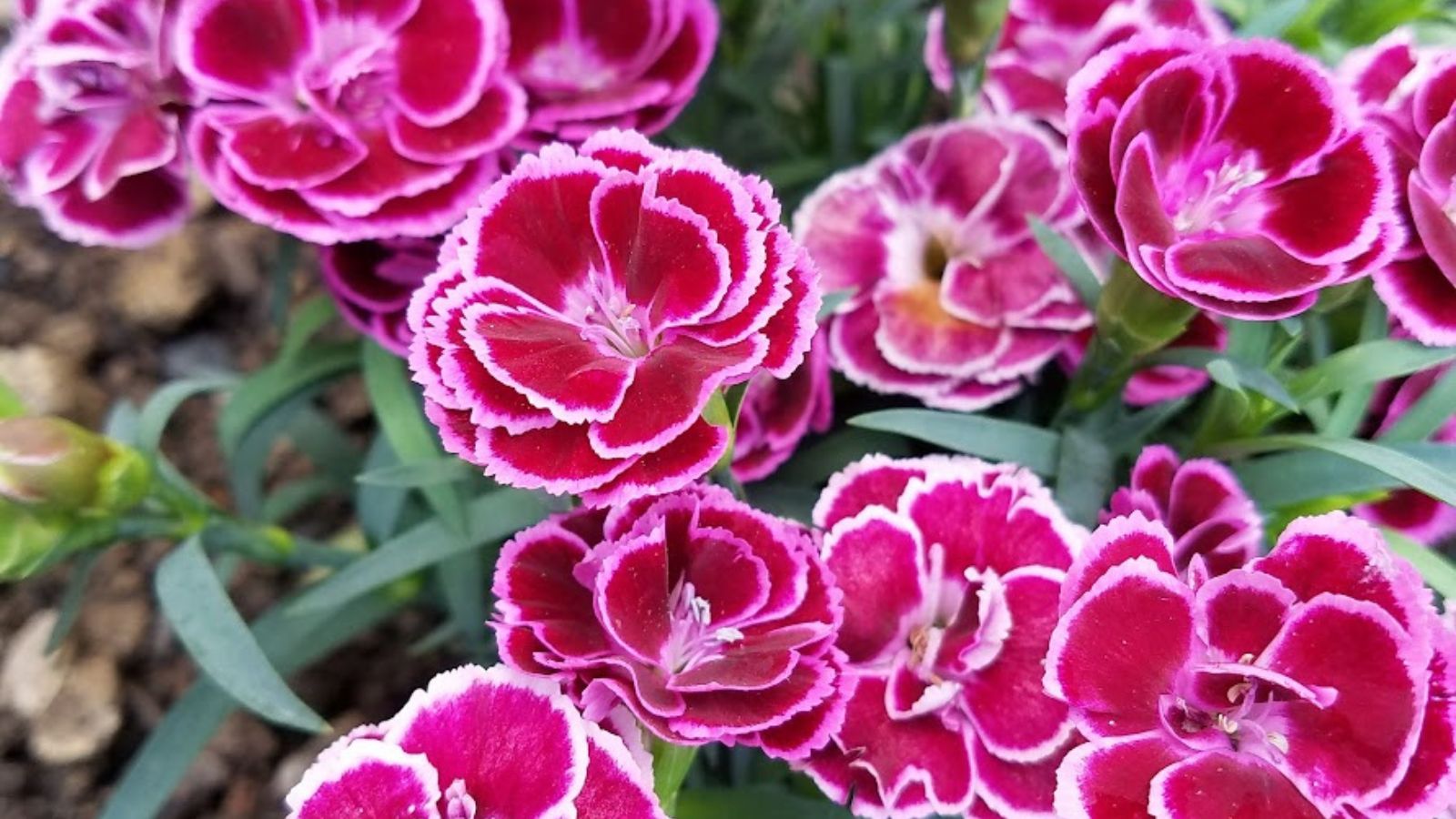
The Dianthus genus includes flowers like carnations and Sweet William. Many varieties offer a second, robust flush of blooms in the cooler weather of fall, especially if they were deadheaded after their initial summer bloom.
Their flowers are often fragrant, with a spicy, clove-like scent, and come in shades of pink, red, and white, often with intricate patterns on the petals. Their low-growing, grassy blue-green foliage is also attractive.
- Why it’s a great fall option: Can re-bloom with vigor in the fall, often with a wonderful fragrance.
- Care Tips: Prefers full sun and well-drained, alkaline soil. Avoid overwatering.
- Unique Features: Many varieties have a delightful clove or cinnamon scent.
22. Coreopsis (Tickseed)

Also known as Tickseed, Coreopsis is a cheerful perennial that produces an abundance of daisy-like flowers. While many start in summer, they often continue their blooming spree well into the fall, providing a long season of bright, airy color.
Most varieties are yellow, but you can also find them in pink, red, and bicolored patterns. They are generally low-maintenance, drought-tolerant, and attractive to butterflies.
- Why it’s a great fall option: Long-blooming and low-maintenance, adding a bright and wispy texture.
- Care Tips: Requires full sun and well-drained soil. Shear plants back after the first major flush of flowers to promote re-blooming.
- Unique Features: The threadleaf varieties (Coreopsis verticillata) have very fine, feathery foliage that adds a soft texture to the garden.
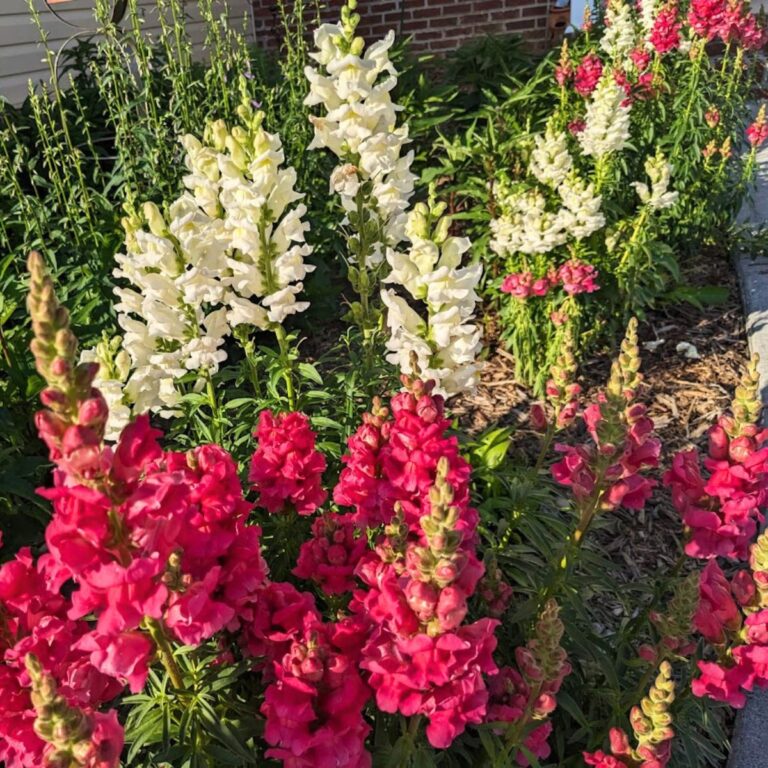
23. Snapdragons
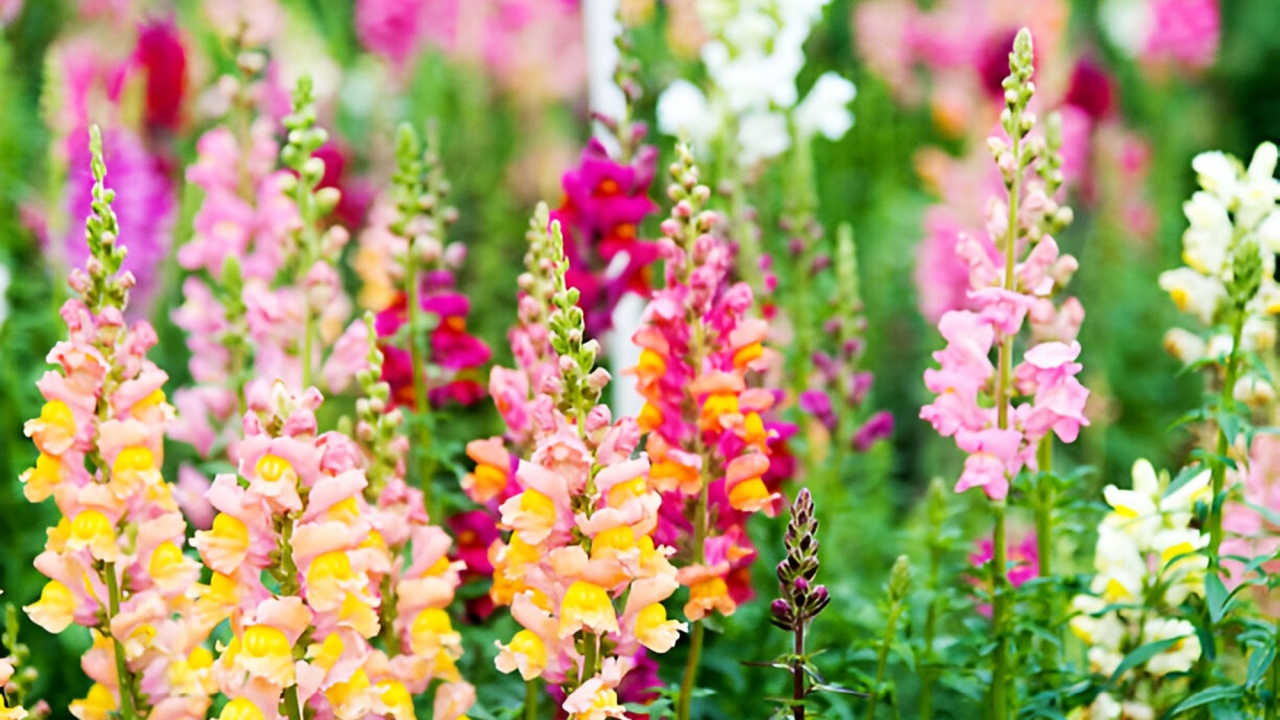
Snapdragons are another cool-weather favorite. While they may struggle in the heat of mid-summer, they often have a spectacular resurgence as temperatures drop in the fall. Planting a new batch in late summer can yield a fantastic autumn harvest.
The tall flower spikes come in nearly every color and are a classic in cottage gardens and cutting beds. Children love pinching the sides of the florets to make the “dragon’s mouth” open and close.
- Why it’s a great fall option: They perform best in the cooler temperatures of autumn.
- Care Tips: Plant in full sun in rich, well-drained soil. Taller varieties may need staking.
- Unique Features: They make a wonderful and long-lasting cut flower, adding height and structure to arrangements.
24. Mexican Bush Sage (Salvia leucantha)
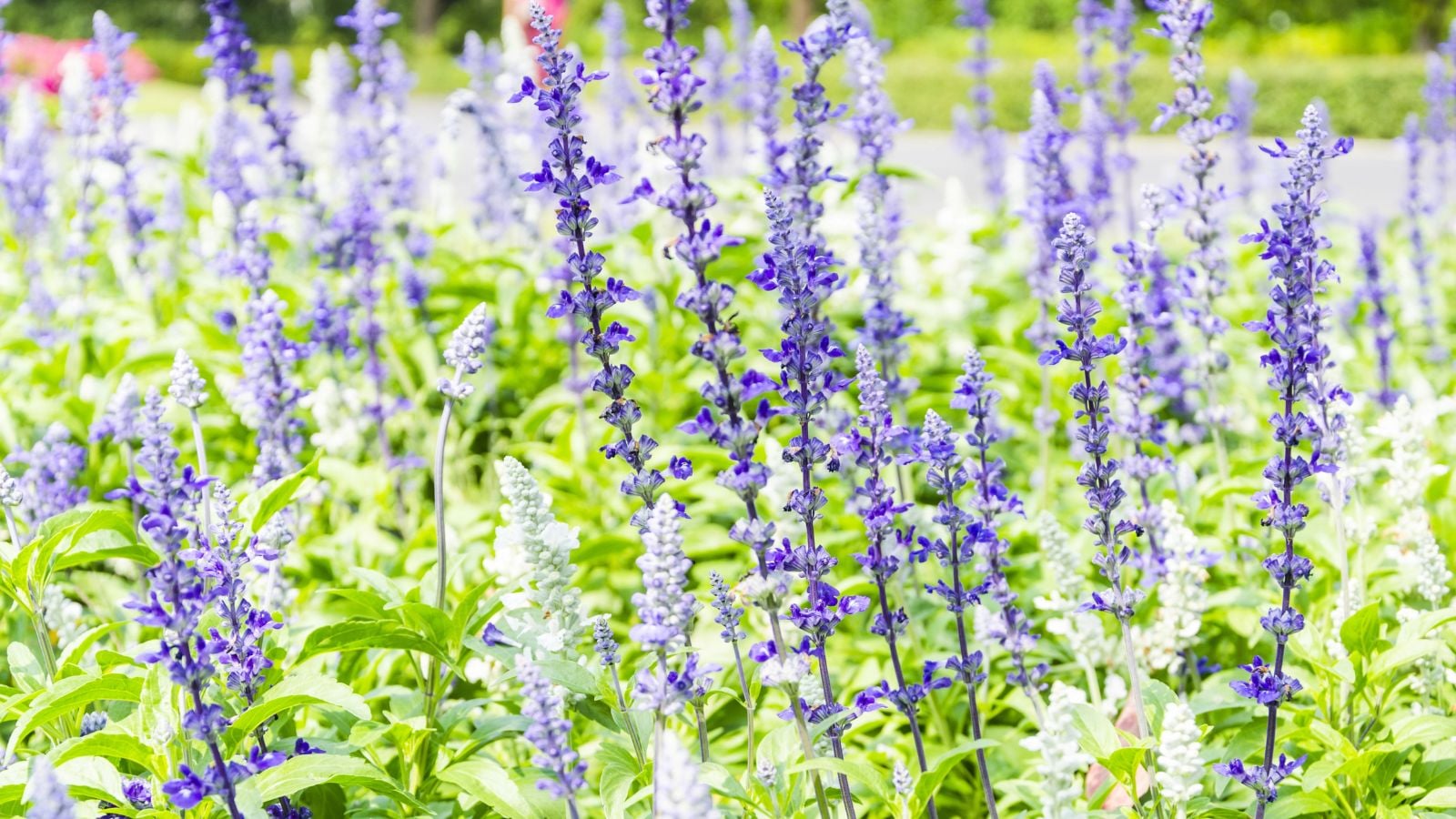
This stunning sage variety is prized for its long, gracefully arching stems covered in fuzzy, purple or white flowers that appear in late summer and continue until frost. The velvety texture of the blooms is irresistible.
It’s a fast-growing and drought-tolerant plant that is a magnet for hummingbirds and butterflies. In warmer climates, it grows as a perennial, while in colder zones, it is treated as a spectacular annual.
- Why it’s a great fall option: Unique velvety texture and a favorite of hummingbirds.
- Care Tips: Needs full sun and excellent drainage. It is very heat and drought-tolerant once established.
- Unique Features: The flowers have a two-toned effect, with the fuzzy calyx (the part that holds the flower) often being a different color than the flower itself.
25. Amaranth
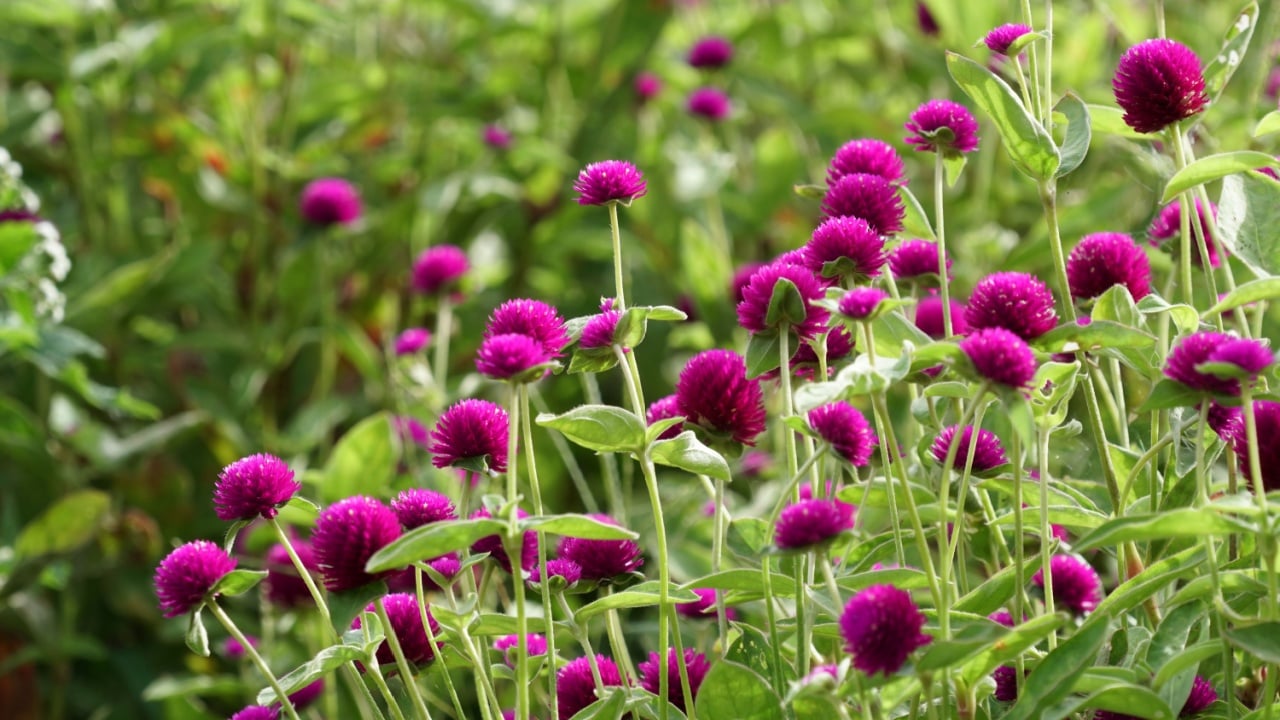
Amaranth provides striking texture and form with its long, tassel-like ropes of flowers that can be upright or trailing. The blooms come in deep shades of burgundy, red, gold, and even green, adding rich color and a unique architectural element to the fall garden.
Some varieties, like ‘Love-Lies-Bleeding’, have long, weeping flower clusters that cascade dramatically toward the ground. They are also grown for their edible leaves and seeds (a grain).
- Why it’s a great fall option: Adds dramatic, textural flower tassels in rich colors.
- Care Tips: Plant in full sun in well-drained soil. It is very heat-tolerant.
- Unique Features: The flower tassels are excellent in both fresh and dried arrangements, adding a draping effect.
26. Stock
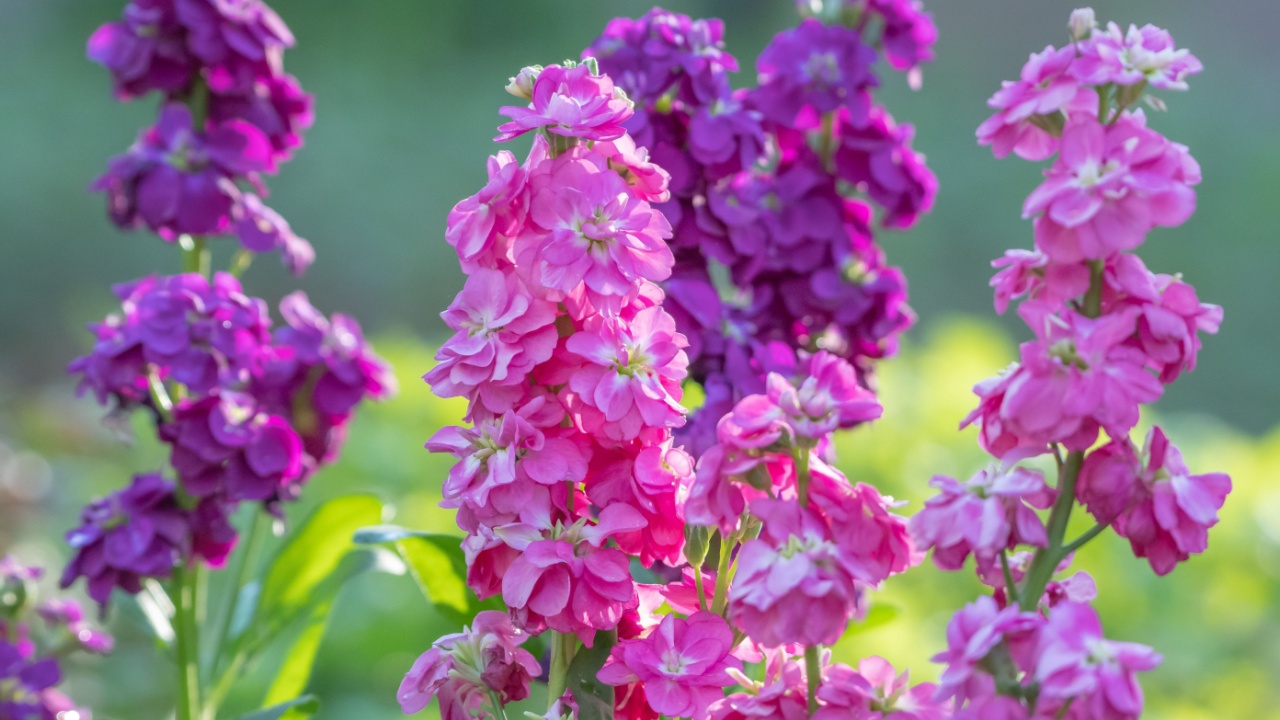
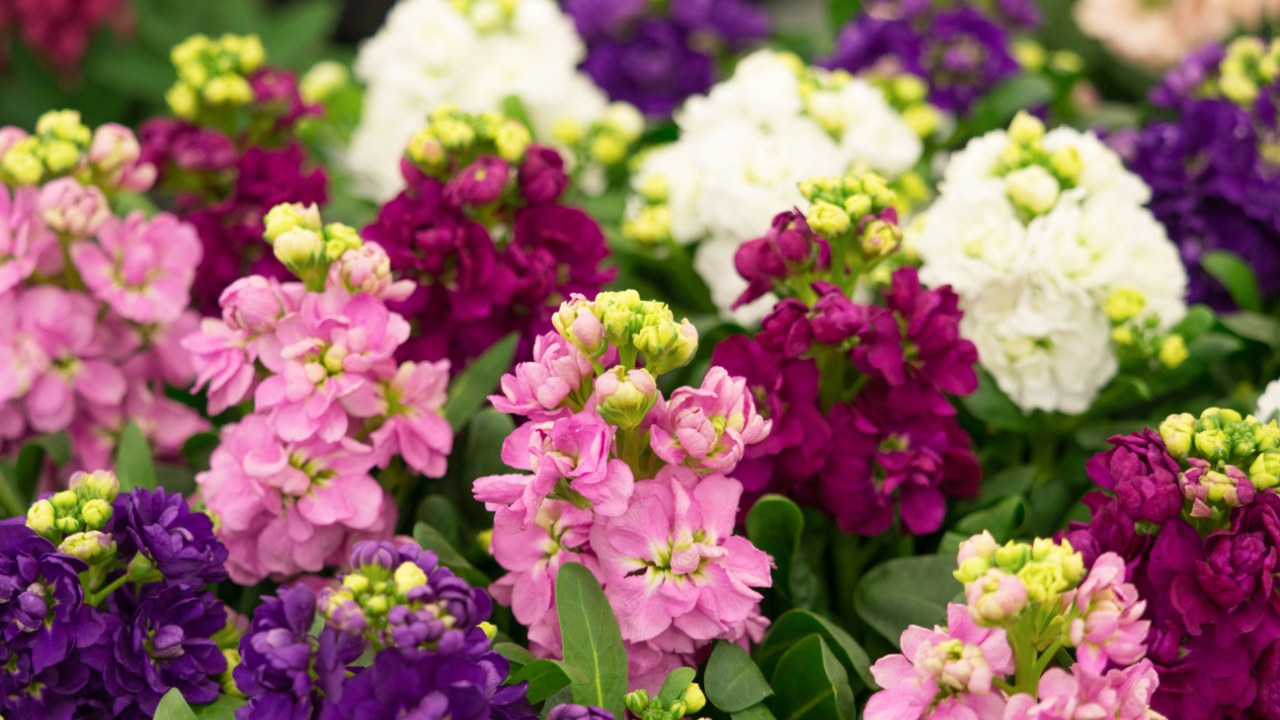
Prized for its densely packed flower spikes and intoxicatingly spicy-sweet fragrance, stock is a cool-season annual that shines in the fall. The scent is often compared to a mix of cloves and vanilla.
Stock is a fantastic cut flower, adding both verticality and powerful fragrance to indoor arrangements. Colors range from white and cream to shades of pink, lavender, and deep magenta.
- Why it’s a great fall option: A beautiful flower with an incredible fragrance that thrives in cool weather.
- Care Tips: Plant in full sun in rich, moist, and well-drained soil. It performs best when temperatures are mild.
- Unique Features: Its strong, sweet scent can perfume an entire room from a single bouquet.
27. Calendula (Pot Marigold)
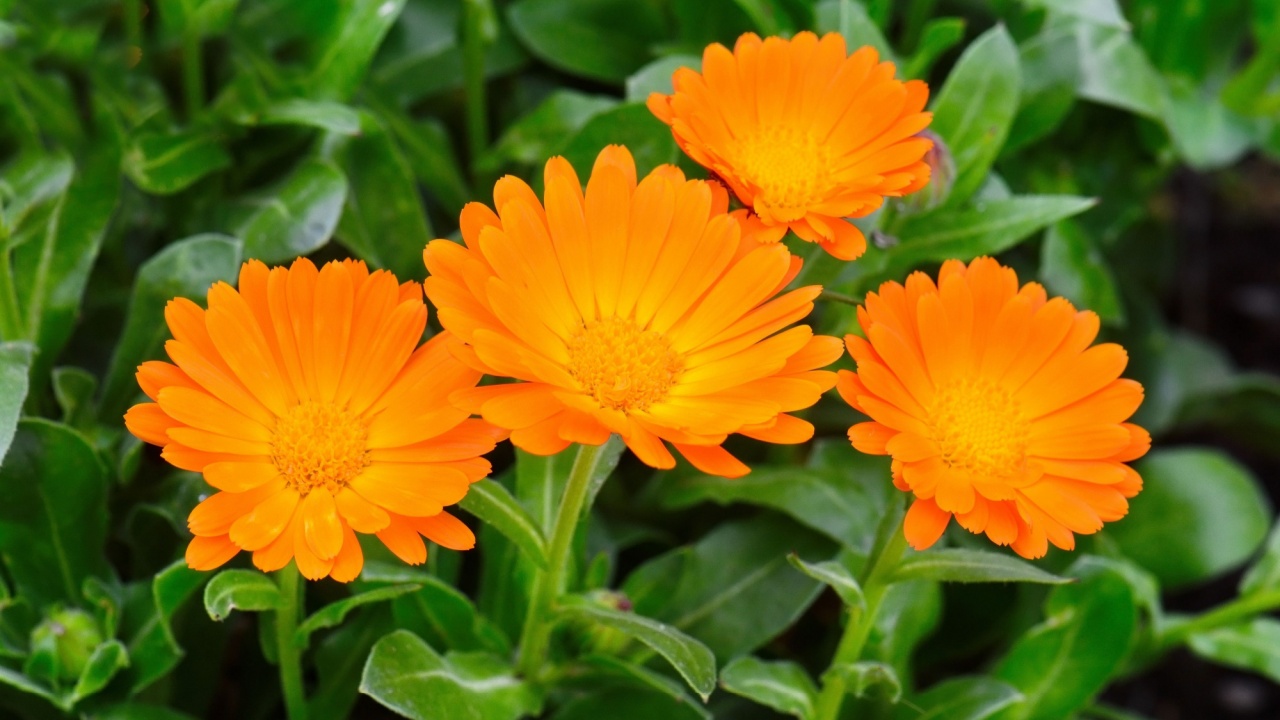
Not to be confused with a true marigold, Calendula is a cool-season flower with simple, daisy-like blooms in sunny shades of yellow and orange. It will bloom continuously from a fall planting right up until a hard freeze.
Calendula is incredibly easy to grow and will often self-seed in the garden. It has a long history of use in culinary and medicinal applications.
- Why it’s a great fall option: Easy-going, cheerful, and will keep blooming through light frosts.
- Care Tips: Prefers full sun but will tolerate part shade. Plant in average, well-drained soil. Deadhead regularly to keep the blooms coming.
- Unique Features: The petals are edible and can be used to add color to salads or as a natural food dye.
Choose a Few for a Beautiful Fall Garden
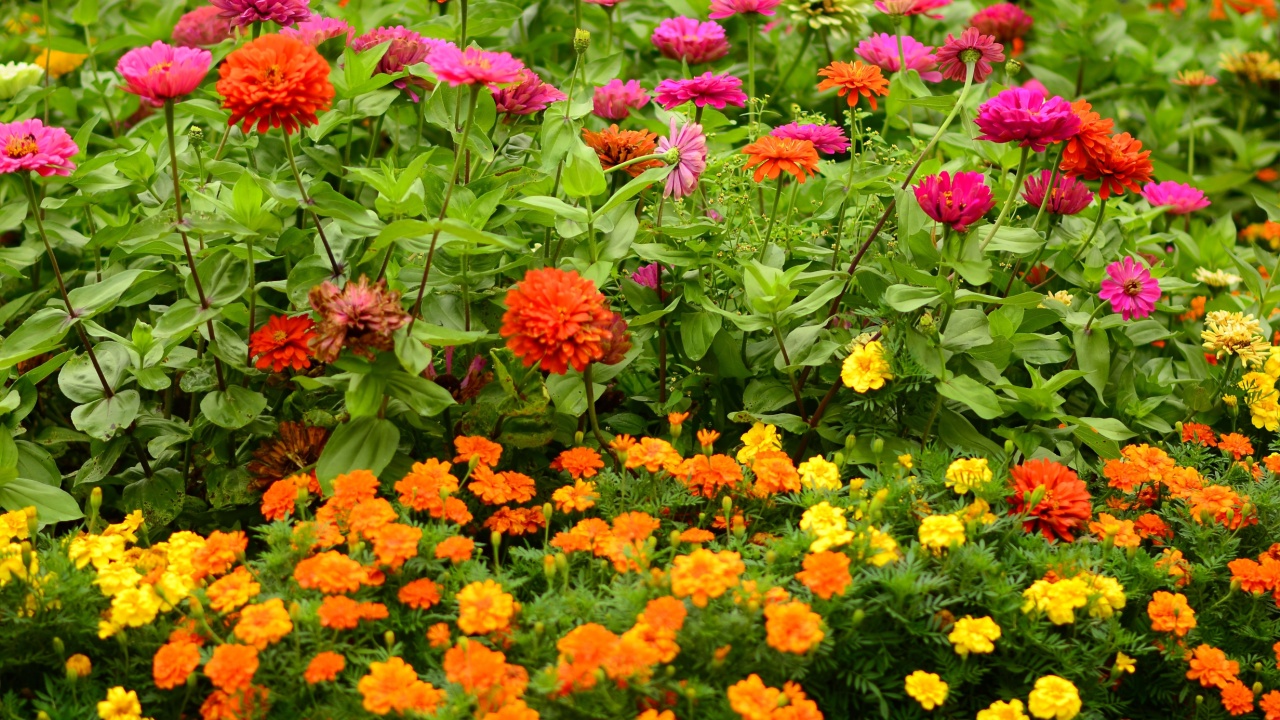
With so many stunning options, the end of summer can now feel like the beginning of a whole new season of beauty in your garden. To get started, consider these next steps:
- Plan Your Plantings: As your summer annuals begin to fade, plan which fall flowers you’ll use to replace them in containers and beds. A mix of mums, pansies, and ornamental kale can provide instant impact.
- Create Autumn Arrangements: Don’t limit the beauty to the outdoors. Cut stems of dahlias, zinnias, and celosia to create vibrant bouquets for your home. Experiment with drying flowers like strawflower and goldenrod for decorations that will last all winter.
- Support Pollinators: Make a conscious choice to include late-season nectar sources like asters, goldenrod, and sedum. You’ll be providing a critical food supply for bees and butterflies preparing for winter.
- Prepare for Next Year: For perennials like dahlias and anemones, take note of what performed well. As the season ends, research the proper care for storing tubers or dividing plants to ensure an even better show next year.
By embracing the flowers of fall, you can extend your gardening joy and create a landscape that is just as full of life and color as it was in spring and summer.