How To Grow Beautiful Roses: Top Tips For Success
Roses are considered one of the most beautiful flowers in the world and are associated with love, romance, and affection. If you want to know more about how to grow beautiful roses, we are going to review my top tips for gorgeous rose blooms.
The history of roses can be traced all the way back to the ancient Greeks and Romans. In fact, the word “rose” comes from the Latin word “rosa”. Roses have been used for centuries for a variety of purposes:
- For decoration
- In fragrances
- And even in medicine
There are many different types of roses, each with its own unique characteristics. Some roses have been developed to maximize fragrance (check out my page about the most fragrant roses), some are edible, and others have uniquely beautiful petals. If you’re looking for an elegant flower that is versatile and beautiful, then roses are a wonderful choice.
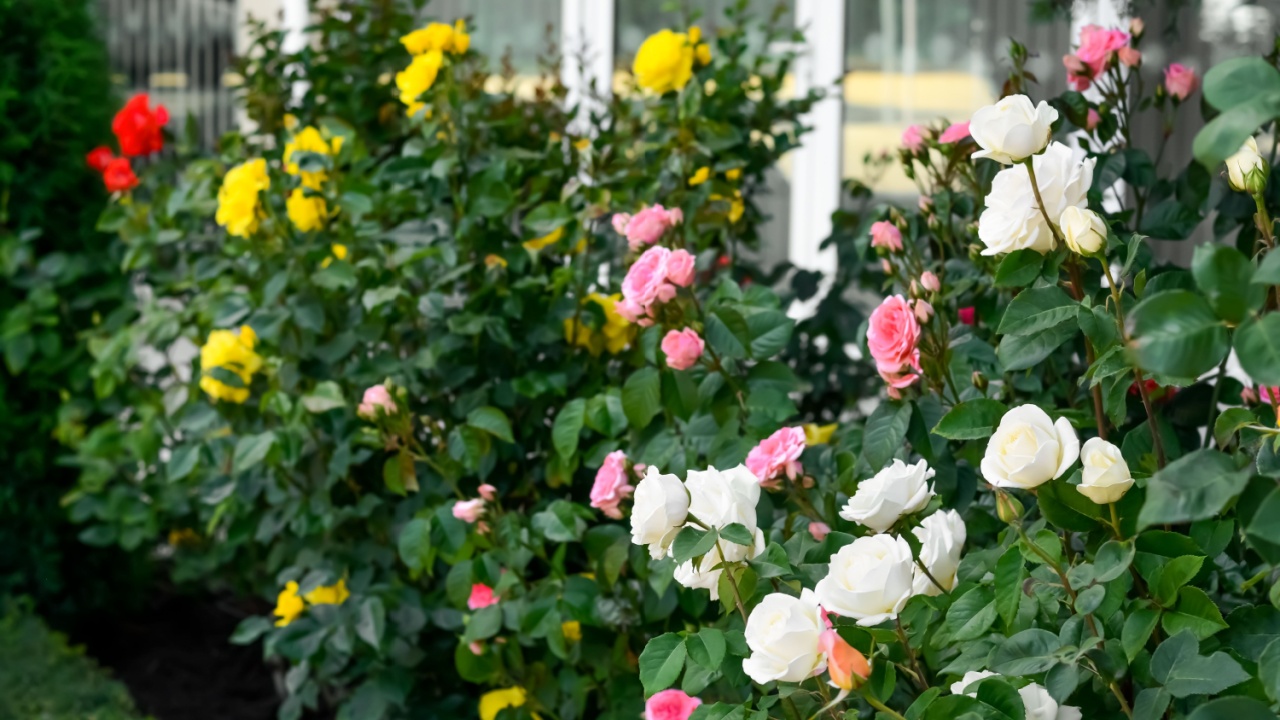
Red is the most well-known color choice when it comes to roses, but they actually come in a variety of colors. You can add pops of color to your garden with roses that are yellow, white, orange, or pink.
While roses have a reputation for being difficult to grow, anyone can do so with a little extra care. Roses are indeed one of the more high-maintenance flowers, but don’t let that stop you from enjoying them.
11 Tips for Growing Beautiful Roses- 1. Prepare the Soil
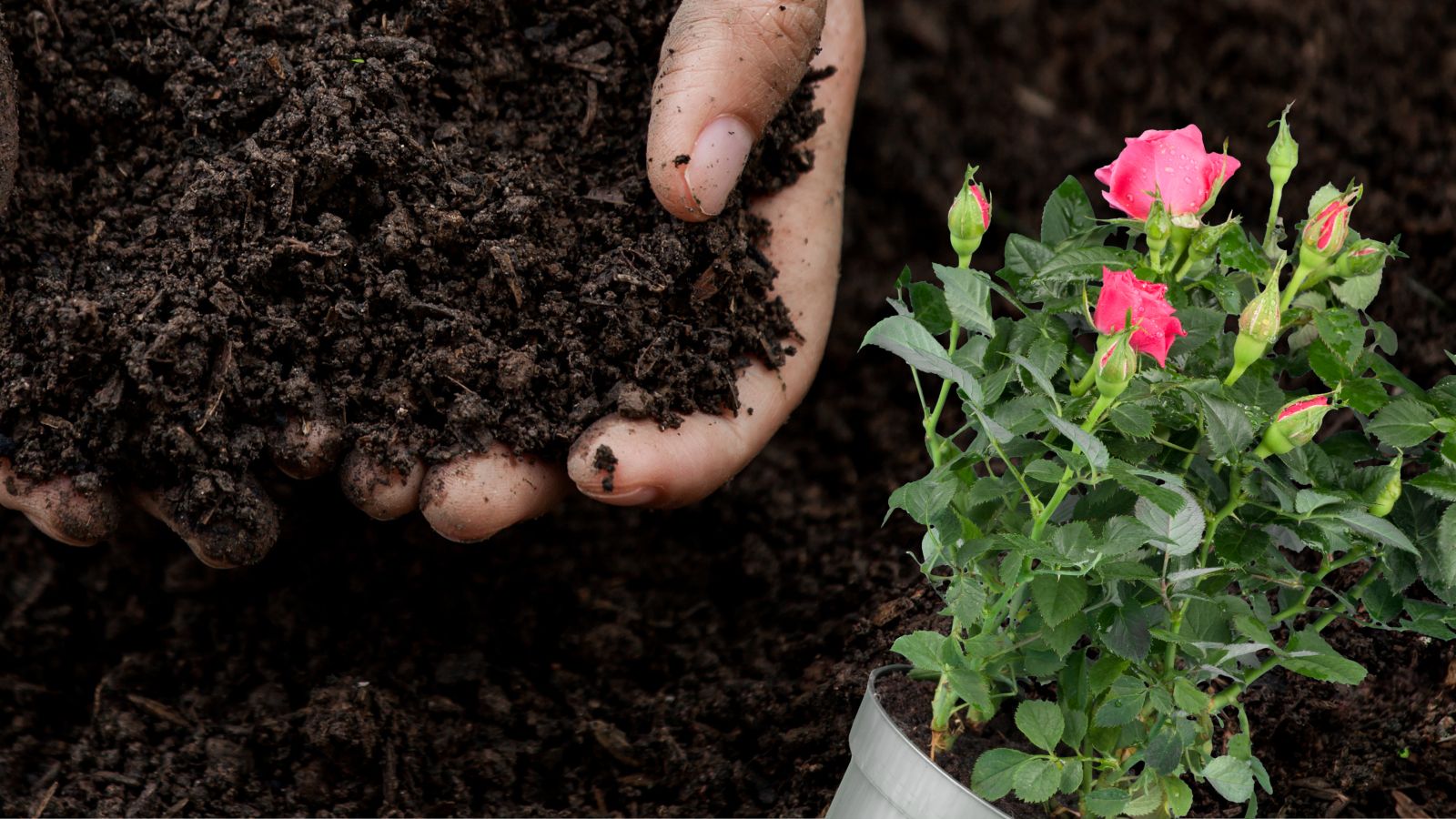
Let’s explore some tips for growing beautiful roses – from soil preparation to pruning techniques and beyond – so that you have all the information you need to start enjoying these gorgeous flowers and create your own rose flower garden. First, soil prep!
The quality of your soil will determine how successful a gardener you will be with roses. Roses thrive in rich, well-drained, slightly acidic soil. Adding compost is a great way to prepare the soil for roses.
A good rule of thumb is to use equal parts compost (homemade or bagged) and soil when preparing new beds for planting roses. This ensures that there is plenty of organic material in your bed, which provides nutrients for plants’ roots while also helping to improve drainage.
2. Give Roses a Nice Sunny Spot
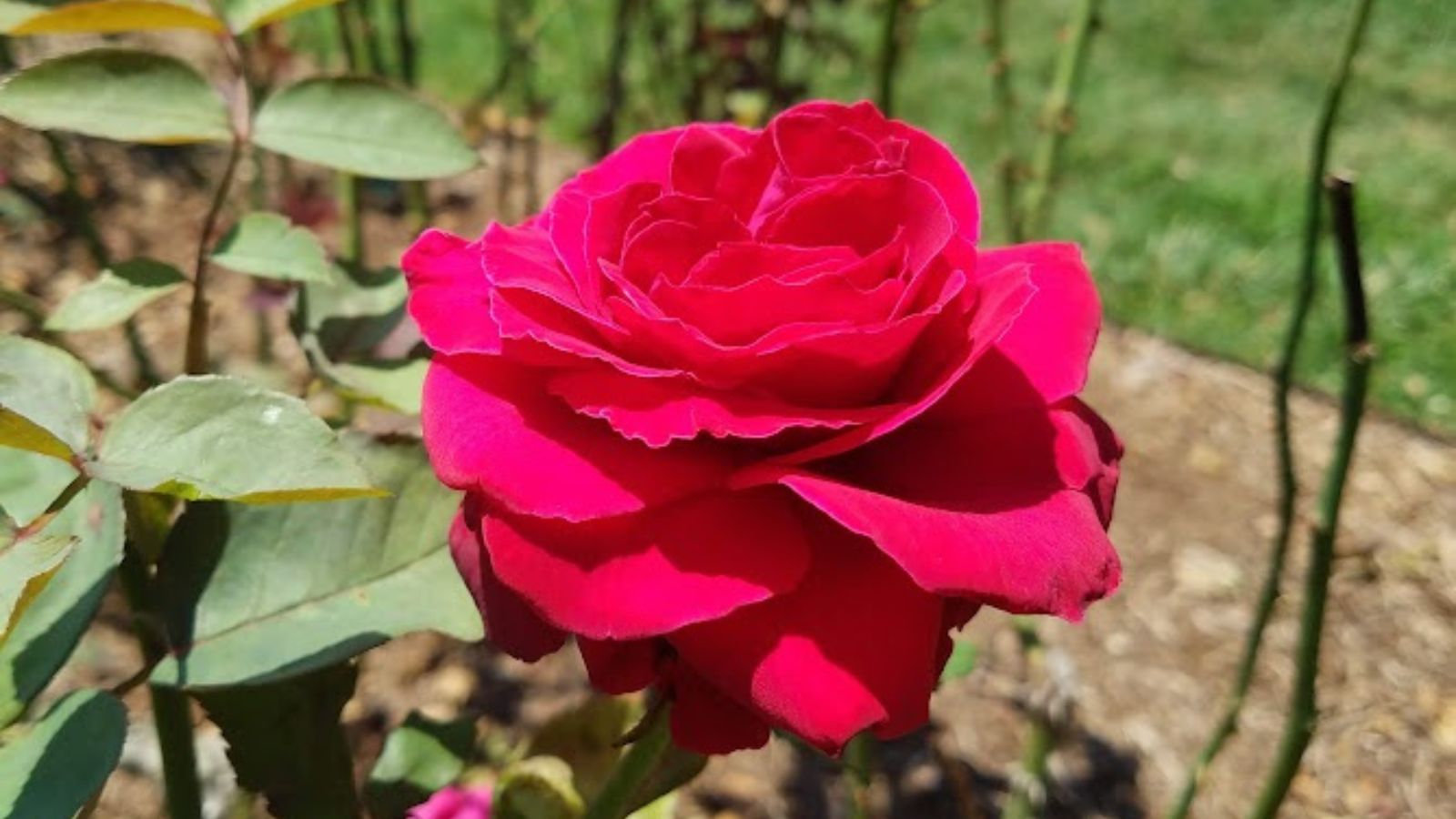
Roses will do best in a sunny area. They need at least 6 hours of direct sunlight each day in order to bloom abundantly.
Too much sun isn’t ideal, either. If your climate is particularly hot, they may need a bit of protection from the sun during the hottest parts of the day.
Finally, choose an area that gives the roses plenty of space away from other plants. If the roses are too crowded, they’ll compete with other plants for sunlight, water, and nutrients.
3. Fertilize Your Roses
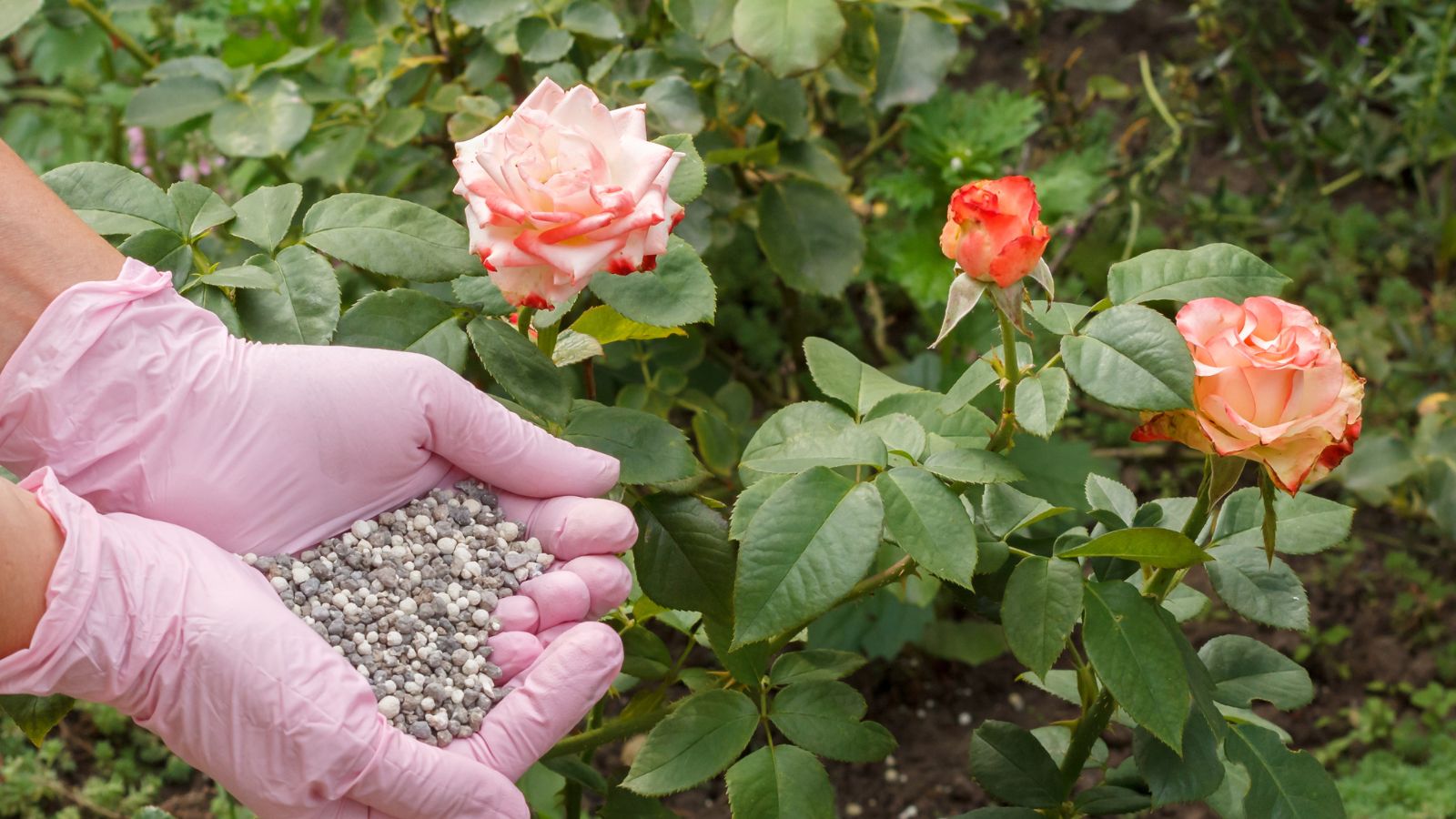
Since roses love nutrient-rich soil, they do well with frequent fertilizer applications. From April through September, they should be fertilized once a month using a balanced organic fertilizer such as fish emulsion or compost tea.
4. Mulch Roses Every Spring
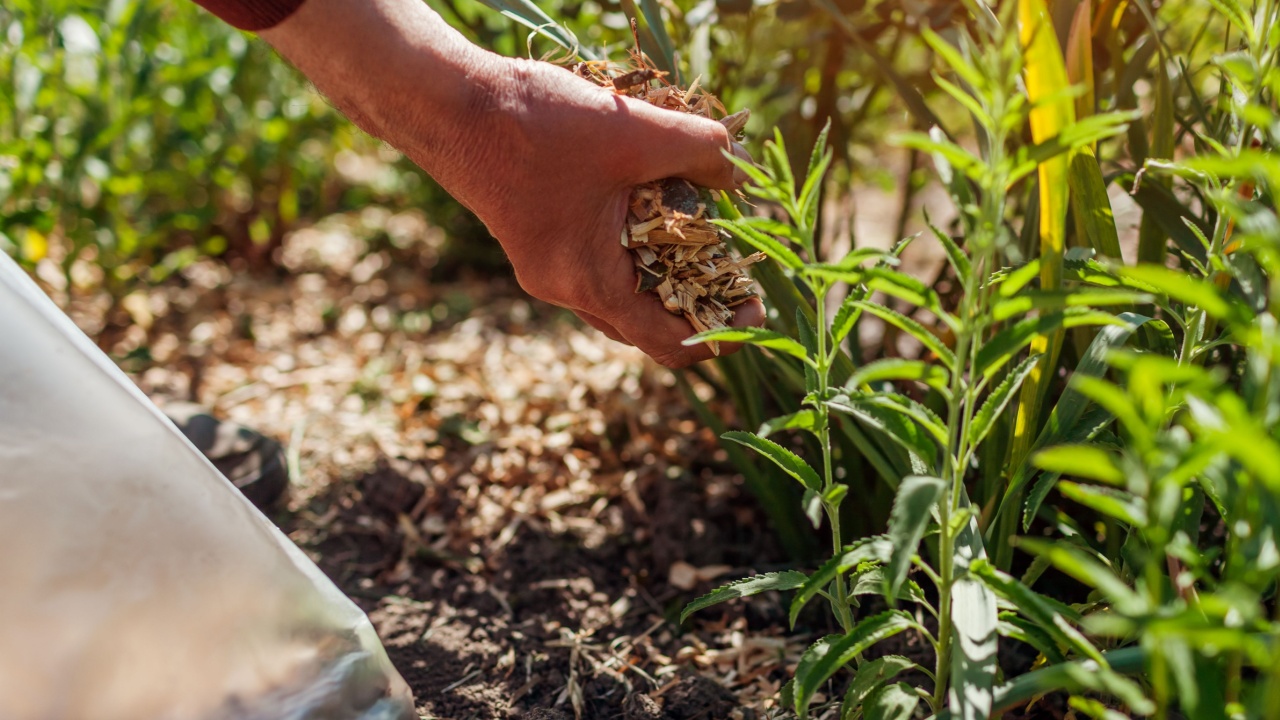
A 1-2 inch layer of mulch is beneficial for roses. Mulch helps by keeping the soil moist and cool, as well as suppressing weed growth. Straw, shredded bark, or compost are all good choices for mulching roses.
5. Roses Need to Be Pruned
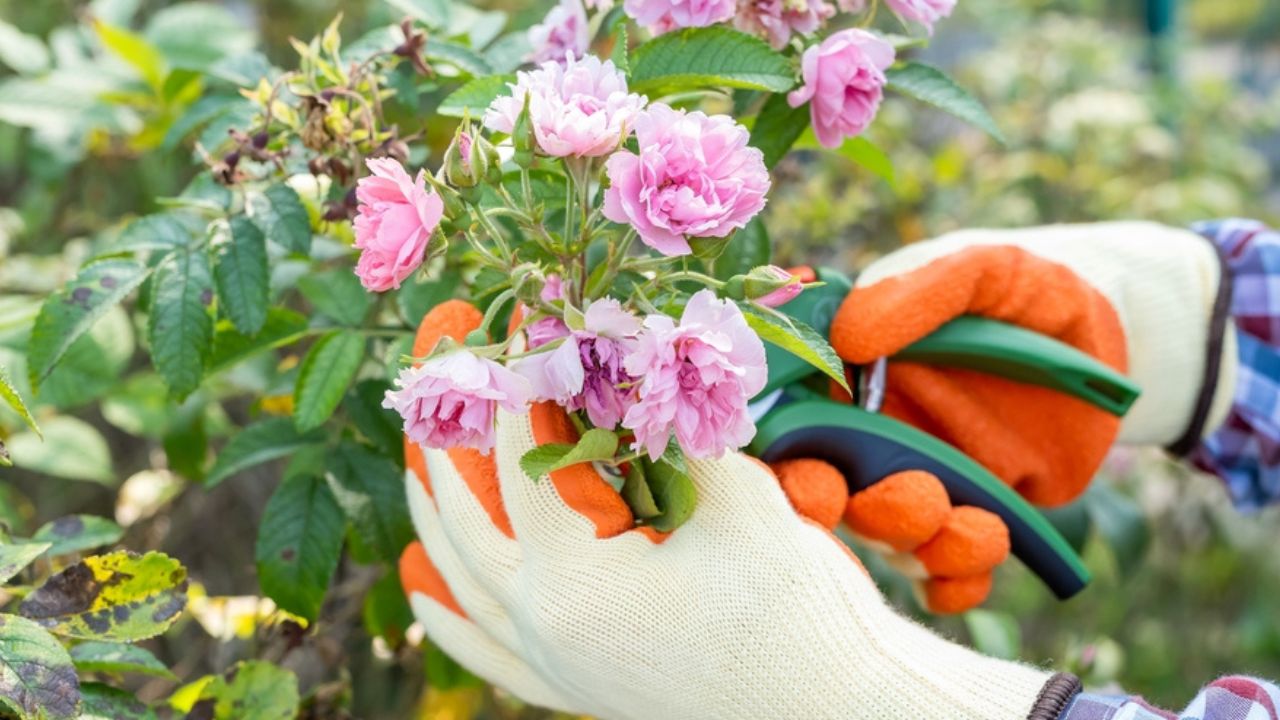
Pruning is necessary in order to keep your roses healthy and looking their best. The best time to prune most roses is in the early spring before new growth begins.
To prune, remove any dead or diseased wood first, then thin out the plant by cutting back old canes to the desired length. You can then prune as needed throughout the season.
You’ll have the most success with very sharp gardening shears. Also, be sure to wear gardening gloves to protect your skin from the thorns!
Check out this guide to pruning drift roses.
6. Insects and Diseases
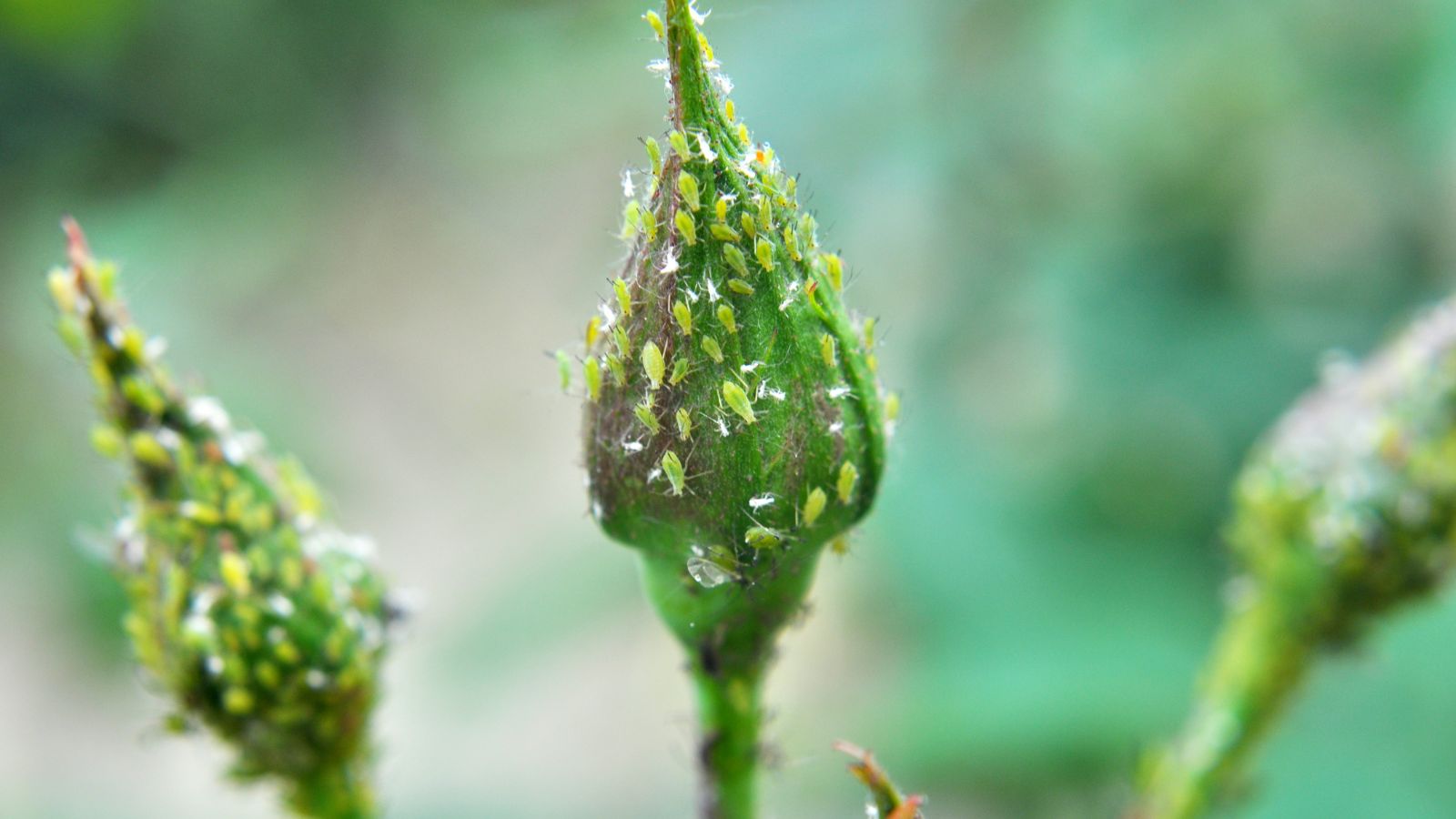
Roses are susceptible to a variety of insects and diseases, so it’s important to be vigilant in monitoring them for problems. Addressing any issues early on will give you the greatest chance of success.
The most common pests and diseases include aphids, black spot, powdery mildew, Japanese beetles, rose rust mites, scale, and thrips.
If you notice any of these problems on your roses, there are organic remedies available to help get rid of the problem. Neem oil, for example, is a popular natural pesticide.
7. Choose the Right Rose Variety for Your Location
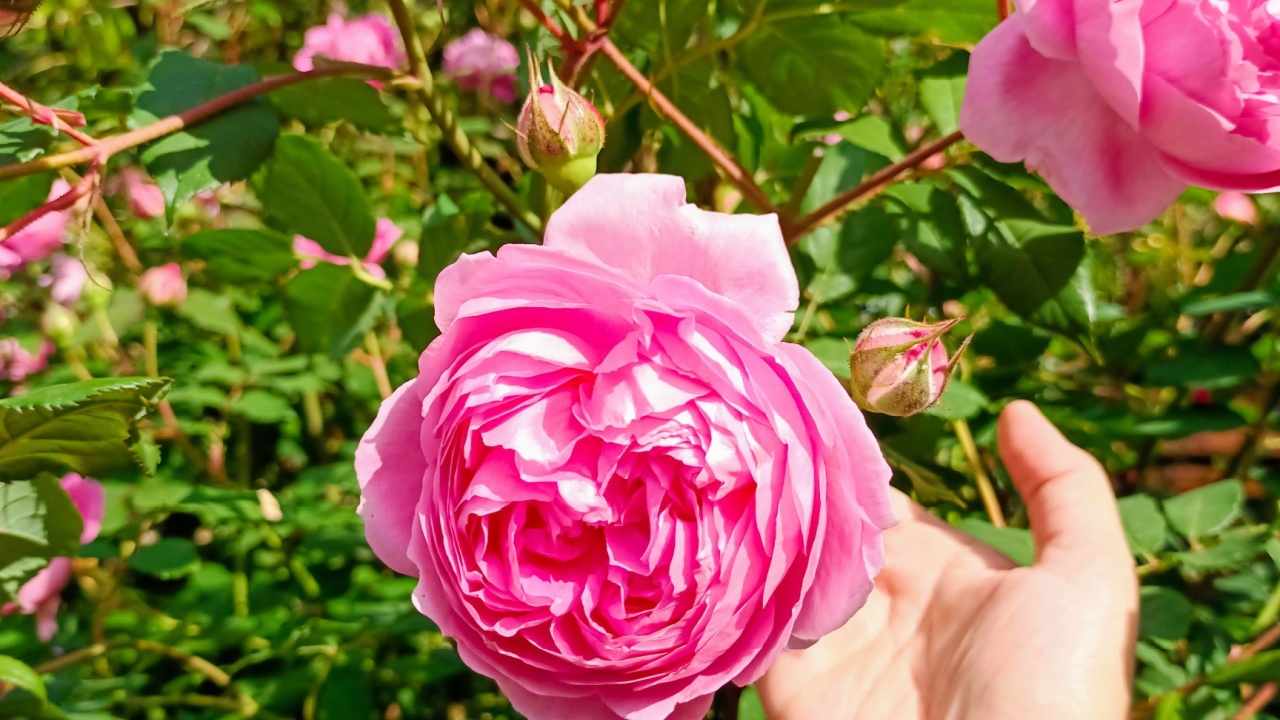
There are many different kinds of roses to choose from. When selecting a variety for your garden, it’s important to choose a variety that is suited to your climate and growing conditions.
For example, if you live in a colder climate, you’ll want to choose a hardier rose variety than someone who lives in a warmer climate.
You’ll also want to choose the variety that gives you the type of blooms you want. Grandiflora varieties boast large flowers, while micro-miniatures will give you tiny blossoms. You also need to decide between shrubs or climbing varieties.
8. Propagating Roses
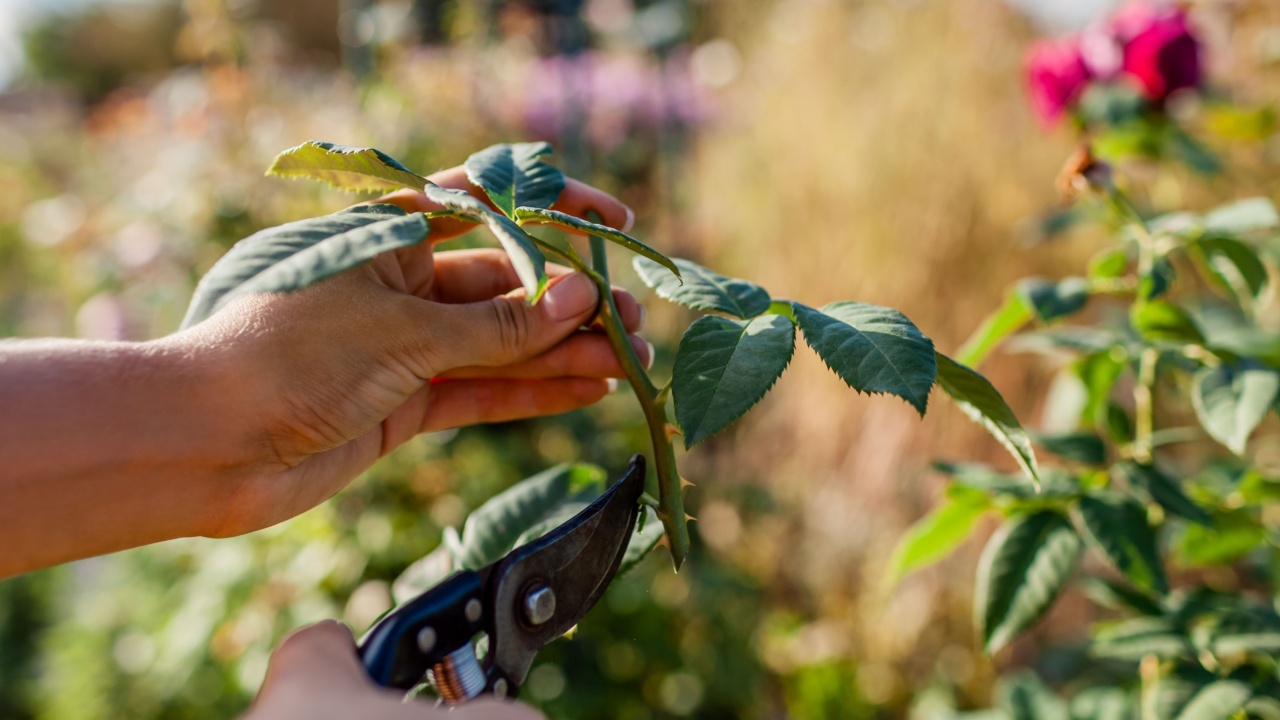
Propagating your roses by taking cuttings is one of the most satisfying projects. By propagating new plants from stems, you can always have a plentiful supply of new plants to enjoy.
To propagate, simply take four-inch lengths of softwood stems in the spring, remove the leaves from the bottom half, dip them in rooting hormone, and plant them in potting soil. Then leave them outside in the partial shade until they are well established.
9. Don’t Forget to Water Your Roses
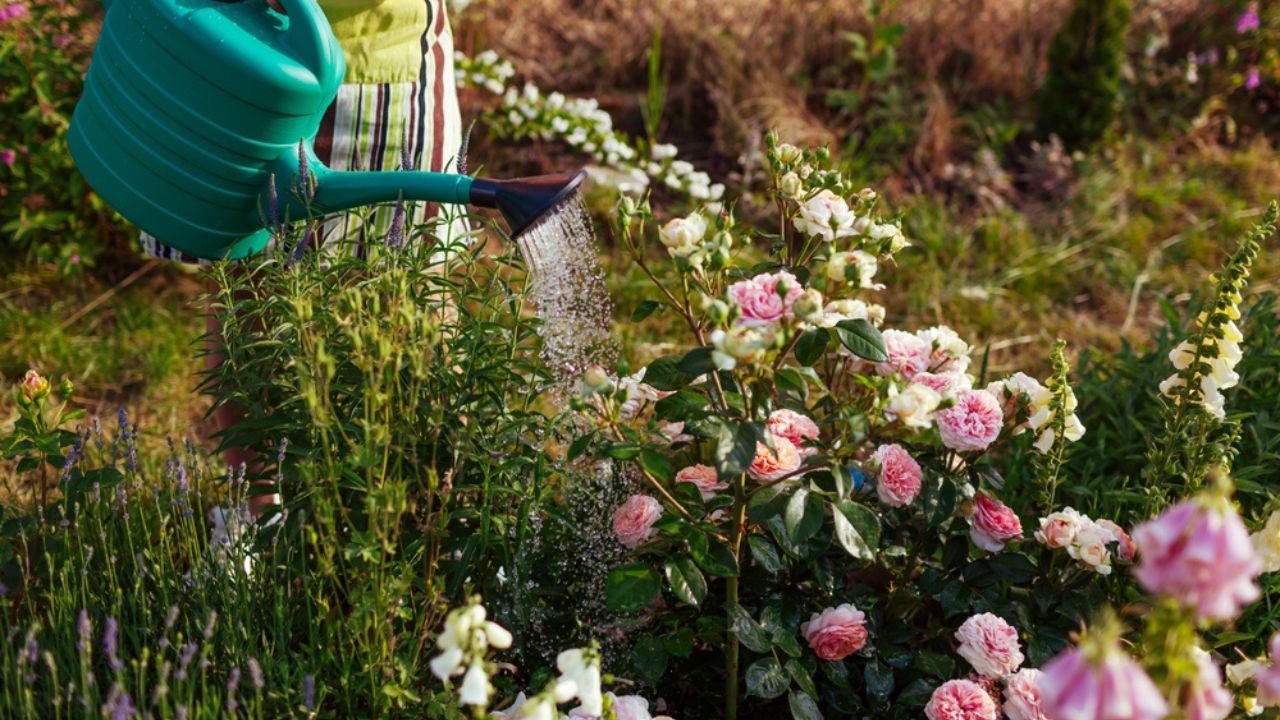
Roses also require plenty of water, especially during the hot summer months. The soil should stay evenly moist for the best results.
Since city water contains chemicals that can damage your plants, rainwater is ideal. Using a rain barrel to collect it makes it possible to use the water for your garden when needed, even when it doesn’t rain for a while.
10. Know When to Plant Roses
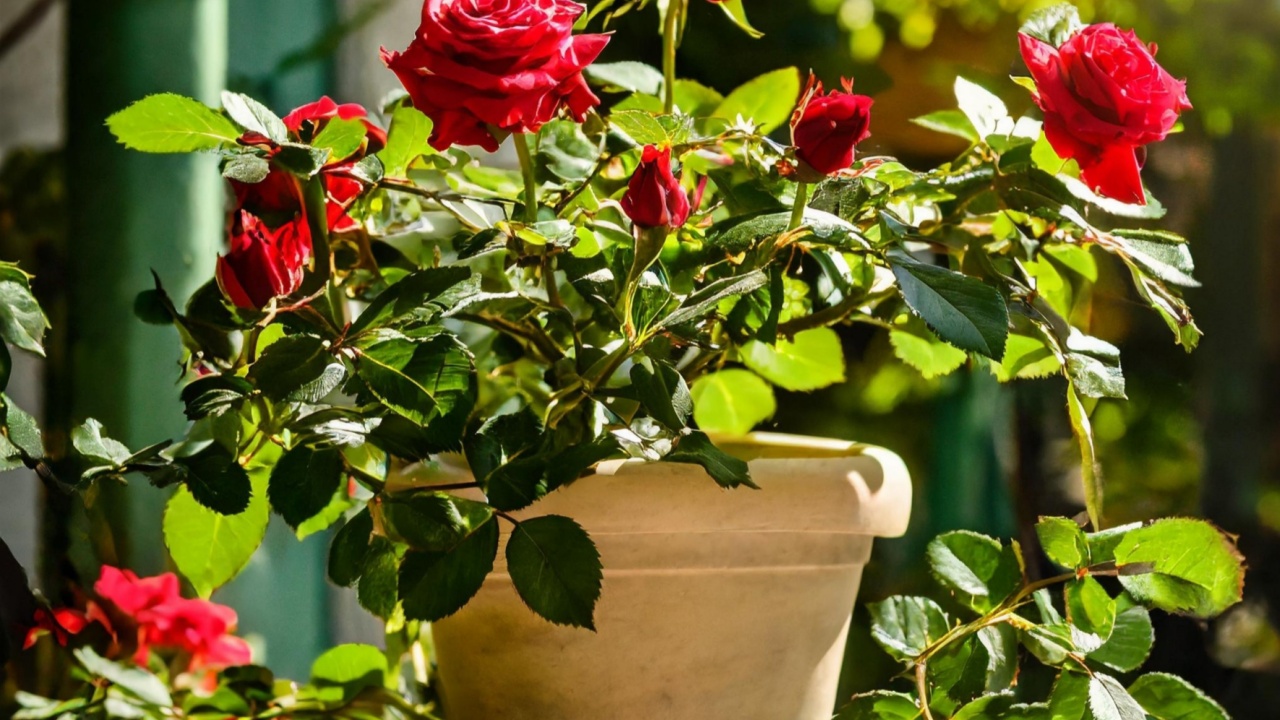
It’s best to plant roses in the spring, not the fall. Wait until after the first frost, then plant them in the ground. This ensures they have enough time to establish their root system before winter arrives.
Potted plants are a bit more flexible, while bare-root roses should be planted as early as possible.
Growing beautiful roses doesn’t have to be difficult. If you follow these 10 tips, with the right care, you can enjoy your roses for years and years to come.
11. Plant Them With the Right Companions
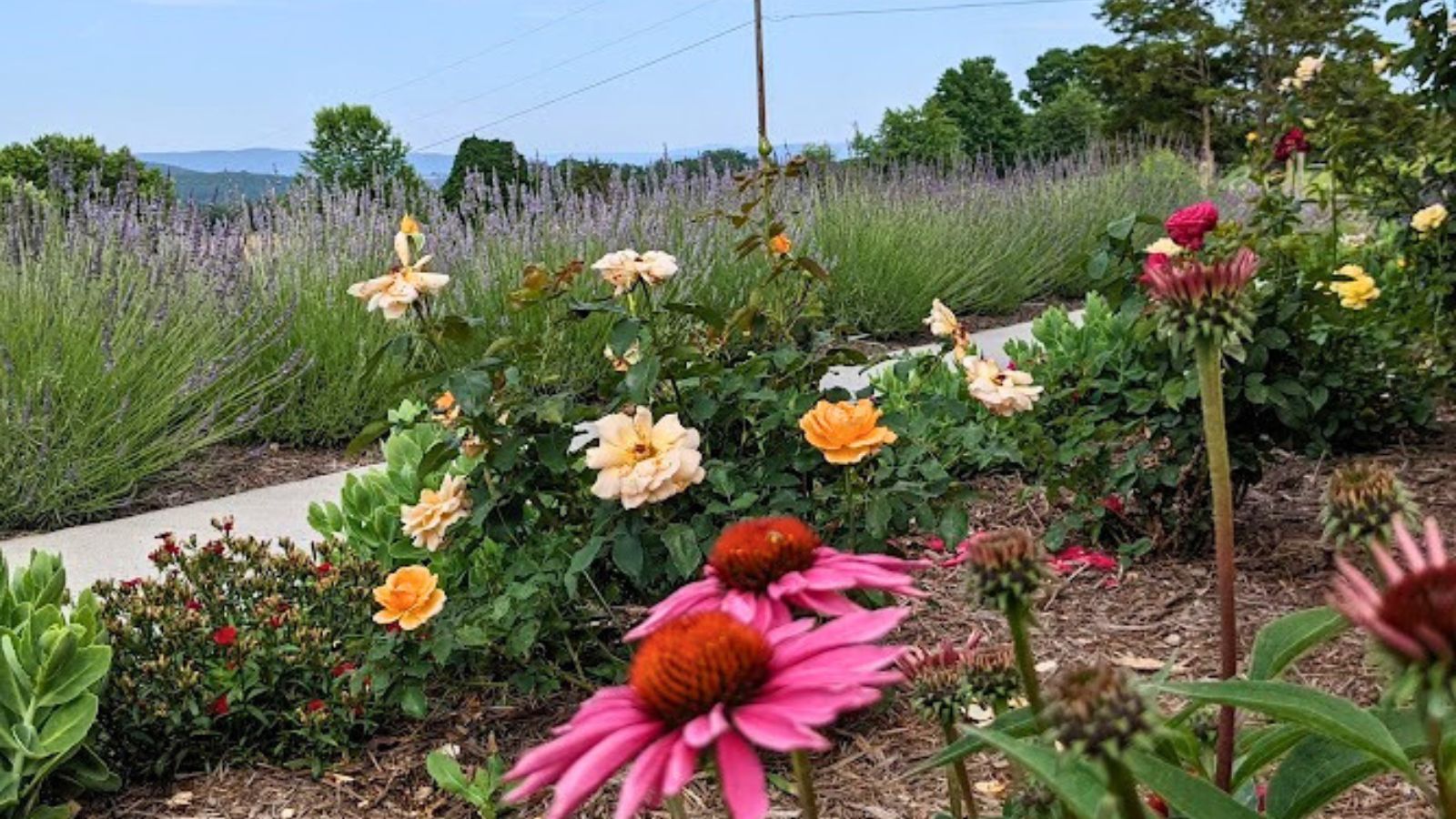
Your roses will thrive if you plant them with plants that need the same conditions for growth.
Here are 11 perfect rose flower companions, like clematis, foxglove, and wallflower.
Choosing the Most Fragrant Roses To Plant In Your Garden
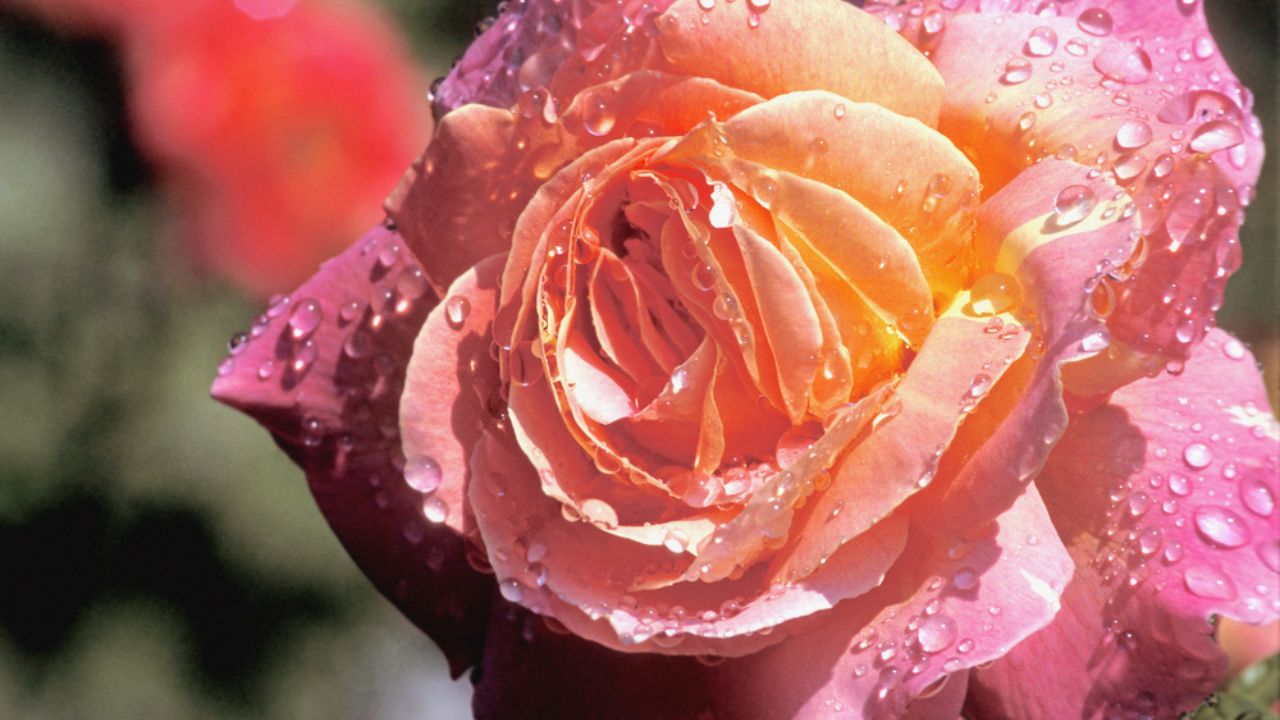
Now that you know how to care for roses, choosing roses that’ll match your landscaping is the fun part.
If you’ve always dreamed of having a garden filled with sweet-smelling blooms that delight your senses every time you step outside, you’ll need to plant a few of the most fragrant roses on my list.