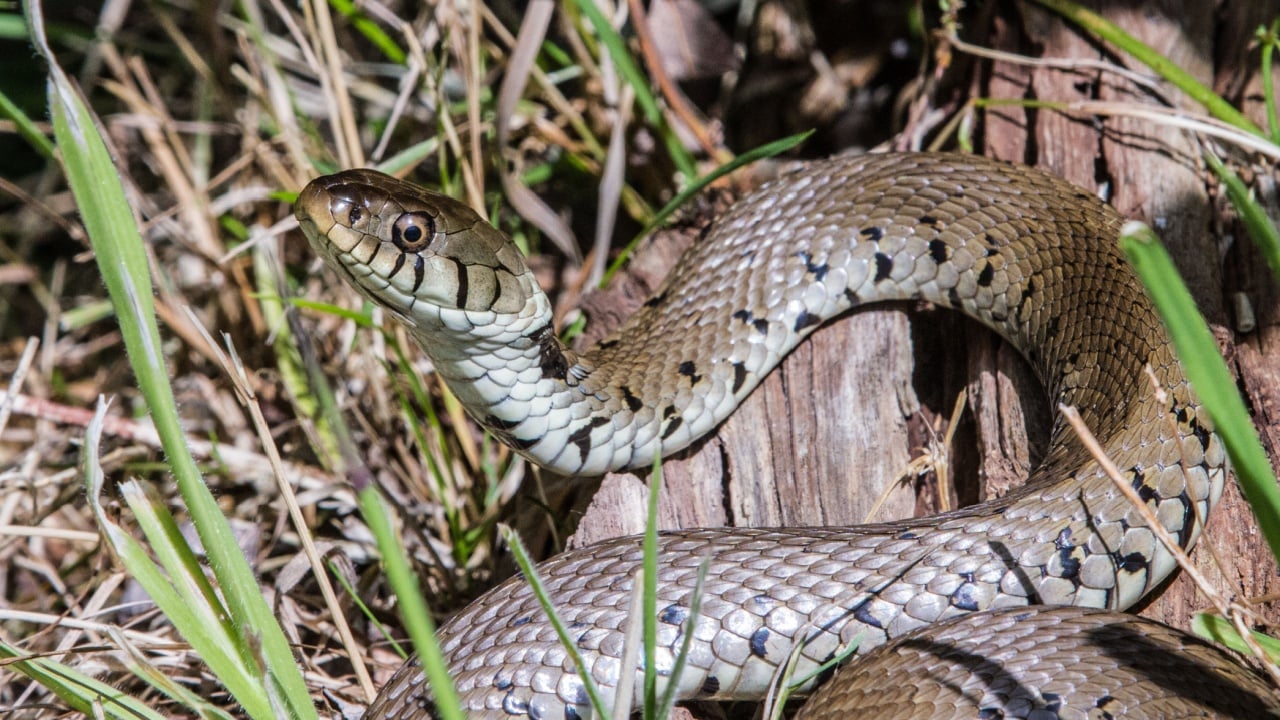
8 Smells That Snakes Hate
I love snakes, as long as we are not in the same area code. I don’t know anyone who would love to find a snake in their yard; unfortunately, they do not need much space to slip in. A gap under a shed, a pile of leaves, or a damp corner near a hose can give them a place to rest out of sight.
Snakes use their forked tongues to collect tiny scent particles from the air and ground, which then send that information to a special organ in the roof of the mouth. This helps them track prey, sense danger, and move through their surroundings.
Luckily for humans, since snakes rely heavily on scent, strong odors can disrupt how they read an area. Some smells may irritate them, while others can mask the scent trails they use to hunt. A smell alone will not fix a snake problem, though it can play a useful part in a larger plan.
Here are eight smells that snakes tend to avoid. Read to learn practical ways to use them in a yard without making the space harder for people and pets to enjoy.
1. Garlic
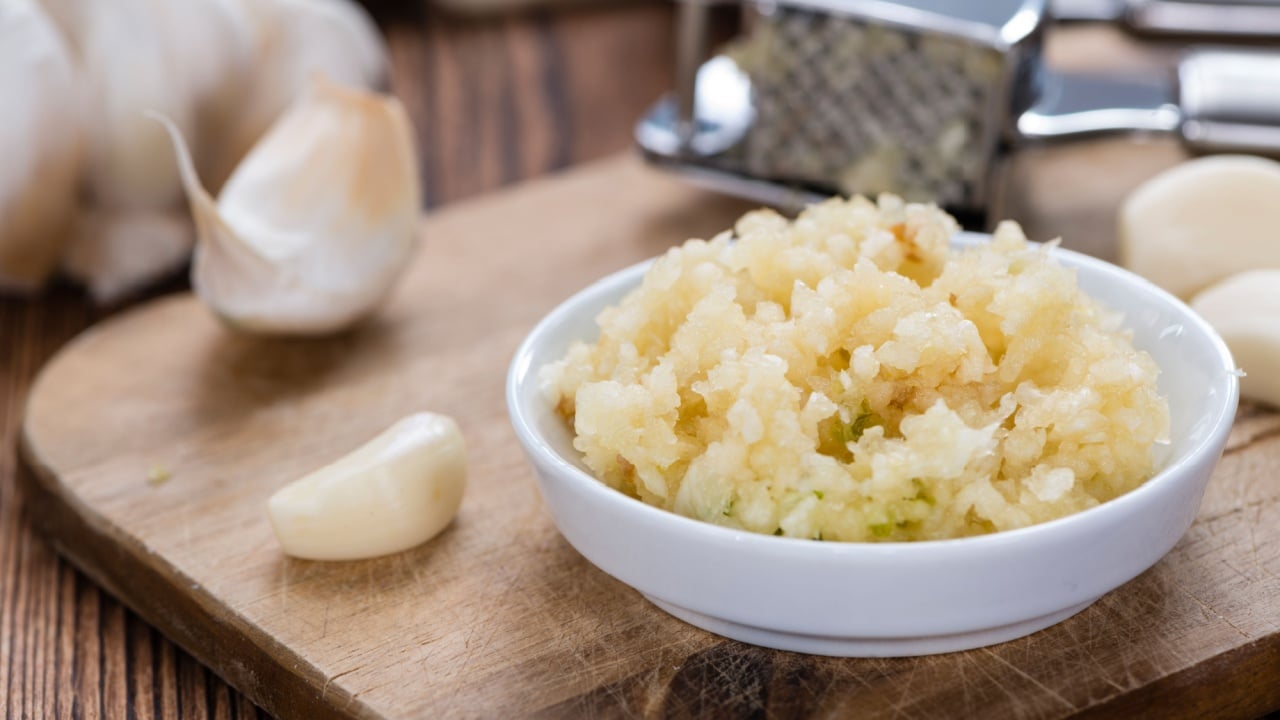
Garlic has a strong, sulfur-rich smell that many animals dislike, and snakes appear to be among them. Its odor can interfere with the scent signals snakes use when they search for food or safe cover.
Some gardeners and pest control experts also note that garlic sprays may reduce insect populations in the area, which matters because fewer bugs can mean fewer frogs and other small animals that attract snakes.
You can use crushed garlic in homemade yard sprays or buy products that include garlic oil as an active ingredient.
Apply it around sheds, wood piles, rock borders, and other places where snakes may hide, but avoid soaking edible plants right before harvest. Since rain and irrigation can wash the smell away, repeat treatments as needed and combine them with cleanup to reduce the yard’s hiding places.
2. Peppermint Oil
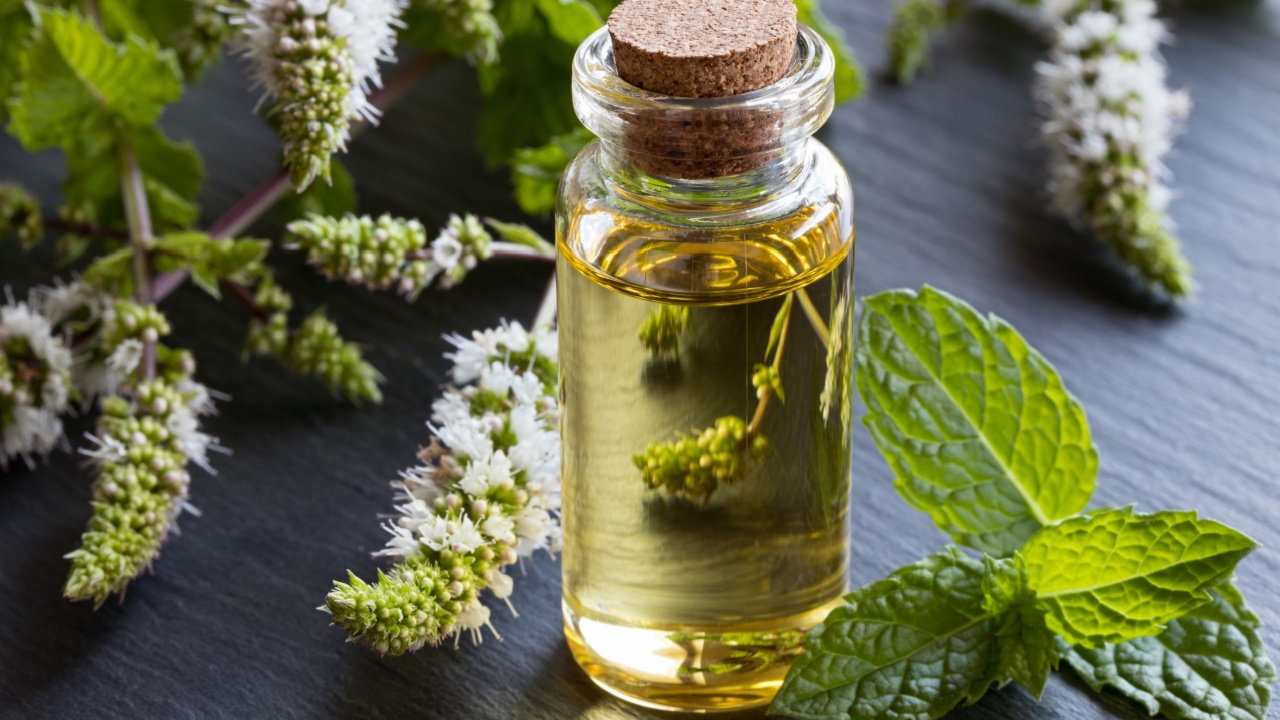
Peppermint oil gives off a sharp, cooling scent that can overwhelm an area fast. For snakes, that strong odor may make it harder to pick up the scent trails of prey or read the environment with the same accuracy.
This is one reason peppermint is often listed in homemade snake repellent blends, even though scientific support for long-term control is limited.
If you want to try it, dilute a few drops of peppermint essential oil in water and spray it around entry points, fence lines, and outbuildings. Keep the spray off surfaces where pets may lick it, and never use concentrated oil where children play.
Peppermint may also help discourage some insects, which can make the area less appealing to the small creatures snakes hunt.
3. Cinnamon and Clove Oil
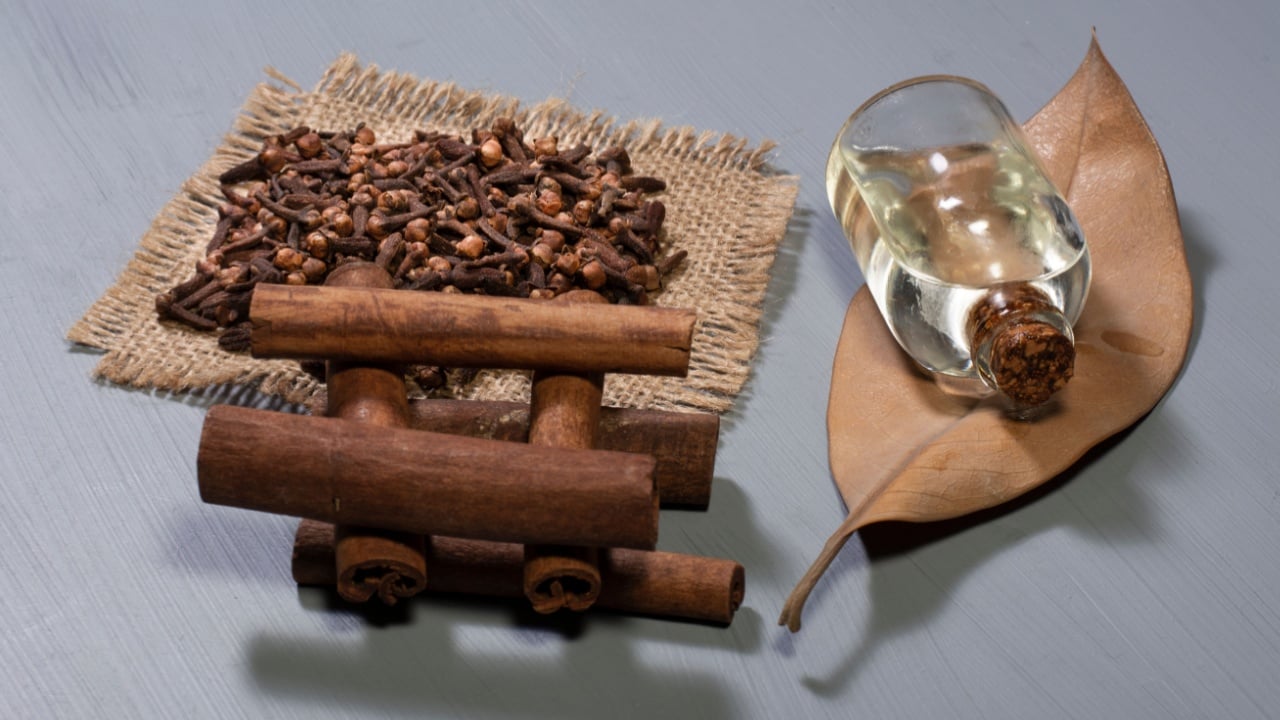
Cinnamon oil and clove oil are among the better-known scent-based snake repellents. Research on certain species, including the brown tree snake, has found that these oils can trigger avoidance behavior.
Their strong, spicy compounds seem to irritate snakes enough to make treated areas less attractive for travel or shelter. These oils are usually most useful when diluted and sprayed in targeted outdoor spots instead of spread across an entire yard.
Focus on gaps near garages, under decks, around storage areas, and along foundations where snakes may pass through. Because essential oils can irritate skin and harm pets if misused, always follow label directions and keep treated areas dry until the product has settled.
4. Lemongrass

Lemongrass has a bright citrus scent due in part to citronella compounds, and that smell may help repel snakes from certain areas. It is not a perfect barrier, though it can make a space less pleasant for them to cross.
As a bonus, the same scent may deter mosquitoes and other insects, which helps cut down on food sources for animals that snakes like to eat.
You can grow lemongrass in warm climates or use diluted lemongrass oil around patios, garden edges, and storage zones. Planting it near seating areas may serve two purposes by adding fragrance for people while making the area less attractive to pests.
5. Marigolds

Marigolds are often planted to discourage pests, and they may help with snakes as well. These flowers produce a scent many people find earthy and strong, and some experts point to natural compounds such as alpha-terthienyl as part of the reason animals avoid them.
While marigolds will not drive every snake away, they can support a yard setup that feels less welcoming. Plant marigolds along borders, near vegetable beds, or close to spots where you want a stronger scent presence.
Their value goes beyond snake control, as they may also help reduce certain insect populations in the garden. That matters because a yard with fewer insects often attracts fewer frogs and rodents, which lowers the odds of snakes sticking around.
6. Vinegar
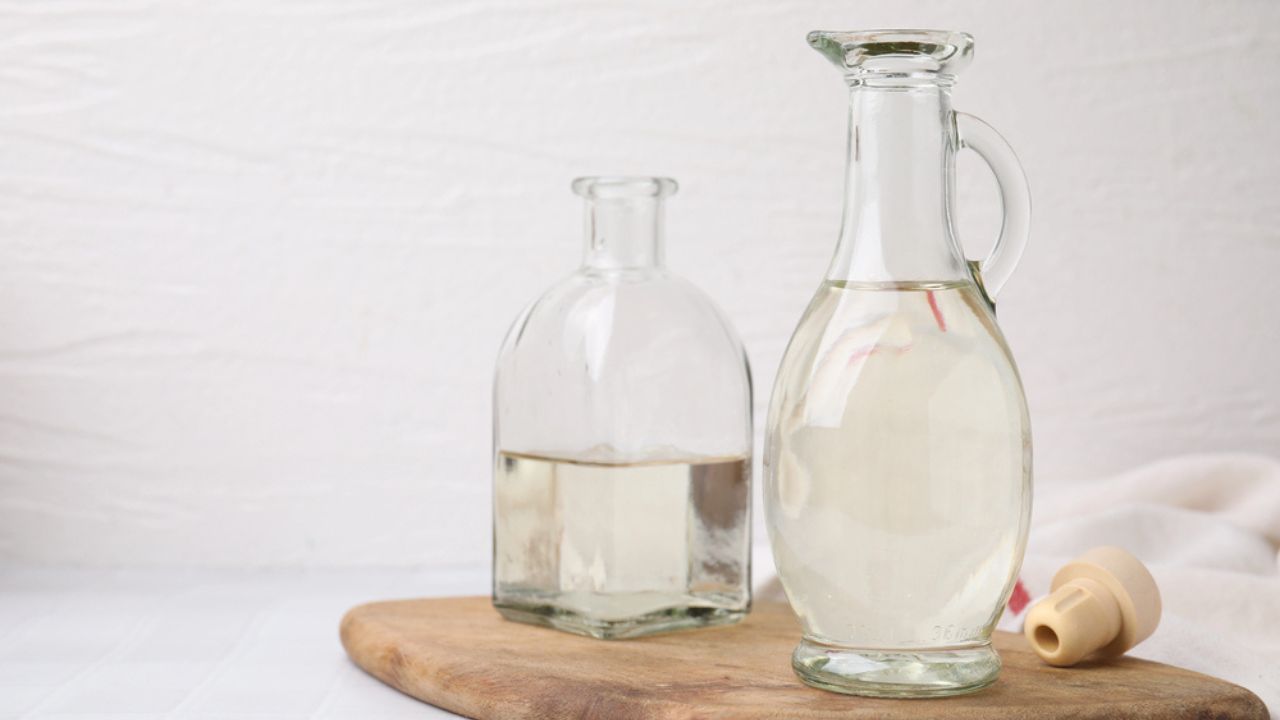
Vinegar has a sharp, acidic smell that many animals dislike, and snakes may avoid freshly treated areas because of that irritation. It is most often mentioned for use around hard surfaces or near water features, where the smell stays noticeable for a while.
The effect is usually temporary, yet it can be useful in small areas where snakes tend to pass through.
Pouring full-strength vinegar all across a yard is not a good idea because it can damage plants and alter soil conditions.
A better method is to use it carefully on non-plant surfaces such as the edge of a patio, the base of a wall, or cracks near a walkway. If you try this option, use it sparingly and keep it away from lawns, flower beds, and stone that could stain.
7. Smoke

Smoke is one of the more intense scent signals in nature, and many animals treat it as a warning sign. Snakes may leave an area that smells strongly of smoke because it suggests fire, heat, or danger.
That does not mean you should smoke out a yard, though it helps explain why snakes often avoid places with lingering burnt odors.
A safer way to use this idea is through smoke-scented repellent products made for outdoor pest control, if they are labeled for that purpose.
Do not build smoky fires near dry grass, sheds, mulch, or fences just to repel snakes. Smoke can be hard on people, pets, and neighbors, so this method is best viewed as limited and secondary rather than a main line of defense.
8. Citrus

Citrus peels and oils contain limonene, a natural compound with a strong fresh scent that some pests dislike. Snakes may avoid areas treated with citrus because the odor is overpowering and may interfere with their ability to sense prey trails.
While the smell is pleasant for many people, it can be a strong sensory signal in a snake’s environment.
You can scatter fresh peels in small outdoor spots for a short-term effect, though they break down fast and may attract insects if left too long. Citrus-based sprays are often more practical for use around porches, sheds, and trash storage areas.
Repel and Relax
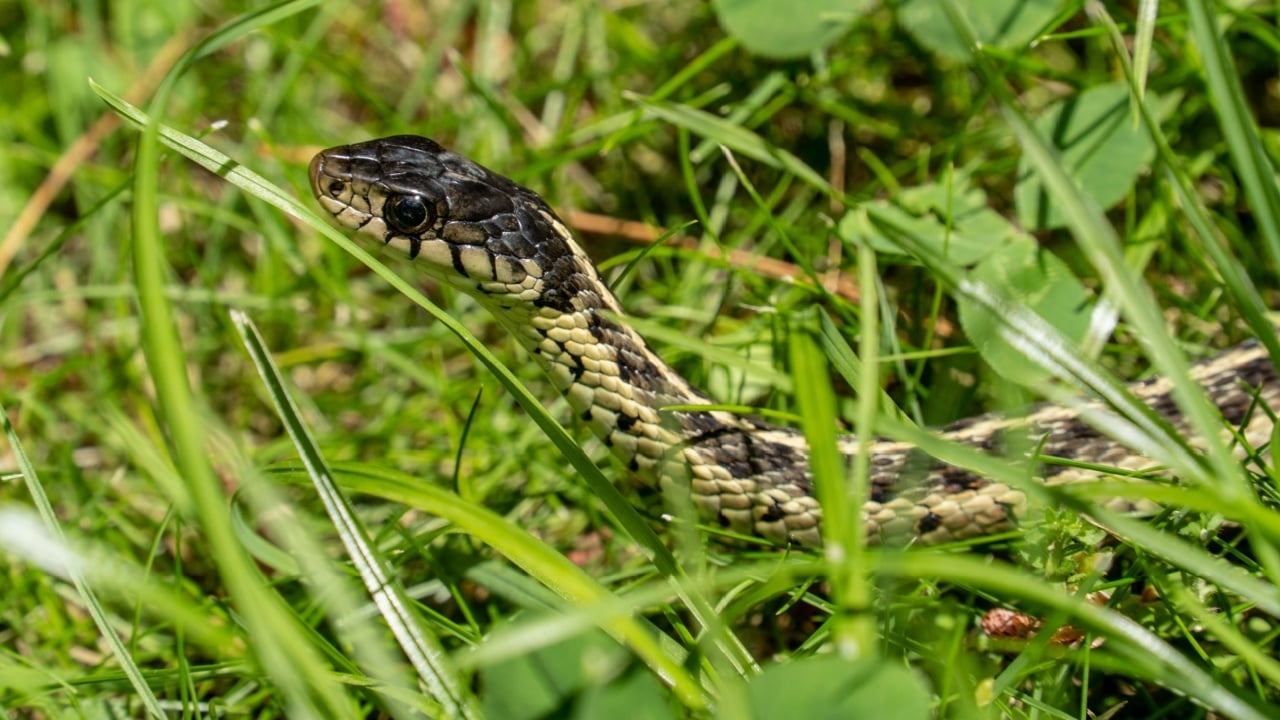
Snakes usually enter a yard for food, water, shelter, or all three. Strong smells may help push them away from certain spots, but scent alone rarely solves the full problem.
The most useful approach is to combine repellents with basic yard care. A cleaner yard gives snakes fewer reasons to stay. Keep grass trimmed, remove piles of boards or leaves, seal openings around structures, and control rodents if they are present.
Read More:
Never Do These 10 Things in Your Yard If You Want to Keep Snakes Away