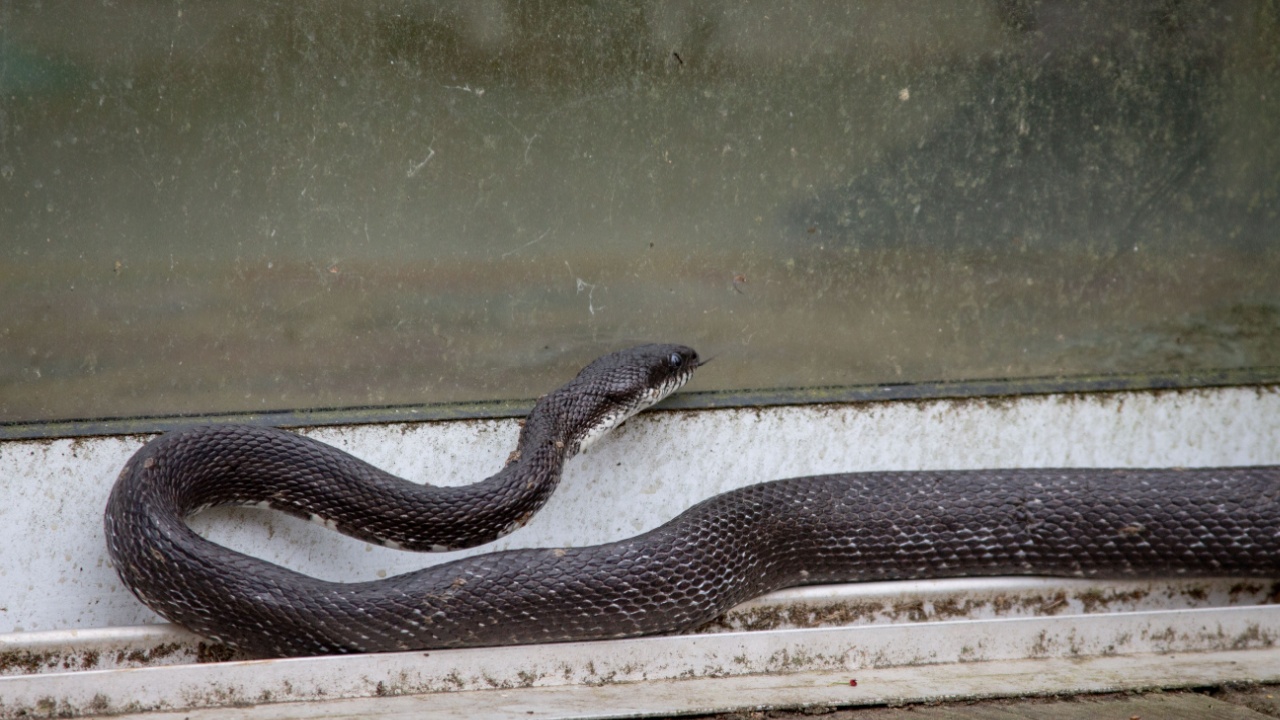
8 Places Where Snakes Sneak Into Your Home
Finding a snake inside a house instantly alarms almost anyone. These reptiles seek out warm places to hide during sudden weather shifts. They slip indoors through tiny spaces you might never notice during daily routines. Uninvited animal guests make living spaces feel much less secure.
Many homeowners assume closed doors keep wild animals outside permanently. Reptiles actually navigate complex structural weaknesses to find shelter and food. Modern houses settle into their foundations and develop tiny structural shifts. These normal house movements create hidden entryways for local wildlife.
Inspecting your property prevents unexpected indoor encounters with native snakes. A proactive approach helps protect both your family and the animals outside. Home maintenance requires paying attention to subtle changes around exterior walls. Finding these gaps stops problems before animals crawl inside.
The following list details eight specific entry points homeowners often overlook. Checking these hidden areas helps you effectively block unwanted animal visitors.
1. Cracks in Concrete Foundations
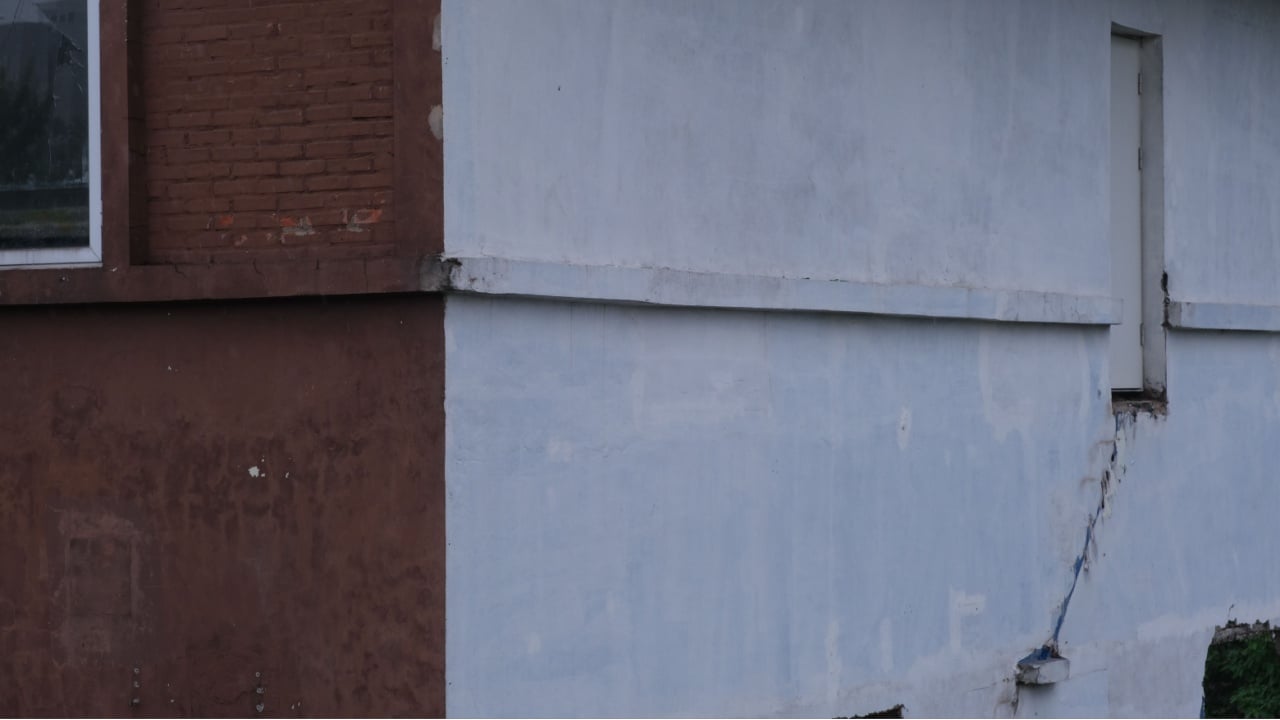
Small fissures in concrete walls give reptiles an easy path indoors. An adult snake only needs a gap the size of a pencil to squeeze through. Houses settle into the dirt naturally, forming these tiny fractures.
Reptiles sense the temperature difference escaping from these foundation cracks.
A thorough inspection of your lower exterior walls reveals these hidden pathways. Applying a durable concrete sealant fills the voids and completely blocks access. Routine foundation checks protect your interior rooms from unwanted reptile visitors. Repairing the cracks also improves overall home energy efficiency.
2. Gaps Around Basement Windows
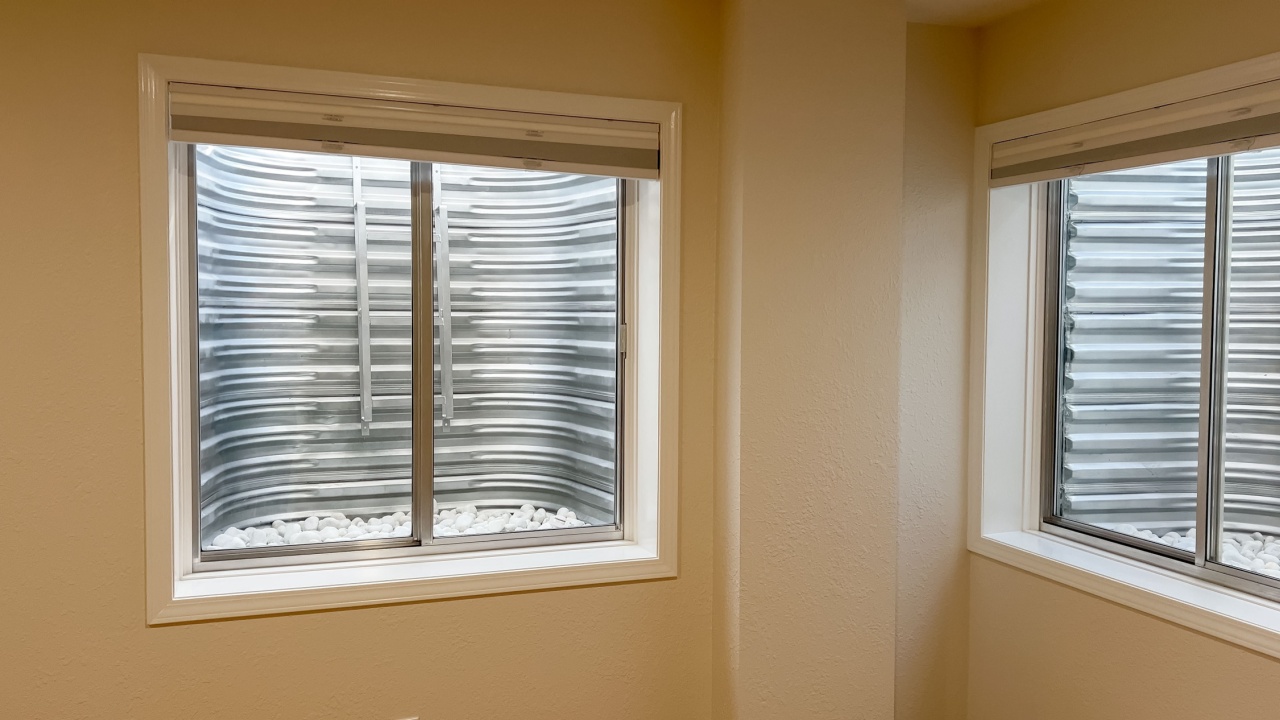
Basement windows frequently sit at ground level right next to soil. The framing around these windows rots or warps under wet conditions. Snakes slither along the ground and slip right under loose window frames. Cool and dark basements attract these animals as ideal hiding spots.
Homeowners should inspect all basement window seals every single spring.
Replacing degraded weatherstripping stops reptiles from sliding past the glass. Upgrading to tight metal frames adds a permanent layer of security. Keeping the surrounding window wells clean removes potential hiding spots.
3. Uncovered Dryer and HVAC Vents
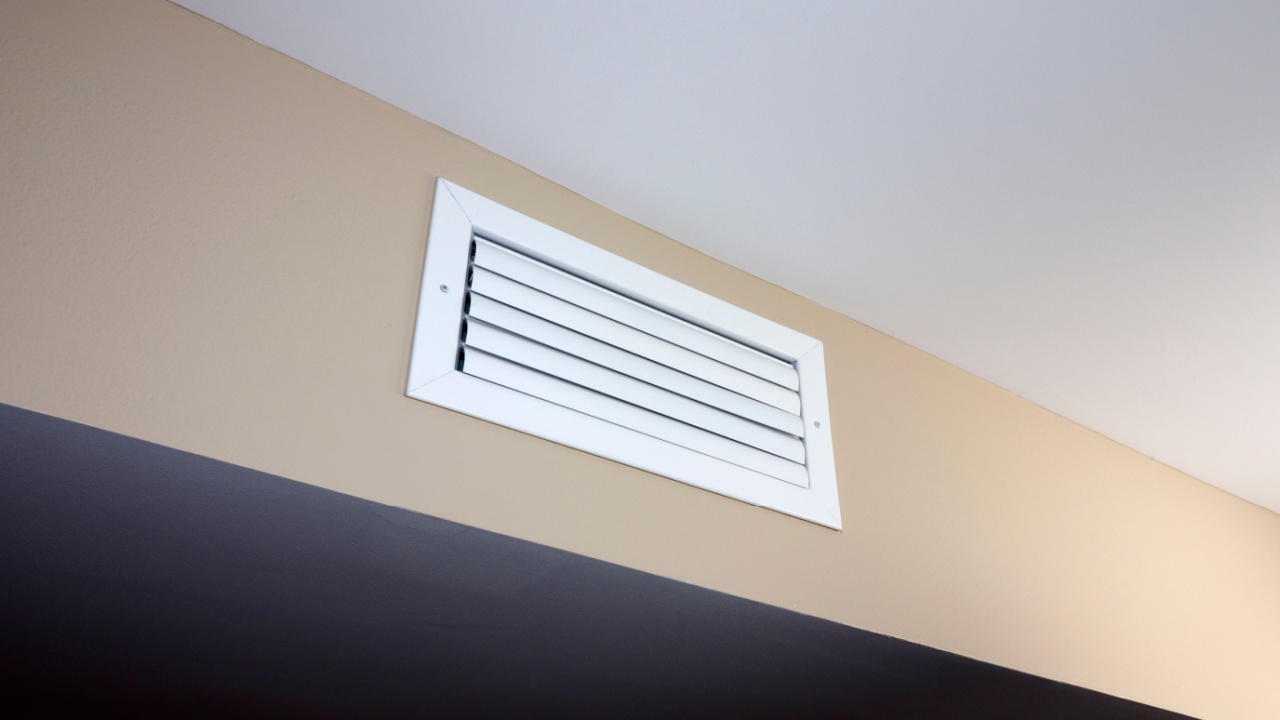
Crawl space vents and dryer exhaust ducts act as open highways for wildlife. Many houses feature ground-level vents without proper wire-mesh covers. Snakes climb into these warm ducts to seek shelter from uncomfortable temperatures.
These pathways often lead directly into living rooms and utility closets.
Installing heavy metal screens over exterior vents provides an immediate fix. The mesh holes must remain small enough to stop young snakes from passing. Checking these screens periodically catches any damage from weather or rodents. A secure vent cover keeps the air flowing while blocking animals entirely.
4. Loose Roof Fascia Boards
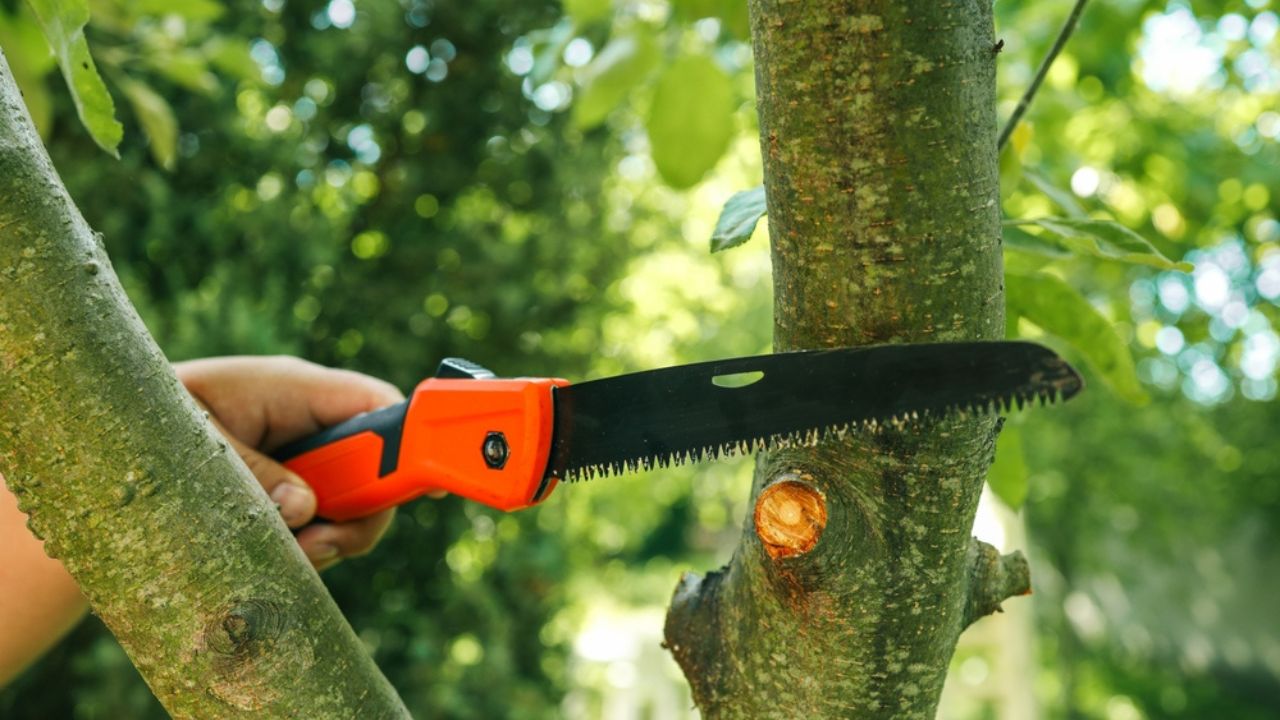
Overhanging tree branches give climbing snakes direct access to your roof. Rotted or loose fascia boards create an open door right into the attic. Tree snakes scale branches and drop onto shingles to find shelter.
The attic insulation provides a very warm space for reptiles to hide.
Trimming tree branches away from your roof eliminates the initial bridge. Securing all roof edge boards stops animals from finding an easy entrance. Homeowners should hire professionals to check the upper exterior for rot. Fixing the roofline protects the top level of your house completely.
5. Openings Under Garage Doors
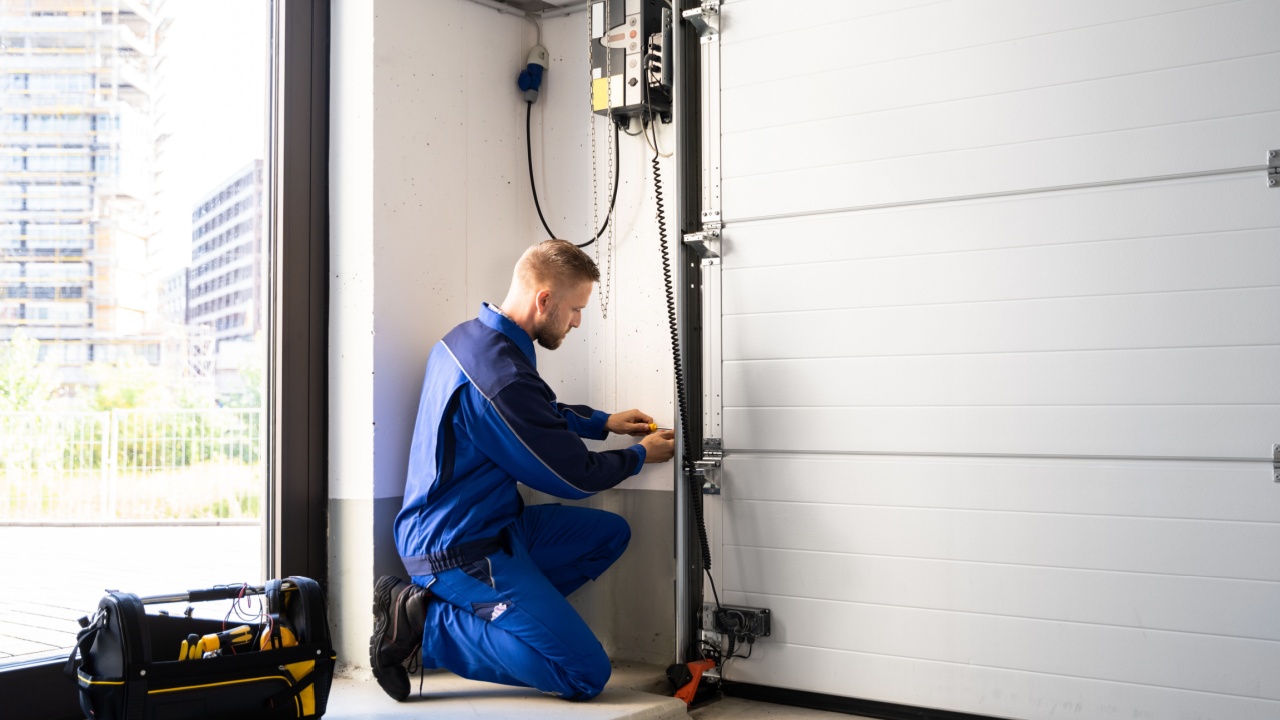
Garage doors rarely sit completely flush against the concrete floor beneath them. Worn rubber seals leave long gaps perfectly sized for slender reptiles. Snakes enter garages to hunt mice or escape extreme outdoor temperatures. The cluttered corners inside a typical garage provide endless hiding spaces.
Attaching a fresh rubber threshold seal blocks the opening completely. Keeping the floor swept helps you spot any new gaps quickly. Storing boxes on elevated shelves removes the dark spots snakes prefer. A tightly sealed garage heavily reduces the chance of indoor wildlife encounters.
6. Spaces Around Plumbing Pipes
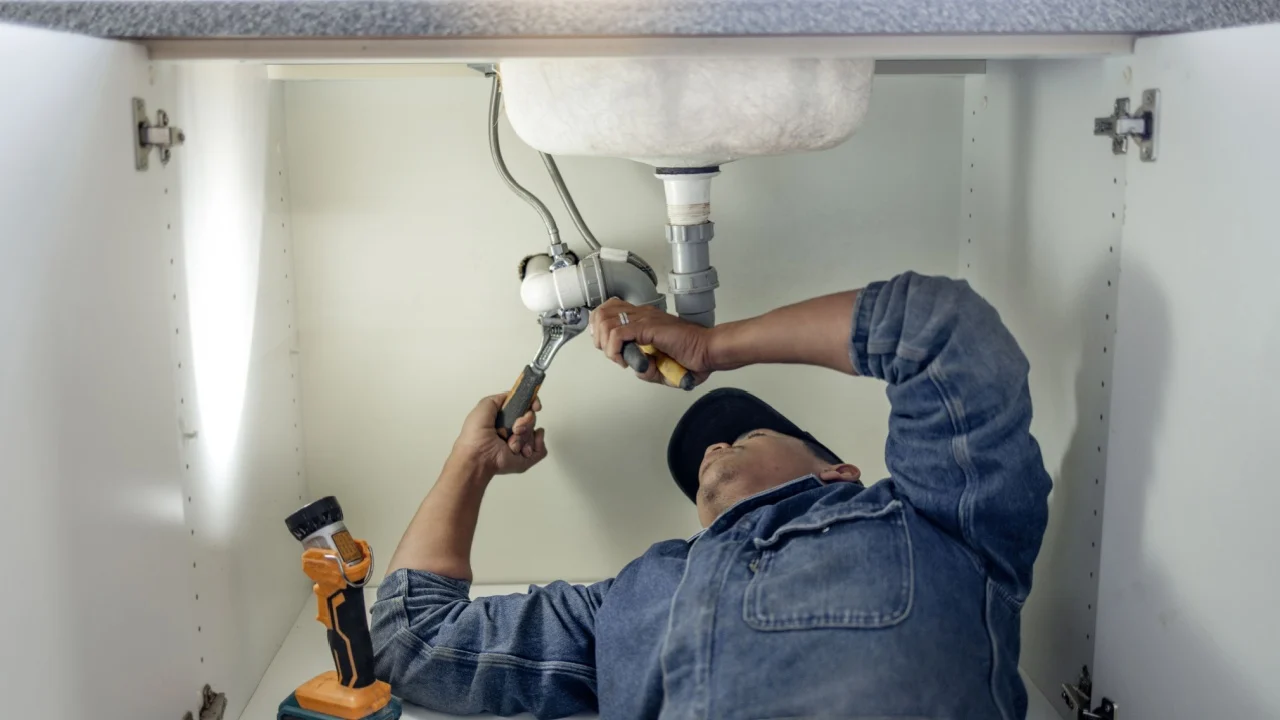
Utility pipes traveling through exterior walls require holes slightly larger than the metal. Builders often leave small gaps around these pipes during initial construction. Snakes detect the moisture and crawl through these utility holes easily.
This pathway allows them to travel behind drywall and into bathrooms.
Filling the empty space around plumbing pipes requires minimal effort. Expanding foam insulation closes the gaps and forms a solid barrier. Applying steel wool inside the hole before sealing deters pests permanently. Securing pipe entrances keeps both reptiles and small insects outside.
7. Damaged Window Screens
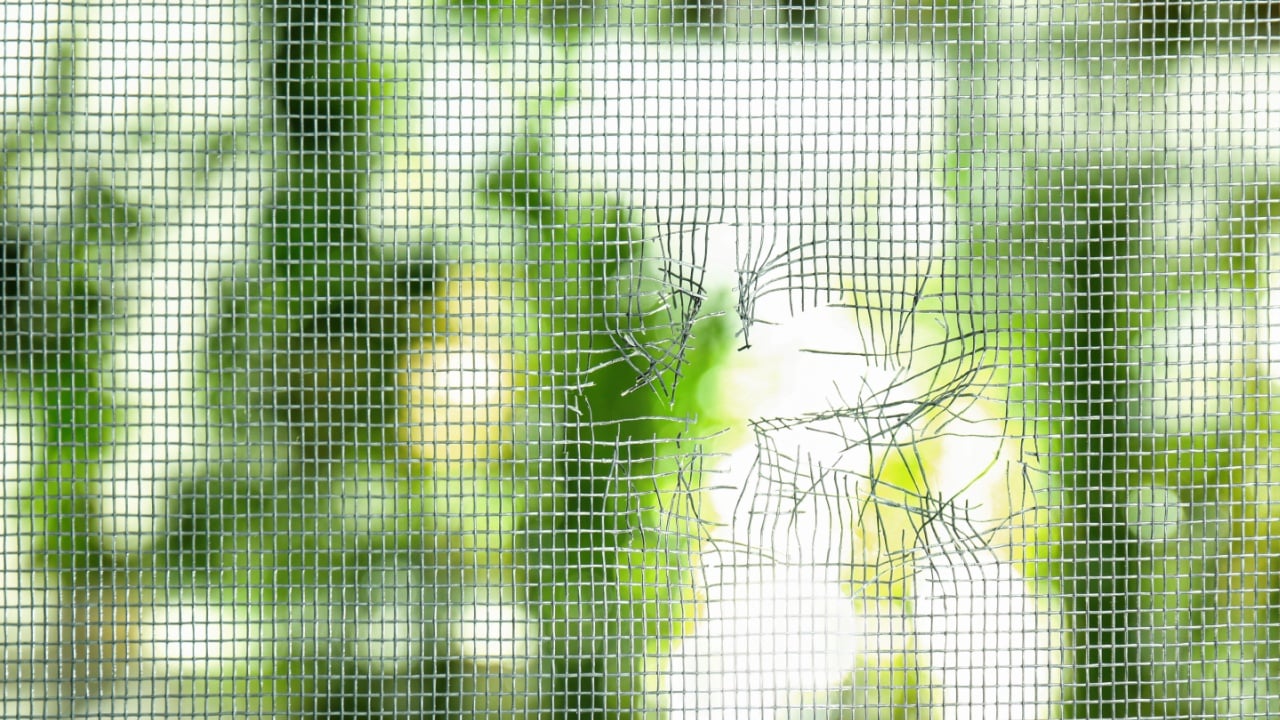
Leaving windows open for fresh breezes invites trouble if the screens have tears. Snakes climb shrubs and push their way through damaged mesh easily. A tiny hole expands quickly when an animal forces its body inside. The window frame provides a direct route right onto your interior sills.
Inspecting all screens for tears helps catch small holes early.
Patching kits offer an inexpensive way to mend minor mesh damage fast. Replacing older screens entirely guarantees a much tighter fit. Clearing shrubs away from first-floor windows removes easy climbing access.
8. Uncapped Fireplace Chimneys

Vertical brick chimneys feature rough textures that many snakes climb quite easily. An open chimney without a top cover acts as a giant funnel into your living room. Reptiles scale the exterior masonry and slide down the smooth interior flue. They eventually emerge from the fireplace covered in soot and very frightened.
Adding a stainless steel chimney cap stops all animals from entering the flue.
The metal mesh top allows smoke out while keeping wildlife at bay. Annual chimney inspections reveal structural issues you might miss from the ground. A secure cap provides true peace of mind during any season.
Keeping Snakes Outside Where They Belong
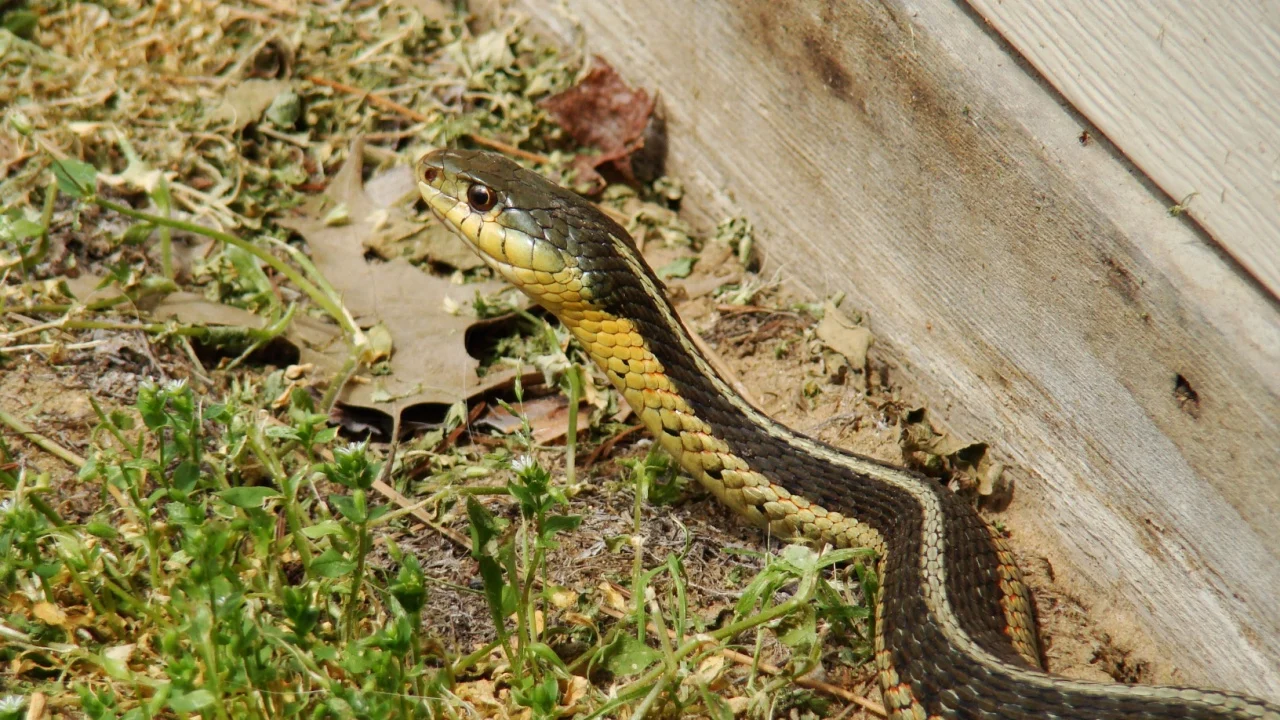
Blocking these eight common entry points creates a highly secure living environment for your family. A proactive inspection routine stops wildlife problems before they ever begin. Home repairs keep unwanted reptiles outside where they belong naturally. Taking action today protects your property from surprising animal encounters tomorrow.