Never Do These 10 Things in Your Yard If You Want to Keep Snakes Away
You walk outside this June, look around your yard, and everything seems perfectly fine. It isn’t.
Snake season is already underway across much of the country, and if you’re seeing more of them this spring, the problem almost certainly starts with something you’re doing.
Snakes don’t slither into yards randomly. They follow a reliable trail of food, water, and shelter, and a surprisingly large number of ordinary yard habits provide all three. The most dangerous part is that the features luring them in are often the ones homeowners are most proud of: the firewood pile, the bird feeder, the koi pond, or the lush green lawn. None of these things scream “snake habitat.” That’s exactly the problem.
Spring is the single most active time of year for snake movement. After months of dormancy, they emerge hungry and searching. The mistakes you’ve been making all winter are now actively working against you, and every week you wait makes your yard more attractive, not less.
Here are the 10 most common yard mistakes that make your property irresistible to snakes, along with what to fix before the problem gets worse.
Mistake 1: Your Grass Is Too Tall

This is the most basic mistake on the list, and also the most common. According to Meg Pearson, a wildlife training manager with Critter Control in Real Simple, tall grass gives snakes two critical advantages: cover from predators and concealment while hunting. A lawn that hasn’t been mowed in two weeks is enough to turn your yard into prime snake habitat.
Terry Messmer, a wildlife specialist with Utah State University Extension, adds that shorter grass makes snakes easier to spot, which itself discourages them; snakes dislike exposure because it makes them vulnerable to hawks, owls, and other predators.
Keep the mowed perimeter around your home as wide as possible. The larger the short-grass buffer, the lower your snake risk. Snakes entering from adjacent fields or wooded areas will turn back when they reach a wide, exposed, short-grass zone.
Mistake 2: You’re Storing Firewood Against the House
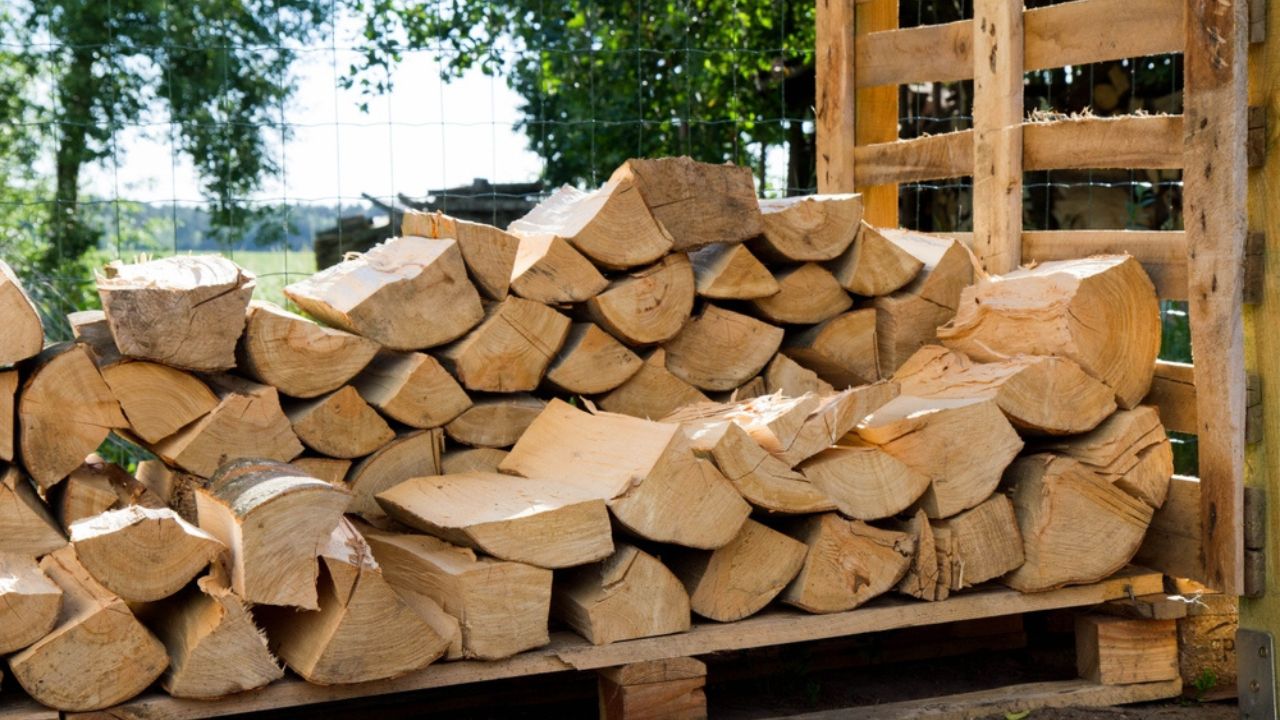
Firewood piles are one of the most reliable snake attractants in any yard, and most homeowners stack them as close to the door as possible for convenience.
According to guidance from Cornell Cooperative Extension, firewood should be stored at least 30 feet from the home, not just a few feet away. Snakes are drawn to wood piles because the stacked logs create a cool, sheltered microclimate that stays comfortable during summer heat. Because freshly cut firewood takes several months to dry, snakes may take up residence undisturbed for an extended period.
Mississippi State University Extension recommends using a rack to keep firewood elevated at least 12 inches off the ground. Separating the wood from the soil surface makes it substantially less inviting. Store wood near the house only during winter, when snakes are inactive.
Mistake 3: You Have a Bird Feeder Close to Your Home
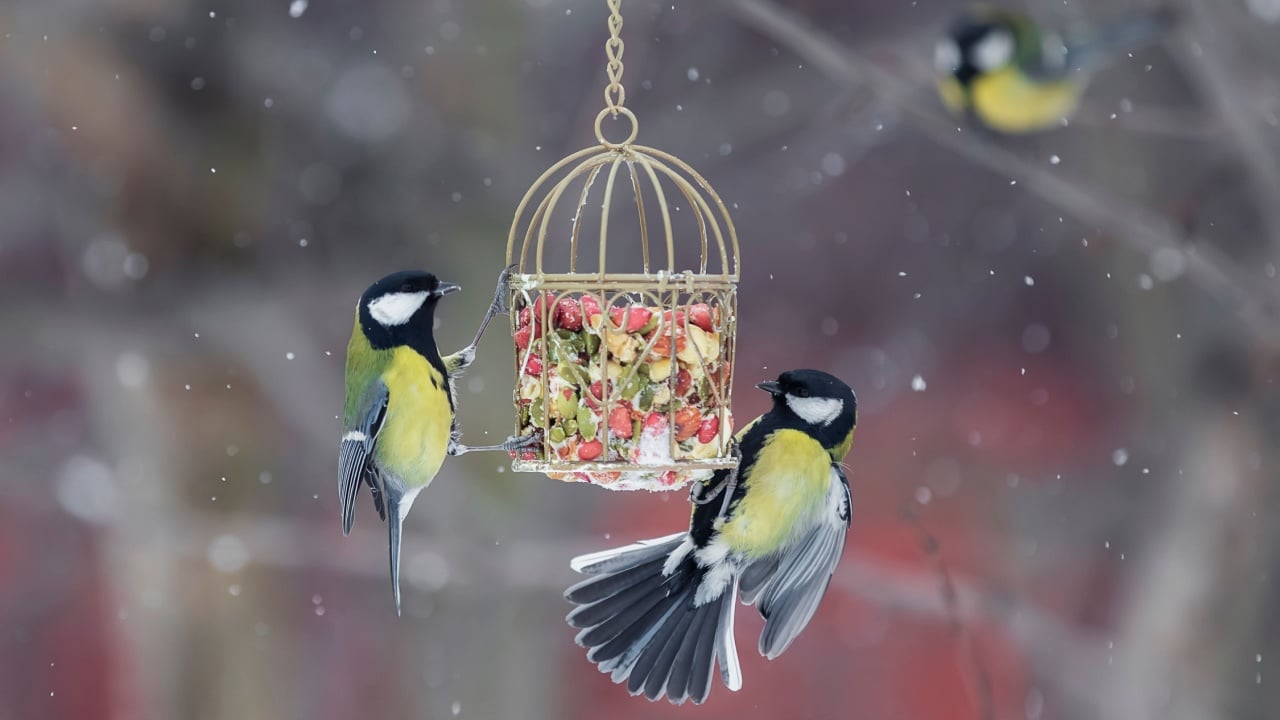
Bird feeders are a beloved yard fixture and also one of the most underappreciated snake attractants homeowners have.
The feeder itself is not the issue; the chain reaction that a feeder creates is. Spilled seed draws mice and squirrels. Mice and squirrels draw snakes. According to A.H. David, a snake expert and founder of Pest Control Weekly, the seed scattered beneath feeders is often what starts the entire cycle.
Utah State University Extension wildlife specialist Terry Messmer is direct on this point: move bird feeders at least 20 feet away from the house, or stop using them during peak snake season. If you continue using feeders, choose a model that catches falling seed, clean up beneath the feeder regularly, and store all birdseed in a sealed metal container.
Mistake 4: Your Yard Has a Koi Pond, Water Feature, or Birdbath
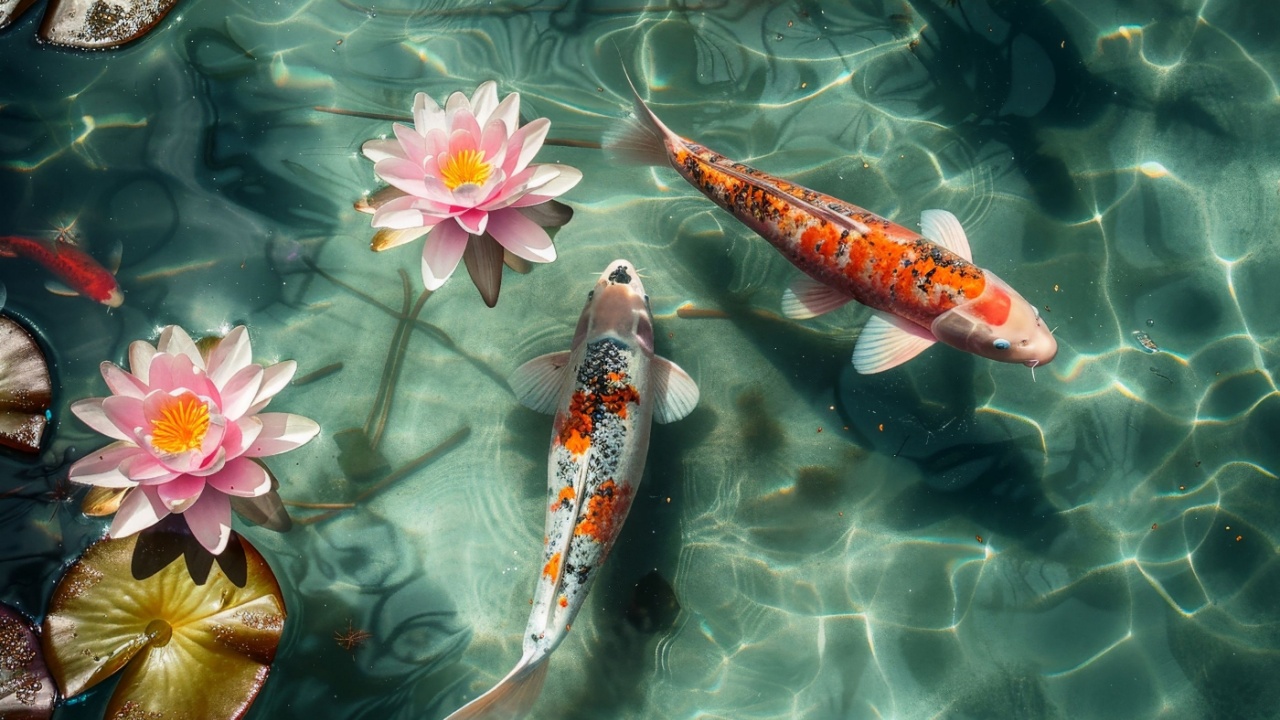
That koi pond you spent $3,000 installing is, from a snake’s perspective, a full-service restaurant. Ponds attract frogs, fish, and birds; all three are common food sources for snakes. They also provide a reliable water source during dry months. Utah State University Extension explicitly advises homeowners to avoid landscaping with water gardens and koi ponds if snake deterrence is a priority.
Birdbaths present a similar double risk: they draw birds (prey) and provide water (a basic need snakes seek). Some snake species will even use birdbaths to cool themselves on hot days. Children’s outdoor toys that collect rainwater function as small hydration stations that can draw snakes during dry spells.
If removing a water feature isn’t an option, keep the surrounding grass mowed tight, install a low fence with ¼-inch hardware cloth that snakes cannot pass through, and eliminate additional food and water sources nearby to reduce the compounding effect.
Mistake 5: You’re Feeding Your Pets Outside

Outdoor pet food creates a food chain in your yard that ends with snakes. Pet food draws insects; insects draw rodents; rodents draw snakes. It is a predictable progression that pest professionals see regularly. Meg Pearson of Critter Control puts it plainly: any feeding done outside should be cleaned up immediately, and food should be stored in sealed, hard-sided containers, not in the bags it came in.
The same principle applies to water bowls left outside overnight. A water dish near the back door is an open invitation during warm months. Utah State University Extension recommends storing all pet food in metal cans with tight-fitting lids, the same containers recommended for birdseed.
Mistake 6: You’re Using Large Rocks or Thick Mulch in Your Landscaping

Large decorative stones, loose limestone retaining walls, and old railroad tie edging all create the same problem: they trap warmth, hold moisture, and leave gaps and voids that function as ready-made snake dens.
The Minnesota DNR recommends replacing large-rock landscaping with smaller, tighter-fitting materials such as gravel or river rock, which don’t leave room for snakes or rodents to settle.
Thick organic mulch presents a parallel risk. Damp mulch layers stay cool and dark; exactly the conditions snakes seek in summer. Utah State University Extension advises choosing smaller, compact rock over organic mulch in beds adjacent to the house, particularly near any foundation gaps.
Mistake 7: You Have Debris Piles, Brush, or Yard Clutter
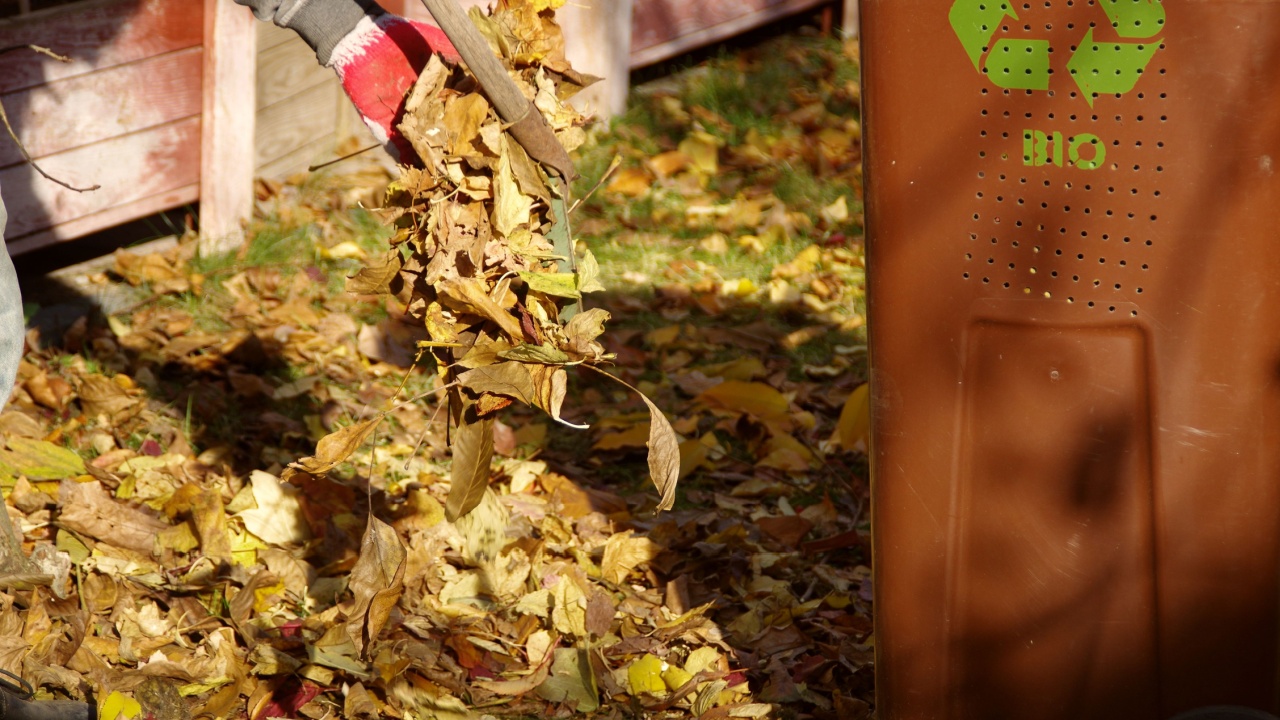
Anywhere a rodent can hide is, by definition, somewhere a snake will look. Nicole Carpenter, president of Black Pest Prevention, describes in Family Handyman the mistake this way: overgrown grass, thick bushes, brush piles, and clutter all create cool, shady spots where snakes love to hide, and those same spots attract the rodents, frogs, and insects that snakes eat.
Log edging, stacked garden pots, unused lawn equipment, tarps laid on the ground, and even children’s toys left outside overnight all qualify as clutter from a snake’s perspective.
Mississippi State University Extension recommends clearing weedy fence rows, piles of boards, rock or brick piles, and leaf or grass piles from around the home’s perimeter. Trim shrubs and trees to create at least 6 inches of clearance between the ground and the first branch; snakes use low branches as pathways.
Mistake 8: You’re Overwatering Your Lawn, Especially in the Evening
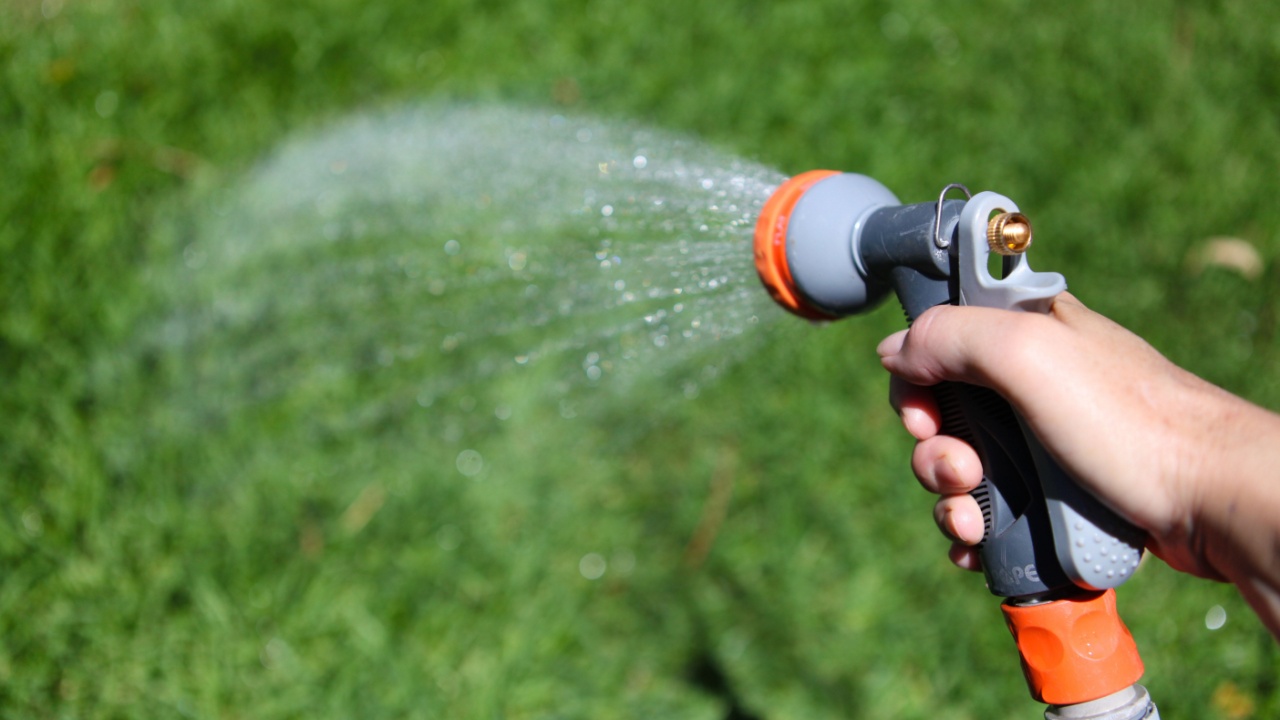
Evening watering is when this mistake does its most damage. Moisture left sitting in the soil overnight brings worms, slugs, and frogs to the surface; all are direct food sources for garter snakes and other common backyard species. The Minnesota DNR lists excessive lawn watering as a specific snake-attracting factor, and Utah State University Extension agrees: overwatered soil may attract prey species such as worms, slugs, and frogs, which in turn attract snakes seeking a meal.
Leaky garden hoses and spigots compound the problem by creating permanent wet zones that attract lizards and frogs even between watering sessions. Puddles that form after rain and don’t drain are similarly attractive, particularly during dry stretches.
Mistake 9: You Have Foundation Cracks or Gaps Around Doors

Snakes can fit through any opening wider than a quarter of an inch. That includes the gap under most standard exterior doors, the space around utility pipes entering the foundation, unsealed vents, and cracks in mortar. Nicole Carpenter of Black Pest Prevention warns that snakes can flatten themselves, squeeze through tiny gaps, and climb, which means even high openings such as attic vents are not safe.
Garage doors are among the most common entry points because the bottom seal is often incomplete.
The Minnesota DNR notes that foundation cracks should be sealed during summer, not fall or winter, when snakes may already be overwintering inside foundation voids. Filling cracks while snakes are present can trap them inside. Mississippi State University Extension recommends latex caulk or insulating foam around pipe penetrations, mortar repair for masonry cracks, and ¼-inch hardware cloth over vents and crawl space openings.
Mistake 10: You’ve Spent Money on Snake Repellent Products
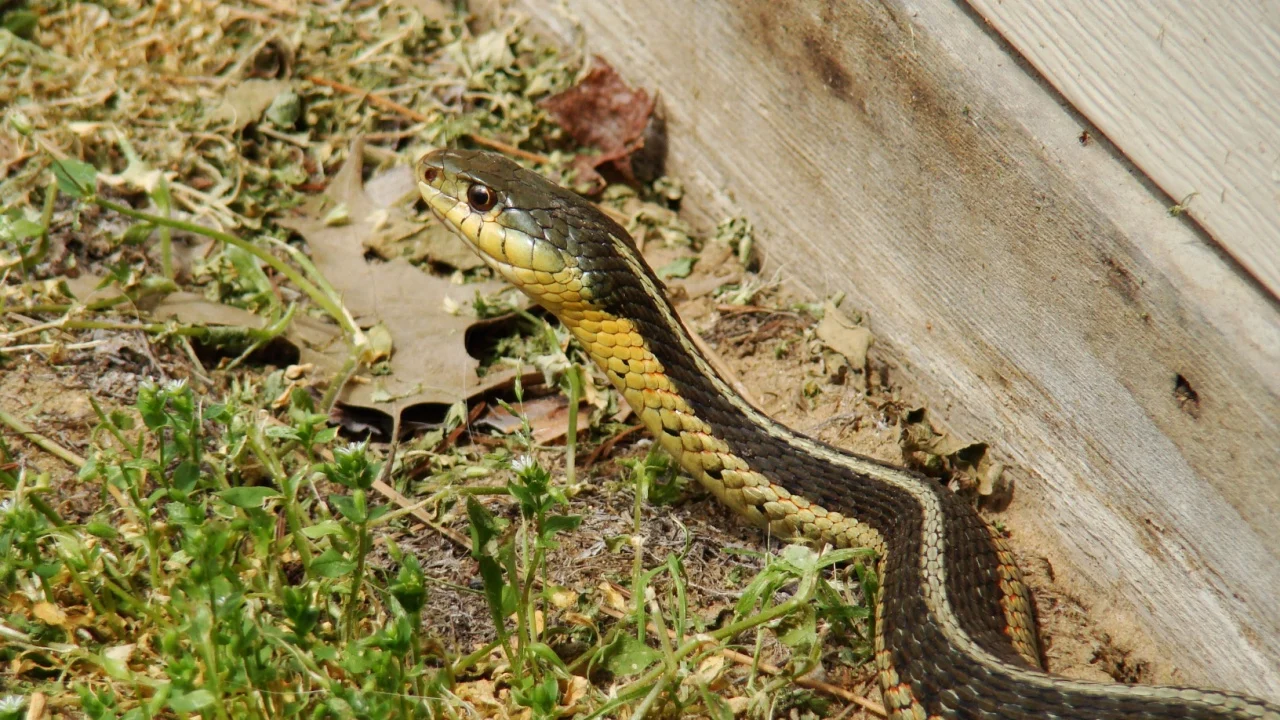
The snake repellent section at the garden center contains products that simply do not work.
Utah State University Extension wildlife specialist Terry Messmer is unequivocal: do not use snake repellents or sulfur. Mississippi State University Extension tested a wide range of home remedies, including sulfur, mothballs, cayenne pepper, lime, and synthetic skunk scent, and found that none of them effectively repelled snakes.
Mothballs are doubly problematic: they are toxic to mammals and children, and using them outdoors violates federal labeling law.
Homeowners report spending $15 to $30 repeatedly on these products because they want a quick fix that avoids the harder work of removing food, water, and shelter. The only interventions that consistently work are habitat modification and, as a last resort, properly installed snake-proof fencing with ¼-inch hardware cloth buried 2 to 4 inches into the soil.
What to Do Right Now
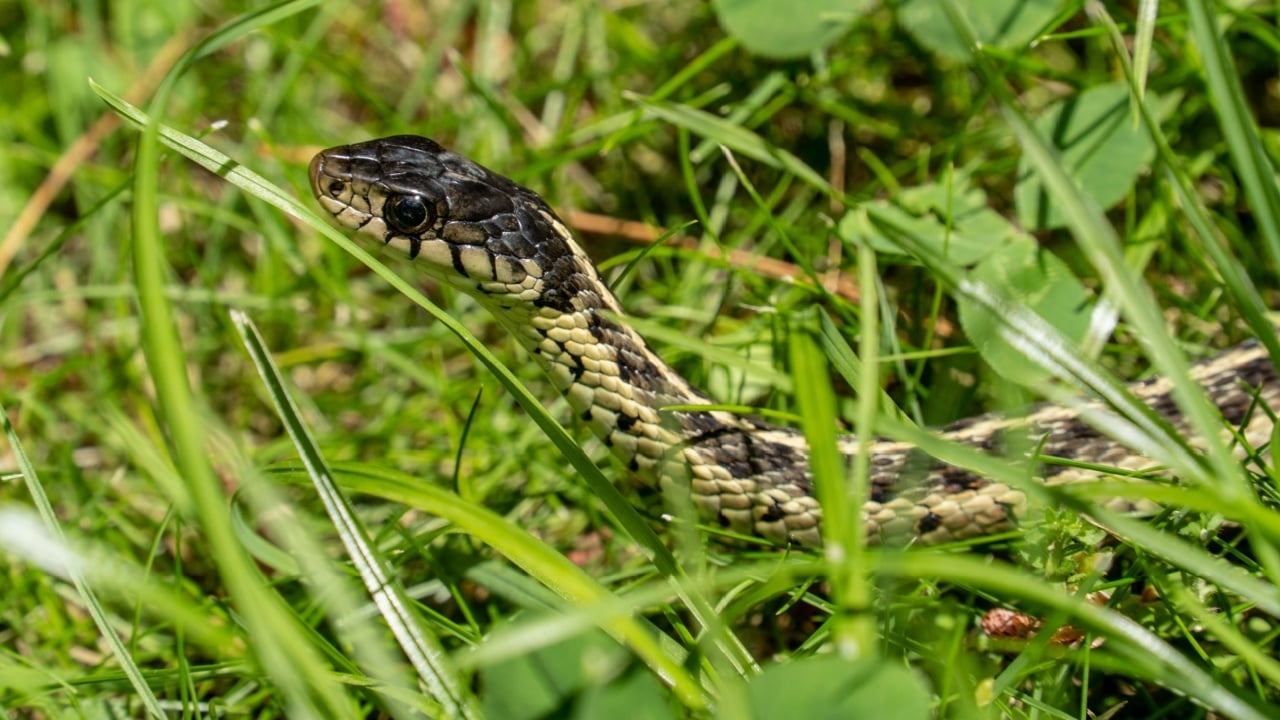
The good news is that snakes are not choosing your yard out of spite or preference; they are following a checklist of needs. Remove the food, remove the water, remove the shelter, and they will move on. According to Meg Pearson of Critter Control, having a recurring pest and rodent control service provide preventative treatment is one of the most effective ongoing strategies, because addressing the rodent population cuts off the primary reason most snakes visit yards in the first place.
And if you find a snake already on your property, leave it alone, keep eyes on it from a safe distance, and call a wildlife removal professional. Do not attempt to handle it yourself.
Read More
Washing Your Lettuce Won’t Remove Cyclosporiasis, But Growing Your Own Will
Your Grandmother Stored These 8 Foods All Winter Without Canning a Single Jar