8 Self-Seeding Vegetables That Regrow All on Their Own
Did you know that nature has a built-in replanting system that saves gardeners time and effort every single season? Many popular edible plants drop seeds into the soil, where they sprout the following year (or even more than once in a season). You can take advantage of this natural cycle to grow more food with less work.
Allowing crops to go to seed creates an effortless cycle of constant food production. You spend less money on seed packets and less physical energy starting seedlings indoors. Plants that return naturally tend to grow stronger because they adapt to your specific soil conditions.
These returning volunteers also fill empty garden beds early in the season to maximize your harvest. Beneficial insects arrive quickly to feed on the flowers these plants produce before the plants drop their seeds. You build a resilient garden system with very little extra work required.
The following are eight common crops that easily drop seeds to reproduce for you. These are the best options for your backyard garden to increase your yields.
1. Arugula
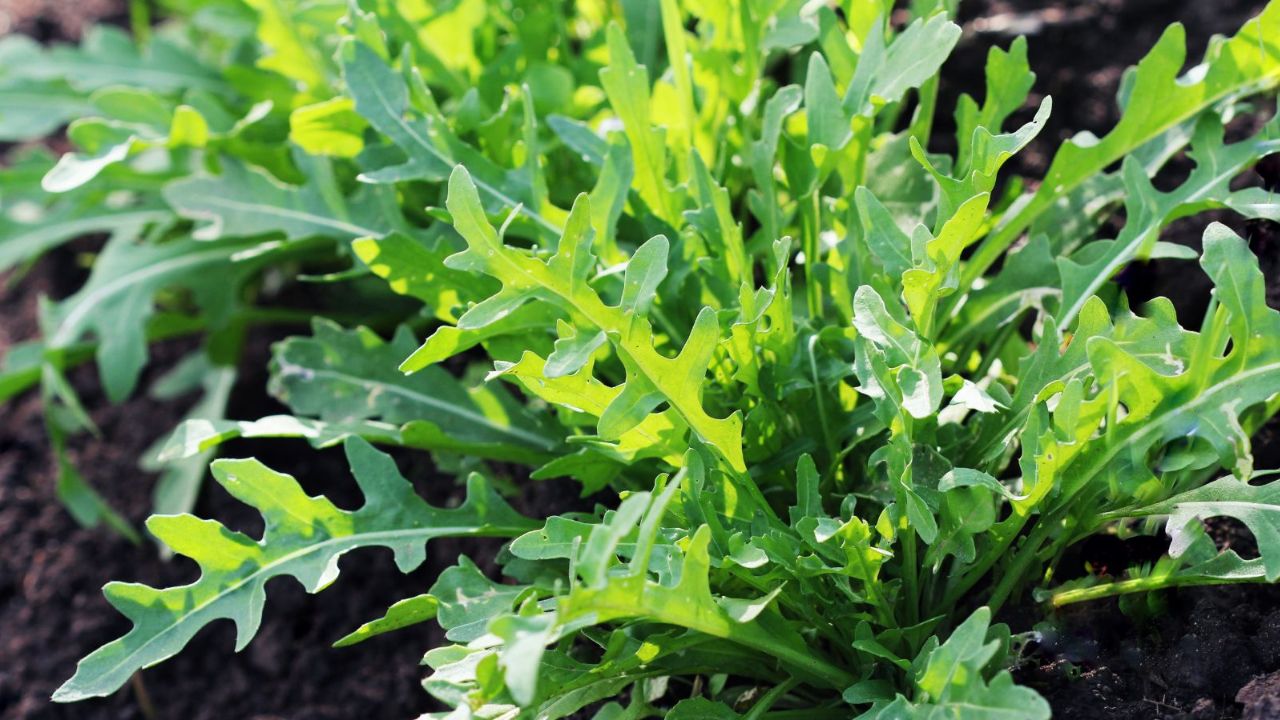
Arugula bolts quickly in warm weather to produce tall stalks covered in white flowers. Once the flowers fade, small seed pods form and eventually burst open to scatter tiny black seeds across the soil.
These seeds remain dormant in the ground until the growing conditions cool down enough for germination. You will see fresh green leaves popping up in autumn or the following spring without planting anything.
You should let a few healthy arugula plants complete their full life cycle to establish a permanent patch. Harvest the tender outer leaves regularly while leaving the center stalk intact to guarantee seed production.
When the volunteer seedlings emerge, thin them out so they have plenty of room to grow wide leaves. The spicy flavor of these wild seedlings often tastes more intense than hand-planted varieties.
2. Radishes
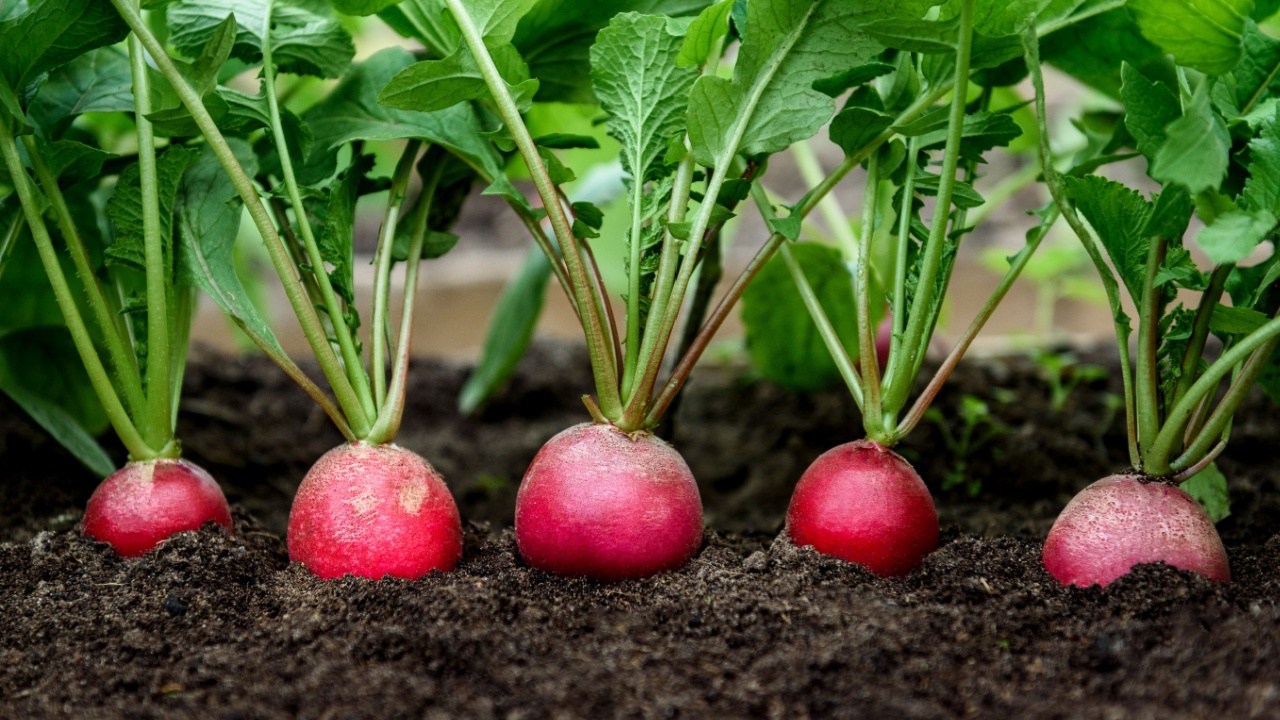
Radishes grow so rapidly that they frequently bypass the root stage and immediately send up tall flower stalks. The beautiful pink and white blossoms transform into edible seed pods that eventually dry out and split open.
Hundreds of seeds drop onto the soil surface to wait for appropriate moisture levels to sprout. These scattered seeds often produce robust radishes hidden among your other mature crops.
Gardeners often leave the last few radishes of spring untouched in the dirt to handle the replanting process. You can actually eat the young green seed pods as a crunchy snack before they completely dry.
Try to thin the resulting volunteer seedlings carefully to give the new roots enough space to swell. Leaving a designated corner for radishes allows them to multiply indefinitely across many growing seasons.
3. Kale
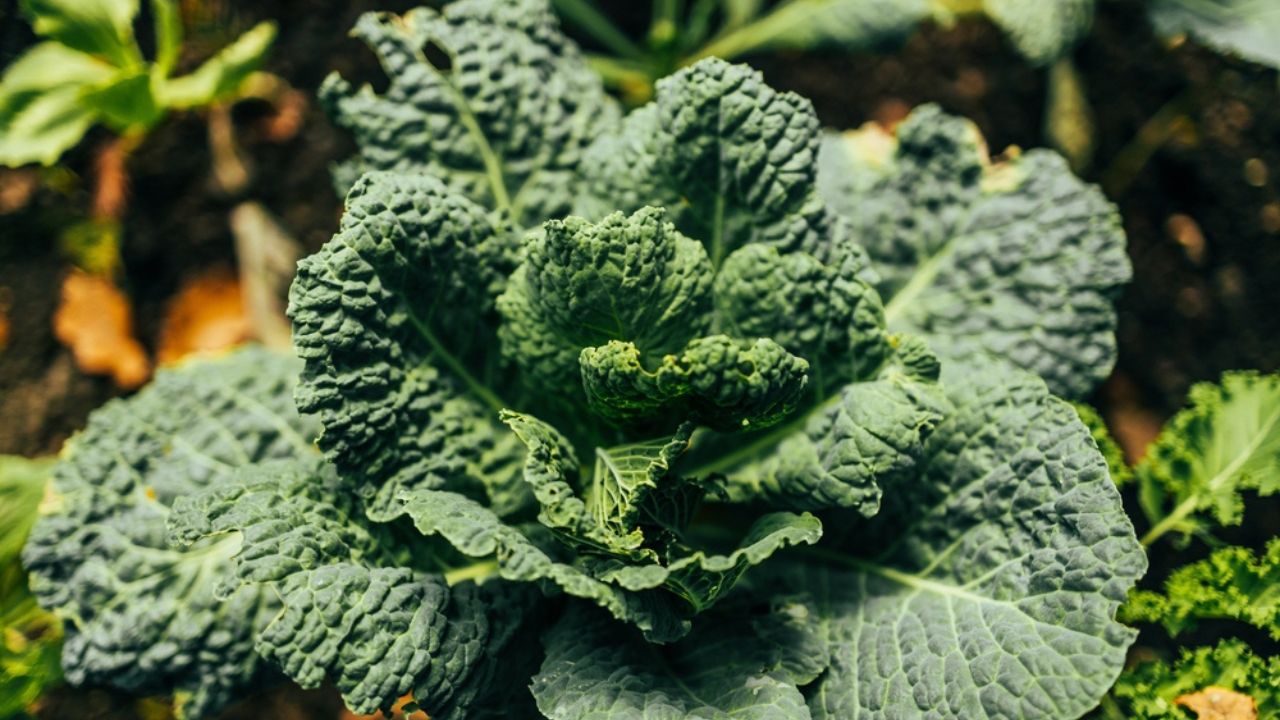
Kale belongs to the Brassica family and often survives the winter to produce bright yellow flowers in its second year. The tall stalks yield slender pods packed with hundreds of tiny, round seeds that scatter in the wind.
These dropped seeds readily germinate in the surrounding garden beds as soon as the soil warms up. Volunteer kale plants often sprout thickly and provide an abundance of fresh greens early in the season.
You can harvest the young volunteer plants as baby greens or carefully transplant them to rows for larger growth. Allowing just one mature kale plant to flower provides enough seeds to supply your entire garden.
Provide consistent water to the young seedlings to help them establish deep roots quickly. Regular harvesting of the outer leaves keeps the plants productive through the hottest summer months.
4. Nasturtium
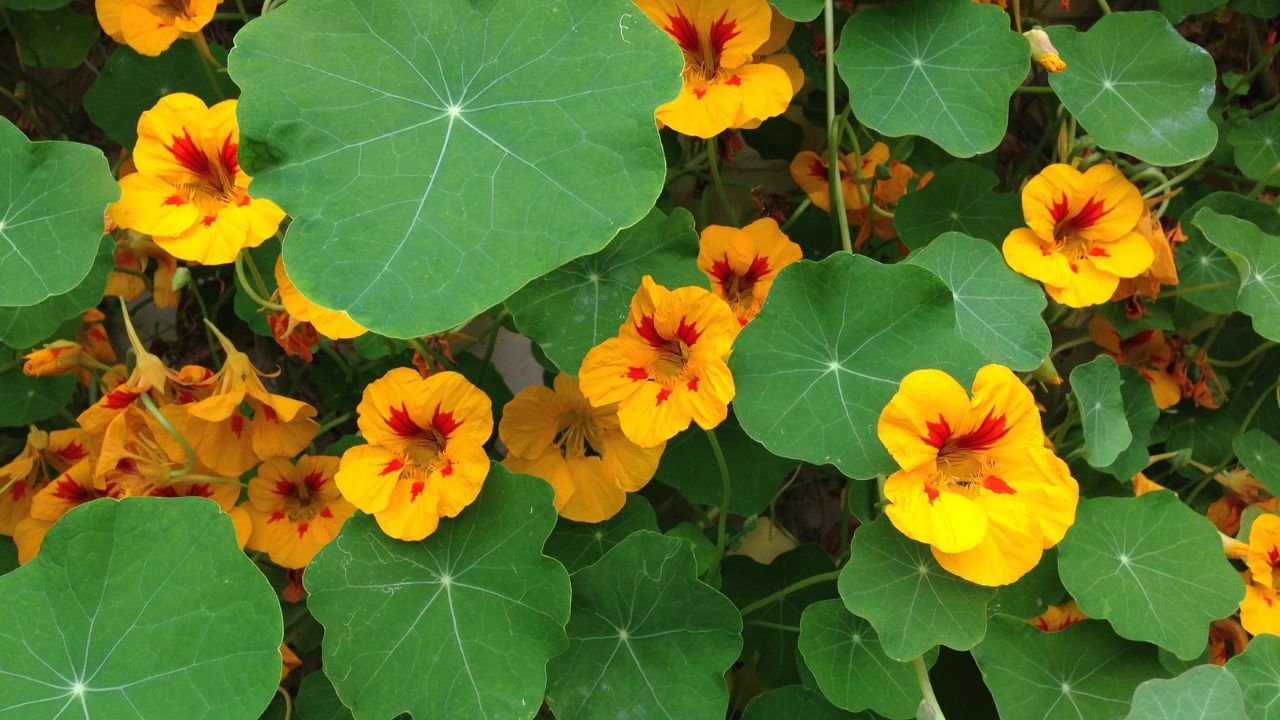
Nasturtium plants produce large wrinkled seeds that easily fall off the vines and settle into the surrounding mulch. The hard outer shell of the seed protects it through harsh winter freezes while it waits underground.
When soil temperatures rise in the spring, these hidden seeds sprout rapidly to climb trellises or trail along the ground. You will find vibrant green leaves pushing up right where last year’s plants lived.
Both the leaves and bright flowers provide a spicy pepper flavor that elevates summer salads. You should avoid fertilizing the volunteer seedlings because rich soil actually decreases their flower production significantly.
Giving the wandering vines a simple structure to climb keeps them off the ground and improves air circulation. These returning plants act as a great trap crop to draw aphids away from your prized vegetables.
5. Swiss Chard
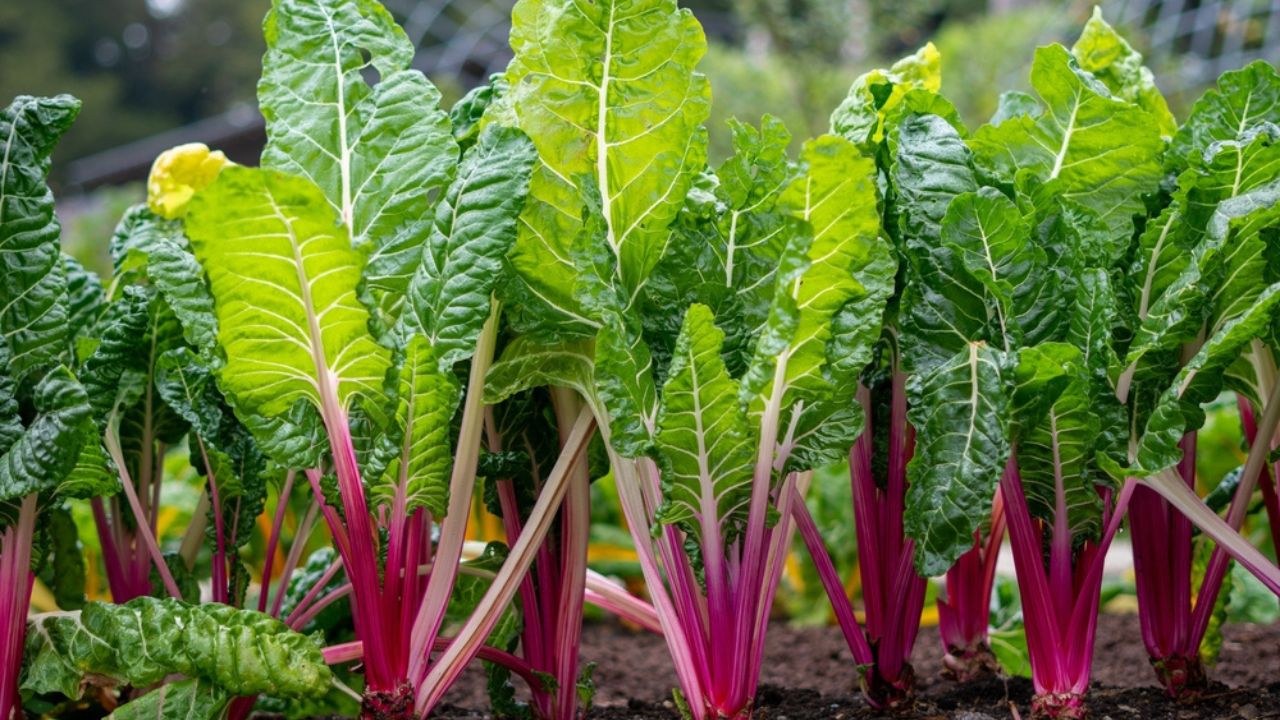
Swiss chard operates as a biennial plant that creates large flower spikes after experiencing cold temperatures. The thick stalks produce clusters of rough seeds that tumble to the earth when disturbed by heavy winds.
These seeds possess high germination rates and easily root themselves into the top layer of your garden beds. Tiny colorful stems push through the soil surface to provide early harvests before other crops even sprout.
You simply need to leave a mature chard plant in the ground over the winter to start the cycle. The volunteer seedlings often emerge in tight clusters because chard seeds actually contain multiple embryos inside one shell.
Snip the extra sprouts at the soil line with scissors to leave the strongest seedling completely undisturbed. Apply a layer of mulch around the established plants to retain soil moisture during dry periods.
6. Mustard Greens
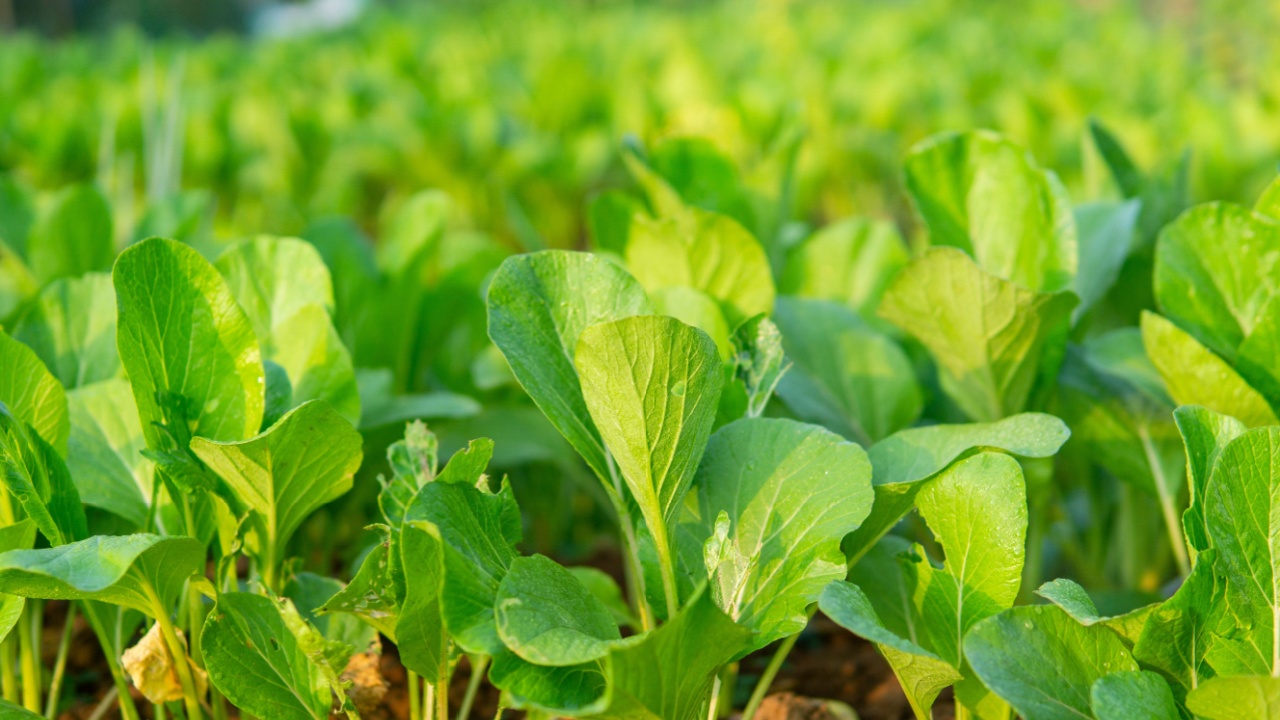
Mustard greens respond to lengthening summer days by shooting up bright yellow flower heads. The delicate flowers transition into thin pods that shatter open to fling small seeds in every direction.
The fallen seeds germinate aggressively in slightly cool weather to create a dense carpet of spicy foliage. Your garden beds will rapidly fill with these peppery greens without any manual intervention.
You can harvest the small volunteer leaves early for mild salads or wait for mature leaves to use in stir-fries. The plants demand very little attention and thrive in poor soils that other demanding vegetables reject.
Water the plants at the base to keep the leaves dry and prevent common fungal diseases. Pull up any unwanted mustard sprouts to easily maintain control over where the plants grow.
7. Lettuce

Leafy lettuce varieties naturally bolt when temperatures rise and send up a central stalk covered in fuzzy flowers. The blooms eventually produce seeds attached to tiny white parachutes that float gently on the breeze.
These airborne seeds land softly on nearby soil and wait patiently for cooler temperatures to break their dormancy. Entire patches of fresh lettuce will suddenly appear exactly when the weather becomes favorable again.
Letting a single heirloom lettuce plant bolt yields a tremendous amount of free seeds for the upcoming season. The loose seeds do not require deep burial and sprout perfectly well directly on the soil surface.
Keep the soil evenly moist after you spot the first tiny green leaves emerging from the dirt. Harvest the tender volunteers simply by cutting them an inch above the ground to encourage immediate regrowth.
8. Tomatoes
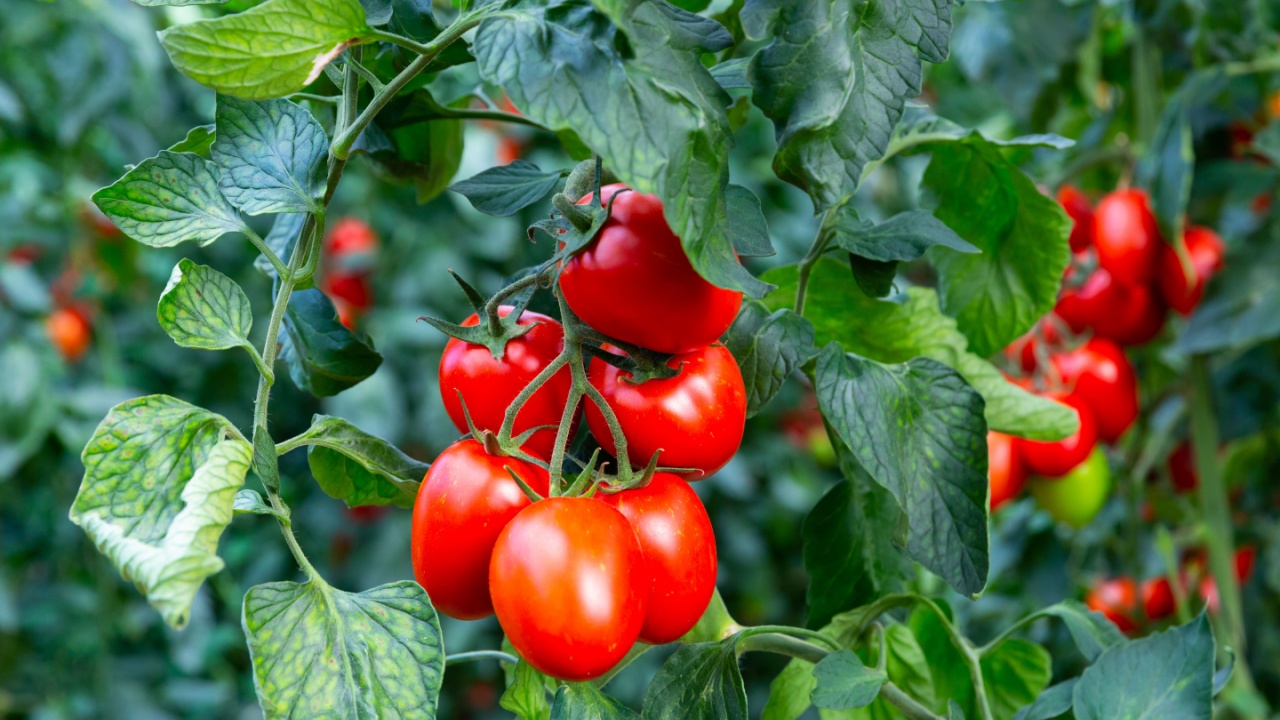
Fallen tomatoes naturally decompose on the ground to release hundreds of gelatinous seeds directly into the earth. The thick jelly coating around each seed ferments away during the winter to prepare the seed for spring germination.
Once the soil heats up thoroughly, miniature tomato plants push upward through the decaying mulch layer. These wild seedlings frequently outpace indoor transplants because they grow sturdy taproots straight into the native soil.
Open-pollinated heirloom varieties produce offspring that exactly match the delicious parent plant. You should gently dig up and relocate any crowded seedlings to give them adequate space for massive fruit production.
Stake the volunteer plants early to support the heavy branches and keep the leaves off the damp earth. Pruning the lower foliage prevents soil diseases from splashing upward during heavy rainstorms.
Enjoying Your Replanting Garden

Building a garden that replants itself saves time and effort every season. Leaving a few healthy crops to flower and drop seeds creates a highly productive food system in your backyard.
You will spend less money purchasing seed packets while watching strong young plants emerge naturally. Keep a watchful eye on your garden beds each spring to discover exactly what decided to return.
Read More:
7 Things No One Actually Needs for Their Garden
6 Safety Reasons to Never Drink from a Garden Hose, Even If You Did It as a Kid