
The 14 Most Stressed States in America
We all get stressed out, but it turns out some states have it way worse than others. From financial worries and family duties to demanding jobs, it’s easy to feel drained. For many Americans, these daily struggles are amplified by high poverty rates and low wages.
So, where are people feeling the most pressure? The World Population Review recently dug into the data, analyzing everything from work and money troubles to family and health issues, to create a stress score for each state.
The results show clear patterns where economic and social challenges are hitting the hardest.
Below, we’ll count down the 14 most stressed-out states in America. We’ll break down why each state is so tense and share some practical tips for managing the pressure, no matter where you live.
1. Mississippi
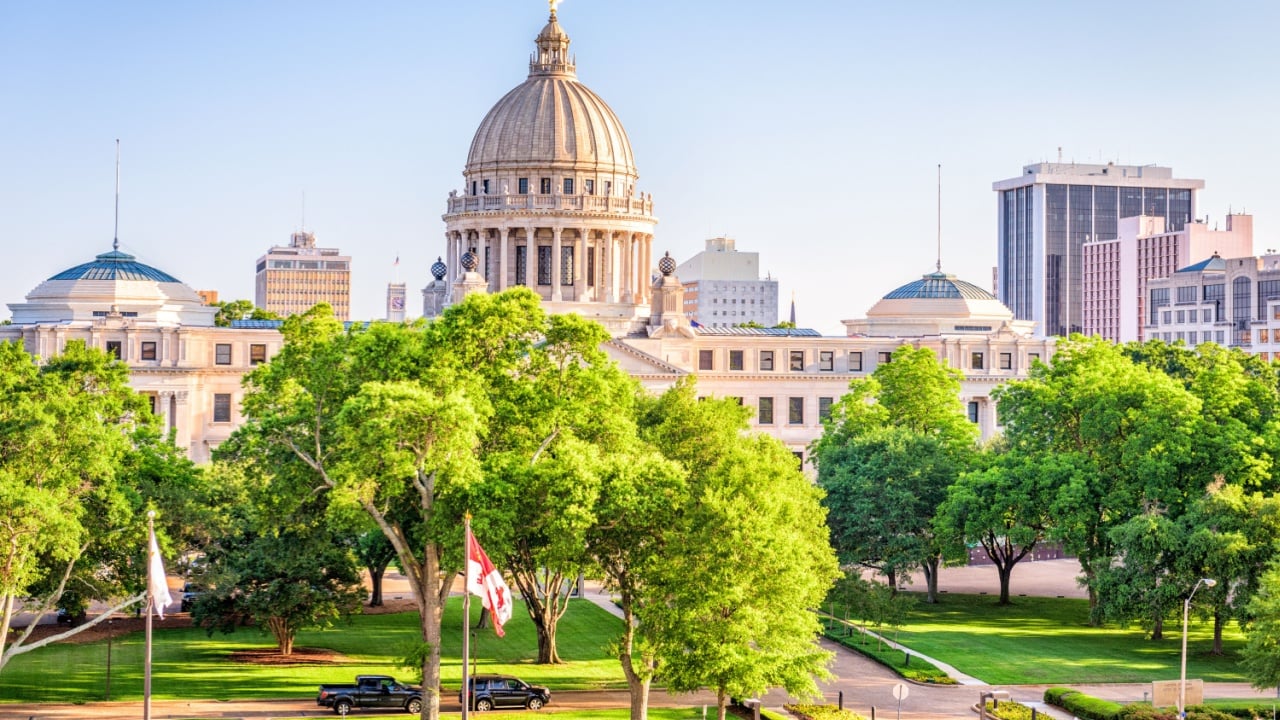
Mississippi holds the highest stress score nationwide due to significant financial and workplace challenges. High unemployment rates and low wages place immense pressure on residents trying to support their families.
The region also struggles with elevated infant mortality rates, adding severe health-related anxieties to the daily lives of many citizens.
To manage financial anxiety, individuals can explore community resources offering budget counseling and job placement assistance. Focusing on local support networks helps build resilience against economic hardships. Establishing a daily routine that prioritizes mental health breaks can reduce workplace tension significantly.
2. Louisiana
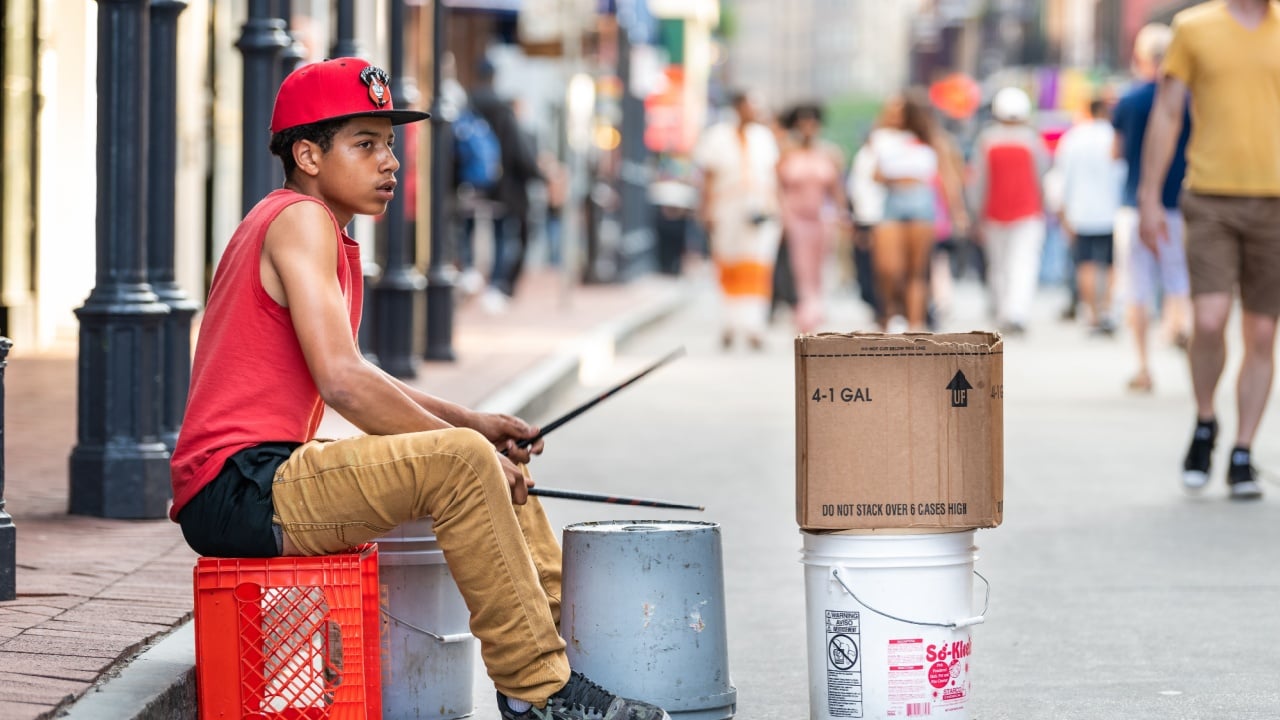
Louisiana is still dealing with major environmental and money-related stress after years of getting hit by severe storms and hurricanes. The never-ending cycle of recovery and repairs creates a constant sense of tension for people just trying to keep things stable. The state scores especially high when it comes to stress from work and finances.
To feel a little less anxious about future storms, it’s a good idea to have an emergency kit ready and a solid evacuation plan. If you’re still dealing with the aftermath of past storms, reaching out to local relief groups can provide both financial and emotional help.
Getting involved in community rebuilding projects can also be a great way to feel more in control and connected with your neighbors. It’s a chance to build a sense of unity while making a tangible difference.
3. New Mexico

New Mexico is facing some serious stress, especially when it comes to family and finances. It ranks as the most stressed state for family issues and the third highest for money troubles.
A large part of the population is living in poverty, and the state has the highest divorce rate in the country. On top of that, a high crime rate makes safety a major worry for many residents.
To feel a bit safer, simple steps like upgrading your locks or joining a neighborhood watch can help ease anxiety. When it comes to money, creating and sticking to a strict household budget can help manage some of that day-to-day financial pressure.
4. West Virginia
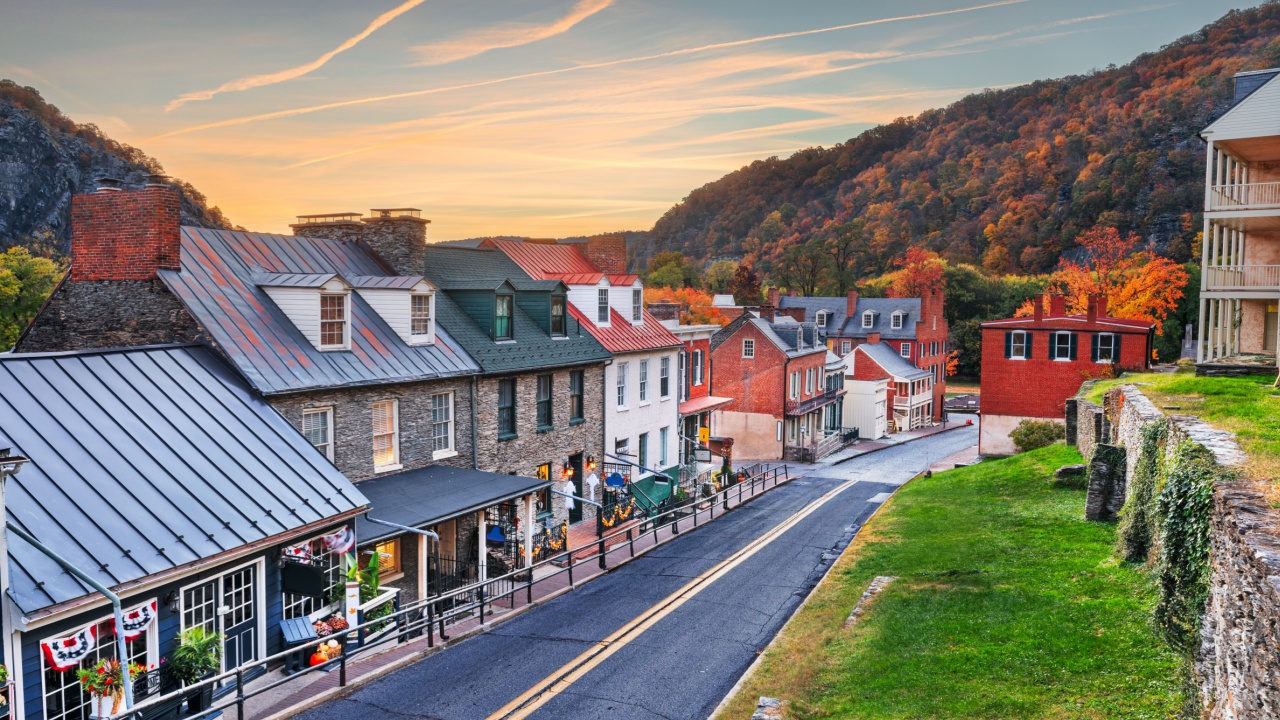
West Virginia residents have a strong work ethic, but face big hurdles with jobs and healthcare. After the coal industry declined, many communities were left without stable, good-paying work. To make things tougher, the state has the second-highest health and safety stress in the country, making it hard to get decent medical care.
If you’re looking for a new career, online learning platforms are a great way to pick up skills for remote jobs. At home, focusing on preventive health can make a big difference, especially when clinics are far away. Regular telehealth appointments are also a convenient option to keep your physical and mental health in check.
It’s about finding new ways to work and stay healthy. By using online resources and being proactive about your health, you can tackle some of the state’s biggest challenges head-on.
5. Nevada

Nevada sees a lot of family stress, with the second-highest divorce rate in the U.S. On top of that, people worry about job security and demanding work environments. Health and safety issues are also a common concern, adding to the daily grind.
To ease family tensions, practicing open communication can help everyone get through tough times. If you’re feeling swamped at work, it might be worth talking to your boss about flexible scheduling to get a better work-life balance. Joining local community groups can also be a great way to socialize and blow off some steam.
Building connections and finding balance are key. Whether it’s talking more at home, adjusting your work life, or just getting out and meeting people, small changes can make a big difference.
6. Arkansas
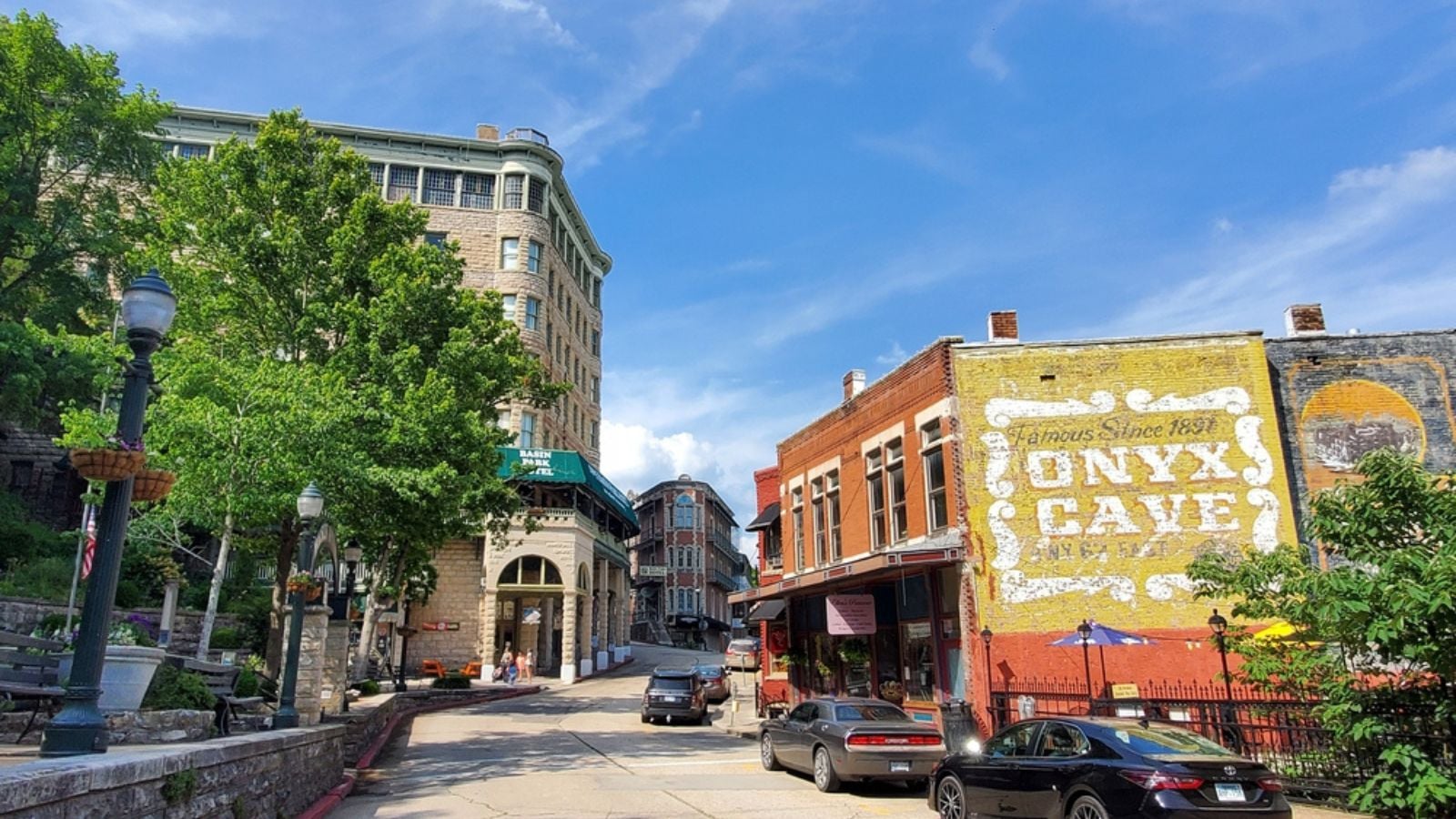
When it comes to health and safety, Arkansas is the most stressed state in the country. A lot of adults say they’re in fair or poor health, which means constant worry about medical bills and just feeling unwell. A high crime rate also adds to the anxiety.
A simple daily exercise routine can do wonders for your physical and mental health. To feel safer, you could join a neighborhood watch or get involved in community policing. Cooking nutritious meals at home is also a cheap and effective way to boost your immune system.
It’s about taking small, practical steps to feel better and safer. By looking after your body and getting involved in your community, you can start to tackle some of that stress.
7. Alabama
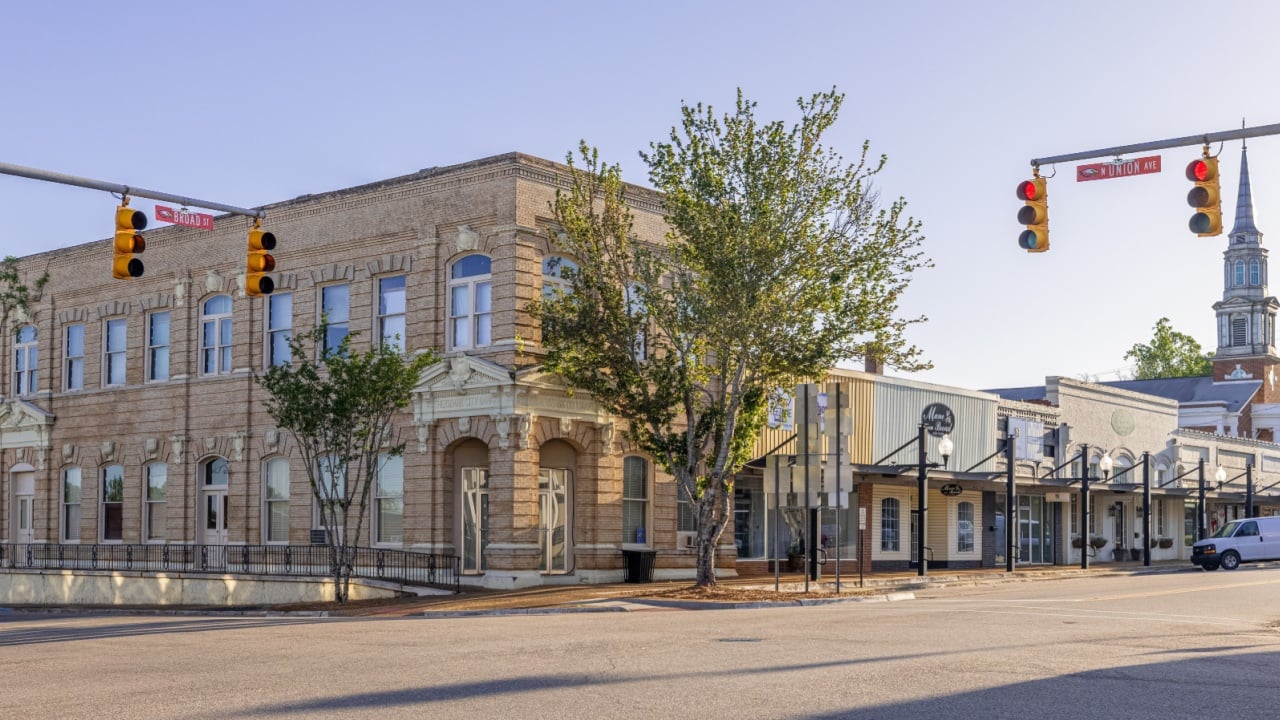
Alabama is dealing with a tough mix of issues, including high poverty, unemployment, and homelessness. Problems with addiction and a strained healthcare system also keep many residents up at night. All these factors combined make it one of the most stressed states in the South.
For families who are struggling, local food banks and housing programs can offer immediate help. If you’re dealing with addiction or mental health issues, community support groups can provide much-needed emotional backup. Making time for relaxing hobbies can also be a great way to distract yourself from overwhelming money worries.
Help is out there, and taking care of yourself is important. Reaching out to community resources and finding healthy ways to cope can provide relief and support when you need it most.
8. Kentucky
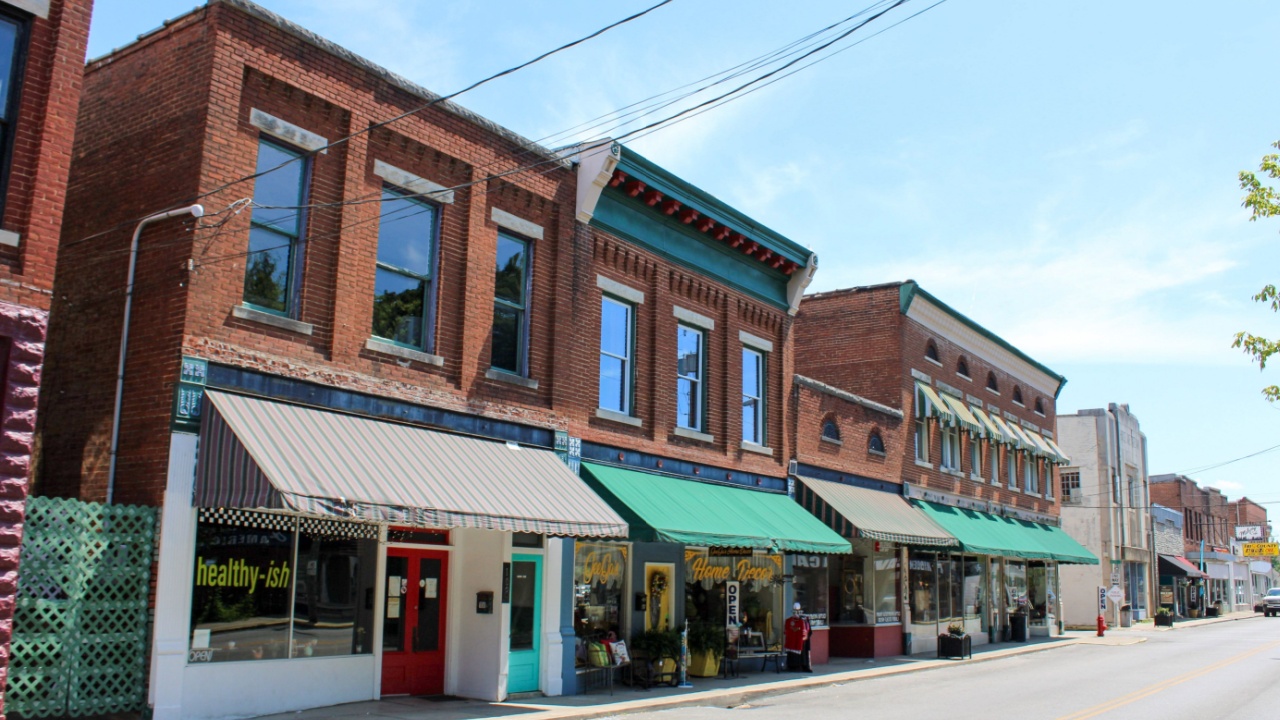
Kentucky is struggling with widespread poverty, which leaves many people living paycheck to paycheck. Finding a steady job is a huge challenge, causing a lot of stress about basic needs. The state is in the top five for the highest percentage of people living below the poverty line.
State-sponsored vocational training programs can be a great way to open up new career paths. Creating a tight financial plan can help you make the most of every dollar. To manage the mental toll, practicing daily mindfulness exercises can reduce the stress of ongoing financial uncertainty.
It’s about being strategic with your career and finances. By learning new skills and managing your money carefully, you can create a little more breathing room and feel more in control.
9. Texas
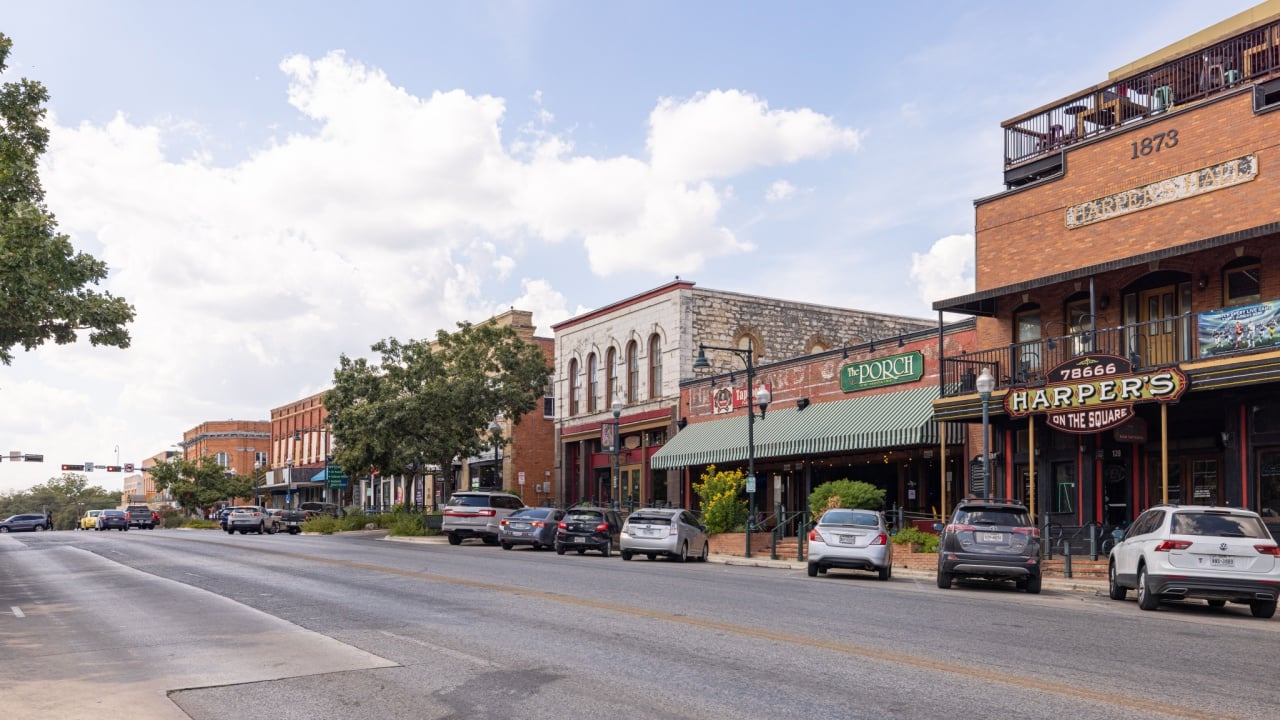
Folks in Texas work a lot; in fact, they work the most hours per week of any state. While that might help with the bills, it often leads to more tension at home. Juggling work and family life is a constant battle for many Texans.
It’s crucial to set firm boundaries with work to protect your family relationships. Try scheduling dedicated family time with no phones or other distractions to reconnect with your loved ones. Sharing household chores more evenly can also keep one person from feeling like they’re doing it all.
Balancing work and home is the name of the game. By protecting your personal time and working as a team at home, you can find a healthier rhythm for everyone.
10. Oklahoma

In Oklahoma, a lot of people struggle with having some of the lowest credit scores in the country. Bad credit can make it tough to get a loan or make big purchases, like a car or a house. This financial stress often spills over into family life and even affects how you do at work.
A good first step is to check your credit report regularly to find and fix any errors. You can also talk to a non-profit credit counselor who can give you a clear plan for paying down debt and improving your score. Focusing on paying off high-interest debts first can give you a real sense of progress and lead to long-term stability.
Getting a handle on your credit is a powerful move. With a bit of attention and some expert advice, you can work your way toward a healthier financial future.
11. Tennessee
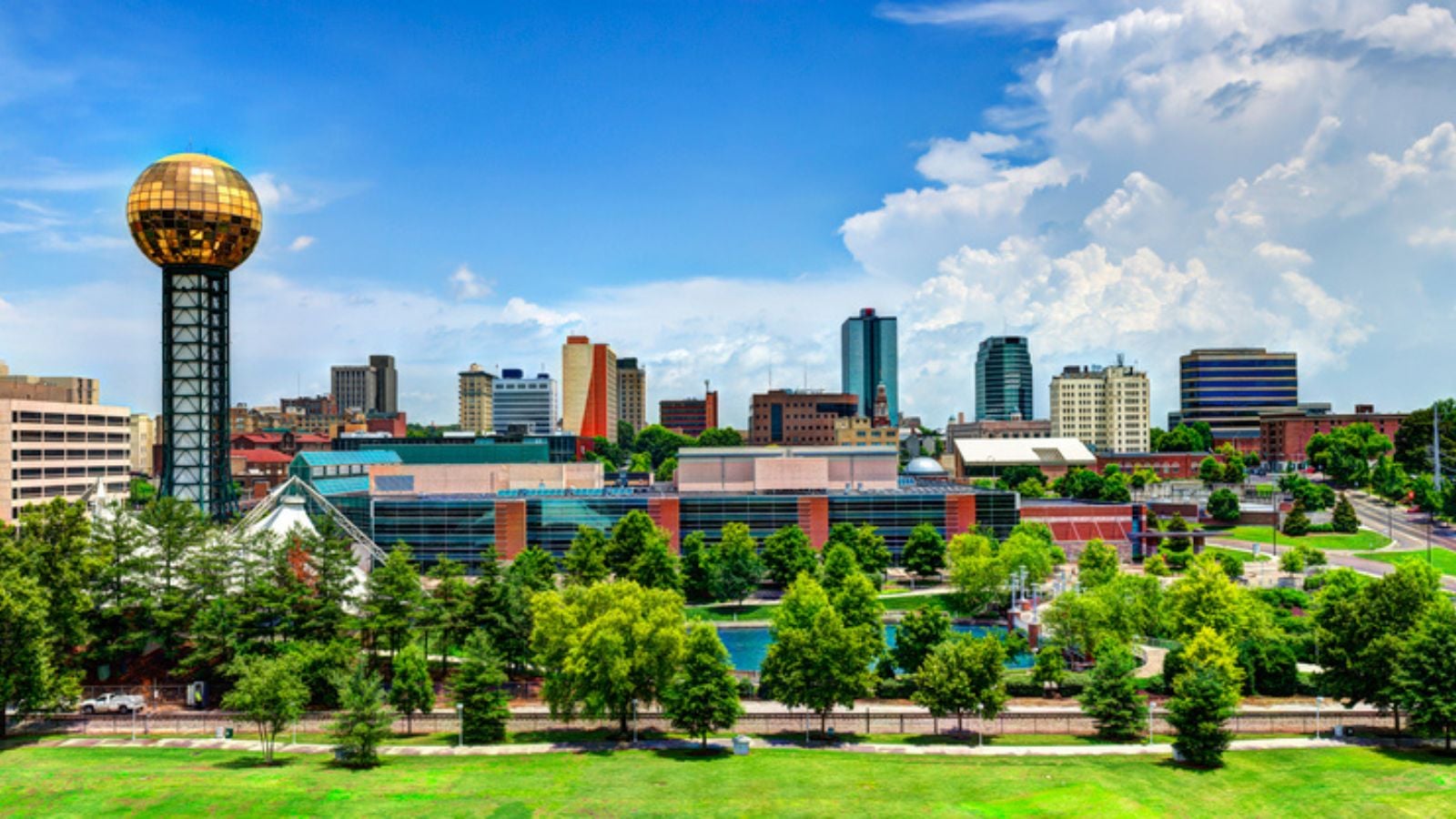
Tennessee residents often deal with stress from both their jobs and general safety concerns. People are juggling demanding work lives while also worrying about local crime. This one-two punch of professional pressure and community safety worries keeps tension levels high.
Creating a relaxing routine in the evening can help you switch off from work stress. To feel safer at home, you could upgrade your outdoor lighting or install a basic security camera for some peace of mind. Getting out into nature at a local park is also a great, natural way to reduce built-up anxiety.
It’s about finding ways to unwind and feel secure. A little self-care and a few simple home upgrades can make a big difference in your day-to-day stress levels.
12. Arizona

In Arizona, residents are often juggling money worries and family challenges. The fluctuating cost of living and the housing market put a lot of pressure on household budgets. Trying to manage family life on top of these economic strains often leads to more tension.
To ease the financial pressure, families can find affordable local activities to have fun together without overspending. A household savings challenge can get everyone involved in working toward financial goals. Also, making time to regularly check in with relatives helps keep your support system strong during tough times.
It’s about being creative and connected. Finding ways to bond on a budget and lean on each other can help families navigate economic ups and downs together.
13. Alaska
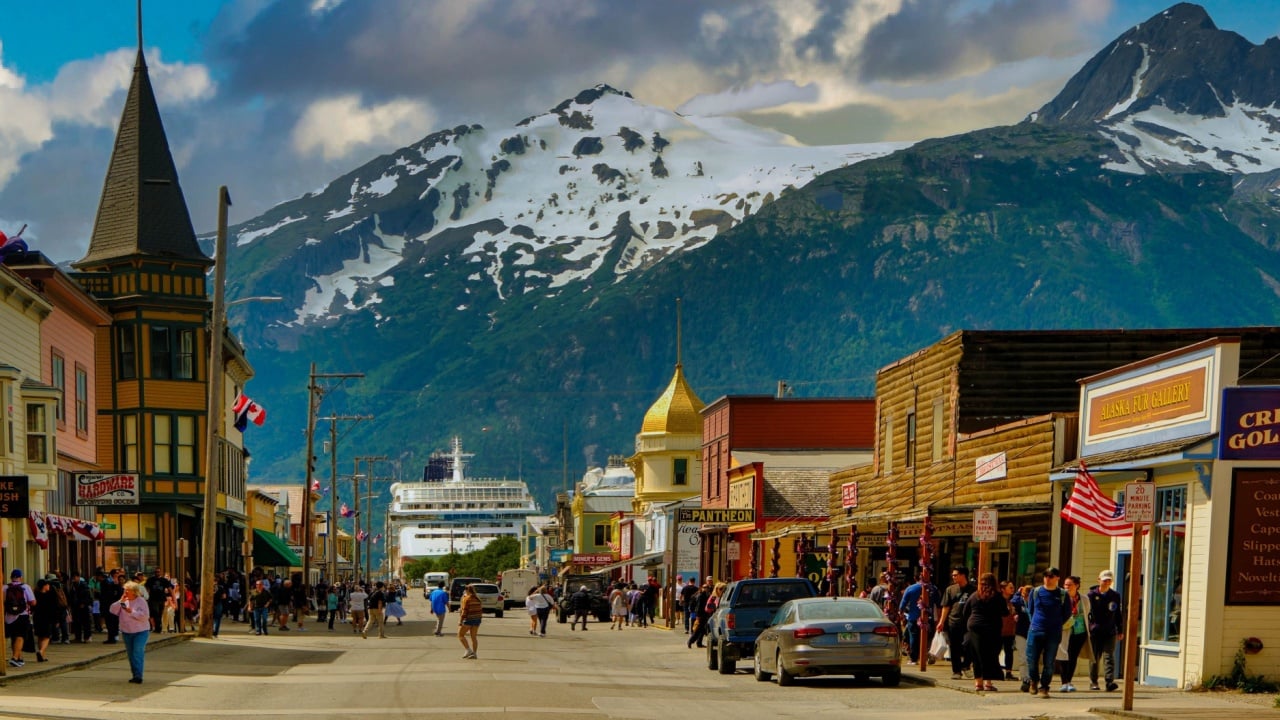
Alaska takes the top spot for the highest work-related stress in the U.S. The state’s unique geography and wild weather can make jobs and even the daily commute extra complicated. A sense of isolation and limited access to certain goods just add to the daily challenges for workers.
To combat the long, dark winters, creating a comfortable and well-lit workspace can really help your mood. Regular virtual meetings with coworkers can help you feel less isolated professionally. It’s also a smart idea to stockpile essential supplies to reduce anxiety about being stuck during a winter storm.
Thriving in Alaska is about being prepared and staying connected. By making your environment more comfortable and keeping in touch with your network, you can better manage the unique stresses of living and working there.
14. South Carolina
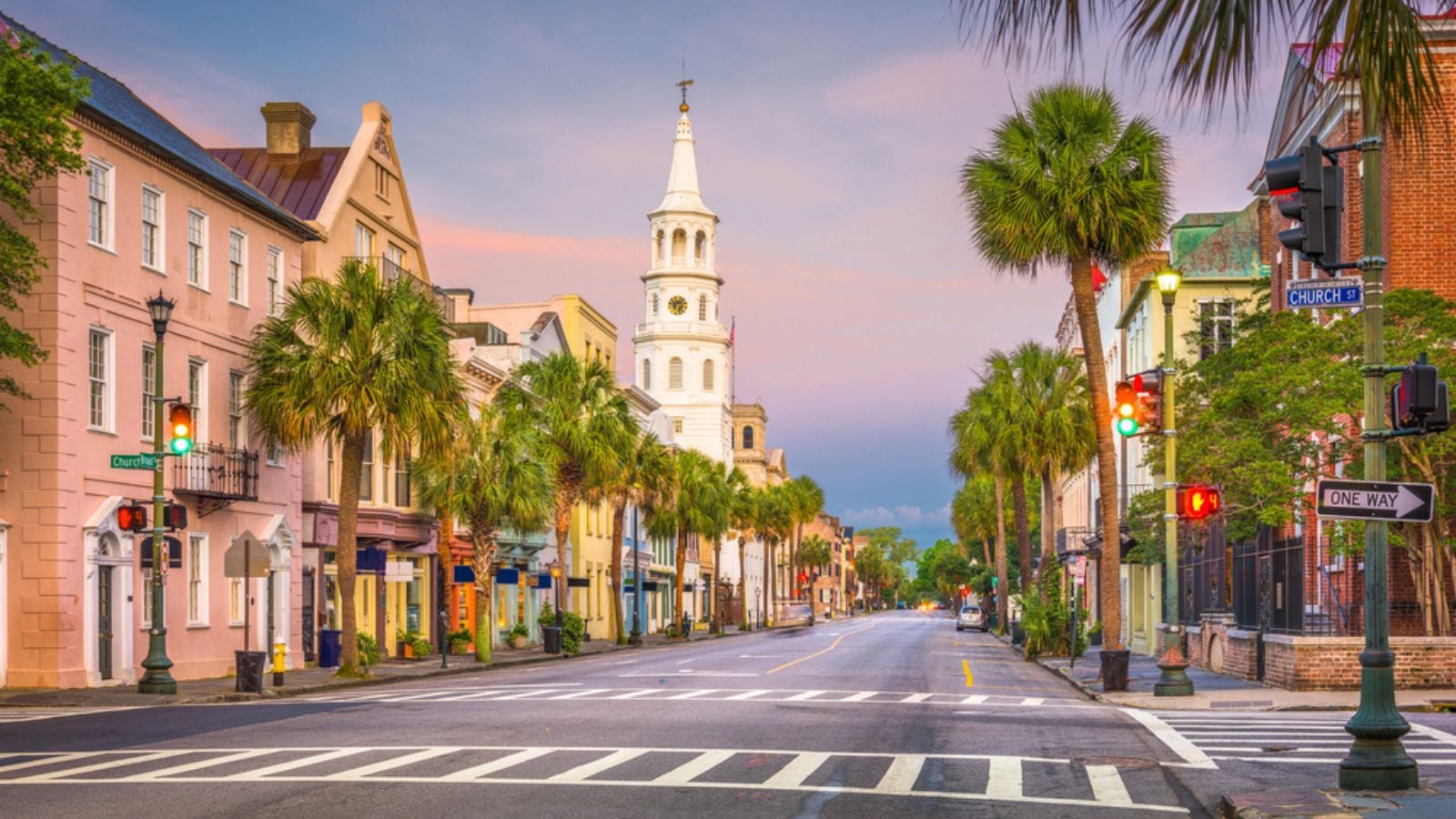
In South Carolina, people feel squeezed by both family and workplace tensions. Trying to balance family duties with the demands of a growing economy leaves many feeling stretched too thin. Health and safety concerns also add to the overall stress.
Making weekend downtime a priority is key to recovering from a long work week. Getting involved in local community events can help you build a support system outside of work. Finally, don’t skip your regular medical check-ups; it’s the best way to catch health issues before they become major problems.
It’s all about finding balance and staying proactive. By protecting your personal time and your health, you can better manage the pressures of daily life.
Building a Better Tomorrow

Managing daily stress is an ongoing process that takes effort and knowing where to find help. By building healthy routines and leaning on community support, you can seriously improve your well-being.
Whether it’s looking up local financial counseling, finding mental health programs, or just joining a neighborhood group, taking that first step is key.
Start today to build a healthier, less stressful tomorrow for yourself and your community.