8 Kitchen Habits Wasting Money Daily
Most households lose hundreds of dollars each year without realizing where the money goes. The culprit is rarely a big splurge or a single bad decision. It is the small, repeated habits that quietly drain budgets over weeks and months.
The kitchen is one of the most expensive rooms in a home to run, and daily routines inside it can either save or waste significant amounts of money. A few shifts in how the kitchen operates can make a real difference by the end of the month.
Understanding why certain habits waste money is more useful than simply being told to stop them. When the reasoning is clear, the motivation to change becomes stronger and the new habits tend to stick.
The following eight habits are among the most common ways money gets wasted in the kitchen every single day.
1. Overcrowding the Fridge With too Much Food

An overstuffed refrigerator might look like a well-stocked kitchen, but it actually costs more money than a moderately filled one. Cold air needs room to circulate to maintain a consistent temperature throughout the fridge.
When shelves are packed too tightly, air cannot move freely, and some areas end up warmer than others, which causes food to spoil before its time.
Leaving space between items, storing food in clear containers, and doing a quick visual check before each grocery trip help households avoid buying duplicates of things already on the shelf.
A less crowded fridge is also far easier to clean and organize.
2. Using Too Much Water for Basic Cooking
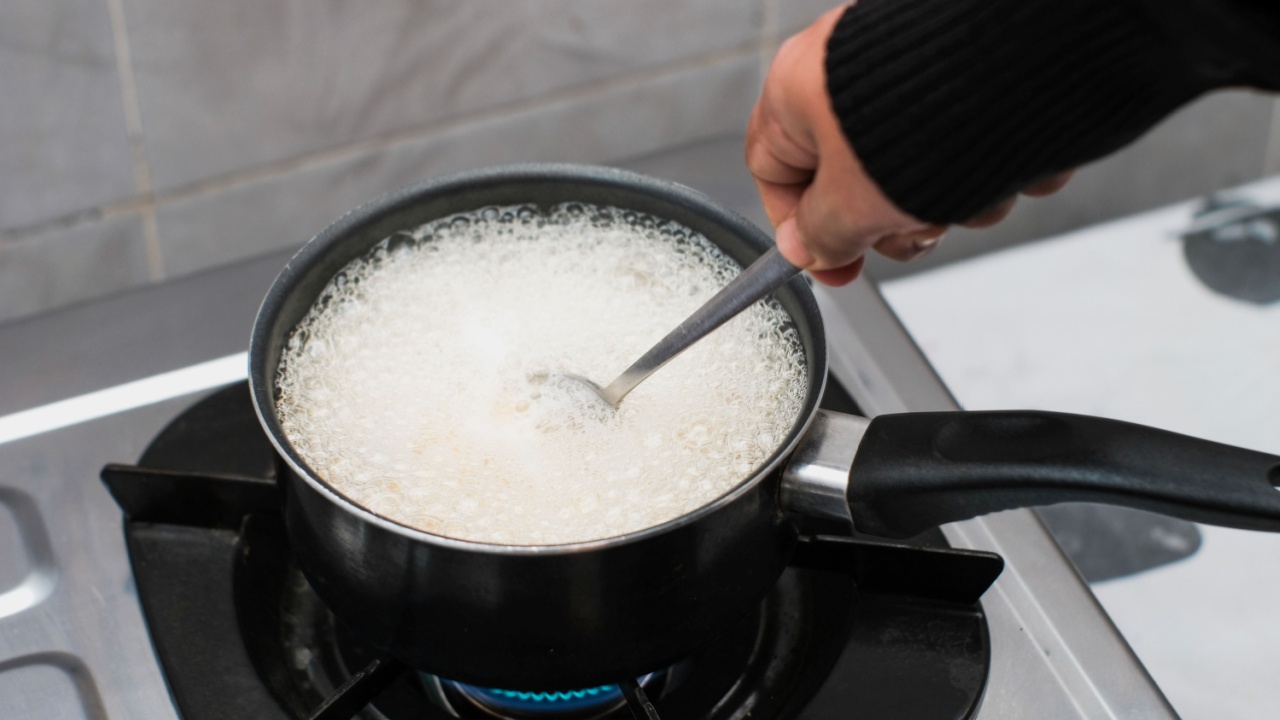
Filling a large pot to the brim for a handful of pasta or a few cups of vegetables is one of the most common and overlooked energy expenses in the kitchen.
Heating a large volume of water takes considerably more time and energy than heating a smaller amount, and in most cases, the extra water serves no real purpose. The food cooks the same way regardless of how much water surrounds it.
A smaller pot with just enough water to cover the food will reach a boil faster and use less gas or electricity in the process. Covering the pot with a lid speeds things up even further by trapping heat and reducing the time needed to cook.
Over the course of a year, this small adjustment can meaningfully lower a household’s utility bill.
3. Tossing Leftovers Before Their Time

Leftovers get a bad reputation in many households, and that reputation costs money. Food that is cooked but not stored properly often gets forgotten at the back of the fridge and eventually discarded.
Research reveals that the average American family throws away around $1,500 worth of food every year. A large portion of that waste comes from cooked meals that were never repurposed or stored correctly.
Labeling containers with the date they were packed is one of the simplest and most effective habits for reducing this waste. Most cooked foods remain safe to eat for three to four days in the refrigerator, and many can be frozen for weeks or months without any significant loss of quality.
Batch cooking one day and freezing individual portions can also reduce both waste and the temptation to order takeout on busy weeknights. Leftovers treated as future meals rather than afterthoughts are a straightforward way to stretch a grocery budget further.
4. Letting Fresh Produce Go to Waste

Fruits and vegetables are some of the most nutritious items on a grocery list and also some of the most frequently wasted. Produce spoils faster than most pantry staples, and without a plan for how to use it, it often sits in the crisper drawer until it becomes inedible.
The average household tosses roughly 30 percent of the produce it buys, which represents a significant chunk of the weekly grocery bill.
Proper storage makes a dramatic difference in how long fresh produce lasts. Apples release a gas called ethylene that speeds up the ripening of nearby fruits and vegetables, so storing them separately extends the life of everything around them.
Herbs stay fresh longer when stored upright in a small glass of water, much like flowers. Planning meals at the start of the week around the produce already in the fridge, rather than buying new items first, is one of the most effective habits for reducing spoilage and keeping grocery costs in check.
5. Running the Dishwasher Before It Is Full

A half-empty dishwasher cycle wastes both water and electricity, and for households that run the machine daily, those costs compound quickly. Modern dishwashers use roughly the same amount of water and energy per cycle regardless of how many dishes are inside.
Running the machine with only a few items inside is, in effect, paying full price for a fraction of the result.
Wait until the dishwasher is genuinely full before running a cycle. For a single dish or two needed urgently, hand washing uses far less water than a full machine cycle.
Energy-saving or eco modes available on many modern dishwashers also reduce consumption per cycle without sacrificing cleaning performance. A household that cuts back from daily cycles to every other day could save dozens of dollars per year on utility bills with no additional effort.
6. Buying Pre-Packaged Convenience Foods

Pre-cut vegetables, shredded cheese, pre-portioned snacks, and marinated meats are marketed as time-savers, and they do save a few minutes of prep work. The trade-off, however, is a significant price premium.
Pre-shredded cheese, for example, can cost 30 to 50 percent more per ounce than a block of the same cheese, and the difference for pre-cut produce is often even greater.
Beyond the cost, convenience foods frequently contain additives like anti-caking agents, excess sodium, or preservatives that are absent from whole, unprocessed versions. A block of cheddar that a household grates at home tastes fresher, melts more smoothly, and costs less per serving.
Spending thirty minutes on a Sunday afternoon washing, chopping, and portioning produce for the week delivers the same convenience at a fraction of the price. The time investment is minimal when compared to the cumulative savings across a month of meals.
7. Leaving Small Appliances Plugged in All Day
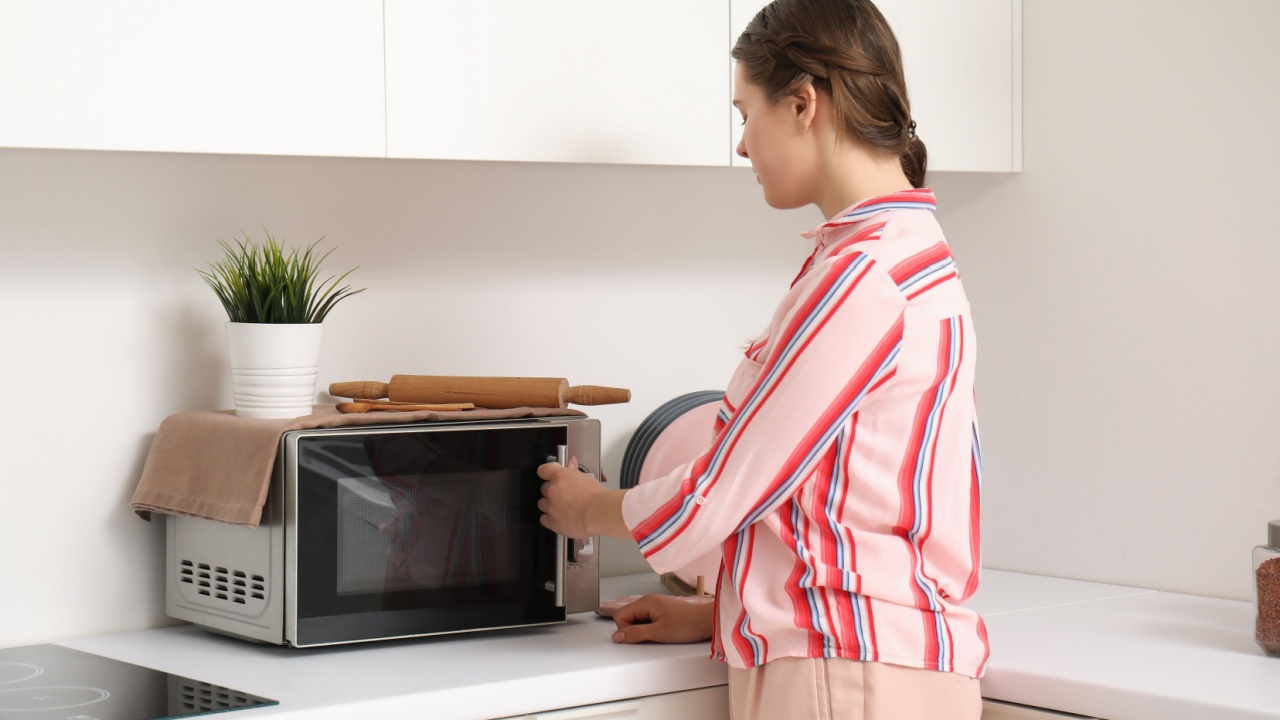
Countertop appliances like coffee makers, toasters, microwaves, and electric kettles draw a small amount of power even when they are switched off.
This phenomenon, often called standby power or phantom load, accounts for a surprisingly large share of household electricity use.
Unplugging appliances when they are not in use is the most direct solution. For households where plugging and unplugging feels inconvenient, a power strip with an on/off switch offers an easy alternative.
Turning off the strip after the morning routine, for instance, cuts power to every appliance connected to it with a single motion.
8. Reliance on Disposable Paper Products Daily

Paper towels, disposable plates, and single-use food storage bags have become so common in many kitchens that households rarely stop to calculate what they actually spend on them.
A family that uses a roll of paper towels every week spends roughly $100 to $150 per year on that product alone. Add disposable plates for convenience meals and single-use zip bags, and the total climbs considerably higher.
Reusable alternatives pay for themselves quickly. A set of washable cotton cloths or old cut-up t-shirts handles most tasks that paper towels are used for, and can be laundered and reused hundreds of times.
Reusable silicone storage bags and glass containers replace disposable options with products that last for years. The upfront cost of switching to reusable products is typically recovered within a few months, and households that make the change often find they do not miss the disposable versions at all.
A Smarter Kitchen Saves More than Money
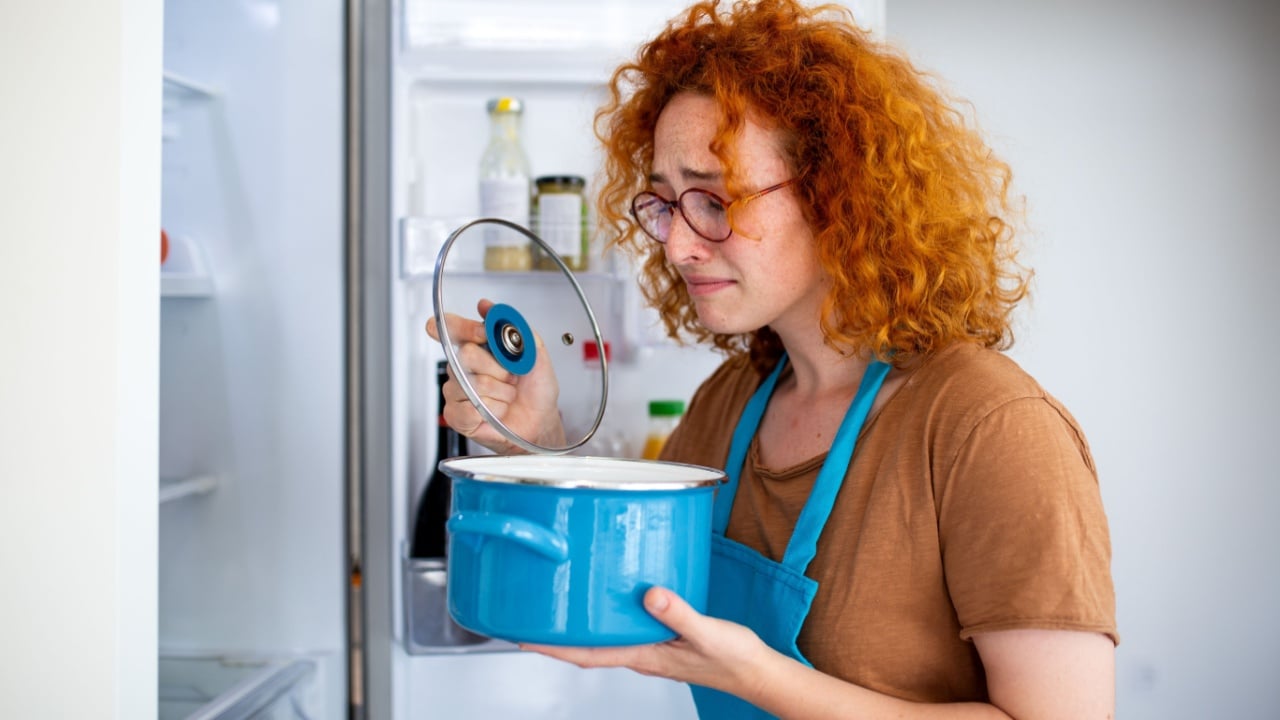
The habits described above are common, but none of them is difficult to change. Most of the fixes require nothing more than a small shift in awareness and a willingness to do things slightly differently.
No single change will transform a household budget on its own, but tackling several of them together creates noticeable results.
A kitchen that runs more efficiently also tends to produce less waste, which carries its own satisfaction. The savings are not just financial; fewer trips to the store, less time managing spoiled food, and a cleaner, more organized kitchen space are all part of the benefit.