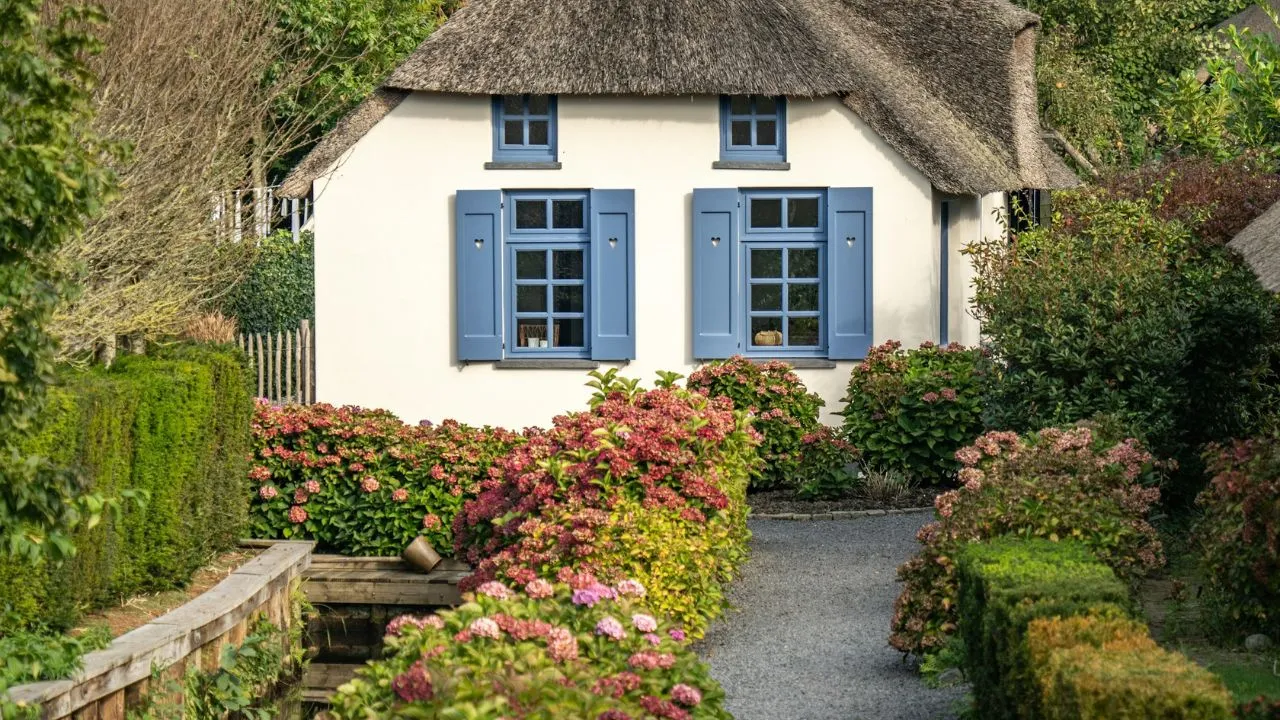
8 Enchanting Flowers to Transform a Garden Into a Dreamy Cottagecore Paradise
Imagine this: roses tumbling over mossy stone walls, foxgloves swaying like cathedral bells, peonies in every blush of cream and coral, and hollyhocks pressing close together in gorgeous, fragrant disorder. Bees drift lazily from bloom to bloom. A weathered iron gate stands half-open, wound through with clematis. It’s something out of a fairytale, but in gardening, it has a name: the cottagecore garden. And despite its effortless, almost accidental appearance, every inch of it is lovingly, intentionally chosen.
What makes the cottagecore garden so quietly powerful is that it feels like it has always been there; as though the flowers simply decided to grow this way on their own, with no help from human hands. In reality, it is the result of thoughtful layering: tall spires rising behind mounded perennials, self-seeders filling the gaps, and climbers spilling over whatever structure they can find. The magic lies in the tension between wildness and care, between what was planted and what was allowed to stay.
The cottagecore aesthetic taps into something deeper than garden design. It speaks to a longing for connection — with the natural world, with older rhythms of living, with beauty that feels unhurried and unforced. In an era of clean lines and controlled spaces, this kind of garden offers a different kind of shelter: one built from abundance rather than restraint, from softness rather than structure. It is, at its heart, a garden that invites you to slow down.
And like all things worth building, it starts with a single, meaningful choice: the flowers. The cottagecore garden is defined by its blooms: their form, their fragrance, and the way they move in a breeze. Some are old-fashioned varieties your grandmother might have grown. Others are wilder things, more at home in a hedgerow than a formal bed. But all of them share a certain quality: they look as though they belong exactly where they are. Creating this kind of garden is part craft, part surrender, and knowing which flowers to reach for first makes all the difference.
What Makes a Cottagecore Garden?
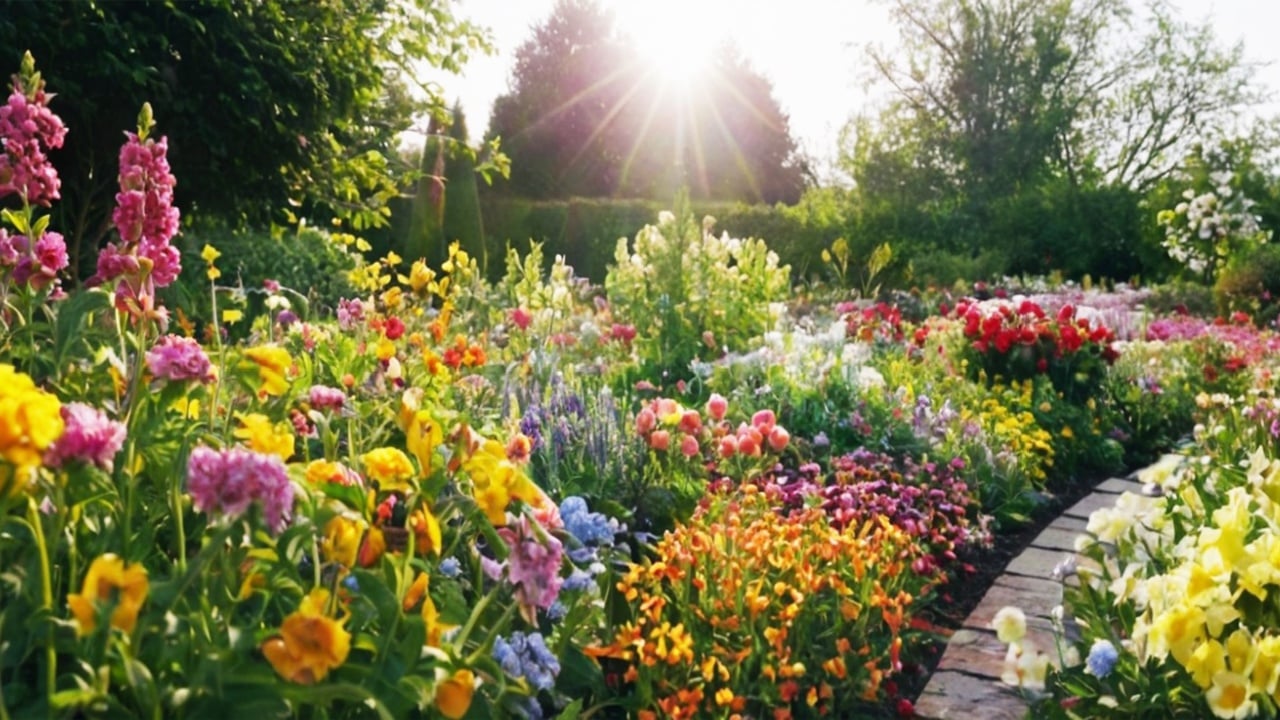
A cottagecore garden is defined by abundance, soft color, and texture layered upon texture. Plants are chosen for their romantic associations, like the wildness of a meadow, the generosity of an old kitchen garden, and the feeling that flowers have always grown here, long before anyone was tending them. The palette leans toward blush pinks, soft purples, creamy whites, and warm golds, with the occasional dramatic statement of deep crimson or cobalt blue.
“Cottagecore gardens are marked by abundance, with flowers planted densely to create a dramatic visual statement that seems to burst with blooms at every turn,” according to Bonnie Grant of Gardening Know How.
Here are 8 essential flowers to create the cottagecore aesthetic in your own backyard.
1. Roses
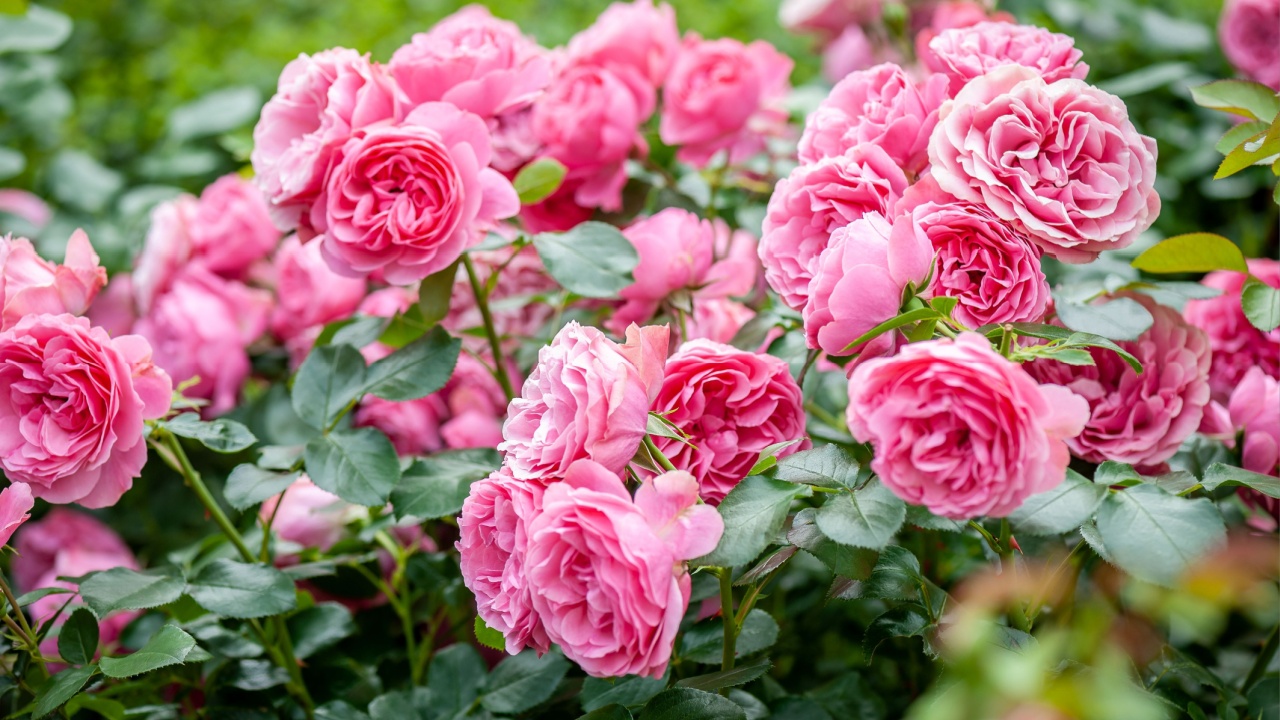
No cottagecore garden is complete without roses. Choose climbing varieties for walls and archways, or old-fashioned shrub roses like David Austin’s English Roses for beds. Their long blooming seasons, intoxicating fragrance, and graceful petals are the very heart of the aesthetic.
Be sure not to deadhead too aggressively; the hips that follow in autumn add their own quieter beauty.
2. Foxgloves
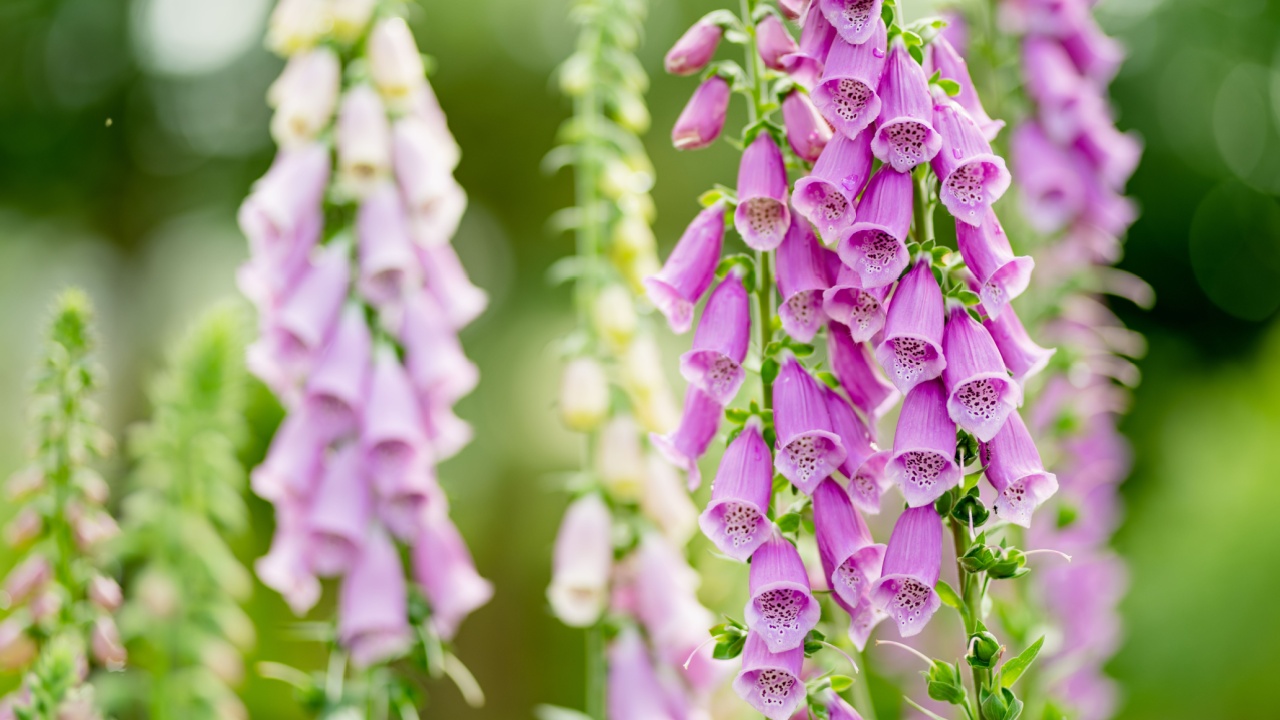
Foxgloves bring height, architecture, and a touch of the woodland fairy tale. Their tall spires of tubular blooms in shades of purple, pink, white, and cream, often spotted inside, give the garden its vertical structure while keeping things dreamily soft.
Plant them toward the back of borders, where they’ll tower over shorter companions and catch the light from above.
3. Peonies
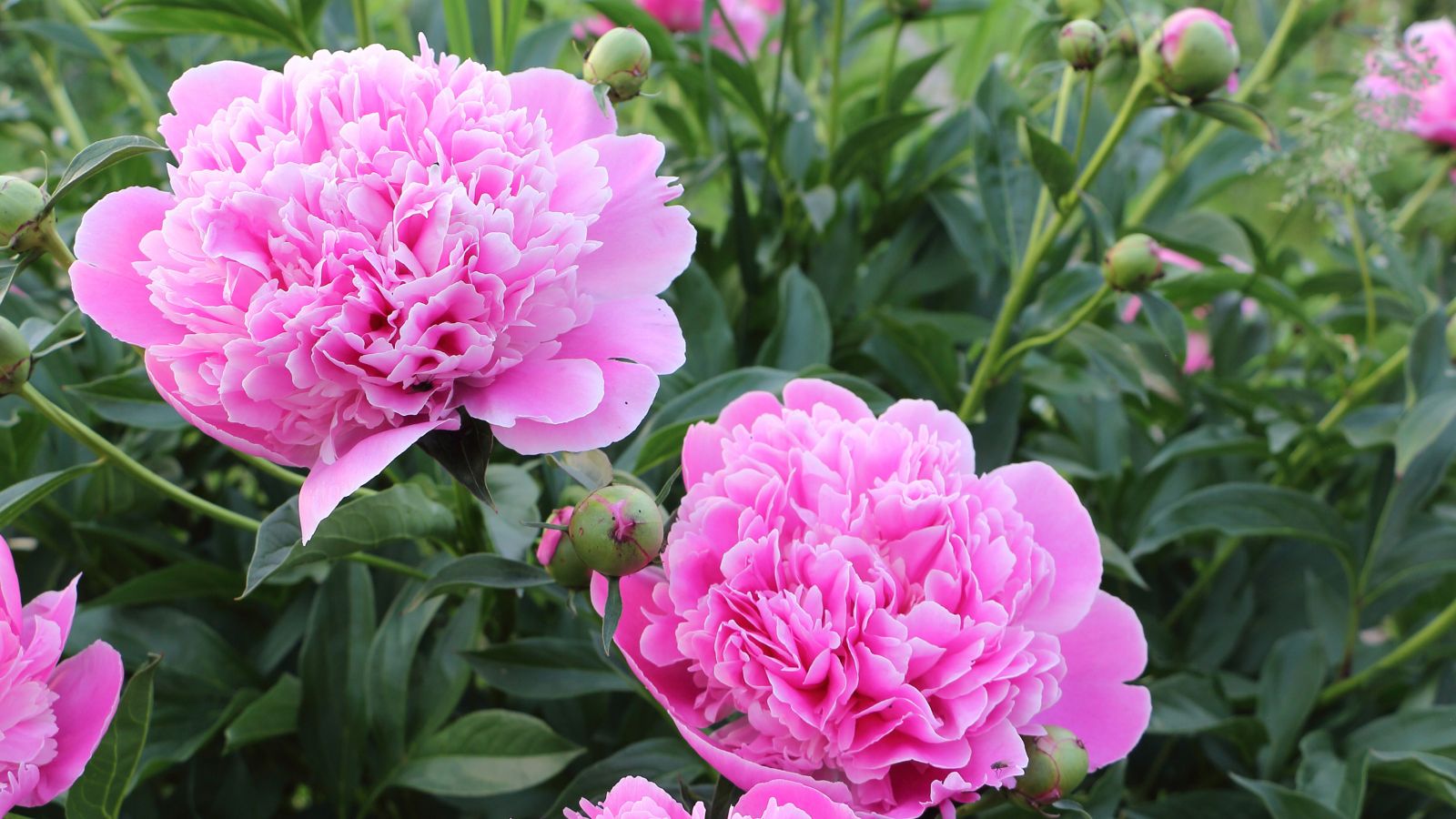
Few flowers embody the lushness of cottagecore quite like peonies. Their blooms are ruffled, heavy, and impossibly fragrant and arrive in late spring like something from a dream. They take a year or two to establish, but a well-planted peony will reward you for decades.
Cut them just as the buds are barely beginning to open and bring them inside to watch the blooms unfurl on your kitchen table.
4. Sweet Peas
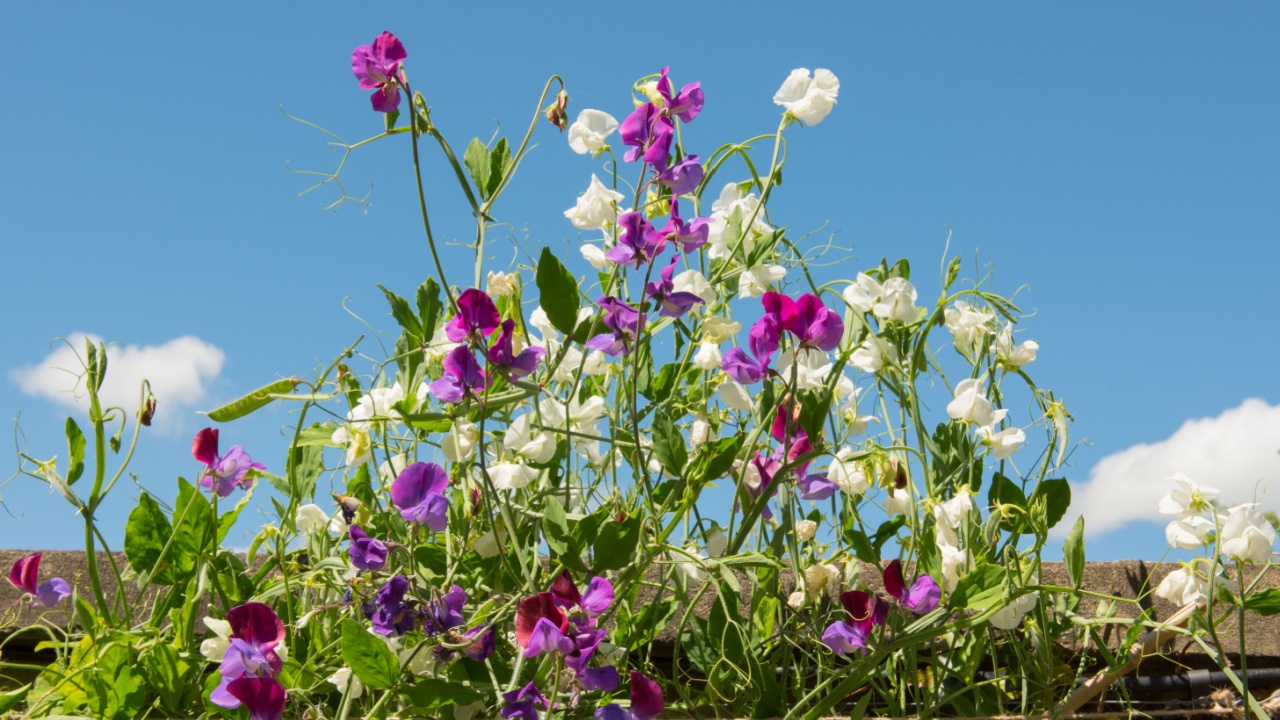
Sweet peas are the most romantic of climbers: delicate, butterfly-shaped blossoms in every shade from white to deep wine, with a fragrance that is best described as spring itself.
Train them up a trellis, a rustic wigwam of canes, or an old fence, and cut them often. The more you cut, the more they bloom.
5. Lavender
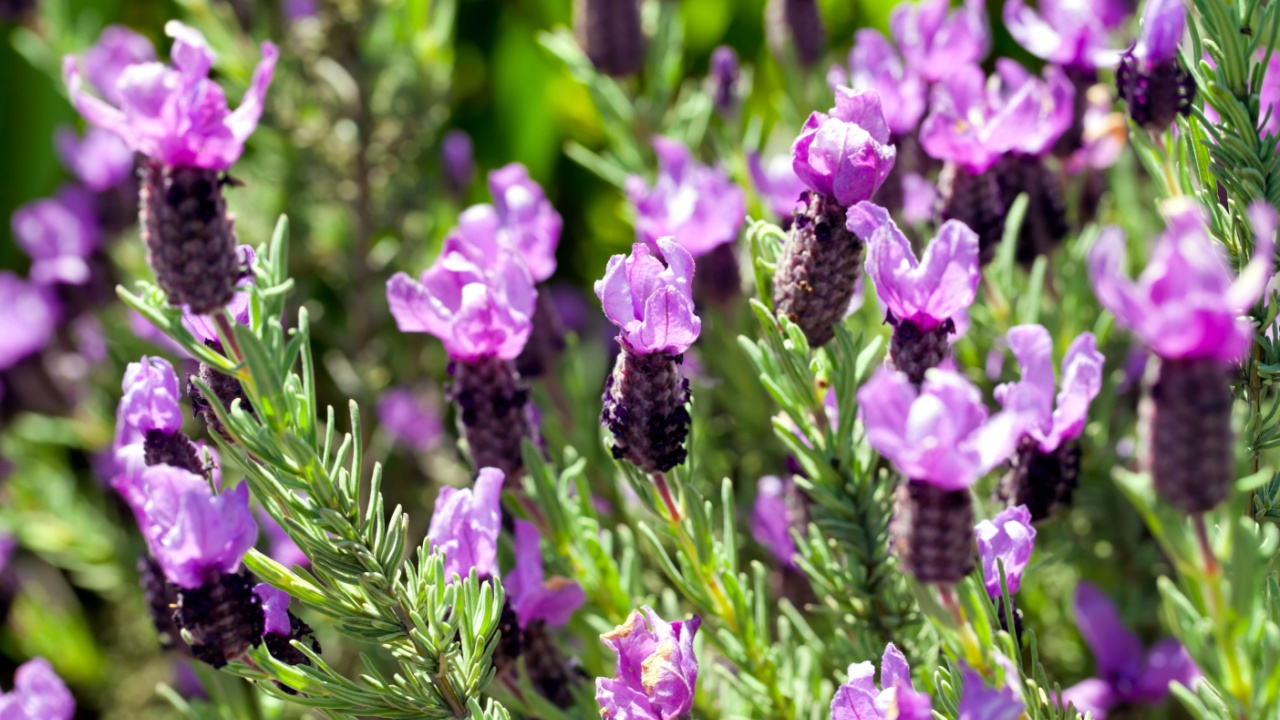
Lavender brings the bees, the butterflies, the scent, and the silver-green foliage that holds the garden together long after summer’s peak blooms have faded.
Plant it at the edges of paths where brushing past it releases its calming perfume, or mass it in drifts that create soft waves of purple in high summer.
6. Lupines
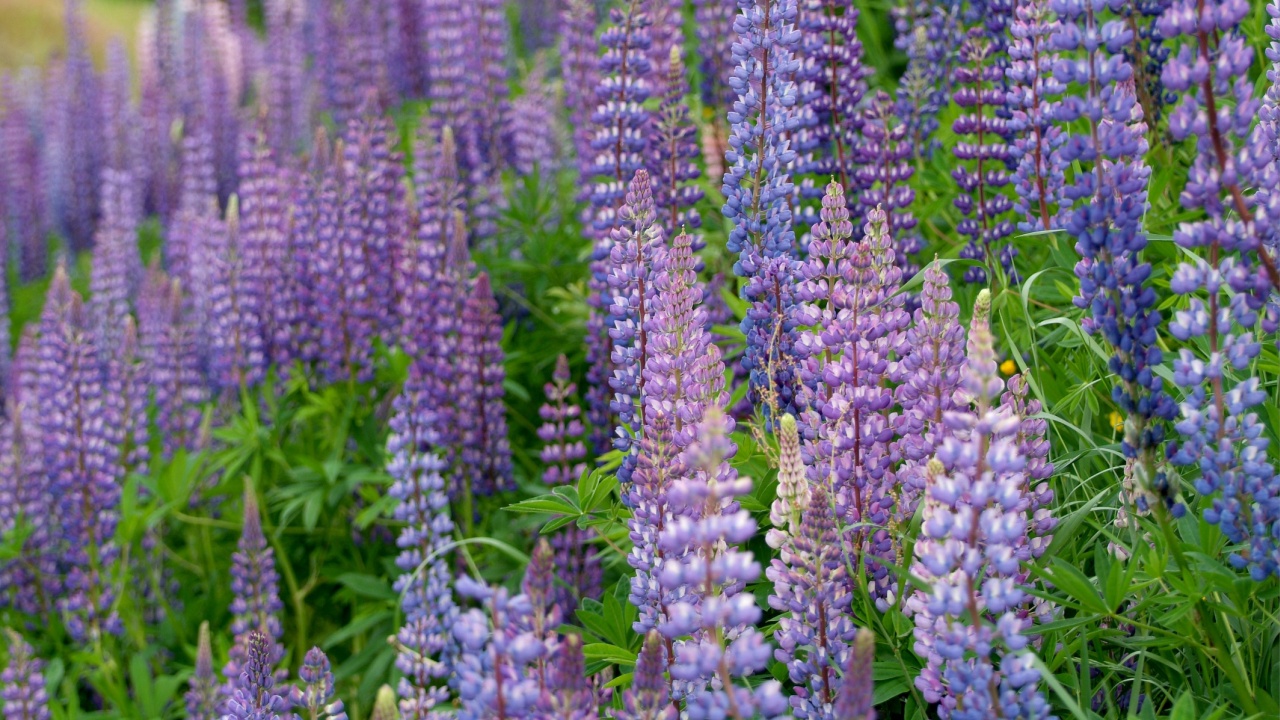
With their bold, upright flower spikes in vivid purples, pinks, and bicolors, lupines bring a wildflower energy to the cottage garden that is impossible to replicate with anything else. They self-seed freely, which only adds to the sense of natural abundance.
Let them naturalize, and you’ll soon have a garden that looks as though it has always been there.
7. Poppies

Poppies, whether the tissue-paper delicacy of Shirley poppies, the blowsy opulence of Oriental poppies, or the meadow simplicity of corn poppies in scarlet red, are the flowers that make a garden feel genuinely wild.
Scatter seeds directly into the soil in autumn or early spring and let them find their own way. Their impermanence is part of their charm.
8. Clematis
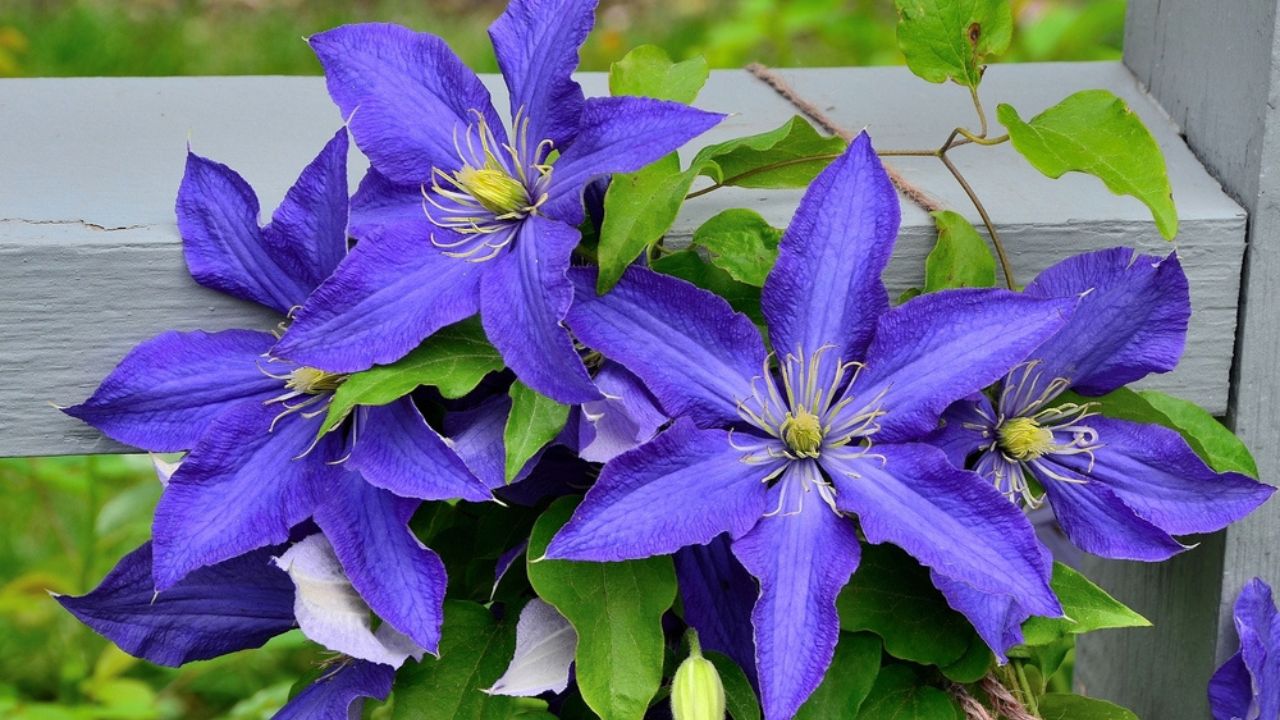
Clematis are the great connectors of the cottage garden. They are weavers and climbers that soften every edge, drape every fence, and turn an ordinary shed wall into something enchanting. The vast family includes enormous star-shaped blooms, delicate bell flowers, and fragrant late-summer varieties.
Plant the roots in shade and let the flowers climb into the sun.
How to Layer for the Full Cottagecore Effect
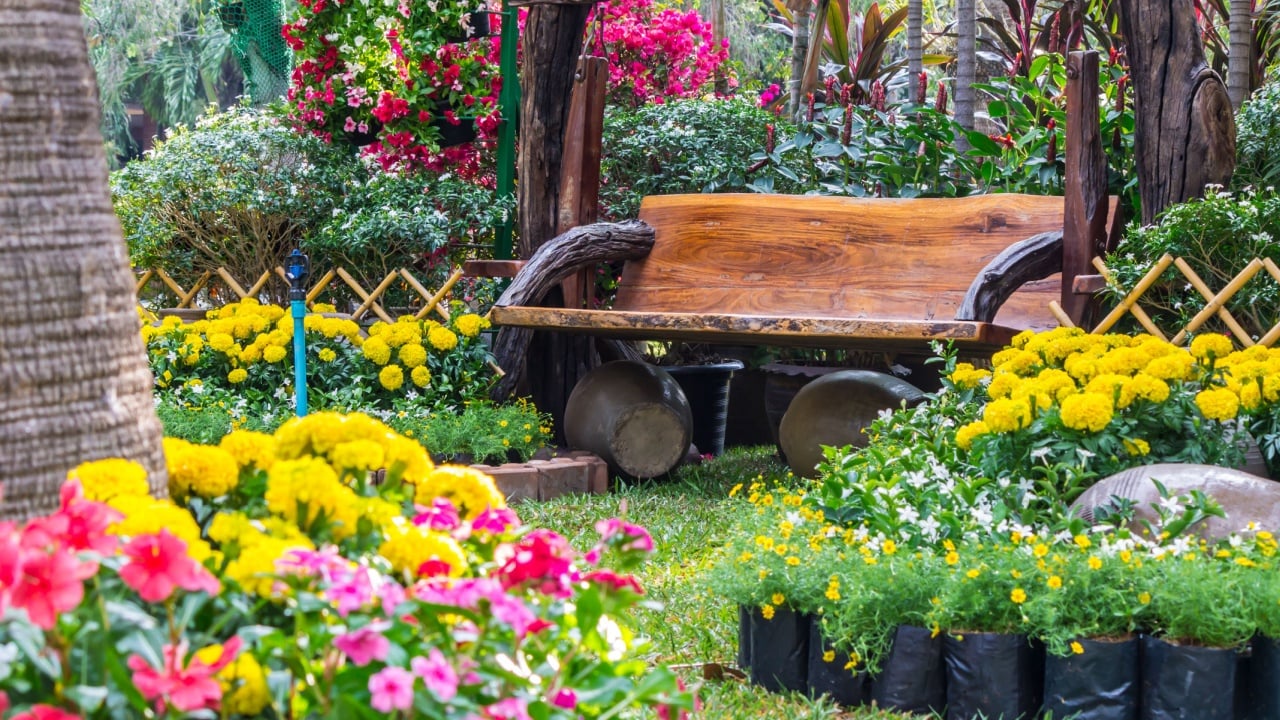
The secret to a cottagecore garden is not just the plants; it is how they are arranged. Think in layers: tall plants like foxgloves and lupines at the back, mid-height roses and peonies in the middle, and lower-growing lavender, poppies, and sweet peas tumbling at the front. The goal is not tidiness. It is an abundance of coordinated chaos and wildness that is carefully arranged.
Plant more densely than you think you should. Cottagecore gardens are defined by the feeling that flowers are pressing against each other, competing gently for light, growing over and through one another in beautiful confusion. Leave small gaps for self-seeding annuals to fill in on their own terms. Let things flop and sprawl a little. The imperfection is the point.
“Don’t be afraid to plant things close together – this creates a lush and overflowing feeling, mimicking the wild gardens of yesteryear,” advises A Cottage in the City’s guide to creating a cottagecore aesthetic.
Growing Tips to Help Your Cottage Garden Thrive

Start with good soil. Most cottage garden favorites, like roses, peonies, and foxgloves, thrive in well-drained soil enriched with plenty of organic matter. Loosen the bed with a garden fork before planting to improve drainage and give roots an easier time establishing.
Mix annuals, biennials, and perennials so that you have flowers from early spring right through autumn. Lupines and peonies bloom in late spring. Roses, sweet peas, and foxgloves carry summer. Clematis and lavender extend the season. An early frost doesn’t spell the end of a well-planned cottage garden; it simply changes the chapter.
Let things seed. The wildflower magic of a cottagecore garden depends, in part, on allowing plants to drop their seeds and naturalize over time. Each year, the garden evolves. Something appears in a crack in the path. A poppy colonizes a new corner. This is not a problem to solve. It is the garden becoming itself.
A cottagecore garden is, at its heart, an act of optimism; a belief that beauty grows best when it is tended with love and left a little wild. Plant your foxgloves and your roses, your sweet peas and your peonies, and then step back. Let the garden surprise you. That surprise is the whole point.
Read more:
7 perennial planting mistakes to stop making right now
How to Grow Zucchini Vertically: 7 Steps That Save Space and Double Your Harvest