
14 Foods You Should Never Buy Organic to Save Money
When you walk into a grocery store, you’re hit with a barrage of marketing buzzwords. “Organic” is often the most convincing and the most expensive. Many of us see that label and assume it means the food is healthier, so we don’t mind paying extra. But is it always worth it?
We can turn to data from groups like the Environmental Working Group (EWG), which tests produce for pesticides every year. Their “Clean Fifteen” list highlights fruits and vegetables with thick skins or natural defenses that keep chemicals out, making conventional versions just as safe to buy.
On top of that, the official definition of “organic” only applies to agricultural products. This means that when you see an organic label on something that isn’t farmed, it’s just a marketing gimmick to make you spend more.
Learning which items don’t need the organic label can save you a lot of money. In this guide, we’ll reveal 14 specific foods and pantry staples that are perfectly fine to buy conventionally without sacrificing your health. Get ready to become a smarter shopper and save money on your next grocery run.
1. Sea Salt
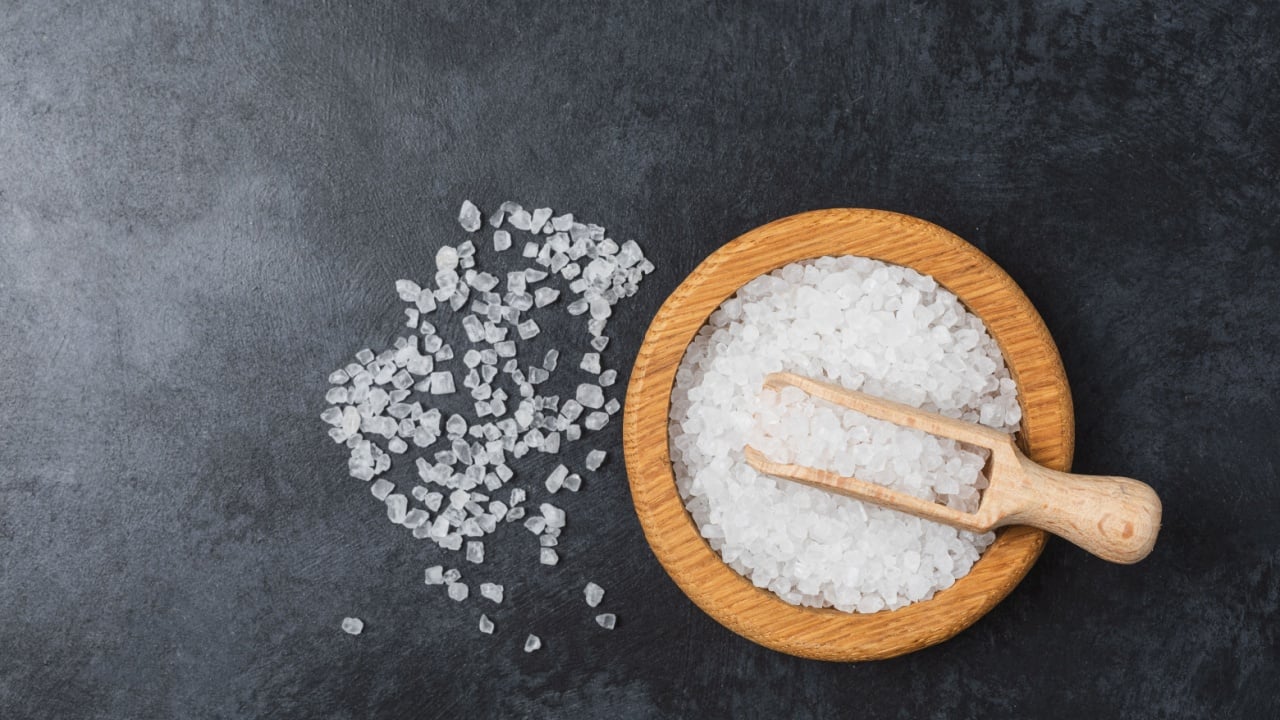
Sea salt is a mineral harvested from evaporated seawater, which means it’s not an agricultural product. Pests don’t eat salt, and farmers don’t spray it with pesticides, so there’s no such thing as “organic” salt in a scientific sense. When you see an organic label on salt, it’s just marketing designed to make it seem more natural or high-end than it actually is.
If you want to choose a better salt, don’t look for an organic seal. Instead, focus on how it’s sourced. Unrefined sea salts are a great choice because they keep their natural trace minerals.
You can also check the packaging to see if the brand uses sustainable harvesting methods. This way, you’re getting a quality product without falling for an unjustified organic markup.
2. Wild-Caught Salmon
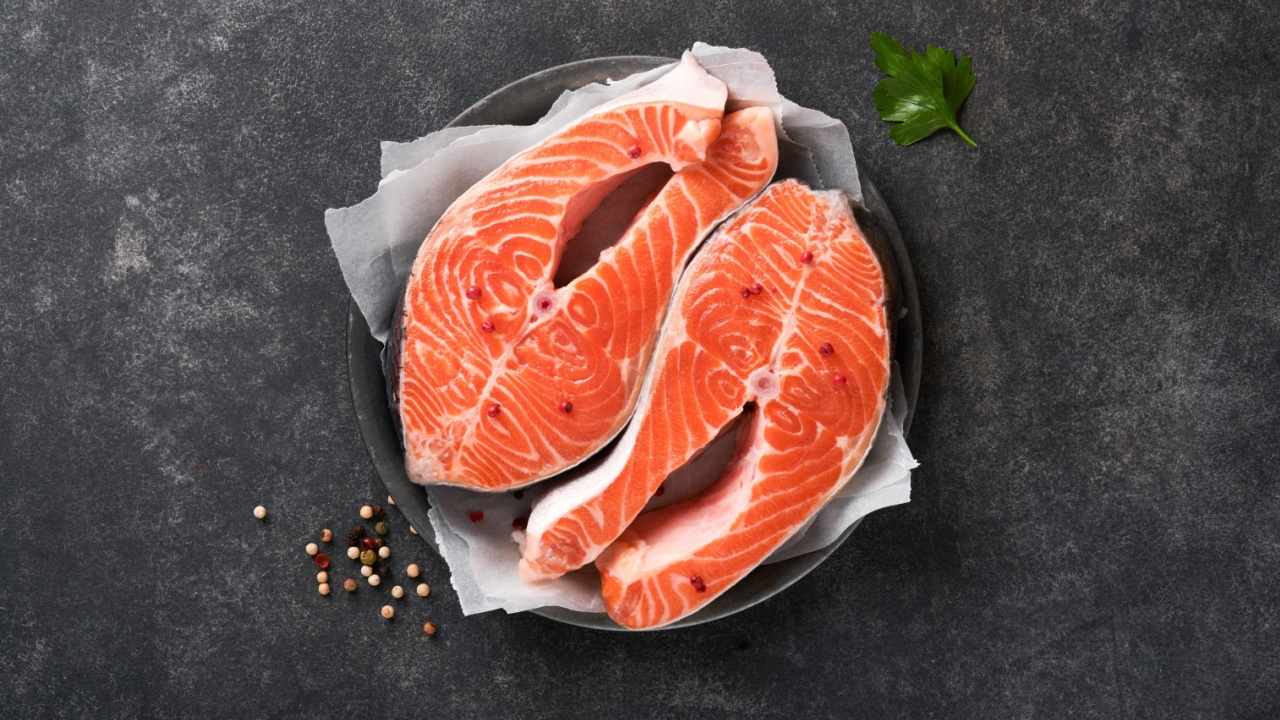
The term “wild-caught” means the fish lived in its natural habitat, like the ocean or a river. No one can control what these fish eat in the wild, which is a requirement for an organic certification. Organic labels can only apply to farmed fish, where their feed is managed and controlled.
When you’re buying salmon, “wild-caught” is the label you should be looking for, not “organic.” Wild salmon eat a natural diet of krill and other small fish, which gives them their amazing flavor and high levels of Omega-3s. To make an even better choice, look for certifications from marine stewardship groups to ensure the fish was caught sustainably.
Paying extra for an “organic” label on wild salmon is like paying for something that doesn’t exist. Stick with reputable wild-caught options to get the most delicious, nutritious, and environmentally friendly seafood for your money.
3. Avocados
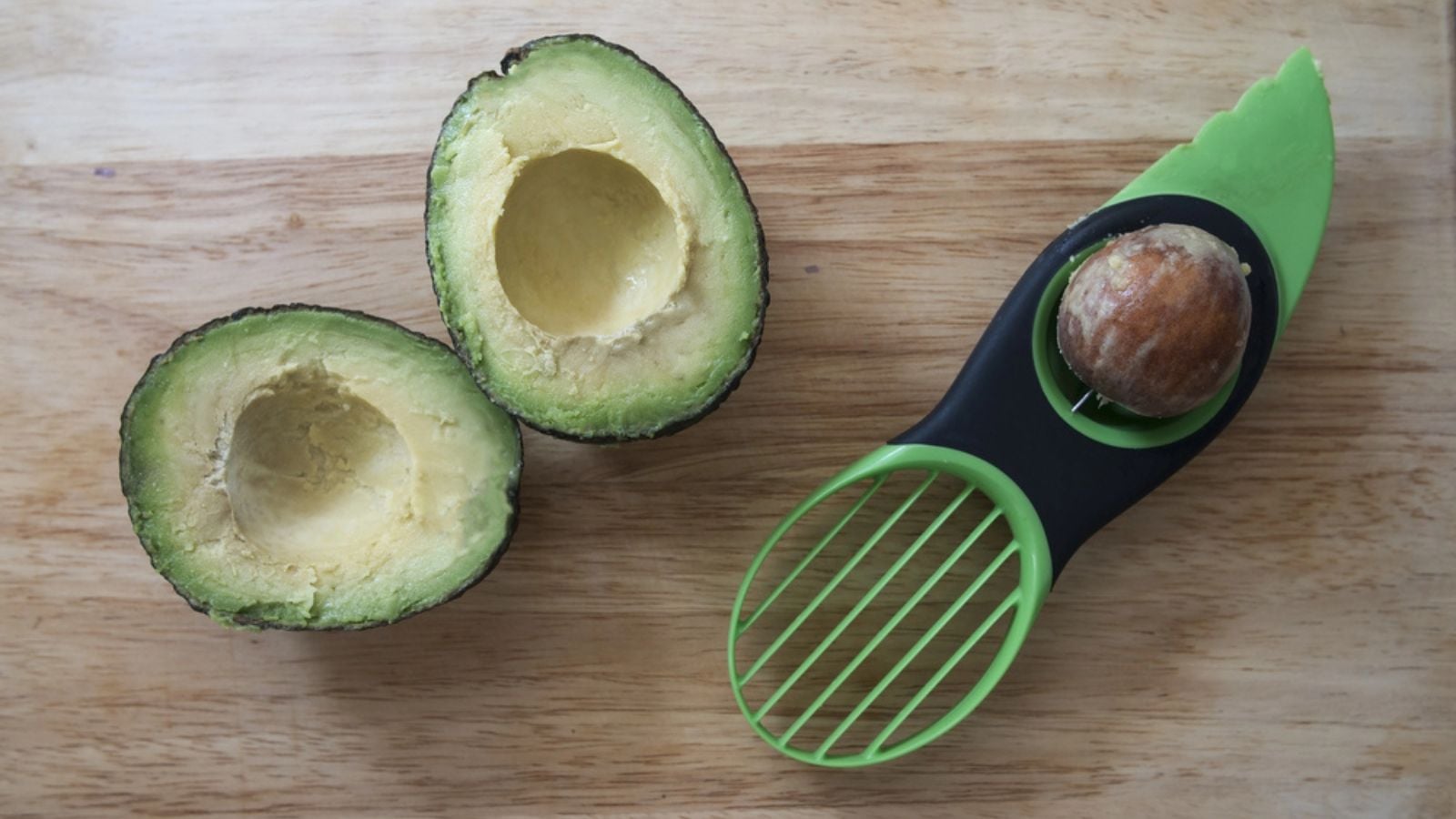
Avocados come with their own suit of armor. Their thick, bumpy skin acts as a natural shield, keeping pesticides and bugs from getting to the creamy fruit inside. Because of this protective layer, avocados consistently make it to the top of the EWG’s “Clean Fifteen” list, meaning they have almost no pesticide residue, even when they’re not organic.
You can confidently buy conventional avocados without worrying about chemicals. Instead of stressing about an organic label, focus on finding one that’s at the right ripeness for your guac-making plans. It’s one of the easiest ways to save money on your grocery bill without sacrificing quality or safety.
So, go ahead and skip the organic avocados. You’ll get the same heart-healthy fats and delicious flavor while keeping a little extra cash in your pocket.
4. Baking Soda (Sodium Bicarbonate)
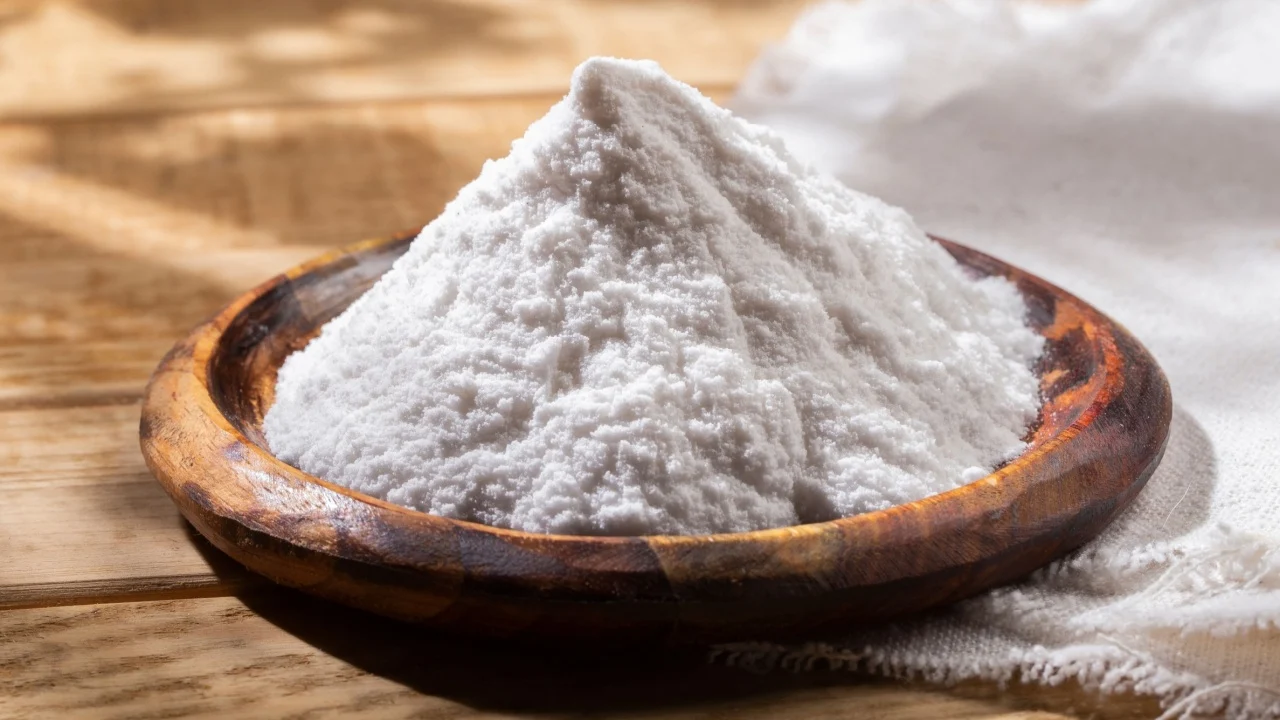
Baking soda, or sodium bicarbonate, is a mineral that’s mined from the earth. Since it’s not a crop, it’s never sprayed with pesticides or grown in treated soil. Any brand trying to sell you “organic” baking soda is misusing the term just to catch the eye of health-conscious shoppers.
When you’re stocking your pantry, a standard box of 100% pure sodium bicarbonate will work just fine. Whether you’re baking a cake or cleaning your kitchen, the conventional version is chemically identical to any “organic” alternative. There’s no functional difference at all.
Save your money for the ingredients that really matter. A cheap, basic box of baking soda will always give you the leavening power you need for your recipes without the unnecessary premium price.
5. Mineral Water

Just like salt and baking soda, mineral water is not a farmed product. It’s sourced from natural underground springs, completely bypassing the agricultural system where pesticides and fertilizers are used. Because of this, water cannot be scientifically classified as organic.
If you want to make sure you’re drinking high-quality water, look at the source and mineral content, not a misleading organic label. Choose brands that are transparent about their water quality reports and bottle their water at the source. Opting for glass bottles over plastic is another way to make a genuinely healthier choice.
Staying hydrated is key, but you don’t need to overpay for a nonsensical “organic” label on your water. Focus on clean sourcing and sustainable packaging to get real value for your health and your wallet.
6. Walnuts

Walnuts grow inside a very thick, tough shell that acts as a natural barrier against chemicals and pests. By the time the walnut is harvested and cracked, the part you eat has been well-protected from any sprays used during farming. This natural armor makes paying extra for organic shelled walnuts pretty pointless.
To get the best quality, buy whole walnuts in their shells when they’re in season. If you prefer the convenience of pre-shelled nuts, the conventional options are perfectly safe and much cheaper. Just be sure to store them in the fridge or freezer to keep their natural oils from going bad.
By choosing conventional walnuts, you still get all the brain-boosting omega-3s and antioxidants without the high price tag. Let nature’s protective shell do the hard work for you.
7. Pecans
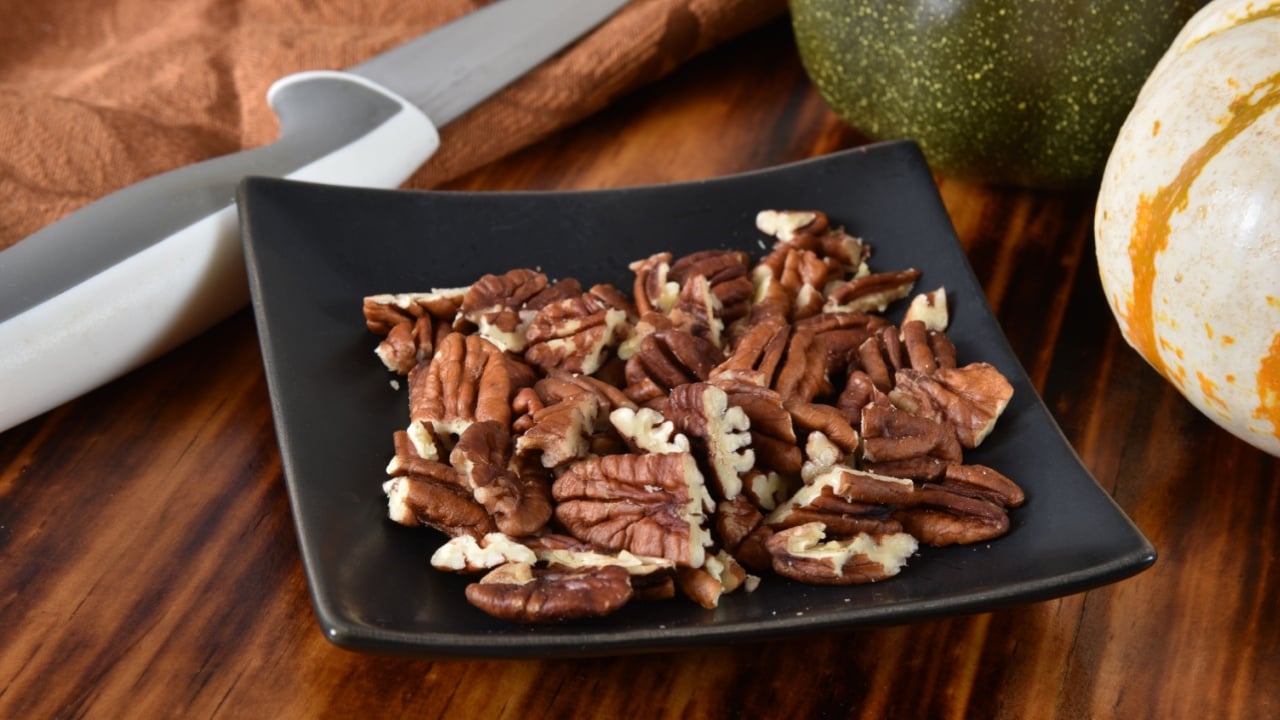
Similar to walnuts, pecans are protected by a hard outer shell while they grow. This dense casing acts as a physical shield, stopping pesticides and other pollutants from reaching the kernel inside. As a result, there’s very little risk of chemical residue on the part of the nut you actually eat.
You can comfortably skip the expensive organic pecans and go for the conventional ones instead. Look for plump, uniform nuts without any cracks to ensure you’re getting the best flavor. Buying them in bulk from the conventional bin is a great way to save money on this delicious nut.
Enjoying a slice of pecan pie or adding a handful of nuts to your salad shouldn’t have to be a luxury. Conventional pecans offer the same buttery flavor and nutritional perks as their organic counterparts.
8. Brazil Nuts
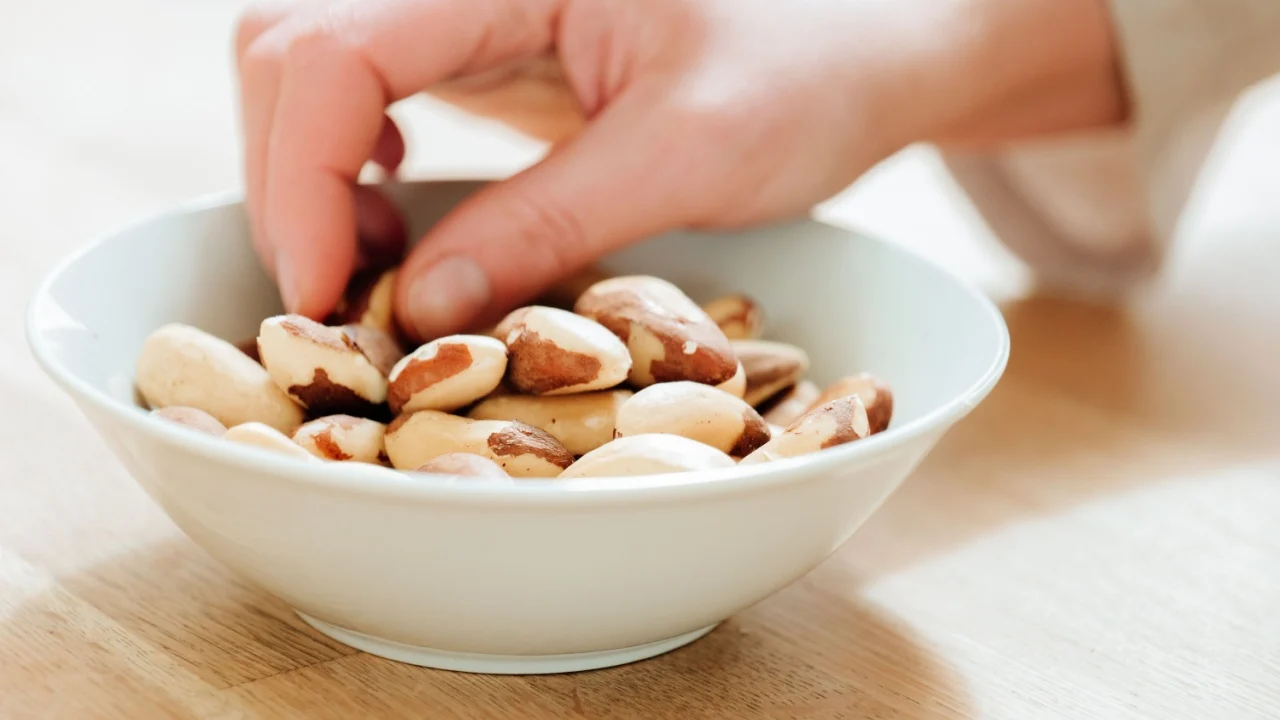
Brazil nuts have incredible natural protection. They grow inside huge, coconut-like pods, and each pod contains dozens of individual, hard-shelled nuts. These tough layers make it nearly impossible for any pesticides to get through to the edible part. Plus, most Brazil nuts are harvested from wild trees in the Amazon rainforest, not from traditional farms.
Since Brazil nuts are essentially a wild-harvested food with heavy-duty biological armor, looking for an organic certification is a waste of money. You can safely buy conventional Brazil nuts to get your daily dose of selenium, a mineral that’s great for thyroid health. Just remember not to eat too many!
Stick to the standard Brazil nuts in the bulk aisle. Their natural growing environment and protective shell make the organic label completely unnecessary.
9. Macadamia Nuts
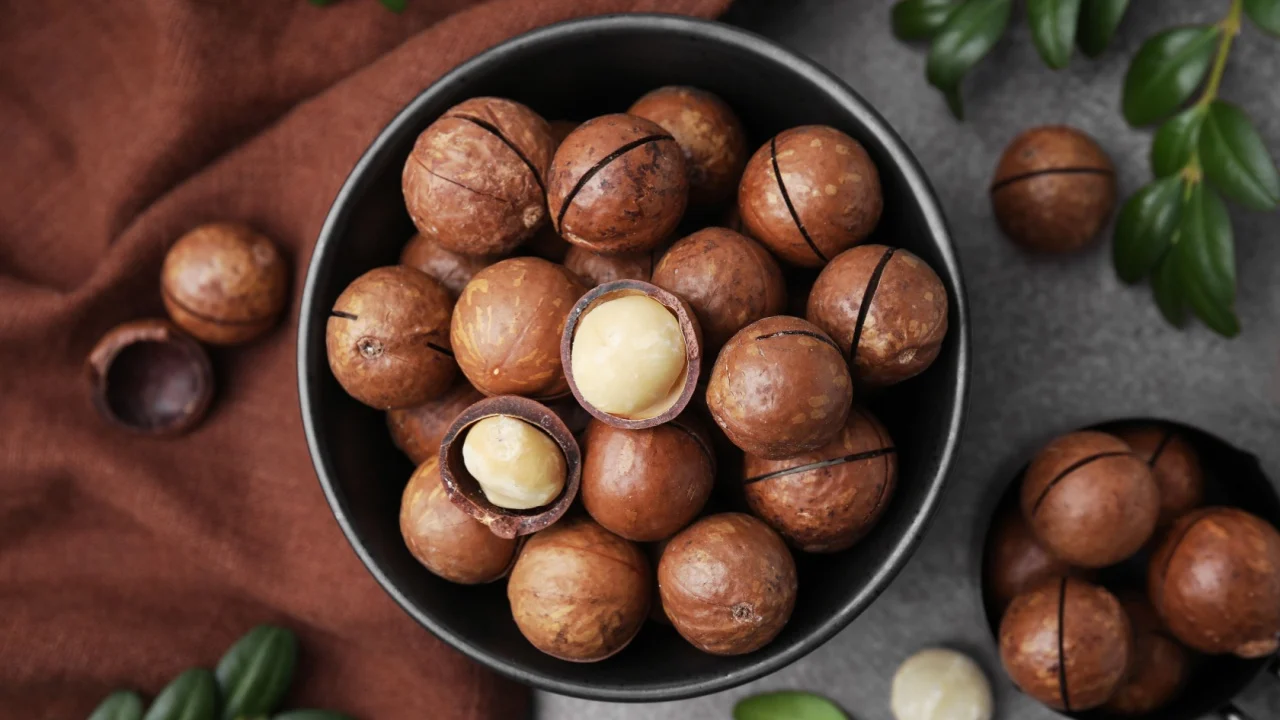
Macadamia nuts have one of the hardest shells in the world, so tough that they require special tools to crack. This shell provides a perfect defense against pests and pesticides. By the time the nut meat is extracted, it’s been kept pristine and untouched by any chemicals.
Feel free to buy conventionally grown macadamia nuts, knowing that their super-strong shell has kept them safe. Since these nuts can be pricey, you can save even more by buying them raw and roasting them at home. Storing them in a cool, dark place will keep their rich, buttery flavor fresh.
Macadamia nuts are a delicious treat, but there’s no need to make them more expensive by paying for an organic label. The conventional nuts offer the same decadent taste and healthy fats without the extra cost.
10. Coconuts
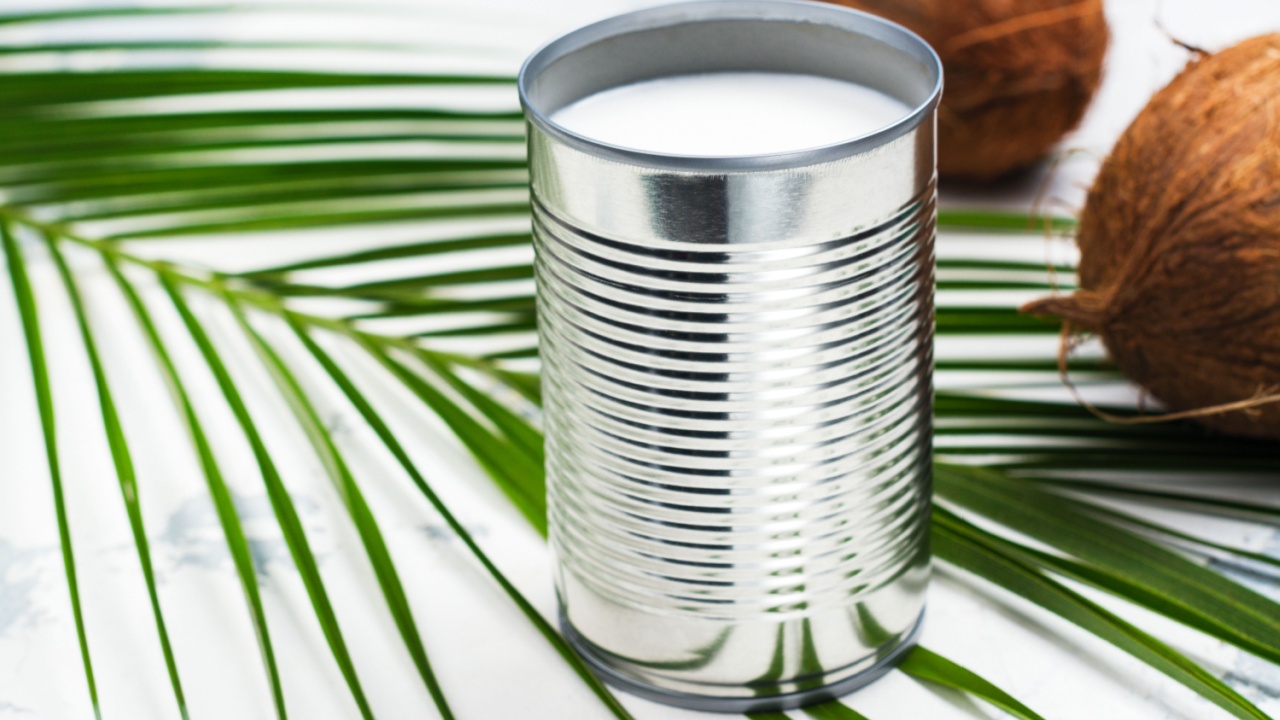
Coconuts are known for their thick, fibrous husks and hard inner shells, which protect the water and meat inside. This heavy-duty, inedible exterior keeps the edible parts completely separate from any chemical sprays used during farming. By the time you get to the good stuff, it’s naturally pristine.
Whether you’re buying whole coconuts, canned coconut milk, or shredded flakes, conventional products are perfectly safe and much more affordable. When buying processed coconut products, it’s more important to check the ingredients for added sugars than to look for an organic seal. Choose unsweetened, conventional coconut to keep your meals healthy and your budget happy.
The coconut’s tough structure does all the work of keeping pesticides out. Save your money and enjoy conventional coconut products without a second thought.
11. Cabbage
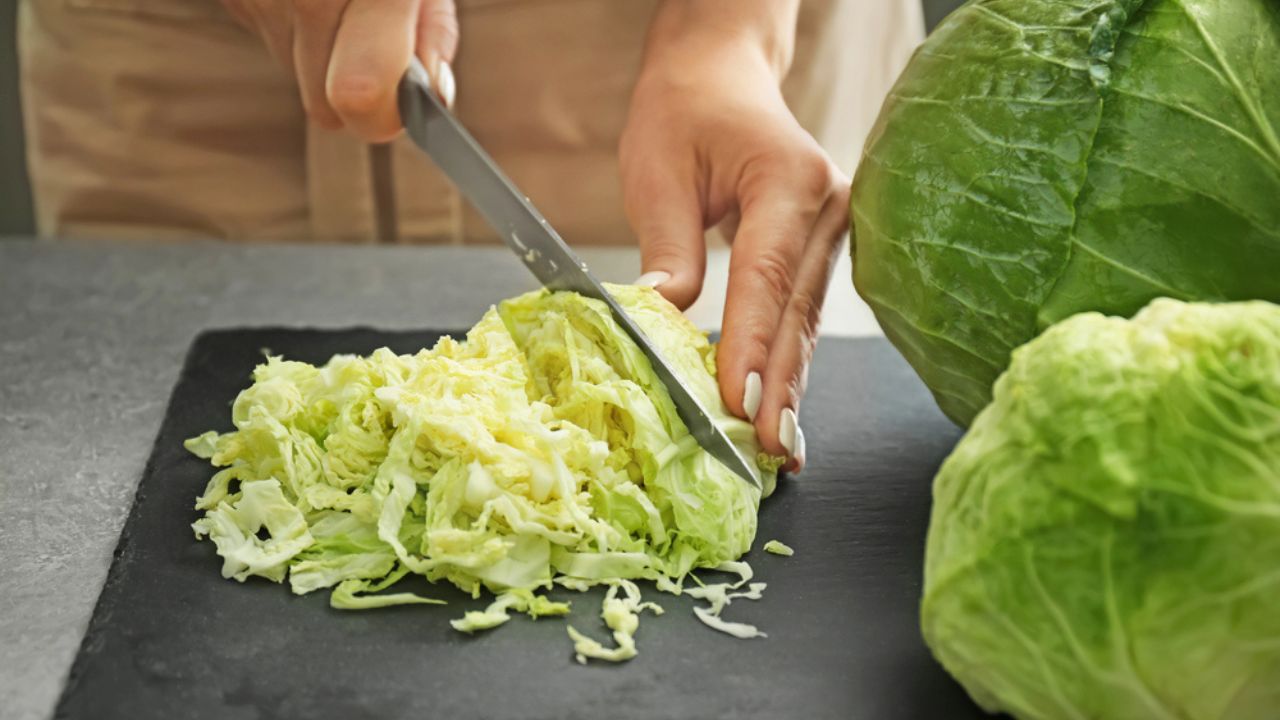
Cabbage grows in tight, dense layers, and its large outer leaves take the hit from any pesticides. When cabbage is harvested, these tough outer leaves are usually removed and thrown away. This process gets rid of almost all potential chemical residue, leaving the clean inner leaves safe to eat.
To prepare conventional cabbage, just peel off the first few outer layers and give the rest a quick rinse. Cabbage is already one of the most budget-friendly vegetables you can buy, and choosing the conventional option maximizes your savings.
By understanding how cabbage grows and how to prep it, you can confidently skip the organic section. You’ll still get all the vitamins and digestive benefits this cruciferous vegetable has to offer without the higher price.
12. Bananas

Bananas are protected by a thick peel that you throw away before eating. This peel acts as an effective barrier, preventing pesticides from reaching the sweet fruit inside. Since you don’t eat the skin, the risk of ingesting any chemicals from a conventionally grown banana is extremely low.
When you’re shopping for bananas, save your money and grab a conventional bunch. If you’re concerned about sustainability, look for a Fair Trade certification, which ensures ethical labor practices, rather than an organic one. They are an affordable and nutritious staple, and buying them conventionally keeps them that way.
Bananas are the ultimate convenience food. Buying them conventionally is one of the smartest and most cost-effective choices you can make in the produce aisle.
13. Game Meat (Elk, Venison, Wild Boar)
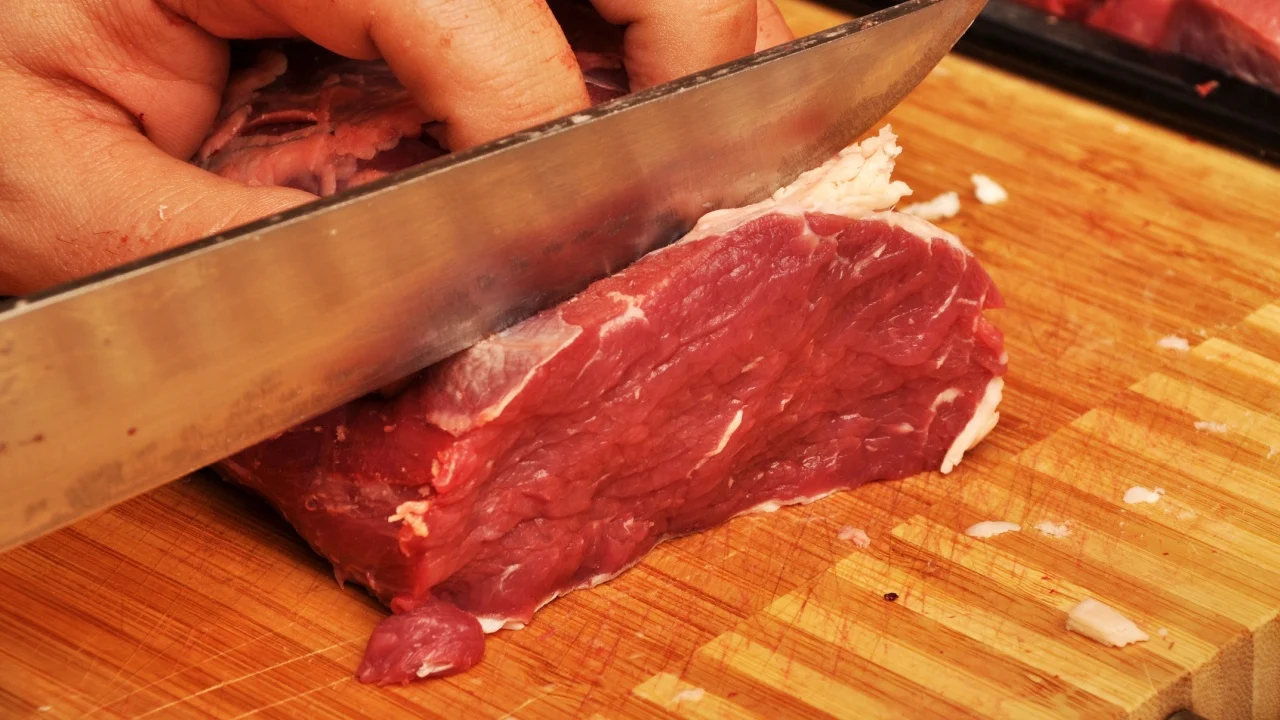
True game meats like elk and venison come from wild animals that roam free and eat a natural diet of grasses, berries, and plants. Because it’s impossible to control what they eat, their meat cannot be certified organic. An organic label requires strictly controlled farming conditions, which is the opposite of how wild animals live.
When buying game meat, focus on finding a reputable butcher or hunter who handles the meat safely and ethically. The appeal of game meat is its lean protein and natural flavor, which has nothing to do with an organic sticker. Just make sure it’s cooked to the proper temperature.
Paying extra for an “organic” label on wild game simply means you’re paying for a marketing term. Enjoy the rich, earthy flavors of responsibly sourced game meat without the unnecessary markup.
14. Onions
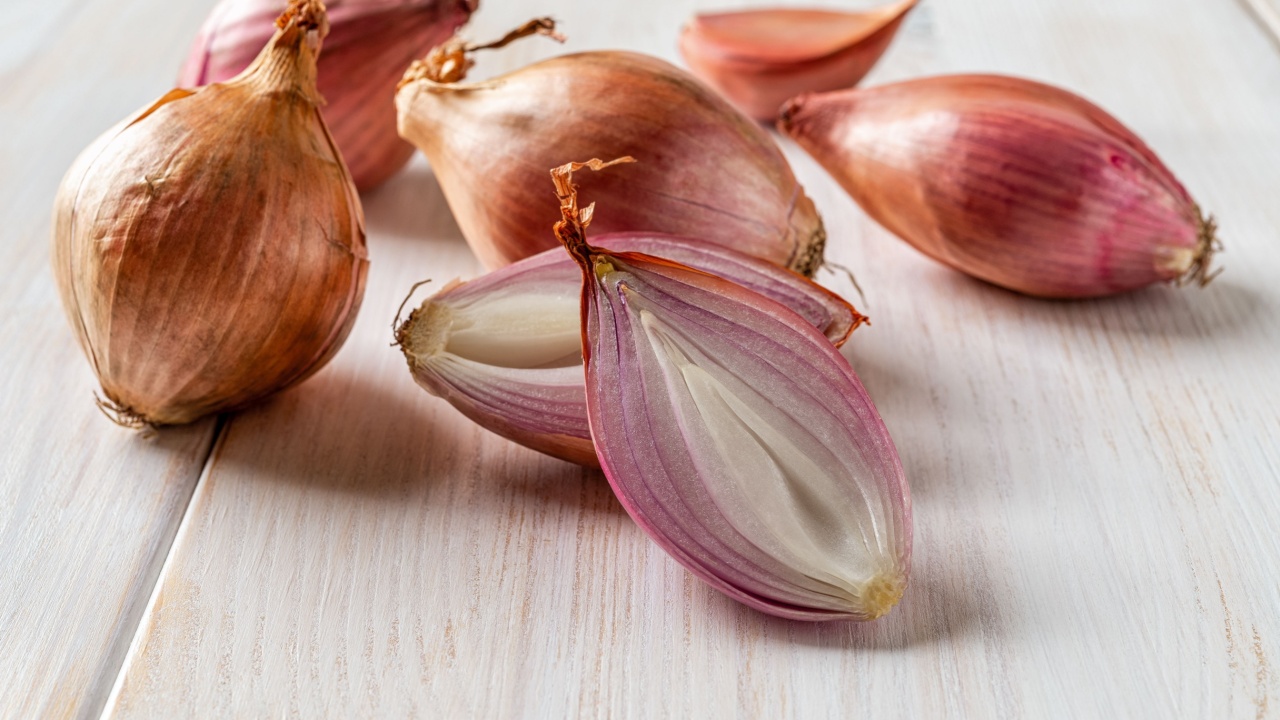
Onions grow underground and are covered by several layers of dry, papery skin. This skin acts as a natural shield against pests and chemicals. Since you peel off these outer layers before cooking, you get rid of any potential surface-level pesticides, making conventional onions incredibly safe to eat.
When buying onions, look for firm bulbs with dry skin. Buying them in bulk is a great way to stretch your grocery budget, as they are a flavor base for so many recipes. Storing them in a cool, dark place will keep them fresh for weeks.
You don’t need an organic label to enjoy the sharp flavor and health benefits of onions. Stick with the conventional option and keep your kitchen stocked for a fraction of the price.
Take control of your grocery budget today by reassessing the labels in your shopping cart and choosing conventional options for these naturally protected foods. Subscribe to our weekly newsletter for more practical tips on how to eat healthy without overspending at the supermarket.
Your Guide to Smarter Shopping

Now you’re ready to tackle the produce aisle. Choosing conventional items from the Clean 15 is a great way to slash your grocery bill without sacrificing fresh, delicious food.
So, next time you’re at the store, keep these tips in mind. You’ll see that eating healthy doesn’t have to be expensive. By being a little strategic, you can enjoy plenty of fruits and vegetables, make your budget go further, and feel great about the food on your table.
Read More:
The 15 Most Pesticide-Soaked Produce to Grow Yourself
The Four-Second Fruit Rinse Isn’t Cutting It: Here Are 3 Better Ways to Clean Produce