7 Veggies That Are Cheaper to Grow Than Buy
Fresh produce can take a big bite out of your grocery budget, especially when you reach for the items that spoil fast or cost more by the pound than expected. A small, efficiently planned garden can cut that cost in a real and useful way.
Some vegetables give back far more than they ask for. A seed packet, a healthy transplant, or a single crown can turn into weeks or even years of harvest if you choose wisely.
The best money-saving crops tend to share a few traits. They grow fast, produce heavily, or cost a lot at the store compared with what it takes to raise them at home.
Here is a list of seven vegetables that are often cheaper to grow than buy.
1. Tomatoes
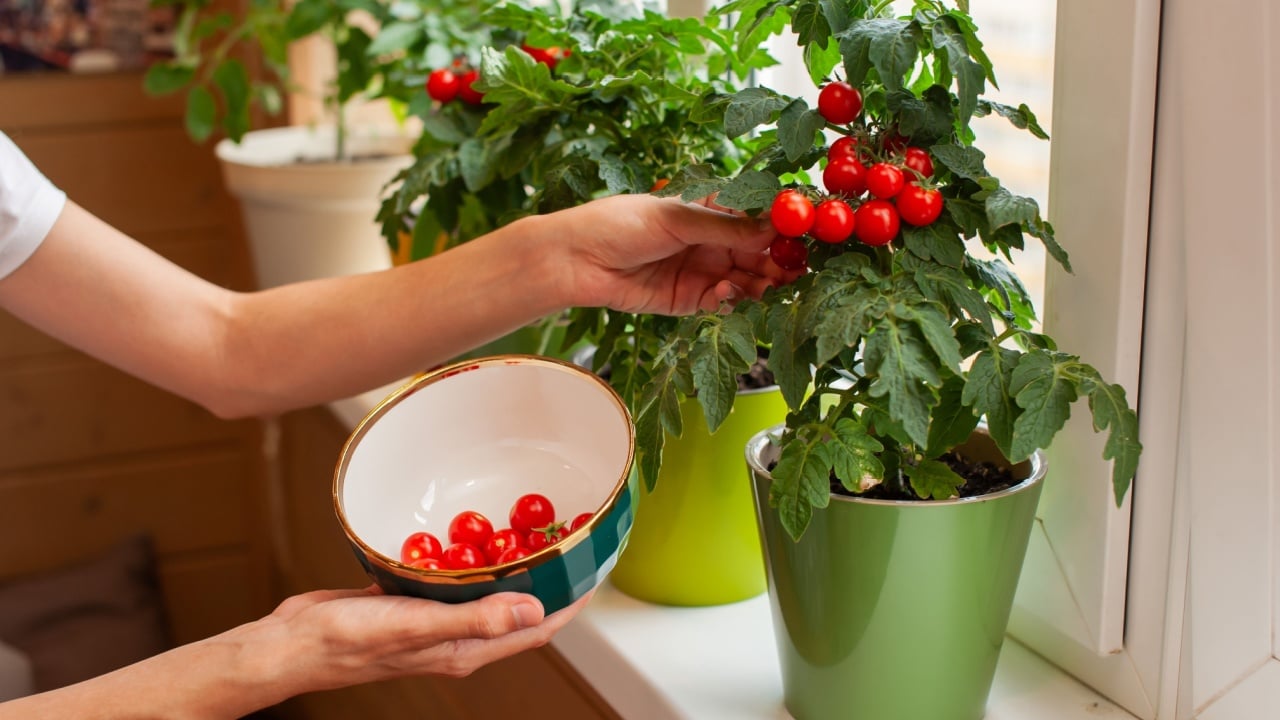
Tomatoes are one of the best value crops for home gardeners because store prices rise fast once you move past basic slicers. Cherry tomatoes, heirlooms, and grape tomatoes often cost far more per pound than common large tomatoes, yet a single healthy plant can keep producing for weeks.
In warm weather, even two or three plants can supply salads, sandwiches, roasting trays, and snack bowls through much of the season. That kind of steady output can beat store prices by a wide margin.
For the best return, grow types that are pricey in stores and heavy producers in the garden. Cherry tomatoes are a smart choice because they set fruit freely and often avoid some of the cracking and pest issues seen in larger kinds.
Give them full sun, steady water, and support from a cage or stake so fruit stays clean and plants stay productive. If space is tight, patio varieties in large containers can still produce enough to make a dent in your weekly grocery bill.
2. Cucumbers

Cucumbers earn their place on this list because they grow fast, produce heavily, and can replace a crop that many families buy again and again in summer. A few plants can give you far more cucumbers than the cost of seed or starts, especially if you like fresh slices, salads, or homemade pickles.
Homegrown cucumbers also taste better when picked young and crisp from the vine. Train cucumber plants up a trellis to save space and reduce fruit rot, since hanging fruit dries faster and stays cleaner than fruit on bare soil.
Harvest often, because frequent picking keeps the plant making new cucumbers instead of slowing down to mature old ones.
Choose compact pickling types if you want jars for the pantry, or longer slicing types if you use them for meals.
3. Green Beans
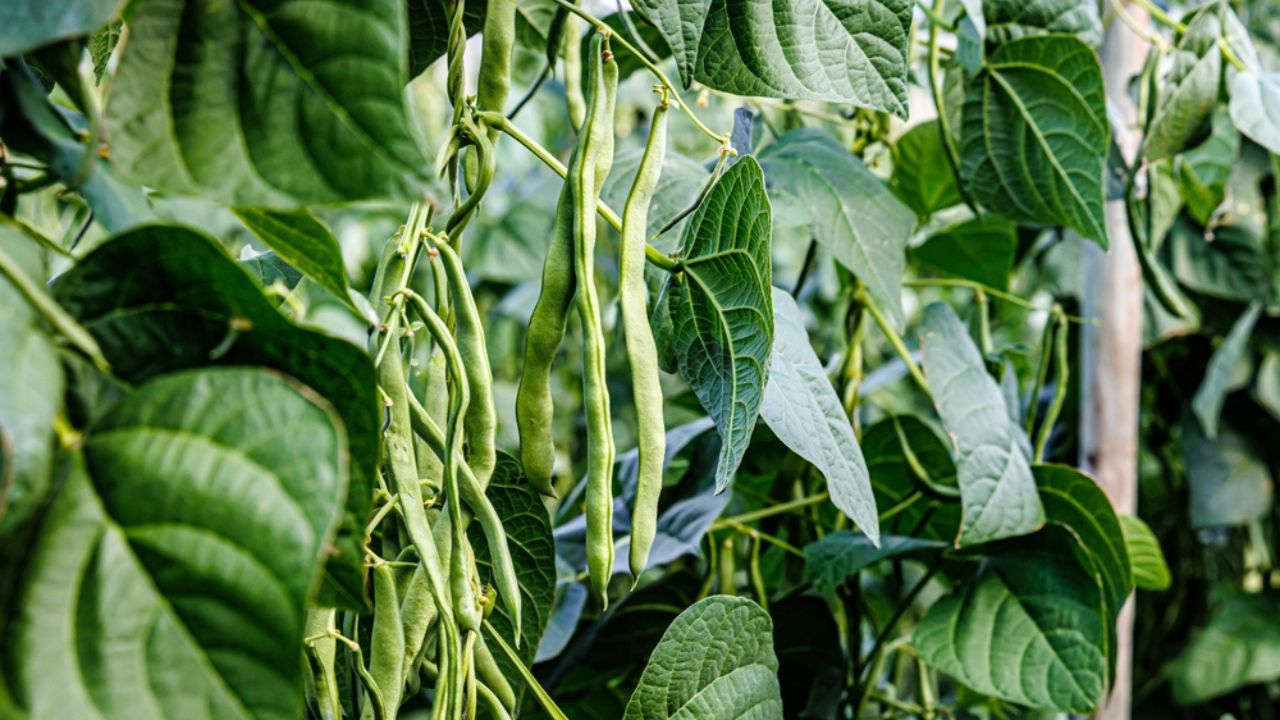
Green beans are cheap to start, easy to grow from seed, and known for giving a large harvest in a small area. Bush beans produce in a shorter window, while pole beans can keep going for much longer, which makes them a strong value in the garden.
Fresh green beans from the store are often pricey compared with dry seed, especially organic or trimmed packs. Since plants sprout fast and mature quickly, they are one of the easiest ways to see a real return from a backyard bed.
Sow seeds after the soil warms, and plant a second round a few weeks later if you want a longer harvest. Pick beans while they are still slim and tender, since older pods get tough and the plant will slow its output once seeds inside begin to swell.
Pole beans need a trellis or poles, yet they often produce more in less ground space than bush types. If you freeze extra beans, the savings can stretch well past summer.
4. Peppers
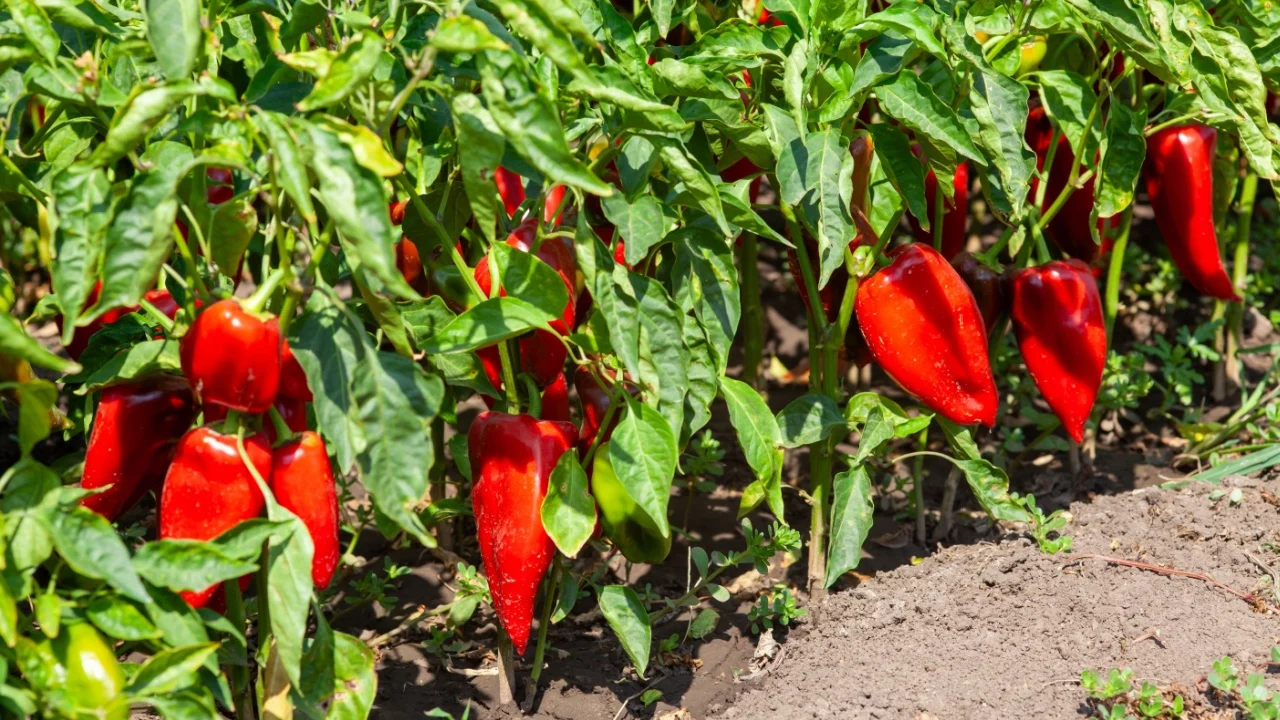
Peppers can be a very good money saver because grocery prices stay high for sweet bell peppers, snack peppers, and many hot types. A healthy pepper plant can yield many fruits from midsummer into fall, and some gardeners keep plants alive even longer in mild climates or protected spaces.
The cost of one nursery plant is often less than the price of a few store peppers, which makes the math easy in a productive season. Since peppers hold well on the plant, you can harvest as needed instead of rushing to use them all at once.
To get the best value, choose peppers you buy often and give them the warmest, sunniest spot you have. Rich soil, even moisture, and mulch help plants stay steady during hot weather, which supports better fruit set.
Bell peppers are a solid choice for families who cook with them often, while jalapeños, banana peppers, and shishitos can save even more because those specialty types often cost more in stores. Harvest green for earlier use or wait for full color if you want sweeter flavor and higher store-value fruit.
5. Squash
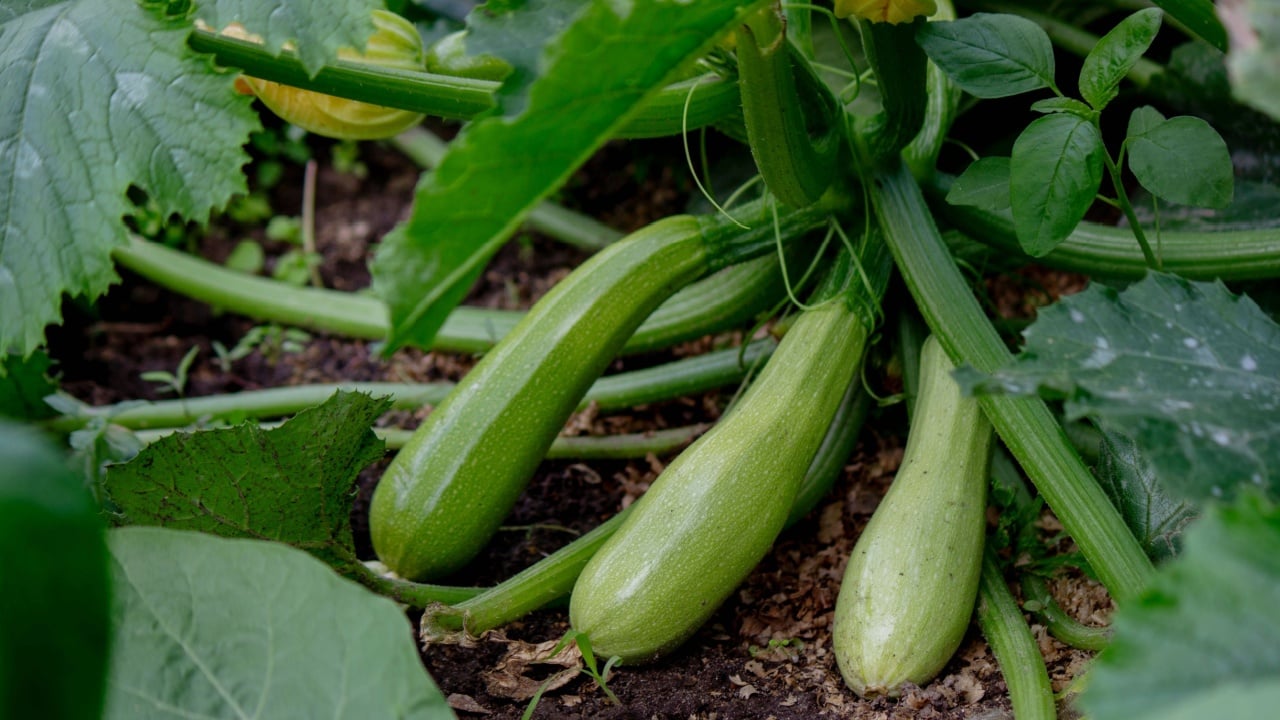
Summer squash can become one of the cheapest crops in the garden because a few plants often produce more fruit than a household can eat fresh. Zucchini and yellow squash are common examples, and both can turn a small amount of seed into weeks of harvest.
Store prices are not always sky-high, yet the amount you get from healthy plants usually beats what you would spend buying the same volume. When plants are happy, harvests come fast and often.
Plant squash in rich soil with room for airflow, and check leaves and stems often for squash bugs or vine borer damage. Catching pest problems early matters, since one bad outbreak can cut into the savings this crop usually offers.
Pick fruits when they are still young, because smaller squash tastes better and encourages plants to keep producing. If you end up with more than you need, shred and freeze some for breads, soups, or sautés later on.
6. Asparagus
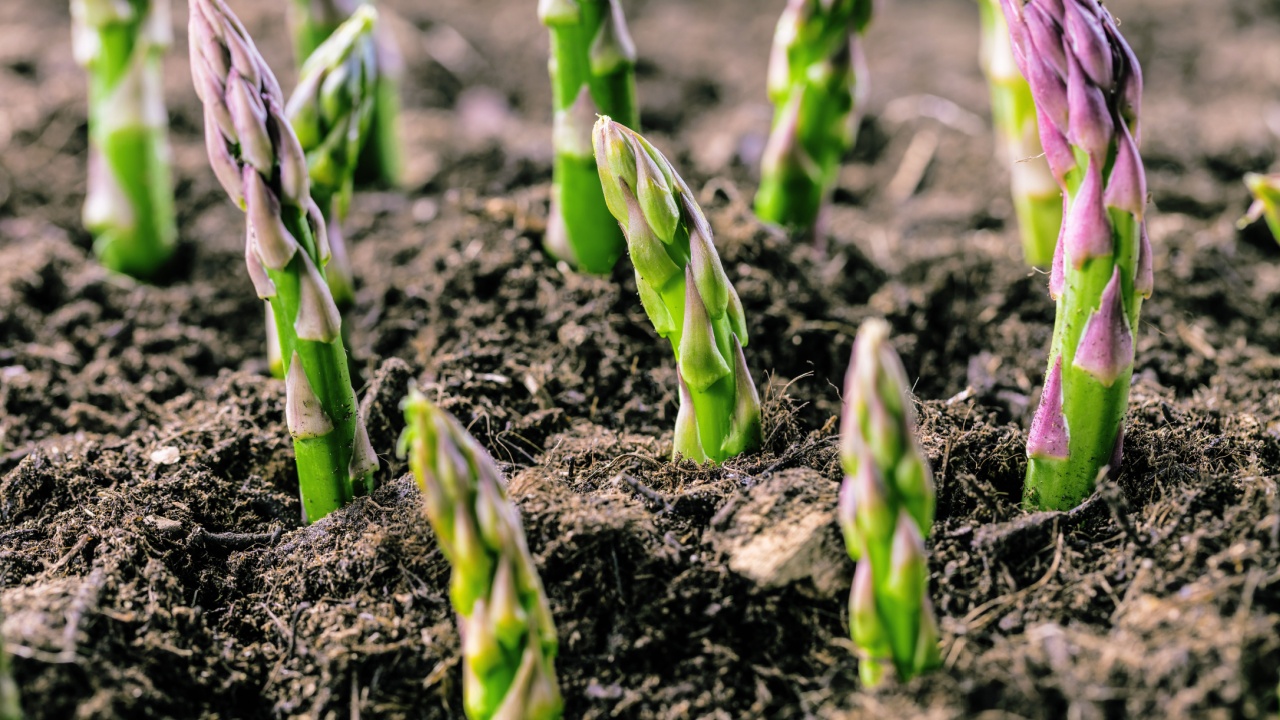
Asparagus asks for patience, though it can offer some of the best long-term value in a home garden. Store-bought asparagus is often expensive, especially during weeks when the local supply is low, and the bunches are usually small.
Once an asparagus bed is established (this takes up to 3 years), it can produce spring spears for many years, spreading the original cost over a long stretch of harvests. That makes it a strong financial choice for gardeners who plan to stay put and can wait for the payoff.
The first years matter most, since plants need time to build strong roots before you harvest much. Start with healthy crowns, plant them in a permanent sunny bed, and keep weeds down so young plants do not face heavy competition.
After the patch matures, you can cut fresh spears right when they are at their best instead of paying premium prices for shipped bundles. For gardeners with enough room and patience, asparagus is more like a food investment than a single-season crop.
7. Herbs
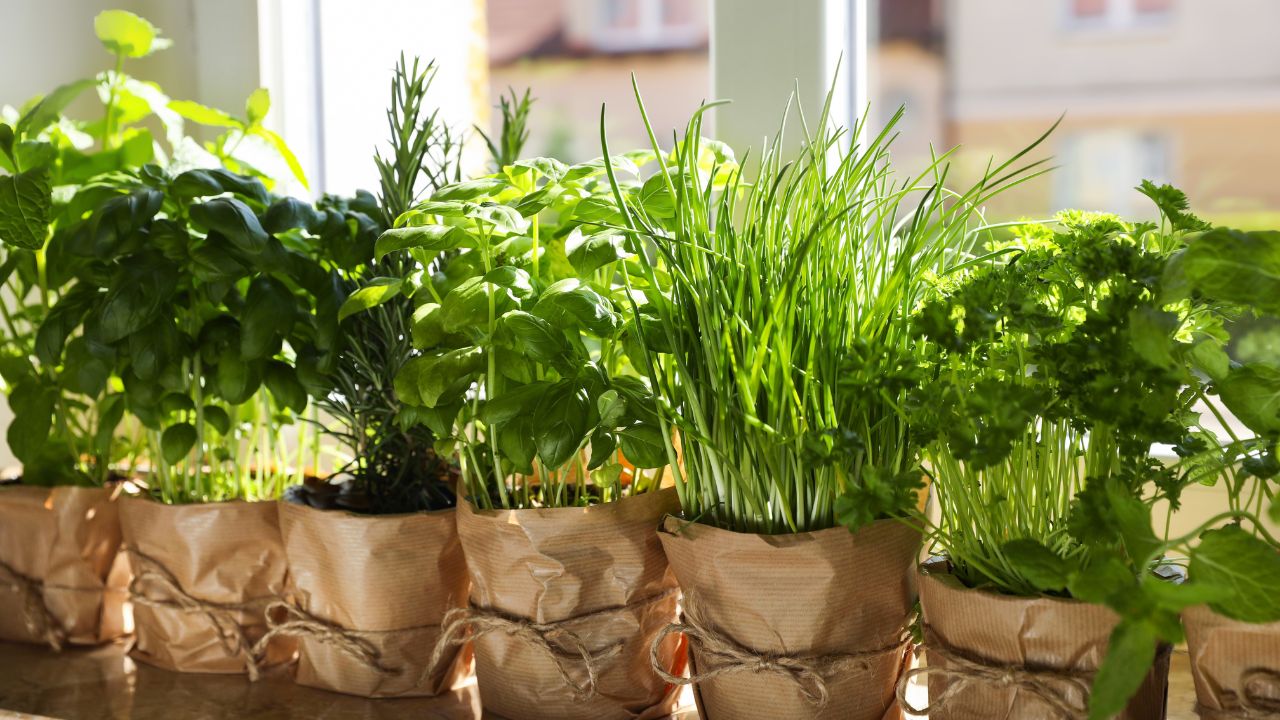
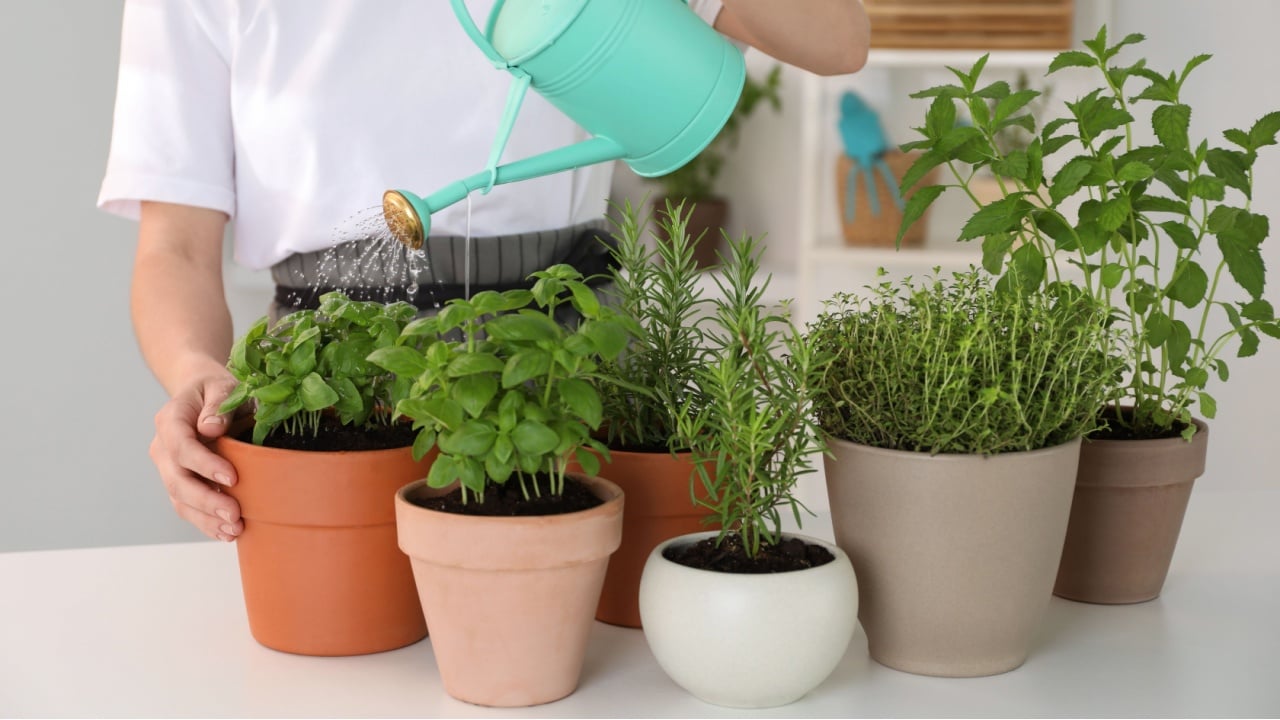
Many people group herbs separately from vegetables, yet in the kitchen, they play the same money-saving role as produce and often save even more. Small packs of basil, parsley, cilantro, dill, or rosemary can cost a surprising amount at the store, especially when you need only a little.
A few herbs can give you repeated cuttings for weeks or months, depending on the herb and your climate. Since you harvest just what you need, waste drops sharply.
Choose the herbs you buy most often and place them near the house so you will use them more often. Basil and cilantro grow quickly from seed; parsley offers a long harvest; and rosemary can become a hardy shrub in warm regions.
Regular trimming keeps many herbs full and productive, and drying or freezing extra leaves can stretch their value long after the growing season ends. For sheer savings in a tiny space, herbs are hard to beat.
A Smart Way to Save
If you want your garden to lower grocery costs, crop choice matters as much as soil, sun, and water. The best value usually comes from plants that yield heavily, cost a lot at the store, or keep producing for a long stretch.
Grow the ones your household eats often, care for them well, and your garden can become a useful source of fresh food that saves money through the season.