Your Backyard Pharmacy: 12 Medicinal Herbs Worth Growing Yourself
Before there were supplements, there were gardens. For most of human history, the pharmacy was a patch of soil near the kitchen door: a few square feet of thyme, chamomile, and feverfew, tended by women who knew exactly which leaf to reach for when a fever spiked or a stomach ached. That knowledge wasn’t written in textbooks, but rather was passed hand to hand, generation to generation, carried in the muscle memory of someone pulling a sprig of rosemary at dusk.
We lost track of it for a while. Modern medicine moved indoors, into labs and capsules and foil blister packs, and the kitchen garden shrank to a decorative afterthought, or disappeared entirely. But today, clinical researchers are catching up to what those gardeners knew intuitively, and the results are striking: many of the herbs your grandmother grew are now the subjects of peer-reviewed studies, and they hold up. Lavender for anxiety. Peppermint for digestion. Sage for memory. The data confirms what the dirt-stained hands already understood.
The good news is that late summer is far from a closed window. Now is prime time for starting a fall herb garden: the soil is warm, which means fast germination, and the cooling nights ahead are exactly what many herbs prefer. Most culinary and medicinal herbs are forgiving plants; they ask for little more than sun, decent drainage, and a gardener willing to let them do what they’ve been doing for centuries.
Why Growing Your Own Medicinal Herbs Beats Buying Supplements
Walk down the supplement aisle of any pharmacy, and you’ll find echinacea capsules for $22, lavender oil for $18, and elderberry syrup for $35. A single herb plant at your local nursery costs $4 to $6 and will produce harvestable medicine for years. Perennial herbs like lavender, yarrow, lemon balm, and peppermint return every spring without replanting. The math isn’t even close.
Beyond cost, potency is a genuine differentiator. Herbs harvested fresh and used immediately contain essential oils and active compounds at their peak concentration. As the University of Florida IFAS Extension notes, the purported benefits of medicinal plants are closely tied to those active compounds, and storage, processing, and commercial preparation all reduce them over time. When you grow your own and brew a tea from leaves cut that morning, you’re working with the plant at its most powerful.
How to Start Your Medicinal Herb Garden Without Overwhelm
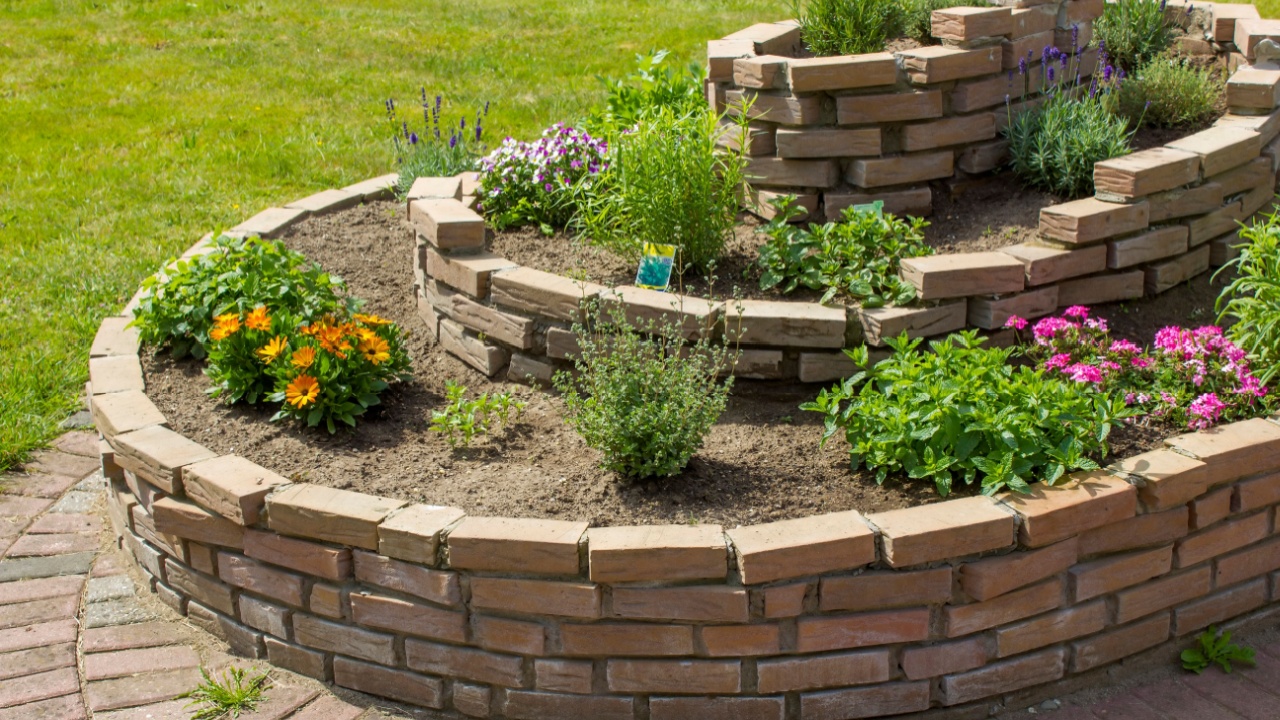
The single best piece of advice for beginners: start with your family’s ailments, not a wish list. Think about what comes up regularly in your household. Trouble sleeping? Grow chamomile and lavender. Frequent colds? Plant echinacea and elderberry. Digestive complaints? Peppermint and lemon balm are your friends. Three to five well-chosen herbs will serve you far better than fifteen half-tended ones.
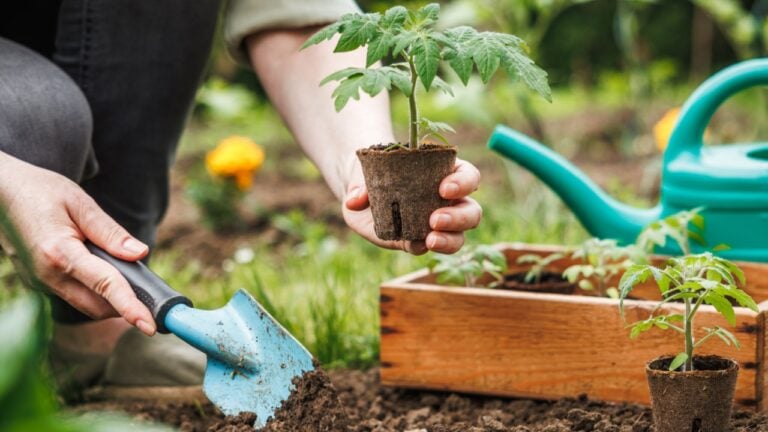
Buy transplants, not seeds, for your first season. Starting from seed is rewarding eventually, but lavender, echinacea, and peppermint are notoriously difficult to germinate, and early failure discourages people who would otherwise become committed herb gardeners. Transplants from a nursery or farmer’s market get you into the harvest cycle immediately.
Most medicinal herbs share the same basic preferences: at least six hours of direct sun daily and well-drained soil. Counterintuitively, rocky or lower-fertility soil often produces more potent plants. The Chestnut School of Herbal Medicine notes that when herbs experience mild environmental stress, they produce higher concentrations of the protective compounds that make them medicinally useful. Skip the heavy fertilizing.
Here are 12 medicinal herbs to grow at home this year.
1. Chamomile
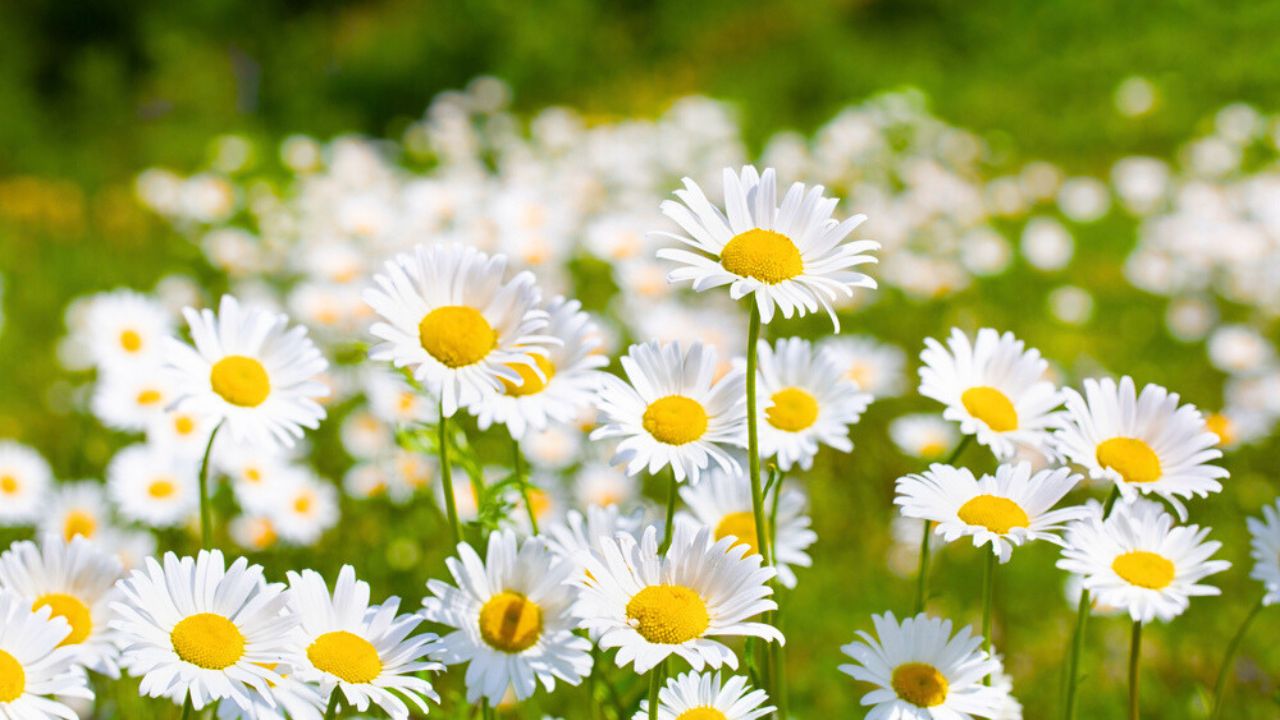
Chamomile has been used medicinally for more than 5,000 years, and modern research affirms its value for calming the digestive system, easing anxiety, and supporting sleep. It is one of the easiest herbs to grow; German chamomile self-seeds so readily that once you plant it, it tends to return on its own each spring.
Brew a tablespoon of fresh or dried flowers in hot water for a tea that works.
2. Lavender
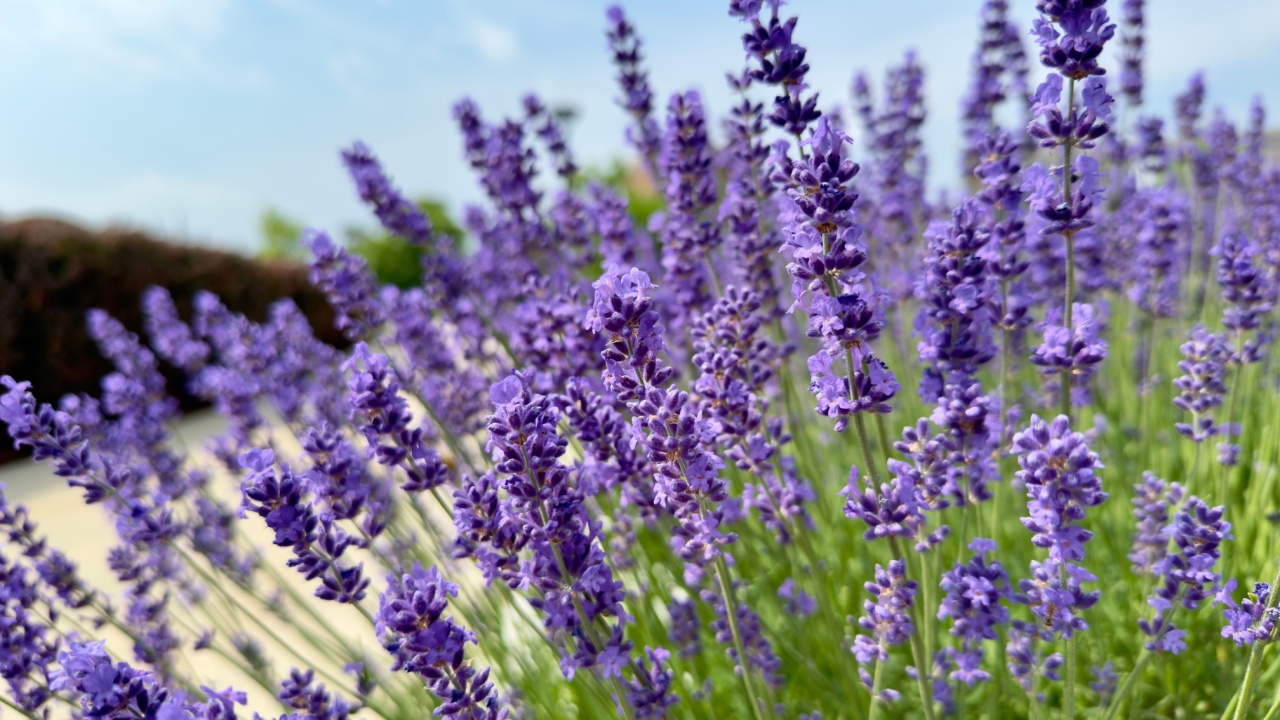
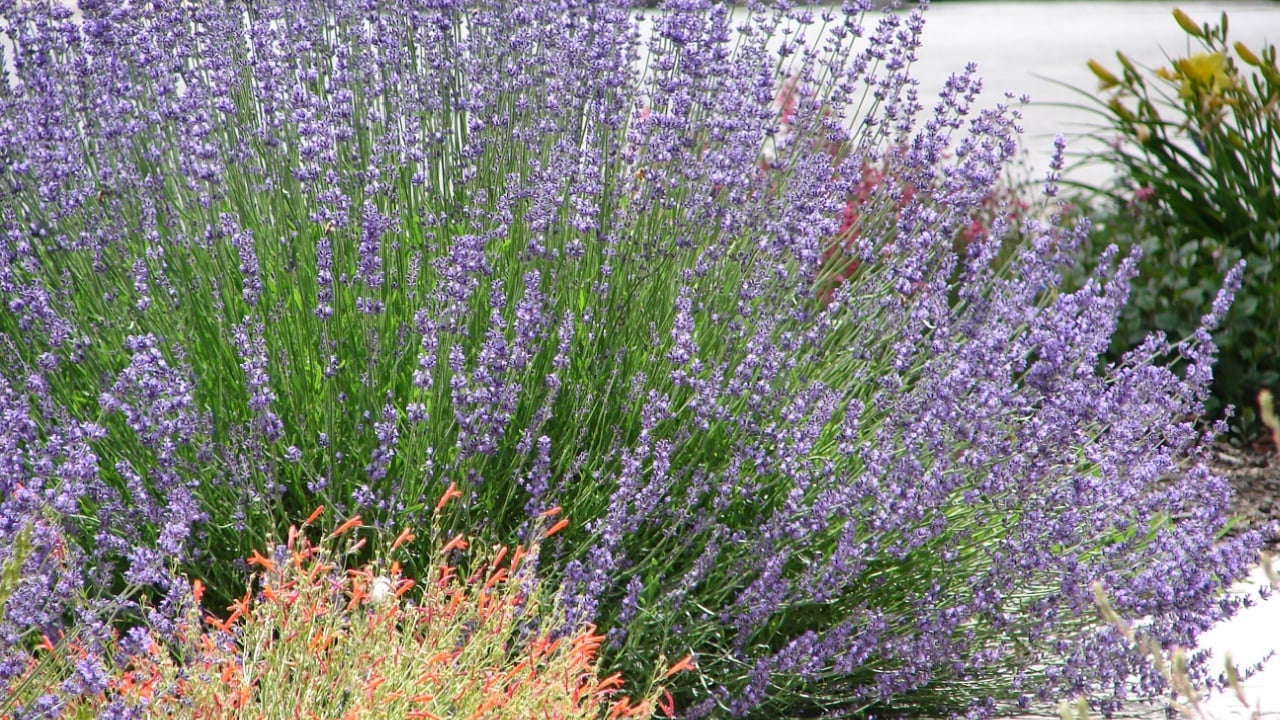
Lavender is the herb that has accumulated perhaps the strongest modern clinical evidence. A 2023 systematic review published in Healthcare (MDPI), examining 11 studies with 972 participants, found that 10 of those studies reported significantly decreased anxiety levels after lavender oil inhalation.
A separate 2024 meta-analysis found lavender aromatherapy meaningfully improved sleep quality in older adults. Grow it in full sun and well-drained soil; it is nearly drought-proof once established.
3. Echinacea
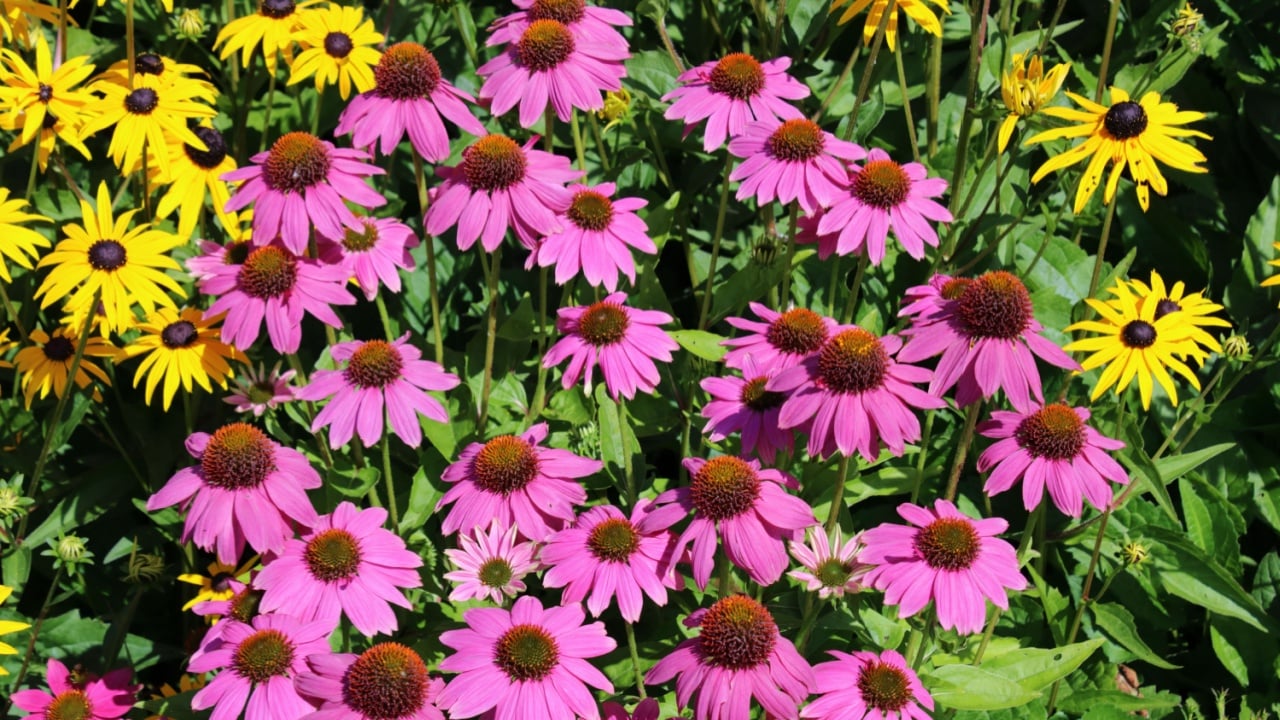
Echinacea is a native North American wildflower with one of the most robust research bodies of any garden herb. According to the National Center for Complementary and Integrative Health (NCCIH), taking echinacea may modestly reduce the chances of catching a cold, and clinical trials suggest it may shorten the duration and severity of upper respiratory infections.
Plant it in alkaline, well-drained soil; it blooms beautifully in summer and doubles as a pollinator magnet.
4. Peppermint
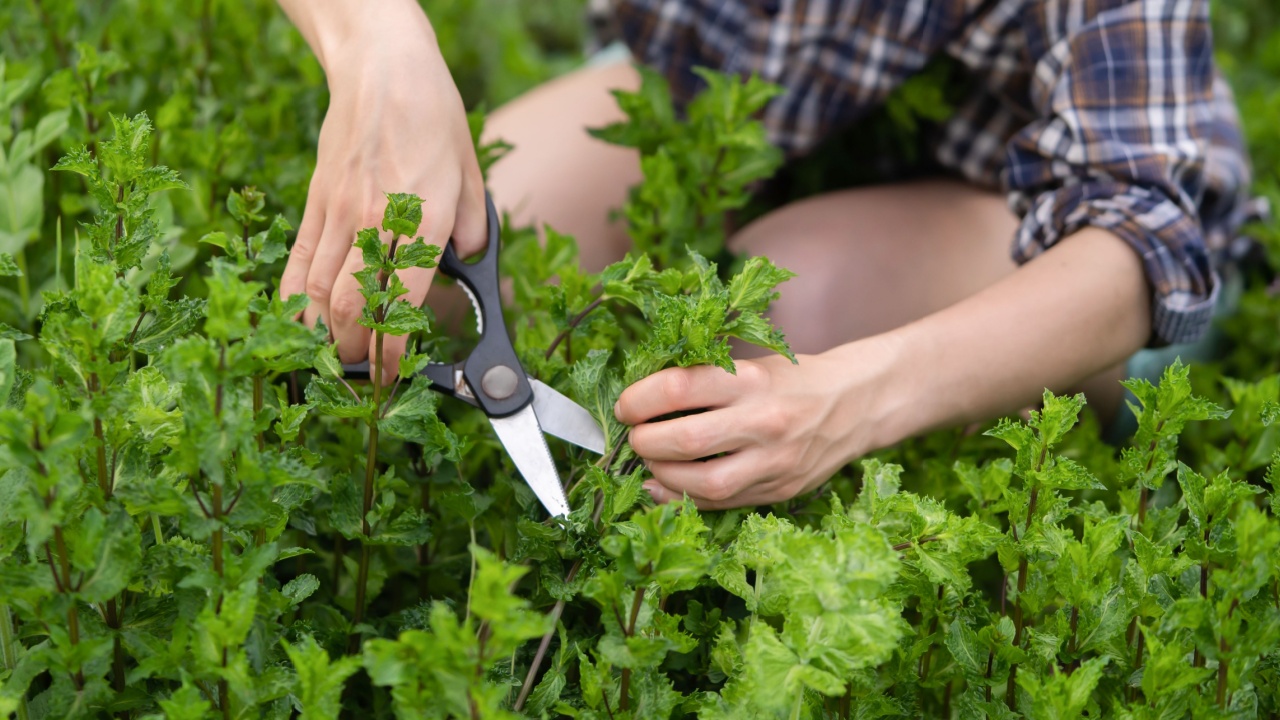
Peppermint is a digestive powerhouse. Research has shown it can help soothe nausea, ease tension headaches, and calm the symptoms of irritable bowel syndrome. The Herbal Academy notes its traditional use as a digestive aid supported by clinical studies.
One important rule is to always grow peppermint in a container. It spreads aggressively underground and can take over an entire bed within a single season.
5. Lemon Balm
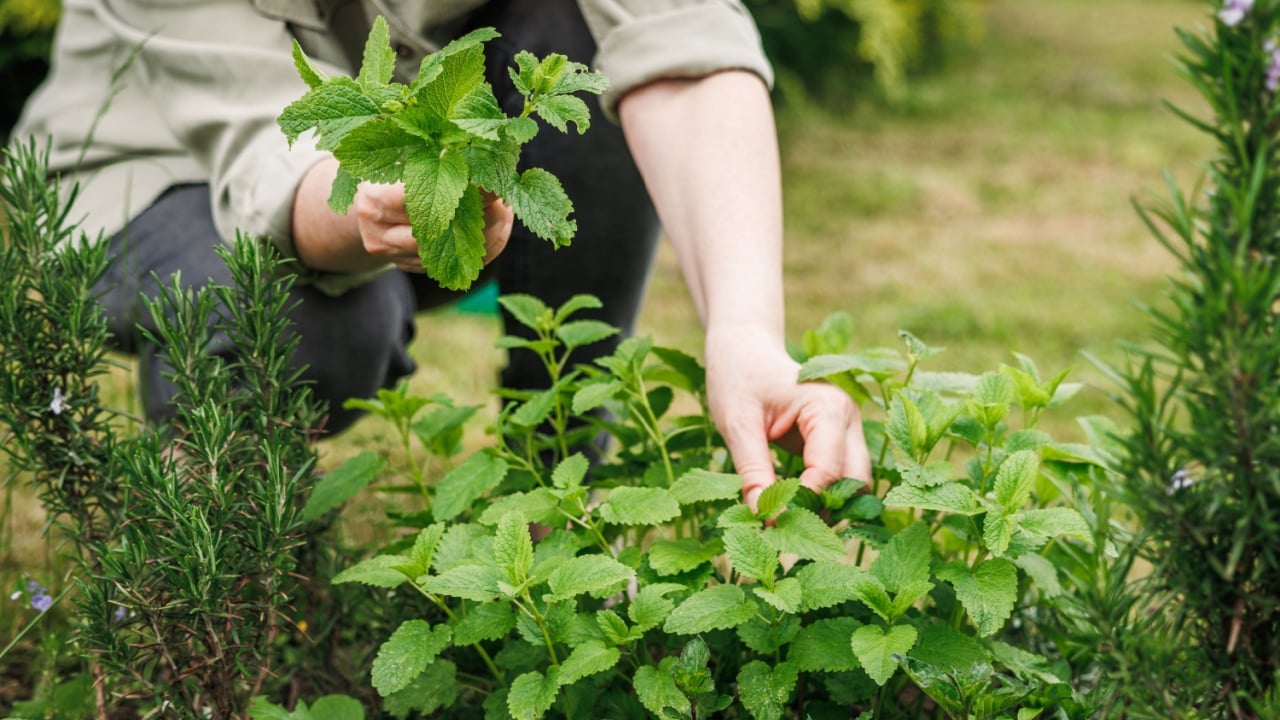
Lemon balm is a perennial with a bright citrus scent and a long history of use for mood, stress, and viral infections. The University of Florida IFAS Extension notes that it contains rosmarinic acid, which may help relieve stress and anxiety and, when applied topically, treat cold sores.
It will spread, so give it a dedicated spot or a large pot, and harvest before it flowers for the best flavor and potency.
6. Calendula
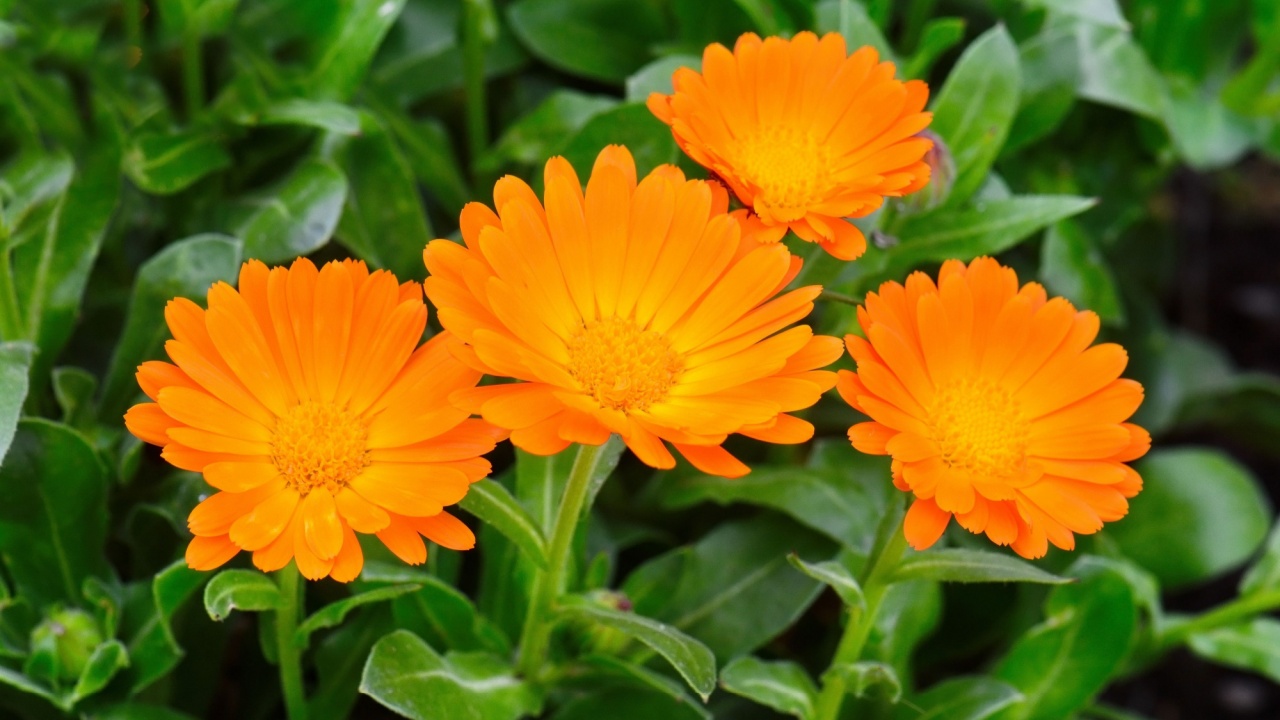
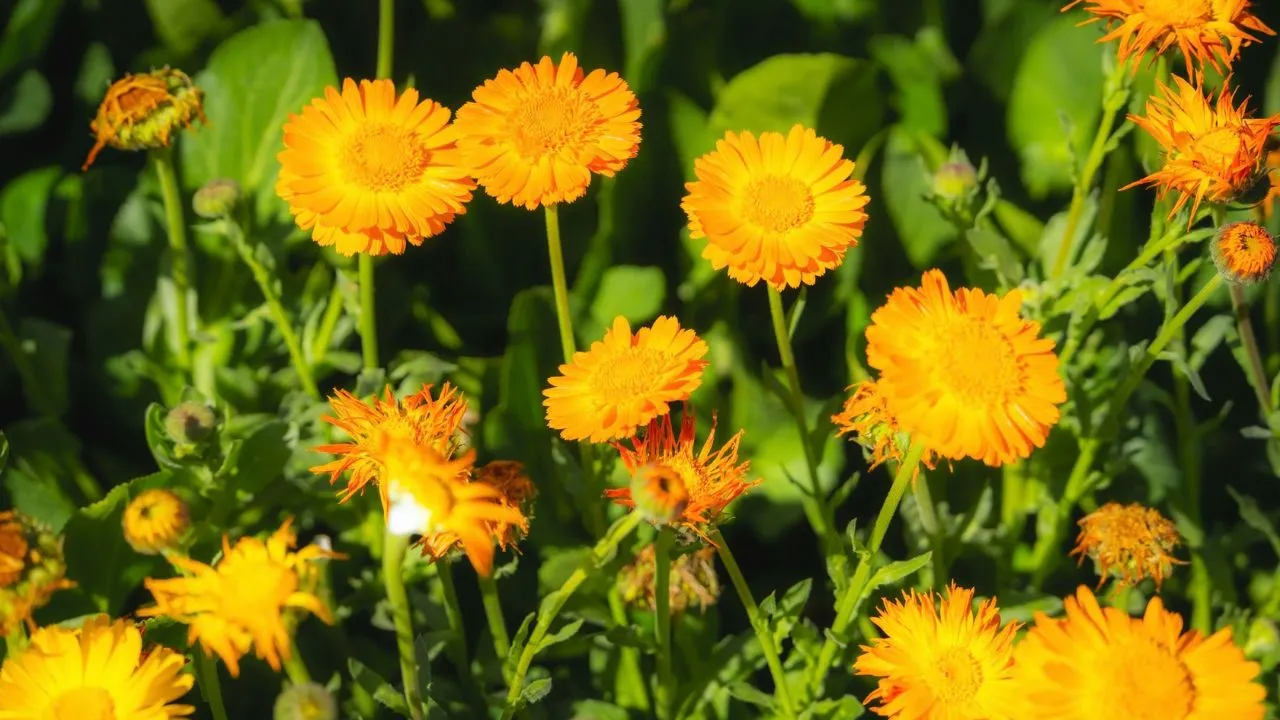
Called pot marigold, calendula is a workhorse of the medicinal garden. Its cheerful orange and yellow blooms have anti-inflammatory, antiseptic, and antioxidant properties, and a 2023 review in Pharmaceuticals (MDPI) highlighted positive effects in gastrointestinal, skin, and wound healing applications.
The Denver Botanic Gardens recommends starting it indoors 6 weeks before the last frost. The more you harvest the flowers, the more the plant produces.
7. Yarrow
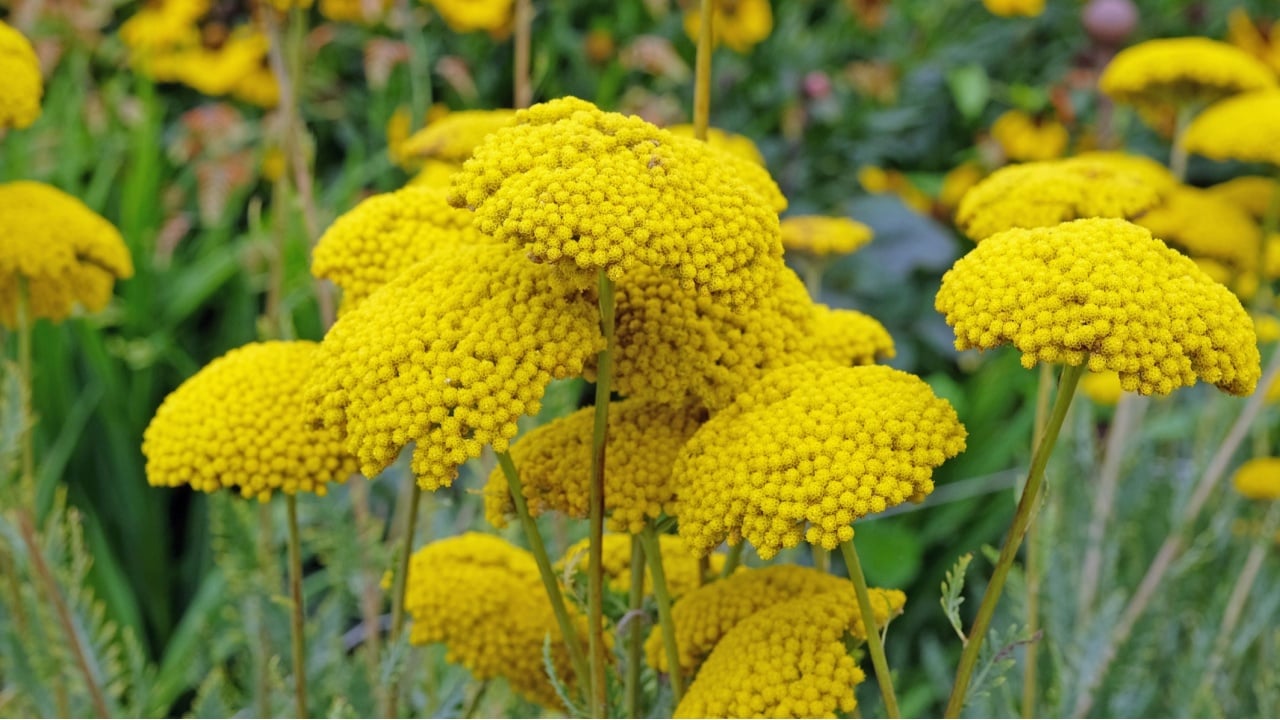
Yarrow is one of the most multifaceted herbs you can grow, and it asks almost nothing in return. It has been used externally to slow bleeding from cuts, internally to move fevers along, and as a mosquito repellent. It supports the lymphatic and urinary systems and returns reliably every spring as a perennial.
Plant it where it can spread a bit; it will reward you with armloads of feathery blooms all summer.
8. Tulsi (Holy Basil)
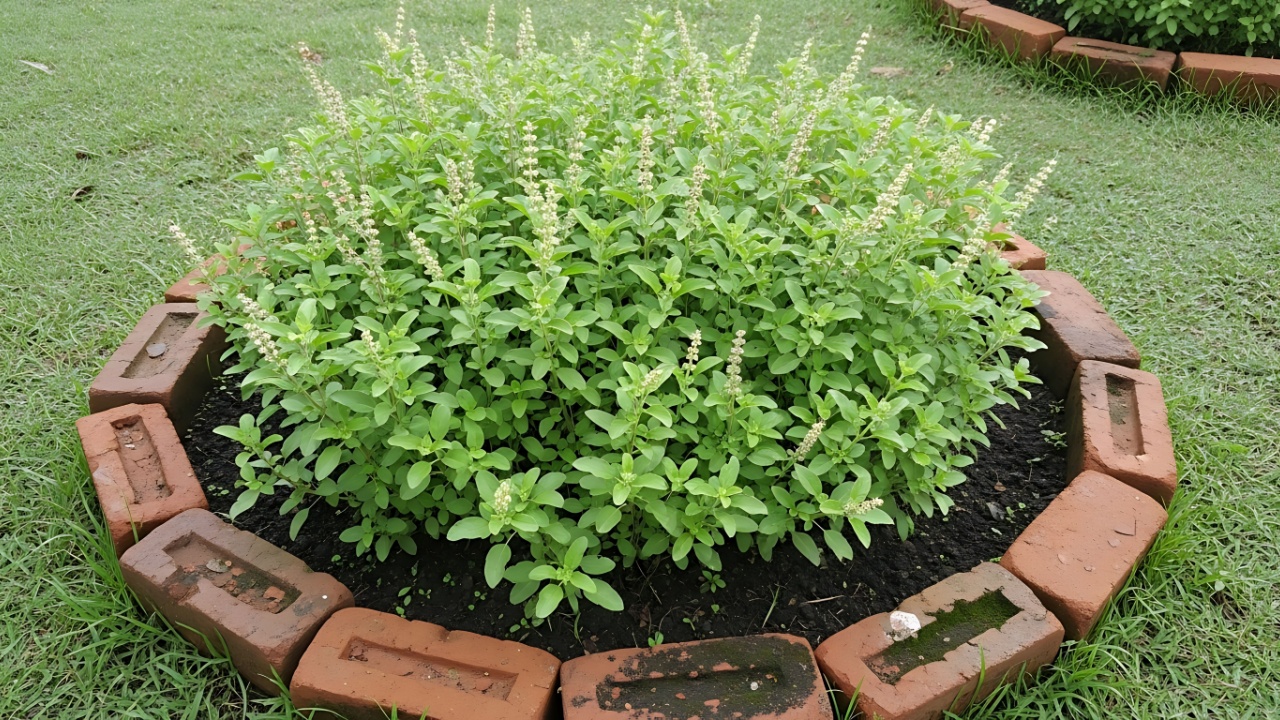
Tulsi holds a rare designation in herbal medicine: it is an adaptogen, meaning it helps the body regulate its response to physical and emotional stress. Sacred in Hindu tradition for thousands of years, it is now recognized by researchers for its antimicrobial, anti-inflammatory, and expectorant properties.
According to the Denver Botanic Gardens, holy basil can also support blood sugar regulation. It’s an annual in most of the country; start seeds in spring and enjoy it through the first frost.
9. Garlic
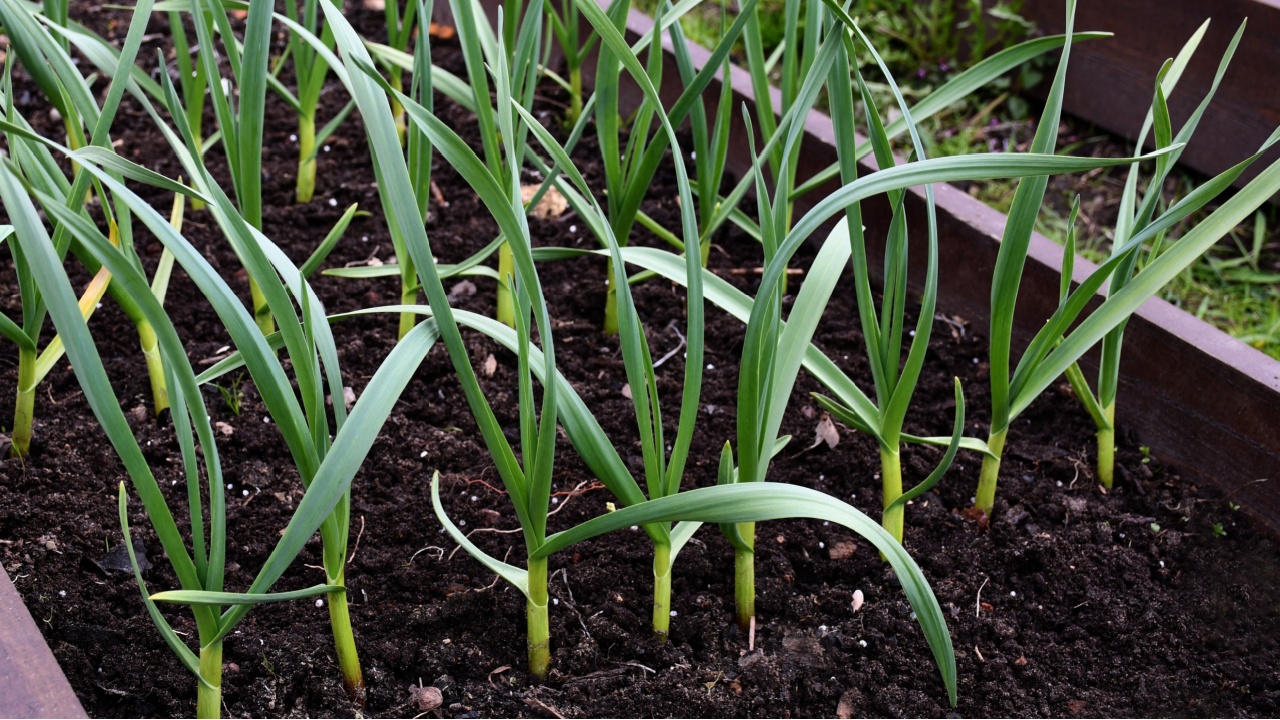
Garlic is one of the most thoroughly researched culinary-medicinal herbs in existence. Its antibacterial, antiviral, and antifungal properties make it a reliable first line of defense against colds and stomach bugs. Plant cloves in the fall, harvest in late June or early July, and cure them for two weeks; they will store for up to a year.
Once you’ve grown your own, the grocery store variety rarely compares.
10. Elderberry
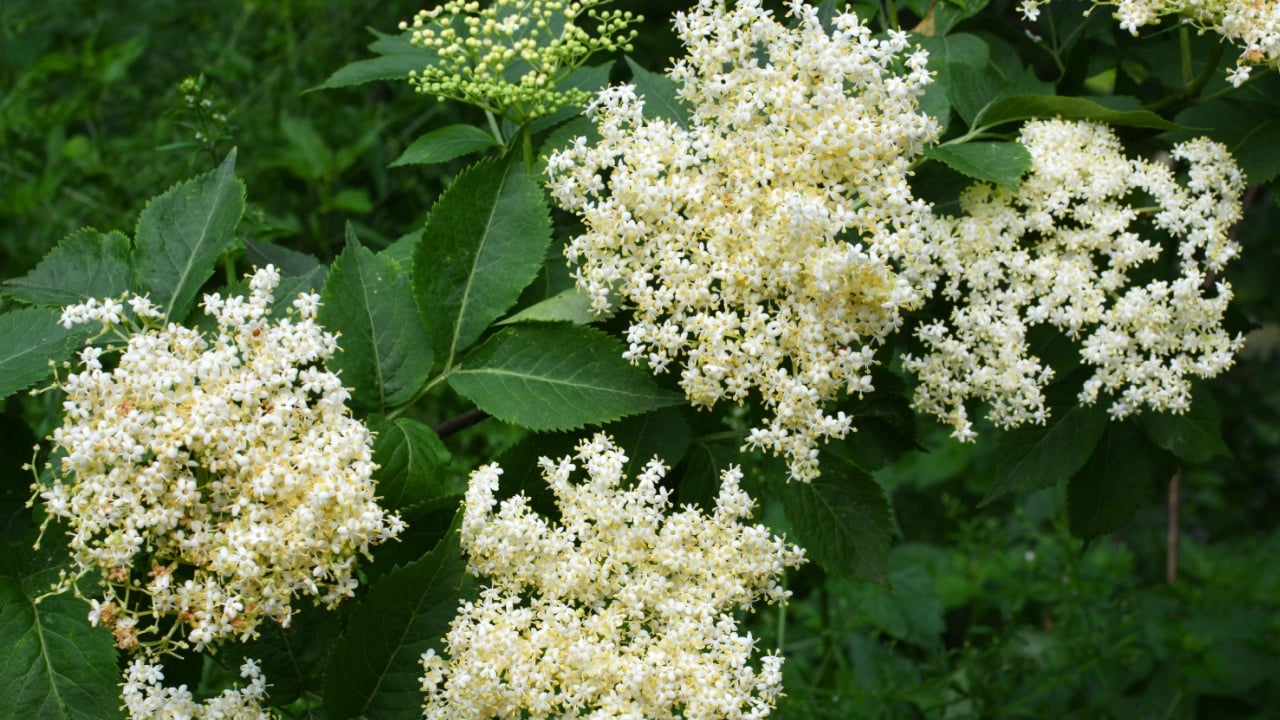
Elderberry has been referred to historically as ‘the medicine chest of the country people,’ and it remains one of the most beloved immune herbs in the modern herbal repertoire. The Herbal Academy notes its centuries-long use for supporting the immune system at the first signs of a cold or flu.
Elder is a perennial shrub that produces both medicinal berries and elderflowers, which are used in teas and fever-reducing preparations.
11. Sage
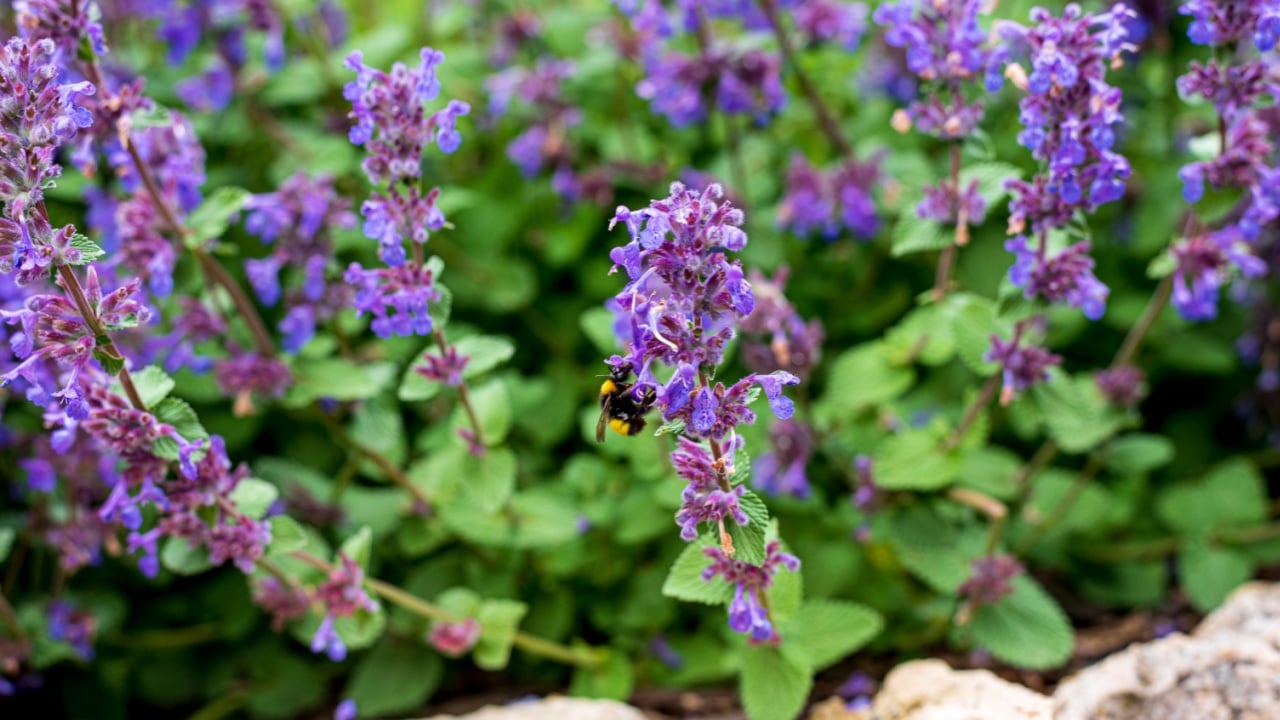
Sage is a culinary staple with a medicinal side that most cooks overlook. Fresh sage leaves, chewed and applied to the affected area, have a traditional use for toothaches, cold sores, and sore throats. It is antimicrobial and astringent, and it grows readily in sunny, well-drained beds.
Once established, it is a long-lived perennial that requires minimal attention.
12. Aloe Vera
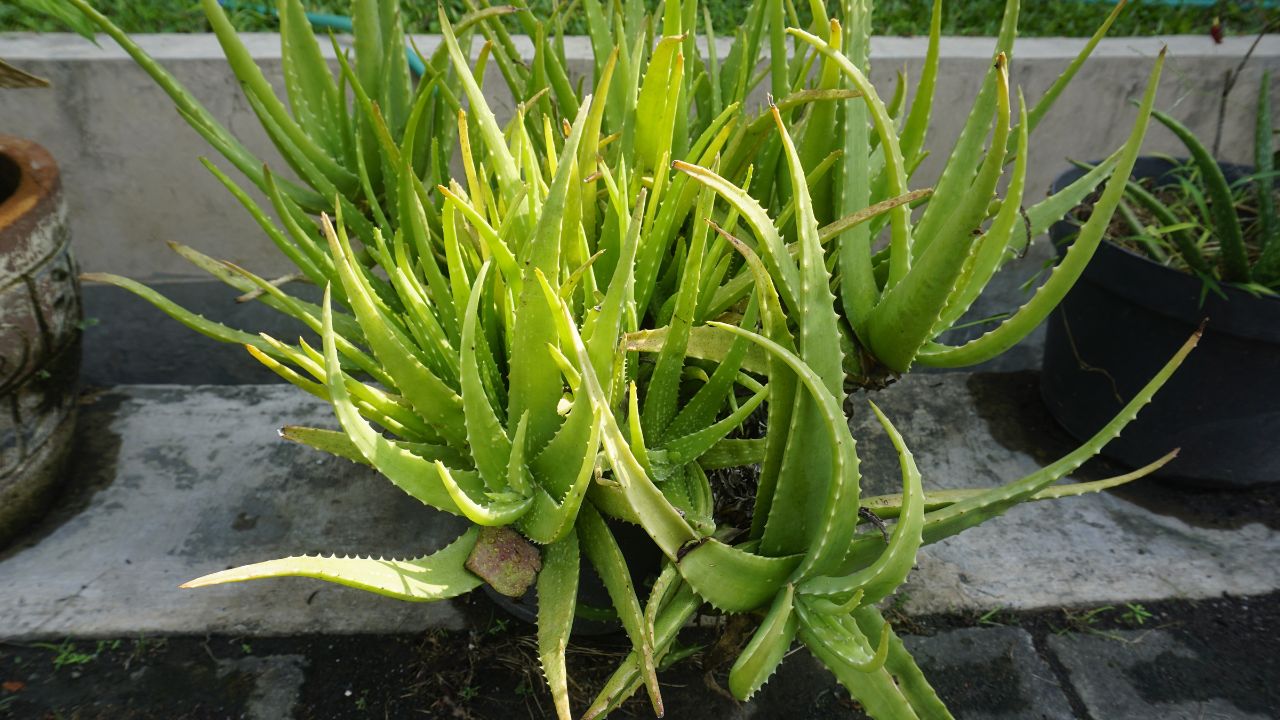
Aloe vera is the entry point for most people’s relationship with medicinal plants, even if they don’t think of it that way. The clear gel inside its thick leaves soothes sunburns, minor cuts, rashes, and irritated skin.
It grows readily indoors in a sunny window with very little water, making it the ideal medicinal herb for anyone without outdoor garden space.
A Word on Safety: What Every Home Herbalist Should Know
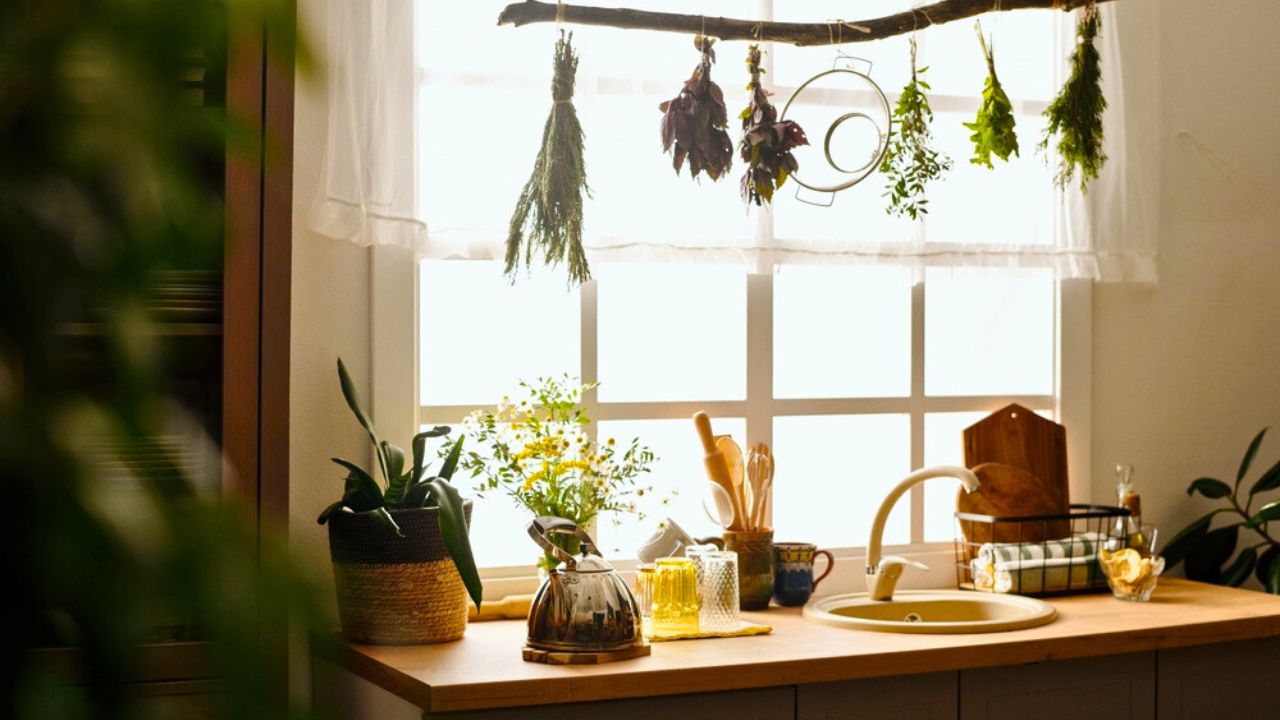
Growing medicinal herbs is not the same as prescribing medicine. Some herbs interact with common medications in ways that matter. Echinacea, for example, may interact with immunosuppressants and some drugs metabolized by the liver, according to the NCCIH. Lemon balm can amplify sedatives. Garlic in therapeutic amounts thins the blood.
The most responsible approach is to treat your herb garden as a complement to, not a replacement for, conventional medical care. Before using any herb medicinally, particularly if you take prescription medications, consult your healthcare provider and check the NCCIH herb fact sheets at nccih.nih.gov, which are free, evidence-based, and among the most reliable consumer resources available.
Start with teas. They are the gentlest, most forgiving preparation method, and the one your grandmother likely used, too.
Read more:
Is Your House A Wildfire Target? 7 Things That Increase Your Risk At Home
Is The Heat To Blame for Your Struggling Vegetable Garden This Summer? Stop Making These 7 Mistakes