9 Herbs You Can Grow Indoors Year-Round
The average American household throws away nearly a third of the fresh herbs it buys. That $4 clamshell of basil sitting in your refrigerator right now? Most of it will end up in the trash before the week is out.
Meanwhile, your grandmother kept a single pot of parsley on her kitchen windowsill for years and never once paid for fresh herbs at all. The good news is that growing herbs indoors is far easier than most people think. You do not need a backyard, a greenhouse, or even a particularly sunny apartment. You just need the right herbs and a few simple basics.
Here are nine herbs that thrive indoors, what makes each one worth growing, and exactly how to keep them happy year-round.
1. Basil
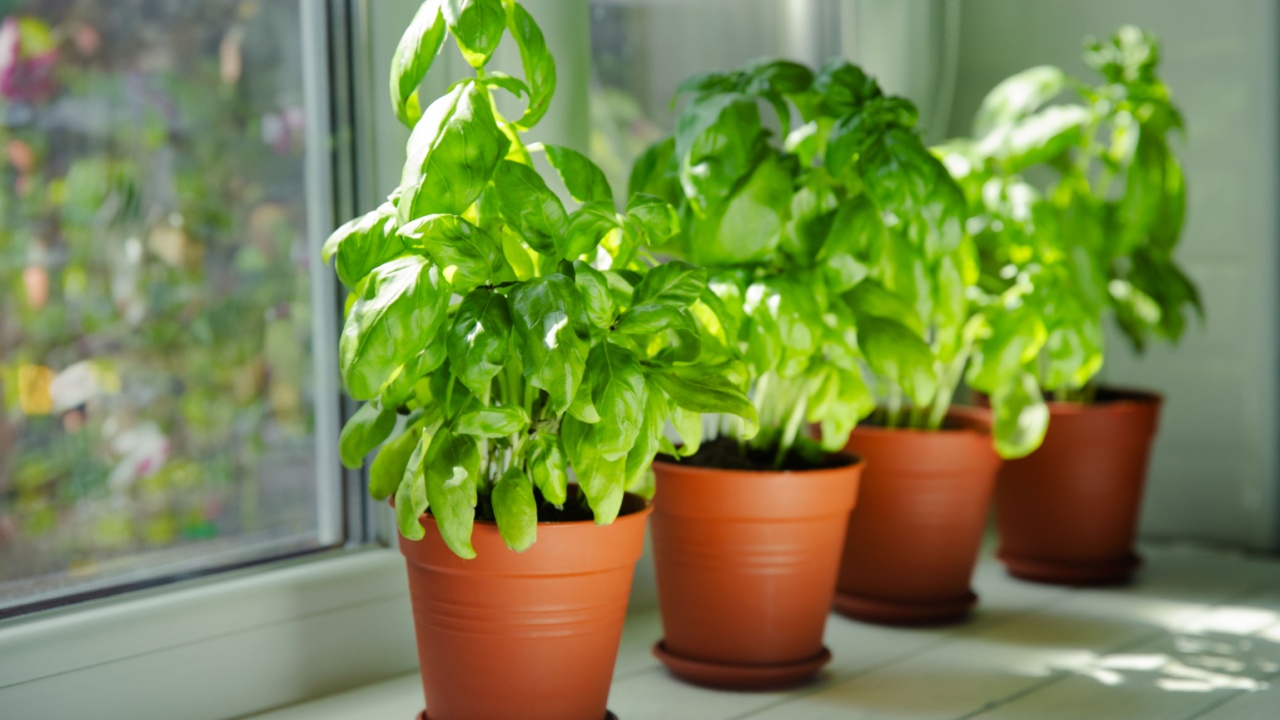
Basil is the kitchen workhorse of the indoor herb world. It loves warmth, adapts well to indoor conditions, and grows quickly enough that you will be harvesting within weeks of planting. A 2020 study published in Food Control found that basil grown under LED grow lights with intermittent light cycles had no noticeable difference from traditional lighting, which means even a windowless kitchen can produce impressive basil with an inexpensive grow light.
The key to keeping basil alive indoors is to never let the soil dry out completely, and pinch off flower buds the moment they appear. Once basil flowers, it stops producing the flavorful leaves you are growing it for. Keep the soil consistently moist (but never waterlogged), and harvest from the top of each stem to encourage bushy, branching growth.
If you’d like to propagate a basil plant that you already own, simply snip a stem from a basil bunch just below a leaf node and place it in a glass of water. You will have roots in 7 to 10 days and a new plant in two weeks, completely free.
Basil is best for Italian dishes, Thai cooking, salads, and pestos.
2. Mint
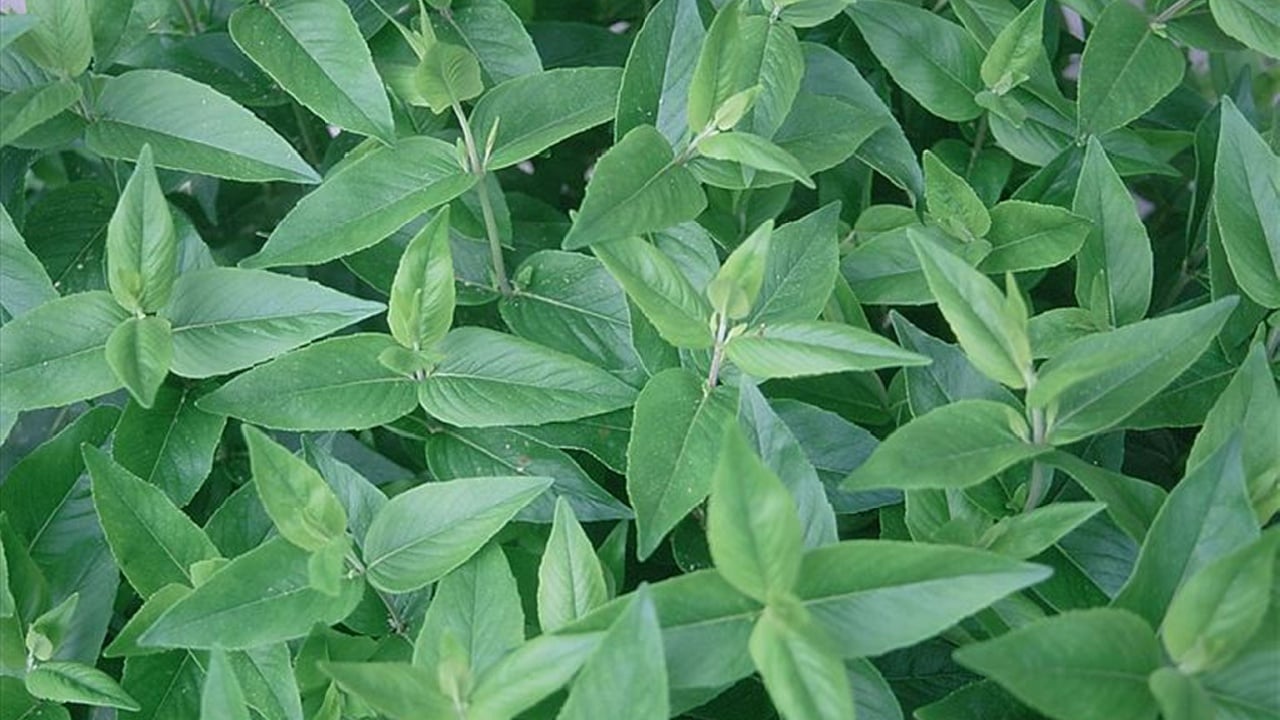
Mint is nearly indestructible, which makes it the perfect confidence builder for anyone who has ever said they kill every plant they touch. It tolerates lower light levels than most herbs, bounces back quickly after harvesting, and grows so enthusiastically that your biggest challenge will be keeping it in check, not keeping it alive.
The one essential rule with mint is to always grow it in its own pot. Mint spreads aggressively through underground runners and will crowd out and overtake any herb planted next to it. Give it a dedicated container with drainage holes, keep the soil evenly moist, and harvest frequently to keep it bushy. One mint plant can easily become five through division, giving you an endless supply.
Mint is best for teas, cocktails, desserts, and Middle Eastern dishes.
3. Chives
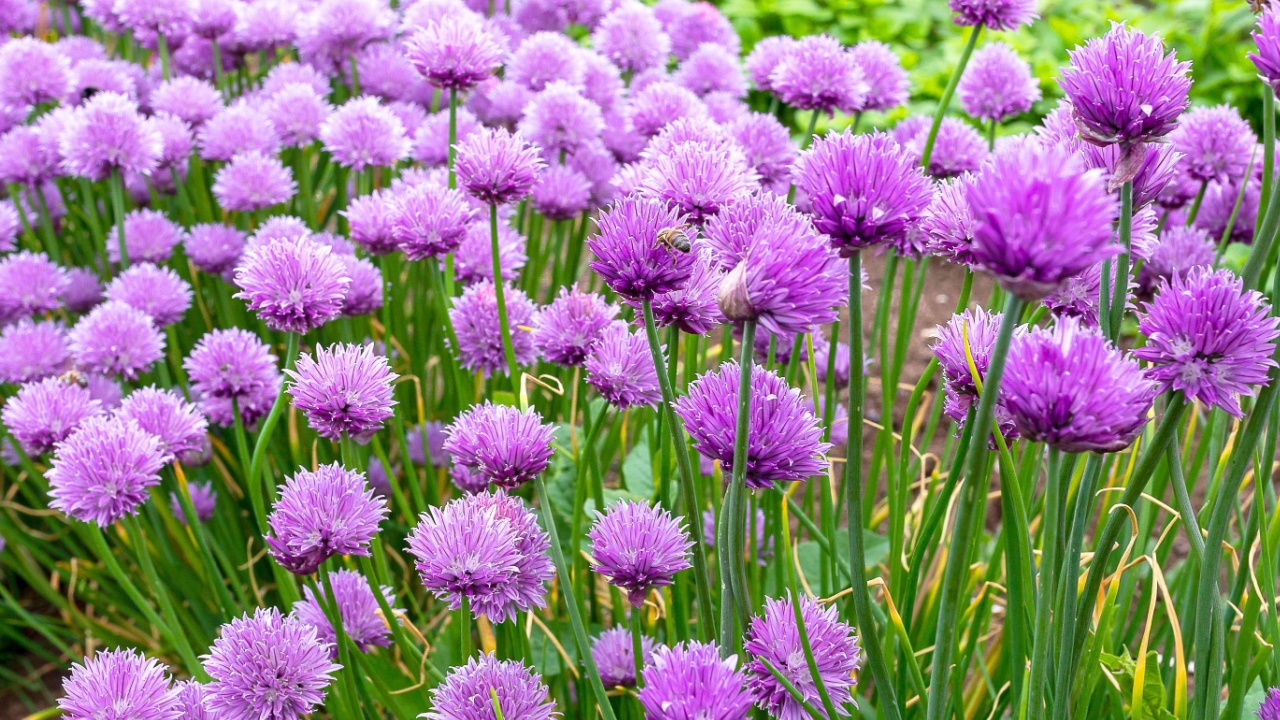
Chives are the most underrated indoor herb. According to the Old Farmer’s Almanac, chives tolerate lower light levels than most culinary herbs and are almost impossible to kill. They come back reliably after each harvest, and their mild onion flavor works in just about everything.
Chives deserve a spot on your windowsill because they are a perennial, meaning a single pot will keep producing for years. Snip them down to an inch above the soil, and they grow right back. They are also one of the few herbs that tolerate the drier air of heated homes in winter without complaint.
Chives are best for eggs, baked potatoes, soups, cream cheese, and finishing dishes.
4. Thyme
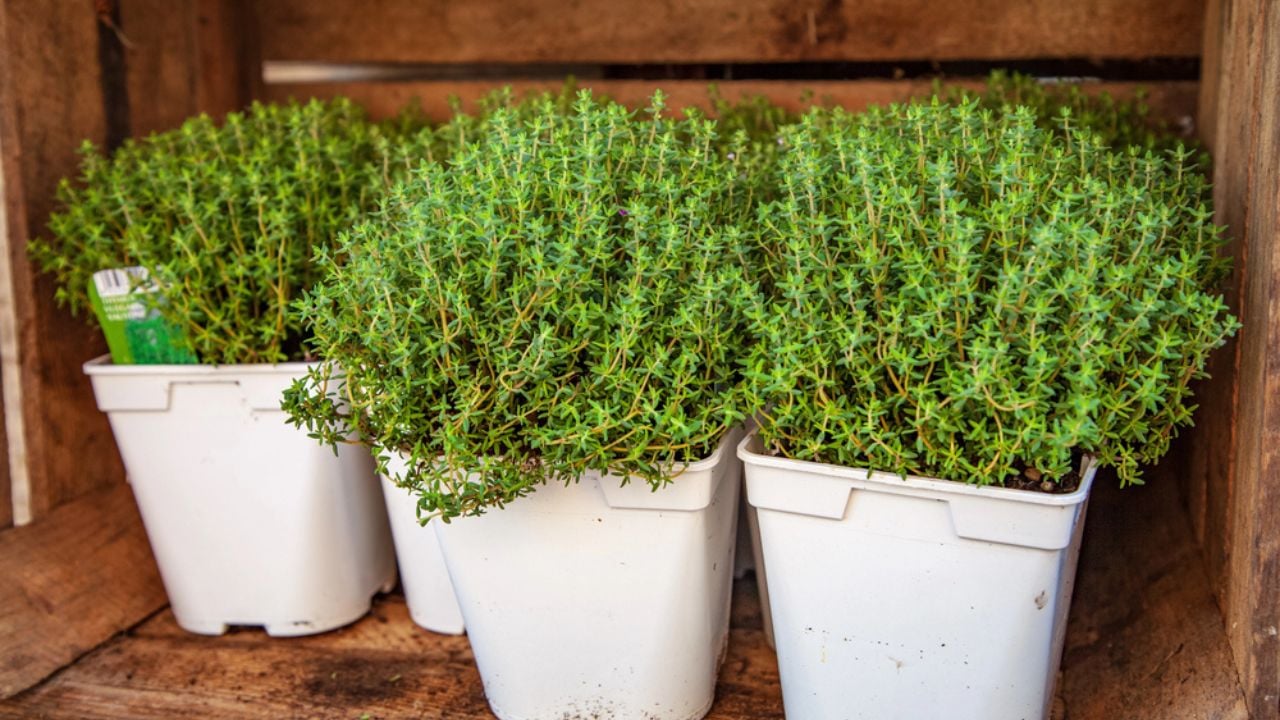
Thyme thrives on neglect, which makes it ideal for busy kitchens. It prefers to dry out between waterings and actually performs better in the drier air of heated homes than most other herbs. If you tend to forget about your plants for a few days, thyme will reward your inattention rather than punish it.
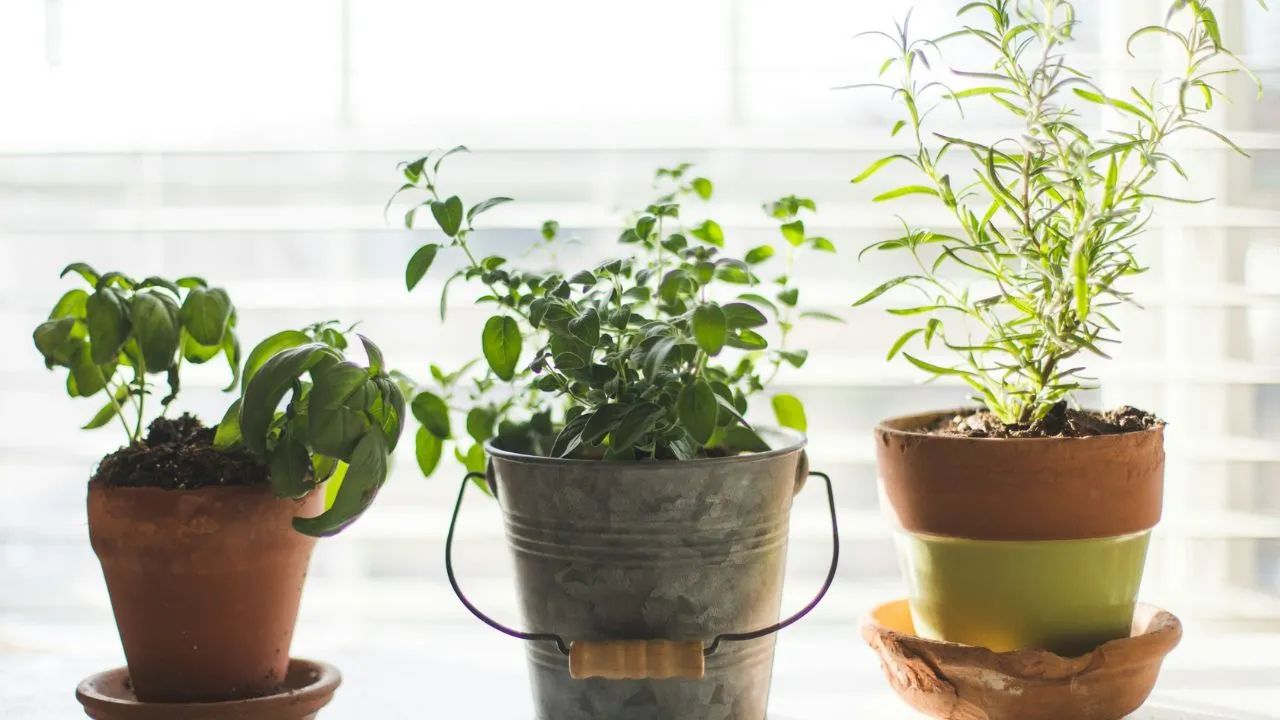
Plant thyme in a 50/50 mix of cactus soil and regular potting mix for the fast drainage it craves. Give it as much light as you can, and harvest sprigs frequently to prevent the stems from becoming woody and unproductive. A 6-inch terracotta pot is perfect because the porous clay wicks away excess moisture naturally.
Thyme is best for roasted meats, soups, stews, and bread.
5. Parsley

Parsley is quiet and dependable. It is a biennial herb, meaning a single well-cared-for plant can produce for two full years before it goes to seed. Given that fresh parsley at the grocery store regularly runs $3 to $4.50 per bunch and tends to wilt before you finish it, a long-lived plant that you harvest a few stems at a time is one of the more practical things you can keep on a windowsill.
Parsley is slow to germinate from seed (up to three weeks), which leads many beginners to assume it failed. Be patient, or start with a nursery transplant for faster results. Harvest the outer stems first, leaving the center of the plant to keep producing new growth.
Parsley is best for garnishes, tabbouleh, chimichurri, soups, and sauces.
6. Oregano
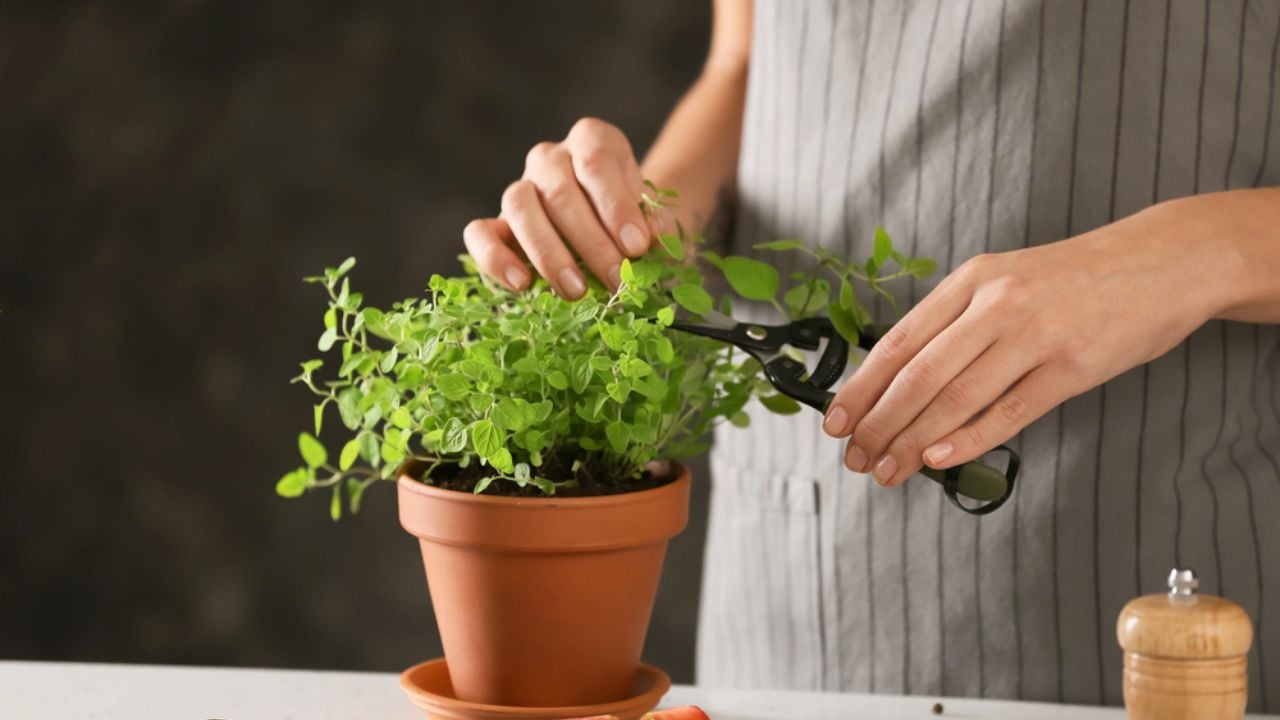
Oregano is a Mediterranean herb that adapts surprisingly well to indoor life. Like thyme, it prefers drier soil and does not mind the lower humidity of heated homes. It is a perennial, so one plant will keep producing for years if you harvest it regularly and give it decent light.
Oregano’s flavor actually intensifies slightly when the plant is under a bit of stress from drier conditions, which means the less-than-ideal environment of a kitchen windowsill can actually produce more flavorful leaves than a pampered outdoor garden bed. Use the same cactus-mix soil blend as thyme, and group the two together since they share identical watering needs.
Oregano is best for pizza, pasta sauces, Greek salads, and Mexican dishes.
7. Green Onions (Scallions)
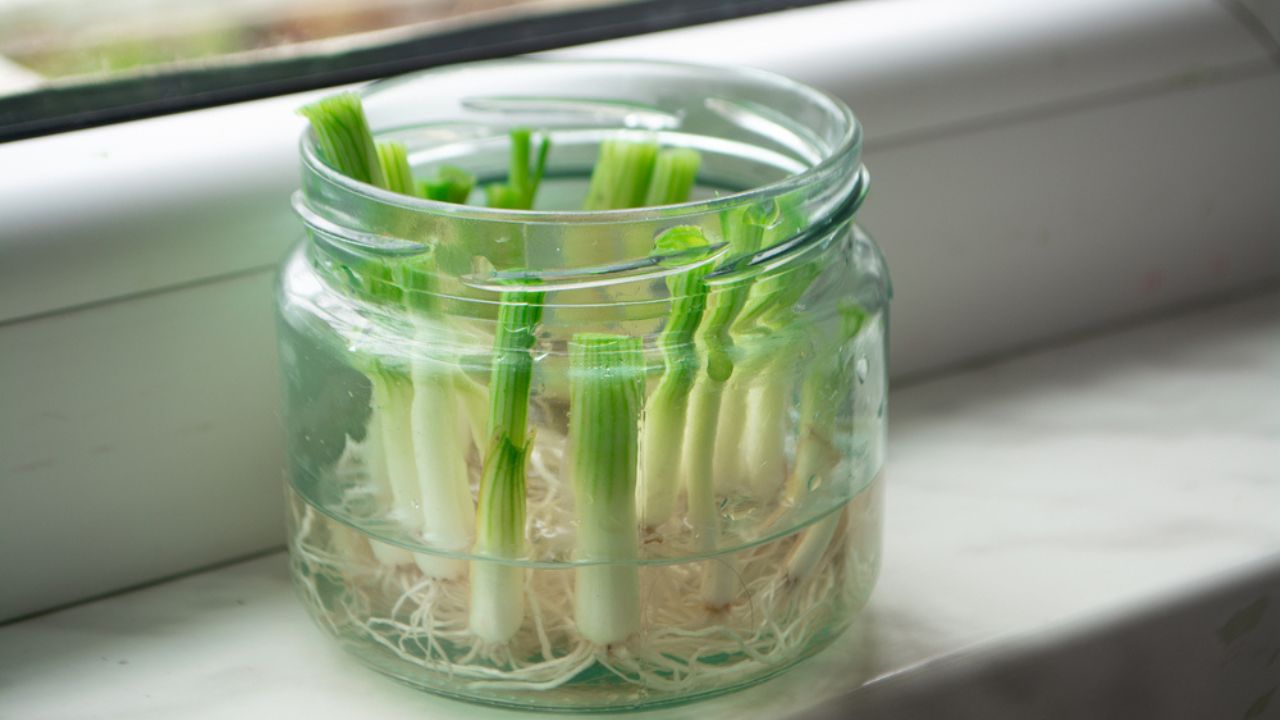
Green onions might be the single easiest edible plant you can grow indoors. Save the root ends from a bunch of grocery store scallions, stand them upright in a small jar of water on your counter, and they will regrow to full size in about a week. You can repeat this cycle multiple times from the same roots.
For longer-term growing, transplant the rooted ends into a pot of well-draining soil. Planted scallions produce thicker, more flavorful stalks than water-grown ones and will keep producing for months. They tolerate moderate light and are forgiving of irregular watering, making them perfect for beginners who are still building their confidence.
Scallions are best for stir-fries, soups, omelets, tacos, and garnishes.
8. Cilantro
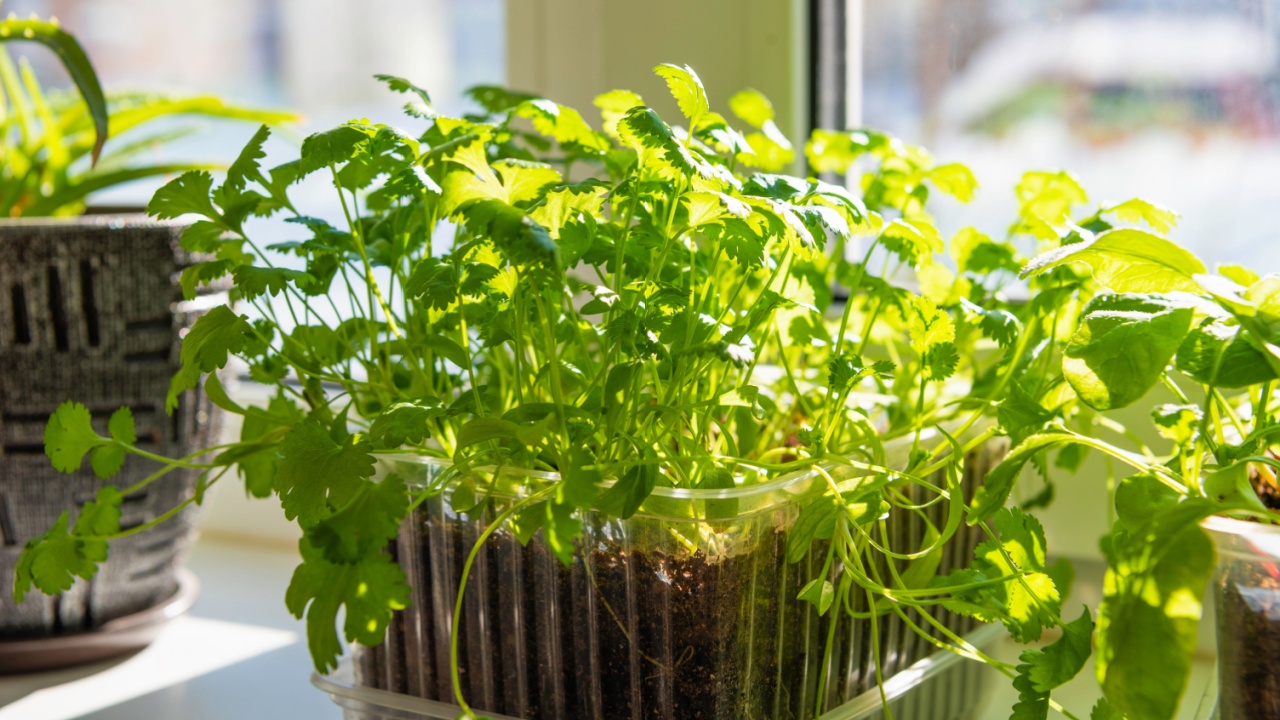
Cilantro is the one herb on this list that requires a slightly different strategy. It bolts (goes to flower and seed) quickly in warm conditions, which means a single planting will not last as long as the perennial herbs above. The solution is succession planting: sow a small pot of cilantro seeds every two to three weeks, and you will always have a fresh crop ready to harvest.
The upside is that cilantro is one of the fastest herbs to grow from seed, germinating in just 7 to 10 days and reaching harvest size in three to four weeks. It actually prefers cooler indoor temperatures to the heat of a summer garden, which makes it one of the few herbs that performs better inside during the warmer months. If it does bolt, let the seeds dry on the plant, and you have homegrown coriander for your spice rack.
Cilantro is best for salsas, guacamole, curries, pho, and fresh spring rolls.
9. Sage
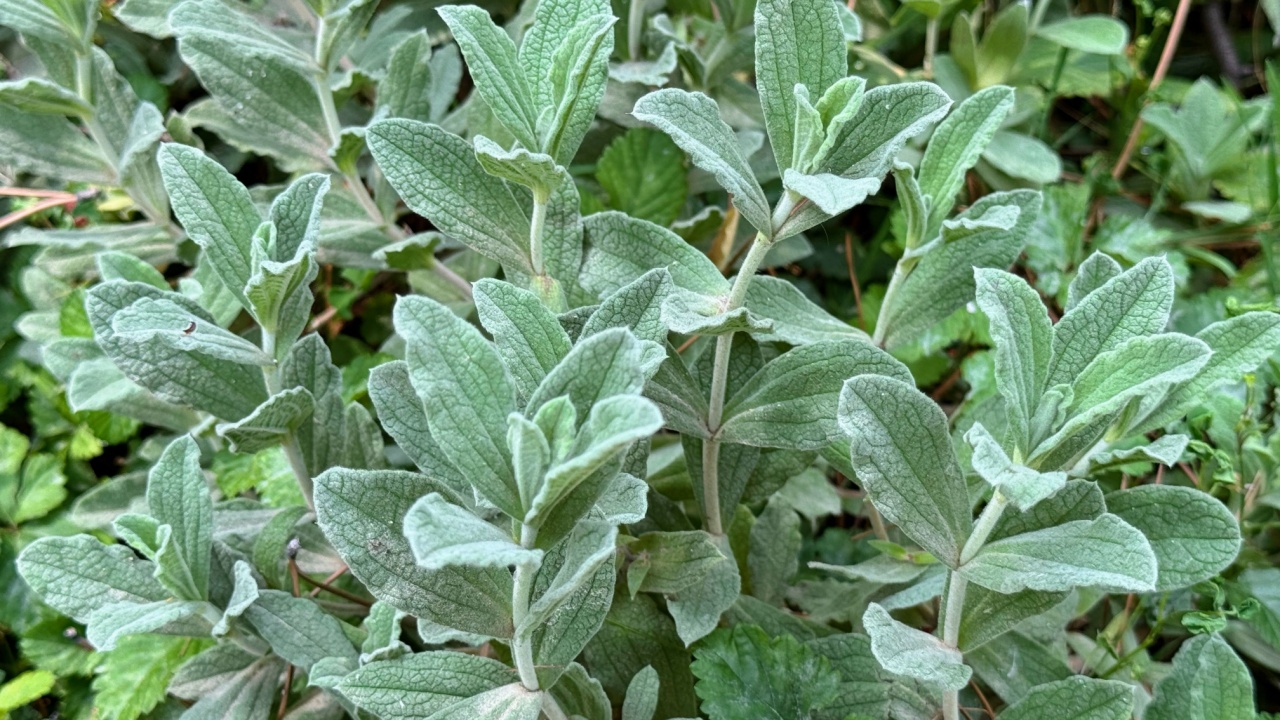
Sage rounds out this list as the herb you did not know you needed indoors. It is a hardy perennial that tolerates drier conditions well and produces those beautiful, velvety gray-green leaves that are as ornamental as they are useful in the kitchen. A single sage plant in a terracotta pot looks gorgeous on a windowsill and will supply more than enough leaves for cooking.
Sage needs good air circulation and well-draining soil to prevent powdery mildew. Give it a spot with the most light you can offer, let the soil dry between waterings, and do not overcrowd it next to other plants. Harvest leaves as needed; the flavor is best just before the plant flowers.
Sage is best for stuffing, brown butter sauces, pork, poultry, and fall dishes.
How to Keep Any Indoor Herb Thriving
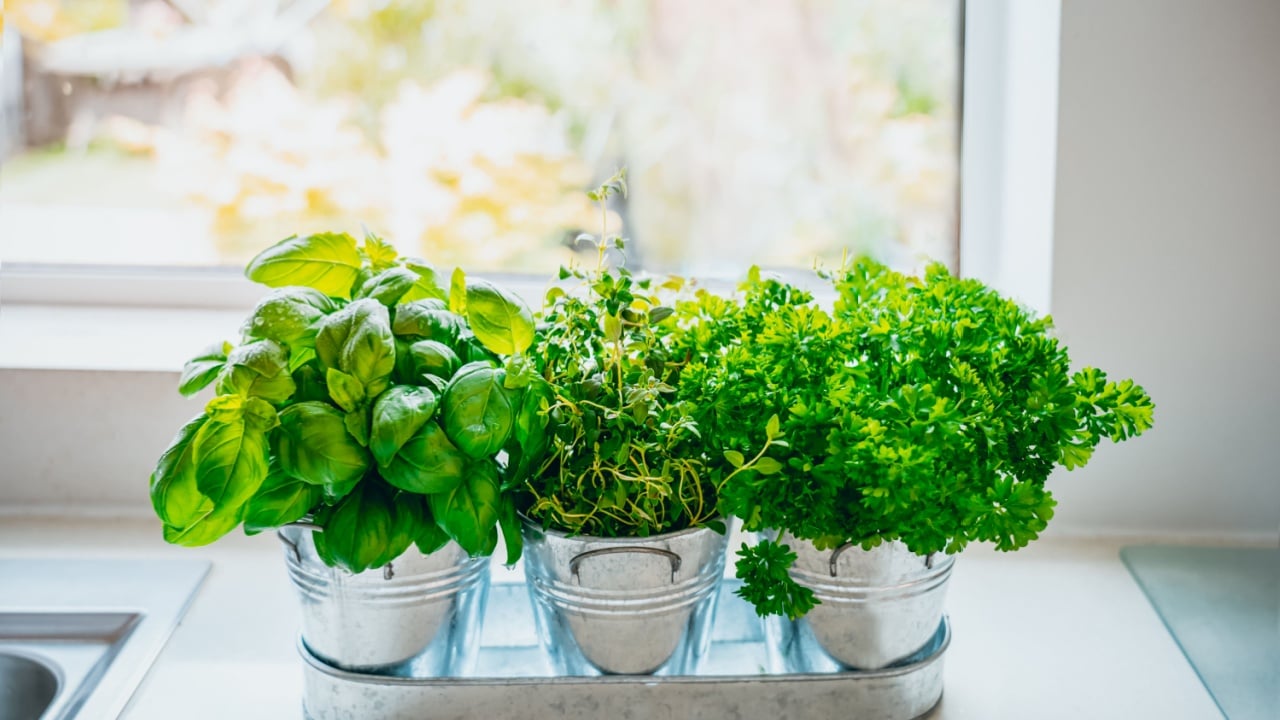
No matter which herbs you choose from this list, a few universal principles will set you up for success.
Get the pot right. According to Fine Gardening, a 6-inch terracotta pot with drainage holes is ideal for most kitchen herbs. The porous clay wicks away excess moisture and prevents the overwatering that kills more indoor herbs than anything else. Avoid oversized pots; too much soil stays wet too long and leads to root rot.
Water like a gardener, not a houseplant owner. Most herbs want their soil to dry out between waterings. Stick your finger an inch into the soil; if it is still damp, wait. A smart trick is to group herbs by water needs: keep thirsty herbs (basil, parsley, cilantro) together and drought-tolerant ones (thyme, oregano, sage) together.
Consider a grow light. Research from Philips shows that herbs grown under optimized LED light produce higher concentrations of essential oils, meaning stronger flavor and aroma. A basic $15 LED grow light strip can turn any dark shelf into a productive herb garden. You do not need a south-facing window to grow herbs successfully.
Harvest early and often. Regular harvesting is what keeps herbs bushy, productive, and flavorful. When you let herbs flower, they put their energy into seed production and stop growing new leaves. Pinch off the top sets of leaves every week or two to encourage branching.
Start This Weekend
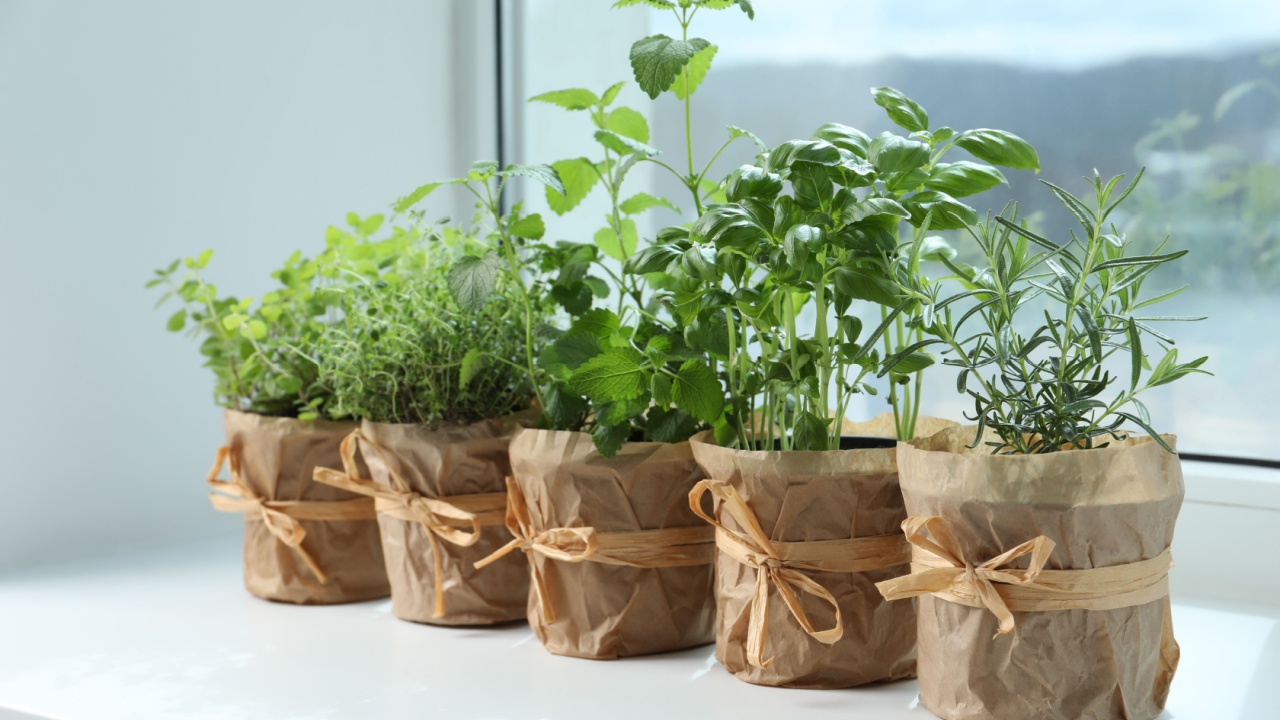
You do not need to grow all nine at once. Pick two or three herbs from this list that match what you actually cook with. Grab a couple of terracotta pots, a bag of well-draining potting mix, and find your sunniest window.
Your grandmother did not need a grow light, a YouTube tutorial, or a fancy self-watering planter. She had a windowsill, a pot, and the good sense to grow what she cooked with. That simple wisdom is worth rediscovering.
Start with one plant. You already have everything you need.
Read More
The 7 Best Garden Items to Thrift This Fall
9 Smart Ways to Save Money in the Garden Before Fall Ends