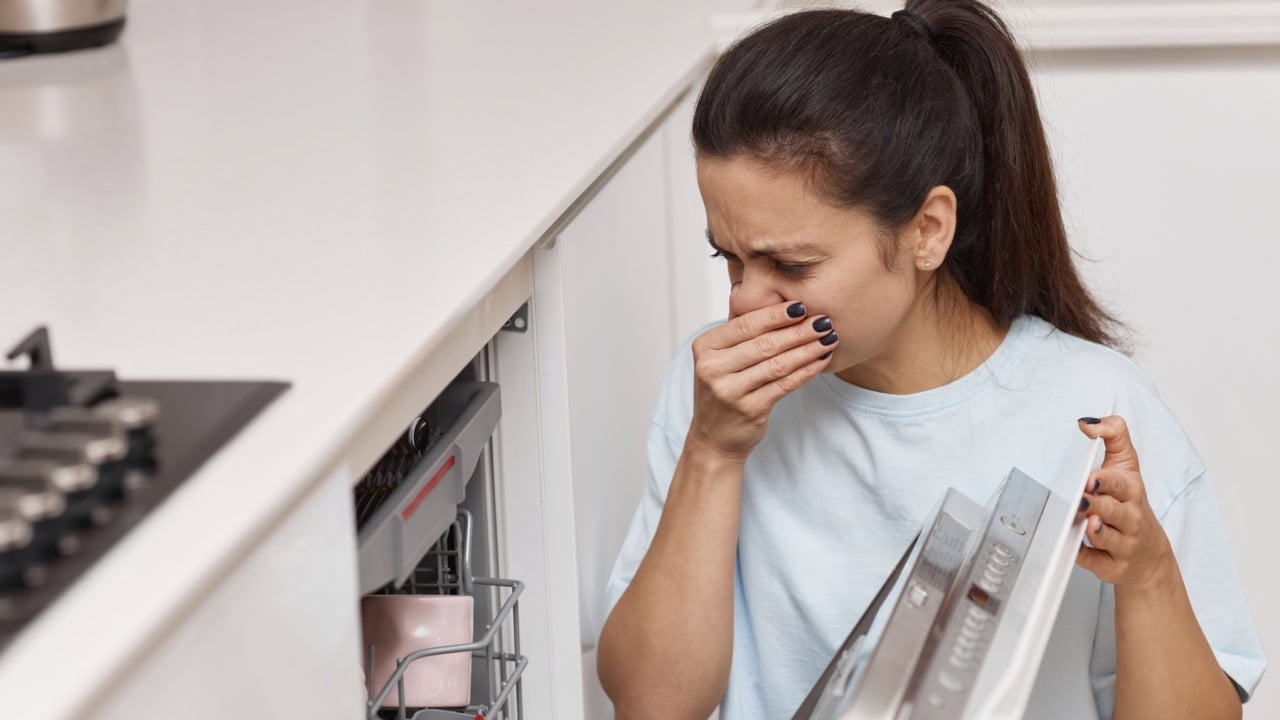
7 Smells in the House to Never Ignore
Walking into your home should be greeted by familiar, comforting scents. Sometimes a sudden new odor disrupts that peaceful environment entirely. A strange scent often serves as an early warning sign of a hidden problem behind your walls or under your floors.
Many homeowners mistake these warning signs for ordinary household odors and try to mask them with air fresheners. Ignoring a persistent smell allows minor issues to develop into costly repairs or dangerous health hazards.
Catching these problems early protects your property and keeps your family safe from unseen dangers. You need to identify which odors require immediate attention from a professional.
This guide highlights seven specific household smells that indicate a serious issue hidden within your home. Here is what causes each distinct odor and the best actions to take when you notice them.
1. Unexplained Smoke
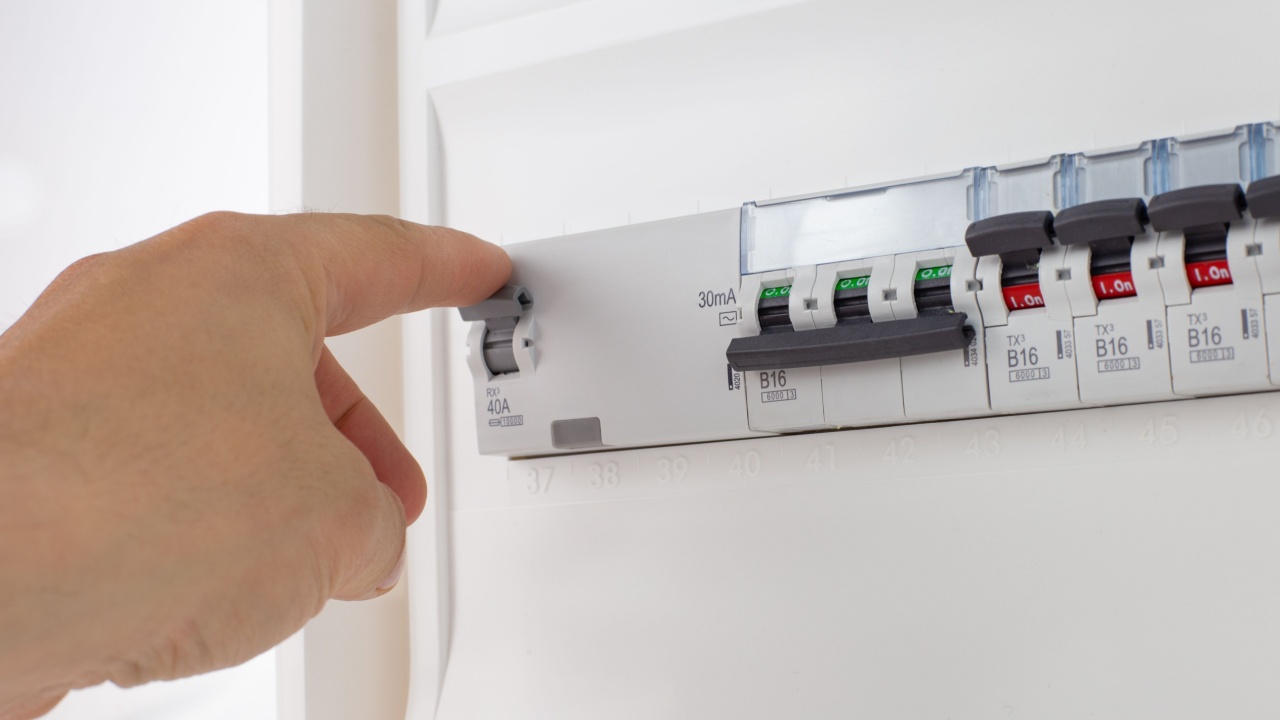
Smelling smoke when you have no candles lit or food cooking is a serious warning sign. This scent often points to a hidden electrical fire smoldering inside your walls or up in the attic.
Electrical shorts overheat the insulation and wood framing long before flames become visible. Taking immediate action is crucial to prevent a devastating disaster.
You must investigate immediately if this burnt scent lingers in a specific room or hallway. Turn off the main power breaker if you suspect an electrical issue behind the drywall. Call the fire department immediately so professionals can inspect the area with thermal imaging cameras. Finding a hidden fire early saves lives and prevents massive property damage.
2. Rotten Eggs or Sulfur

Natural gas is naturally odorless, but utility companies add a chemical that smells heavily of rotten eggs. This foul scent serves as an intentional warning system to alert residents of a dangerous gas leak.
A buildup of natural gas creates a severe risk of sudden explosions or severe poisoning inside enclosed spaces. You must treat this distinct sulfur odor as an absolute emergency.
Leave the building immediately without flipping any light switches or using your cell phone inside. Evacuate all family members and pets to a safe distance far away from the structure. Call your local gas company or emergency services from outside the house. Professionals must secure the leak and test the air quality before anyone returns inside.
3. Sewage Odors in the Bathroom

A strong sewage odor near your bathroom fixtures usually originates from a dried drain trap. Sinks and tubs left unused for weeks lose the water seal that blocks sewer gases from entering your living space.
The toxic fumes traveling up the pipes contain harmful bacteria that threaten human health. Ignoring this foul stench puts everyone in the house at risk of respiratory irritation.
Run water down all infrequently used sinks and showers to completely refill the drain traps. If the foul odor remains after running the water, you might have a broken vent pipe or a severe main line blockage. Contact a licensed plumber to thoroughly inspect the entire drainage system. Addressing plumbing leaks promptly protects your home from severe water damage.
4. Persistent Ammonia Near the Toilet

A lingering ammonia odor near your commode often indicates a failing wax ring at the base of the fixture. The wax seal normally prevents both water and sewer gases from escaping into your bathroom.
When the wax degrades, toxic fumes bypass the seal and fill the room with a sharp stench. You might even notice the toilet rocking slightly when you sit down.
Replacing a degraded wax ring is a necessary repair to prevent hazardous gases from leaking. A plumber will lift the entire fixture to scrape away the old material and install a fresh seal. Waiting too long to fix this issue leads to rotting subfloors and expensive structural repairs. Catching the problem early saves you from dealing with severe bathroom water damage.
5. Musty and Moldy Scents
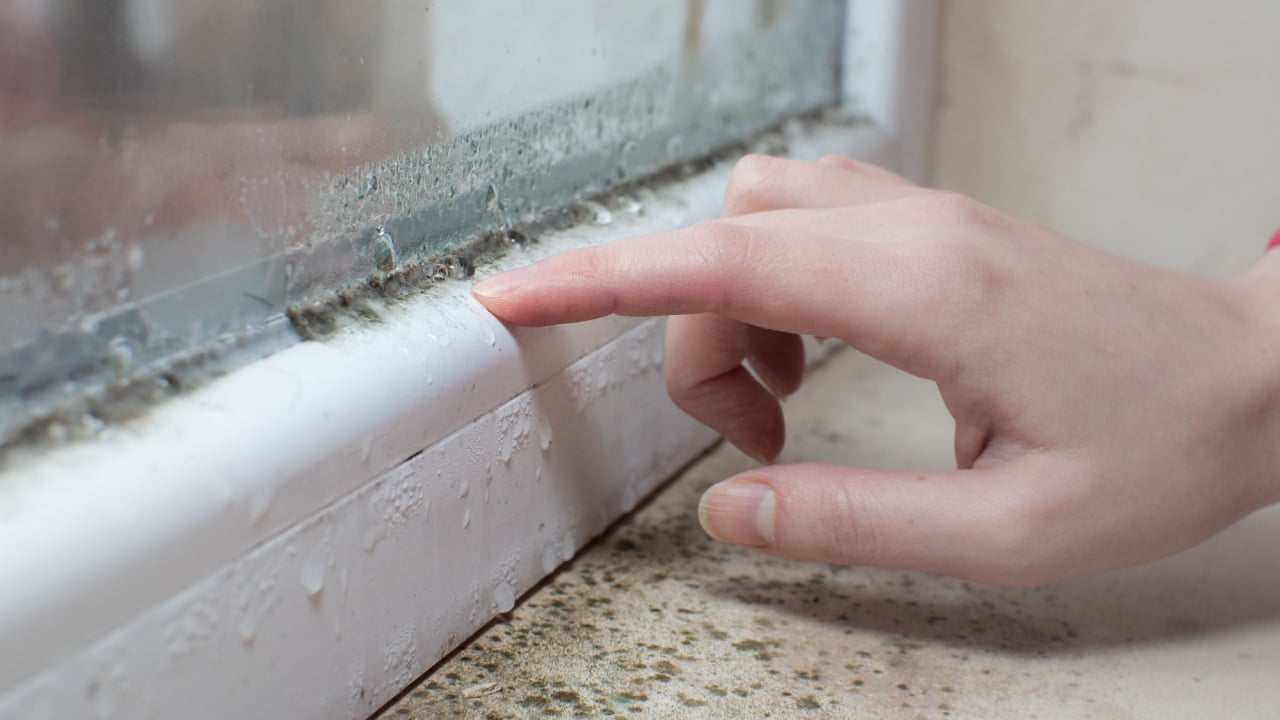
A damp and earthy smell often indicates hidden mold growth thriving in dark areas. Mold spores multiply rapidly behind drywall or under carpets when a slow water leak provides constant moisture.
These hidden fungi release toxins into the air that trigger severe allergies and asthma attacks. You might also spot peeling paint or dark spots on the ceiling nearby.
Finding the exact source of the moisture is the only way to permanently stop fungal growth. Check the surrounding pipes and roof panels for slow drips that feed the damp area. Hire a remediation specialist to safely remove the contaminated materials without spreading spores throughout the house. Keeping indoor humidity low helps prevent future fungal blooms entirely.
6. Burning Plastic Around Appliances

The scent of melting plastic near your laundry machines or kitchen appliances demands quick action. This burning odor frequently occurs when a dryer vent becomes clogged with highly flammable lint. Restricted airflow forces the machine to overheat and slowly melt internal wire casings.
Thousands of house fires begin in laundry rooms due to this exact mechanical failure.
Disconnect the power completely from any machine producing a hot plastic scent. Clean the exhaust hose and the exterior wall vent thoroughly to restore proper airflow. Hire an appliance repair technician to inspect the internal wiring for severe heat damage. Performing routine maintenance on heavy appliances prevents mechanical fires and extends their lifespan.
7. Sweet Chemical Odors Near Vents
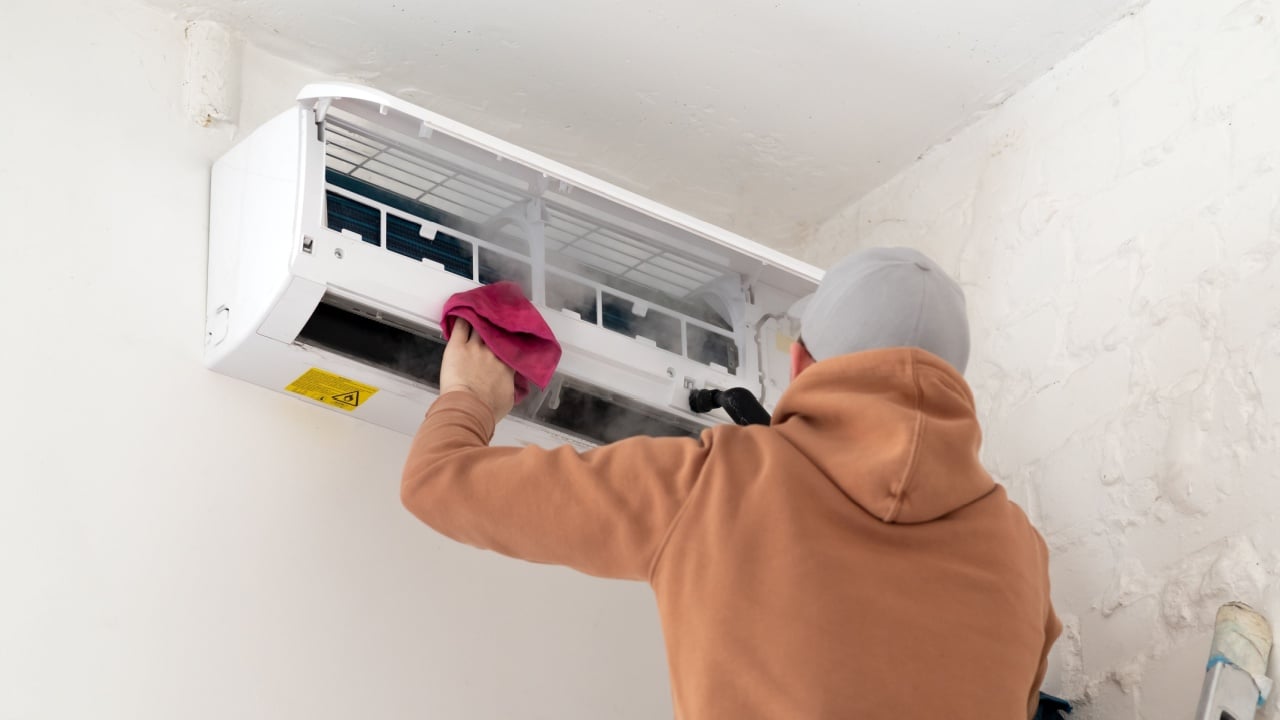
A strange, sweet, syrupy smell near an air conditioner or refrigerator suggests a dangerous chemical leak. These cooling machines rely on specialized chemical refrigerants to transfer heat out of the appliance. A cracked coil allows this toxic liquid to escape and evaporate into the surrounding air.
Breathing in evaporated coolant poses serious health risks to humans and pets alike.
Shut down the air conditioning system or unplug the refrigerator to stop the compressor from running dry. Open nearby windows to ventilate toxic chemical fumes from your living space. Contact a certified HVAC technician to seal the leak and recharge the system with fresh coolant. Fixing small leaks promptly prevents the entire compressor motor from failing catastrophically.
Keeping Your Family Safe

Your home communicates its needs through the various scents that fill the air. Identifying and acting on these warning signs protects your family from hidden hazards and expensive structural damage.
Addressing strange odors promptly stops minor leaks or electrical faults from developing into full emergencies. Keeping a vigilant nose and acting quickly helps maintain a safe and healthy living environment for everyone inside.
Read More:
14 Items That Can Actually Explode If Improperly Stored
16 Home Maintenance You Can Do in Minutes to Avoid Major Problems Later