14 Items That Can Actually Explode If Improperly Stored
The average home feels like a place of comfort and safety, somewhere to unwind and leave the outside world behind. Still, hidden in the back of a pantry or under a bathroom sink, everyday items can become risky under the wrong conditions. These are not rare or unusual products. They are things most people use every week without giving them much thought.
Safety experts and product guidelines show that heat, pressure, and certain chemical reactions are the main reasons accidents happen at home. This list is based on common safety advice and manufacturer warnings, pointing out where these risks often exist in a typical home. A basic understanding of how these items behave can turn a cluttered space into one that feels more controlled and secure.
Here are fourteen common household items that need careful storage, especially when it comes to temperature and placement. Each section explains why the risk exists and offers simple ways to manage it.
1. Aerosol Cans

Hair spray, spray paint, and deodorant rely on pressurized gas to function. When these cans get too hot (in a garage, car, outside, etc.), the molecules inside move faster and push against the metal walls with increasing force. If the heat reaches a certain threshold, the container reaches its limit and bursts, sending metal shards and liquid everywhere.
Store these in a cool, dry cabinet away from windows or radiators. Check the labels for specific temperature limits, usually around 120 degrees Fahrenheit. If a can looks dented or bloated, dispose of it at a hazardous waste facility rather than tossing it in the standard trash, where it might get crushed and pop.
2. Lithium-Ion Batteries
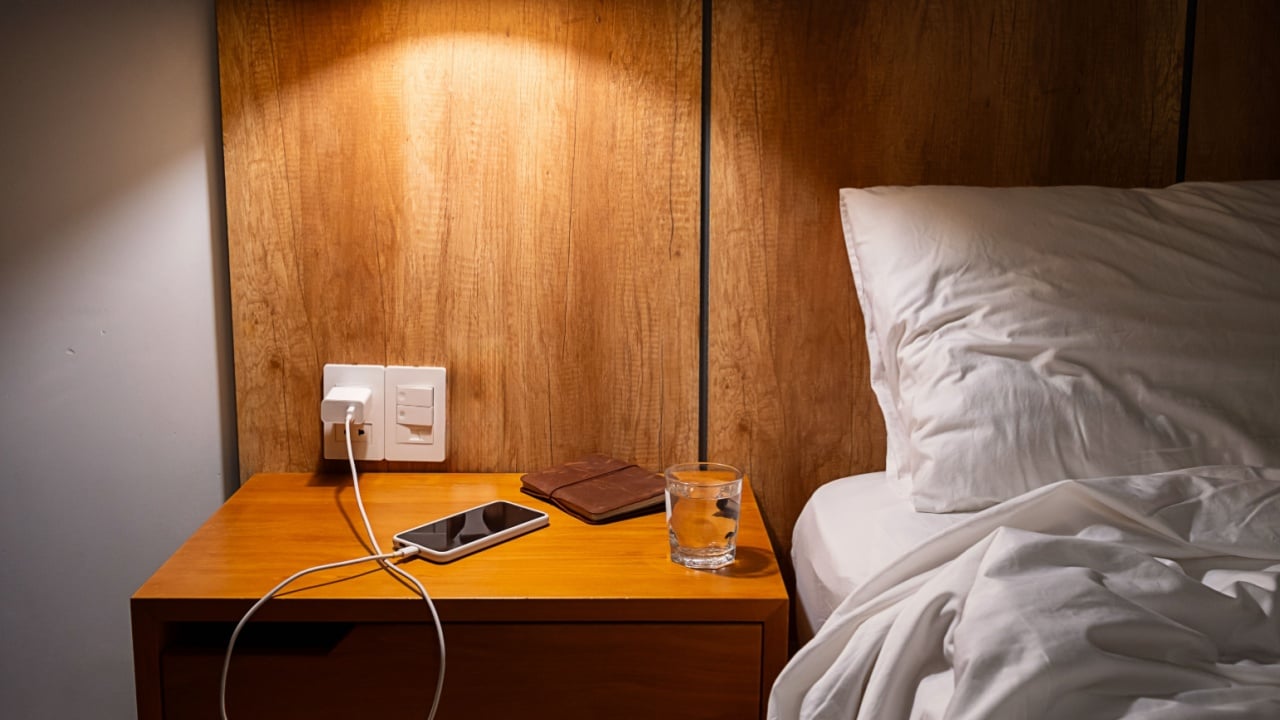
These power cells live in phones, laptops, and power tools, packing a lot of energy into a tiny footprint. If they are punctured, overcharged, or left in a hot car, they can enter a state called thermal runaway. This is a chain reaction where the battery generates more heat than it can dissipate, leading to a fire or a violent rupture.
Avoid keeping spare batteries in a pile where their terminals can touch. Use the charger that came with the device to prevent voltage issues. If a battery starts to swell or feels unusually hot during use, stop using it immediately and place it on a non-flammable surface away from curtains or rugs.
3. Household Bleach
Bleach is a staple for cleaning, but it is chemically aggressive. If it sits in direct sunlight or near a heat source, it can decompose and release oxygen gas. In a tightly sealed bottle, this buildup of pressure can cause the plastic to split or the cap to fly off with significant force.
Keep the bottle in a dark, cool cupboard that stays below room temperature (far away from stoves and other appliances). Never mix bleach with ammonia or acidic cleaners, as this creates toxic gases that are far worse than a simple pop. Check the bottle every few months for signs of yellowing or thinning plastic, which indicates the container is degrading.
4. Flour
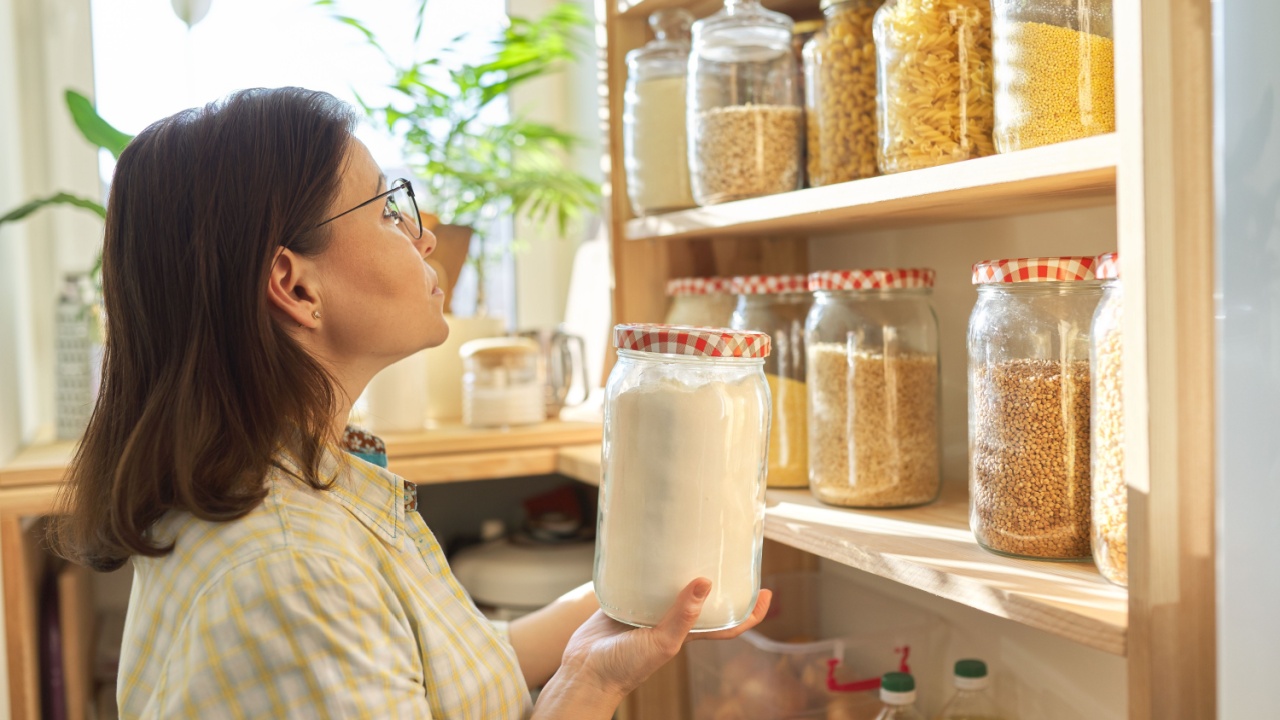
While flour seems harmless, it is actually highly combustible when it becomes an airborne dust cloud. In a confined space like a pantry, a massive amount of fine flour particles mixed with air only needs a tiny spark to ignite. The rapid combustion creates a pressure wave that can blow out cabinet doors.
Keep flour in airtight, sturdy containers made of glass or heavy plastic. This prevents the powder from leaking out and creating a dust hazard if the bag falls. If a large spill occurs, use a damp cloth to wipe it up instead of a vacuum, as the vacuum motor can provide the spark needed for ignition.
5. Propane Tanks
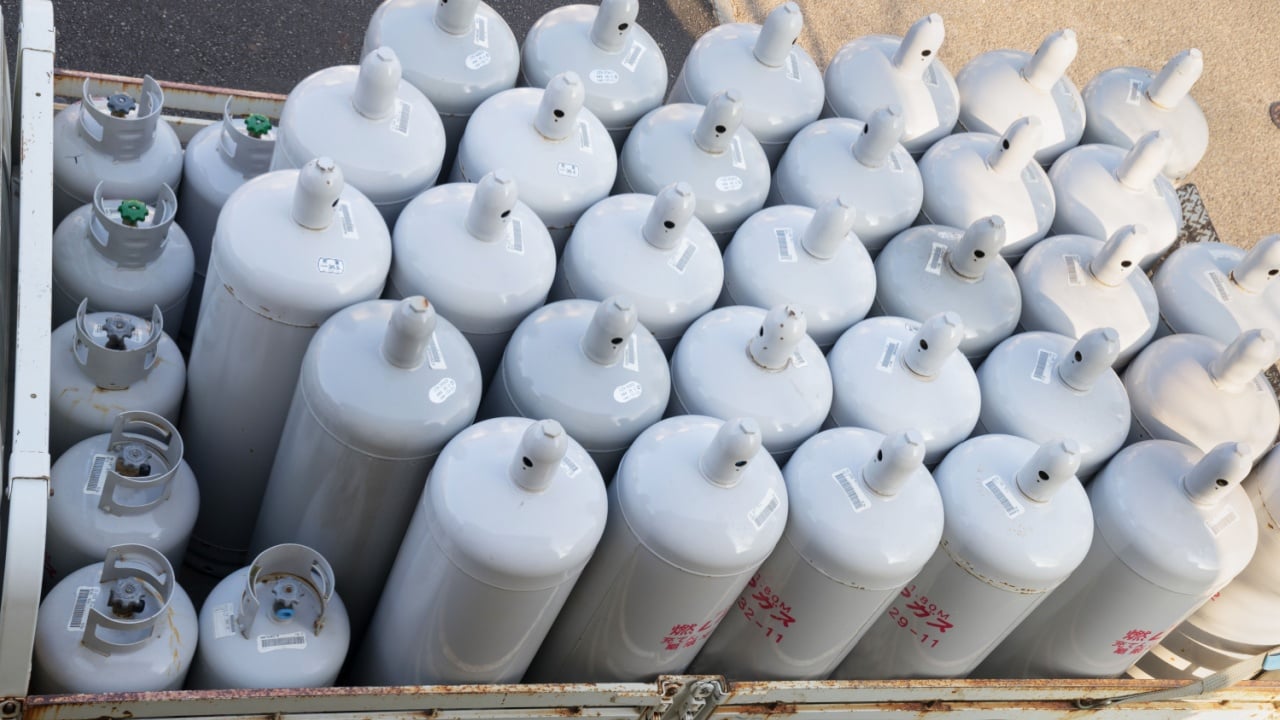
Propane is meant for the grill and other cooking purposes, but it occasionally ends up in the garage or basement by mistake. These tanks have pressure relief valves, but if the ambient temperature rises too high, the gas expands and vents out. If that gas finds a pilot light or a spark from a tool, the resulting explosion is massive.
Always store propane tanks outdoors in a shaded, well-ventilated area. Never keep them in an enclosed vehicle or a shed attached to the house. Check the valves for leaks by spraying a bit of soapy water on the connection points; if bubbles appear, the tank needs professional attention.
6. Glass Bottled Soda
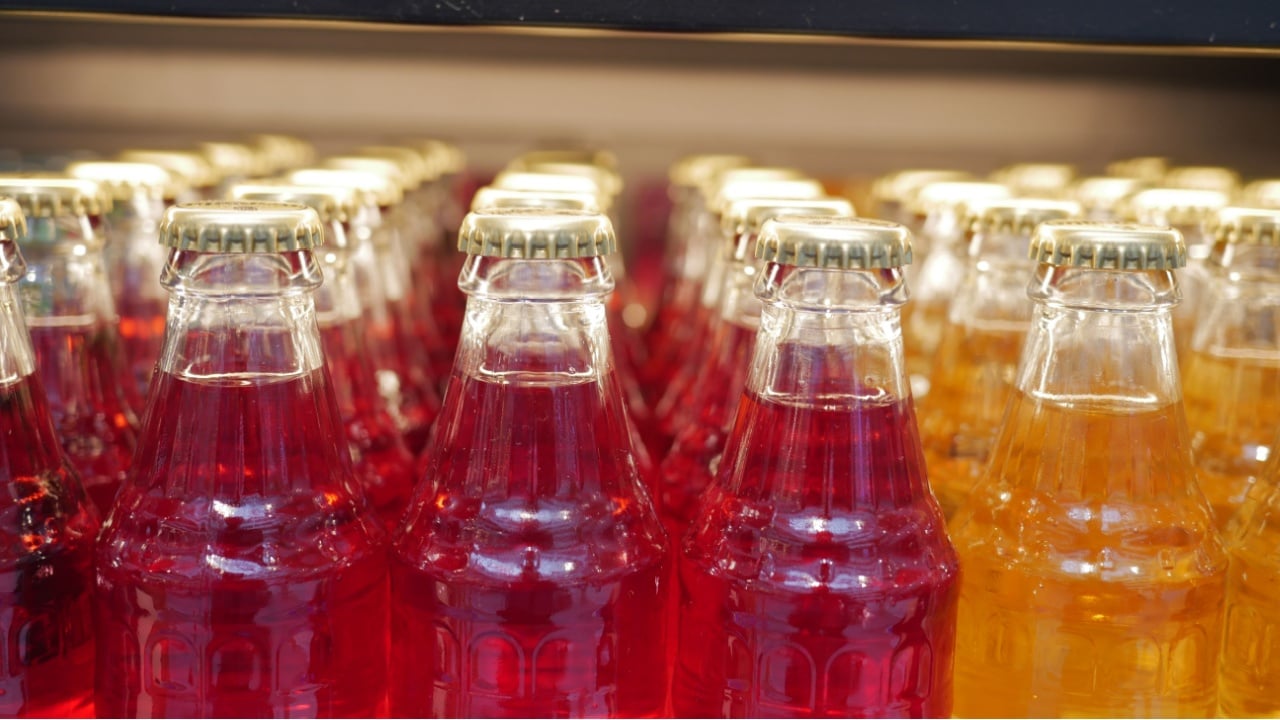
Carbonated drinks are held under pressure by dissolved carbon dioxide. If these bottles are left in a freezer or a very hot car, the liquid expands or the gas releases from the liquid too quickly. Glass does not stretch, so it shatters into dangerous slivers under the internal strain.
Keep glass bottles in the center of the pantry where temperatures remain stable. If a bottle was accidentally frozen, do not touch it until it has fully thawed at its own pace. Moving a frozen carbonated bottle can trigger the structural failure that leads to an explosion.
7. Hand Sanitizer
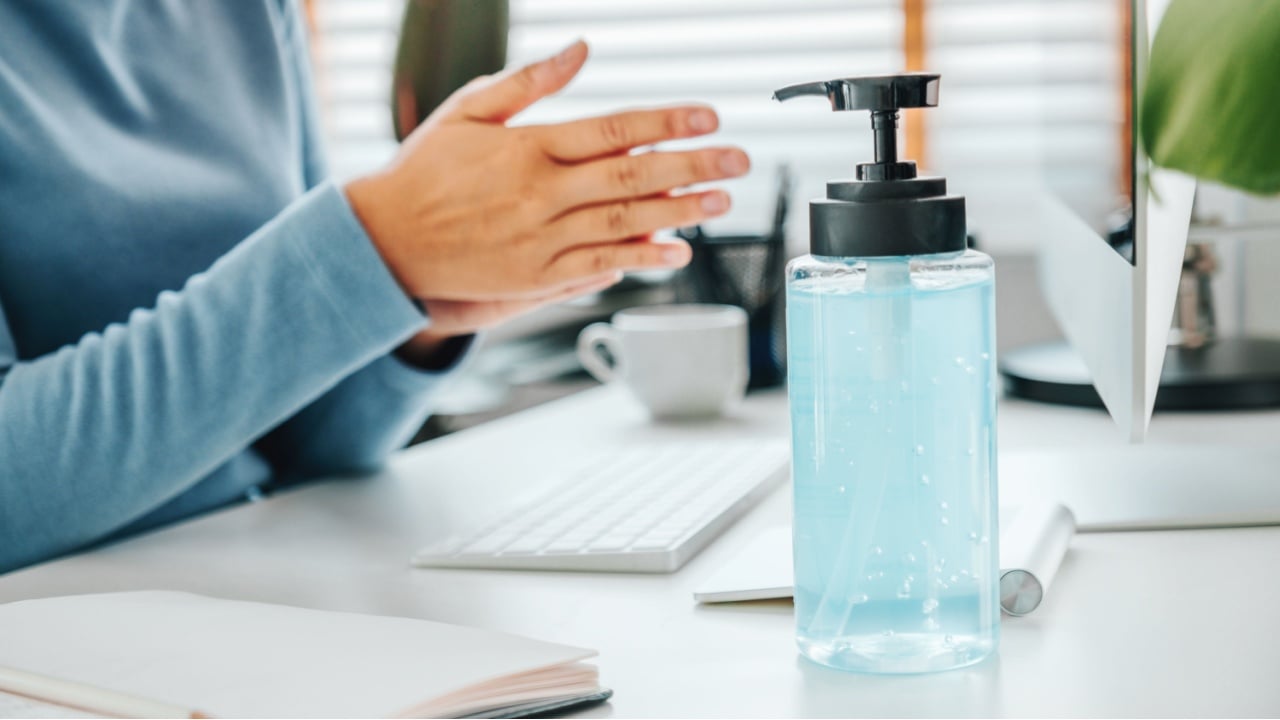
The high alcohol content in hand sanitizer makes it a fire risk if stored near heat. If a large bottle is left in a hot vehicle, the vapors can expand and leak out. If those vapors ignite in a small space, the result is a flash fire or a container failure.
Keep large pump bottles in a cool area away from the stove or sunny windowsills. Smaller bottles for travel are generally fine, but they should still be kept out of direct sunlight. If the liquid looks separated or the bottle feels pressurized, it is time to replace it.
8. Rubbing Alcohol
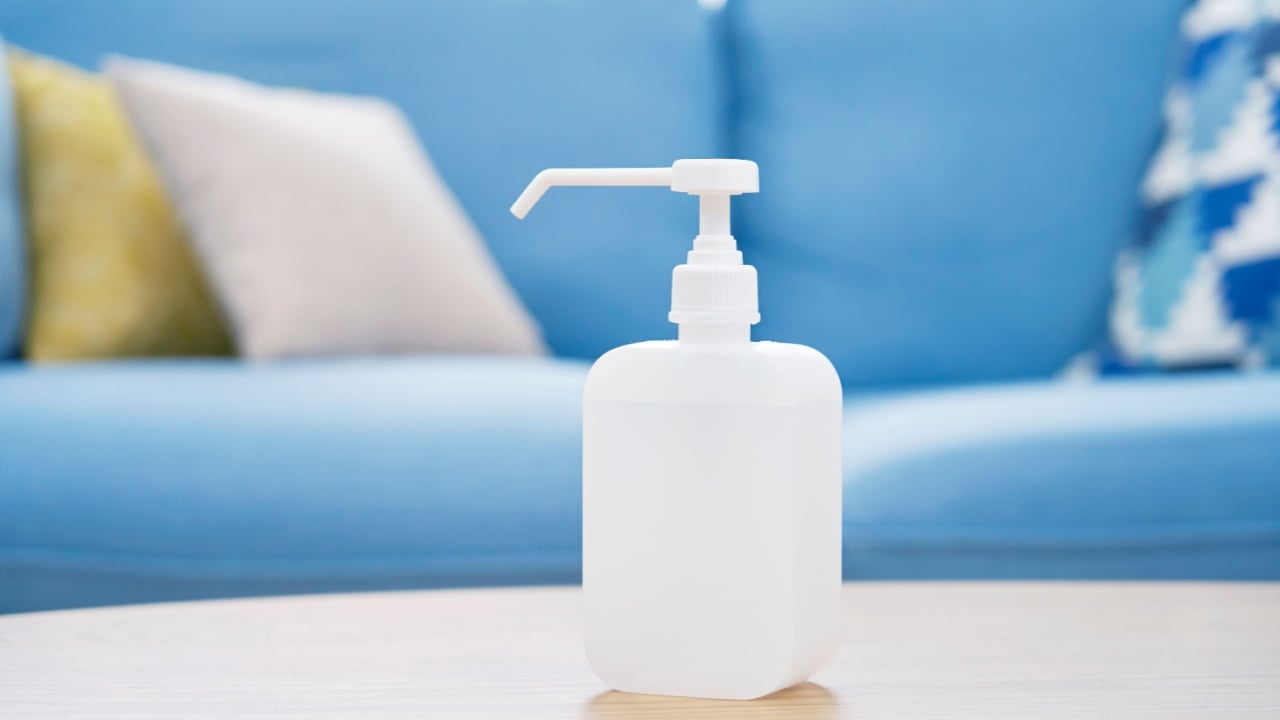
Similar to sanitizer, isopropyl alcohol is extremely volatile and evaporates quickly. It has a low flash point, meaning it can ignite at relatively low temperatures. If stored in a warm utility closet, the pressure inside the bottle increases until the seal fails.
Store the bottle on a low shelf where it stays cooler than at eye level. Always tighten the cap firmly after use to prevent vapors from escaping. If the bottle is stored in a bathroom, make sure it is far away from curling irons or hair dryers that generate heat.
9. Canned Goods
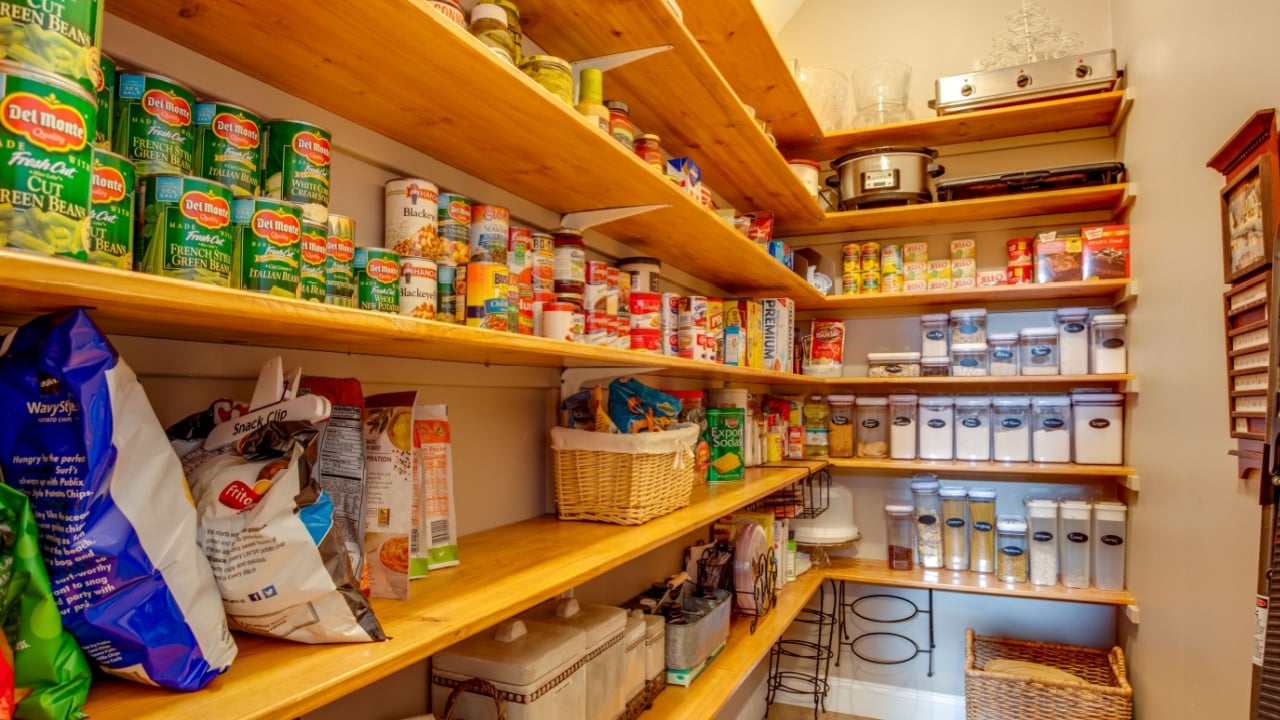
Food cans are vacuum-sealed, but if they are kept in a damp or hot garage, the metal can corrode, or the food inside can spoil. Bacteria like botulism produce gas as they multiply, causing the can to bulge. This pressure can eventually cause the can to burst, spraying spoiled food and bacteria.
Keep the pantry at a steady temperature and rotate the stock so older cans get used first. Never eat from a can that has a rounded top or bottom. If a can is leaking or hissing when opened, it is a sign of internal pressure and should be discarded carefully.
10. Pool Chemicals

Chlorine and other pool treatments are powerful oxidizers. If they get damp or mix with small amounts of water, they can generate heat and gas. If stored in a sealed bucket that isn’t designed for venting, the pressure can cause a violent rupture or start a chemical fire.
Store these in a dedicated, dry shed away from any other chemicals or fuels. Use the original containers and make sure the lids are secure but not airtight if the manufacturer suggests ventilation. Wear gloves when handling these buckets to avoid skin irritation from the dust.
11. Wine

Wine is a living product that continues to evolve in the bottle. If it gets too warm, the liquid expands and pushes against the cork. In extreme cases, the pressure can cause the cork to rocket out or the glass bottle to crack, ruining the wine and creating a mess.
A dark spot with a consistent temperature is the best home for a wine collection. Avoid the top of the refrigerator, as the motor produces heat and constant vibrations that disturb the sediment. If a cork is sticking out slightly, it is a sign that the wine has been exposed to heat and should be checked.
12. Gasoline Cans
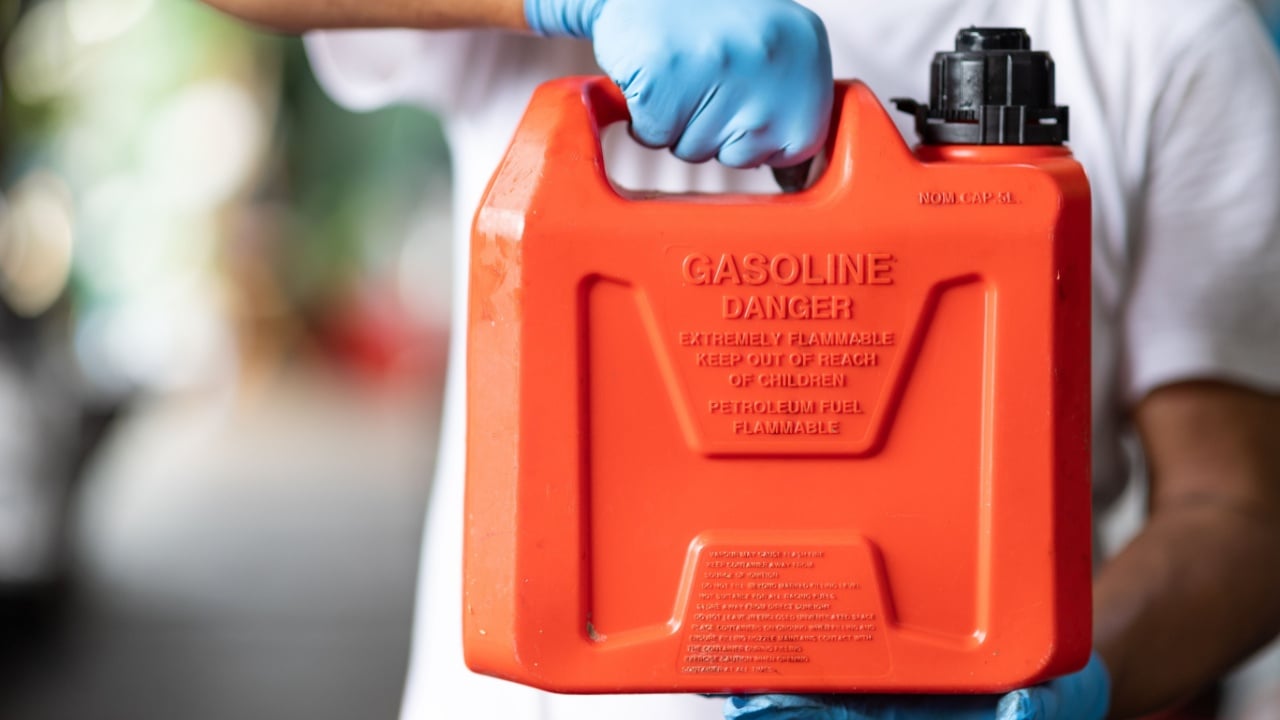
Gasoline is one of the most dangerous liquids in a home environment because it produces heavy vapors that travel along the floor. If a plastic gas can is kept in a hot shed, it will swell up like a balloon. Any spark from a lawnmower or a light switch can ignite those fumes.
Use only approved, heavy-duty containers that feature proper venting mechanisms. Keep them at least fifty feet away from the house if possible, in a detached structure. Never fill a container all the way to the top; leave a bit of space for the fuel to expand as the temperature changes.
13. Fire Extinguishers
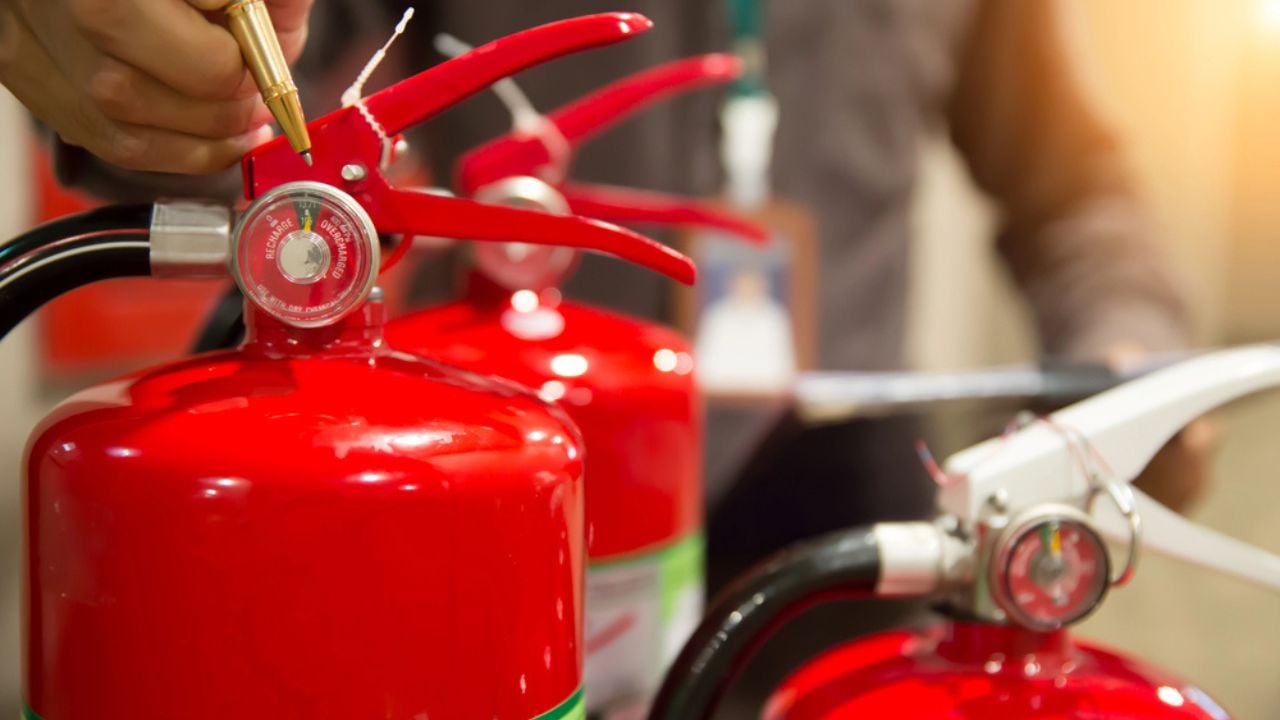
Ironically, a safety tool can be a hazard, but fire extinguishers are high-pressure cylinders. If they are very old or stored in a place where they get hit or dropped, the structural integrity of the metal weakens. Extreme heat can also cause the internal pressure to exceed the safety limits of the valve.
Mount extinguishers on the wall in an accessible spot away from direct heat sources like the oven. Check the pressure gauge once a month to see if the needle is still in the green zone. If the cylinder shows signs of rust or deep scratches, it needs to be replaced or professionally inspected.
14. Computer Monitors

Old-style monitors and some modern screens contain components that hold a vacuum or high-pressure gases. If the screen is hit or if the internal electronics overheat significantly, the vacuum can fail. This results in an implosion, which sounds like a loud bang and sends glass flying inward before it bounces back out.
Keep screens on stable surfaces where they cannot be easily knocked over by pets or children. Clean them with a dry cloth or approved cleaners to avoid liquid seeping into the electronics. If a screen flickers or smells like burning plastic, unplug it and move it to a safe area until it can be repaired.
Read More: