14 Freezer Storage Habits Killing Your Food’s Flavor (and Your Savings)
Properly managing your freezer is more than just shoving bags of frozen peas into a plastic bin and crossing your fingers. Most of us end up losing hundreds of dollars in food every year due to simple mistakes that lead to freezer burn or spoiled textures.
Experts from Martha Stewart’s website say that most freezer “failures” usually come down to bad airflow and even worse packaging. Making a few small tweaks to your temperature settings and choosing the right containers can stop those common pitfalls before they start. Once you get the hang of how things like heat transfer work, you can keep your ingredients tasting fresh for months instead of just a week or two.
Let’s explore fourteen big mistakes that lead to wasted food and a lighter wallet. Each section breaks down exactly why the problem happens and gives you an easy, actionable fix you can do right now.
A quick audit of your current stash is all it takes to start saving money and making your weeknight dinners a whole lot easier.
1. Using Glass Jars That Are Not Freezer Safe

Standard glass jars often shatter when the contents expand during the freezing process. This creates a dangerous mess and ruins the entire batch of food. Selecting jars specifically labeled as tempered or freezer safe prevents these structural failures.
Always look for jars with straight sides rather than shoulders to allow contents to move upward as they turn to ice.
Leave at least an inch of headspace at the top of the container to accommodate expansion. If using wide-mouth mason jars, wait until the food is completely solid before tightening the lid all the way. This method prevents pressure buildup that leads to cracks.
2. Neglecting to Label and Date Everything
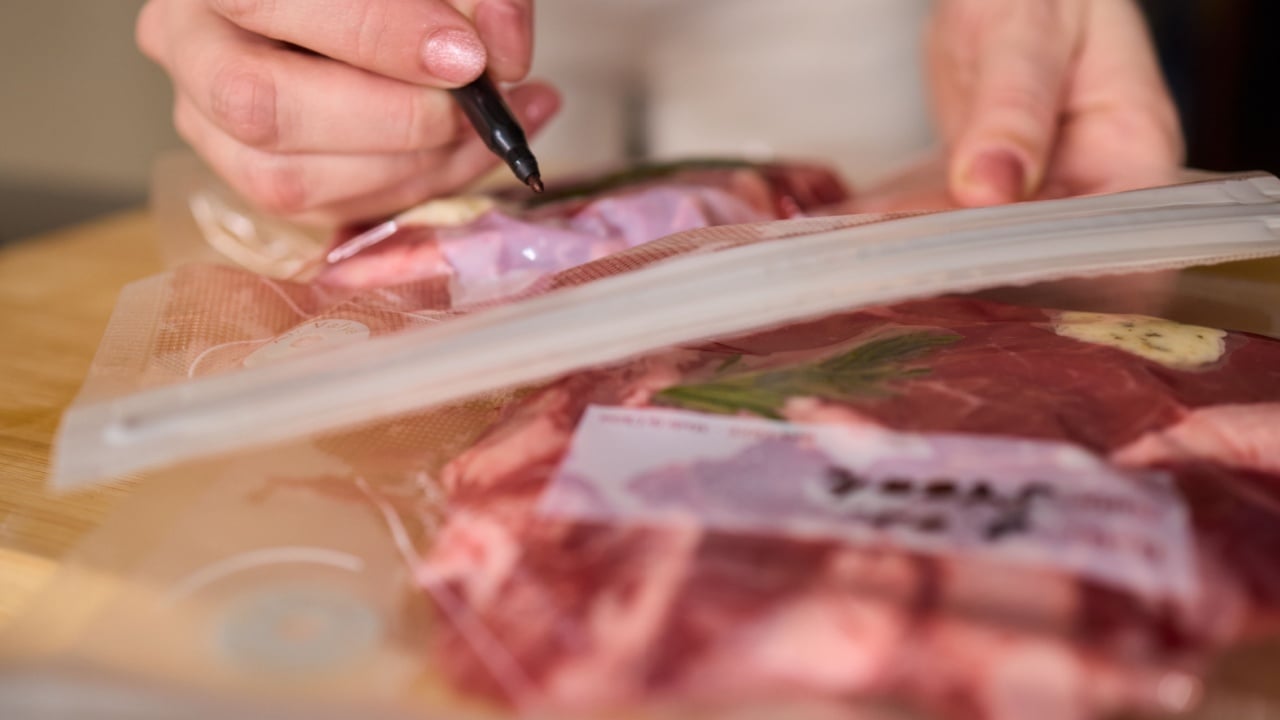
Mystery containers are the primary cause of food waste in the freezer. Items often look identical once they are frozen solid, leading to confusion over whether a bag contains chicken stock or apple juice.
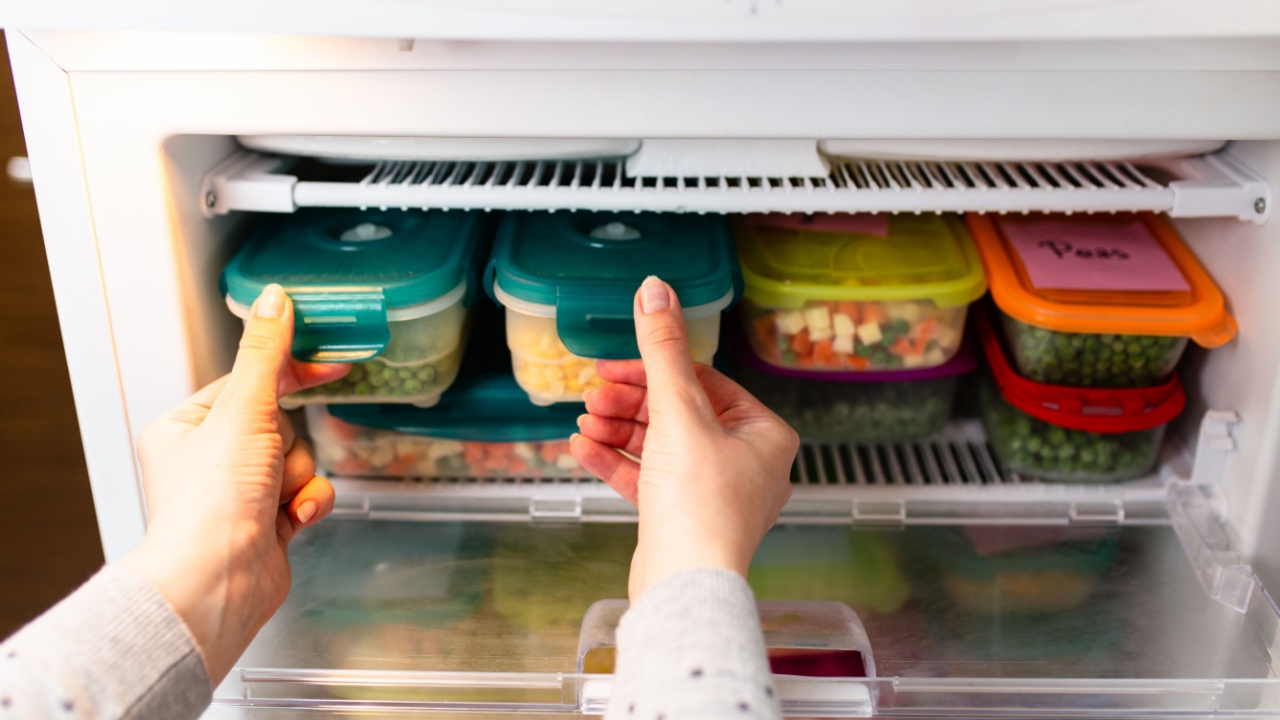
Using a permanent marker and freezer tape to clearly mark the contents and the date of entry prevents guesswork.
Organize the freezer so that the oldest items remain at the front or on top of the pile. This first-in-first-out system guarantees that nothing sits at the bottom of the bin for years. Make a habit of checking labels every time the door opens to plan upcoming meals around older stock.
3. Storing Food in Containers That Are Too Large
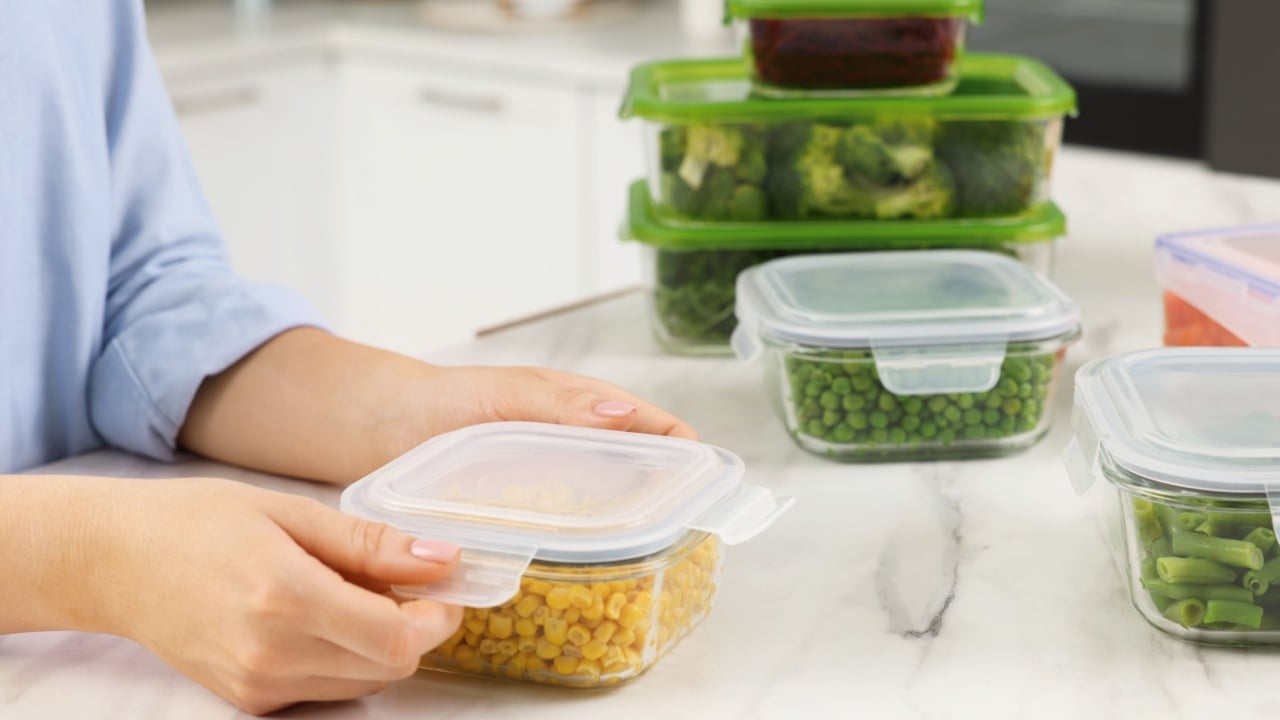
Excess air inside a container is the enemy of quality frozen food. When a small amount of leftovers sits in a large tub, the space allows moisture to escape from the food and turn into ice crystals.
This process results in a tough, dry texture that makes the meal unappealing after reheating.
Match the size of the container to the volume of the food as closely as possible. For items like soups or stews, filling the container nearly to the top reduces the air gap. Consider using freezer bags and squeezing out all the air before sealing to create a vacuum effect.
4. Putting Hot Food Directly Into the Freezer
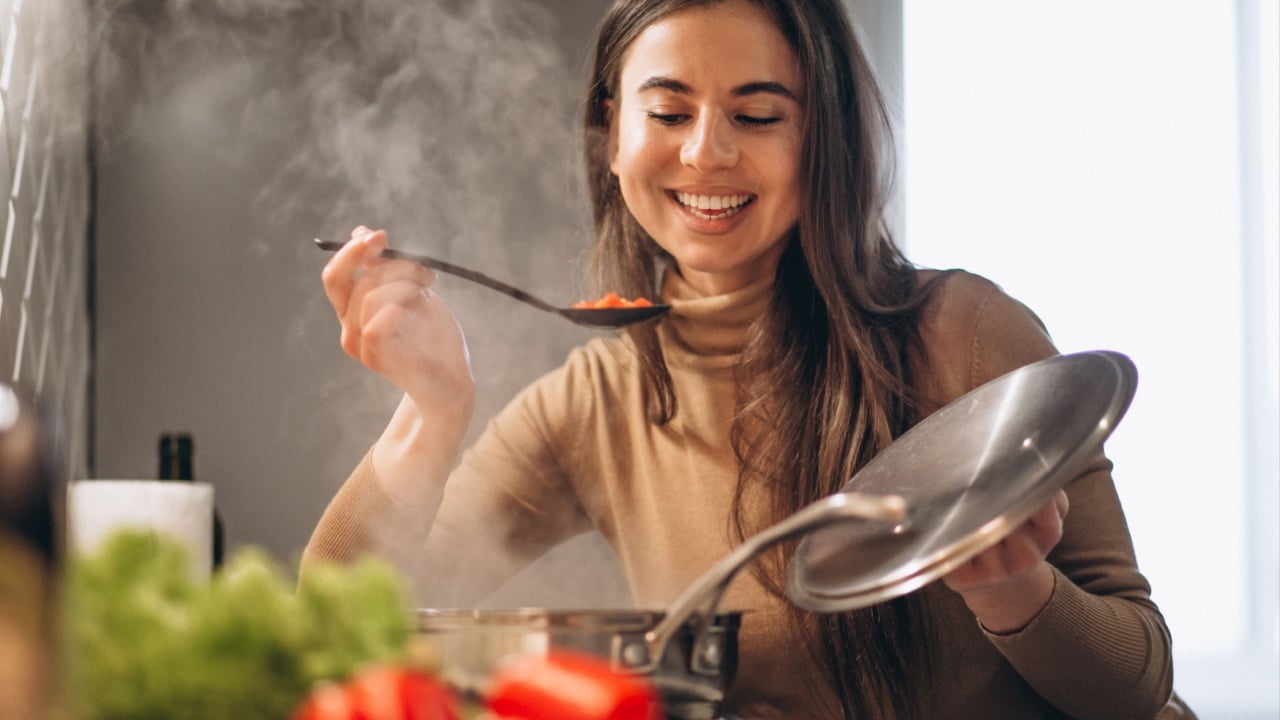
Placing a steaming pot of chili into the freezer raises the internal temperature of the entire unit. This spike in heat can partially thaw surrounding items like ice cream or delicate meats, compromising their safety and texture.
The freezer has to work much harder to recover its set temperature, which increases energy bills.
Cool all cooked dishes to room temperature or chill them in the refrigerator before moving them to long-term cold storage. Placing a pot in an ice bath speeds up the cooling process safely. This extra step protects the integrity of everything else already stored in the freezer.
5. Overcrowding the Shelves
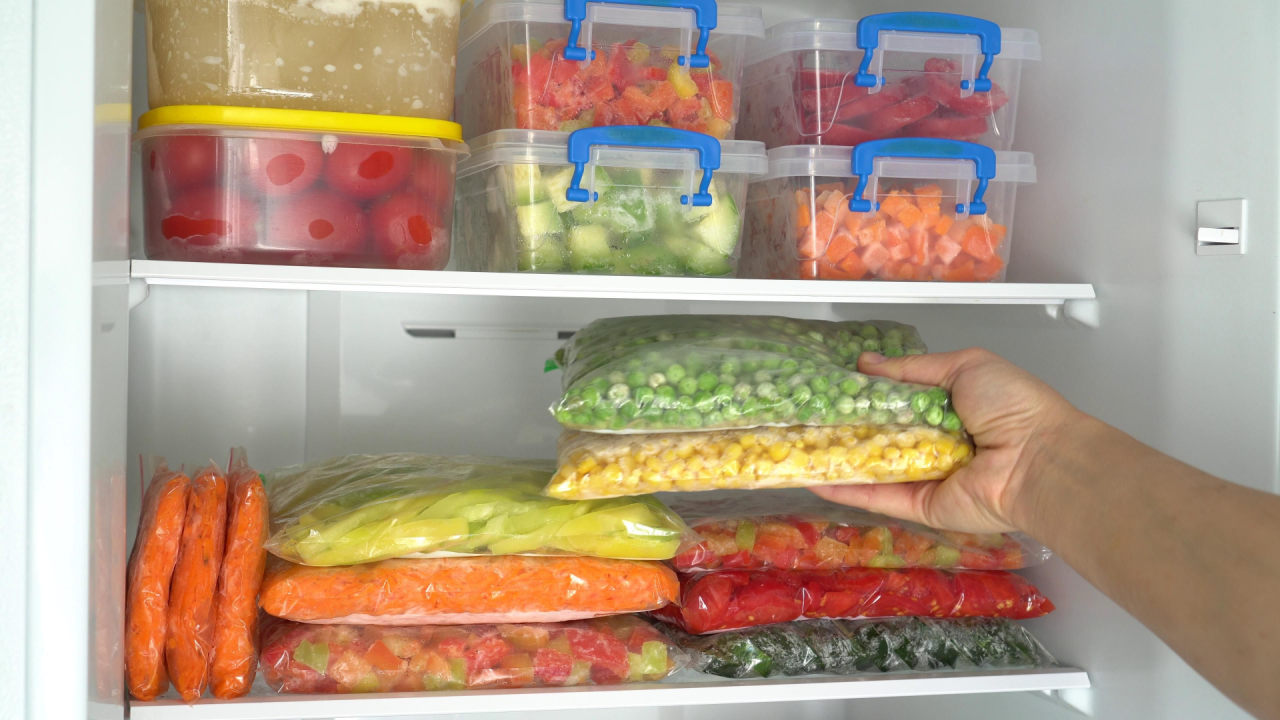
Freezers require consistent air circulation to maintain a steady temperature throughout the compartment. Shoving too many items inside blocks the vents and prevents the cooling system from reaching every corner.
This creates warm spots where food might not stay frozen solid, leading to faster spoilage.
Aim to keep the freezer about seventy-five percent full for maximum efficiency. If the unit is too empty, it loses cold air every time the door opens. If it is too full, the air stays still. Balance the load by removing unnecessary packaging or boxes that take up too much room.
6. Not Using Freezer-Specific Bags
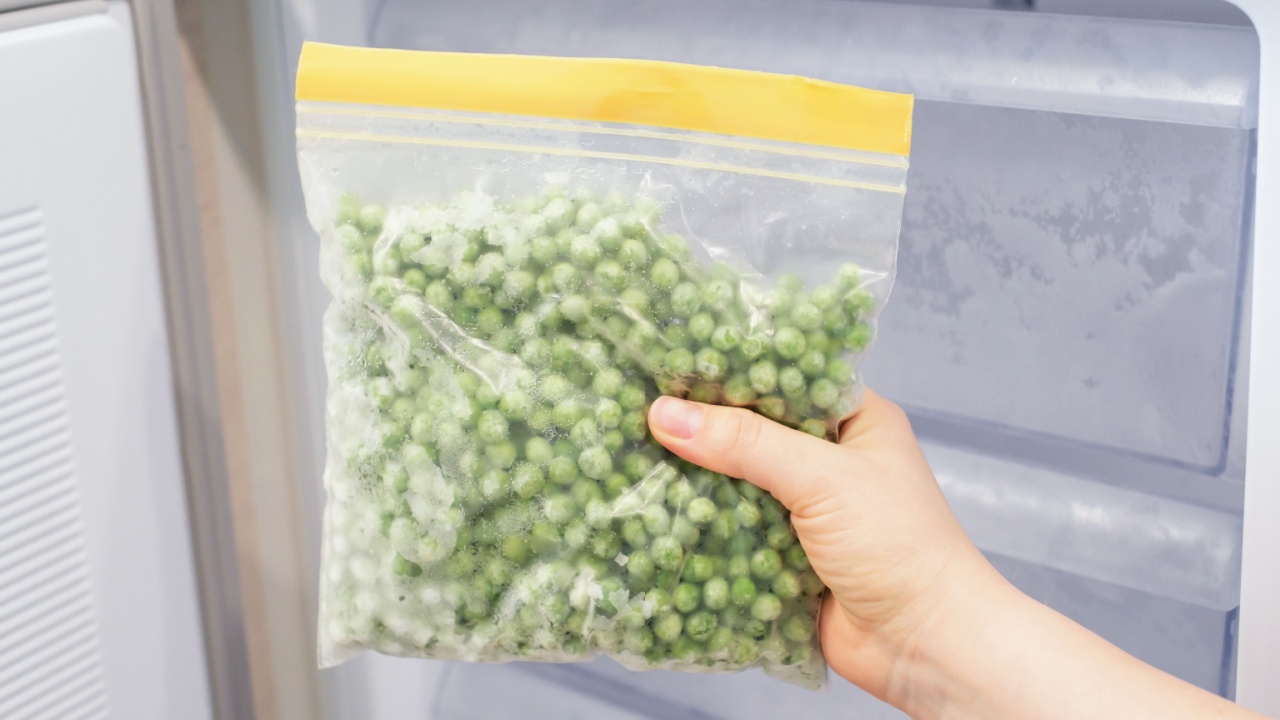
Regular sandwich bags are too thin to provide a real barrier against the harsh environment of a freezer. They allow oxygen to permeate the plastic, which causes freezer burn and off flavors. Heavy-duty freezer bags are designed with thicker walls to keep moisture in and air out.
Double wrapping items provides an extra layer of protection for expensive cuts of meat.
Wrap the food tightly in plastic wrap or foil before sliding it into a labeled freezer bag. Pressing the bag flat also helps items freeze faster and stack more efficiently.
7. Refreezing Thawed Meat Multiple Times
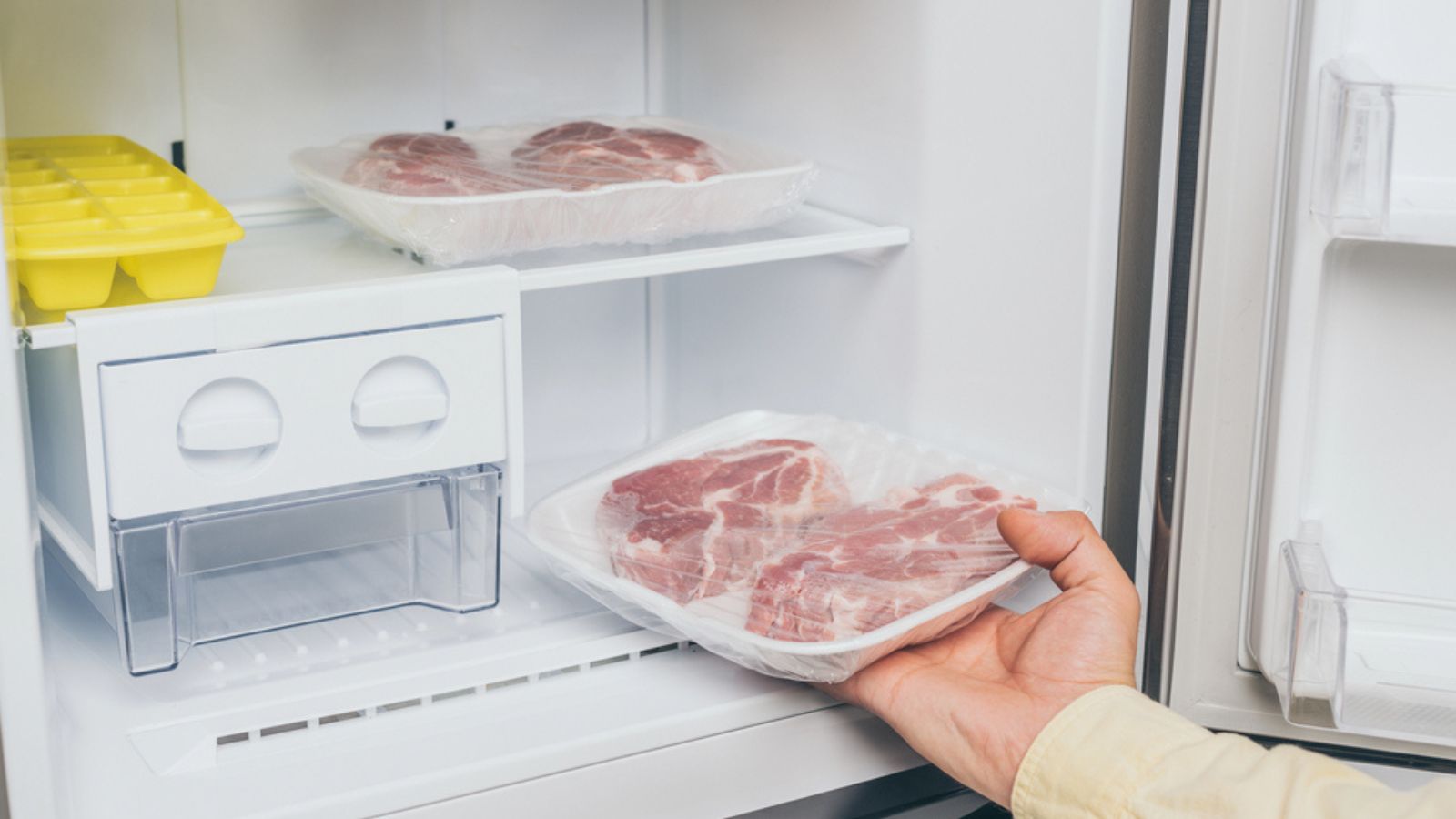
Each time meat thaws and refreezes, the ice crystals break down the cellular structure of the protein. This results in a grainy, mushy texture and a significant loss of moisture when the meat is finally cooked.
Frequent temperature changes also increase the risk of bacterial growth if the meat stays in the danger zone too long.
Portion out large packages of meat into single meal sizes before freezing them the first time. This allows for defrosting only what is needed for dinner. If meat has been thawed in the refrigerator, cook it immediately rather than putting it back into the freezer raw.
8. Forgetting to Blanch Vegetables First
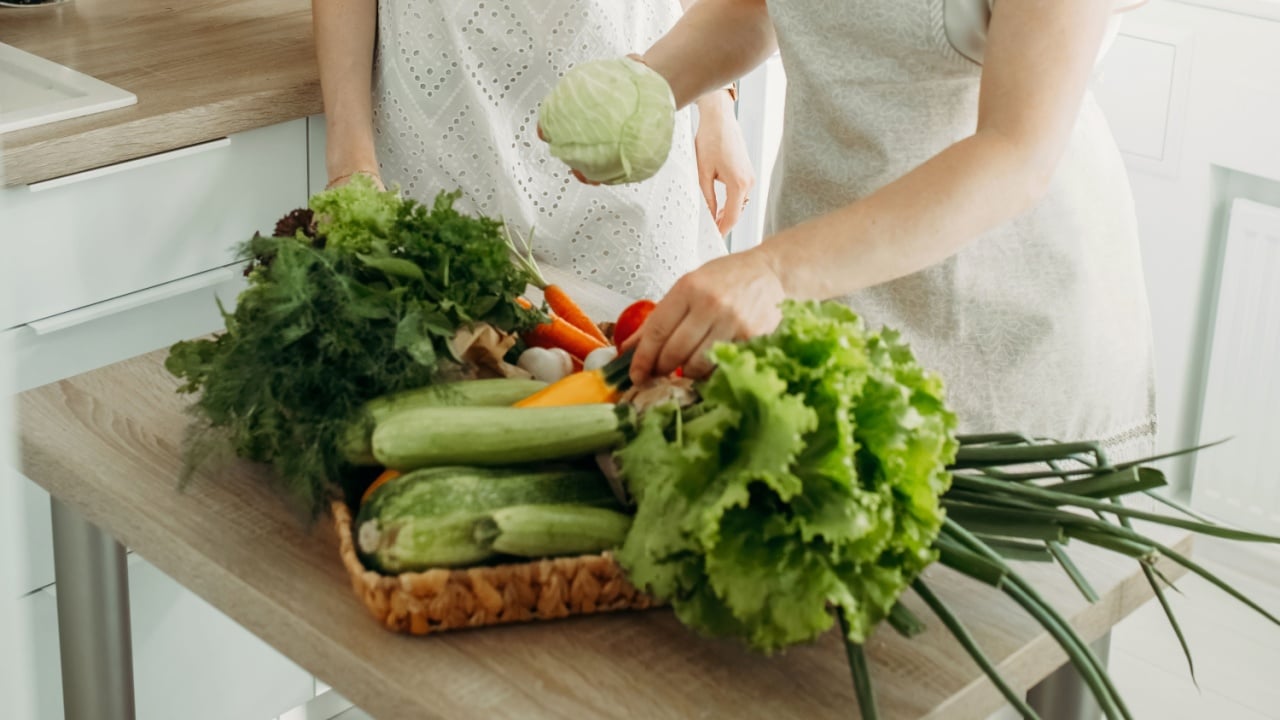
Tossing raw vegetables directly into the freezer leads to a loss of color, flavor, and nutrients. Natural enzymes in produce continue to work even at low temperatures, causing the veggies to become tough or bitter.
A quick dip in boiling water followed by an ice bath stops these enzymes in their tracks.
Dry the blanched vegetables thoroughly before freezing to prevent them from clumping together into a giant block. Spread them out on a baking sheet to freeze individually before transferring them to a bag. This makes it easy to grab just a handful of broccoli or carrots for a recipe.
9. Storing Items in the Freezer Door
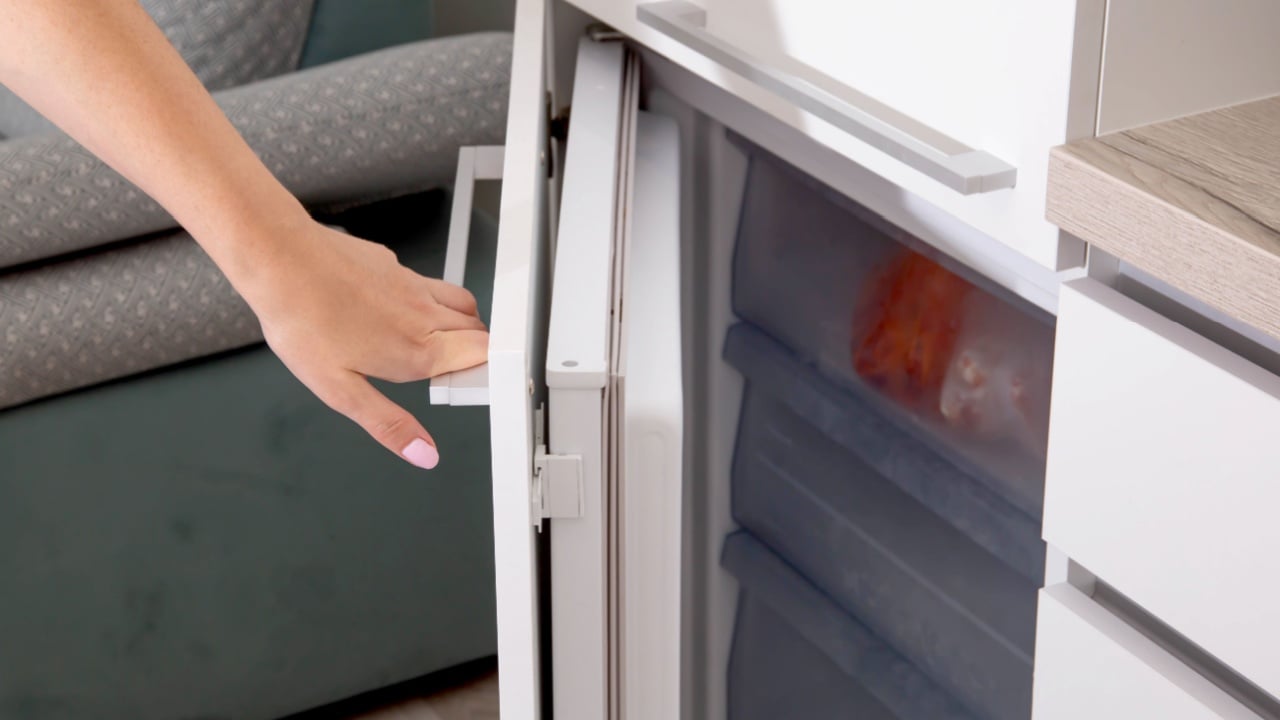
The door is the warmest part of the freezer because it is exposed to room temperature air every time it opens. Items stored here are subject to constant temperature fluctuations that degrade quality.
Keeping sensitive foods like meat or seafood in the door is a recipe for fast freezer burn.
Use the door for items that are less sensitive to temperature changes, such as bags of ice or flour. Move meats, vegetables, and prepped meals to the back of the main shelves where the temperature is most stable. This simple shift extends the shelf life of the most expensive ingredients.
10. Ignoring the Freezer Burn Signs
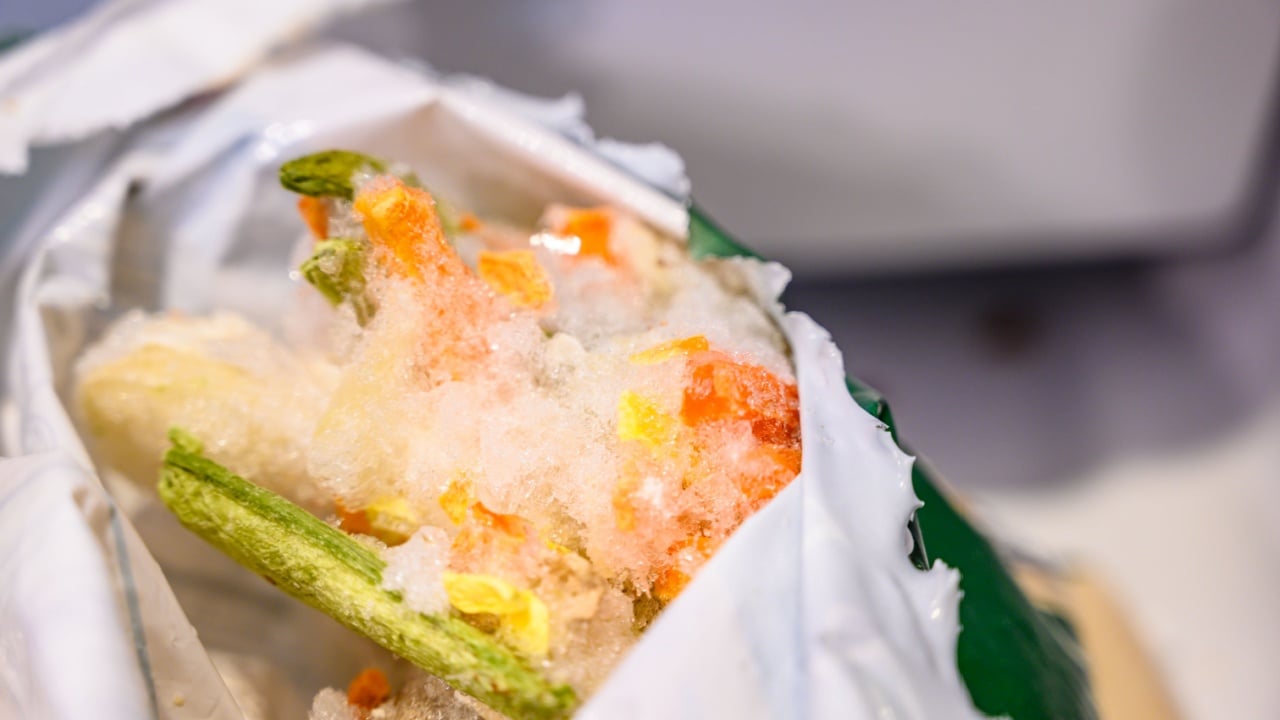
Freezer burn appears as white, dried-out patches on the surface of food. While it is technically safe to eat, the texture is often leather-like, and the taste is stale.
Many people ignore these signs and continue to store food improperly, leading to even more waste.
If freezer burn appears, it is a signal that the packaging is failing or the item has been stored too long. Trim away the burned sections before cooking to improve the final flavor. Check the seals on your bags and containers to prevent the same issue from happening to new items.
11. Failing to Organize by Category
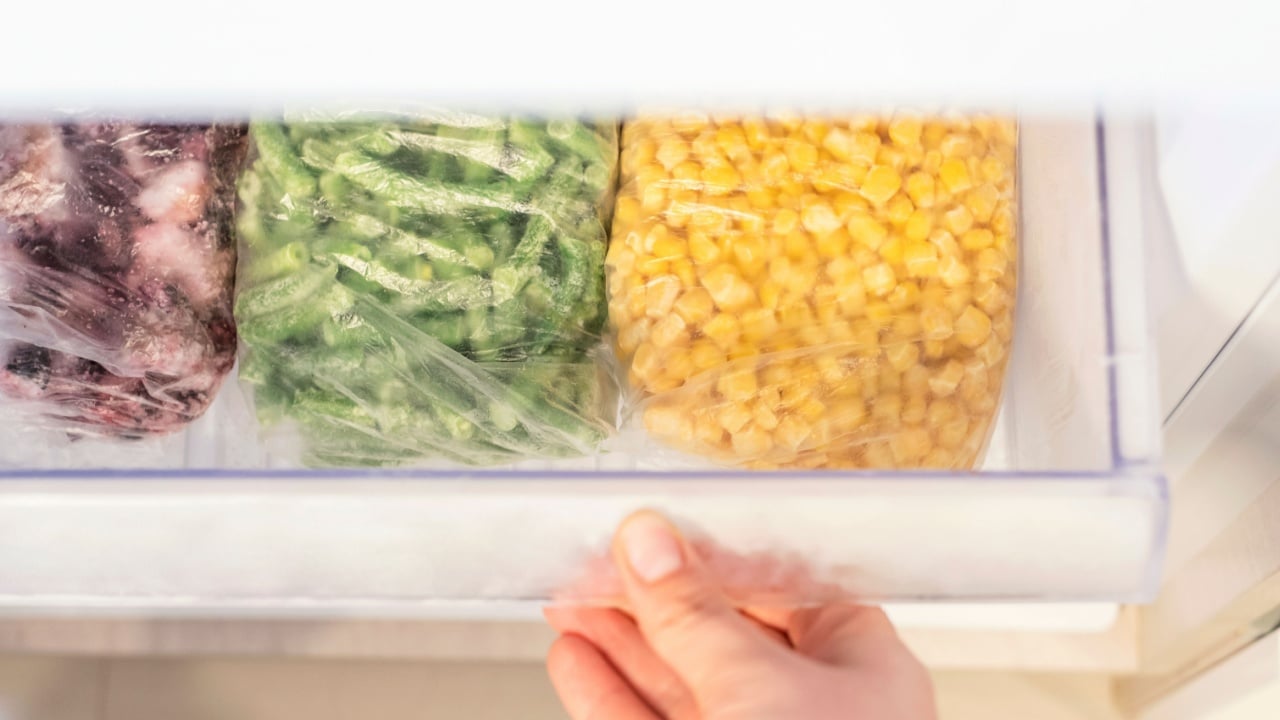
Digging through a mountain of frozen goods keeps the door open longer than necessary and wastes energy. Without a clear organization system, items are forgotten at the bottom and eventually discarded.
Categorizing the freezer into zones makes it easy to find what is needed in seconds.
Use clear bins to group similar items like frozen fruits, meats, or easy weeknight meals. Label the bins so every household member knows where things belong. A quick inventory list tacked to the front of the freezer helps track what needs to be used up.
12. Leaving the Freezer Door Ajar
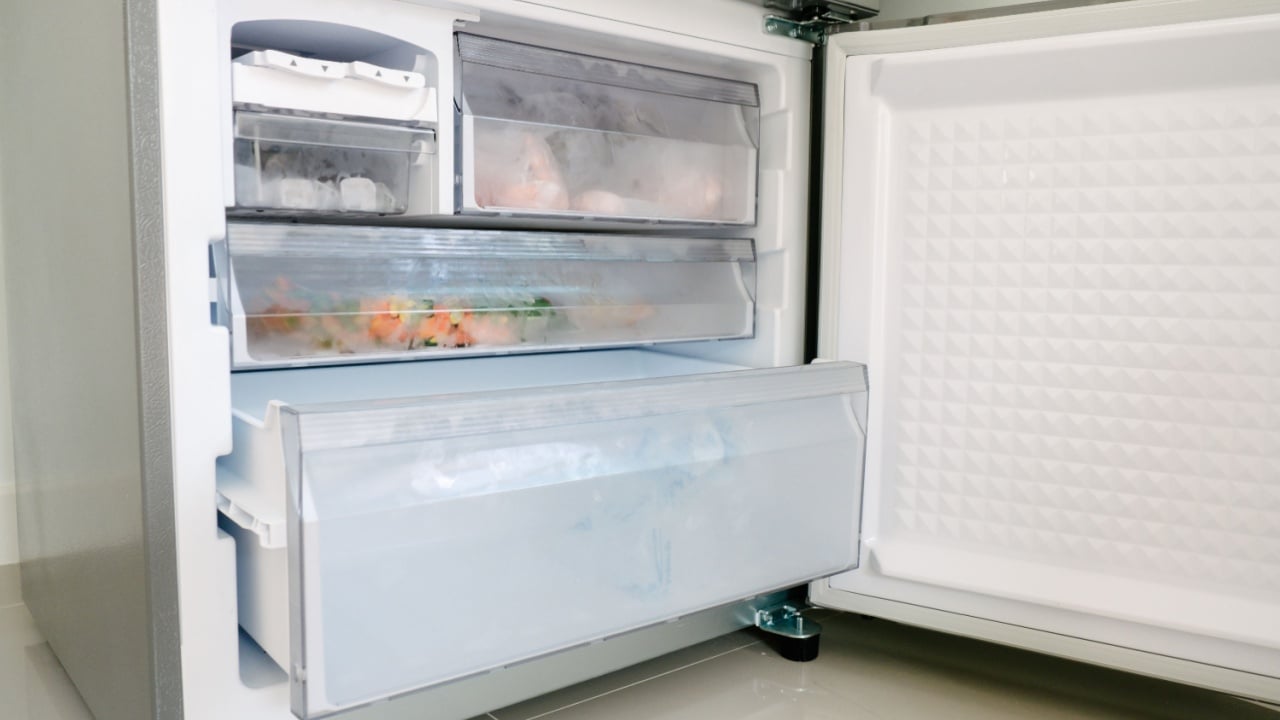
A door that does not seal properly allows frost to build up rapidly on the walls and the food. This frost acts as an insulator, making the cooling system work harder and less effectively.
Even a tiny gap can cause the internal temperature to rise enough to soften frozen goods.
Check the rubber gaskets regularly for crumbs or spills that might prevent a tight seal. Wipe the seals down with warm, soapy water to keep them pliable and clean. If the door feels loose, it might be time to replace the gasket to save on energy costs.
13. Not Using an Independent Thermometer
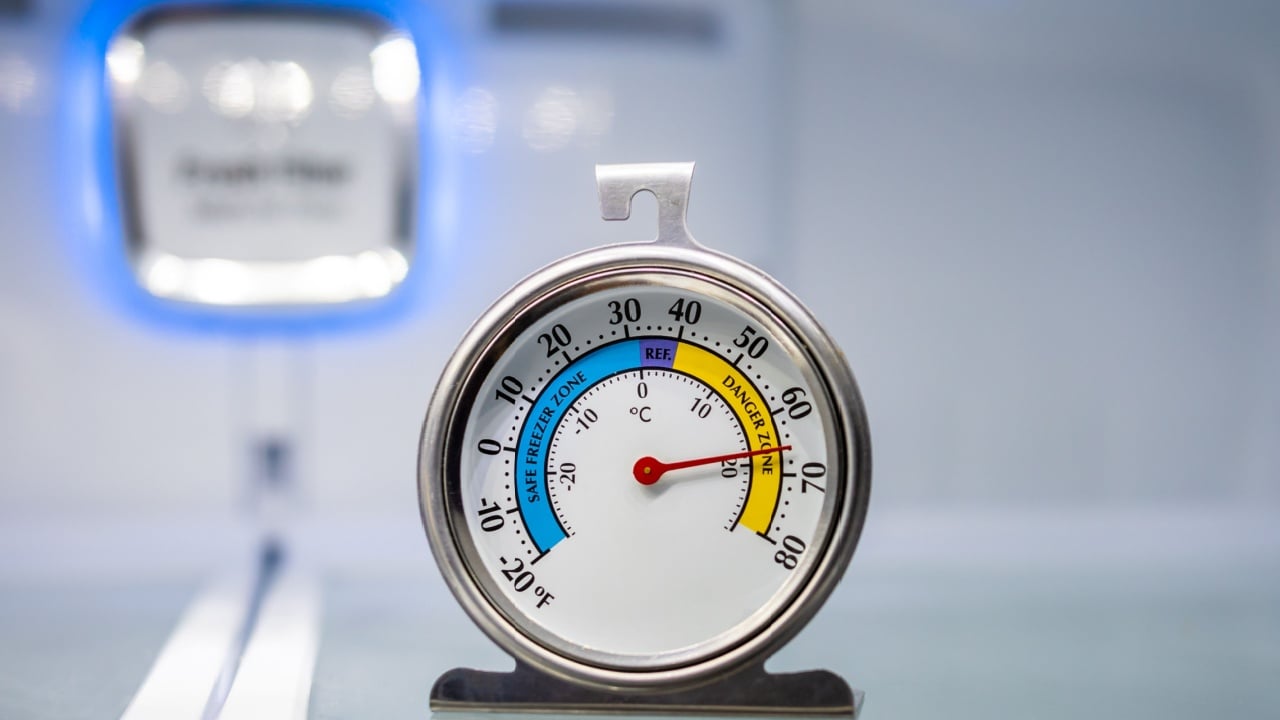
The built-in settings on most freezers are often inaccurate or lack specific temperature readings. Relying on a dial that goes from one to ten does not guarantee the food is at the recommended zero degrees Fahrenheit.
Food stays fresh much longer when stored at a consistent, verified temperature.
Hang a dedicated freezer thermometer in a visible spot near the front. Check the reading once a week to catch any mechanical issues before the food begins to thaw. If the temperature stays above zero, adjust the settings or clear the air vents to improve cooling.
14. Freezing Large Batches in One Solid Block
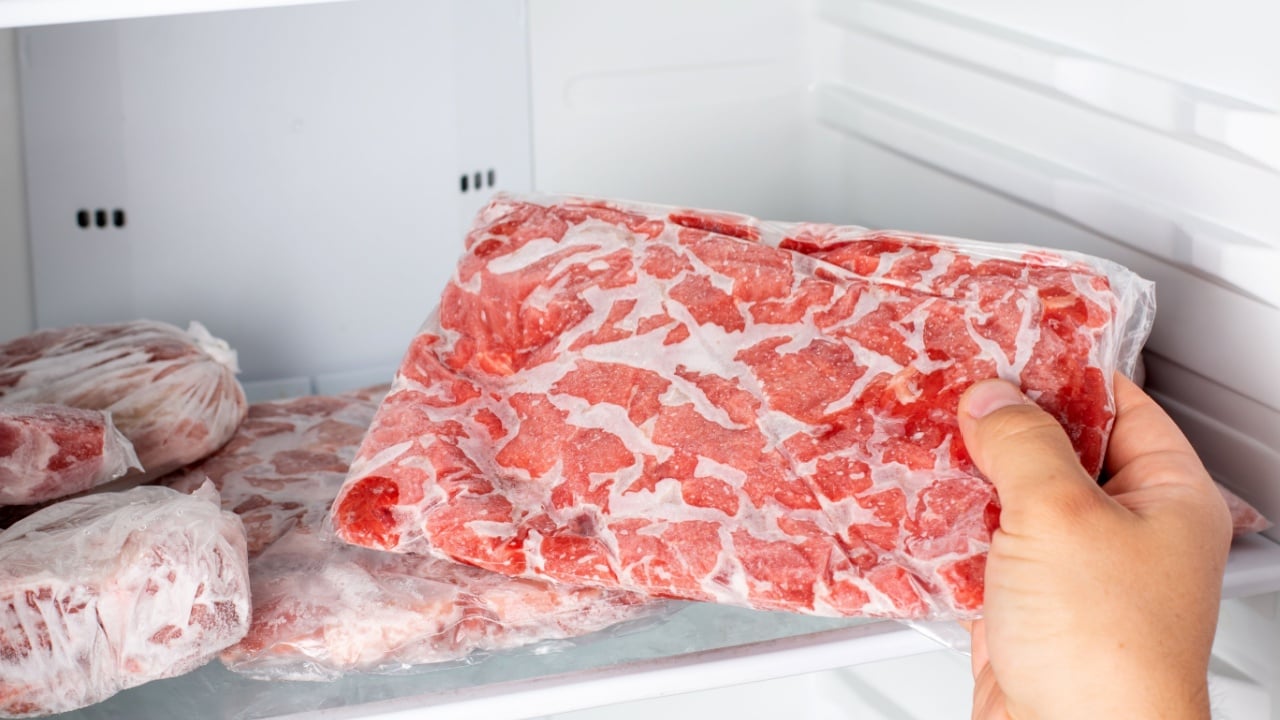
Freezing a massive gallon of soup or a five-pound log of ground beef makes it impossible to use just a little bit. It also takes a very long time for the center of a large mass to freeze, which can allow spoilage in the middle.
Small portions freeze faster and maintain better quality.
Use silicone molds or ice cube trays to freeze small portions of sauces, herbs, or broth. Once frozen, pop the cubes into a freezer bag for easy grabbing. This method allows for precise measurements and significantly reduces the time needed for defrosting.
A Smarter Freezer Starts Here
Taking control of these fourteen habits saves money and keeps meals closer to their original taste and texture. A quick review of what is already in the freezer can reveal what needs to be used soon and what should be replaced.
Begin with a short cleanout. Discard anything unrecognizable, then group similar items together so nothing gets buried. Add proper storage bags, sturdy containers, and a marker for labeling. With a clear layout and a simple routine, the freezer becomes easier to manage and far more reliable for daily cooking.
Read More: