17 Biggest Mistakes You Are Making When Transplanting Seedlings
April is the cruelest month in the vegetable garden. Not because of unpredictable weather, but because of what happens in the six feet between your back door and your raised bed.
Transplanting is the most decisive moment in the entire growing season. Every week of careful seed starting either pays off here or unravels here, and the mistakes that kill seedlings are rarely dramatic.
They are small, fixable, and entirely avoidable, once you know what they are.
If you have ever lost a flat of tomatoes to a mysterious collapse, watched peppers sit and sulk for weeks after going in the ground, or pulled up a seemingly healthy transplant only to find roots still coiled in the shape of the cell it came from, this list is for you.
1. Never Skip Hardening Off
This is the mistake that kills more seedlings every spring than any other, and it costs gardeners both their plants and the six to eight weeks they invested growing them.
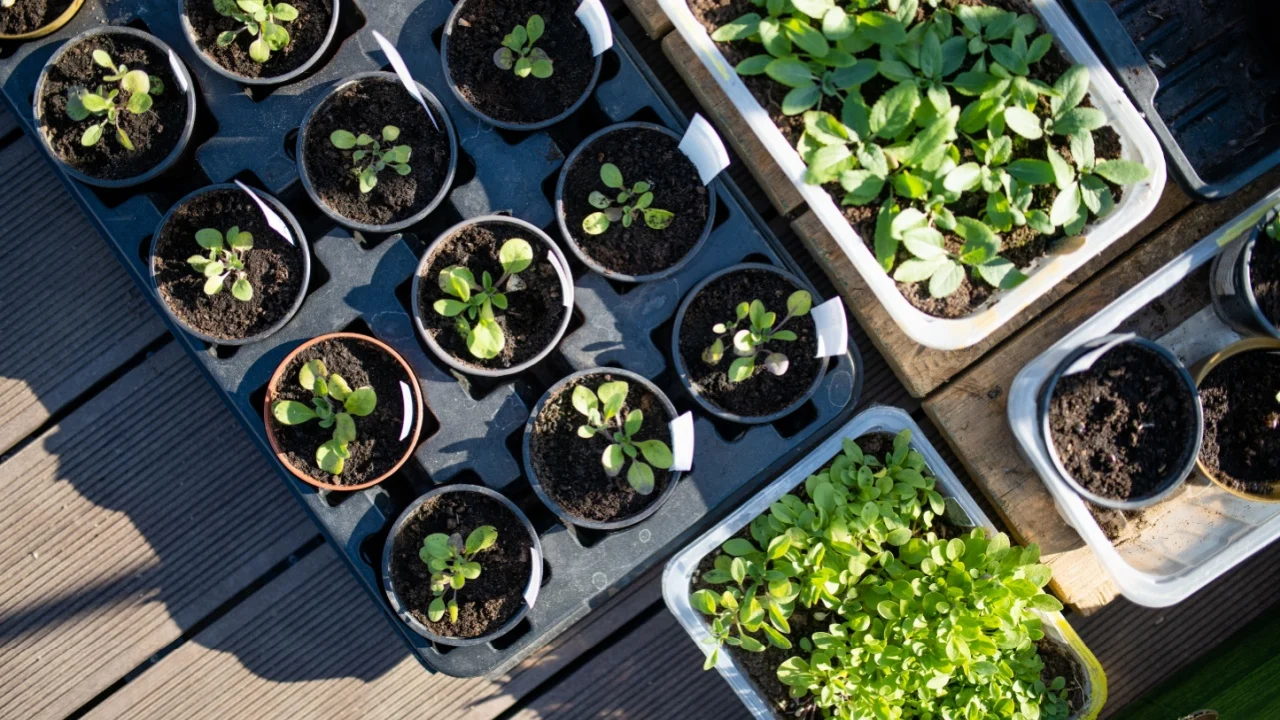
Hardening off is the process of gradually introducing indoor-grown seedlings to outdoor conditions, including direct sun, wind, fluctuating temperatures, and low humidity, before they go in the ground permanently. Seedlings grown under lights or in a greenhouse have never experienced any of these stresses. Moving them directly outside is the botanical equivalent of sending someone from a climate-controlled office into a desert at noon.
Tiffany Selvey, Master Gardener and Garden Editor at House Digest, explains it directly: for gardeners transplanting seedlings started indoors, skipping the vital step of hardening off before placing them in the ground can be detrimental. She recommends beginning about two weeks before transplanting, starting with a shaded spot for a few hours each day and incrementally increasing sun and wind exposure.
If your schedule is tight, even three to five days of partial outdoor exposure is meaningfully better than none. Seedlings purchased from a nursery or garden center are typically already hardened off and are ready to plant, but it’s always wise to ask just in case.
2. Stop Transplanting in the Middle of the Day
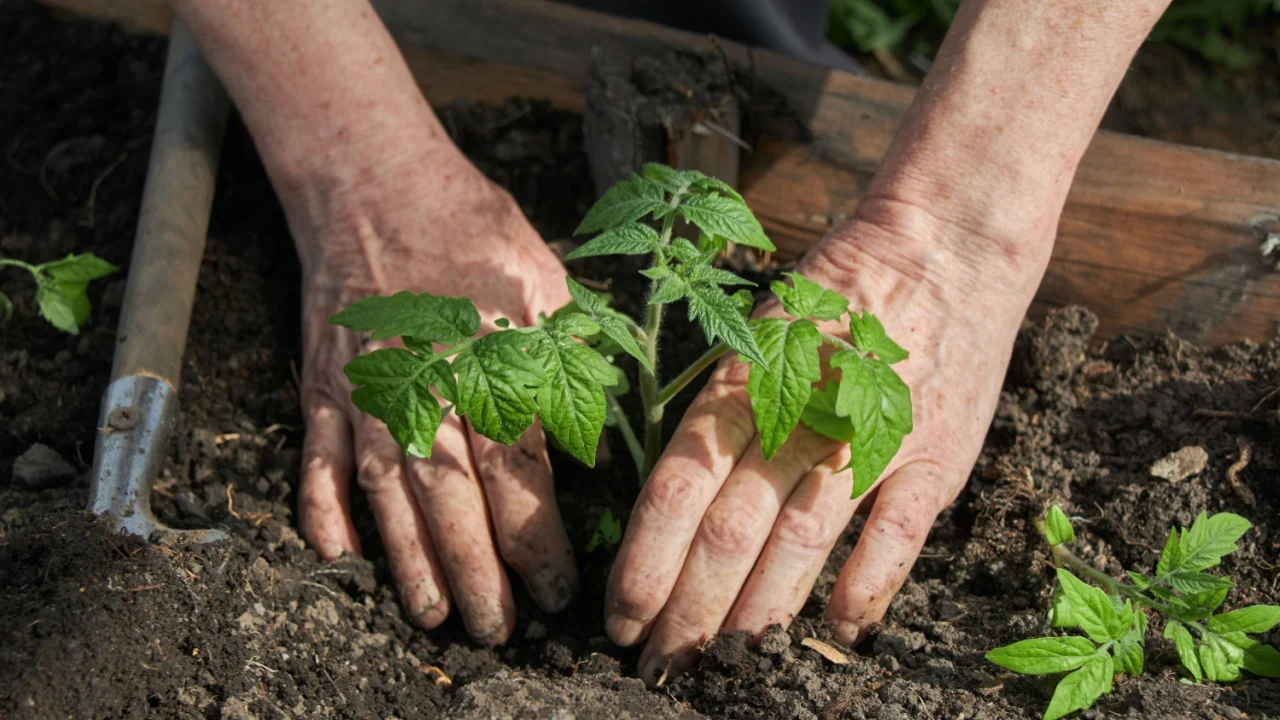
If hardening off is the most serious mistake to avoid, transplanting at noon on a sunny afternoon is a close second. According to Gardening.org, early morning and late afternoon are the ideal transplanting windows; a naturally overcast day is even better.
There is real wisdom in the old-timer approach of transplanting at dusk. Experienced gardeners of previous generations rarely moved plants during the heat of the day, and what they understood intuitively, modern horticulture has confirmed: seedlings that go into the ground in the evening have an entire cool night to begin settling before facing any sun.
3. Don’t Trust the Frost Date Alone. Check the 10-Day Forecast

The date printed on your planting calendar is a regional average, not a guarantee, and treating it as a firm deadline is one of the most expensive transplanting mistakes a home gardener can make.
Cornell University’s Dr. Steve Reiners writes that warm-season crops need consistent nighttime temperatures above 50 degrees F before going in the ground. Even a single cold snap below that threshold can slow establishment dramatically, setting back your harvest by two weeks or more. Before transplanting tomatoes, peppers, squash, or basil this April, check a 10-day weather forecast, not just the calendar.
Cool-season crops like cabbage, spinach, and broccoli operate on opposite logic: they can go out two to four weeks before your last frost date and actually perform better in cool conditions.
4. Never Plant Into Unprepared Soil
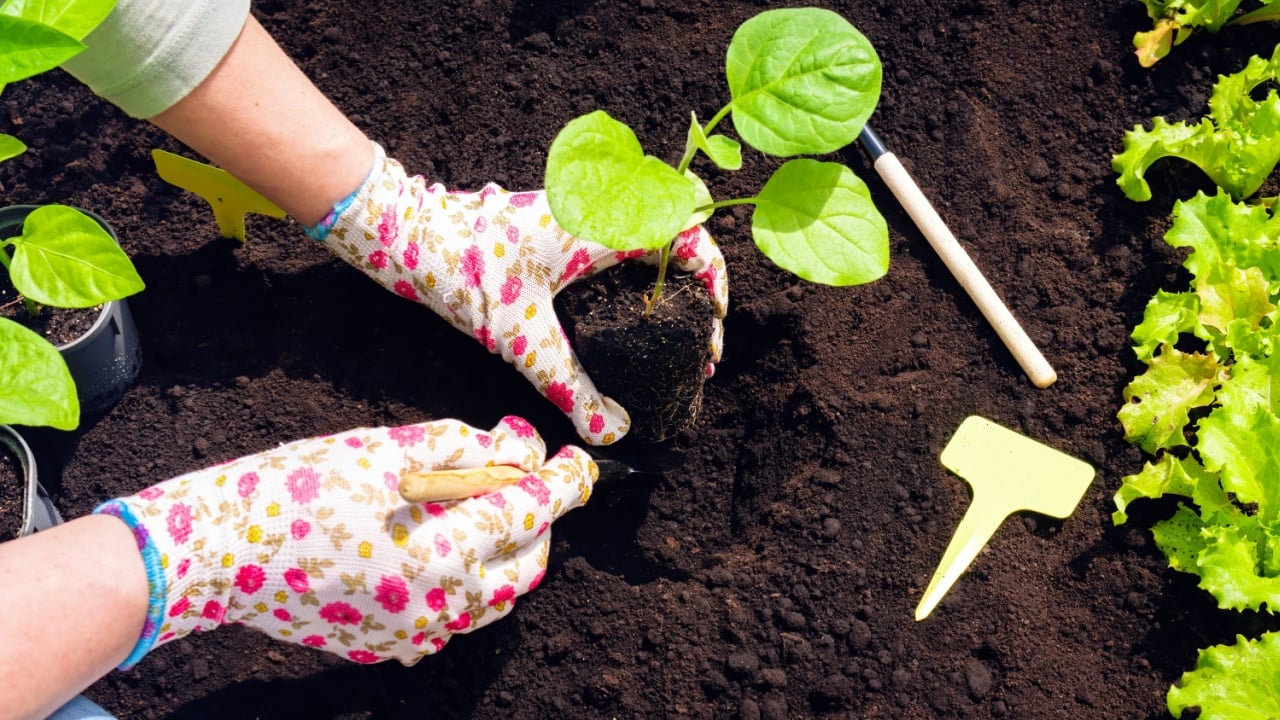
A seedling placed into hard, compacted, or nutrient-depleted soil has almost no chance of establishing well. According to Epic Gardening, soil preparation before transplanting should include loosening the top 8 to 12 inches with a fork or broadfork, then mixing in finished compost to improve aeration, add beneficial microbes, and confirm the bed drains well.
Purdue Extension flags a specific mistake that is particularly common in gardens with heavy clay: adding a lighter soil or peat moss directly into the planting hole. The contrast in texture creates what soil scientists call the bathtub effect, in which water pools inside the softer pocket and suffocates the roots from below. When planting into heavy clay, always backfill with the same native soil.
5. Stop Ignoring Root-Bound Seedlings
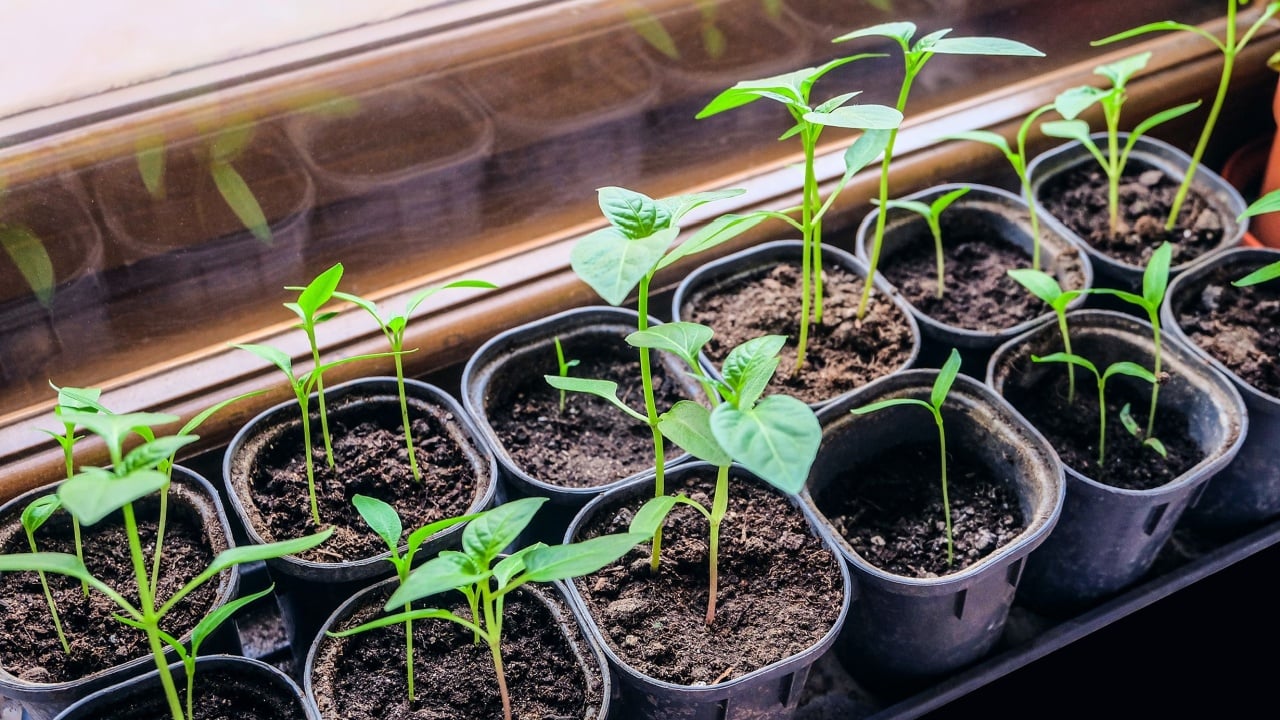
If your seedlings have been in their starting cells a few weeks longer than planned, their roots may have begun circling the container wall. This is one of the most consequential and most overlooked problems in transplanting.
Unless you gently loosen those circling roots before planting, they will continue growing in that same circular pattern underground rather than spreading outward into the soil. Root-bound seedlings that go into the ground without intervention often remain stunted for the entire season, even when planted into perfect soil with ideal care. Before transplanting any seedling that has been in its cell longer than six weeks, gently loosen the bottom and sides of the rootball with your fingers.
6. Never Transplant Without Watering First
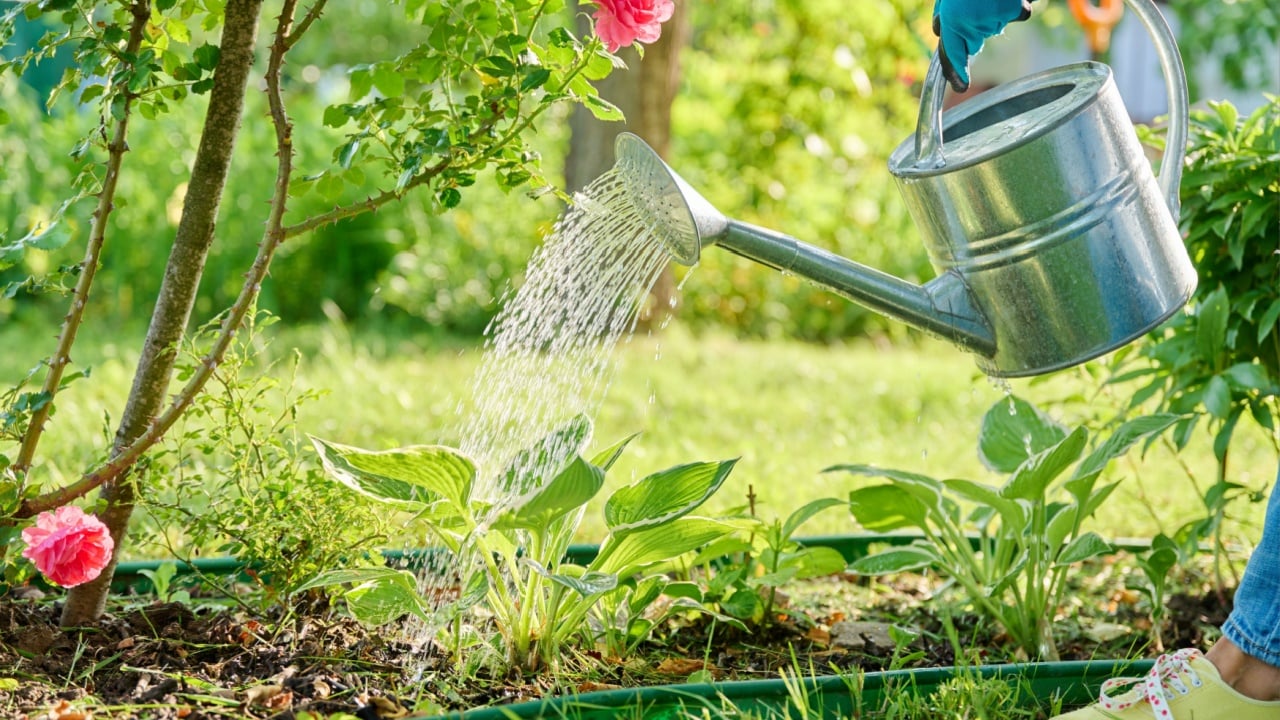
Water your seedlings thoroughly and soak the planting area a few hours before transplanting, not after. Hydrated root balls slide cleanly out of cells without tearing, which minimizes root damage during the move. Dry root balls crumble apart and leave fine root hairs exposed to air and sun, where they begin dying within minutes.
According to Epic Gardening, the soil in the planting bed should feel loose and moist, able to hold together briefly when squeezed but crumble apart easily afterward. That texture is your signal that the bed is ready to receive transplants.
7. Stop Overwatering (and Underwatering) Right After Transplanting
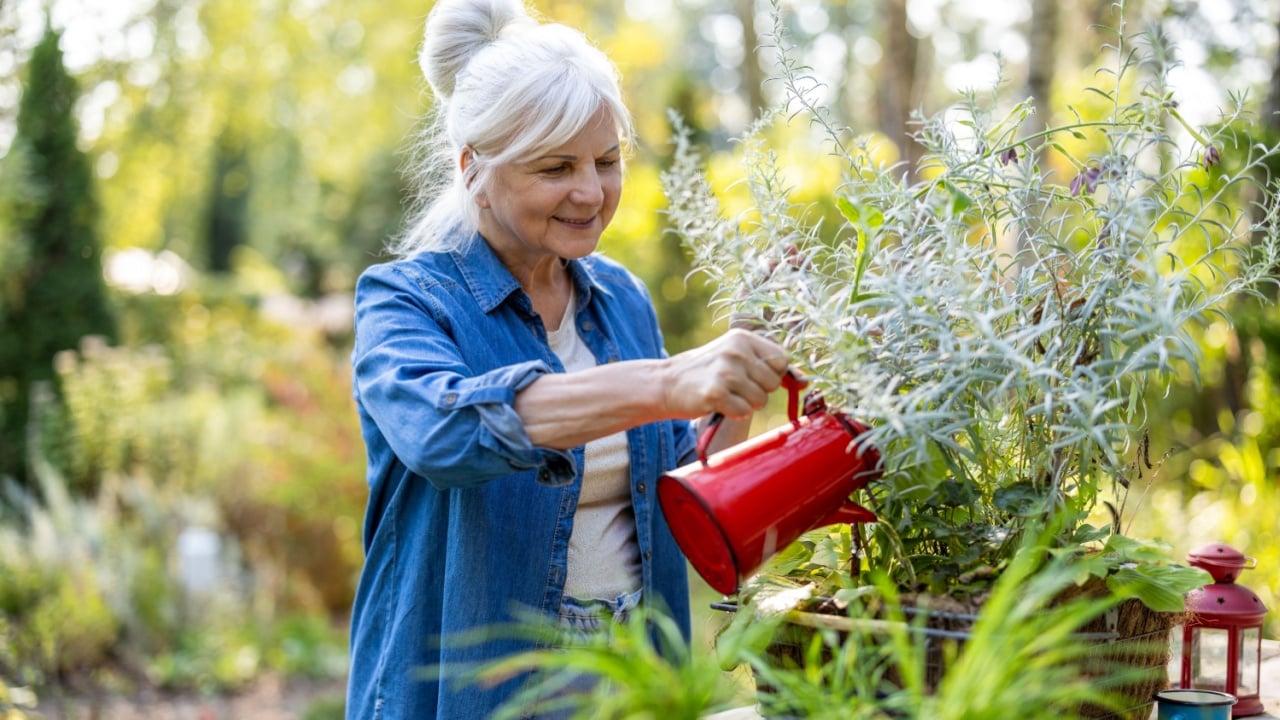
One of the most common panic responses to newly transplanted seedlings that look wilted is aggressive watering. In most cases, this makes things worse.
Some degree of wilting in the 24 to 48 hours after transplanting is normal. Purdue Extension emphasizes that overwatering is just as injurious to new transplants as underwatering: soggy soil suffocates roots, promotes rot, and delays establishment. The correct approach is consistent moisture without saturation; check the soil daily in the first week and water when the top inch begins to dry.
8. Don’t Skip the Mulch
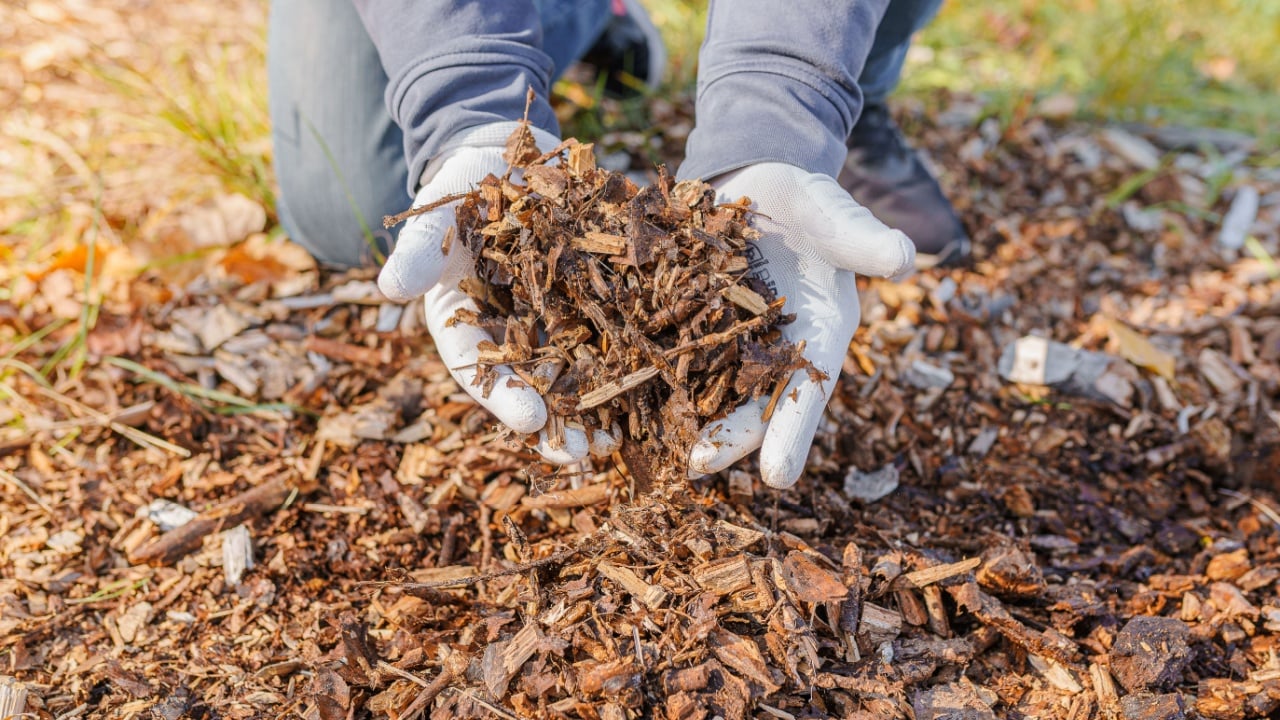
Skipping mulch after transplanting is, according to the Davey Tree Expert Company, a genuine waste of an easy, high-value protective step. A 2- to 4-inch layer of mulch around each transplant retains soil moisture during the critical first weeks of establishment, buffers root-zone temperature against both heat and cold snaps, and suppresses weeds that would otherwise compete directly with your new plants.
Mulch should never touch the stem of the seedling. Stem contact traps moisture against the base of the plant, inviting rot and fungal disease. Keep mulch a few inches away from the crown.
9. Stop Spacing Seedlings Too Close Together
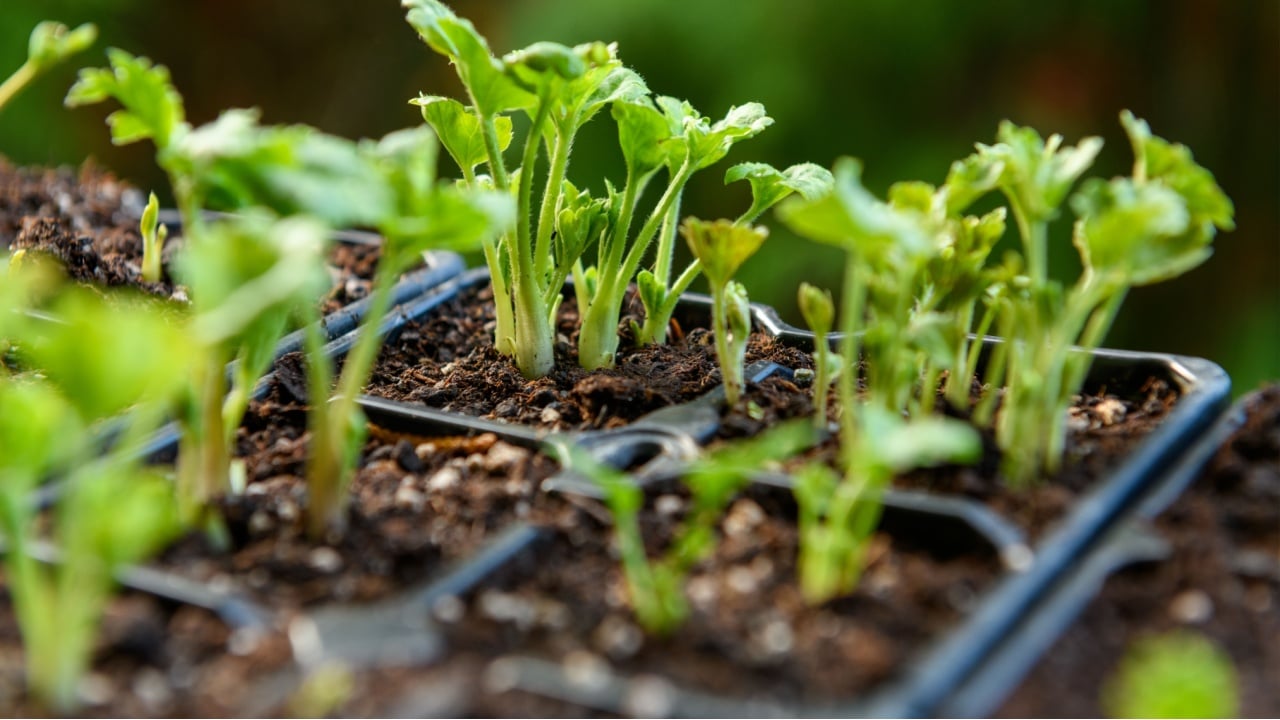
It is one of the most universally shared gardening regrets: crowding small seedlings together because a few inches of bare soil between them looks wrong. Many gardeners can name at least one season where this mistake cost them an entire crop to fungal disease.
Tiffany Selvey of House Digest warns that this mistake is particularly damaging with large-growing plants: when you look at little seedlings, it is hard to imagine how large they will get quickly, especially tomatoes and squash. Crowded plants share every resource; the stronger wins, the weaker declines, while inadequate airflow keeps foliage persistently wet and vulnerable to disease. Always follow the spacing on the seed packet and err toward the wider end.
10. Never Transplant Root Crops Like Carrots or Beets
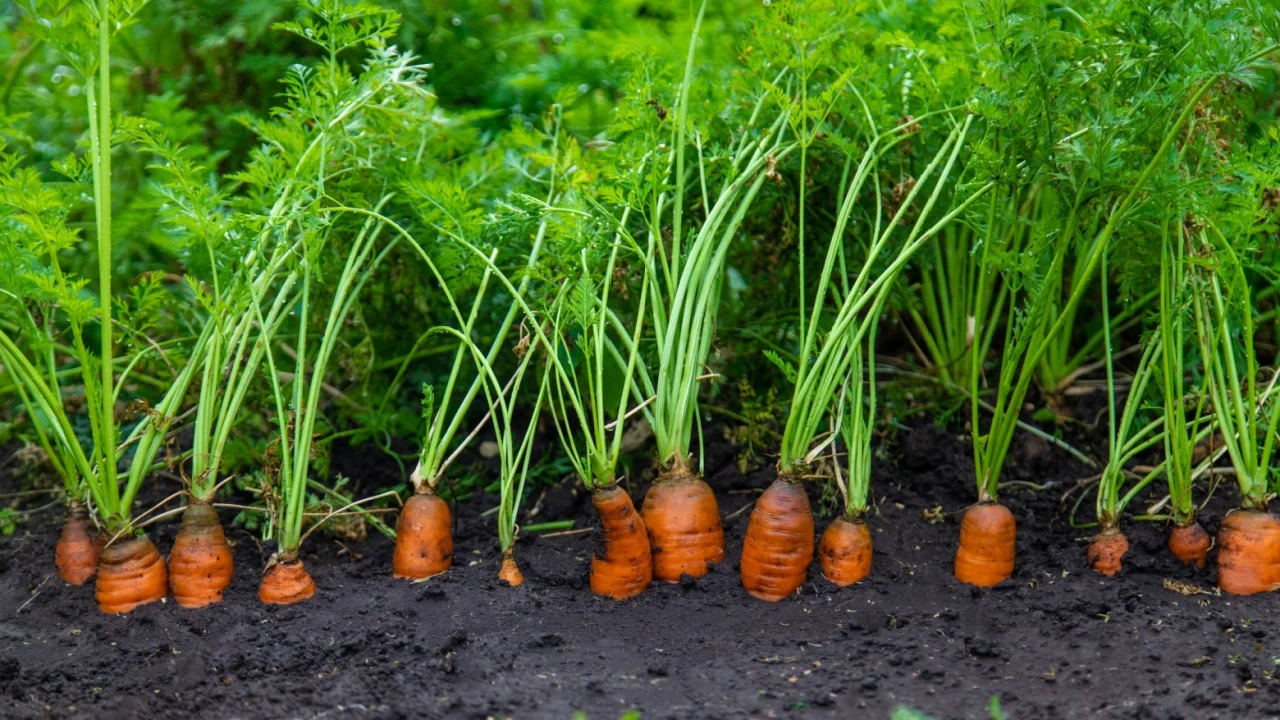
This is the mistake that never seems to go away, no matter how many seasons a gardener has under their belt: trying to transplant carrots, radishes, beets, or parsnips that were started in seedling cells.
Root vegetables grown in cells and then moved to the garden produce forked, stunted, or completely failed roots in the vast majority of cases. These crops need to germinate exactly where they will grow. If you have already started them in cells, consider it a loss and direct-sow a fresh batch in the garden today.
11. Stop Planting in the Wrong Sun Location
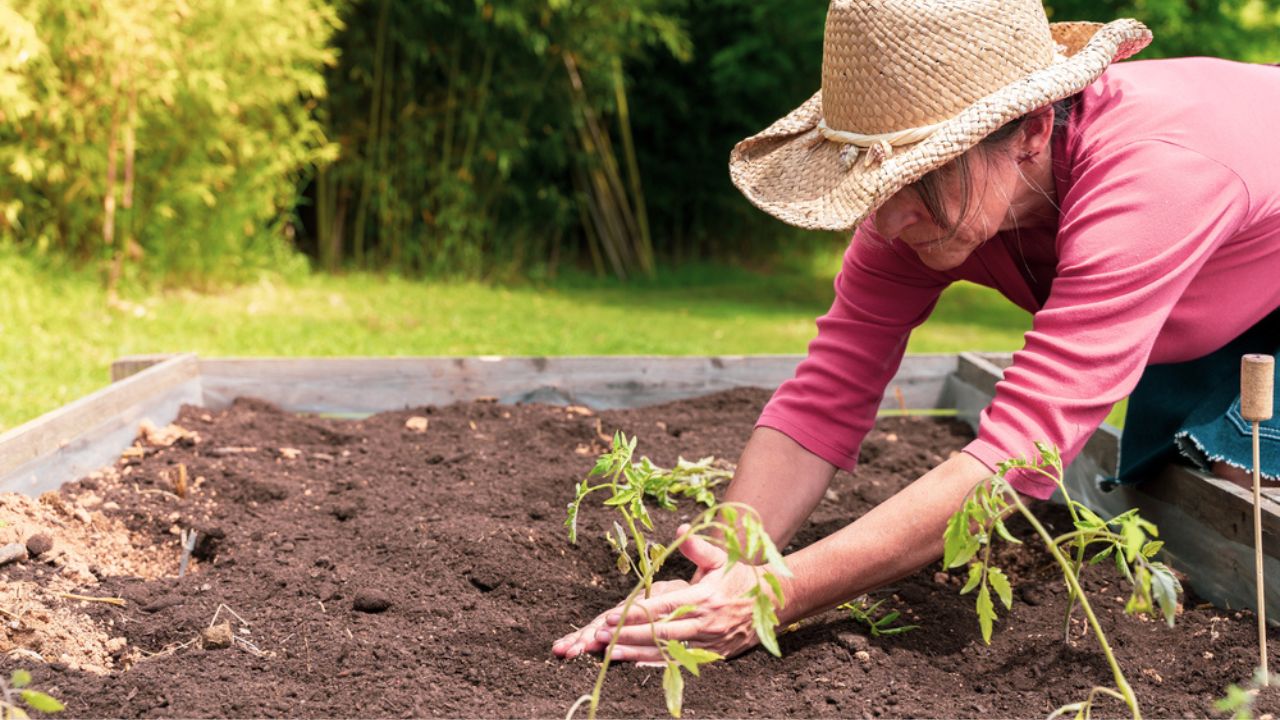
Most vegetable crops require a minimum of six hours of direct sunlight each day; heat-lovers like peppers and eggplant need eight or more, according to Gardening Know How. The mistake many gardeners make, especially in yards with mature trees or neighboring structures, is assuming a spot is sunny enough based on how it looks in early spring before full leaf-out.
Before committing transplants to any location, observe the actual sun pattern in your garden at 9 a.m., noon, and 3 p.m. on a clear day. What you find may surprise you.
12. Don’t Neglect a Starter Fertilizer at Transplant Time
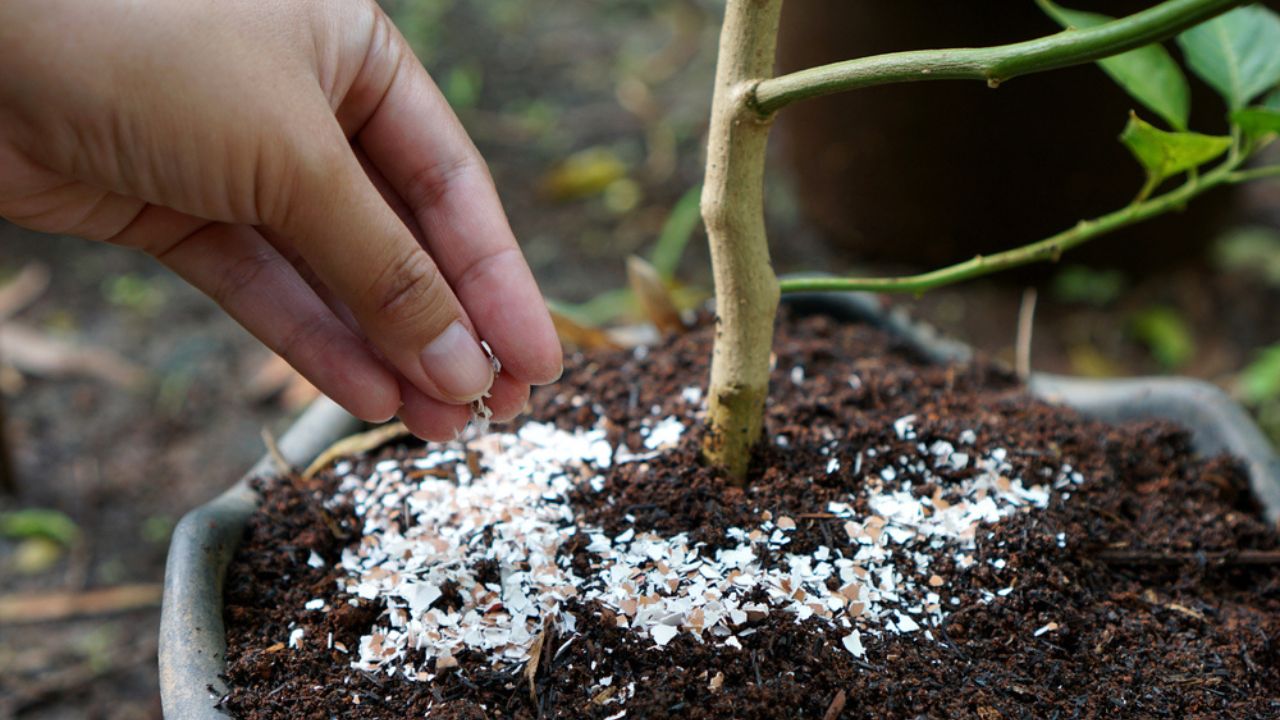
Seedlings transplanted into the garden immediately face a resource challenge: their root systems are small and cannot yet access the nutrients spread throughout the surrounding soil. Cornell University’s Dr. Steve Reiners recommends providing a diluted nutrient solution at the time of planting, particularly one high in phosphorus, which supports root development over shoot growth.
Avoid heavy nitrogen fertilizers at this stage. Nitrogen pushes fast leafy growth at exactly the moment when the plant needs to be directing energy toward root establishment, not top growth.
13. Never Transplant Into Soggy Soil
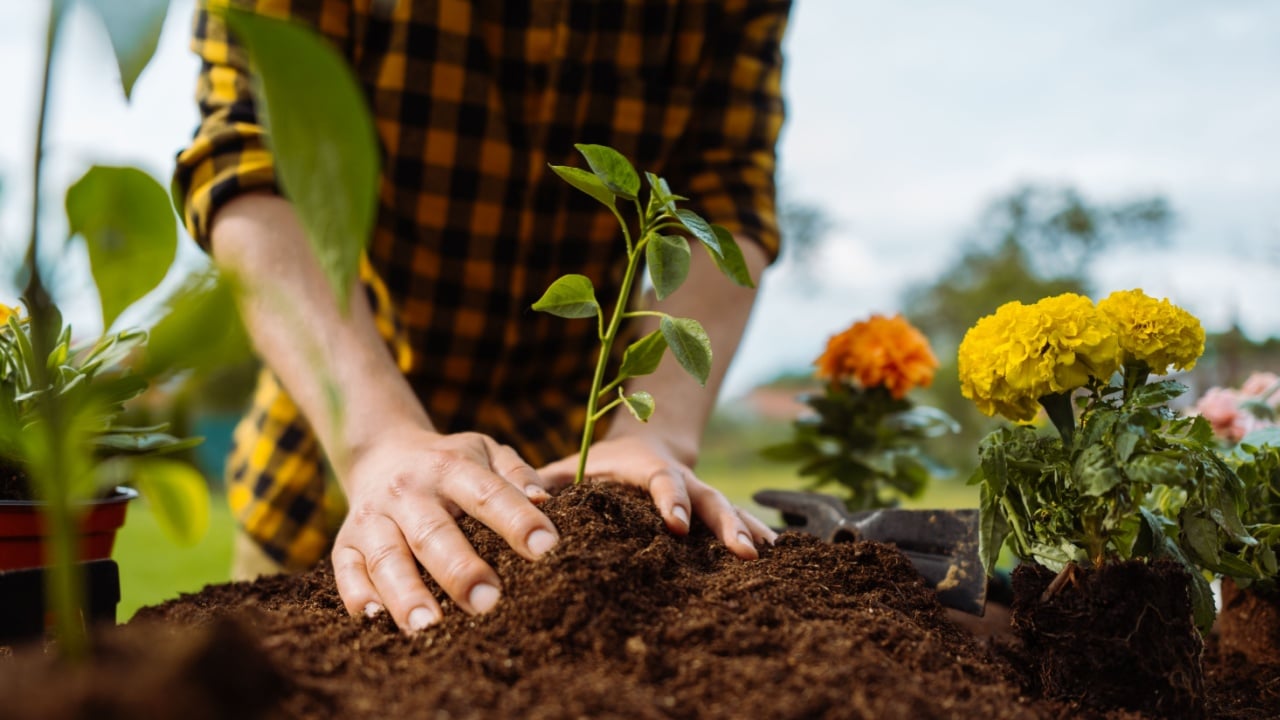
Working with wet soil compacts it under the weight of your feet and tools, destroying the loose, aerated structure that roots need to spread. Transplanting into waterlogged beds also sets up poor drainage patterns that persist for weeks.
Wait until your soil passes what experienced gardeners call the squeeze test: a handful should hold together briefly when squeezed in your fist but crumble apart easily when you open your hand.
14. Stop Handling Seedlings by the Stem
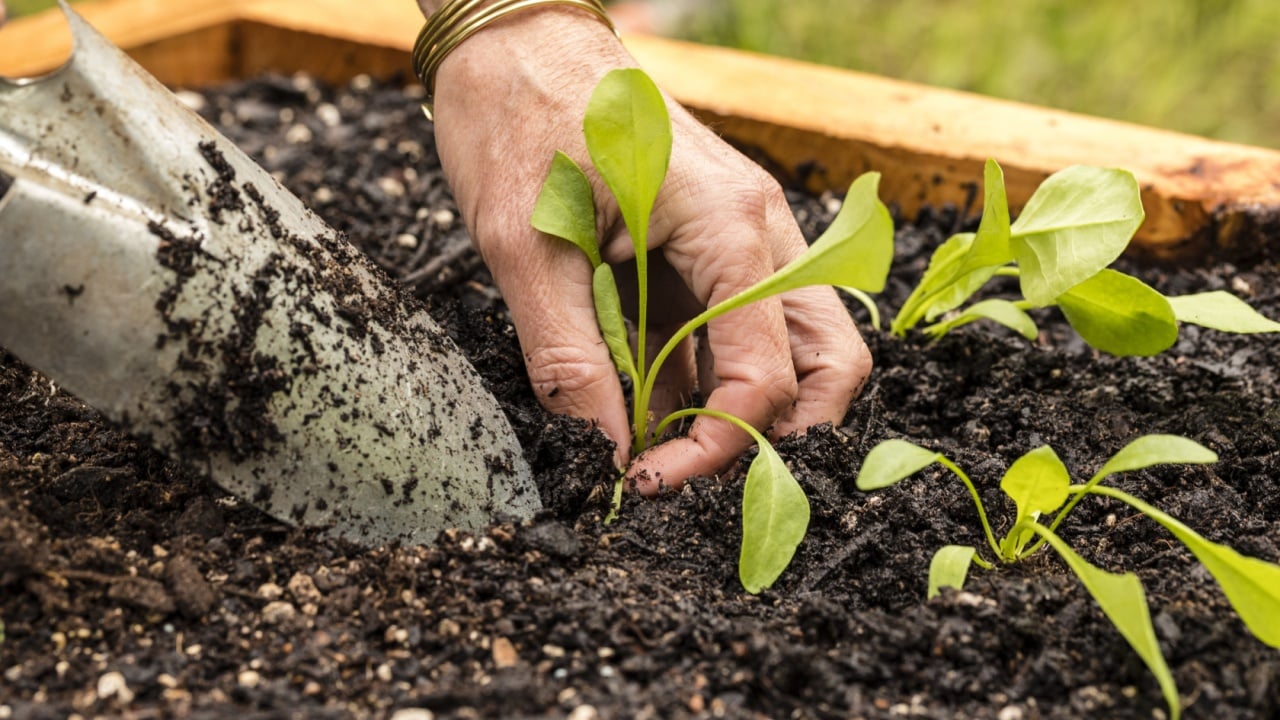
Seedling stems are far more fragile than they appear. A bruised or kinked stem rarely recovers fully, and in many cases, the damage is invisible at transplanting time but kills the seedling within days. Always hold transplants by a leaf, which is far more resilient than the stem, or support the root ball from underneath.
Use a pencil, dibber, or narrow trowel to create the planting hole rather than pushing the seedling in with your fingers. Once the seedling is in place, firm the soil gently around the root zone to eliminate air pockets, but avoid pressing so hard that you compact the surrounding soil.
15. Don’t Plant Too Early Just Because You’re Eager
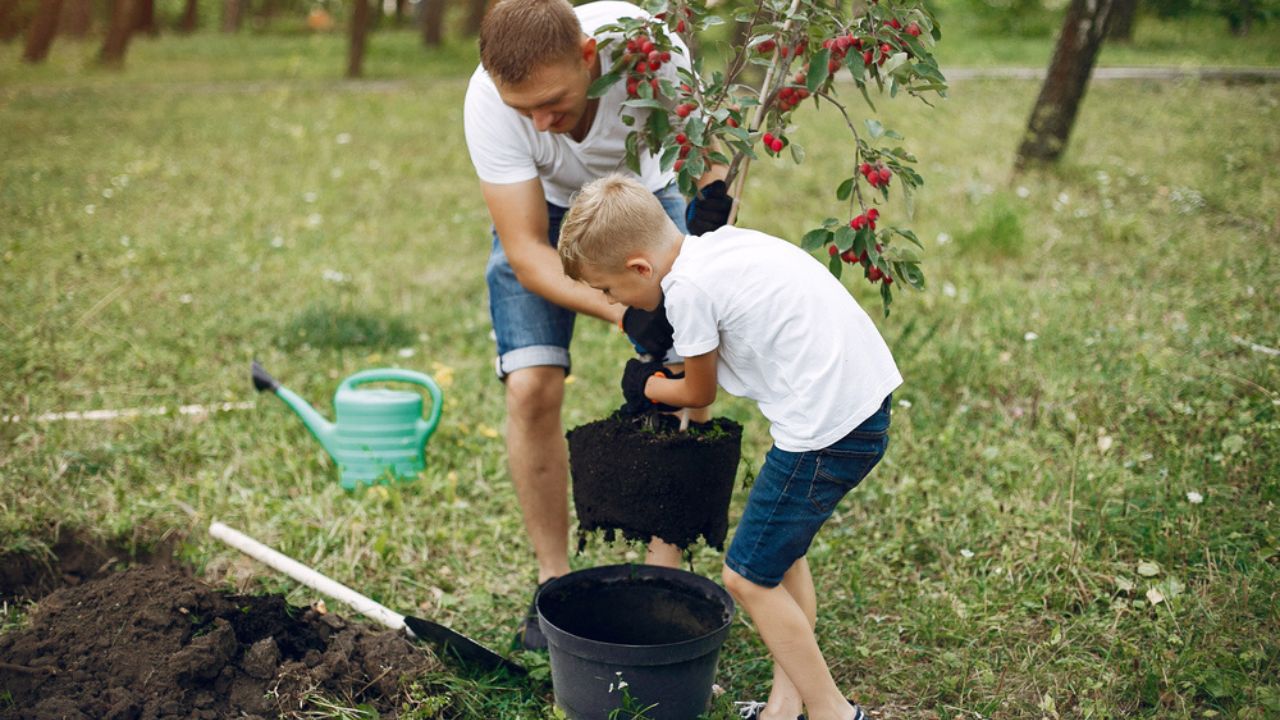
Spring gardening enthusiasm is one of the most reliable drivers of seedling loss. The urge to get plants in the ground as soon as the calendar permits, before conditions are actually right, costs home gardeners real money every year. MI Gardener notes that improperly timed transplanting can lead to stunted plants that fail to thrive and sometimes outright loss, ultimately wasting your investment of time, money, and effort.
Warm-season crops planted too early do not simply pause and wait for better weather. They enter a state of prolonged stress, making them significantly more susceptible to pests and disease throughout the rest of the season. A tomato plant that went in two weeks late but in ideal conditions will often outperform one that went in early and suffered.
16. Never Transplant on a Windy or Stormy Day
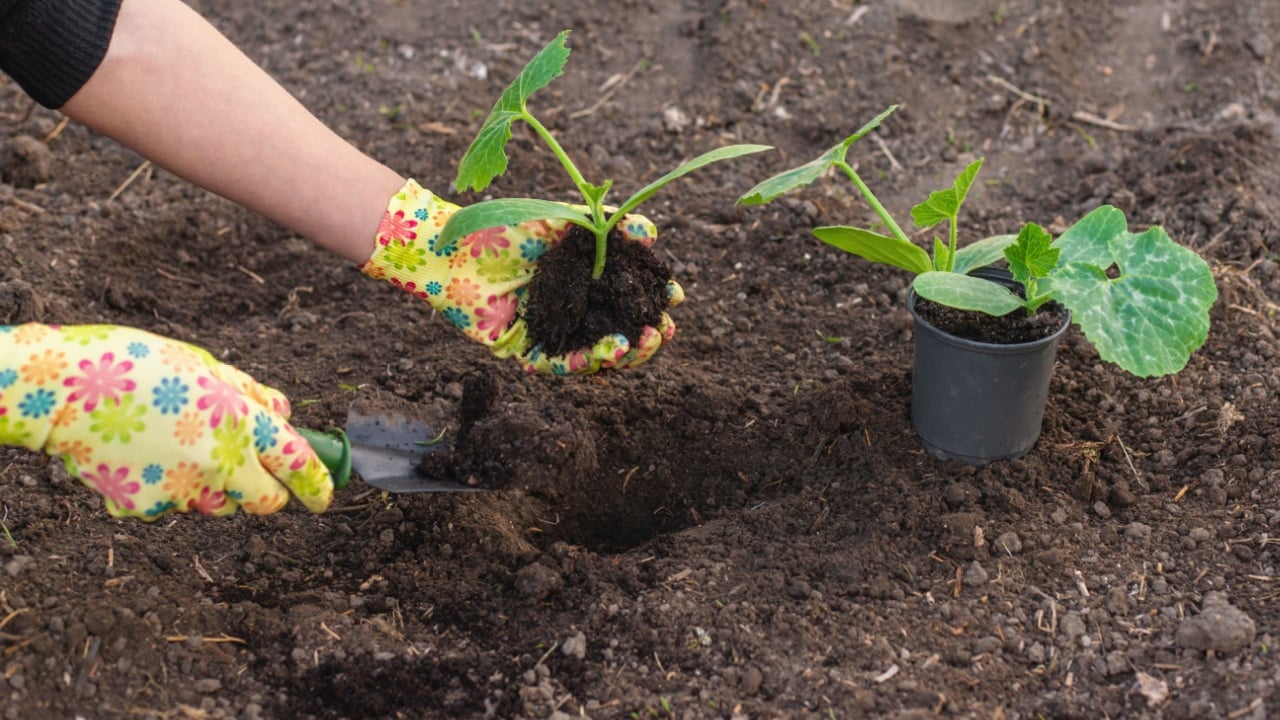
Wind is underestimated as a transplant threat. Newly moved seedlings that have not yet established any roots in their new location have nothing to anchor them against strong gusts. Stems snap, root balls shift in the loosened soil, and the physical stress compounds the existing stress of being moved.
Heavy rain is equally problematic: it compacts freshly loosened soil, washes away beneficial compost worked into the surface, and can drive fine seedling stems into the mud. If a stormy forecast is within the first week of your planned transplanting window, wait.
17. Stop Abandoning Plants That Look Bad After Transplanting
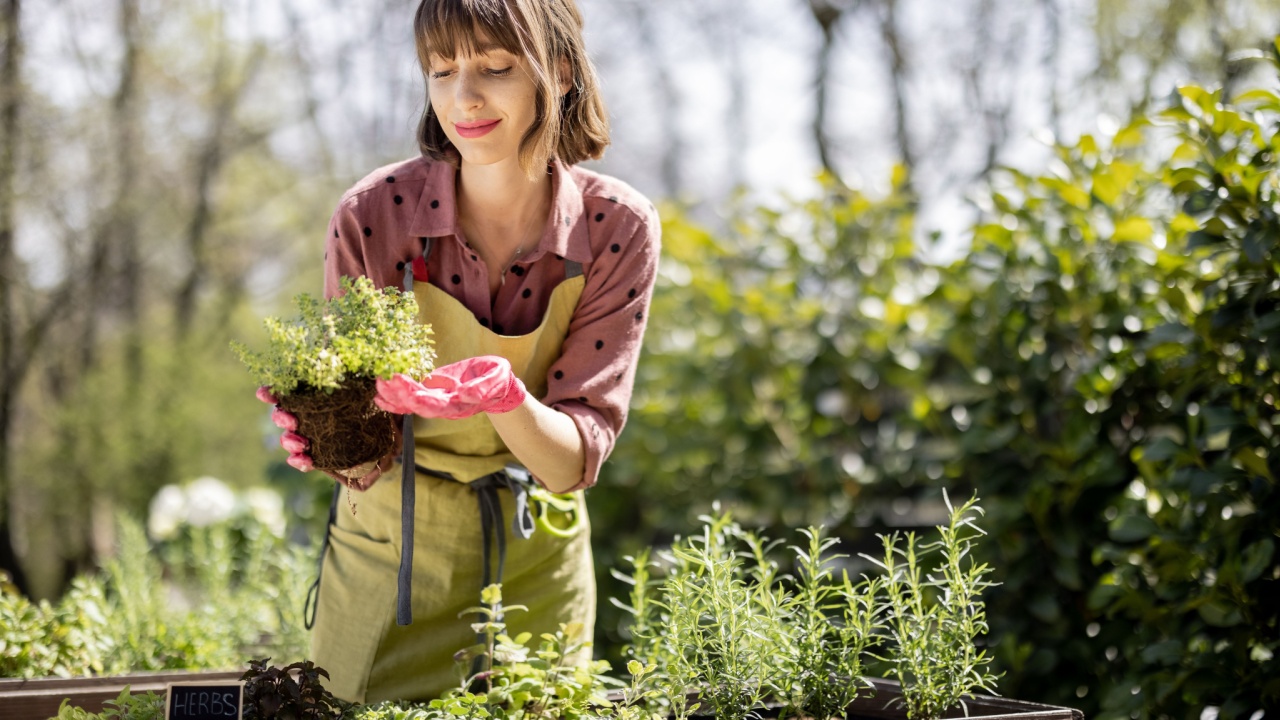
Transplant shock is frightening to watch. Wilting, yellowing, leaf curl, and a general look of distress in the days after planting are deeply discouraging after weeks of careful growing. But in the vast majority of cases, these are temporary symptoms of a temporary adjustment.
Dr. Steve Reiners of Cornell University states that even plants moved to the garden without any hardening off typically grow out of transplant shock within about a week, provided conditions stabilize. The worst thing you can do is over-intervene: moving the plant again, applying heavy fertilizer, or drenching already moist soil. Give the seedling time, maintain consistent moisture, and resist the urge to declare it a lost cause.
At The End of the Day, Mistakes Are Part of Gardening
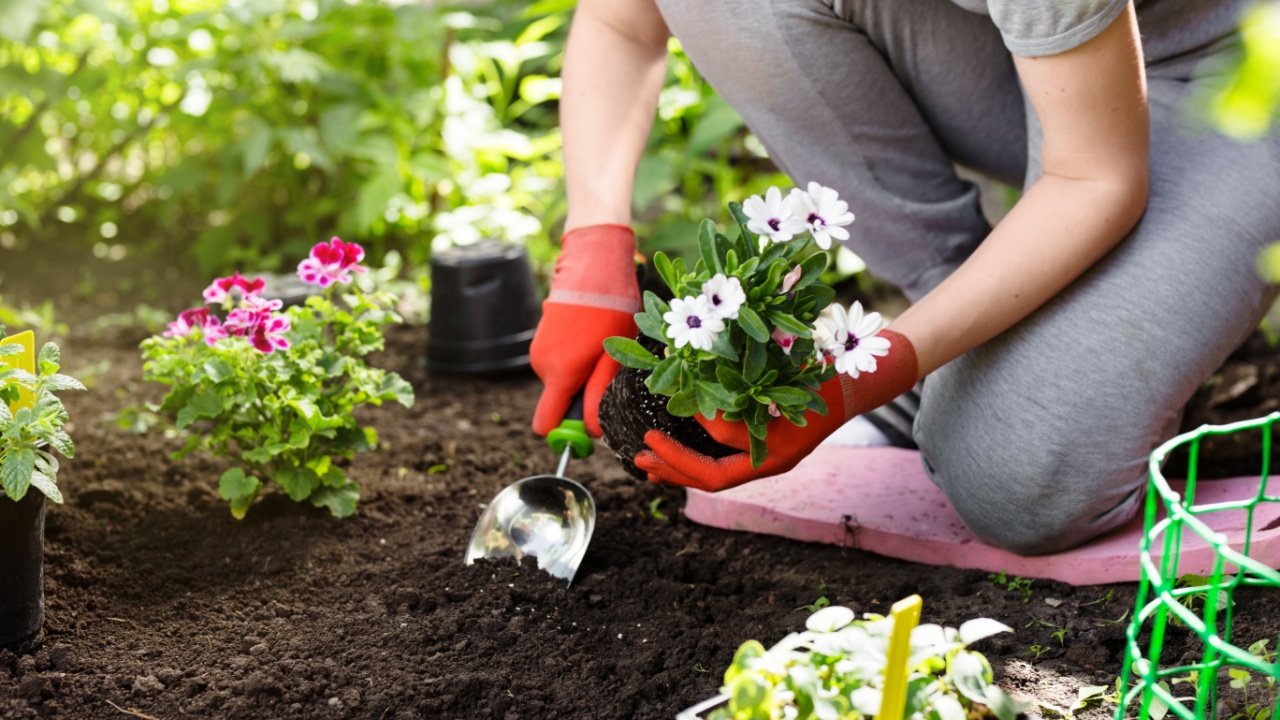
The gardeners who succeed year after year are not the ones who never make these mistakes. They are the ones who learned, often the hard way, which small adjustments make the difference between a flat of dead seedlings and a garden full of thriving plants by June.
Read more:
Why wildlife experts are telling people to take down their bird feeders
Plant these 10 companion plants with your tomatoes — and stop planting these 4