7 Natural Ways to Keep Snakes Out of Your Backyard Sanctuary
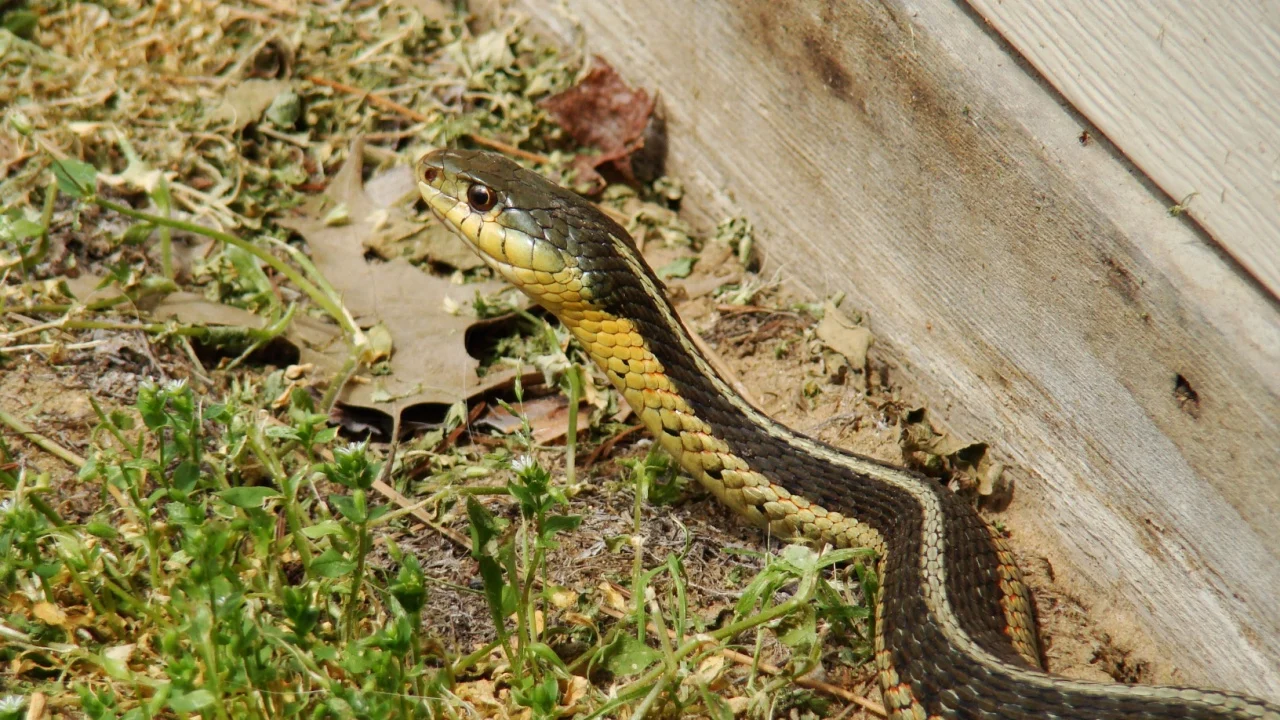
Spotting a slithering reptile near your patio can quickly ruin a peaceful afternoon outdoors. Most homeowners want to enjoy their outdoor spaces without constantly scanning the grass for hidden reptiles. Finding a harmless garter snake might surprise you, but venomous varieties pose a real threat to pets and children. You need reliable methods to protect your property from these unwanted visitors.
Snakes are naturally shy creatures that seek out areas with abundant food, warmth, and secure hiding spots. They slither onto residential properties when they find an easy meal or a safe place to rest away from predators. Removing these attractive features forces them to look elsewhere for their survival needs.
Natural deterrents focus on modifying the environment rather than using harsh chemicals or dangerous traps. Modifying your landscape disrupts the specific conditions these reptiles need to thrive and reproduce. Simple changes to your lawn maintenance routine can drastically reduce the number of hiding spots available to them.
This article provides seven effective methods to naturally repel snakes from your property. We detail practical landscape adjustments and maintenance tips you can implement this weekend. Here is how to create an environment that naturally repels them.
1. Fill Holes in the Ground
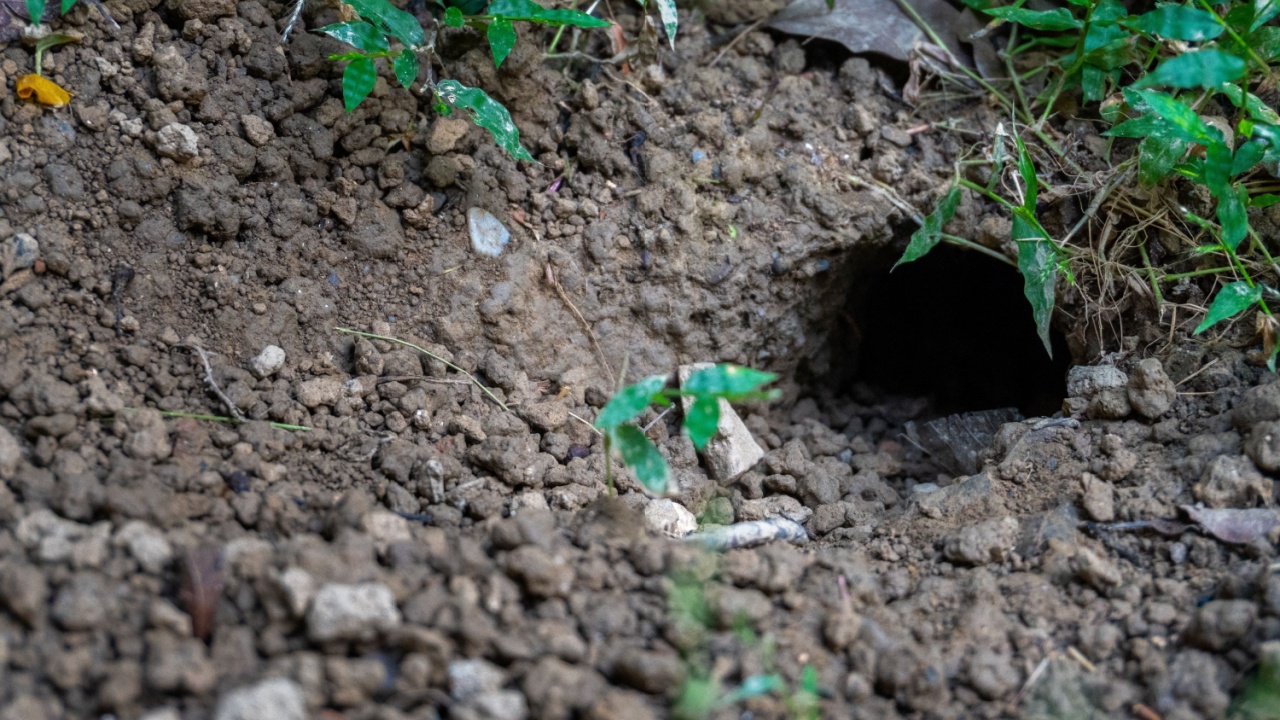
Abandoned rodent burrows provide perfect, ready-made homes for snakes seeking shelter from the elements. These underground tunnels offer protection from predators and maintain a comfortable temperature during hot summer days.
Filling these cavities tightly with topsoil eliminates a prime nesting location on your property.
Cover the newly filled hole with heavy rocks to prevent pests from simply digging it out again. Rodents often return to their old tunnels and dig through freshly packed dirt.
You should monitor the filled areas weekly to see if any new openings appear in the soil. Spotting fresh holes means you have an active rodent problem that requires immediate attention.
2. Clean Up Wood and Brush Piles
Fallen branches and neglected firewood stacks create dark crevices that reptiles love to occupy. These messy accumulations offer the exact type of secure cover they need to hide from hawks and owls.
Storing your firewood directly on the ground creates a damp environment that attracts their favourite meals. Moving your firewood racks far away from your house immediately reduces the chance of an unexpected encounter.
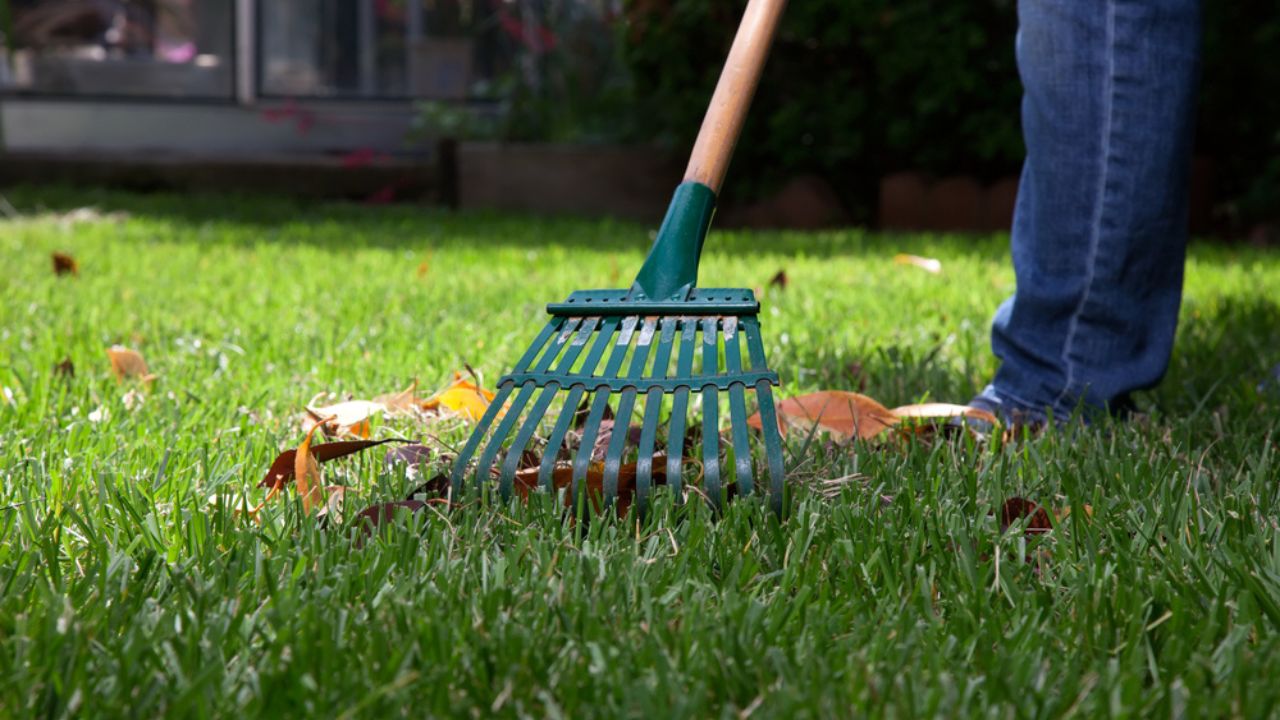
Regular yard maintenance removes the clutter that makes your property so appealing to wildlife. You should dedicate time each month to clearing away dead leaves and loose debris from your property lines.
Bagging up yard waste promptly stops pests from turning your lawn into a permanent residence. A tidy yard exposes wandering snakes to predators and forces them to retreat to the nearby woods.
3. Install Snake-Proof Fencing

Heavy-duty mesh barriers physically block reptiles from crossing onto your lawn from adjacent wild areas. Standard wooden fences leave large gaps at the bottom that easily allow small pests to slip through unnoticed.
You need rigid hardware cloth with openings smaller than a quarter inch to properly stop them. Burying the bottom edge of this mesh deep into the dirt stops ambitious reptiles from burrowing underneath.
Building this specialised barrier requires careful planning to maximize its effectiveness. Angling the top section of the mesh outward prevents agile climbers from scaling the metal wire. You must place sturdy wooden stakes at regular intervals to keep the mesh tight and secure against strong winds. This physical barrier provides reliable peace of mind when you live near heavily wooded areas or large bodies of water.
4. Keep Grass Mowed

Overgrown lawns give reptiles the perfect camouflage to travel across your property completely undetected. Tall blades of grass hide them from birds of prey while they hunt for frogs and mice.
Mowing your lawn frequently keeps the grass short and completely eliminates this protective cover. Reptiles naturally avoid crossing exposed, short grass because they feel highly vulnerable to attacks from above.
The type of grass you plant can also influence how attractive your lawn is to local wildlife. Dense, clumping grass varieties form thick clumps that retain moisture and provide ideal hiding spots.
Standard turfgrass creates an even surface that leaves no room for pests to conceal themselves. Switching to a uniform grass type drastically reduces the number of hiding spots available on your property.
5. Install a Perch Pole for Raptors
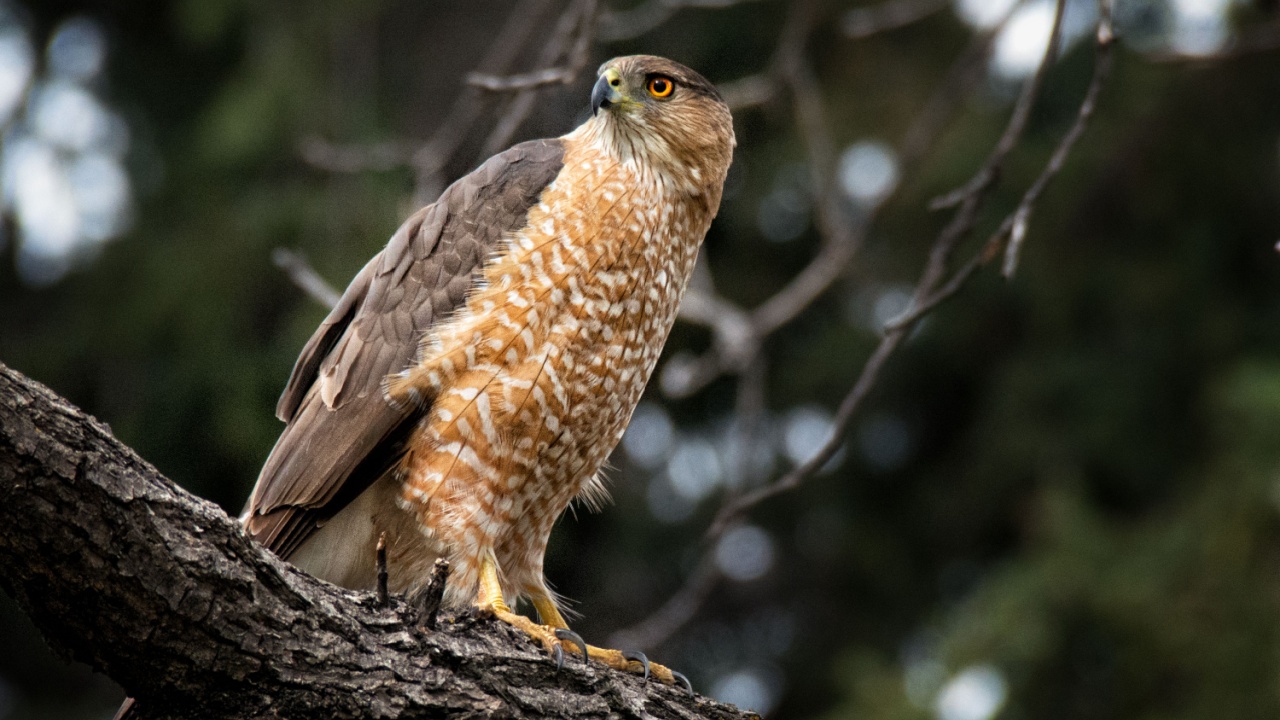
Owls and hawks naturally prey on snakes and will happily hunt them if given the opportunity. These large birds need high vantage points to survey the ground and spot movement in the grass.
Erecting a perch pole gives these aerial hunters a commanding view of your entire property. A simple wooden perch block at the top invites them to rest and watch for slithering meals.
Positioning this structure correctly maximizes the number of predators that will visit your yard. You should place the pole in an open area where trees do not obstruct the view of the ground. Regular visits from these hunting birds will naturally deplete the reptile population around your home.
6. Remove Food Sources
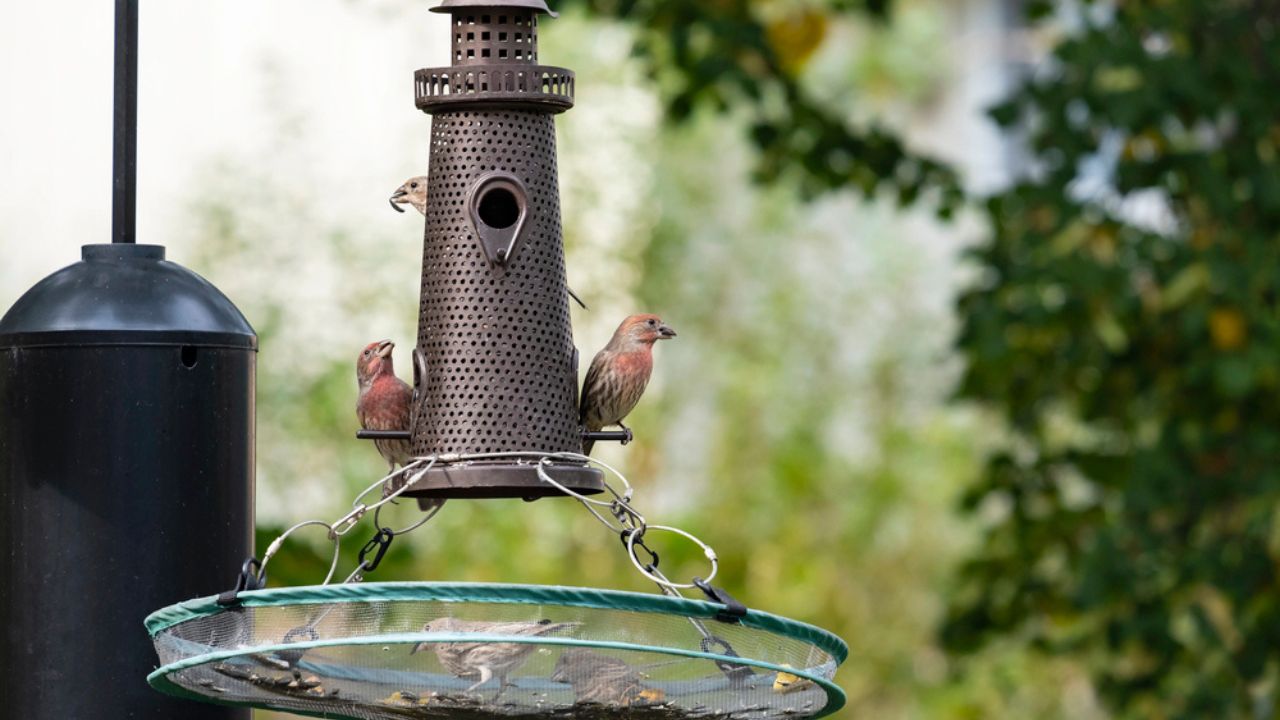
Unsecured birdseed and leftover pet food are errors that easily attract snakes to your yard. Food sources bring mice and rats to your patio. A thriving rodent population is an open invitation to hungry snakes seeking an easy meal.
Storing your birdseed in heavy metal containers prevents mice from chewing through thin plastic bags. Keeping your outdoor dining areas completely free of crumbs cuts off the food supply for these tiny pests.
Managing your bird feeders requires a few simple adjustments to keep the ground clean. Placing a large catch tray underneath the feeder prevents loose seeds from spilling onto the dirt below.
Sweeping the patio after your dog finishes eating removes any leftover kibble that might tempt a hungry mouse. Eliminating the rodents removes the main food source that draws dangerous reptiles toward your home.
7. Trim Trees and Shrubs
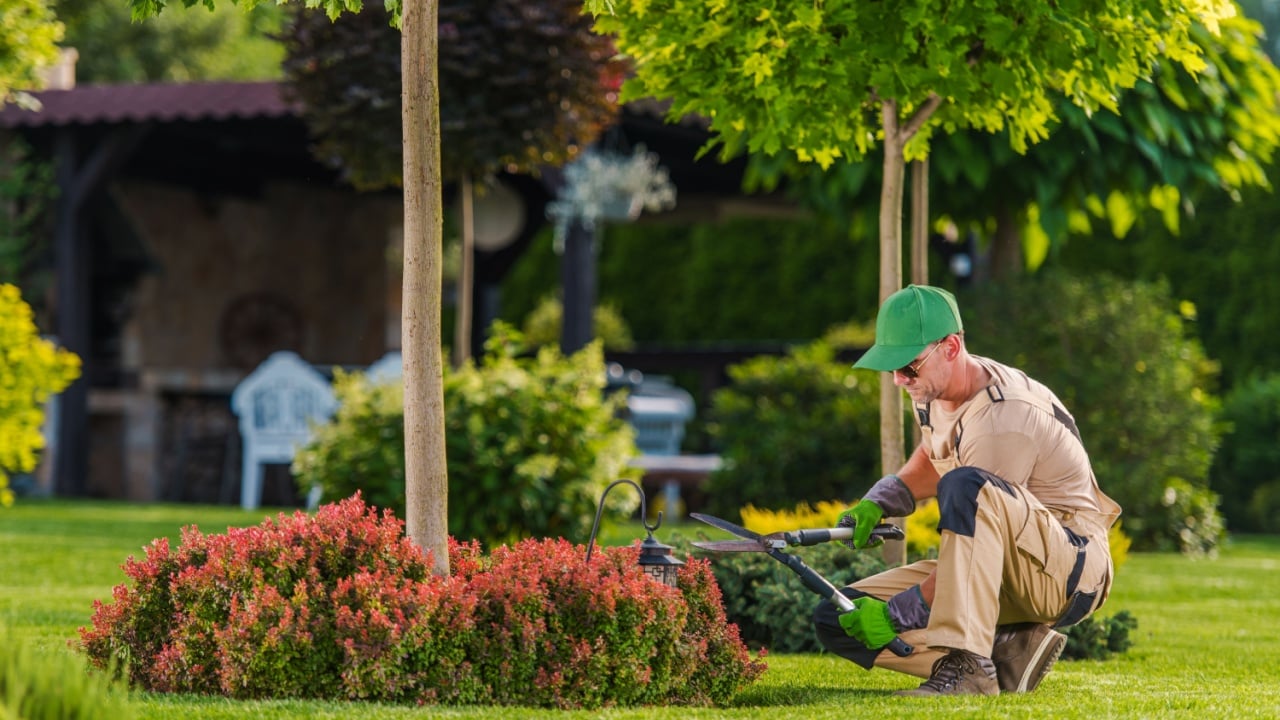
Low-hanging branches create dense shadows that help reptiles regulate their body temperature during the hot afternoon sun. Shrubs that touch the ground completely block your view of the soil and conceal resting pests.
Trimming these lower branches creates an open gap between the vegetation and the dirt. This clear space exposes the ground to sunlight and completely removes the sheltered environment they desire.
Pruning your landscaping also stops climbing varieties from accessing your roof or attic. You must cut back any limbs that physically touch the exterior walls of your house or garage.
Creating a wide buffer zone around your home stops pests from using plants as a natural ladder. A neatly trimmed landscape looks beautiful while simultaneously protecting your house from unwanted wildlife intrusions.
Say Goodbye to Slithering Visitors
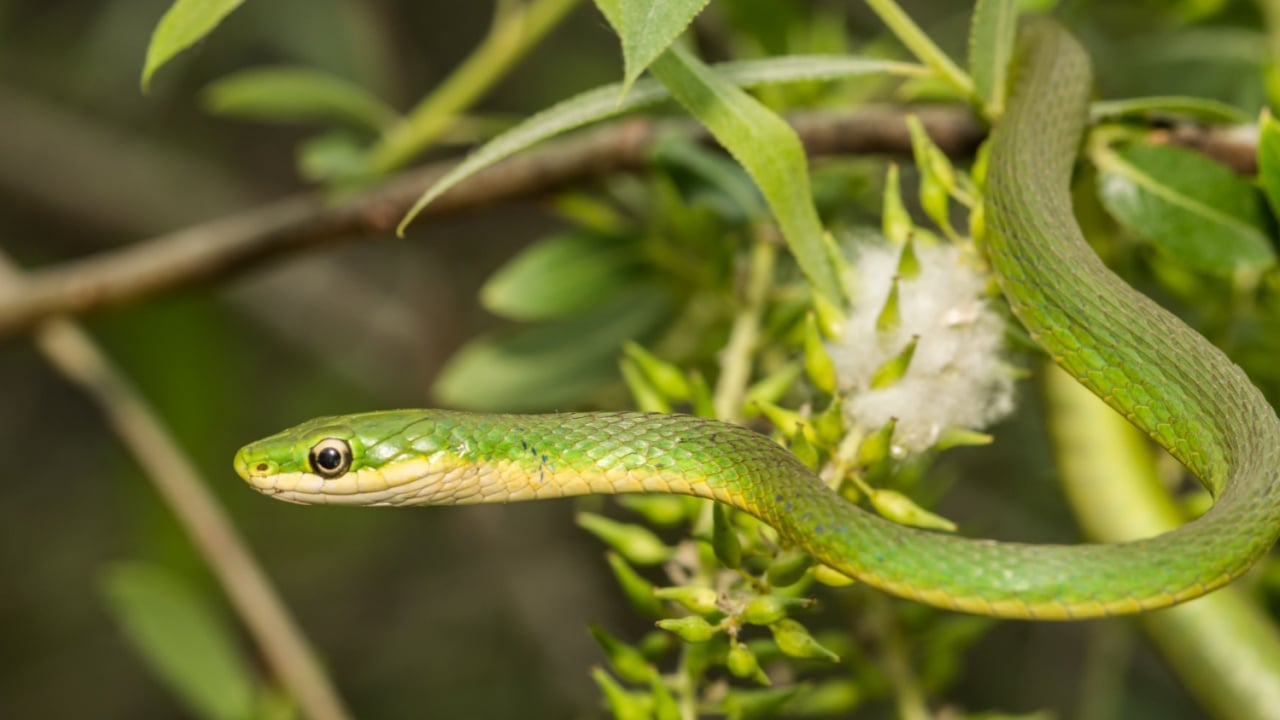
Modifying your landscape naturally deters unwanted reptiles without requiring toxic chemicals or expensive pest control services. Keeping your yard tidy and eliminating hiding spots forces these animals to seek out more hospitable environments elsewhere. Regular maintenance routines protect your family by removing the specific elements that attract wildlife to residential properties. Implementing these natural strategies creates a safe and peaceful outdoor space you can enjoy all season long.