14 Spots in the Yard Snakes Love to Hide
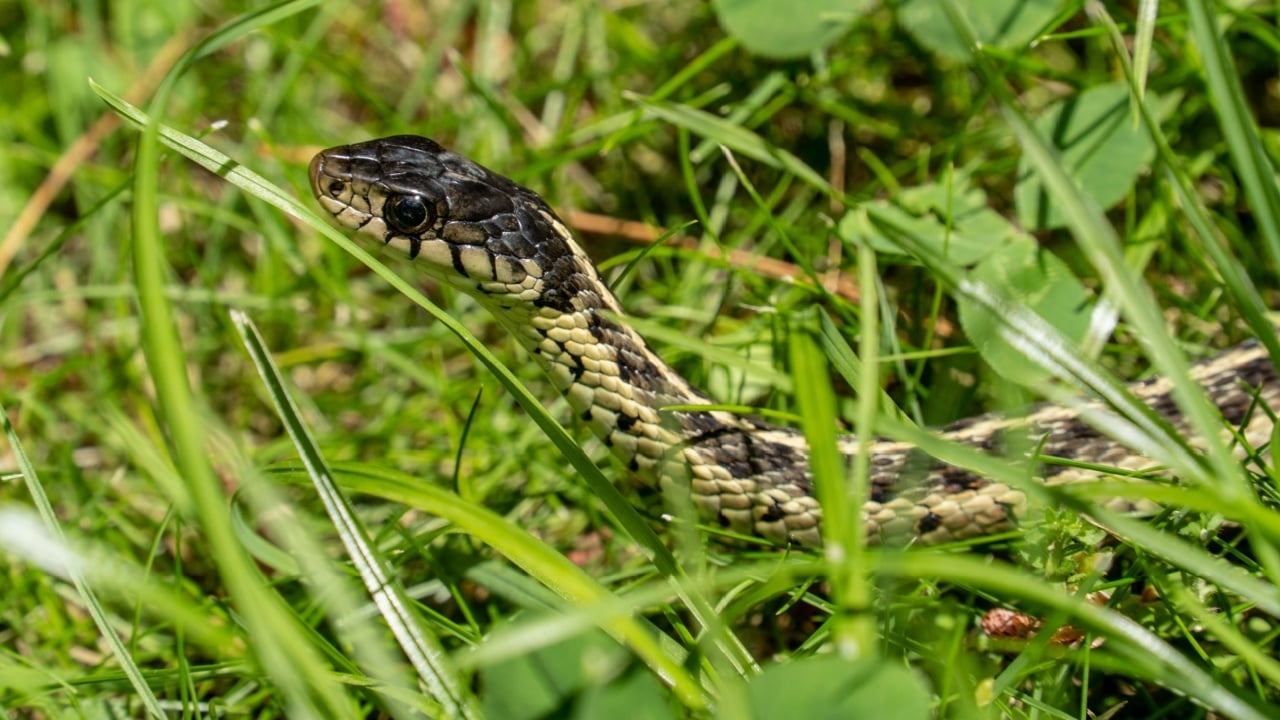
Snakes are resourceful creatures that can make themselves at home in your yard if given the opportunity. While most snakes are non-venomous and help control pests, their stealthy presence can still make people uneasy. The key to minimizing snake encounters is understanding their preferred hiding spots and taking strategic steps to discourage them.
Below, we explore 14 common hiding places for snakes and share practical advice on how to reclaim your outdoor space.
Why These 14 Hiding Places Matter
We based this list on guidance from trusted sources, including Mississippi State University Extension, University of Florida IFAS, Utah State University Extension, Illinois Extension, and the Washington Department of Fish & Wildlife. These organizations provide research-backed advice on snake behavior, habitat preferences, and effective exclusion techniques.
Each hiding spot was selected because it is repeatedly cited in expert literature as a common shelter for snakes due to one or more of these factors:
- Protection from predators – such as enclosed spaces in woodpiles, rock walls, or crawl spaces.
- Access to prey – locations that harbor rodents, amphibians, or insects, like compost piles, water features, and dense vegetation.
- Stable microclimates – cool, damp, or shaded areas that help snakes regulate body temperature.
A Reminder: Not All Snakes Are Bad
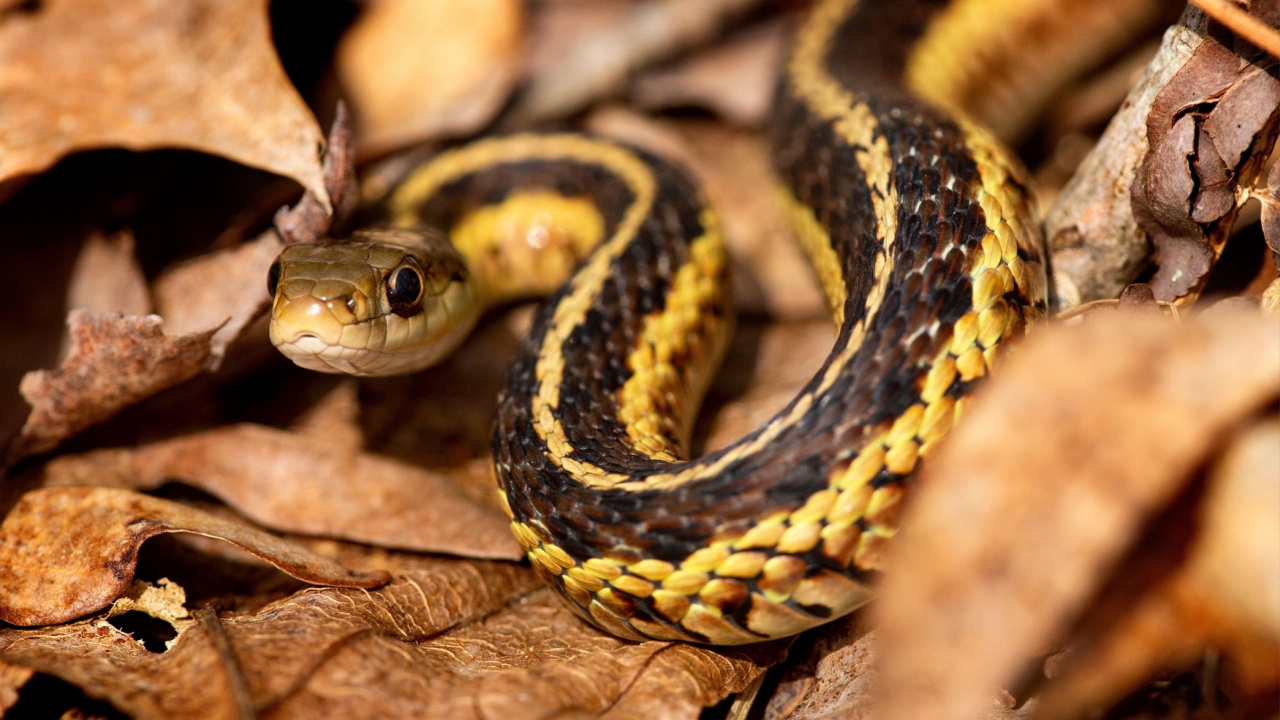
It’s important to remember that not all snakes are bad and having them around can actually be beneficial. Snakes play a crucial role in our ecosystem by controlling rodent populations, which in turn helps prevent the spread of diseases. They also serve as food for other animals, such as birds of prey.
In addition, many snakes are non-venomous and pose no threat to humans. In fact, some species, like garter snakes, can even make great pets due to their docile nature and low maintenance care.
The tips below will help minimize an unintended encounter while also promoting a healthier and safer environment for both humans and snakes.
1. Woodpiles and Lumber Stacks
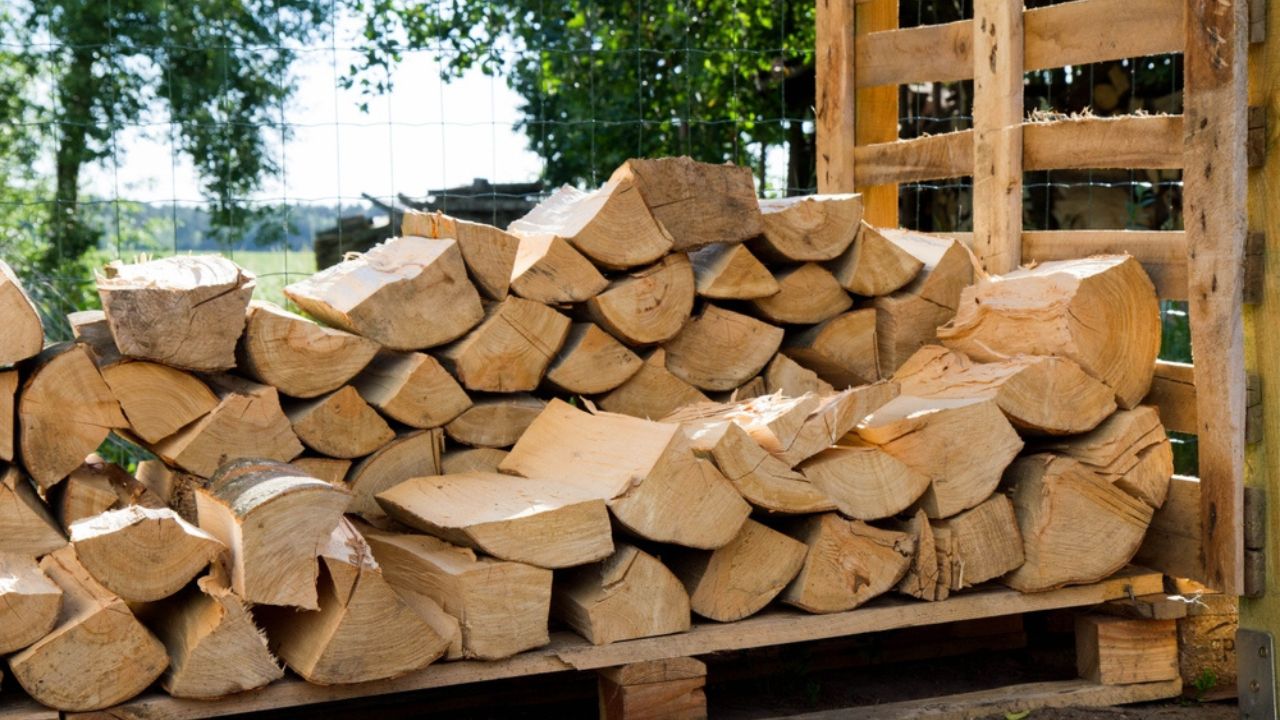
Snakes love the dark, protected spaces between logs and lumber. These tight gaps provide ideal hiding places, shielding them from predators and temperature extremes. If woodpiles are near your home, snakes may venture even closer.
How to Keep Them Out:
Store firewood away from your house and elevate it at least 12 inches off the ground using a rack or pallet. Use gloves and tools when handling logs to avoid surprising a hidden snake. Regularly inspect and relocate your woodpile to discourage long-term squatting.
2. Tall Grass and Overgrown Lawns
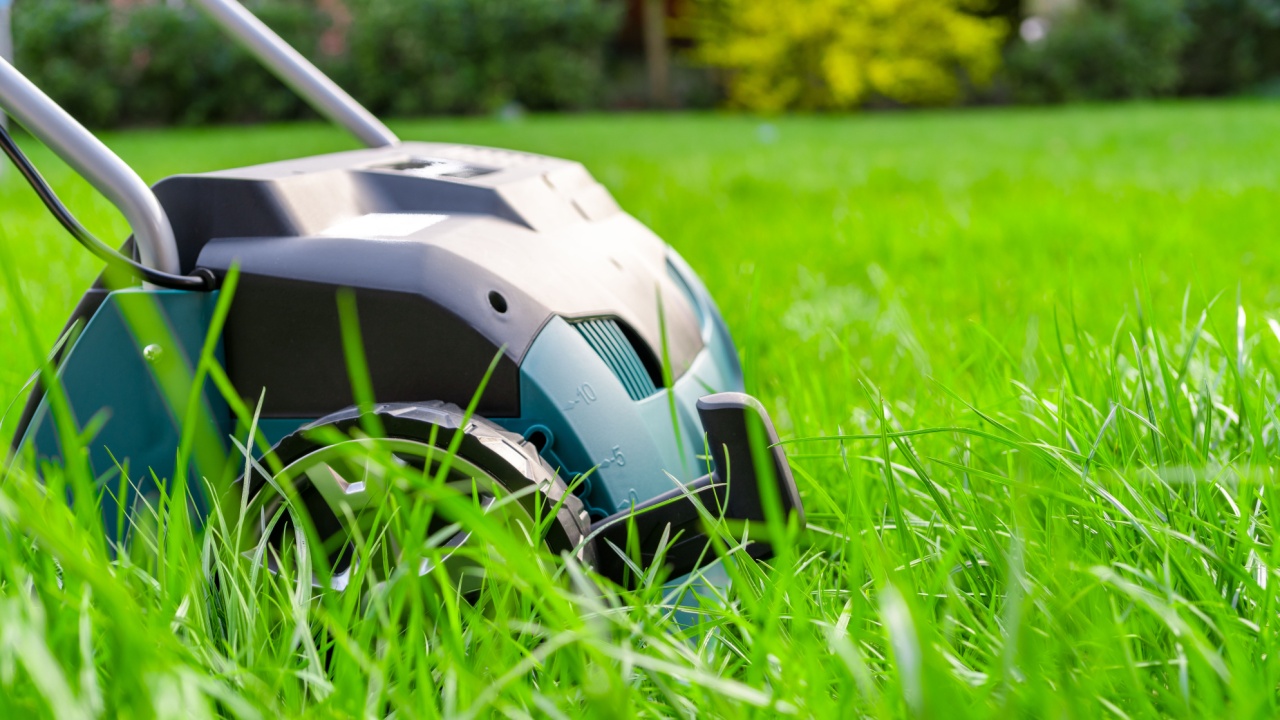
Untrimmed grass provides excellent cover for snakes, making it easier for them to hunt prey undisturbed. It also shields them from birds and other predators.
How to Keep Them Out:
Mow your lawn regularly to keep grass no taller than 4 inches. Remove weeds and trim overgrown vegetation around your yard’s borders and near walkways. Maintaining neat landscaping deprives snakes of the cover they need to feel secure.
3. Garden Mulch and Leaf Piles
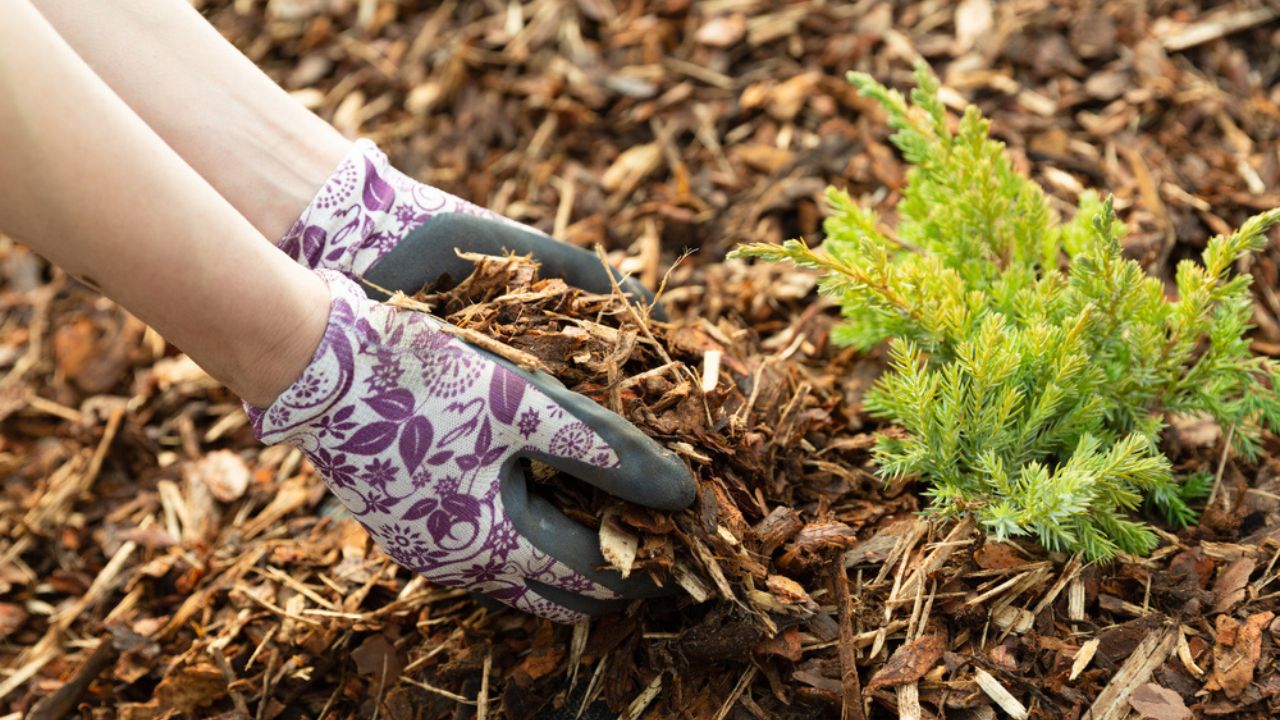
Organic mulch and decomposing leaves create damp, warm environments that attract snakes. The insects and rodents found in these piles make them even more appealing.
How to Keep Them Out:
Extensions note that some mulch and brush can attract snakes by harboring their prey, but removing all cover isn’t always desirable for overall habitat balance. The Florida IFAS guidance suggests keeping such piles away from high-use areas rather than eliminating them wholesale.
Use coarse mulch like gravel or bark chips rather than fine organic materials that retain moisture. Keep mulch layers under 3 inches deep and rake leaf piles often. Store collected leaves away from living spaces and remove them promptly.
4. Rock Gardens and Stone Walls
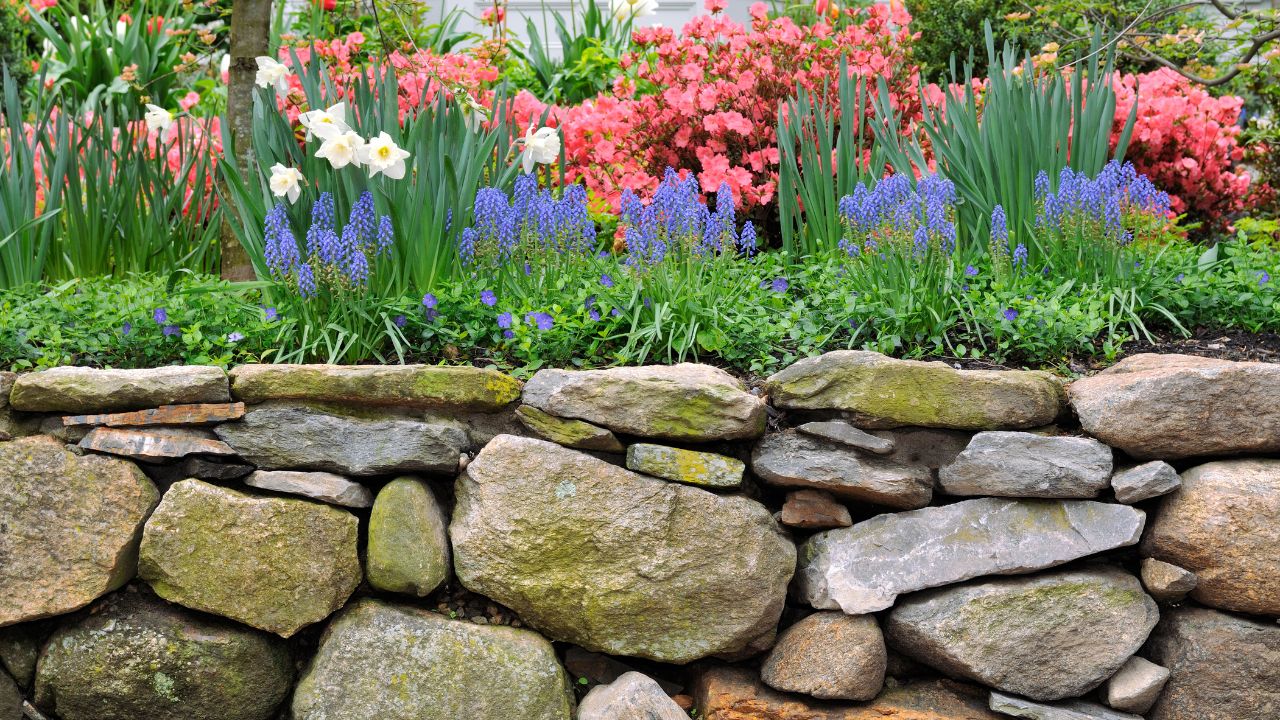
Decorative rock features add elegance to a yard, but the gaps between the stones provide snug hiding spots for snakes. These areas also heat up during the day, creating ideal basking and resting conditions.
How to Keep Them Out:
Illinois Extension recommends replacing loose rock walls with tighter construction or using alternative edging; some crevices can also serve beneficial wildlife if managed. well-fitted stone or avoiding stacked loose rocks near entry points.
Seal larger gaps between rocks with mortar or smaller stones if needed. Consider using landscape fabric or hardware cloth under rock installations to prevent access from below. While designing these features, avoid creating holes or crevices wide enough for snakes to squeeze through.
5. Basement Clutter and Storage Areas
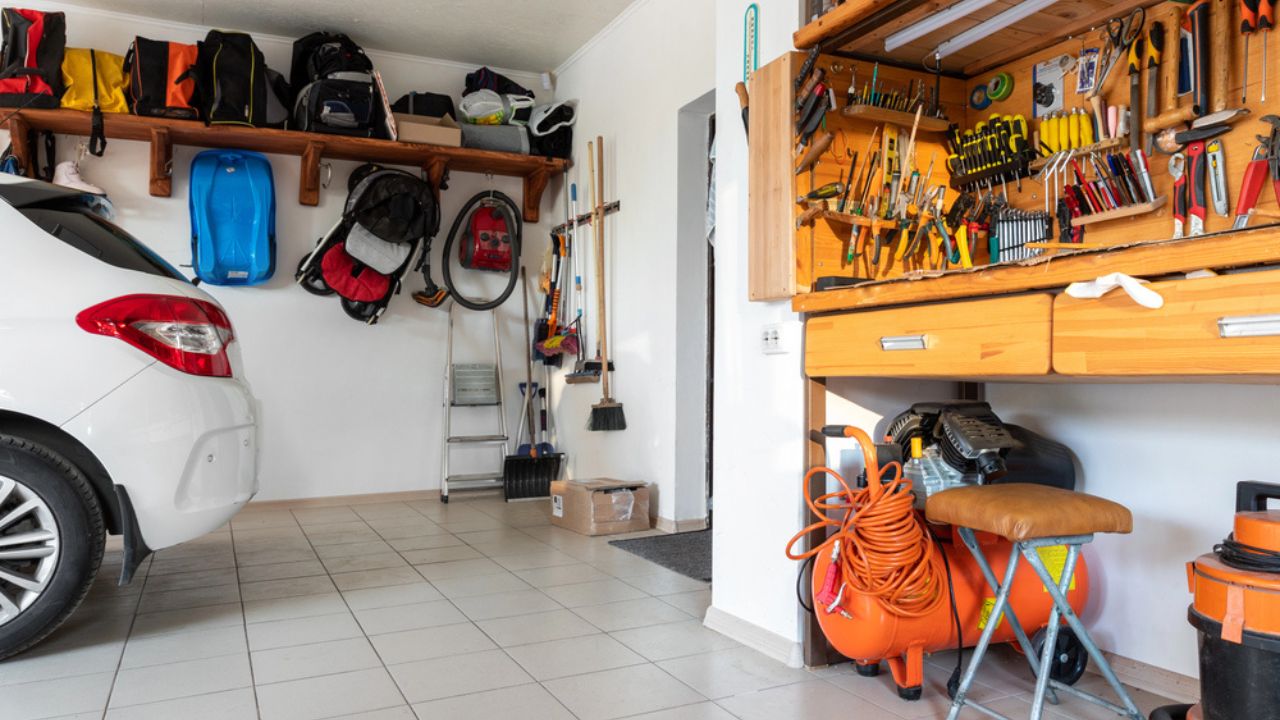
Storage areas like basements and garages often have undisturbed corners full of boxes and hidden spaces. Snakes seeking shelter from harsh weather or predators may slip inside through cracks or gaps.
How to Keep Them Out:
Declutter your basement and store items in sealed plastic bins instead of cardboard boxes. Inspect potential entry points such as gaps near windows, utility pipes, or vents, and seal them with weather-stripping or caulk. Keep all areas tidy to eliminate dark, covered hiding spots.
6. Crawl Spaces Under Porches or Decks
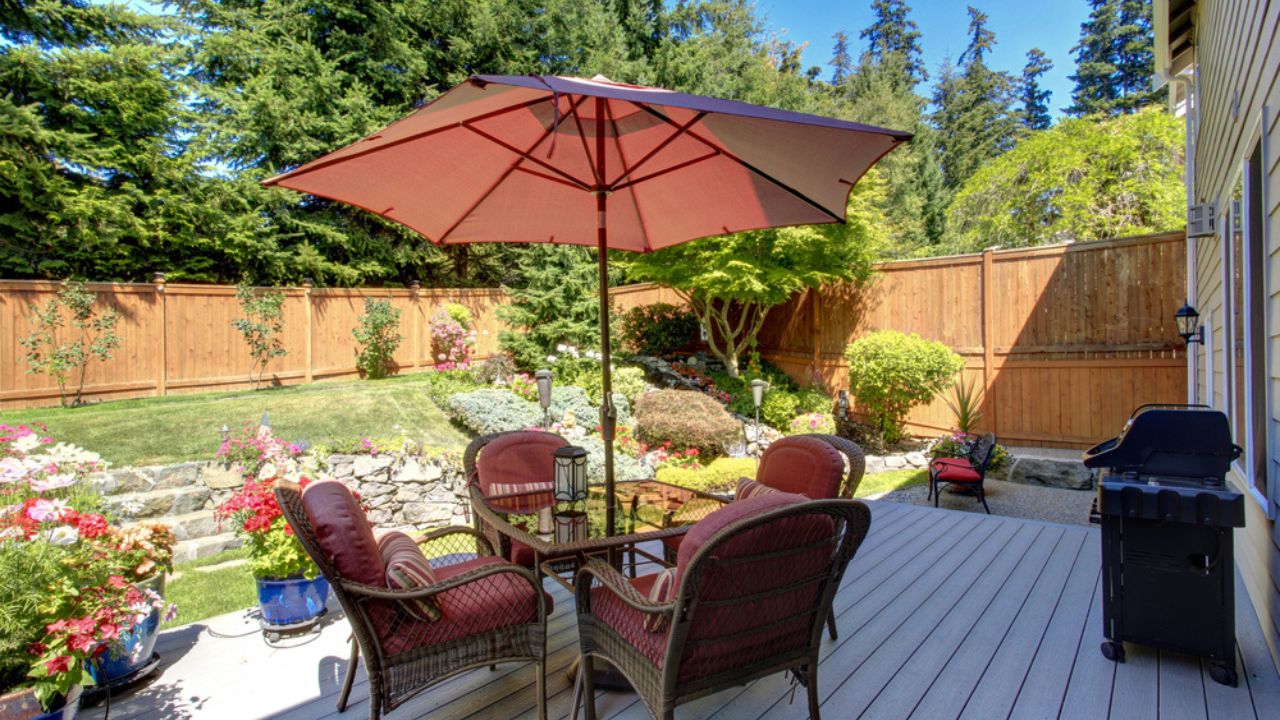
Dark, quiet crawl spaces under porches and decks offer a secure retreat for snakes. These areas also maintain a stable temperature, making them ideal for resting.
How to Keep Them Out:
Install mesh screens or hardware cloth around the edges of porches, decks, and crawl spaces. This prevents entry while allowing proper ventilation. Regularly check for damaged screening and make timely repairs to keep snakes away.
7. Compost Heaps and Bins

Decomposing organic matter attracts insects and rodents, effectively turning compost heaps into enticing snake buffets. Open compost piles are particularly inviting for these opportunistic predators.
How to Keep Them Out:
Use enclosed compost bins with solid lids and bases to limit access. Turn your compost regularly to disturb any potential hiding snakes, and position bins away from your home.
8. Shrubs and Dense Vegetation

Overgrown shrubs and thick vegetation serve as natural snake highways, providing cover as they move from one area to another. These plants also attract small prey like insects and rodents.
How to Keep Them Out:
Trim shrubs so their branches do not touch the ground, maintaining a clear gap that snakes prefer to avoid. Create a 6-inch mulch- or gravel-free zone around your home’s foundation to reduce cover and limit easy access.
Ultimately, avoid creating unbroken ‘snake highways’ by spacing plantings and keeping groundcover low near foundations.
9. Water Features and Pond Edges

The edges of garden ponds, pools, and other water features are prime spots for snakes hunting for frogs or other prey. The surrounding moist areas provide a cool retreat in warm weather.
How to Keep Them Out:
Maintain short grass around water features and avoid planting dense vegetation along pond edges. Consider adding a mesh barrier around decorative ponds or fountains to protect pets and children from unexpected encounters.
10. Attics and Wall Voids

Unsecured roof vents and gaps in eaves can allow snakes to enter attics or wall cavities. Insulation within these spaces often provides a cozy environment for nesting and resting.
How to Keep Them Out:
Inspect your home’s exterior for cracks or openings where pipes, wires, or vents enter. Install sturdy mesh barriers or caulk over these gaps to block potential entry points. Regularly monitor your attic for signs of nesting snakes or other pests.
11. Children’s Toys Left Outdoors

Forgotten toys like sandboxes, playhouses, or upturned ride-on vehicles often become accidental shelters for snakes. These items retain heat and provide shade, making them a temporary refuge.
How to Keep Them Out:
Get into the habit of cleaning up toys after outdoor playtime. Store them in sealed bins or sheds when not in use. Before allowing children to use outdoor toys, perform a quick check for hidden snakes, especially after long periods of non-use.
12. Cracks in Concrete Foundations
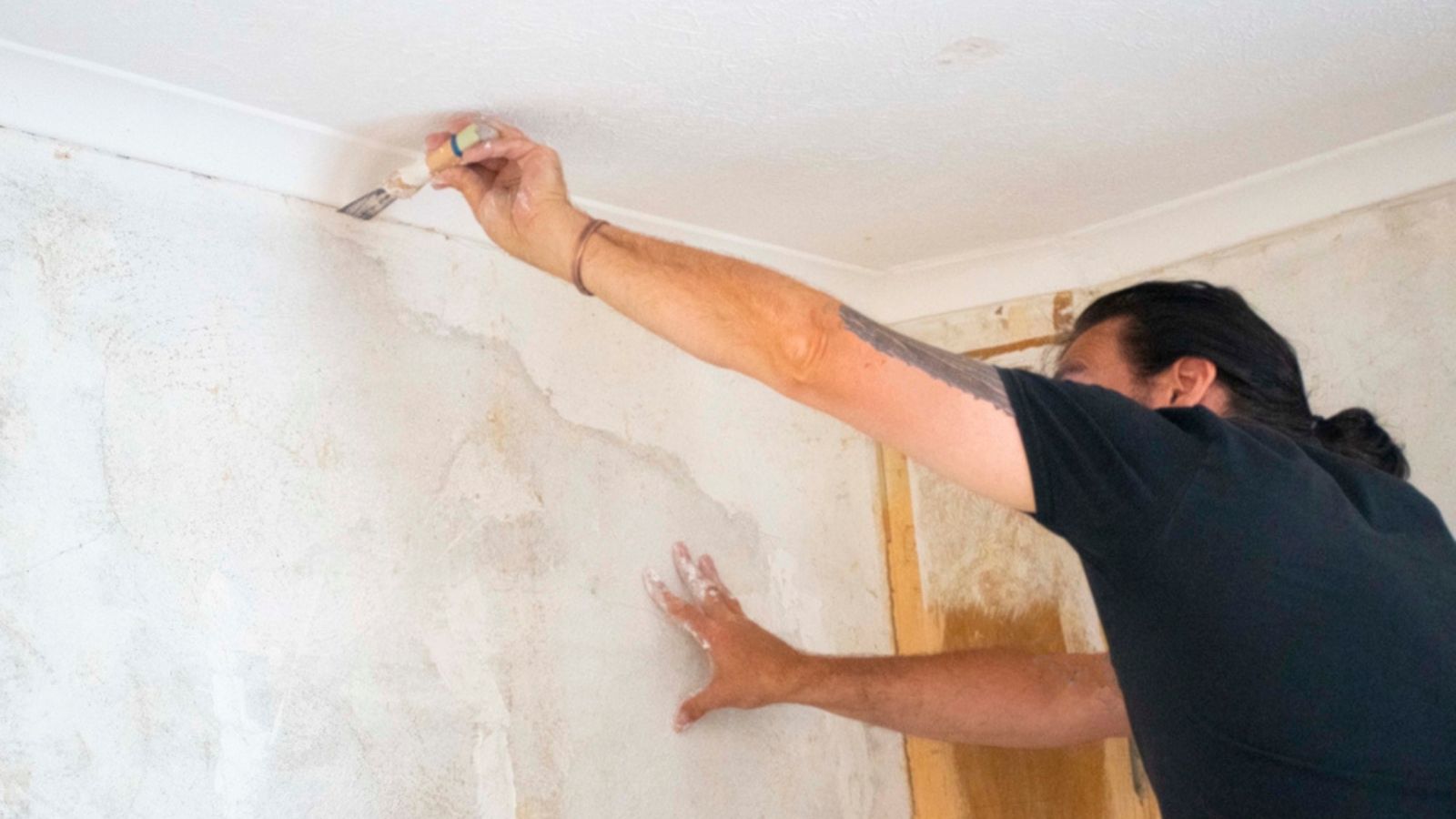
Small gaps or cracks in aging foundations act as doorways for snakes. Once inside, they can explore crawl spaces, basements, or other areas of your home.
How to Keep Them Out:
Seal foundation cracks using expanding foam or concrete sealant. Focus on areas where pipes or cables enter the house and use steel wool as an extra barrier if necessary.
13. Abandoned Animal Burrows
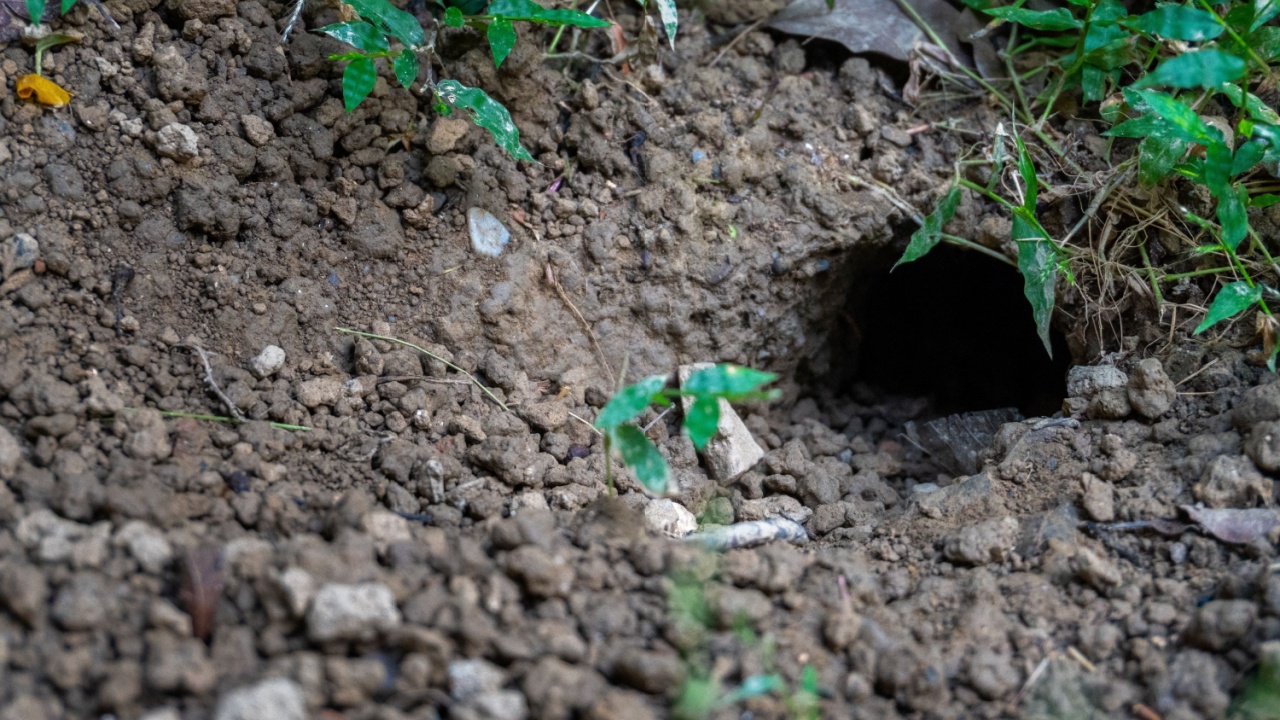
Vacant rodent burrows are often taken over by snakes as ready-made shelters. These underground passages offer excellent protection from predators and extreme weather.
How to Keep Them Out:
Fill unused burrows with gravel or soil to make them unusable. Monitor your property for new signs of burrowing activity, especially after heavy rains when softer soil encourages digging.
14. Outdoor Fireplaces or Grills
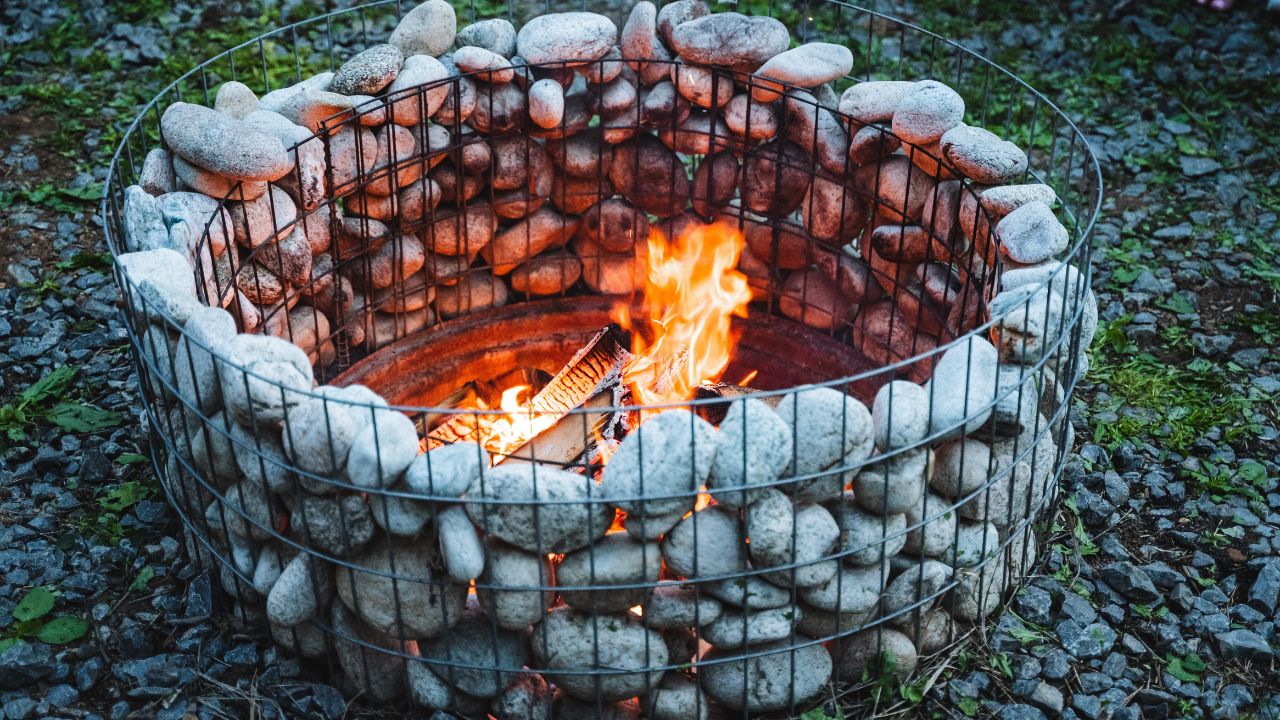
Uncleaned outdoor fireplaces, barbecue grills, or covered pits can unwittingly host snakes. While not a primary spot for them to hide or rest, leftover food scraps may attract rodents, which in turn draw snakes. Covered structures also provide shade and hiding spaces.
How to Keep Them Out:
Clean grills and fireplaces thoroughly after each use, removing grease or leftover food that may entice pests. Keep them covered and sealed when not in use. For extra protection, surround cooking areas with materials like gravel that snakes find less inviting.
Keep Your Home Safe

Understanding where snakes like to hide is crucial for keeping them out of your yard and home. With regular maintenance, clear landscaping, and proactive sealing of entry points, you can create a space that’s less appealing to these slithery visitors.
Whether it’s checking your crawl spaces or trimming vegetation, small changes can make a big difference in ensuring your family and pets stay safe.
Read more
15 Non-Venomous Snakes You Might Identify in Your Own Yard
14 Errors That Accidentally Invite Snakes into the Yard