6 Ways to Reuse Tea Leaves in the Garden
Millions of cups of tea are brewed every single day across the globe by thirsty people. Most individuals toss the wet leaves directly into the trash bin without a second glance at the waste.
Those discarded remnants actually hold incredible value for your plants and soil health. You can easily transform this daily refuse into a highly beneficial resource for your entire property.
Tea leaves contain trace minerals and nutrients that plants naturally crave for healthy growth and strong roots. They provide a gentle dose of nitrogen and organic matter to nourish your garden beds. Repurposing them reduces household waste and creates a healthier environment for your vegetables and flowers to bloom.
This guide outlines practical methods for using your leftover morning brew outdoors in the dirt. Would you like to learn how different types of tea can deter pests or naturally improve soil health? The following are some simple techniques for turning kitchen scraps into plant food today.
1. Repel Pests With Peppermint Tea
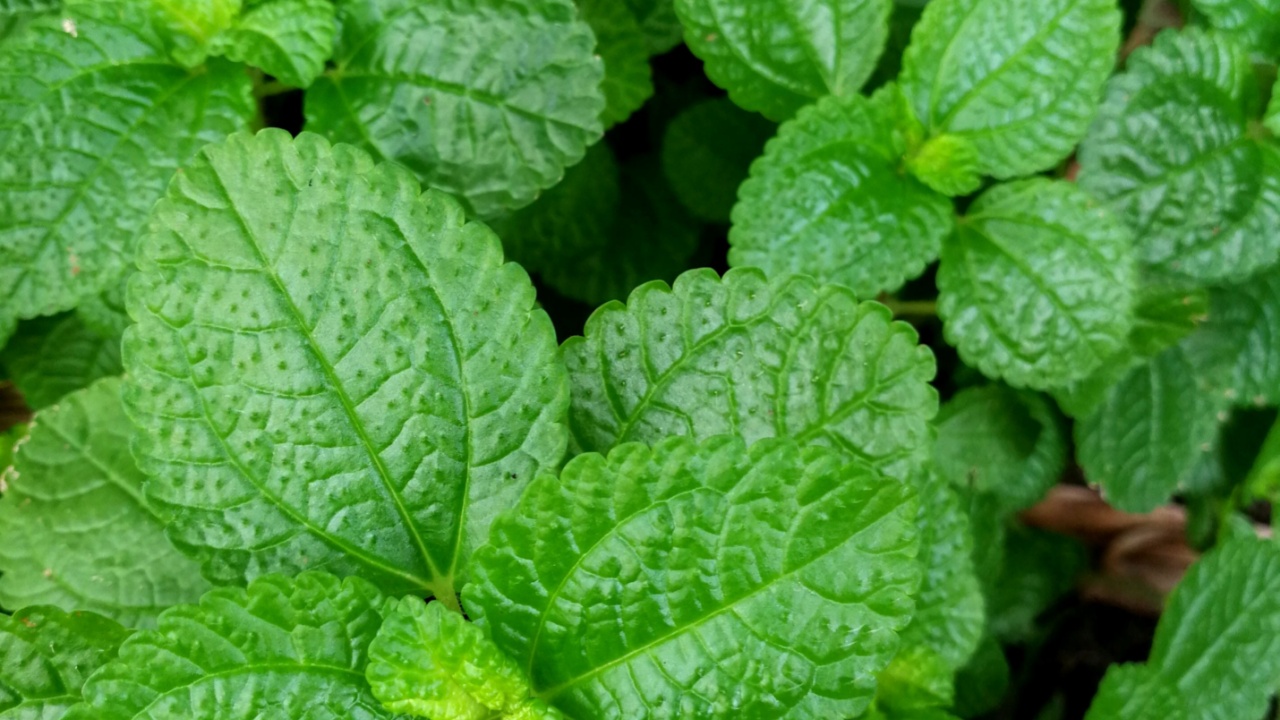
Mint and peppermint teas emit a strong scent that naturally drives away ants and spiders from your yard. The menthol trapped in the leaves acts as an invisible barrier, keeping crawling insects away from your prized plants. You can scatter the damp leaves directly near the base of vulnerable vegetables to protect them from damage. This creates a safe zone for your delicate seedlings to grow without constant bug attacks.
Another great option is to brew a fresh batch using used leaves and let the liquid cool completely. Pour the chilled mint water into a spray bottle and mist the perimeter of your garden beds thoroughly. This natural repellent protects your foliage without introducing harsh chemicals into the local ecosystem. You protect helpful pollinators while sending unwanted insects far from your property.
2. Improve Moisture Retention In Potted Plants

Loose tea leaves work beautifully as a moisture-retaining layer for your porch and balcony containers. Placing a thick layer of damp leaves at the bottom of a pot before adding soil traps water near the plant roots. This provides a steady supply of hydration during warm and sunny afternoons.
As the leaves break down beneath the soil surface, they improve the soil structure in your pots. This decomposition process encourages healthy root growth while preventing the potting mix from drying out entirely. Your container plants will require much less frequent watering schedules during the hottest summer months. You save time on garden chores while keeping your potted flowers perfectly hydrated.
3. Feed Indoor Plants With A Weak Brew
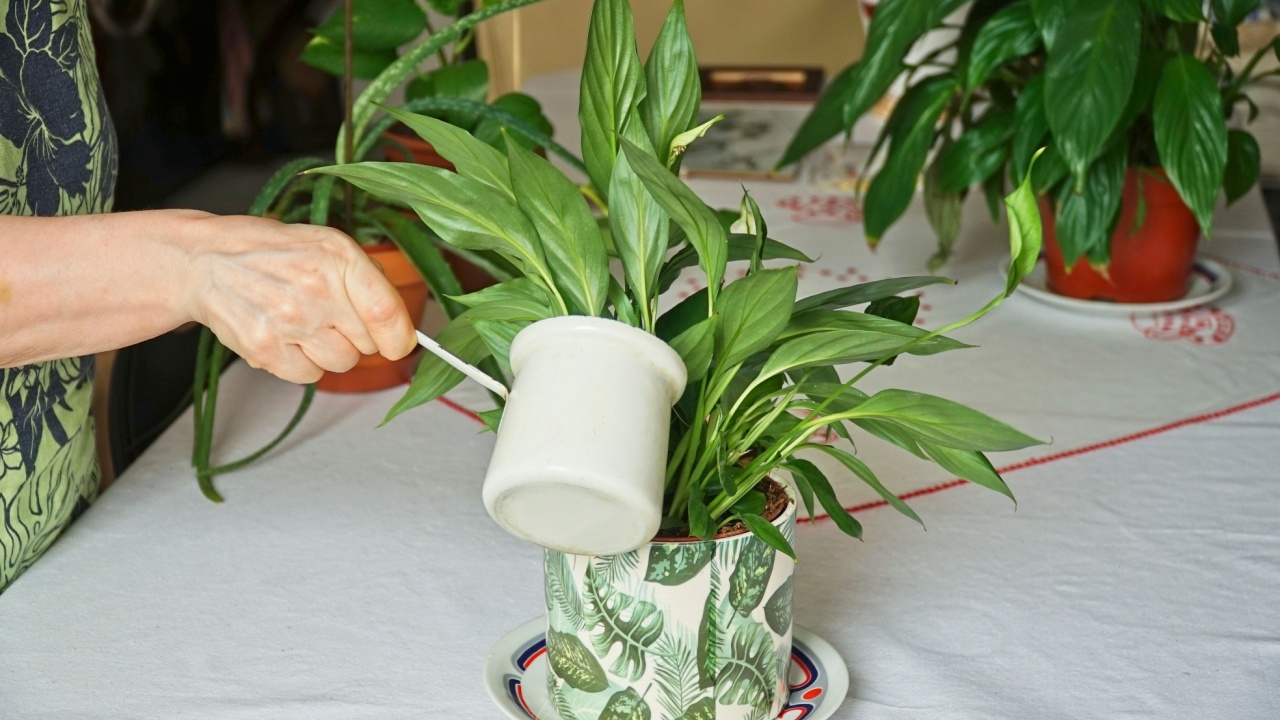
You can steep your used tea leaves a second time to create a weak liquid fertilizer for your home. This leftover wash offers a mild boost of nitrogen and acidity to hungry plants in need of a snack. The gentle nature of this diluted drink makes it perfectly suited for sensitive indoor greenery living on your windowsills. Houseplants respond very well to this light and natural feeding routine.
Keep in mind that a single cup of this weak liquid will not go very far in a massive outdoor garden bed. Save this special brew specifically for your potted houseplants that genuinely need a light nutrient lift right now. Just wait until the liquid reaches room temperature before applying it directly to the dirt. Pouring hot liquid on your plants will damage the roots and severely hurt your greenery.
4. Protect Foliage From Fungal Infections
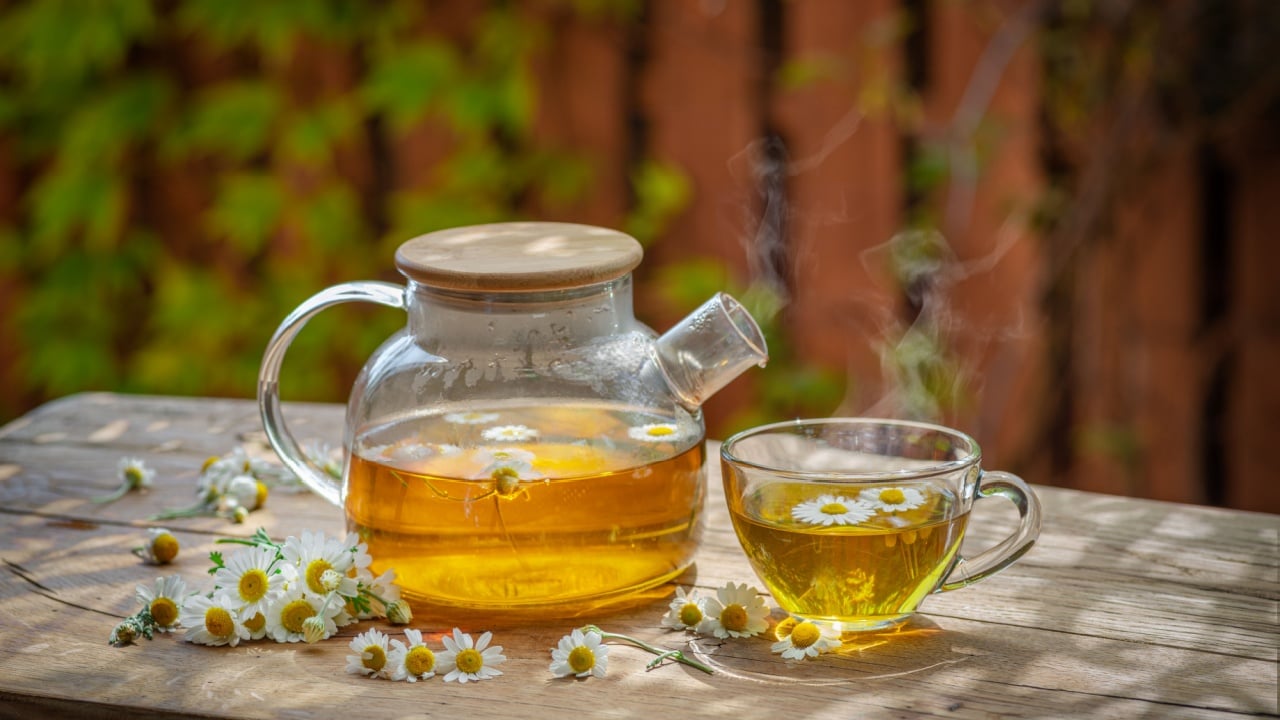
Chamomile tea contains natural compounds that actively fight off harmful fungal growth on delicate plant leaves. Brewing a weak batch of chamomile from previously steeped bags creates a highly safe and effective treatment for vulnerable seedlings. This herbal remedy targets fungal spores before they can spread and permanently damage your garden beds. Preventing an outbreak is always much easier than treating a massive infection later.
To apply this treatment effectively and safely, allow the chamomile brew to cool entirely to avoid burning the leaves. Transfer the liquid into a clean spray bottle and gently mist the leaves of affected plants early in the morning hours. Regular applications will firmly protect delicate seedlings from damping off and other common fungal diseases. Your new plants will have a much higher survival rate with this protective routine.
5. Boost Soil Acidity For Acid-Loving Plants
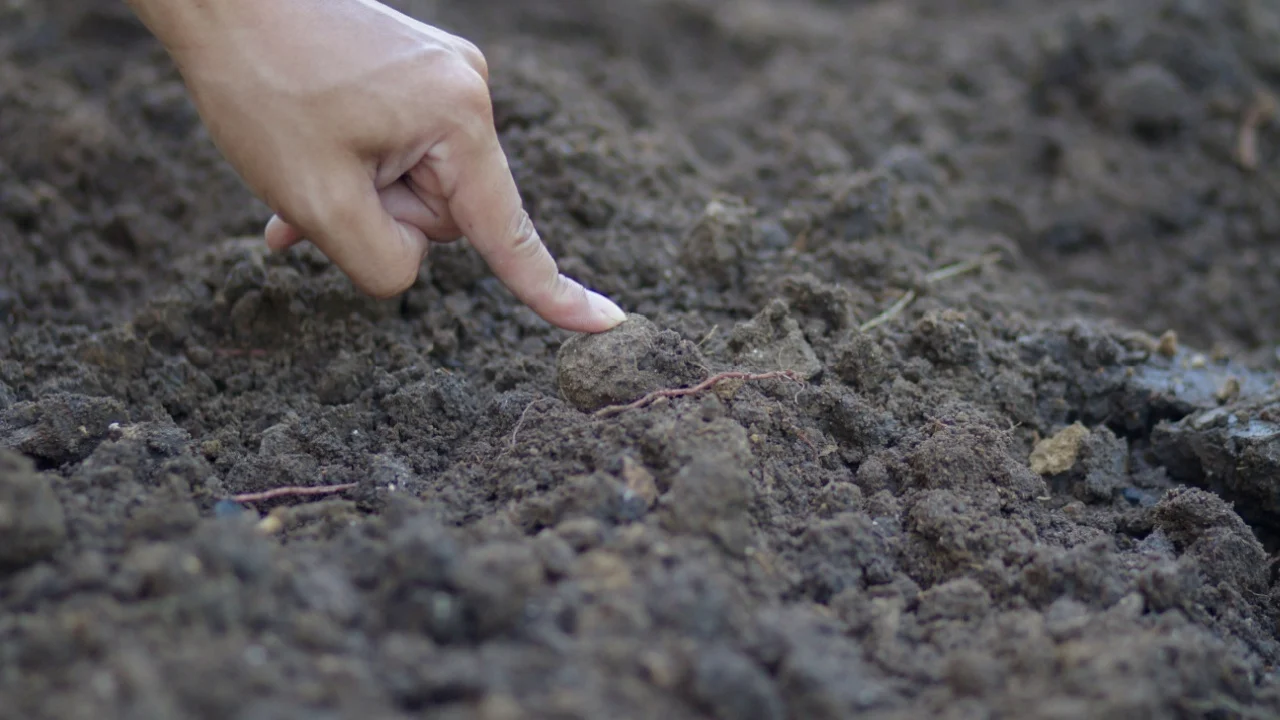
Working loose tea leaves directly into your garden beds gradually raises the acidity of the surrounding soil over several weeks. This creates an ideal growing environment for acid-loving favorites like blueberries, azaleas, hydrangeas, and fresh tomatoes. Giving these specific plants the exact pH they crave results in massive blooms and huge harvests.
Always check your plants’ specific pH preferences before heavily amending the soil with tea. Plants such as lavender and lilacs strictly prefer alkaline conditions and will suffer if exposed to too much acidic soil. Scratch the leaves lightly into the top few inches of dirt near the correct plants for the absolute best results.
6. Add Valuable Green Matter To Compost Bins
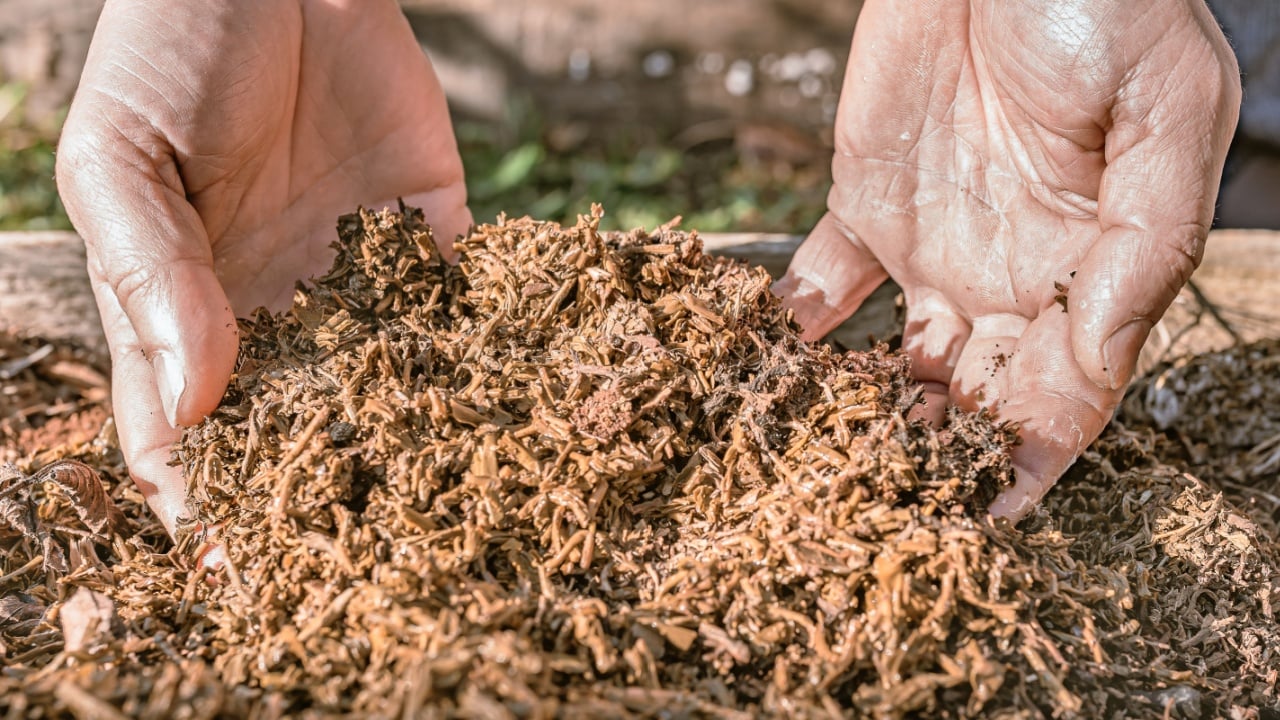
Throwing wet tea leaves into your compost pile introduces a fantastic source of nitrogen-rich green matter to the mix. The leaves break down quickly, encouraging beneficial bacteria to accelerate the decomposition of your entire refuse pile. Even the paper bags are fully compostable as long as you pull out any metal staples beforehand. Adding this daily waste helps your compost pile reach the optimal temperature for breakdown.
Balancing these green additions with brown matter, such as dried leaves or cardboard, keeps your compost pile healthy and odor-free. The worms and microorganisms in the bin will consume the tea scraps rapidly and multiply quickly. Soon, you will have rich and dark organic matter ready to feed your entire garden in the spring. Building healthy compost is the ultimate secret to growing a massive and productive vegetable patch.
Brewing a Greener Garden

Putting your discarded tea leaves to work in the dirt is a smart habit for any backyard gardener to build today. From banishing spiders with peppermint to feeding your indoor greenery with weak liquid, these leftover scraps offer massive benefits. Your daily beverage routine naturally transitions into a highly sustainable gardening practice for your whole family. Learning to reuse everyday items saves money and reduces your overall environmental footprint.
Read More:
A 5-Step Guide to Composting at Home to Stop Throwing These Kitchen Scraps Away
13 Companion Plants to Help Carrots Thrive (and 4 That Don’t Play Nice)