What Gardeners Are Getting Wrong With Their Peonies This April (And How to Fix It)
Your peonies look perfectly healthy. The foliage is lush, the stems are strong, and the plant is clearly alive and well. But for the third spring in a row, there are no blooms. Not even a bud.
If that sentence describes your garden right now, you are not imagining things, and you are not alone. The problem is rarely the plant. It is almost always one of a handful of quiet April mistakes that well-intentioned gardeners repeat year after year without realizing it.
April is when this gets fixed, or missed again. Herbaceous peonies, the most beloved type in American gardens, are waking up from dormancy right now, and the window for getting a few specific things right is narrow. Miss it, and the best you can hope for is another season of beautiful greenery. Get it right, and those plants will reward you with the kind of globe-sized, colorful, fragrant blooms that have made peonies the undisputed queens of the spring garden for more than a century.
The cruel irony is that most of the mistakes gardeners make with peonies in April come from caring too much. Over-mulching, over-fertilizing, staking too late because it felt too soon, or spraying the very insects doing the most to protect the buds. These plants are tough and long-lived; a single established peony can flower for 50 years or more. They want to bloom. Once you stop making the mistakes that hold them back, they will.
Here is exactly what to do with your peonies this April, and just as importantly, what to stop doing immediately.
Stop Leaving Winter Mulch Against the Crown
This is the mistake most gardeners never suspect, because it looks like good winter care. You mulched generously in the fall to protect the roots. Now April is here, and you have not pulled it back yet. That decision, repeated year after year, can suppress peony blooms as effectively as any disease.
According to The Old Farmer’s Almanac, planting peonies too deep is the single most common reason they fail to bloom. The eyes (those distinctive pink or red buds on the crown of the plant) must sit no more than 1 to 2 inches below the soil surface. When mulch accumulates against the crown over multiple seasons, it gradually buries the plant deeper, mimicking the effect of too-deep planting.
As a result, the peony produces abundant foliage but no flowers. The fix, once you know it, is simple: rake all mulch away from the crown before growth begins in earnest, exposing the eyes to light and air. If your plant has been underperforming for several years despite good sun exposure and no obvious disease, check the crown depth with your fingers. If it is more than 2 inches below soil level, lifting and replanting at the correct depth in the fall can transform a non-blooming plant into a prolific one.
Fresh mulch is fine after you have fed the plant in spring, but keep it at least 3 to 4 inches away from the crown. Your grandmother’s peonies, which bloomed faithfully for decades with almost no attention, were almost certainly planted at the right depth from the start. That is their only real non-negotiable.
Do This One Thing the Moment You See Red Shoots
Those red shoots pushing up from the soil in April are not a cause for alarm; they are perfectly normal for most peony varieties, and they are your signal to act on fertilizer. The window is specific and brief: from the time shoots are roughly 3 inches tall to when they reach about 12 inches.
Iowa State University Extension recommends applying 1/4 cup of a balanced 10-10-10 granular fertilizer per mature plant, lightly worked into the soil around the crown, then watered in immediately to prevent fertilizer burn. Apply the fertilizer at the drip line of the plant (the outer edge of the foliage canopy), and never directly against the stems or crown. Peony crowns and young shoots are highly susceptible to fertilizer burn.
The single biggest fertilizing mistake, and it is far more common than under-fertilizing, is reaching for a high-nitrogen product. Horticulturists at the University of Illinois specifically warn against overfertilizing peonies with nitrogen because it stimulates leafy growth at the direct expense of flowers. The result is a magnificently bushy plant that refuses to bloom. This is the exact effect you get when lawn fertilizer drifts onto a peony bed.
For established plants, some growers skip granular fertilizer entirely in favor of a single annual top-dressing of compost at the drip line; for plants in their third year or beyond, that can be enough. Many professional peony growers abide by the “less is more” philosophy – peonies have a massive, well-developed root system that stores enormous energy reserves. Feed them correctly and sparingly, and they will spend that energy on flowers.
Stake Earlier Than You Think You Need To
If your peonies have ever collapsed face-down in the mud after a May rainstorm, it is almost certainly because you staked them too late, or did not stake at all. Most gardeners wait until the plants look like they need support. By then, it is too late to do the job properly.
The Matthaei Botanical Gardens at the University of Michigan recommends placing supports when plants are between half and three-quarters of their full height, typically when stems are between 8 and 12 inches tall. At this stage, the stems grow up through the support naturally, resulting in a plant that stands upright on its own. Waiting until the plant is tall and flopping means bundling the stems together with twine at the last minute, which creates a dense, humid pocket at the center of the plant. That condition is exactly what botrytis, the most common fungal threat to peonies, needs to take hold. Peony rings, wire cages, or a grid of bamboo stakes with looped twine all work well. Put them in now, in April, while the shoots are still short enough to make it easy.
The Botrytis Problem Most Gardeners Don’t See Coming
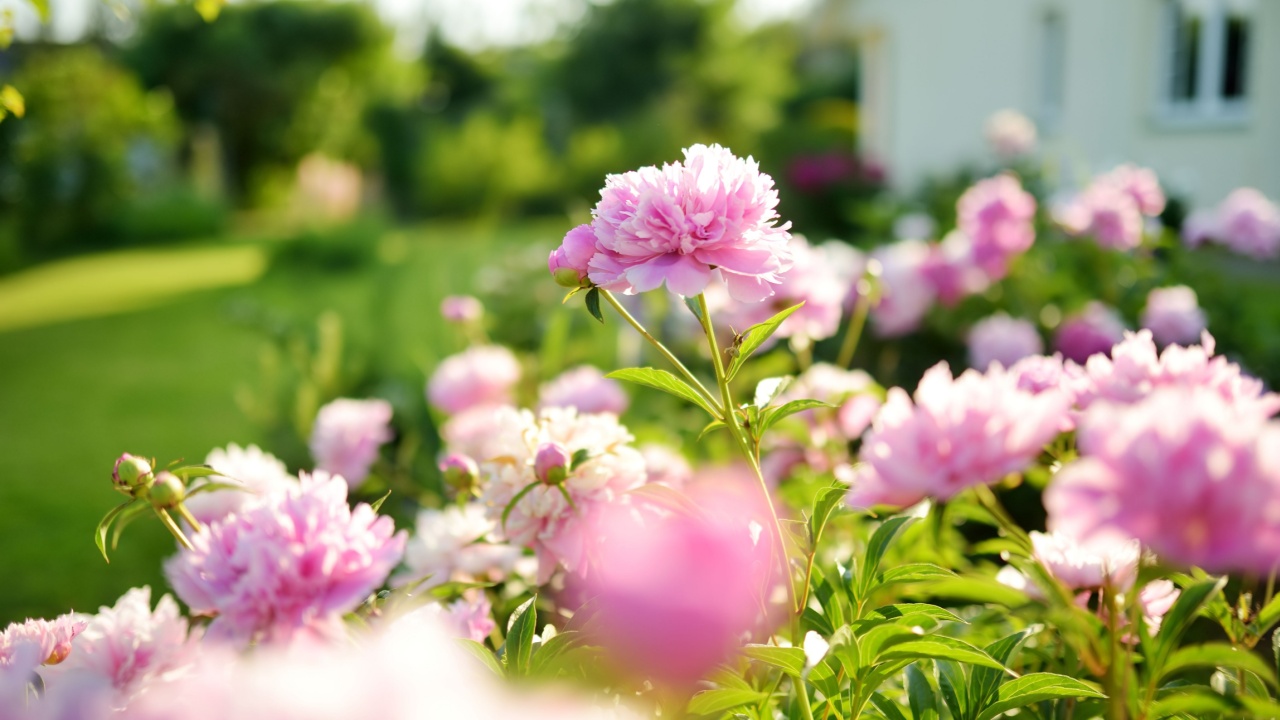
By mid-April, when cool, damp weather is still common across much of the country, botrytis (grey mold) becomes the primary threat to watch for. It appears as blackened buds that fail to open, dark spots on emerging foliage, or young stems that collapse and rot at the soil level. Once it takes hold, it is difficult to reverse; prevention is the entire strategy.
According to Peony’s Envy, a specialist peony nursery that works with both Rutgers University and Cornell’s diagnostic labs, the most critical preventive step is removing all plant debris from the peony bed in the fall and disposing of it in the trash, not the compost pile. Botrytis spores overwinter in plant material and reinfect the following spring. If you did not do a thorough fall cleanup, clear that debris now, in April, before growth gets tall. Good air circulation is the other essential defense; do not crowd peonies with other plants, and avoid anything that traps humidity at the center of the plant. Water at the base, never from above. Morning watering is strongly preferred over evening watering.
The April Trick Pro Growers Use for Showstopper Blooms
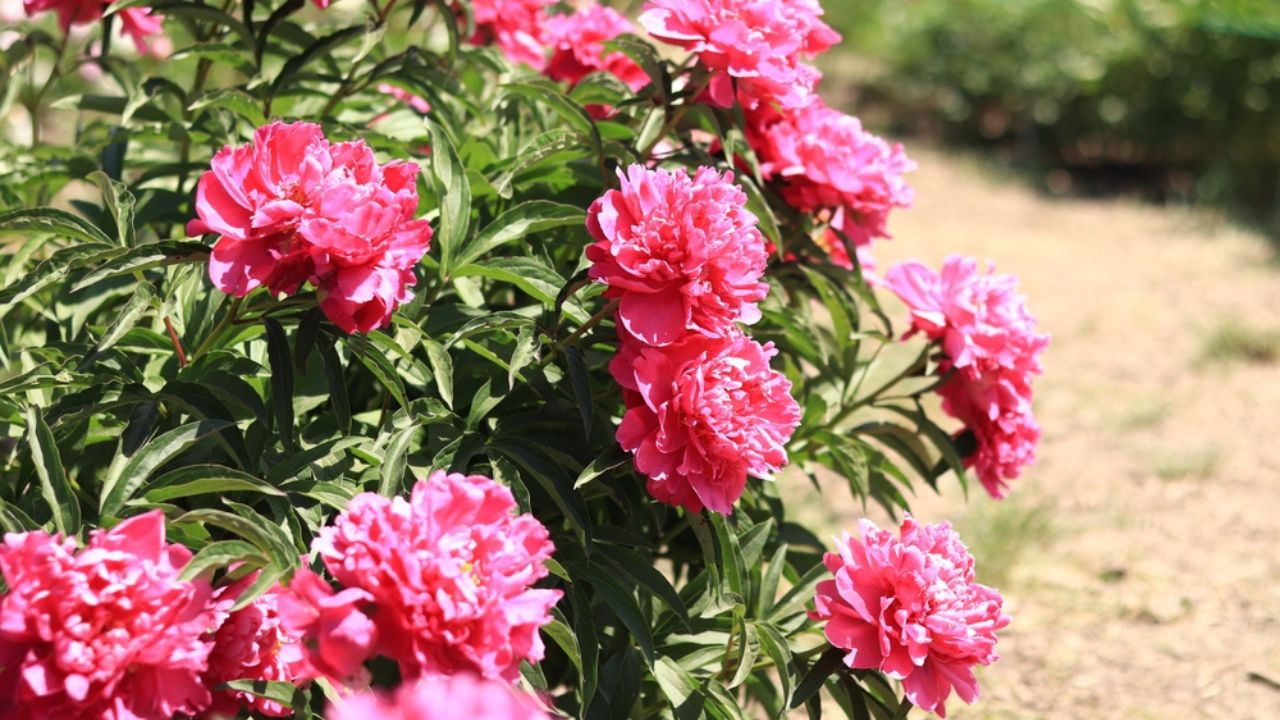
Most home gardeners have never heard of disbudding, but it is the technique behind every enormous peony bloom you have ever seen at a flower show or in a florist’s arrangement. Peonies naturally form a large central bud with several smaller side buds on the same stem. If you allow all of them to develop, you get multiple smaller flowers. If you pinch out the side buds in April or May, leaving only the central bud, the plant channels all of its energy into producing one spectacular bloom per stem.
Using a sharp thumbnail or small scissors, remove side buds when they are still small and pea-sized, leaving the central terminal bud intact. It takes less than five minutes per plant. The mature root system of an established peony can produce 30 to 50 blooms per plant in a single season; disbud selectively on the stems you plan to cut for arrangements, and leave side buds on the rest for a longer, more continuous display.
This is not a technique that most nursery staff mention when you buy a peony. But the gardeners whose peonies look like they belong in a bridal bouquet almost always do it.
What You Can Stop Worrying About: The Ant Question

If your peonies have buds forming in April, you will almost certainly see ants. Dozens of them, swarming the sticky, nectar-coated buds. Every year, this sends gardeners reaching for the insecticide, which is precisely the wrong response.
The Old Farmer’s Almanac is unequivocal on this: ants do not help or harm peony blooms. They are attracted to the sweet nectar secreted by the buds, and in return, they provide natural pest control, eating aphids, thrips, and other soft-bodied insects that would otherwise damage the plant. The old folk wisdom that peonies cannot open without ants to “eat away the seal” on the bud is a myth, but the relationship is genuinely mutualistic. Leave the ants alone. If you want to bring cut flowers indoors without them, hold the stems upside down and give them a firm shake outdoors, or dip the blooms in a bucket of cool water for a few minutes before bringing them inside.
April Is the Whole Game
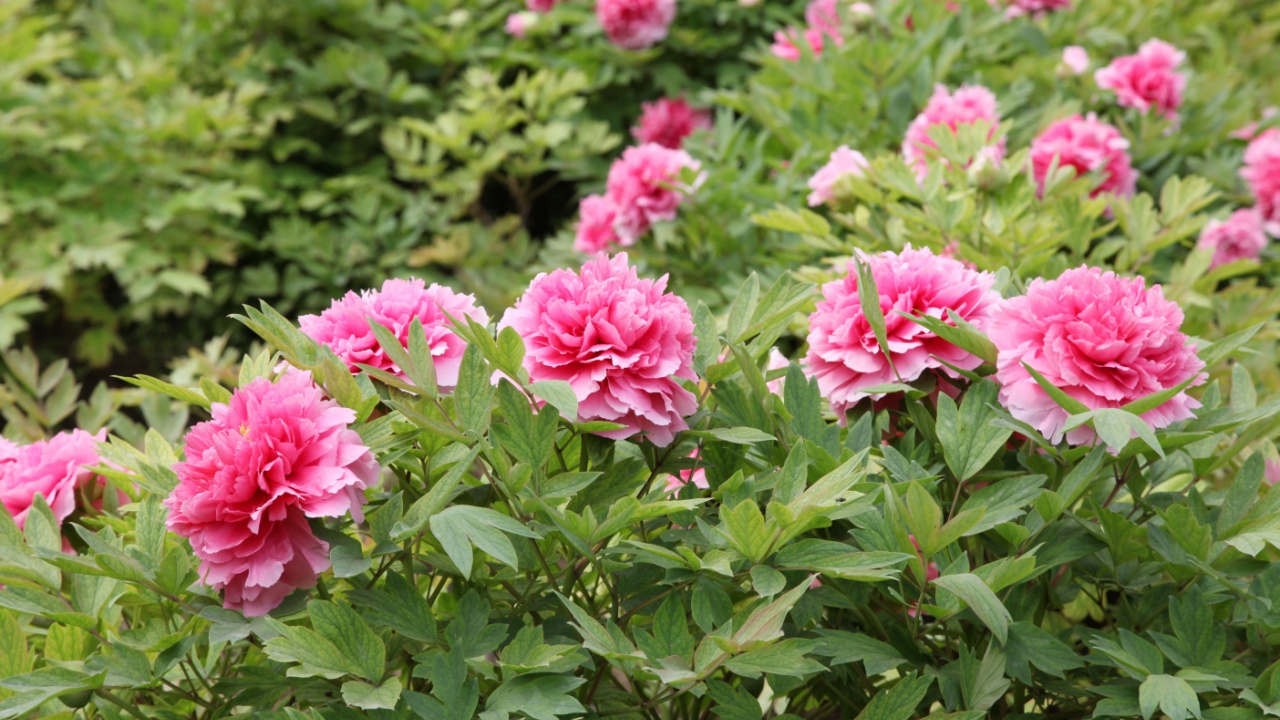
Peonies reward patience the way almost no other garden plant does. A well-sited, correctly planted peony will outlive the gardener who planted it. But that longevity only pays off when the plant gets a few simple things right in spring: clear crown, appropriate fertilizer, early staking, clean airflow, and the knowledge that some of what looks like a problem (red shoots, ants, slow early growth) is simply the plant doing what it has done for generations.
Your grandmother’s peonies bloomed every May because she planted them at the right depth and left them alone. A little informed attention this April, and a commitment to stopping the well-meaning habits that hold these plants back, is all it takes to get yours there too.
Read more:
Why wildlife experts are telling people to take down their bird feeders
Plant these 10 companion plants with your tomatoes — and stop planting these 4