6 Most Affordable Places to Stock Up on Everyday Household Items
The economy is feeling harsh for many consumers these days, and it doesn’t help when household staples evaporate as soon as you stock up. Toilet paper, dish soap, laundry detergent, trash bags, and batteries are the kinds of items that quietly drain a budget when shoppers aren’t paying close attention to where they buy them.
The price of the same product can vary significantly, depending on the store. Much of that difference comes down to store brands versus name brands, bulk packaging versus standard sizes, and how often a retailer runs sales on everyday essentials. Knowing how each type of store prices these items takes a lot of guesswork out of shopping.
Smart shoppers compare the unit price, not the sticker price. A large pack of paper towels at a warehouse club might look expensive at first glance, but when broken down by sheet or roll, the savings become clear.
This article covers six of the most affordable places to stock up on everyday household items, from bulk warehouse stores to neighborhood dollar stores.
1. Walmart
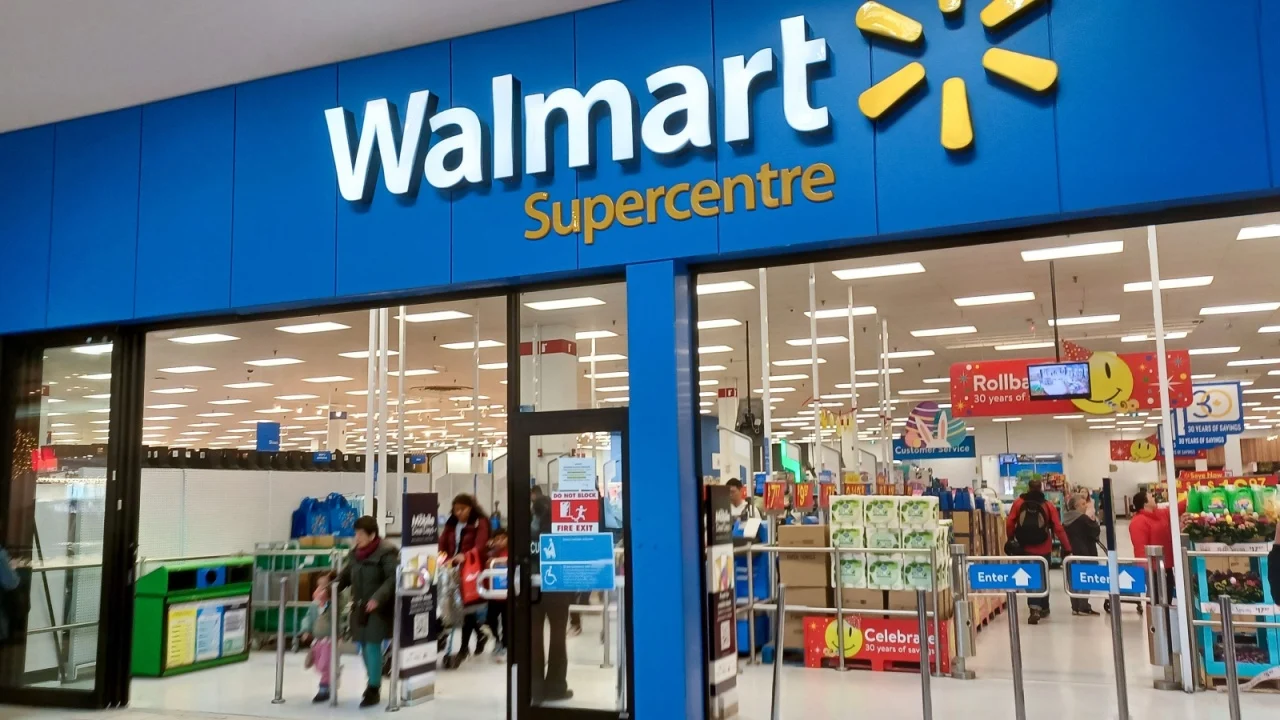
Walmart has built its reputation on low everyday prices, and that holds across most household staples. Detergent, batteries, paper towels, and cleaning supplies are consistently priced below the national average, and the store’s Great Value private label is one of the strongest store brands available for household basics.
Shoppers don’t need to wait for a sale or buy in bulk to get a fair price here, which makes it a reliable stop for standard-sized household purchases.
The real strength of Walmart is its consistency across product categories. While it doesn’t always beat warehouse pricing on large-volume purchases, it performs well on mid-sized packs that most households go through at a steady rate.
For shoppers who don’t have the storage space for bulk quantities, Walmart often offers the lowest per-unit prices outside of a membership-based store.
2. Costco
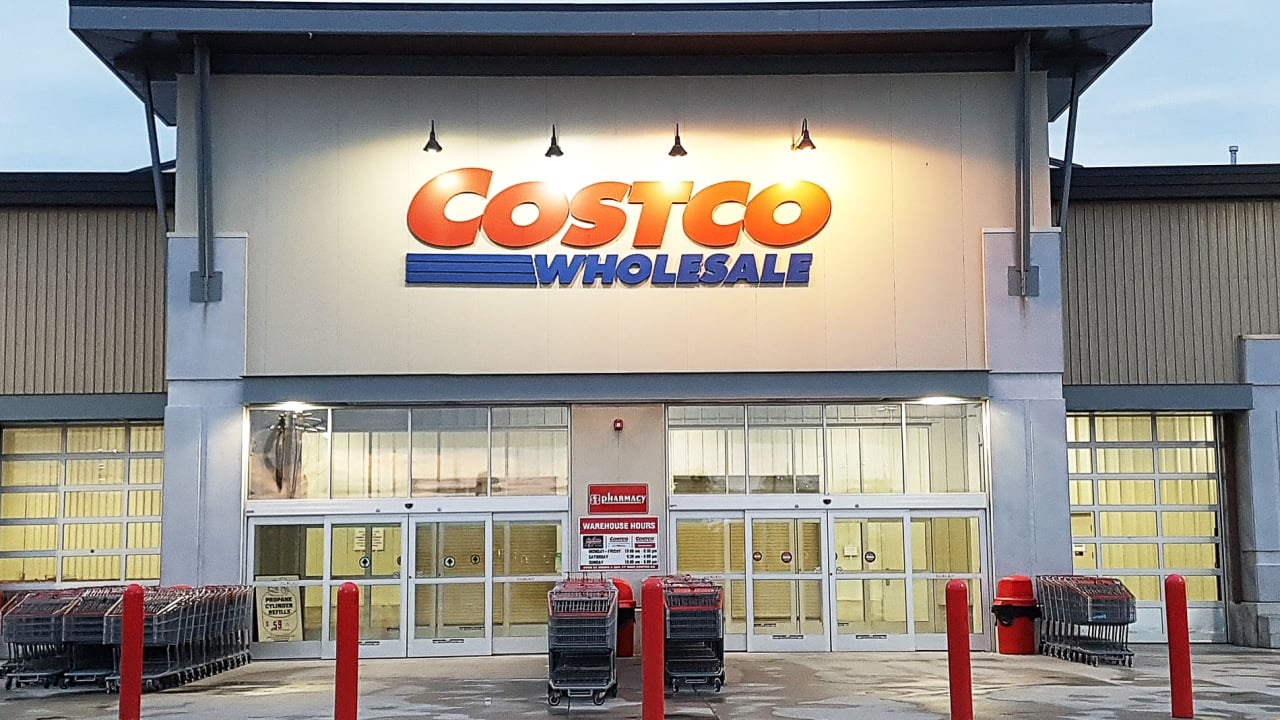
Costco is the top choice for households that can commit to buying in volume. The Kirkland Signature private label covers everything from laundry detergent and dish soap to trash bags and paper towels, and the quality is consistently high for the price.
The savings are most pronounced on items that get used quickly, like toilet paper, detergent, and AA batteries, where buying in bulk can cut the per-unit cost significantly compared to a traditional grocery or drug store.
The membership fee is a real consideration, but for households that regularly spend on household supplies, it tends to pay for itself within a few months. Shoppers should also pay attention to the store’s in-house sale rotation, sometimes called Costco’s monthly promotions, which can bring already-low prices down even further.
Storage space is the main limiting factor, so Costco works best for those with room to stockpile items that have a long shelf life. Sam’s Club is another bulk stores with similar pricing to Costco that you can price compare at.
3. Amazon

Amazon’s pricing on household items is harder to predict than that of a traditional retailer, but it rewards shoppers who do their homework. The Amazon Basics line, particularly for batteries, has been found to beat Costco’s Kirkland brand in some price comparisons, which is a notable benchmark given how competitive Kirkland pricing is.
Prices on Amazon shift frequently based on demand, seller competition, and fulfillment methods, so an item that’s a great deal one week may not be the next.
The Subscribe and Save program is one of Amazon’s more practical tools for household shoppers, offering discounts on recurring purchases of items like dish soap, trash bags, and cleaning supplies.
Free shipping through a Prime membership adds to the value for orders that would otherwise rack up delivery fees. Shoppers who track prices using a browser extension or price history tool will get the most out of Amazon’s fluctuating deals on everyday essentials.
4. Dollar General
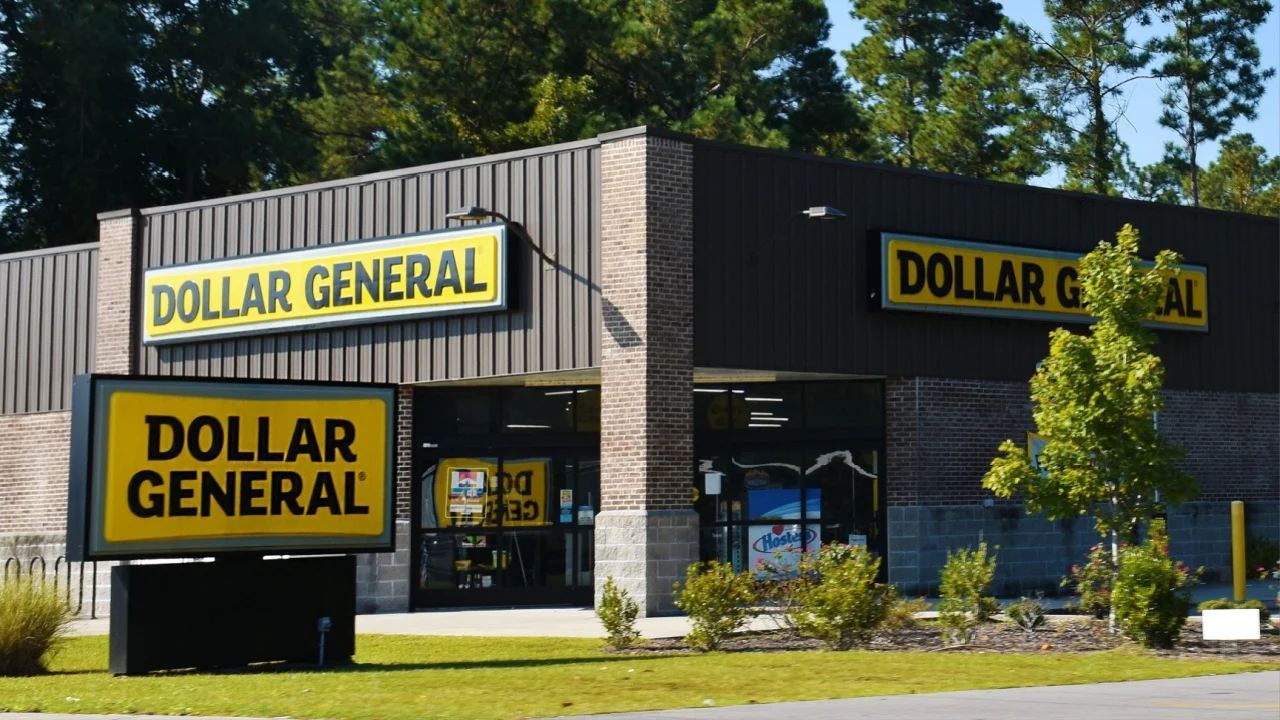
Dollar General often gets overlooked as a serious option for household staples, but its pricing on small and mid-sized packs frequently competes with, and sometimes beats, Walmart. The store’s own-brand products, particularly in cleaning supplies and paper goods, offer genuine value for shoppers who aren’t brand-loyal.
This is especially useful for households that need to restock one or two items without buying a large quantity.
The store format is built for convenience, with most locations stocking a focused selection of the essentials rather than a full grocery range. Shoppers should pay attention to unit pricing on shelf tags since some Dollar General products are packaged in smaller quantities that can make the price look lower than it is per unit.
For budget-conscious shoppers managing week-to-week purchases, Dollar General is a smarter option than most people give it credit for.
5. Target
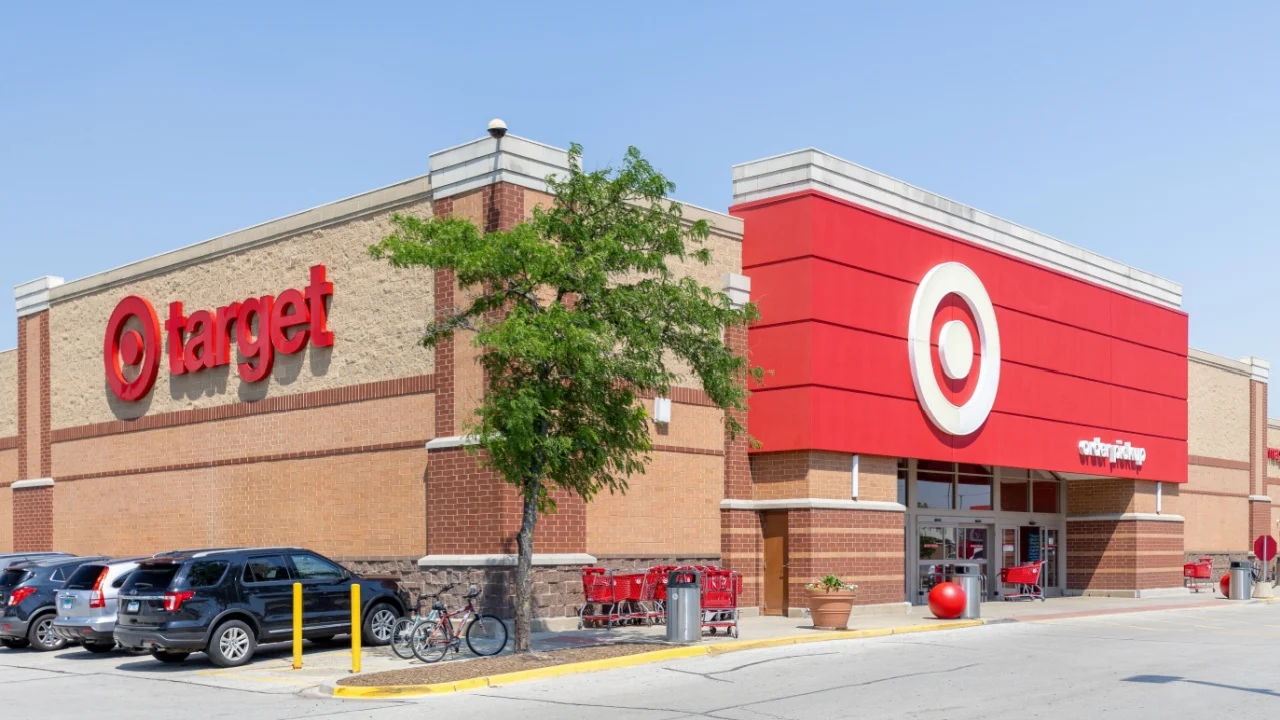
Target sits in a similar price range to Walmart for most household items, though it tends to run slightly higher on a number of staples. Its store brand, Good and Gather for food and Up and Up for household and personal care products, covers cleaning supplies, paper goods, and trash bags at prices that undercut national brands by a meaningful margin.
Target also runs regular sales and offers the RedCard discount, which takes five percent off every purchase and can add up quickly on household restocking trips.
Target’s store layout and shopping experience draw in a broad range of shoppers, and the online and in-store integration makes it easy to spot clearance deals or apply digital coupons before checking out.
For households that already shop at Target regularly for other categories, consolidating household supply purchases there makes practical sense. The pricing isn’t always the lowest available, but it’s competitive enough that shoppers don’t have to make a separate trip just to save a few dollars.
6. Kroger Family Stores
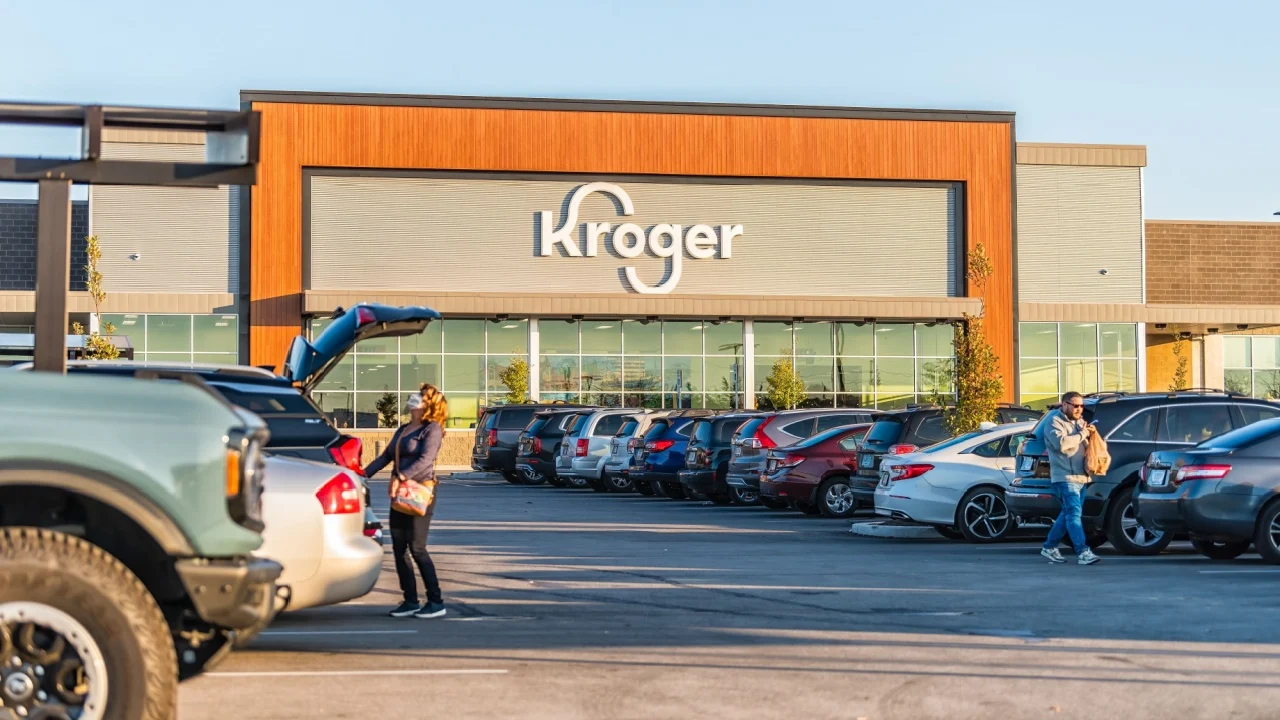
The Kroger family of stores, which includes King Soopers, Ralphs, Dillons, Pick’n Save, and several other regional banners, occupies a middle tier in household staple pricing. Prices generally run higher than Walmart but lower than chain drug stores like CVS or premium grocery options like Safeway.
The Kroger store brand is solid across cleaning supplies, detergent, and paper products, and the chain’s digital coupon system and loyalty card program can bring prices down noticeably on items that are already reasonably priced.
One of the best ways to save at Kroger is to combine a loyalty discount with a digital coupon on a store-brand product, which can stack savings in a way that puts the final price well below what a comparable item might cost at a higher-priced grocery store.
The chain also runs weekly sales on household items, and shoppers who track those cycles can time larger purchases to coincide with the deepest discounts. For shoppers in regions where Kroger-affiliated stores are the primary grocery option, learning that the loyalty program pays off.
How to Shop Smarter Across All of Them

No single store wins across every category, every time. The retailers that charge the most for one item may offer genuine value on another, which is why a basic understanding of where each store excels pays off in the long run.
Shoppers who split their household supply purchases across two or three stores based on category strengths tend to save more than those who buy everything at one place out of habit.
Unit pricing is the single most useful number when comparing household items across stores. A six-pack of dish soap at a warehouse store and a single bottle at a drugstore might serve the same daily need, but the cost per ounce tells the real story.
Tracking a short list of frequently purchased items across two or three preferred stores, even casually, builds a working knowledge of where the best regular prices actually live.
Read More:
6 Mistakes Garden Shop Owners See Buyers Making
Granny Ruffles Feathers Saying Stop Complaining About Groceries When You Shop Like You’re Rich