6 Mistakes Garden Shop Owners See Buyers Making
A garden shop can look full of promise. Rows of green leaves, bright blooms, and fresh pots make it easy to want everything in sight.
That excitement is part of the fun, yet it can lead shoppers to make rushed choices. Garden shop owners see the same patterns again and again, and many of them lead to weak plants, wasted money, or poor results at home.
A good visit is not just a shopping trip. It is a chance to match the right plant to the right spot, learn from people who handle plants every day, and avoid problems before they show up in your yard.
Here are six mistakes garden shop owners see buyers making, along with simple ways to shop with more confidence and come home with plants that have a better chance to thrive.
1. Buying Plants That Already Look Stressed

Many buyers fall for color first and plant health second. A pot covered in blooms can still hide yellowing leaves, spotted stems, chewed foliage, or roots packed so tightly that the plant is already struggling.
Garden shop owners often notice shoppers skip basic checks, even though signs of stress are easy to spot once you know what to look for. A healthy plant usually has even color, firm stems, clean leaves, and visible roots that are not matted or brown.
Checking for these signs helps you avoid unhealthy plants that can introduce pests or diseases to your garden. Lift the pot to check the roots, examine the undersides of the leaves, and look for any damage to avoid disappointment and extra yard work.
Picking a healthy plant gives you a stronger start and more reliable growth once you take your new addition home.
2. Not Asking For Advice

A lot of shoppers shy away from asking questions, sometimes out of worry that they should know more, or a wish to shop in peace. Garden shop staff are trained to spot issues and offer suggestions, but many buyers leave valuable insights untapped.
With so many options in store, missing out on expert guidance often leads to purchases that don’t fit your space or needs.
Taking the time to chat with staff and ask relevant questions can open up practical tips on soil preferences, sunlight needs, and plant care routines.
Staff can offer advice you might not find on labels and recommend care products or alternatives.
3. Shopping Without a Plan

Walking into a garden shop without knowing what will fit your space makes it easier to be drawn in by the newest bloom or the largest specimen.
Many plant buyers arrive without knowing how much sun their garden gets, what kind of soil they have, or how much room is available. This can result in wasted money and plants that are never quite right for their new spot.
Taking a few minutes to assess your garden before you shop makes a difference. Bring notes or photos to show staff, and measure your planting areas.
Having this information allows staff to help you choose plants that will thrive in your home, making your purchases more rewarding and your garden easier to manage.
4. Bringing Pets and Children Inside

Sometimes, plants, pets, and kids do not mix well. A garden shop can be a tempting place for curious kids and animals, but bringing them along often disrupts both staff and shoppers.
Dogs may knock over displays or get too close to delicate plants, and small children sometimes grab leaves or spill soil. They may even chew on toxic plants that pets are advised against planting.
Owners notice that accidents happen quickly and can be difficult to handle on busy days. Leaving pets and young children at home, when possible, allows you to focus on making good choices for your garden without distractions.
If you do need to shop with little ones, keep them close and keep a close watch so everyone has a safer and easier experience. A less-distracted visit helps you use your time well and engage with staff if questions arise.
5. Shopping During The Busiest Times
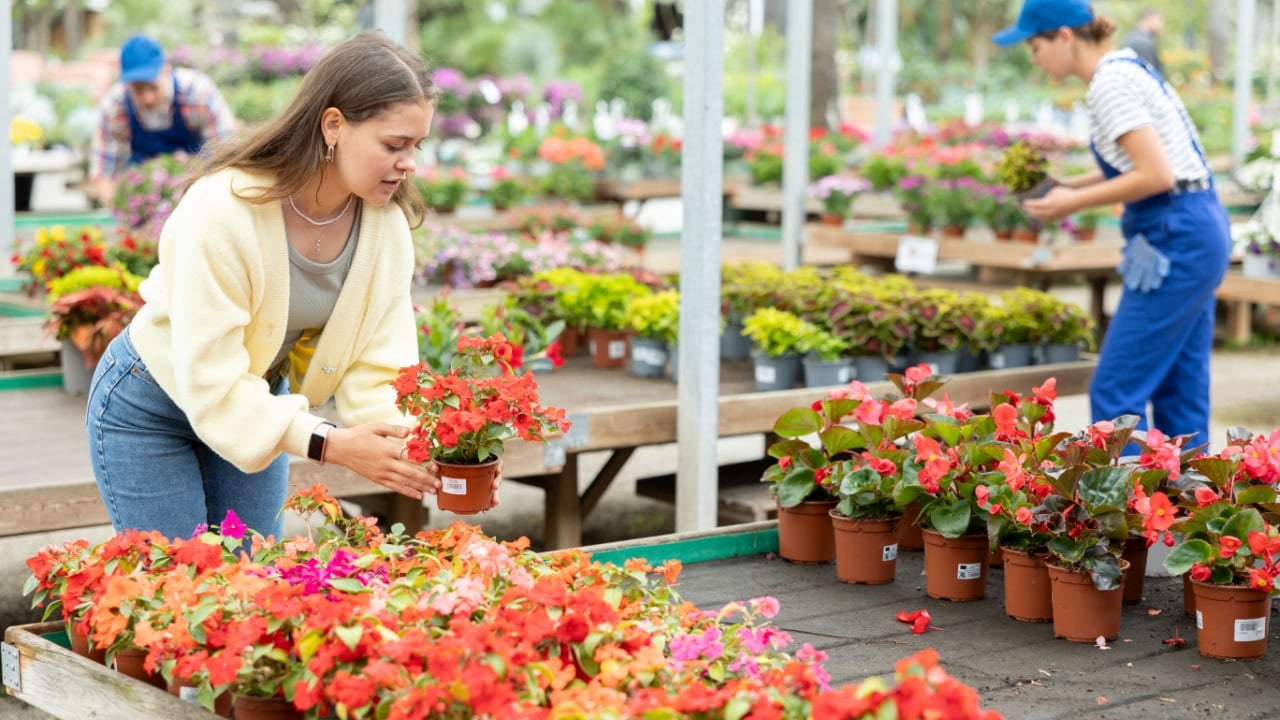
Peak shopping hours, like spring weekends or right after a big storm, can mean packed aisles and rushed staff. Garden shop owners notice that these times make it hard for everyone to get the support they want and enjoy the process.
Long lines and limited staff attention can lead to missed questions and hurried decisions.
Go shopping during quieter hours, such as weekday mornings or afternoons, to get thoughtful advice and shop at your own pace.
Staff are more available, displays are better organized, and you can spend extra time comparing plants or browsing new arrivals. Planning your visit outside peak hours can help you find better options and make more confident choices.
6. Not Trusting The Experts

Some buyers come in with a specific vision or detailed instructions and find it hard to let the shop’s experts guide their selections, especially for custom arrangements.
Second-guessing or micromanaging staff often leads to less satisfying results and missed opportunities for unique plant combinations. Shop owners notice the best results happen when buyers share their needs and let designers use their creativity.
Letting horticulturists design arrangements, or offer plant pairings, often leads to unique ideas and combinations that hold up better over time.
Trusting staff with your preferences but allowing for their expertise helps create displays and gardens that look good and thrive longer. Giving experts room to help supports a more enjoyable and productive shopping experience.
Bringing Home Your Best Garden Shop Finds

Every garden tells the story of its gardener, starting with the choices made at the shop. The time you spend among the rows of plants is just as meaningful as the hours spent tending them.
When you treat each plant purchase as a small investment in your own patch of earth, you both shape your garden and discover more about your preferences, priorities, and connection to the outdoors.
Read More:
10 Seeds to Direct Sow Right Now in May (And Stop Buying Transplants)