Granny Ruffles Feathers Saying Stop Complaining About Groceries When You Shop Like You’re Rich
Grocery prices continue to climb higher every single month. Some shoppers stare at their receipts in absolute shock after they purchase basic meals. An internet grandmother recently decided to offer a completely different perspective on this situation.
Granny Bibbins took to Facebook to share her sharp observations regarding modern spending habits. She noticed people constantly lamenting high food costs while filling their carts with highly processed items.
The viral post received over 4,700 comments and 16,000 reshares, sparking intense debates across various online communities. Some commenters strongly agreed with her traditional approach to meal preparation. Others pushed back by noting that raw materials cost significantly more today than decades ago.
This article breaks down the viral advice from this outspoken grandmother. Here are some practical ways to shift your purchasing patterns to improve your financial health.
Purchasing Ingredients Instead of Convenience

Granny Bibbins stated directly that people are not broke but simply lack basic shopping skills. She recalled an era when families purchased raw materials to cook meals entirely from scratch.
Her Facebook post criticized modern consumers for loading up on sodas and pre-made junk foods. Selecting pre-packaged convenience items absolutely drains a family budget at an alarming rate.
Shifting your mindset toward whole foods requires a bit of planning. You must set aside specific time slots each week to prepare meals.
Cooking large portions of food in advance helps reduce the daily burden of meal preparation. Your wallet (and your health!) benefits immensely when you abandon expensive boxed dinners in favor of simple homemade alternatives.
Reviving Lost Kitchen Skills

One supporter in the comments section shared a brilliant strategy for saving money. They purchased a used bread machine at a thrift store for under seven dollars.
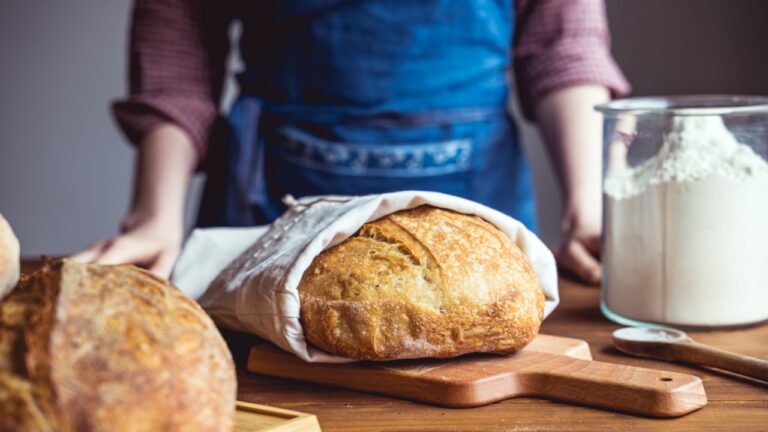
This frugal shopper now bakes all their loaves at home rather than buying store-brand loaves. The commenter admitted they actually eat more baked goods now because the homemade version tastes incredibly delicious.
You can easily learn basic culinary techniques by watching free instructional videos online. Mastering simple recipes gives you complete control over your nutritional intake and daily expenses.
Purchasing whole foods generally provides significantly better nutritional value for your family. Dedicating effort to domestic skills pays off tremendously in your household budget.
Managing Realistic Expectations
We must acknowledge the valid counterarguments presented by other Facebook users. Another commenter correctly noted that basic staples cost significantly more now than in previous decades.
Inflation affects every single item on the grocery store shelves. Even thrifty individuals face major challenges when they feed a large family right now.
Shoppers need to strike a balance between extreme frugality and modern convenience. You might want to evaluate which processed foods you can easily replace with homemade versions. Adjusting your weekly list yields noticeable savings after several months.
Adapting Older Strategies for Modern Times

Granny Bibbins certainly ruffled some feathers with her blunt social media commentary. Her fundamental message regarding smart purchasing decisions holds significant value for modern consumers.
Returning to basics offers a practical solution to skyrocketing supermarket prices (although it does require calculating extra time to prepare it, too).
Try implementing a few traditional practices during your upcoming shopping trips. Evaluate your cart and swap highly processed items for raw ingredients whenever possible (think frozen pizzas, pre-cut fruit, frozen meals, etc.). Taking charge of your food preparation ultimately brings relief to your strained bank account.
The Hidden Cost of Convenience Culture

A deeper look at this debate reveals something many people quietly experience but rarely admit. Convenience comes with a hidden cost.
Busy schedules, long commutes, and mental fatigue often push shoppers toward quick options that feel necessary rather than indulgent. While Granny Bibbins frames the issue as a matter of discipline, the reality sits somewhere in between habit and circumstance.
Recognizing this tension allows shoppers to make more intentional choices without guilt. This gradually replaces convenience items where possible instead of attempting an unrealistic overnight transformation.