6 Interior Design Mistakes Messing with Your Ability to Fully Relax
The spaces we inhabit silently shape our physical and mental health every single day. Many popular decorating trends actually harbor hidden risks for the people living among them, primarily related to their mental health.
Beautiful rooms often hide materials that degrade indoor air quality and agitate our nervous systems. We unknowingly surround ourselves with items that provoke anxiety instead of offering rest.
The objects filling our rooms do much more than look pretty. They interact with our biology in ways science is just beginning to fully measure.
This guide breaks down six common decorating elements that can affect the flow of your home, and thus your mental health and clarity as well. Read on to discover simple fixes for a better living environment.
1. Ignoring Non-Visual Senses
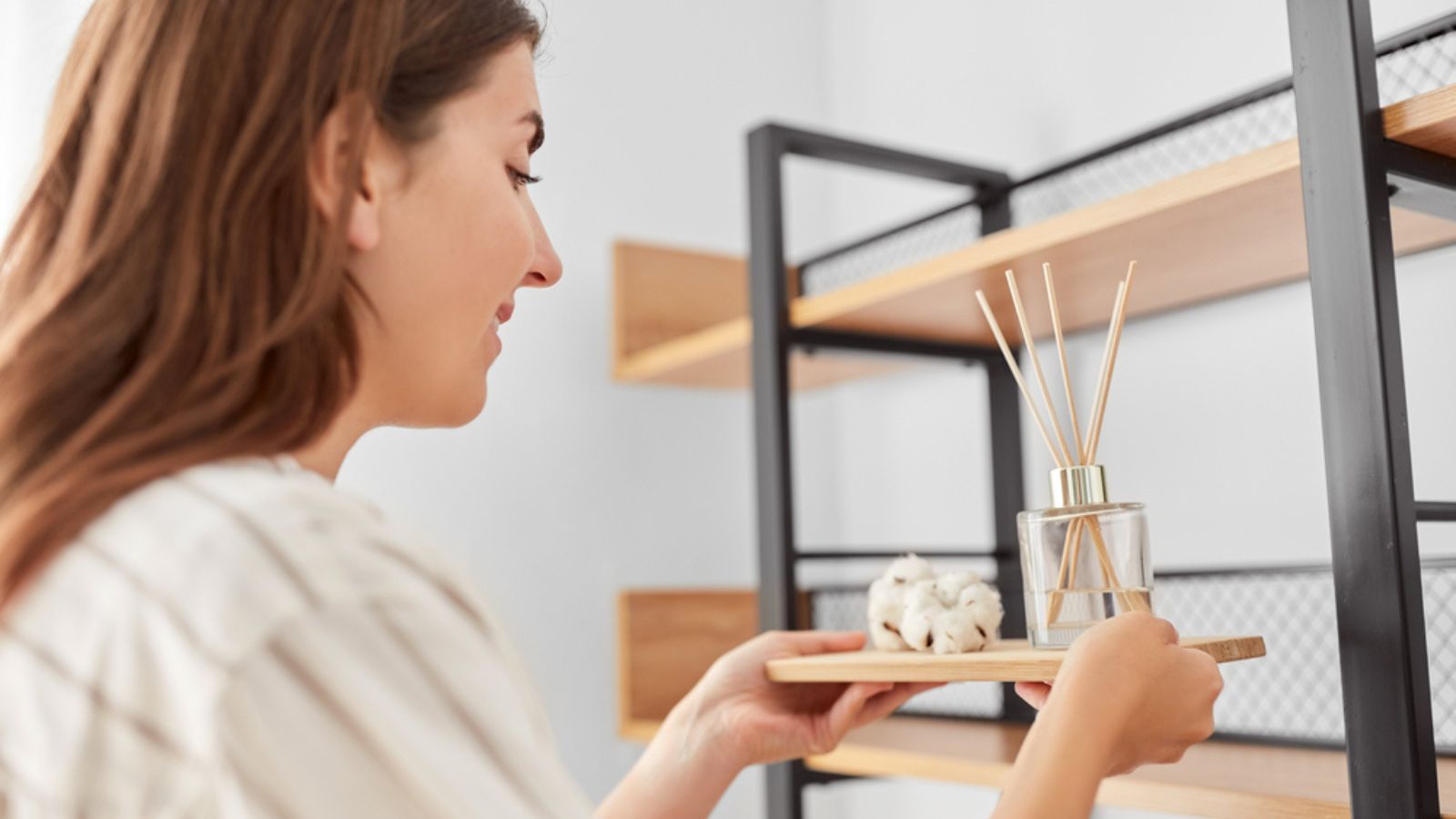
Decorating focuses heavily on aesthetics while completely forgetting scent and sound. Rooms designed purely for visual appeal often echo loudly and feel uncomfortable to touch.
Hard surfaces reflect sound waves, creating a stressful auditory environment. Without soft textures to absorb noise, daily activities become unnecessarily loud.
Bring natural fabrics into your space to soften acoustics and add comfort. Adding heavy curtains or plush rugs completely changes how a room sounds.
Introduce gentle, natural scents to engage your sense of smell and even keep pests away. Using organic essential oils grounds the mind and relaxes the body.
2. Creating Visual Clutter and Zero Empty Space
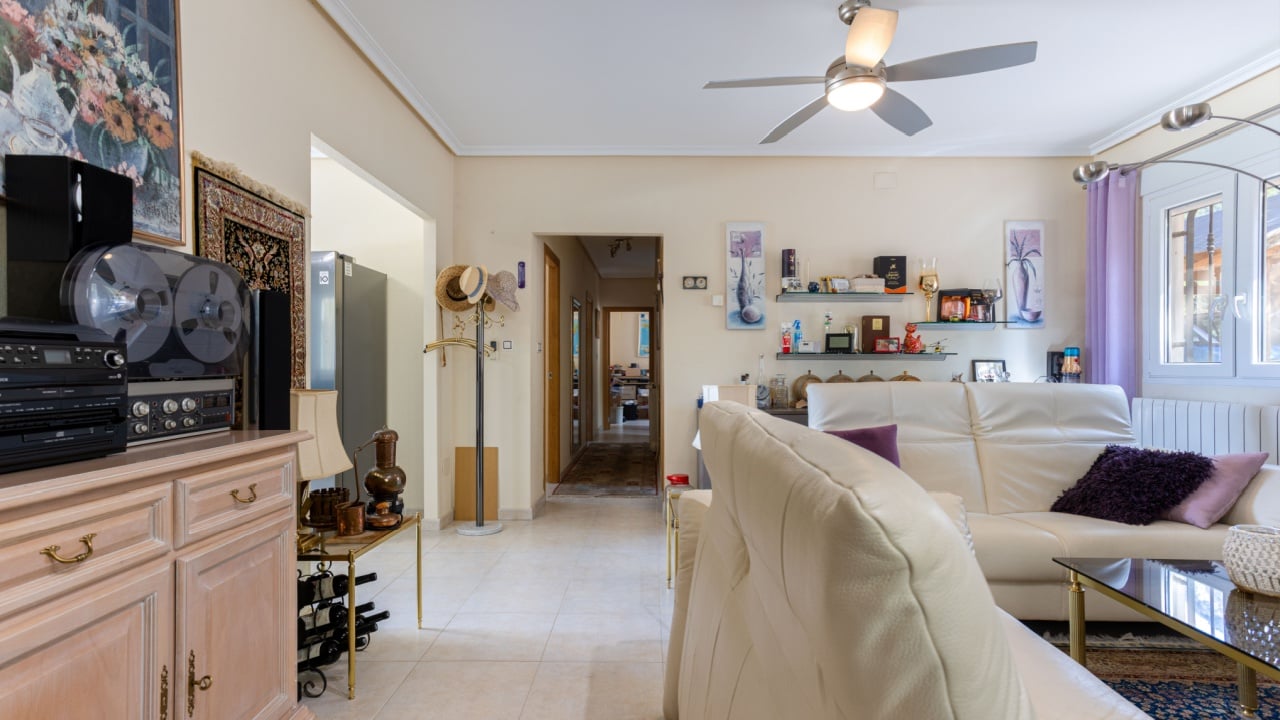
Filling every flat surface with objects triggers visual overload and decision fatigue. The brain constantly processes all these items, resulting in unnecessary stress. A lack of empty space prevents the eyes from resting. Cortisol levels rise when we live in a world of constant visual noise.
Create intentional pause points by removing items from your tables and shelves. Leaving areas completely bare gives your mind room to breathe.
Invest in closed storage solutions to hide daily necessities out of sight. A calmer visual field directly supports a calmer mental state.
3. Trapping Unhealthy Indoor Air

This one is more of a physical health concern. Many manufactured furniture and decor pieces contain volatile organic compounds that slowly poison indoor air. Pressed wood and synthetic glues release formaldehyde for years after purchase.
These invisible chemicals cause frequent headaches and irritate our respiratory systems. Open your windows daily to create cross-ventilation and replace stale indoor air.
Gather air-purifying plants like snake plants, peace lilies, and spider plants to naturally filter the air indoors. Invest in an air purifier with HEPA filters and activated carbon to remove pollutants; regularly clean or replace the filters for optimal performance.
Using natural cleaning products instead of harsh chemicals also helps reduce indoor air pollution. Baking soda, vinegar, and lemon juice are effective alternatives for cleaning surfaces and removing odors without releasing harmful toxins into the air.
4. Choosing High-Arousal Colors

Covering walls in stark white or neon colors keeps the nervous system on high alert. Sharp contrasts continually overstimulate our brains and prevent true relaxation. Saturated reds and intense yellows trigger anxiety responses without us noticing. We absorb this aggressive visual energy throughout our daily routines.
Select tonal palettes featuring soft greens or muted earth tones instead. Layering similar shades creates visual harmony and lowers blood pressure.
Soften your chosen colors by applying textured materials like natural plaster or timber. These gentle finishes turn harsh walls into soothing backdrops for daily life.
5. Using Poorly Scaled Furniture

Oversized sofas in tiny rooms disrupt natural movement and physical flow. Walking awkwardly past massive pieces creates subtle physical tension every single day. Disproportionate setups leave rooms feeling chaotic and structurally unbalanced. Our bodies respond poorly to environments that restrict natural human movement.
Begin your room layout with a single anchor piece sized correctly for the area. Build the rest of your arrangement completely around this central foundation.
Prioritize ergonomic support and clear walking paths above pure aesthetics. Proper spatial planning eliminates daily physical friction and promotes a calm way of living.
6. Installing Harsh Overhead Lighting
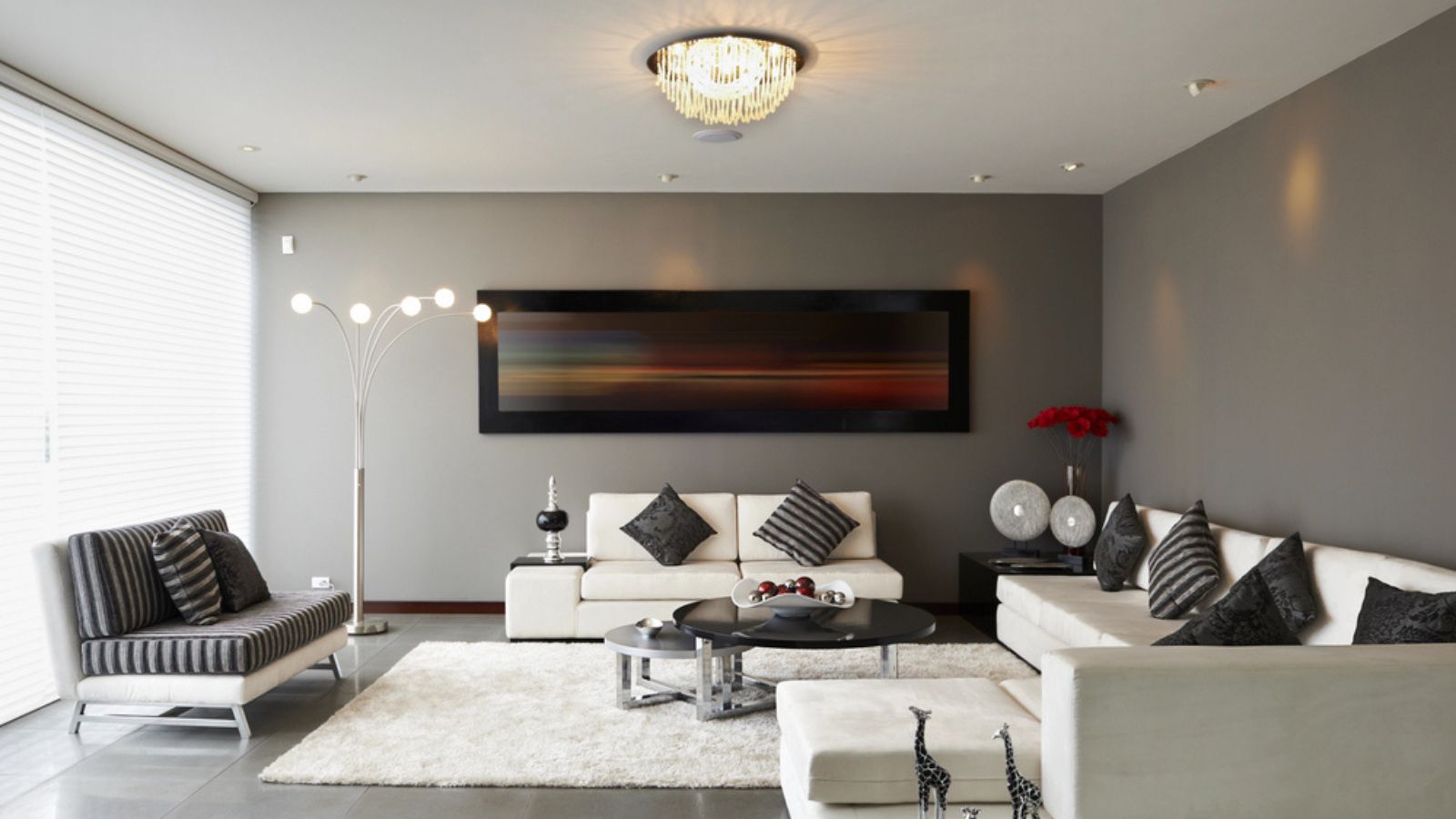
Blazing cool white LEDs mimic midday sun and confuse our internal clocks. This cold brightness suppresses melatonin production and keeps the brain wired.
Research reveals that rooms bathed in harsh light make it impossible to wind down before bed. We struggle to sleep because our environment signals that it is daytime.
Layer multiple warm light sources at lower levels throughout your room. Table lamps and wall sconces cast gentle glows that encourage deep relaxation. Install dimmer switches to control the exact brightness of every bulb. Lighting candles in the evening signals to your body that rest is approaching.
Design Your Home for Wellness
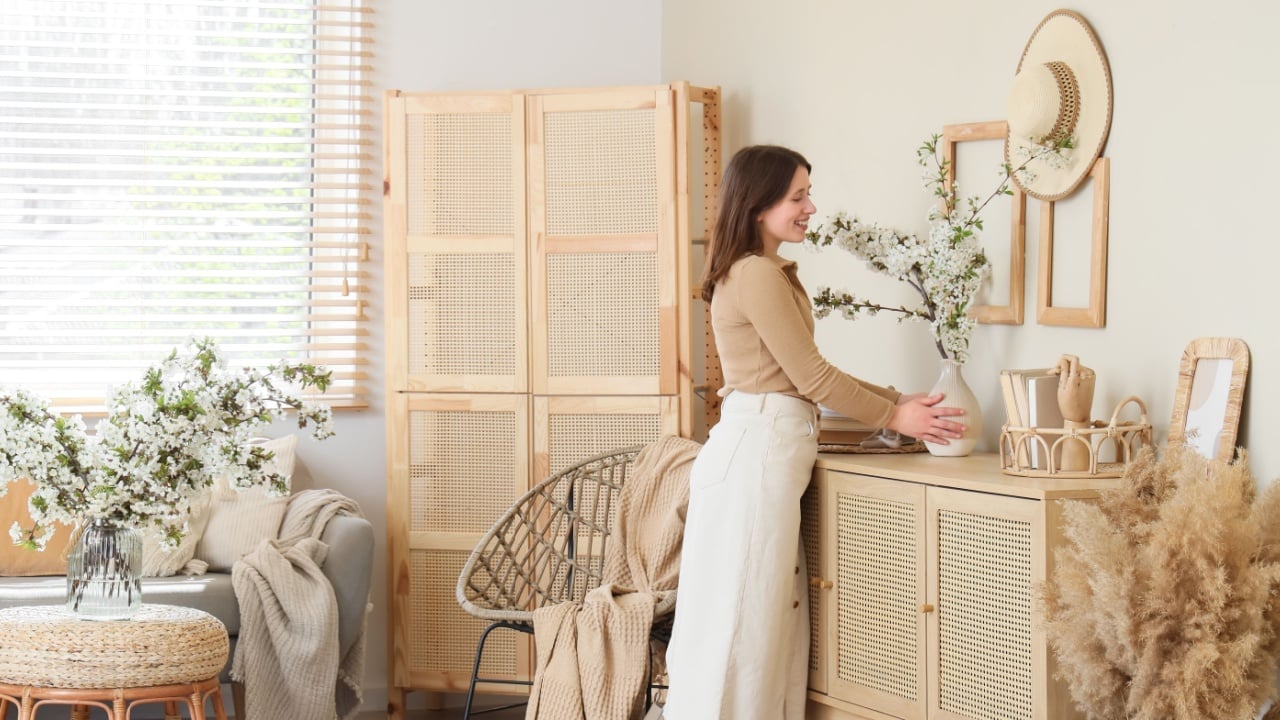
Your home’s design decisions extend far beyond the surface, influencing your mood, comfort, and even your long-term wellness in every detail. From furniture placement to paint color, each element plays a significant role in shaping the air you breathe, the peace you feel, and your ability to recharge at the end of the day.
Redesigning your living spaces can bring both visual delight and substantial health rewards. By rethinking what surrounds you, your home can serve as a foundation for better sleep, cleaner air, and genuine relaxation.
Read More:
12 Science-Backed Reasons Gardening is Trending as a Mental Health Fix