12 Science-Backed Reasons Gardening is Trending as a Mental Health Fix
Staring at a patch of dirt might not feel like a high-speed thrill, but your brain reacts to gardening like it just hit a jackpot. This isn’t just about growing the perfect tomato or having the prettiest yard on the block. There is a real physical shift that occurs when your hands touch the soil, transforming a regular chore into a powerful therapeutic session. Digging in the earth starts a chemical reaction in the body that most modern hobbies cannot match.
Researchers have spent decades looking at how green spaces affect the human mind. Data shows that humans have a natural biological bond with the world around us. This connection, known as biophilia, means that being near living things helps lower your stress hormones and keeps your heart rate steady. When you look at science, gardening works as a great tool for managing your emotions and giving your brain a much-needed break.
The following list breaks down the biological and psychological reasons why a backyard plot becomes a “happiness factory.” You will explore how soil bacteria, sunlight, and your senses work together to lift our spirits. Each section explains why these processes matter and gives simple tips on how to use them to feel your best every time you step outside.
1. Serotonin and Soil Bacteria
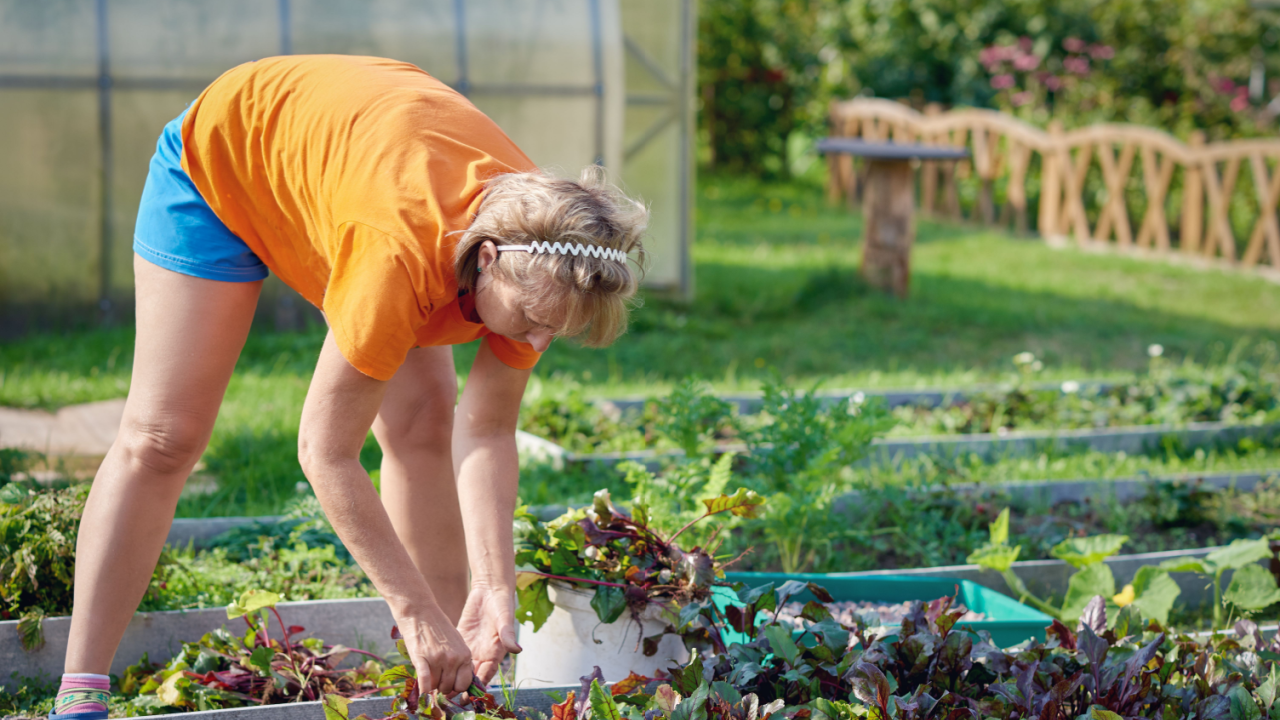
Soil is home to a special bacterium called Mycobacterium vaccae that acts like a natural antidepressant. When you dig or pull weeds, you breathe in these tiny microbes or get them on your skin. This triggers the release of serotonin in your brain, the same “feel-good” chemical found in many mood-boosting medicines. Essentially, getting your hands dirty gives your brain a direct, healthy lift without needing a prescription.
To get the most out of this, try skipping the heavy gloves when you are doing light tasks like moving small flowers or mixing soil. Direct contact with the ground makes it easier to pick up these helpful microbes. You might even set up a specific “digging area” with healthy, organic soil to keep these tiny mood-boosters thriving and ready for your next garden session.
2. The Dopamine Reward Loop

The act of picking your own food or flowers creates a rush of dopamine, which is tied to our history as hunters and gatherers. When you spot a red strawberry or a new bud, your brain rewards you with a burst of pleasure. This ancient brain circuit keeps you motivated to take care of plants through the slow-growing process. It turns the simple job of checking your garden into a series of small, rewarding wins that make you feel successful.
Try planting things that let you harvest often rather than waiting all year for one crop. Everbearing strawberries or lettuce leaves that grow back after you cut them provide constant rewards throughout the season. You can also keep a simple garden notebook to track these small victories, which helps your brain connect your hard work with a happy result.
3. Cortisol Reduction and Stress

Gardening is a proven way to reduce cortisol, the main hormone that causes stress. Spending just thirty minutes with your plants can lower your stress levels effectively, just like other quiet activities like reading indoors. The rhythmic movements of weeding or pruning help your nervous system switch from “stress mode” into “rest mode.” This shift helps you sleep better and stay calmer when faced with daily life pressures.
Try to plan your gardening time for when you feel the most stressed, such as right after you finish work. Focus on simple, repetitive tasks that don’t require a lot of thinking so your mind can wander and relax. If you don’t have a yard, even taking care of a few indoor pots can give you a similar chance to cool down and de-stress.
4. Attention Restoration Theory
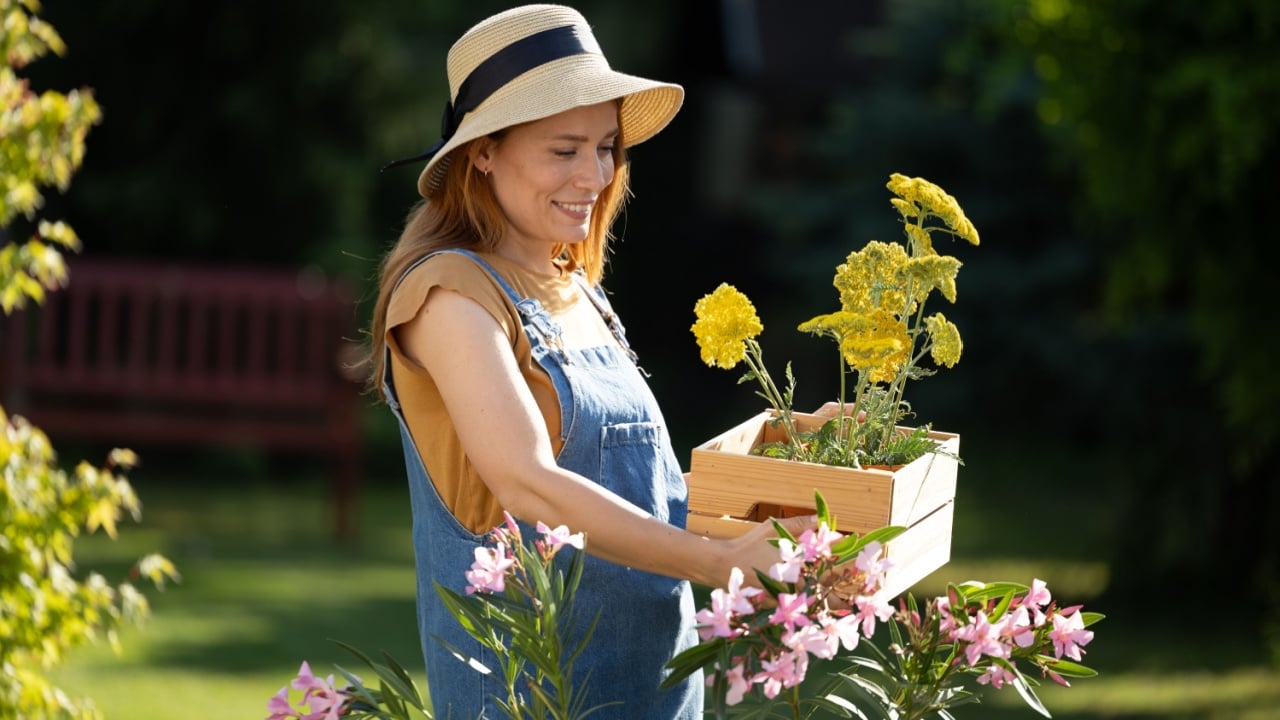
Modern life is full of screens and noise that drain your mental energy and make you feel tired. Gardening offers something called “soft fascination,” which is a type of interest that doesn’t require a lot of hard work from your brain. Watching a bee on a flower or seeing leaves blow in the wind allows your “thinking brain” to recharge. This process clears away brain fog and makes it easier to focus on difficult tasks later on.
You can design your garden to include movement, like planting tall grasses that sway or hanging wind chimes. These gentle sights and sounds provide the perfect environment for your brain to recover. Make sure to leave your phone inside while you are in the garden so that digital alerts don’t interrupt this important mental break.
5. Sensory Grounding and Mindfulness

Gardening pulls you into the present moment by using all five of your senses. The smell of wet dirt, the feel of a fuzzy leaf, and the sound of birds create a “grounding” effect. This sensory input acts as a natural form of mindfulness, stopping your brain from worrying about the past or the future. It acts like a physical anchor that keeps your mind focused on exactly what you are doing right now.
Choose plants with different textures, like soft lamb’s ear or rough sage, to give your hands more to feel. Plant fragrant herbs like mint or rosemary along paths where you will brush against them and release their scent. These intentional choices turn a simple walk through your garden into a powerful exercise that helps calm an anxious mind.
6. Physical Activity and Endorphins

The physical work of gardening is a great workout that releases endorphins, the body’s feel-good hormones. Moving bags of mulch, digging holes, and reaching for branches provide a low-impact way to get stronger and stay active. Endorphins work in the brain to lower feelings of pain and create a sense of happiness. Unlike the gym, the exercise you get in a garden feels like it has a clear purpose and a creative goal.
To stay comfortable, try to switch tasks every twenty minutes so you use different muscles and don’t get too tired in one spot. Use tools with soft handles to make the work easier on your hands and wrists. Ending your garden time with a few light stretches can help your body relax while you enjoy the “glow” of a good, productive workout.
7. The Power of Sunlight and Vitamin D

Spending time outside gives you much-needed sunlight, which helps your body create Vitamin D. This vitamin is important for keeping your mood stable and preventing “winter blues.” Sunlight also helps set your internal clock, making it easier to fall asleep at night and wake up feeling rested. The garden acts like a natural light box that supports your body’s health and sleep patterns.
Aim to garden in the morning when the sun is bright, but the air is still cool and comfortable. Always wear sun protection, like a wide hat, so you stay safe while still getting the benefits of the natural light. If you live in a place that is often cloudy, using bright or shiny garden decorations can help catch and reflect the light into your workspace.
8. Connection to Natural Cycles
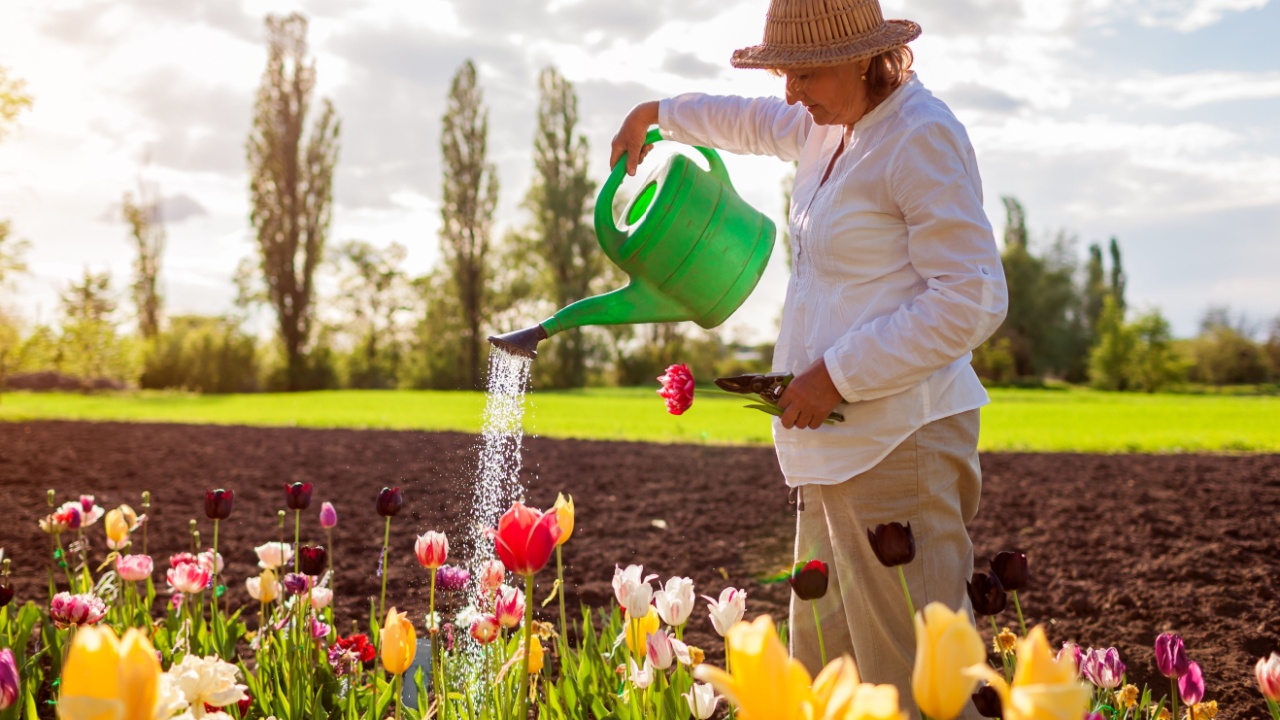
Gardening gives you a front-row seat to the cycle of life, including growth, rest, and new beginnings. Seeing a plant die back in the winter only to return in the spring gives you a sense of hope and perspective. This connection to a bigger timeline helps you feel less alone and more part of the world. It builds resilience by showing that a setback is often just a necessary step before new growth starts.
Plant perennials (plants that come back every year) to help you see these natural transitions clearly. Observing the changing seasons through your garden helps you realize that personal “ups and downs” are a normal part of life. This long-term view can make temporary problems feel smaller and help you stay emotionally steady.
9. Creativity and Self-Expression

A garden is like a living canvas where you can experiment and be creative. Choosing colors, deciding where plants go, and designing the layout gives you a sense of control and self-expression. This creative outlet boosts your self-esteem as you watch your ideas turn into something real and beautiful. Having control over your small piece of the world is a great way to fight feelings of helplessness.
Don’t be afraid to try different styles, like a garden with only one color or a wild, “messy” look. There are no wrong answers in your own garden, so use the space to take risks that you might not try inside your house. Moving plants around or trying something new every year keeps your brain engaged and your creative spirit alive.
10. Social Connection and Community
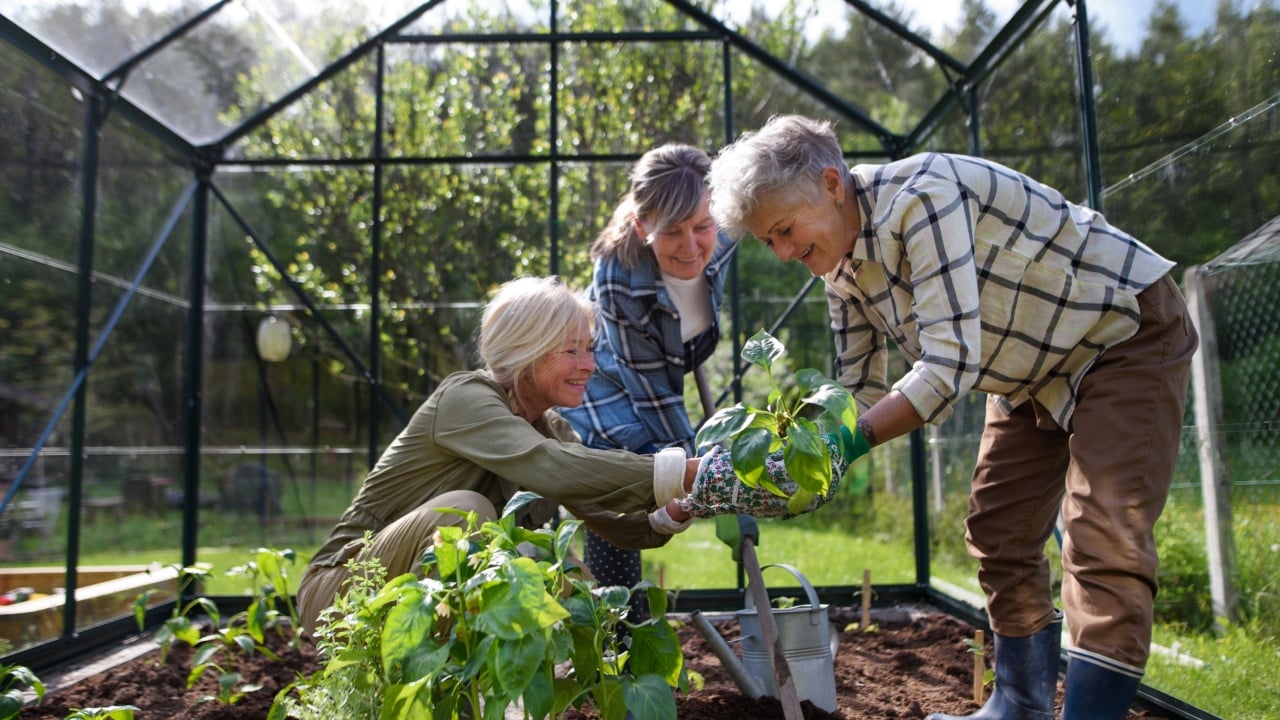
Gardens often act as bridges that bring people together, whether through a quick chat over the fence or a community garden plot. Sharing extra vegetables or trading plant clippings creates a sense of belonging and support from others. These interactions help reduce loneliness and build a network of friends with shared interests. A garden gives you an easy reason to talk to people and builds a stronger neighborhood.
Consider joining a local garden club or a seed swap to meet new people in your area. Giving away your extra tomatoes or flowers is a simple way to start a conversation and be kind to your neighbors. Even if you garden alone, sharing pictures of your progress online can provide a similar feeling of community and support.
11. Responsibility and Nurturing

Taking care of another living thing gives you a sense of purpose and a daily routine. Plants rely on you for water and food, which creates a healthy sense of being needed. This “nurturing instinct” is very satisfying and can give you a reason to get moving on days when things feel difficult. Knowing that a plant is healthy because of your care is a major boost to your self-worth.
Start with “tough” plants that show you exactly what they need, like lilies that wilt when they are thirsty. This clear communication makes taking care of them feel like a real two-way relationship. As you get more comfortable, adding plants that need more attention can increase your sense of skill and dedication over time.
12. Fractal Patterns and Visual Calm

Nature is full of “fractals,” which are patterns that repeat themselves, like the spiral of a shell or the veins in a leaf. Looking at these patterns has been shown to reduce stress levels by up to sixty percent. The human eye is naturally designed to look at these shapes, and doing so makes us feel relaxed but awake. Gardening surrounds you with these calming shapes, providing a steady source of visual peace.
Pick plants with interesting geometric shapes, such as ferns, sunflowers, or succulents. Place these where you can see them from a window so you get the benefits even when you are inside. Spending just a few minutes each day looking closely at these natural patterns can act as a quick and easy mental reset.
How a Small Garden Can Reset Your Mind
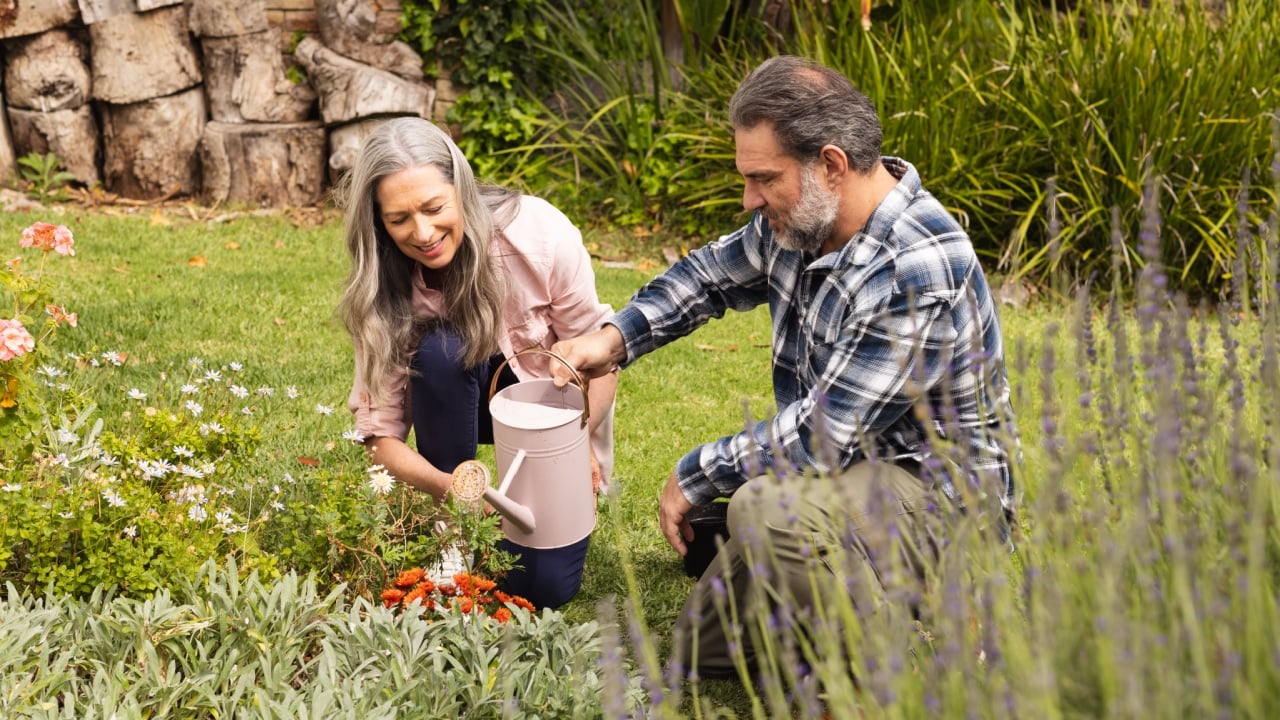
Gardening is a practical, science-backed way to improve your mental health while making your home more beautiful. The mix of healthy soil bacteria, brain rewards, and mental rest makes it a unique hobby that pays off in both fresh food and peace of mind. To get started, look at your outdoor space as a laboratory for your well-being.
Pick one small thing to change, like adding a soft plant for touch or a bird feeder for movement. Showing up for your plants ensures they will, in turn, show up for your mental health.
Read More: