18 Plants That Were in Every Grandmother’s Garden, And Are Making a Huge Comeback in 2026
Stop spending money on expensive, trendy plants that barely survive the season.
The most sought-after flowers at American nurseries this spring are not the latest exotic hybrids; they are hollyhocks, sweet peas, foxgloves, and lupins — the same plants your grandparents grew without a second thought. If you remember these plants in your grandmother’s garden, you already know something the gardening industry is only now rediscovering: those “old-fashioned” plants were never actually out of fashion. They were just ahead of their time.
The “nostalgia planting” trend has been building for several years, but 2026 is the year it goes fully mainstream. According to horticultural specialist Amber Tunney of Cherry Lane Garden Centres, interviewed in Ideal Home, gardeners are actively leaning into romantic, heritage planting styles, and the plants that defined those gardens are flying off the shelves. “The nostalgic planting trend that embraces gardens that look like our grandparents is showing no signs of slowing down,” noted Ideal Home in its February 2026 garden trends report.
Part of what is driving the revival is neuroscience. Our sense of smell is directly wired to the hippocampus, the brain’s memory center, which is why a single whiff of lavender or sweet peas can instantly transport a gardener back to a childhood afternoon in a grandparent’s yard. Fragrance had been systematically bred out of modern hybrid flowers in favor of longer shelf life and uniform appearance; old-fashioned plants never sacrificed that quality. As Gardening Know How notes, scents like lilac, lavender, sweet peas, and tea roses create “a safe sanctuary that is a welcome escape from all the pressures of our hectic lives.”
The other drivers behind the resurgence of “old-fashioned” flowers are economics and ecology. Heritage seeds cost a fraction of what trendy modern cultivars do; most are available for under $3 a packet from nonprofits like Seed Savers Exchange, which maintains a living collection of over 20,000 varieties. And with pollinator populations under pressure, the plants that have supported bees and butterflies for centuries are exactly what gardens need right now.
This April is the perfect moment to bring them back. Whether you have a sprawling backyard or two pots on a balcony, every plant on this list is easy to grow, widely available from seed, and built to outlast any trend by generations.
1. Hollyhocks
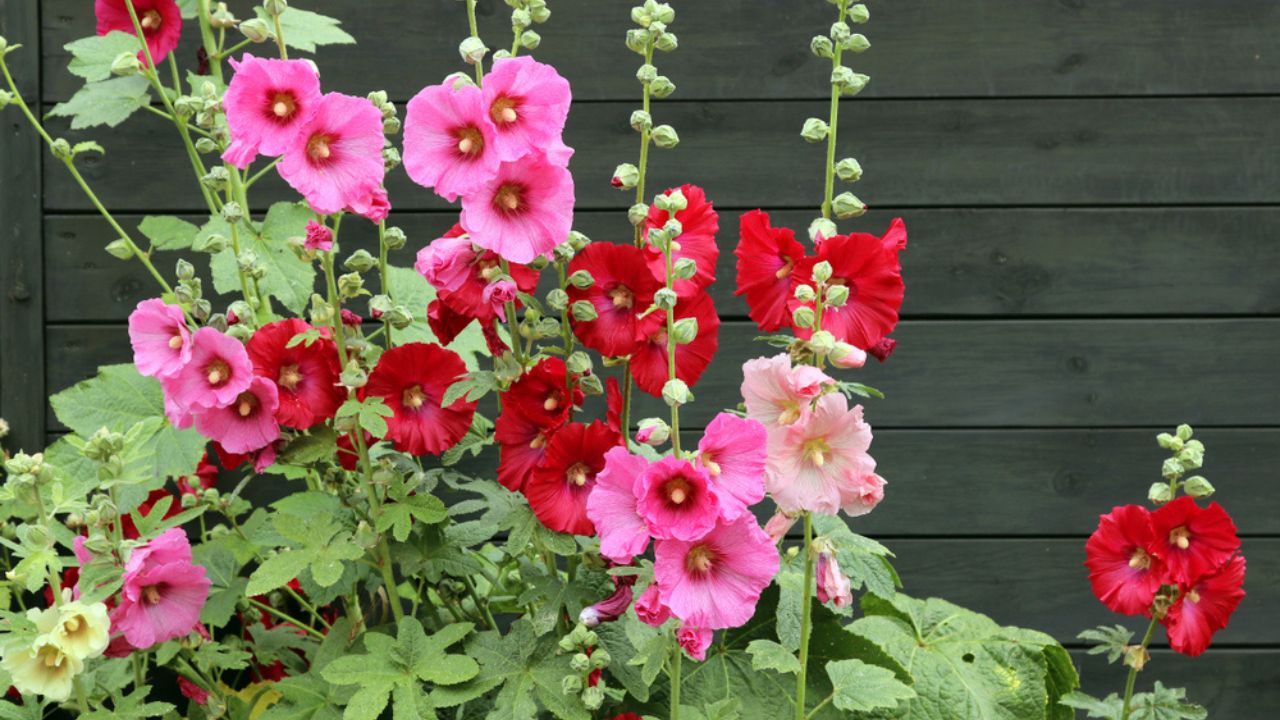
Once dismissed as a cottage-garden cliche, hollyhocks are enjoying their biggest revival in decades. These towering biennials can reach 9 feet tall, adding instant vertical drama to any border.
“Their tall spires add instant structure and height, which works perfectly in smaller gardens where vertical interest is often considered,” says Tunney in Ideal Home. They are a magnet for pollinators and come back reliably year after year from self-seeding.
2. Foxgloves
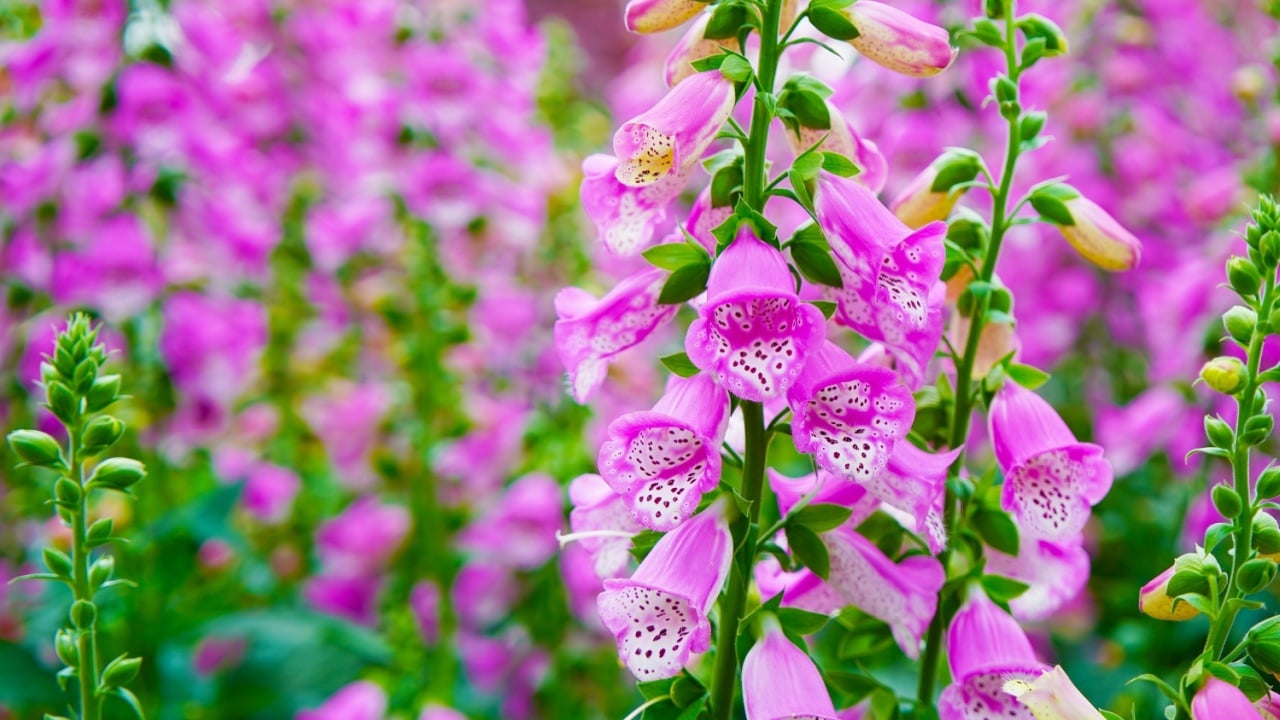
Foxgloves dominated the Chelsea Flower Show last year and are rapidly gaining ground in American gardens. Their tall, cathedral-like spikes covered in tubular bells are irresistible to bumblebees and hummingbirds, and they self-seed so prolifically that many gardeners only purchase them once.
However, it is important to note that all parts of foxglove are toxic if ingested by humans, dogs, cats, or horses. Plant them away from areas where children or pets play freely. The good news is that they are rabbit- and deer-resistant for that same reason.
3. Sweet Peas

Sweet peas are back for a deeply emotional reason: their scent is one of the most powerful memory triggers in the garden. “Sweet peas tap into nostalgia and the growing trend for cut-flower gardening at home,” says Tunney.
They produce continuous blooms for cutting from early summer onward and are exceptionally easy to grow from seed. Sow them in April for a summer full of fragrant bouquets; no florist required.
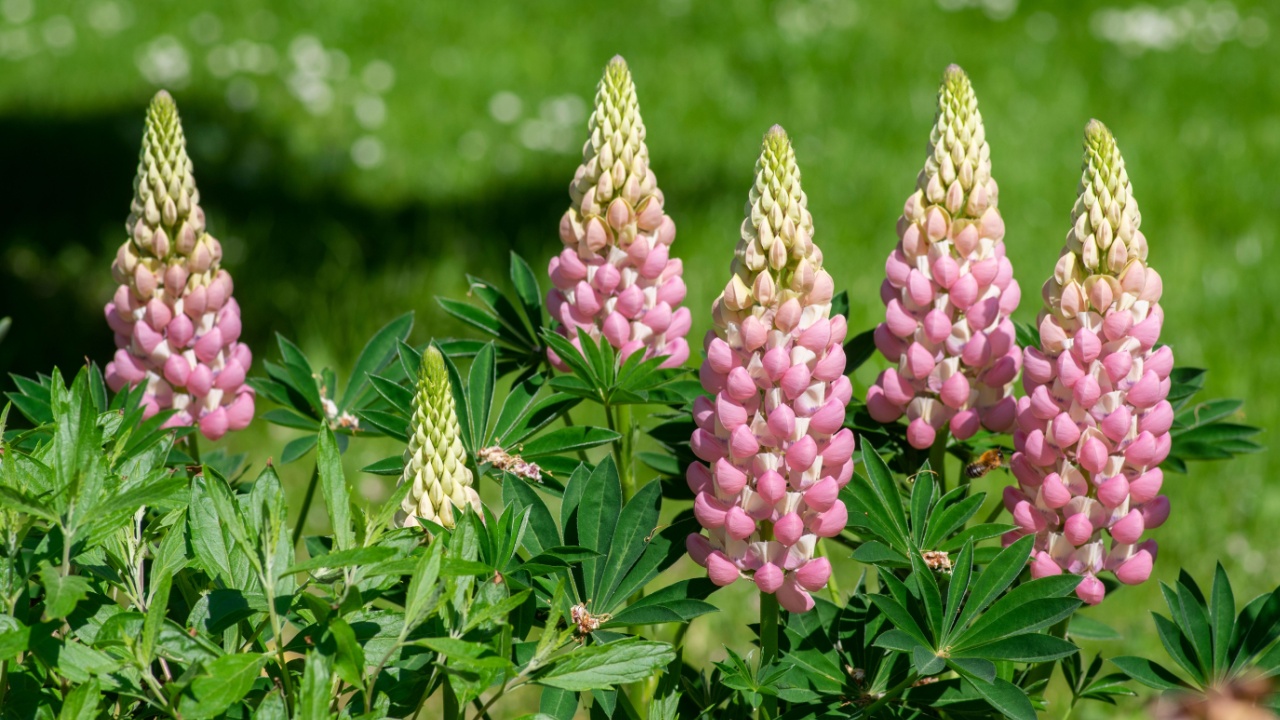
4. Lupins
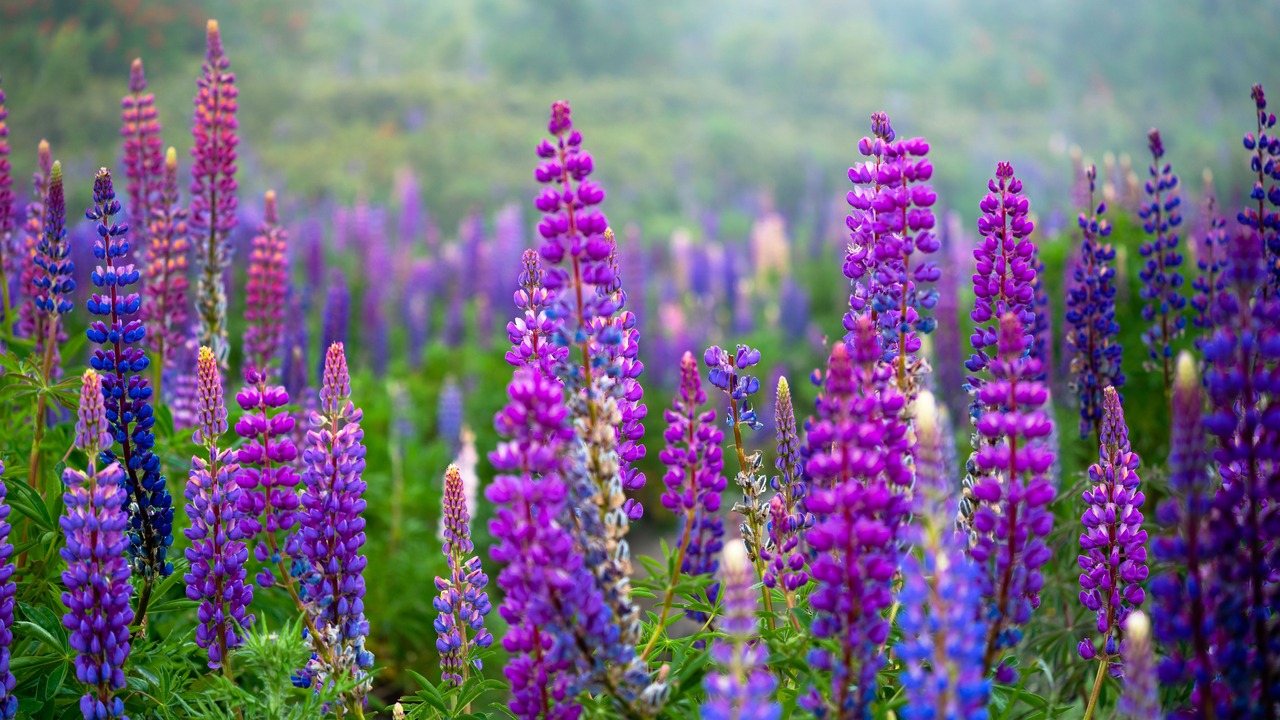
Lupins fell out of favor for being “old-fashioned,” but they are firmly back on trend thanks to their bold architectural shape and one secret advantage: they fix nitrogen in the soil, effectively fertilizing the ground for whatever comes after them.
Eco-conscious gardeners in urban plots with degraded soil have discovered lupins as a free soil amendment that also happens to be spectacularly beautiful.
5. Delphiniums
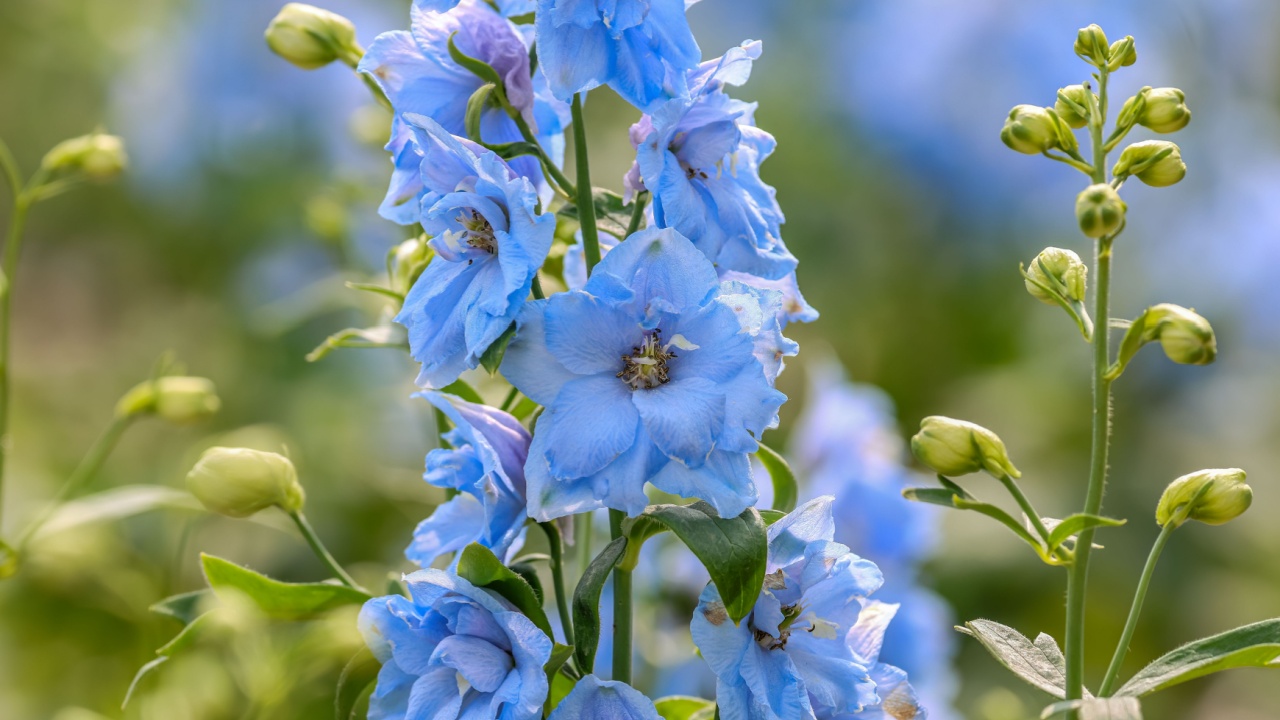
Delphiniums received an unexpected cultural boost in the UK recently when it became widely known that they are King Charles III’s favorite flower. Horticultural expert Richard Barker of LBS Horticulture notes in Ideal Home that “their height can add drama and visual interest to a garden, and if cared for right, they can bloom again later in the year.”
Their towering blue and purple spires pair beautifully with foxgloves for a classic cottage border.
6. Lavender
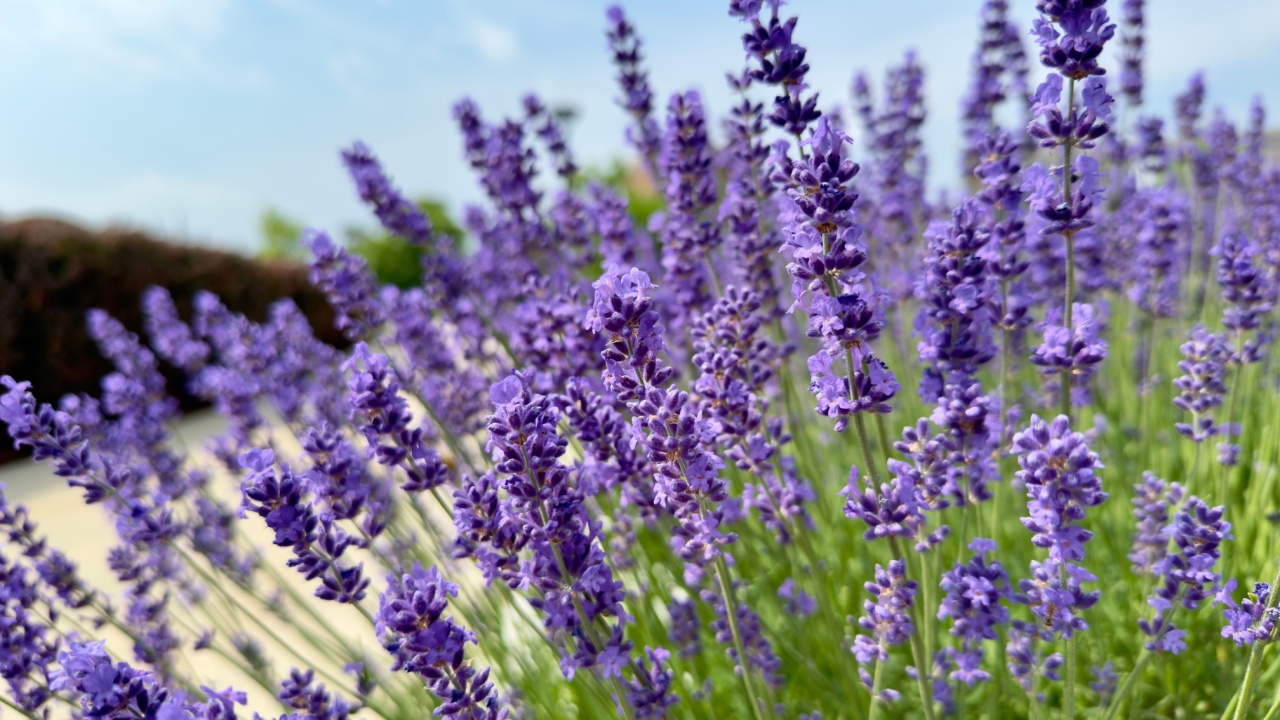
Lavender never really left, but it is reaching new levels of appreciation as gardeners realize how much it does beyond looking pretty. Research cited by Gardening Know How confirms that lavender contains compounds that reduce anxiety, promote relaxation, and aid sleep.
It is drought-tolerant once established, feeds pollinators for months, and repels mosquitoes. Few plants work this hard for so little maintenance.
7. Peonies
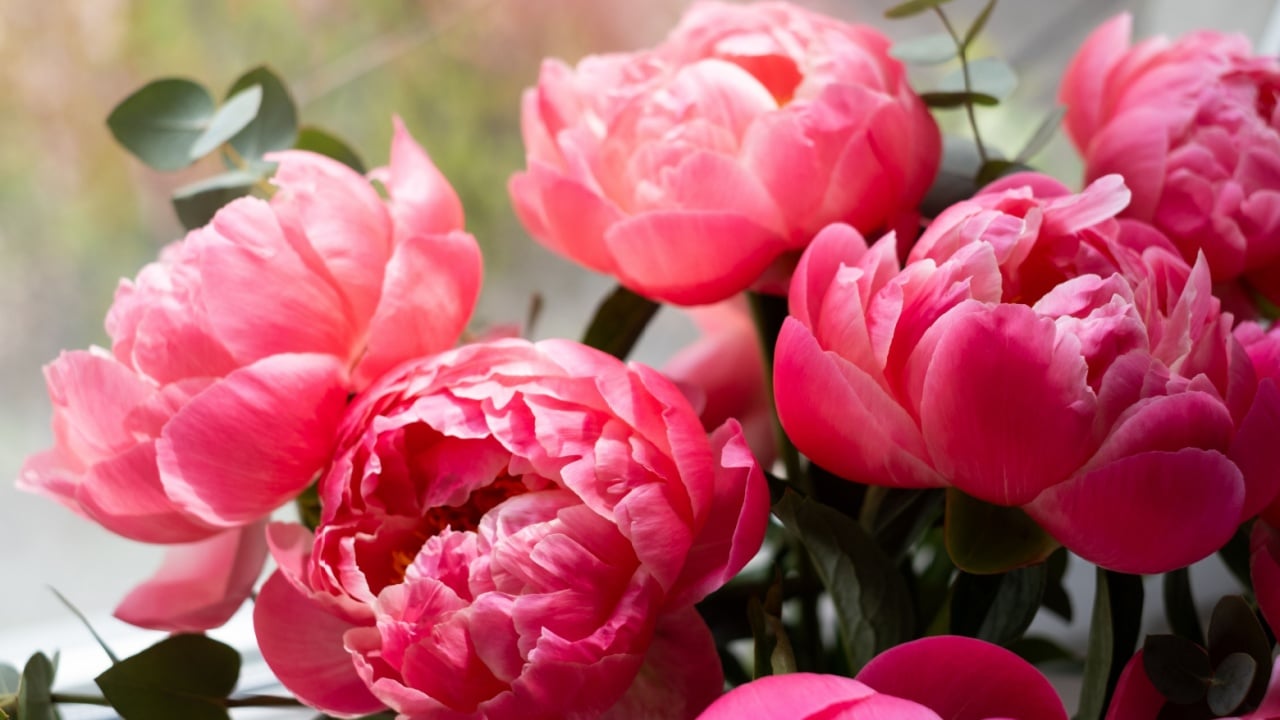
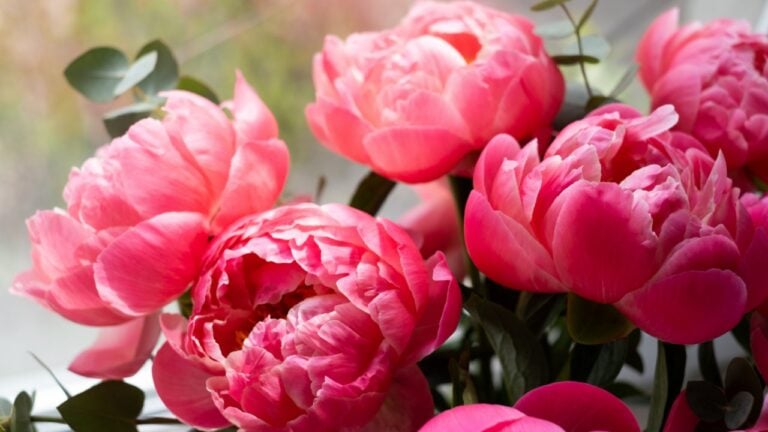
Peonies may be the single greatest long-term investment in American gardening. According to Homes and Gardens, a well-placed peony can survive for up to 100 years and spread to fill a 3-foot space. The Sarah Bernhardt variety, which is a soft, intensely fragrant pink peony beloved by generations of grandmothers, remains one of the most requested plants at specialty nurseries.
Plant one this spring, and it may still be blooming for your grandchildren in years to come.
8. Irises
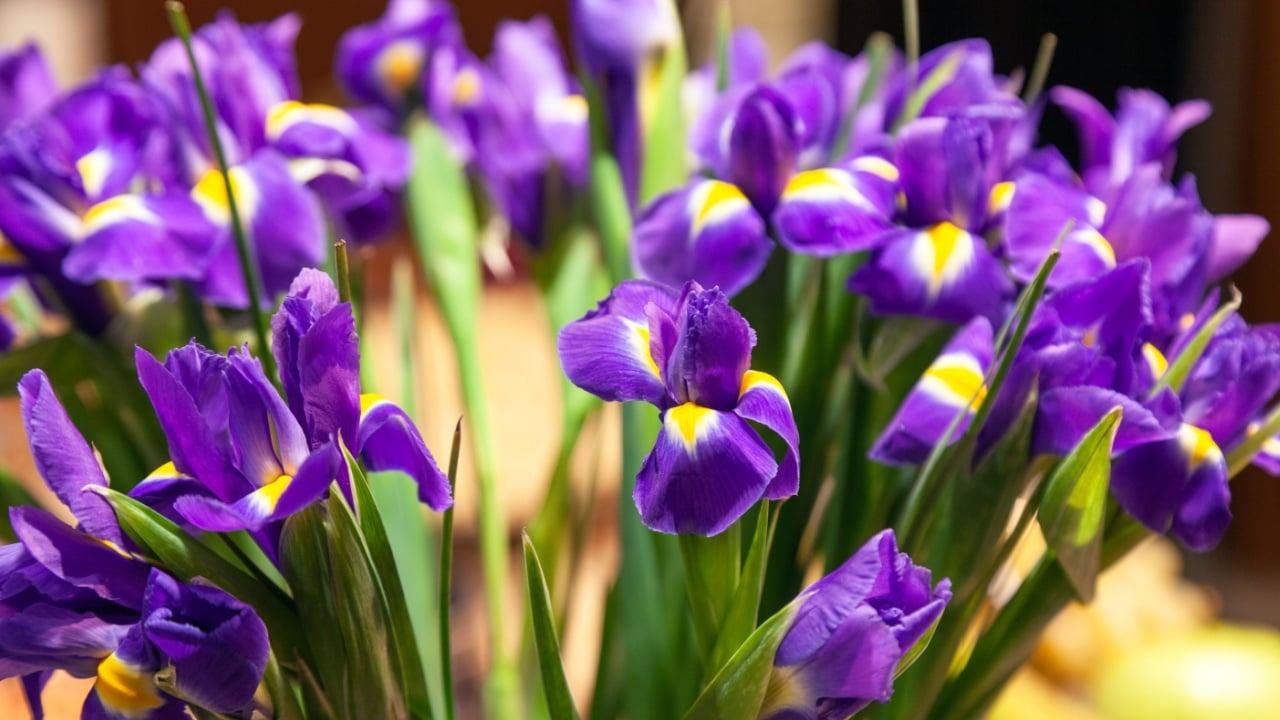
Irises are “seeing a resurgence in popularity due to their low-maintenance requirements yet flamboyant appearance,” according to Barker in Ideal Home.
They come back every year from rhizomes, require almost no care once established, and attract pollinators reliably throughout late spring. Re-blooming varieties extend the show well into fall, which is a feature that modern hybrids rarely match.
9. Sweet William (Dianthus barbatus)
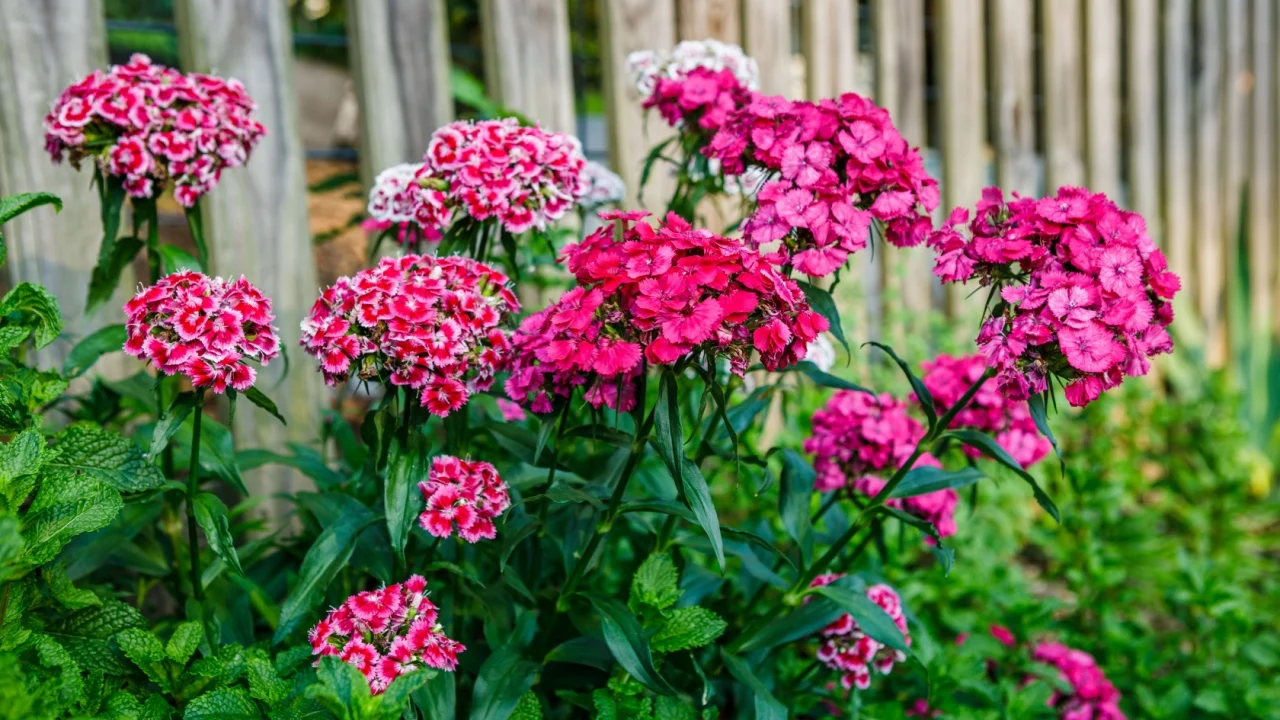
Sweet William has been quietly staging a comeback among gardeners who love a good cut flower. Its candy-striped blooms in pink, white, cerise, and claret last up to 10 days in the vase, making it one of the best-performing cutting garden plants available.
Older varieties carry a distinctive sweet fragrance that modern dianthus has almost entirely lost.
10. Bleeding Heart (Lamprocapnos spectabilis)
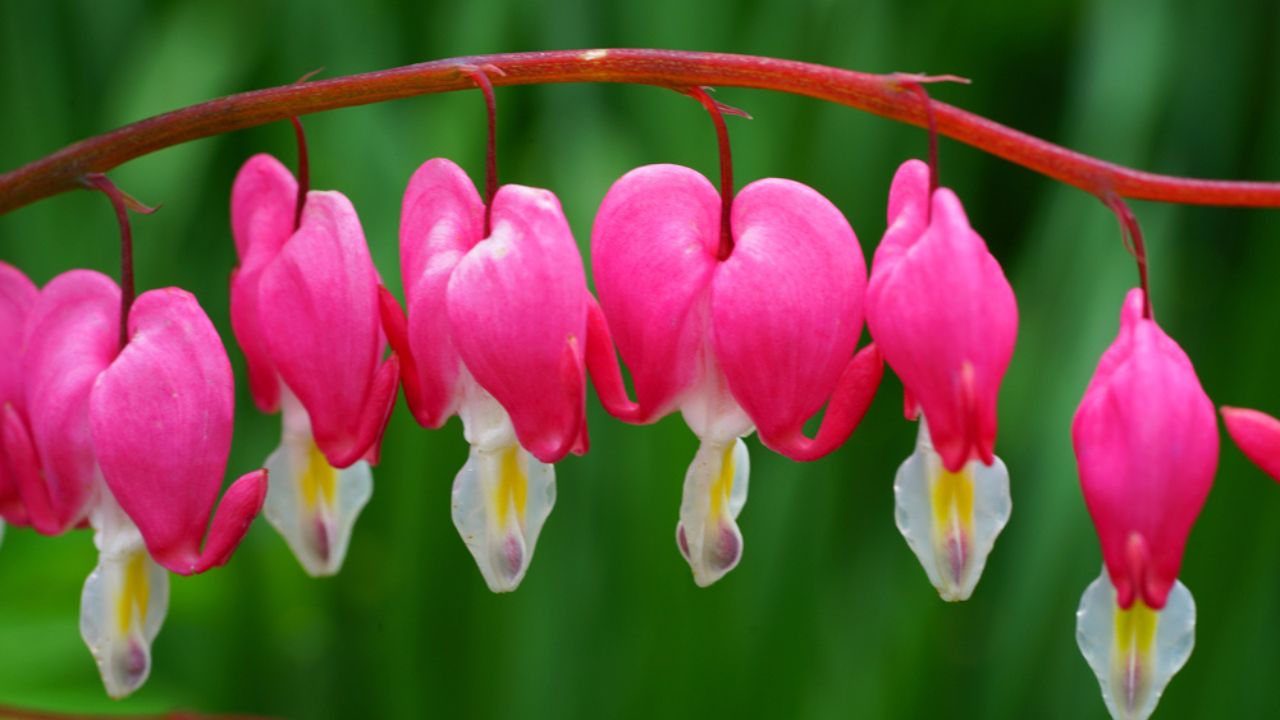
Bleeding Heart is the classic solution for shaded garden spots that stump most gardeners. Its romantic arching stems hang with heart-shaped pink and white blooms, and are in full glory during spring before quietly disappearing in the summer heat.
Plant hostas or ferns directly alongside bleeding heart so that there isn’t a noticeable gap when it goes dormant.
11. Love-in-a-Mist (Nigella damascena)
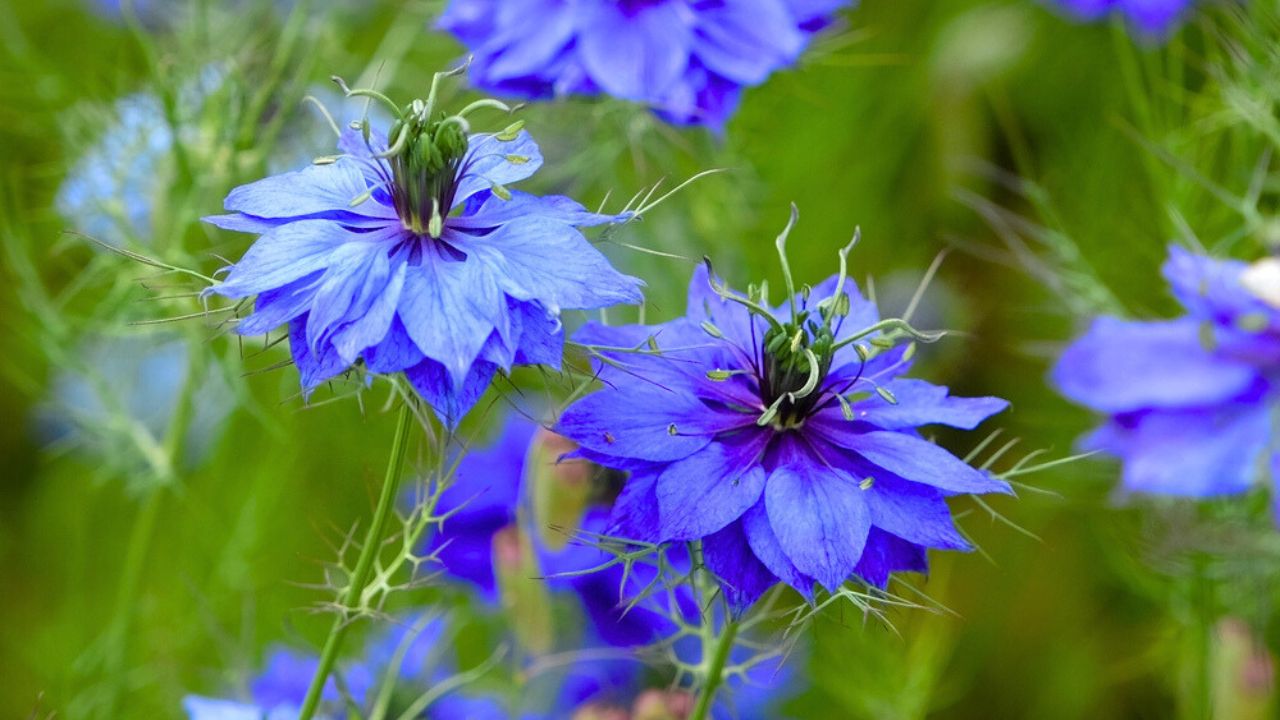
Love-in-a-Mist earns its name from the delicate, airy foliage that surrounds each star-shaped bloom as if the flower were drifting in a cloud. It produces beautiful seedpods after flowering that are equally stunning in dried arrangements, effectively giving gardeners two full seasons of beauty from one planting.
It self-seeds generously and costs almost nothing from a seed packet.
12. Columbine (Aquilegia)
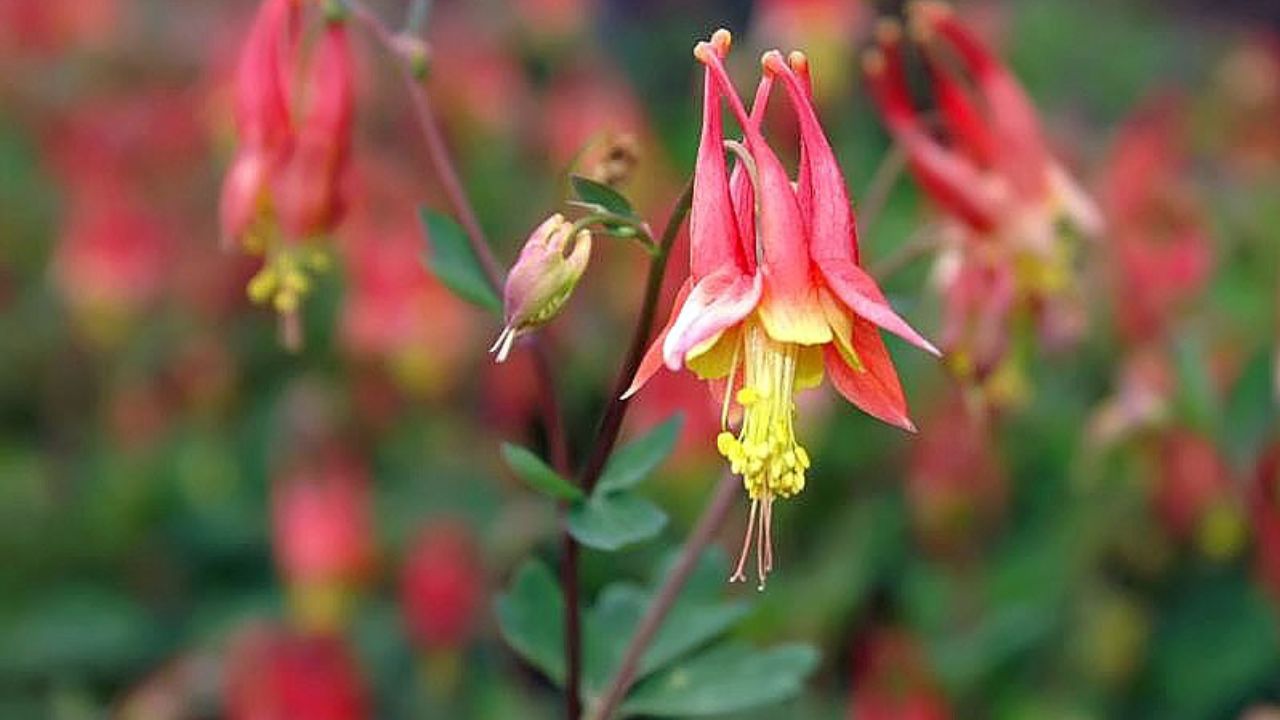
Columbine was a fixture of medieval cottage gardens for good reason: it is a prolific pollinator magnet, requires almost no maintenance, and self-seeds freely year after year. Hummingbirds are particularly drawn to its spurred, nodding blooms.
Modern interest in wildlife gardens has pushed columbine firmly back into mainstream planting lists for 2026.
13. Johnny Jump Ups (Viola tricolor)
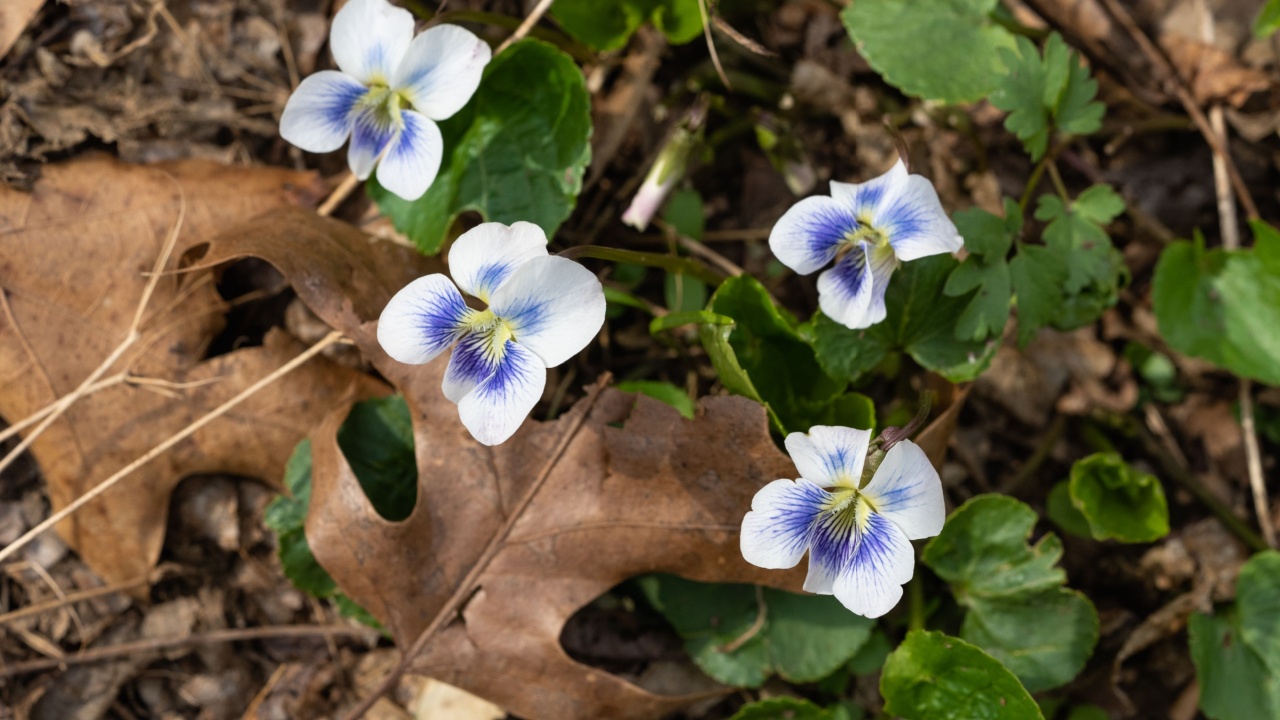
The heirloom viola, known as Johnny Jump Up, is one of the simplest investments a gardener can make: plant it once in a sunny spot and it will self-seed and reappear every spring without any intervention.
Its cheerful white, purple, and yellow flowers are one of the earliest blooms of the year and a reliable source of early-season nectar for emerging pollinators.
14. Four O’Clocks (Mirabilis jalapa)
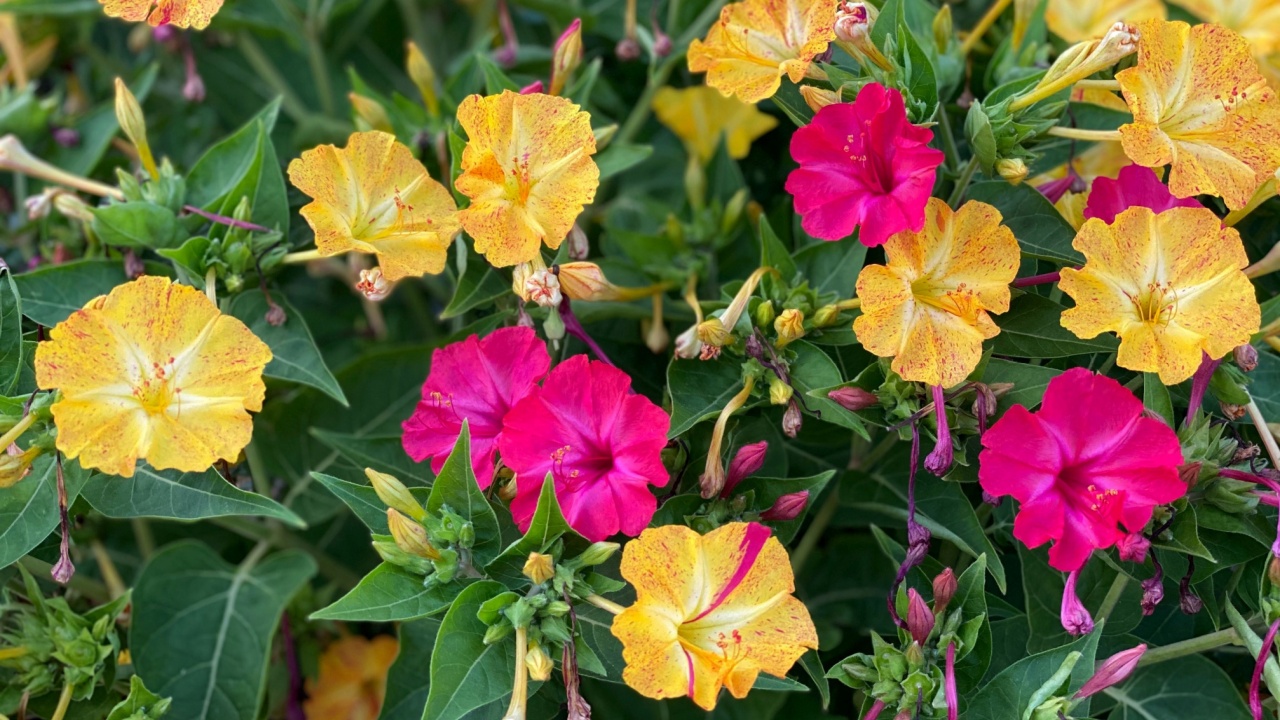
Four O’Clocks have a unique feature that sets them apart from almost every other garden flower: they refuse to open until late afternoon or early evening.
For gardeners who spend their days away from home, these fragrant trumpet-shaped blooms in pink, yellow, purple, and multi-color are a genuine treat waiting after a long workday.
15. Loves-Lies-Bleeding (Amaranthus caudatus)
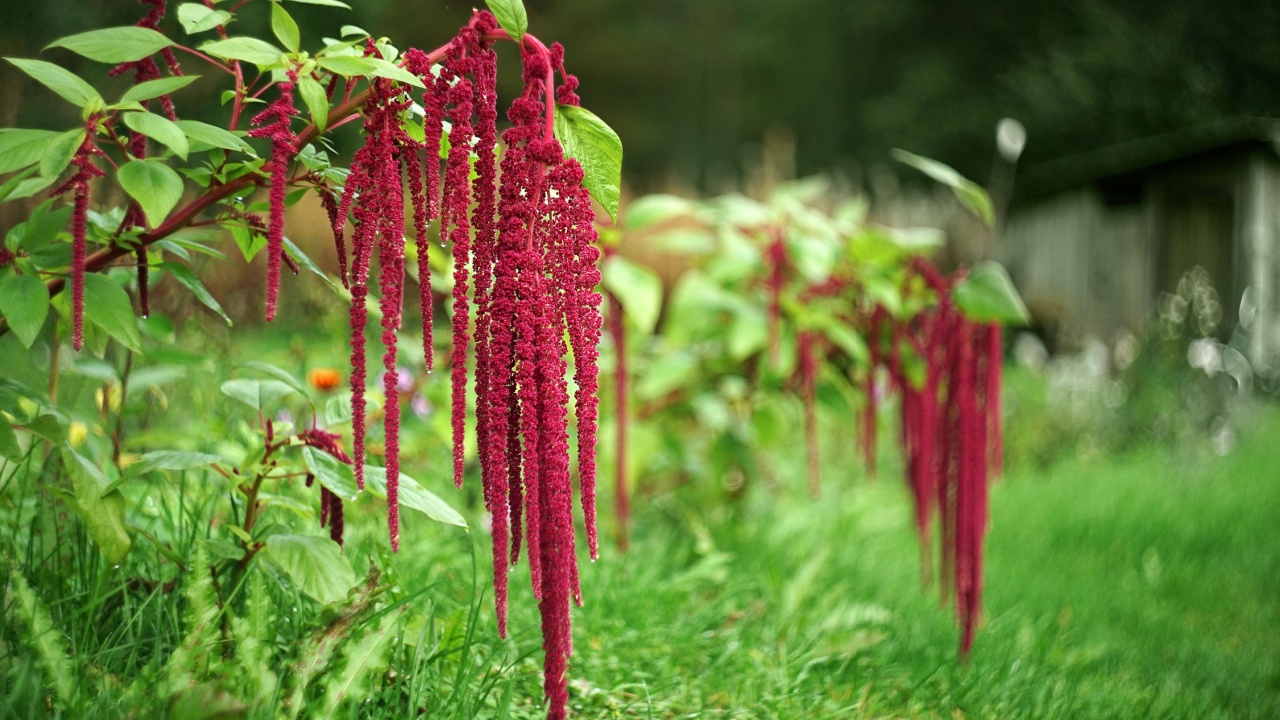
This was the showstopper of Victorian-era gardens, and it is impossible to understand why it ever fell out of favor. It’s dramatic, rope-like red tassels cascade for up to two feet in mid-to-late summer, creating a truly eye-catching display.
It is also known as amaranth, and its tassels are stunning in dried autumn arrangements. A single plant creates an immediate talking point.
16. Gladioli
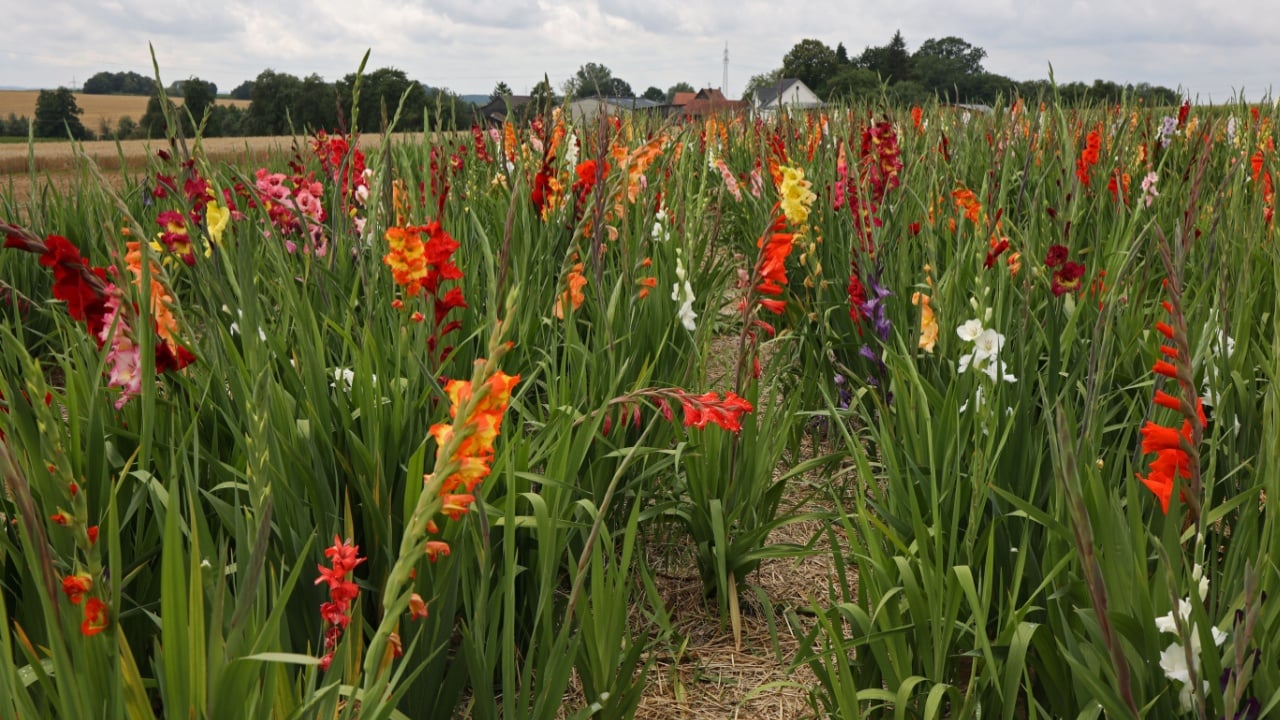
Gladioli spent decades associated with funeral arrangements and formal bouquets; a reputation that kept them out of casual home gardens. That stigma is officially over.
Modern breeding has introduced rich pinks and dark purples that feel fresh and contemporary, while delicate species like Gladiolus byzantinus bring an elegant, wildflower quality to late-summer borders. They are inexpensive, dramatic, and finally cool again.
17. Ceanothus (California Lilac)

Ceanothus is the shrub that frustrated gardeners across the country ripped out for looking “messy”, only to watch their garden become quieter and less alive without it.
Once properly pruned in late spring after flowering, ceanothus becomes a tidy, structural beauty covered in electric-blue blooms that bees find nearly impossible to resist. It is remarkably drought-tolerant once established and brings the garden alive with insect activity when little else does.
18. Touch-Me-Not (Impatiens balsamina)
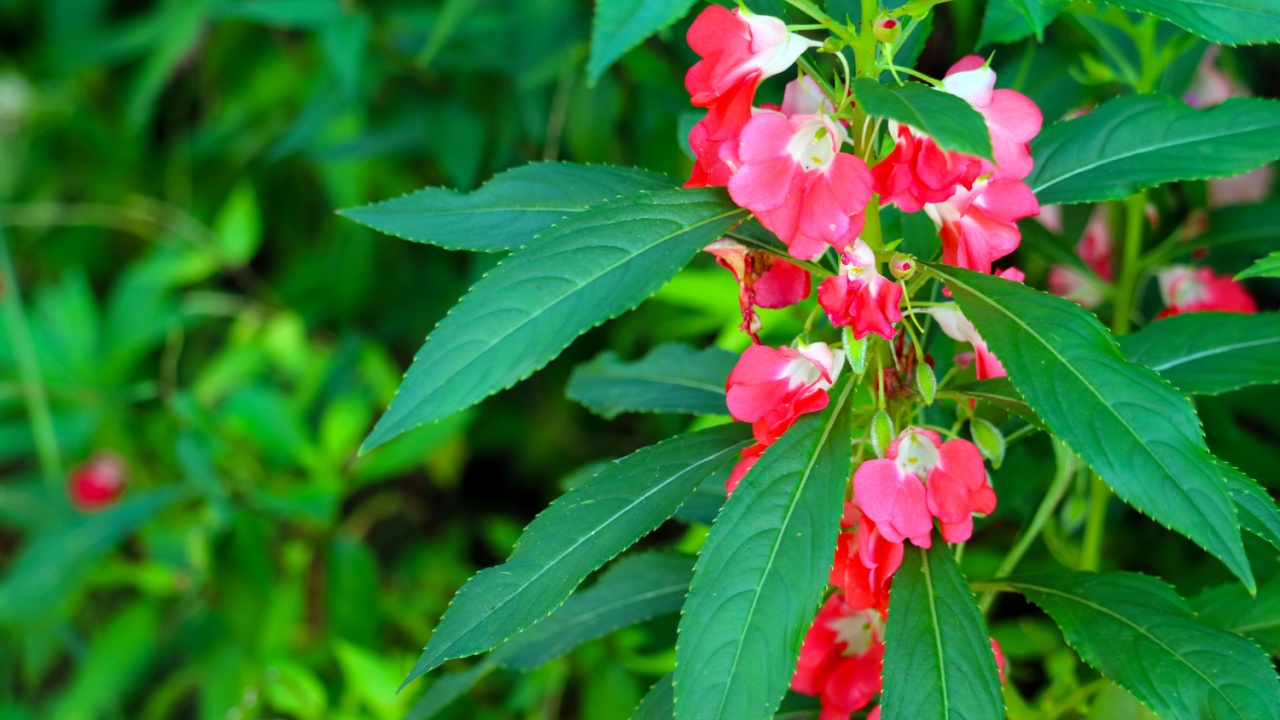
Thomas Jefferson grew and wrote about this flower at Monticello, which alone should earn it a place in any American garden. Also known as garden balsam, its pink, white, red, and salmon blooms run from summer to first frost.
The name comes from its seed capsules, which burst open when touched; a feature that has delighted garden visitors for centuries. It is easy to grow, long-blooming, and carries a genuine piece of American horticultural history.
Where to Find These Plants Without Paying a Fortune

One reason gardeners abandoned these plants is the mistaken belief that they are hard to find. In reality, they are cheaper and more accessible than ever before; you just need to know where to look.
Seed Savers Exchange is the first place to start. This Iowa-based nonprofit has spent 50 years preserving heirloom and open-pollinated varieties, and its online seed swap (called simply “The Exchange”) hosts more than 14,000 unique varieties contributed by gardeners across the country. Seed packets from the main catalog typically cost $3 to $5; many varieties traded in The Exchange are free or exchanged for postage. Compare that to $12 to $15 for a single trendy hybrid that starts at a big-box garden center.
Seed swaps are another excellent avenue. Libraries, nature centers, garden clubs, and park districts across the country host seed swap events from January through March each year. These events are family-friendly, free or very low cost, and a wonderful way to connect with experienced local gardeners who can share not just seeds but decades of growing wisdom.
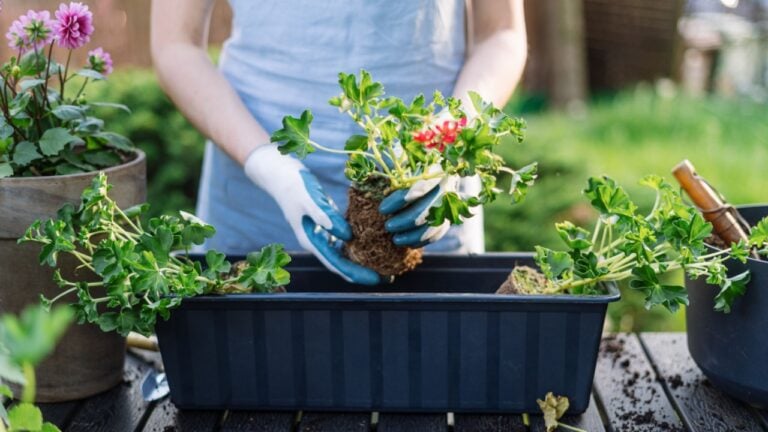
Finally, do not overlook pass-along plants. Peonies, bleeding heart, and irises divide easily and are frequently shared between neighbors and family members. If you know someone with a thriving old peony bed, ask for a division this fall. You may be receiving something that has been in one family’s garden for 50 years.
Let’s Make Old-Fashioned Plants Trendy Again
The plants on this list did not survive for generations by accident. They survived because they are beautiful, resilient, and genuinely useful to the ecosystems around them.
Your grandmother did not need a study to tell her that; she just knew that the garden that looked and smelled like something worth stepping into was worth tending. This April, her instincts are the most current gardening advice available.
Read more:
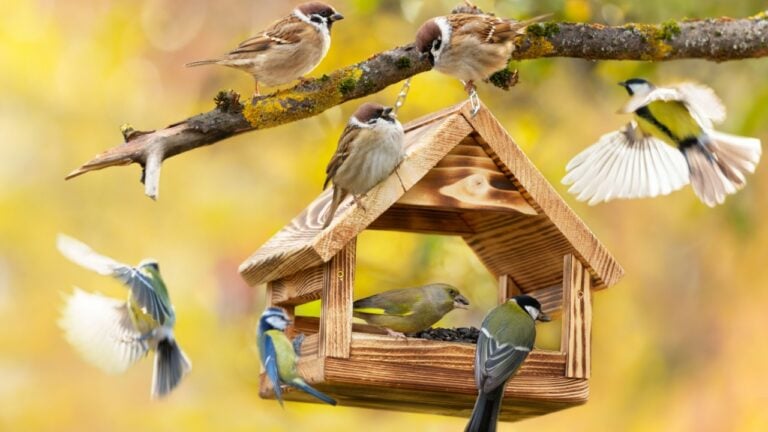
Why wildlife experts are telling people to take down their bird feeders
Plant these 10 companion plants with your tomatoes — and stop planting these 4