6 Common Household Noises That You Can Keep Calm About
Homes make plenty of sudden sounds that might startle you during a quiet evening. You might hear a loud pop from the attic or a screeching sound near the window sill. People often panic when unfamiliar sounds echo through empty rooms. Learning to identify these distinct noises helps you relax and enjoy a peaceful living environment.
Houses consist of materials that expand and shift constantly throughout the seasons. Temperature fluctuations cause wood and metal parts to rub against each other rapidly. These structural movements create a symphony of creaks and groans that sound alarming at first. Most of these audible changes pose no real threat to your property value or safety.
Understanding the root cause of domestic sounds gives you immediate peace of mind. A simple investigation often reveals a harmless reaction to shifting weather patterns or aging materials.
This guide breaks down six frequent auditory disturbances you might encounter indoors. Do you know why certain materials produce specific sounds under normal conditions? Here is why and how you can quiet these annoyances using basic household items.
1. Creaking Floorboards
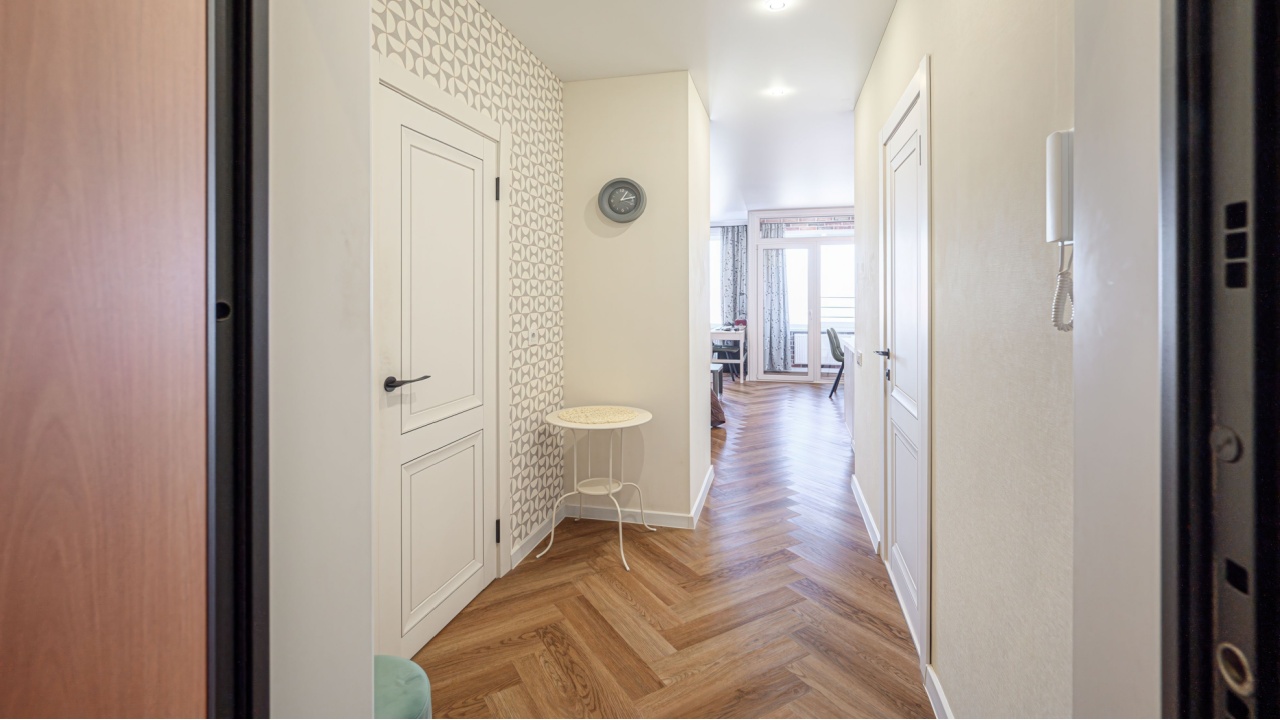
Hardwood floors groan as you walk across them during quiet nights. Wood planks naturally expand and contract when indoor humidity levels change drastically. This constant shifting creates friction between adjacent boards and the underlying joists.
The resulting squeaks represent a completely normal physical reaction to environmental conditions.
You do not need to call a contractor for an occasional squeaky step. Talcum powder swept into the cracks often reduces friction and quickly silences the annoying noise. Persistent loud shifting across multiple boards might require a few strategically placed wood screws. Most people simply place a nice rug over the area to muffle the sound entirely.
2. Roof Popping
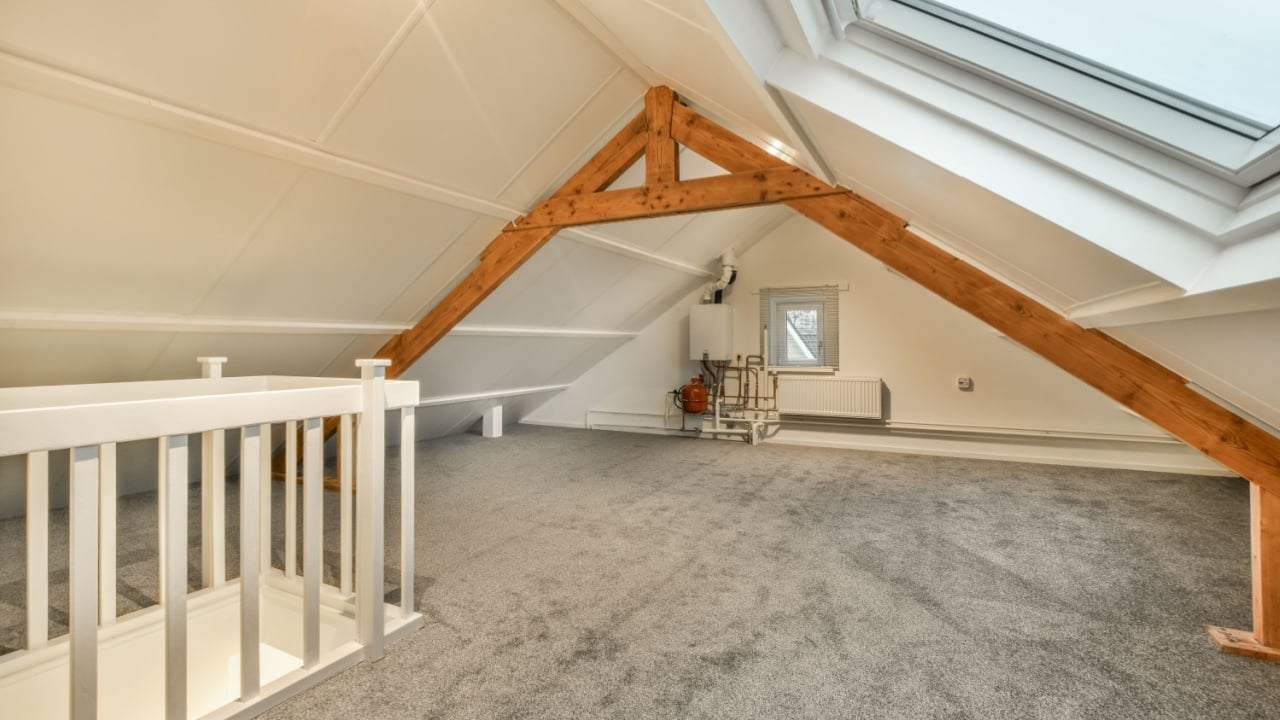
Hearing sharp pops from your roof often makes homeowners fear sudden structural collapse. Roofing materials absorb massive amounts of heat from direct sunlight during summer afternoons. The sudden drop in evening temperature forces the wood framing to contract rapidly (especially in winter).
This thermal movement produces loud snapping noises that echo down into your living spaces.
These overhead crackles rarely indicate a failing foundation or severe structural damage. Proper attic ventilation helps regulate temperature swings and minimizes the loud popping sounds. Adding extra insulation can also muffle the noise before it reaches your bedrooms. You only need to investigate further if the sounds accompany visible cracks in your drywall.
3. Screeching or Whistling Windows
High winds sometimes force air through tiny gaps around your closed window frames. This passing air creates a high-pitched whistling noise that sounds quite unsettling. Aging weather stripping and broken latches often create the perfect conditions for these windy screeches.
The problem occurs most often in older buildings with original wooden window casings.
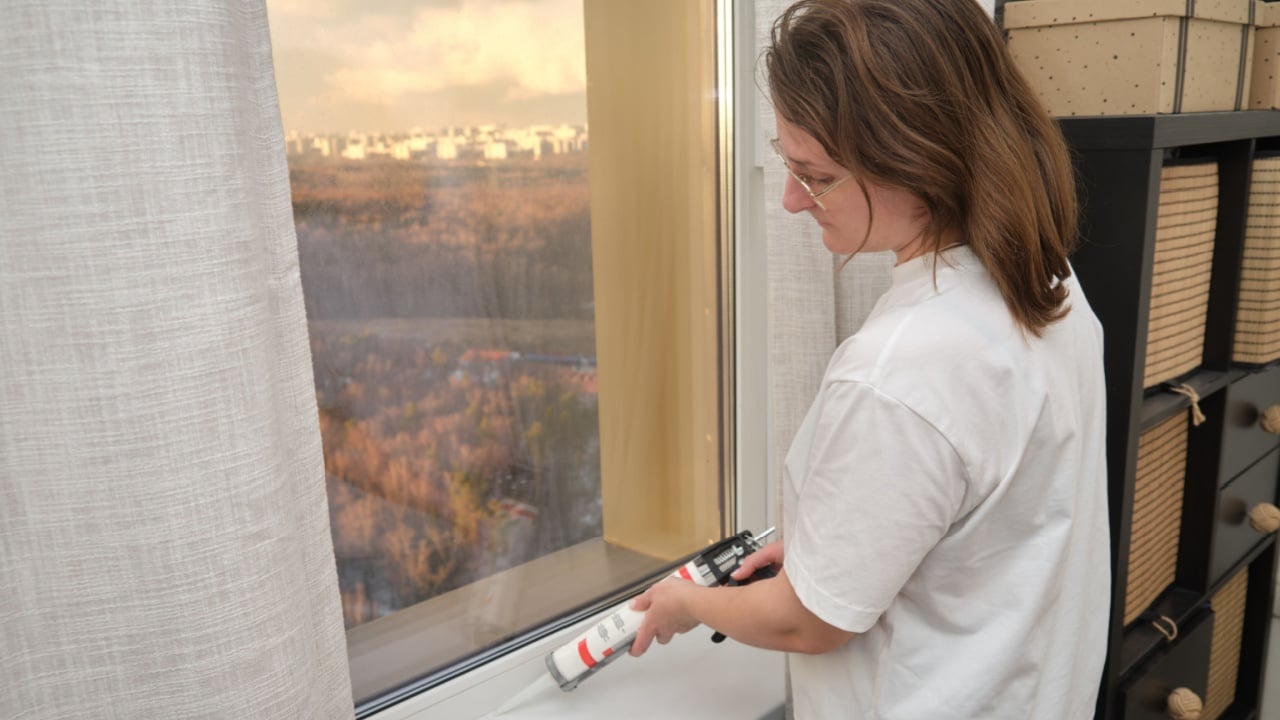
Sealing these drafty gaps takes only a few minutes and minimal effort. Applying fresh caulking around the window exterior blocks the wind and stops the whistling immediately. Replacing worn weather stripping on the interior frame provides an additional layer of sound protection. You might need new windows entirely if heavy drafts persist after applying these basic fixes.
4. Scratching in Gutters
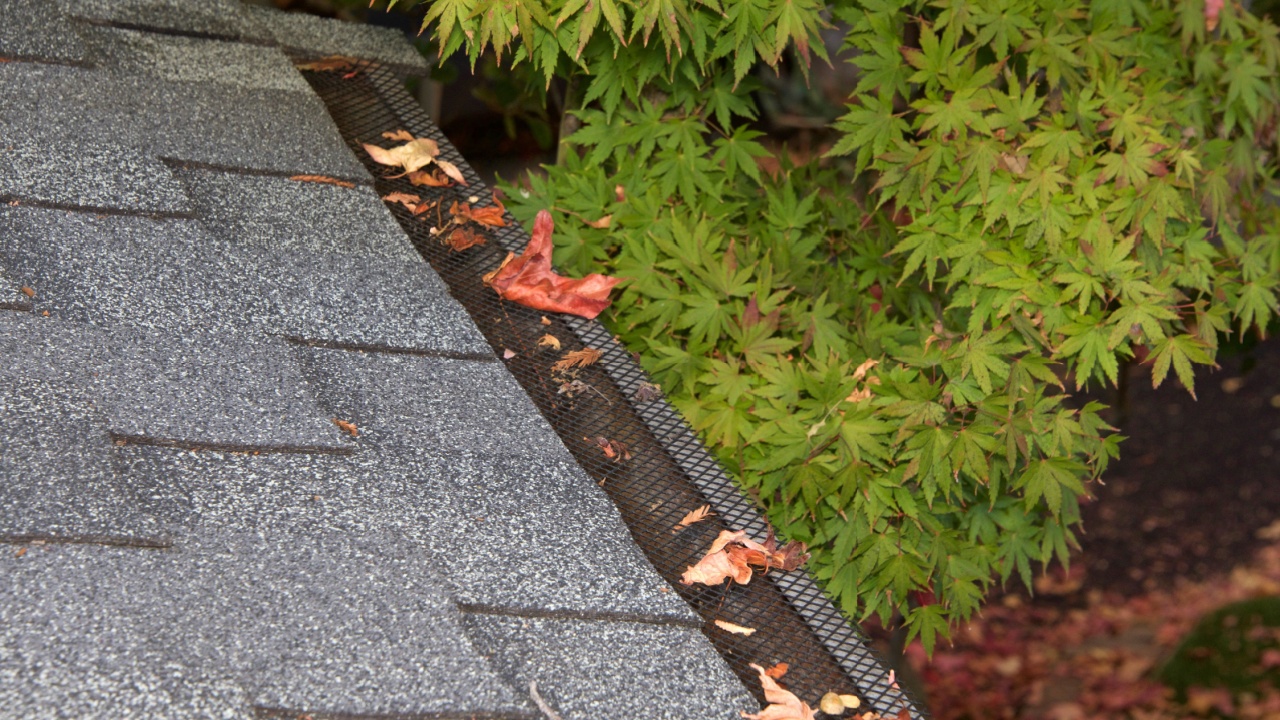
If you hear tiny scraping sounds outside your wall, it is possible that squirrels and chipmunks are using your dry rain gutters as elevated pathways across your property. Their small claws scrape against the aluminum surface as they scurry past your windows.
Dry leaves tumbling through the metal channels can also mimic the sound of animal footsteps.
Clearing debris from your drainage system discourages local wildlife from lingering near your roofline. Installing mesh gutter guards prevents animals from using the channels as a convenient highway. You should check your attic for signs of entry if the scratching noises persist daily.
A pest control professional can safely relocate any determined rodents that refuse to leave.
5. Squeaky Doors
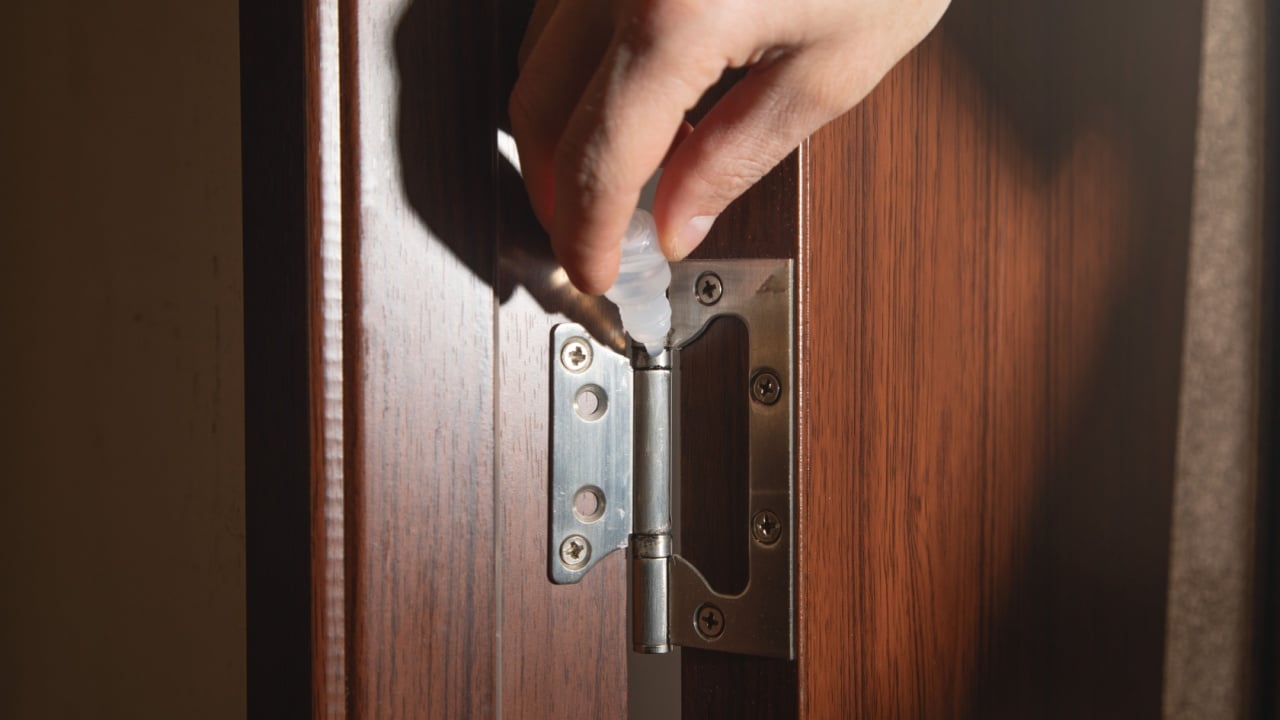
Opening a bedroom door sometimes produces a loud shriek that wakes the entire family.
Metal hinges lose their protective lubrication through years of constant daily movement. The bare metal components scrape against the central pin to generate a screeching sound. Heavy wooden doors put extra stress on the hinges, making the squeal even louder.
A quick spray of household lubricant instantly coats the metal parts and silences the groan. You can also rub a simple bar of soap against the hinge pin for a mess-free alternative. Tightening the mounting screws helps keep the door aligned to prevent future friction. Doors that drag loudly against the floor frame might require light sanding to operate smoothly.
6. Buzzing or Ringing from Lights

Occasionally, flipping a switch results in a steady electrical hum from your ceiling fixtures. Older fluorescent light tubes rely on magnetic ballasts that naturally vibrate and buzz during operation. Modern LED bulbs sometimes ring loudly when paired with incompatible older dimmer switches. Loose internal wiring can also cause a faint buzzing sound in standard light sockets.
Swapping a noisy bulb for a different brand often resolves the annoying hum immediately.
Upgrading your outdated dimmer switches to modern LED-compatible versions eliminates most lingering electrical ringing. Tightening the glass globes on your ceiling fixtures stops external vibrations from amplifying the sound. You should contact a licensed electrician if replacing the bulbs and switches fails to solve the issue.
Enjoying A Peaceful Home Environment
Every home develops a unique collection of sounds as materials age and seasons change. Understanding the physical causes behind these noises helps you relax in your living space. Most creaks and hums require nothing more than basic maintenance or simple household adjustments. You can now confidently distinguish between harmless settling and situations requiring professional attention.
Read More:
16 Home Maintenance You Can Do in Minutes to Avoid Major Problems Later