18 Ways to Get Perennials for Almost Nothing (and Stop Overpaying Every Spring)
Most gardeners have spent more money filling perennial beds than they will ever admit.
Year after year, the ritual is the same: walk into a nursery, fall in love with a dozen plants at $15 to $25 each, and walk out $200 lighter. The garden looks great for the season. Then the cycle repeats.
The gardeners with the fullest, most beautiful perennial beds rarely paid retail for most of what is growing in them. While the average gardener spends $200 to $400 filling beds every spring at $15 to $25 per plant, the savvy ones are working a completely different set of sources.
The 18 strategies below require nothing more than a willingness to look beyond the garden center. Several of them are completely free. A few cost $1 to $5 per plant. Together, they can transform what you spend on perennials from a significant seasonal expense into something close to nothing, and give you plants that are already adapted to your local soil and climate in the bargain.
1. Divide What You Already Have
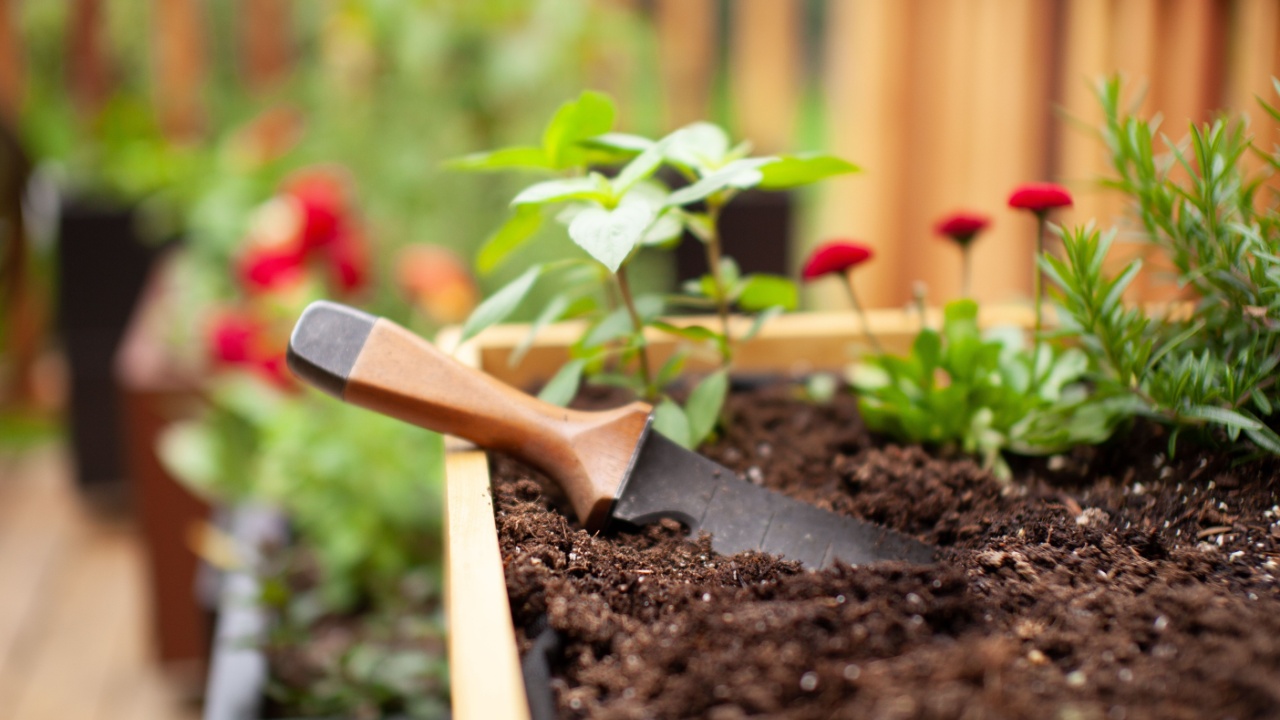
If you have hostas, daylilies, coneflowers, black-eyed Susans, ornamental grasses, or almost any established clumping perennial, you are already sitting on a free nursery. Dividing mature perennials is not just cost-effective; it actively benefits the plants. Overcrowded clumps bloom less, develop dead centers, and compete with themselves for water and nutrients.
The method is straightforward: in early spring or fall, dig up the clump, use a sharp spade to cut it into sections (each with roots and foliage), and replant. According to the University of Minnesota Extension, most herbaceous perennials benefit from division every three to five years. One established hosta can yield four to eight new divisions. One crowded stand of coneflowers can fill an entire new bed.
2. Ask Your Neighbors — Seriously, Ask

Gardeners are, as a rule, generous people. The neighbor whose irises are spilling over the fence, or the woman two streets over whose coneflowers self-seed across the driveway every fall, is almost always looking for someone to take divisions off their hands.
Most experienced gardeners have given away more plants than they have ever sold.
This is not begging. It is participating in a tradition as old as gardening itself. Offer something in return: a division of something you have, a jar of homemade preserves, or help pulling weeds for an hour. The exchange tends to become ongoing, and the plants you receive come with a bonus: firsthand knowledge of exactly how they perform in your local conditions.
3. Post on Nextdoor and Local Facebook Groups
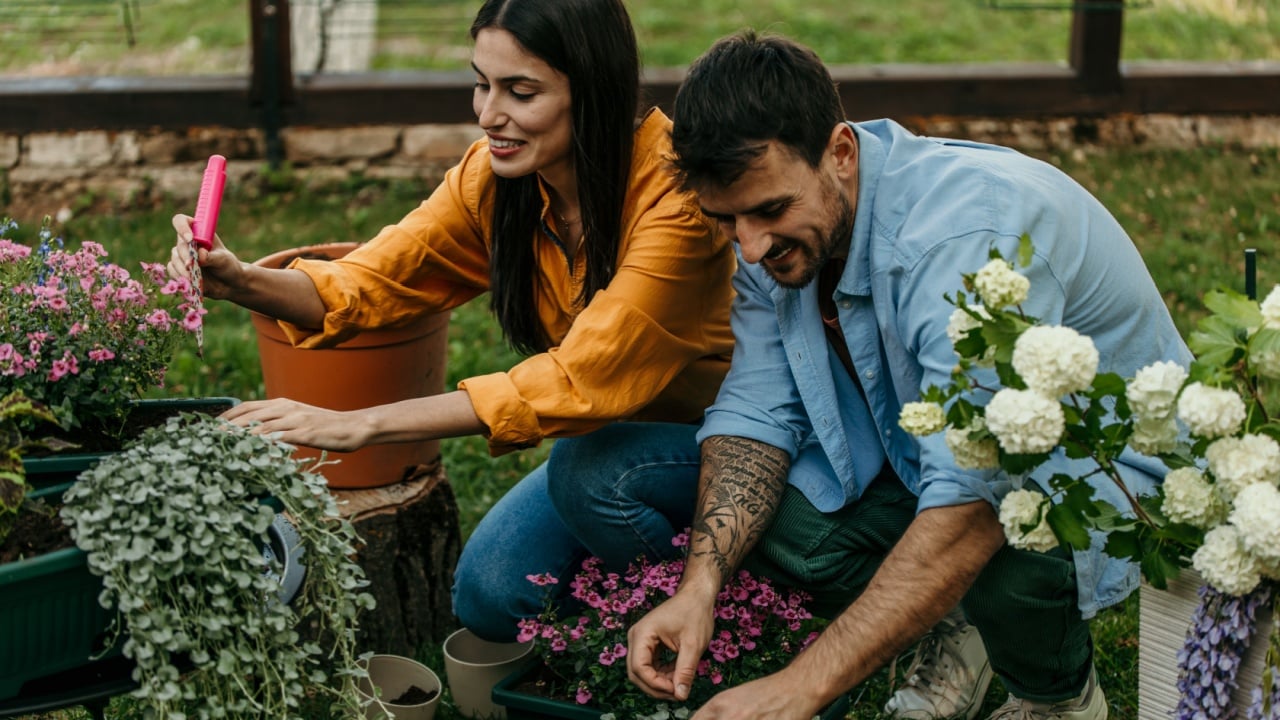
Nextdoor is arguably the best digital tool available to budget-minded gardeners. Unlike Craigslist, it is neighborhood-specific and reputation-based, which means the people giving away plants are genuinely your neighbors.
A simple post such as “Looking for any perennial divisions to add to my garden, happy to share what I have in return” regularly produces responses within hours.
Local Facebook gardening groups work similarly. Search your town or county name alongside “gardening” or “plant swap,” and you will likely find an active community. According to The Spruce, social media plant groups have become one of the most reliable modern sources for free or near-free perennials, with members regularly sharing cuttings, seeds, and divisions.
4. Attend Plant Swaps and Seed Exchanges
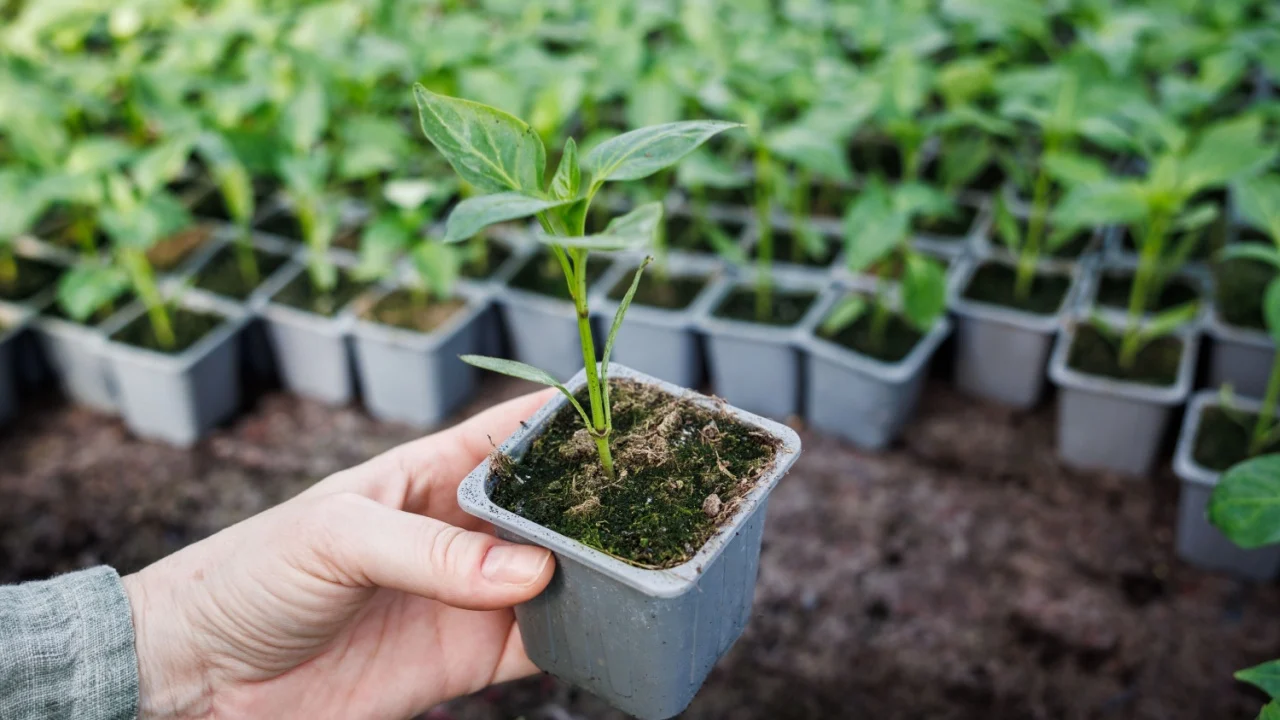
Plant swaps are organized events where gardeners bring their surplus divisions, seedlings, and seeds and exchange them with others for free. They are held seasonally by garden clubs, Master Gardener programs, community gardens, and neighborhood organizations across the country. Spring and fall are the most active seasons, when gardeners are naturally dividing and thinning.
According to Gardening Know How, Cooperative Extension offices in every state have information on local plant swaps and seed exchanges; Master Gardener volunteers frequently organize them. You do not need to bring anything to participate in most events, though bringing a division or two ensures the best selection. Swaps are also one of the best places to find unusual heirloom varieties that never appear in garden centers.
5. Shop Clearance Racks at Garden Centers and Big-Box Stores
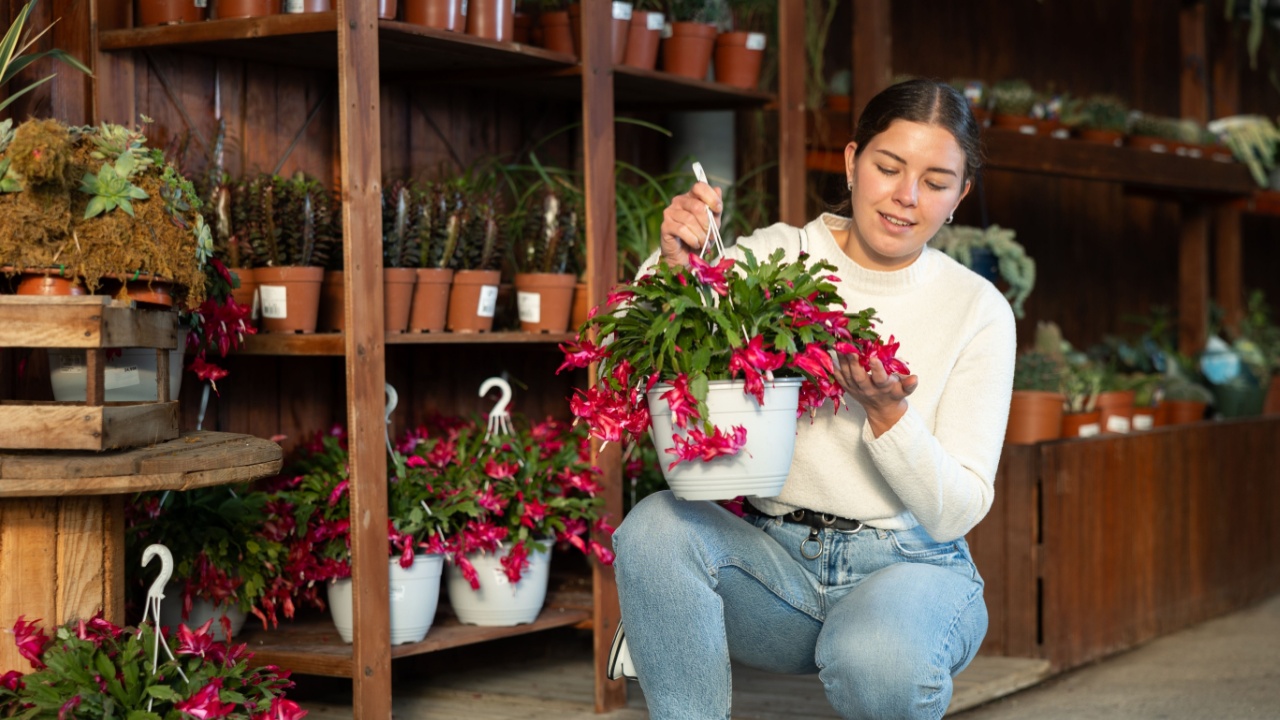
Every garden center and every big-box store with a garden section runs a clearance rack, and for perennials, that rack is underestimated gold. Plants typically end up there when they are past their peak bloom period for the season.
A coneflower that looked spectacular in June and now looks scraggly in August is still a perfectly viable plant with a strong root system that will bloom beautifully next year.
Experienced clearance shoppers target three windows: the Monday after a major flower holiday (Mother’s Day clearance is legendary among budget gardeners), the week following Memorial Day and the Fourth of July, and the entire month of August through September as nurseries prepare for fall inventory. Sunset Magazine recommends inspecting plants for healthy roots and signs of new growth rather than judging by summer-tired foliage. A 75% off perennial is often the best buy in the garden.
6. Never Leave a Nursery Without Checking the Fall Markdown Section
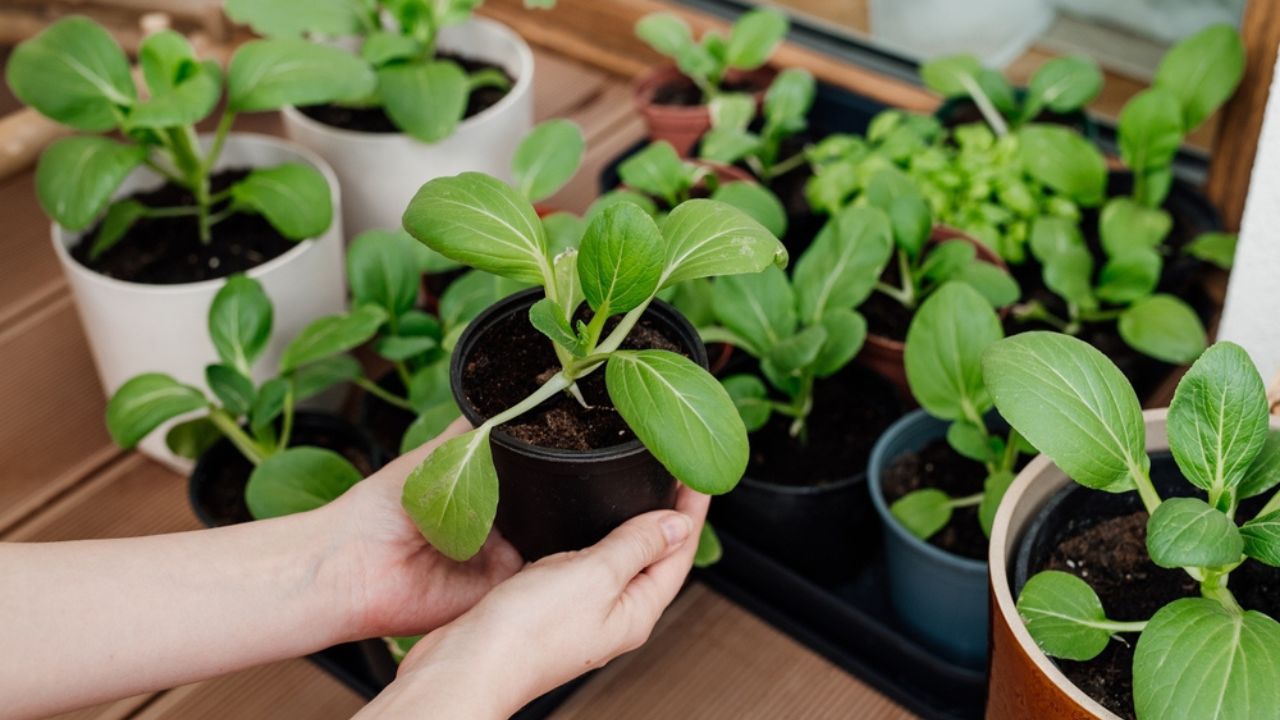
Fall deserves its own category. As Garden Therapy notes, garden centers approaching the end of their season would rather sell plants at deep discounts than overwinter hundreds of potted specimens. The markdowns can be extraordinary: plants that were $18 in May may be $4 in October.
Fall-planted perennials also have a physiological advantage over spring-planted ones. Cooler air temperatures reduce transplant stress while still-warm soil encourages vigorous root development before dormancy. A perennial planted in October has a full winter to establish roots before it is asked to produce foliage and flowers the following spring. Buy them scraggly; plant them correctly; watch them thrive.
7. Grow Perennials From Seed
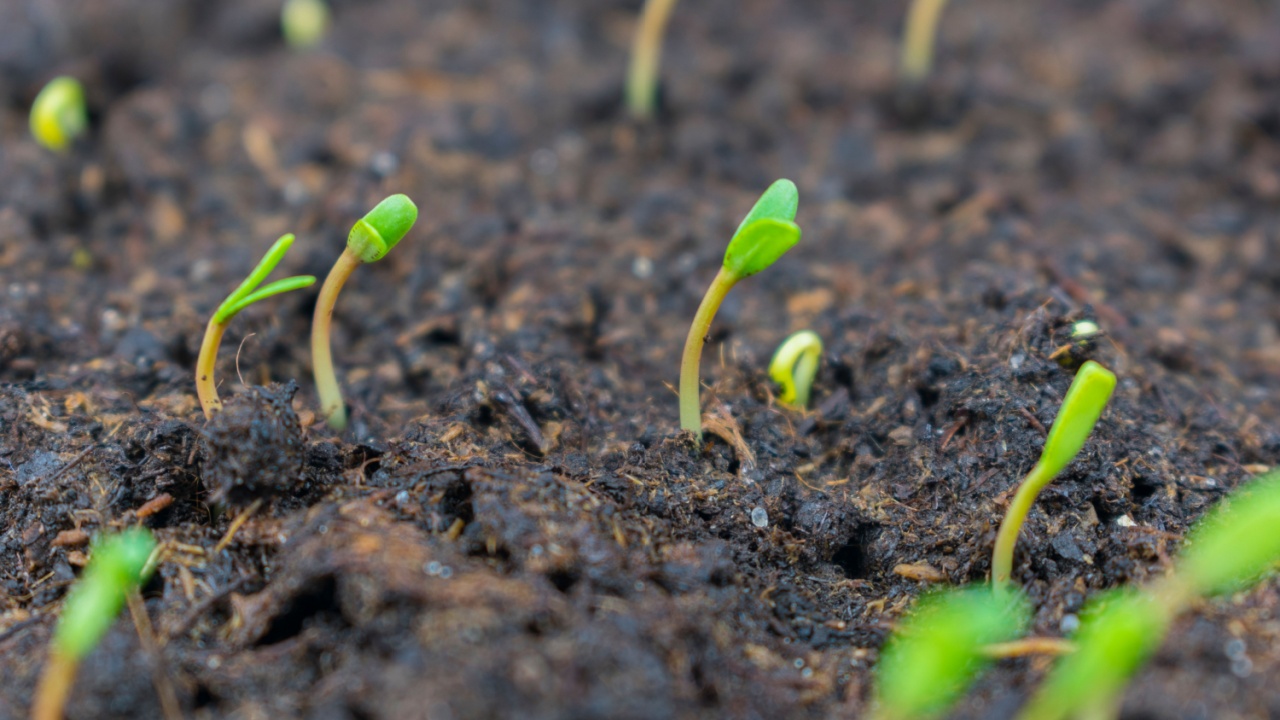
A single packet of coneflower, columbine, or shasta daisy seed costs $3 to $5 and can yield 20 or more plants. That same number of nursery transplants would cost $260 to $400 at typical garden center prices. According to Epic Gardening, the math on seed-starting is almost impossible to argue with for gardeners willing to plan.
The honest caveat is that most perennials do not bloom in their first year from seed, and some take two full growing seasons to flower.
Beginners who do not know this often feel their seeds “failed.” Easy-to-start perennials for first-timers include coneflowers (Echinacea), black-eyed Susans, lupine, columbine, dianthus, and creeping phlox. Sow in late winter indoors or direct-sow in fall and let the cold stratification do the work naturally.
8. Save Seeds From Plants You Already Grow

Once you have perennials in the ground, the seeds they produce are free. Coneflowers, black-eyed Susans, columbine, and many ornamental grasses self-seed prolifically and can produce dozens of volunteer seedlings each spring.
Allow seed heads to fully mature and dry on the plant before collecting, then store in a paper envelope in a cool, dry place.
The Micro Gardener recommends focusing seed-saving efforts on open-pollinated and heirloom varieties, which reliably produce offspring identical to the parent plant. Hybrid varieties sold at nurseries may not breed true from seed. Sharing surplus seeds through community seed libraries, which exist in many public libraries and community centers, is both economical and a way to connect with other local gardeners.
9. Check Craigslist and Facebook Marketplace

Search “perennials” on Craigslist and Facebook Marketplace in your area, and you will regularly find gardeners selling established plants for $1 to $5 each, which is a fraction of nursery prices. According to Raise Your Garden, these sellers are typically avid gardeners overwhelmed by plants that are taking over their beds; they repot them in used containers and sell them from their driveway. The plants are locally adapted, often large and established, and available at prices that make no sense for anything but genuine surplus.
Posting a “wanted” ad is equally effective. Something as simple as “Looking for perennial divisions of any kind, happy to pay $1–$2 each or swap” will often generate responses from gardeners who would otherwise have composted their extras.
10. Visit Master Gardener and Cooperative Extension Plant Sales
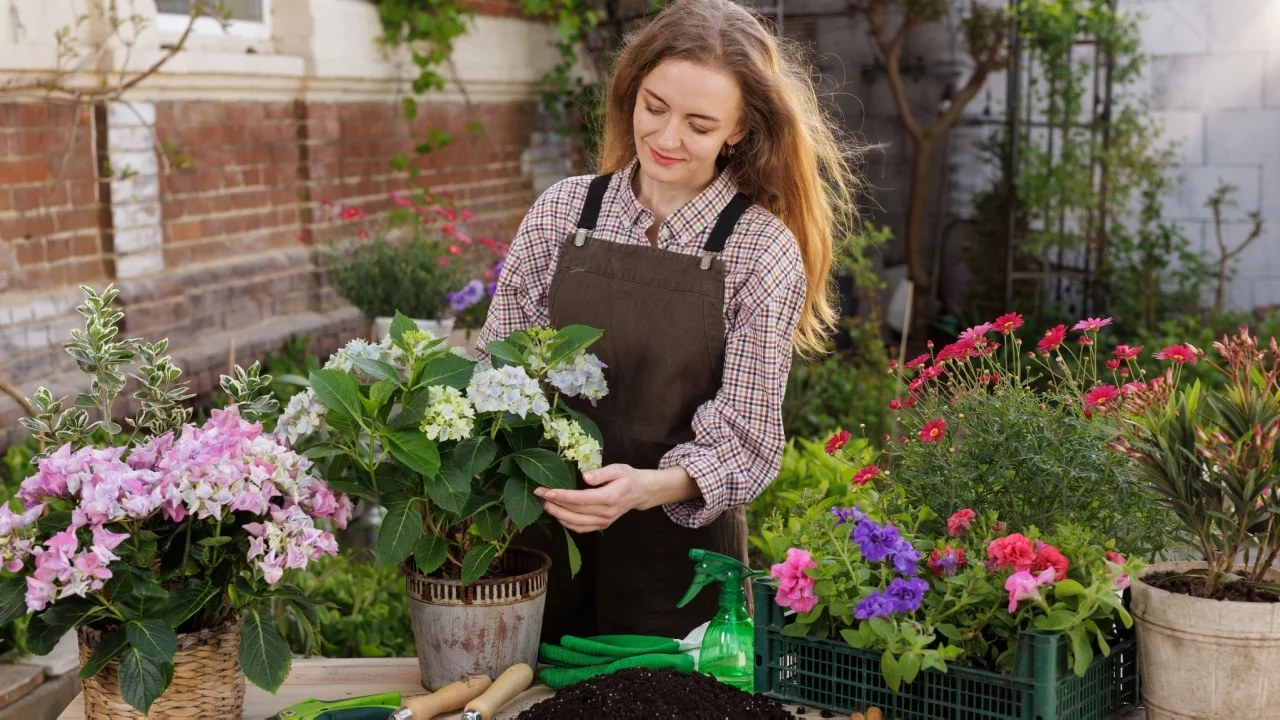
Nearly every county in the United States has a Cooperative Extension office affiliated with a land-grant university, and most run Master Gardener programs that hold annual spring plant sales. According to the Extension Master Gardener national program, Master Gardener volunteers make face-to-face contact with over 7.9 million people across the country each year through events including plant clinics, workshops, and plant sales.
These sales are exceptional for several reasons: plants are often grown or vetted by trained horticulturists, prices are kept low by design, and the people selling can tell you exactly how a plant will perform in your specific county’s conditions. To find your local office, search your state name plus “Cooperative Extension Master Gardener plant sale” or visit mastergardener.extension.org.
11. Tap State and County Conservation Programs
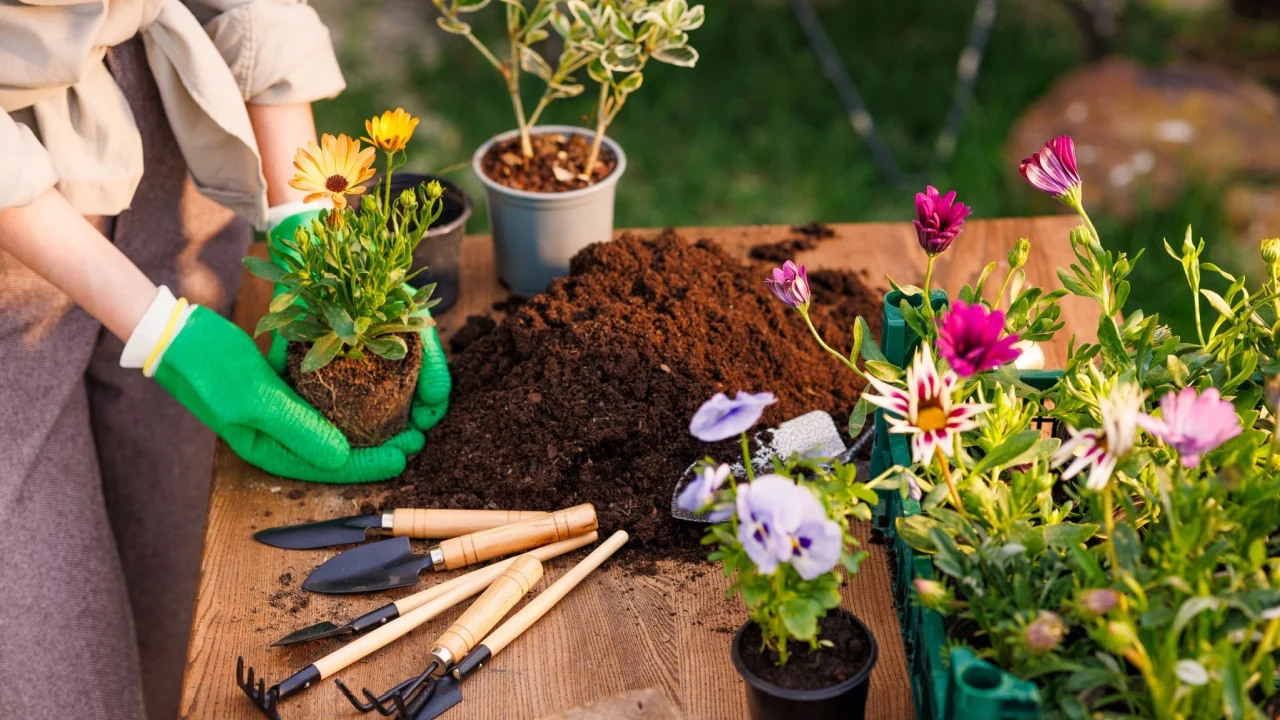
This is one of the most underused plant sources in the country. Soil and Water Conservation Districts (SWCDs) in many states run spring bareroot plant programs that sell native perennials, shrubs, and trees at deeply subsidized prices, often $1 to $3 per plant for orders placed in bulk. These programs exist to encourage native planting and habitat restoration, and the plants are appropriate for local growing conditions by definition.
The Arbor Day Foundation is a related resource: new members receive 10 free trees selected for their USDA hardiness zone, plus ongoing discounts on trees and shrubs through the Foundation’s online nursery. For gardeners who want to add native perennials and woody plants to their landscape, these programs represent savings that most gardeners never tap.
12. Rescue Plants From Landscapers and Construction Sites
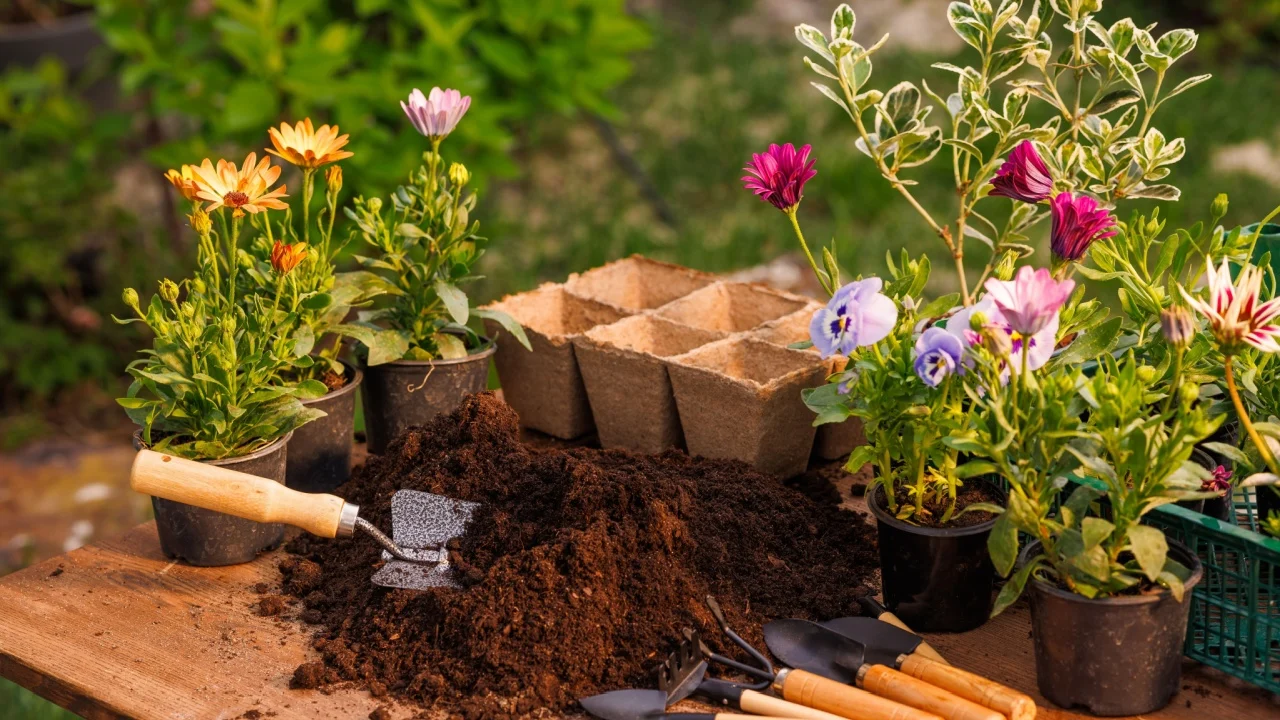
Landscaping crews removing old plantings and construction companies clearing lots for development regularly discard healthy, established perennials. The Spruce notes that landscaping companies often dispose of last season’s plants as they swap in new ones for clients; approaching the crew and asking for the rejects, possibly with a small tip or refreshments, frequently works.
For construction sites, contact the general contractor before work begins to ask whether you can dig up plants from the site. This requires proactive research and a willing attitude, but the plants can be large, mature, and free. Bring your own tools and a willingness to dig quickly.
13. Shop Yard Sales, Estate Sales, and Garage Sales
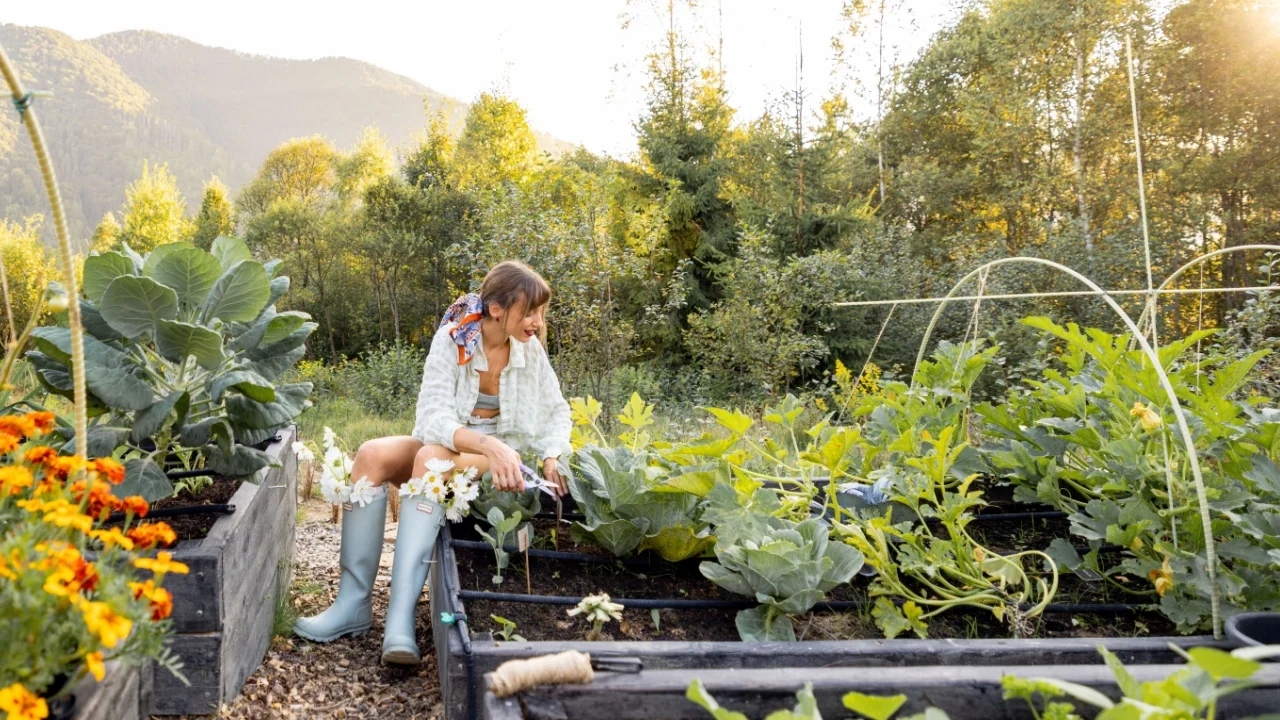
Plants are the overlooked category at estate and garage sales. Most shoppers are focused on furniture, jewelry, and kitchenware; the potted perennials on the porch or in the backyard are frequently ignored.
Raise Your Garden reports paying $11 for four perennials at a single garage sale; those are plants that would have cost $60 or more at a nursery.
Timing is everything: arrive toward the end of the sale when sellers are eager to move everything and prices drop dramatically. Offer a single reasonable amount to take several plants at once. Sellers are almost always relieved to have someone take the plants rather than hauling them to the compost pile.
14. Visit Farmers’ Markets and Roadside Stands
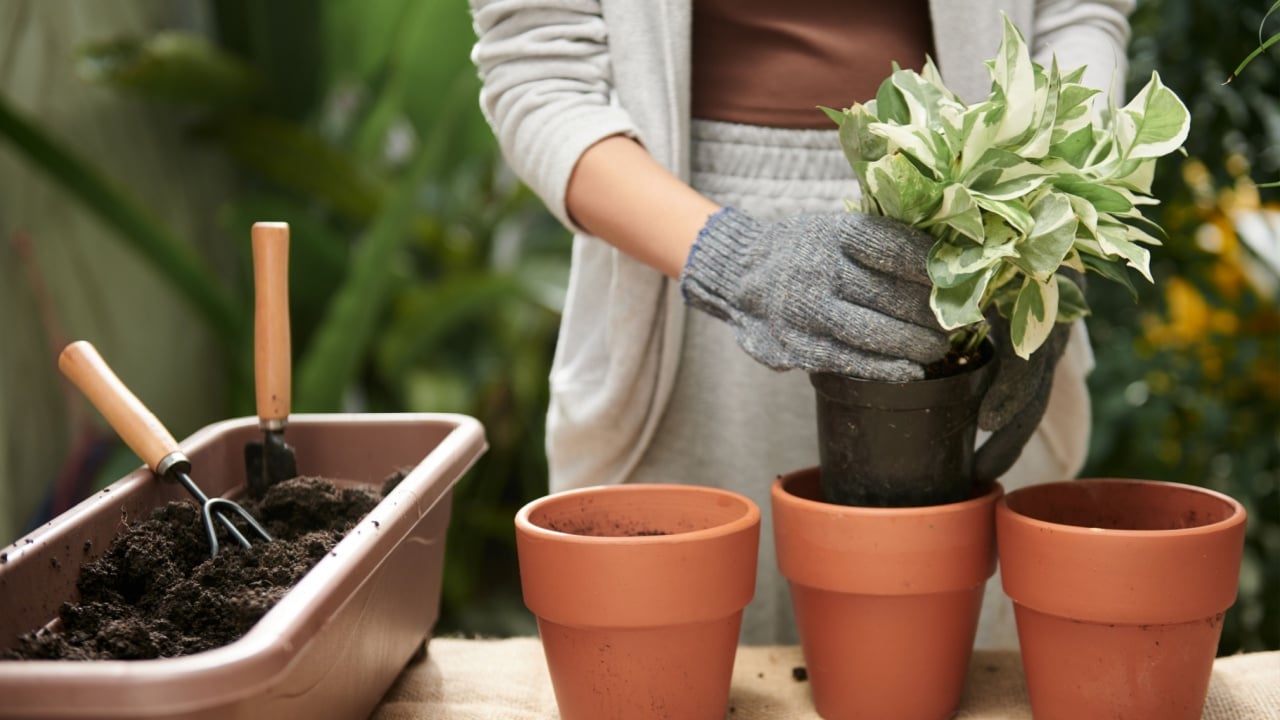
Farmers’ market plant sellers price their inventory to move, not to maximize margin. They know that a plant sitting in a pot while unsold costs them water and labor; getting it out of inventory at $4 beats tending it for another week.
The Spruce notes that farmers’ markets are a reliable source for cheap and sometimes free plants that are already adapted to the local climate.
Rural roadside stands take this further. Raise Your Garden describes roadside plant stands selling well-labeled, well-cared-for perennials for $1 each, including creeping phlox, hens and chicks, ostrich fern, and iris. An hour’s drive into the countryside can yield 10 excellent perennials for $10.
15. Ask Schools, Churches, and Offices After Seasonal Decorating
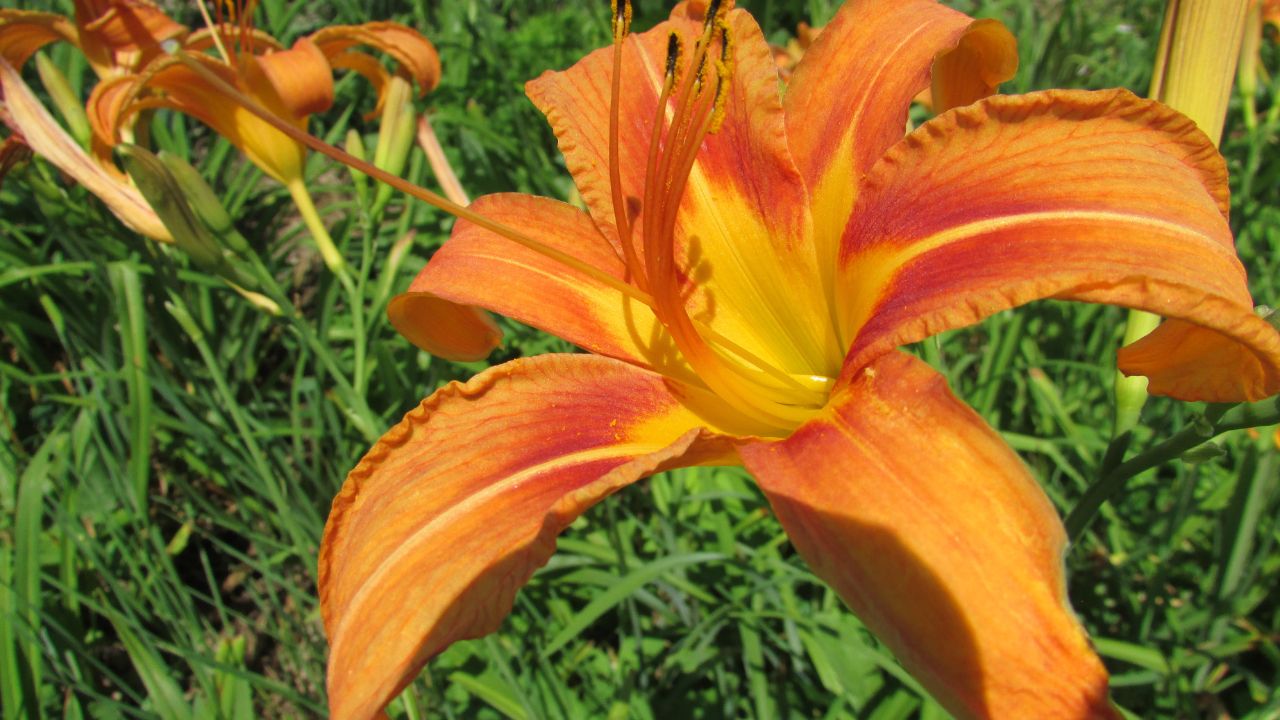
Schools, churches, and office buildings purchase potted plants for holidays and special events, then often discard them when the event ends. Easter lilies are perhaps the most common example: churches purchase them by the dozen for Easter Sunday, then face the question of what to do with 30 flowering potted lilies on Monday. The answer, for a gardener who asks, is: you.
These plants are typically healthy; they were purchased new for a specific occasion. Approach the facility’s manager or administrative office before the event ends and ask what happens to the plants afterward. The answer is almost always “we were going to throw them away” — and they are usually delighted to give them to someone who will use them.
16. Join a Garden Club or Horticultural Society

Local garden clubs hold seasonal plant sales with prices well below retail, and the variety tends to be far more interesting than anything found at a big-box store. According to The Spruce, club members frequently engage in ongoing free plant swaps as a standard part of membership, and experienced members can provide cultivation advice specific to locally grown specimens.
The social dimension matters, especially for gardeners who are building or rebuilding a garden and want to shortcut the learning curve. A single afternoon at a garden club plant sale typically yields both plants and relationships with experienced local gardeners who are generous with both their extras and their expertise.
17. Never Dismiss Freecycle and Online Community Boards
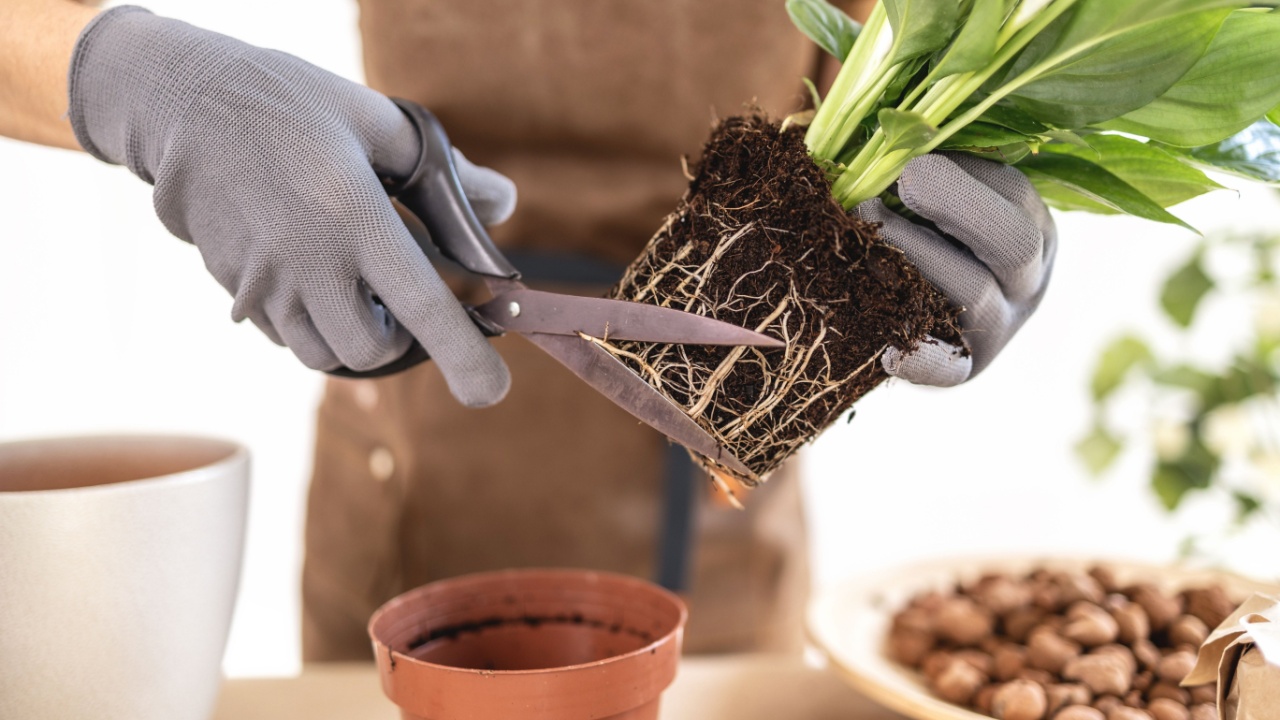
Freecycle is a community platform organized by geography for giving things away at no cost. Plants appear regularly, including established perennials from gardeners who are downsizing, moving, or simply out of space. Montana Homesteader notes collecting a variety of perennial herbs, flowers, and shrubs through Freecycle over multiple seasons, including large specimens that would have cost $20 or more at a nursery.
Many municipalities also have local online community boards beyond Nextdoor and Facebook. Neighborhood association websites, community garden listservs, and local news sites with reader forums all occasionally surface free plant opportunities. Checking these sources seasonally requires little time and occasionally produces excellent finds.
18. Buy Smaller Plants and Skip the Premium Sizes
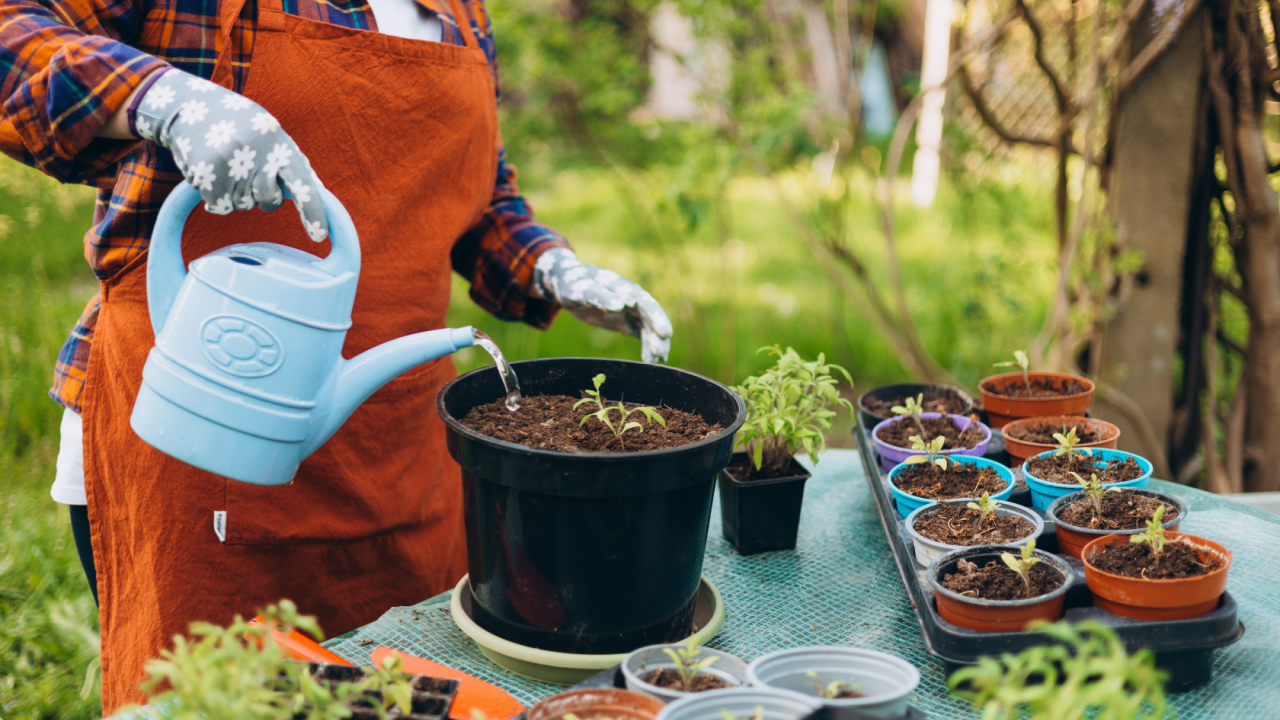
When buying at a nursery is the right choice, Milorganite‘s budget gardening guide recommends selecting smaller, younger plants over premium-sized specimens. A 4-inch pot perennial costs significantly less than a gallon-size plant of the same variety, and the smaller plant actually establishes faster in most cases.
Larger plants spend more energy recovering from transplant shock; smaller plants redirect their energy immediately into root development.
This approach is especially effective for gardeners who are building a new landscape or redesigning a mature one. Buying three small, correctly sited healthy perennials for the price of one large one fills space faster, establishes more reliably, and gives you more flexibility to adjust the planting as the garden matures.
One Caution Worth Noting: Inspect Before You Plant
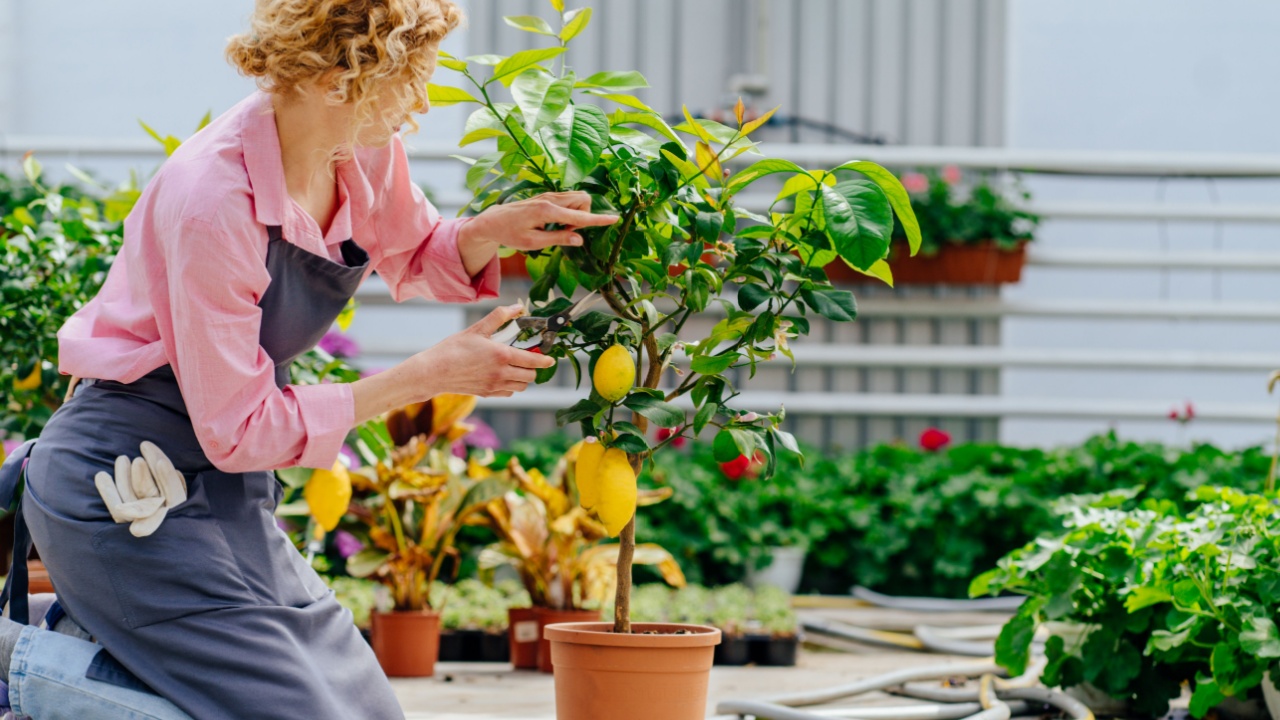
Free and inexpensive plants carry one real risk: they can import pests, diseases, and weeds into a healthy garden. Garden Therapy recommends washing the soil from the roots of any division received from an unknown source, inspecting carefully for signs of insects or disease, and planting into native garden soil rather than adding the donor’s potting mix to your beds.
Some pests — particularly jumping worms and invasive weeds with persistent root systems — are notoriously difficult to eradicate once established. A minute of inspection before planting is vastly cheaper than remediation after.
Read more:
Why wildlife experts are telling people to take down their bird feeders
Plant these 10 companion plants with your tomatoes — and stop planting these 4