5 Genius WD‑40 Tricks That Make Home Maintenance Easier
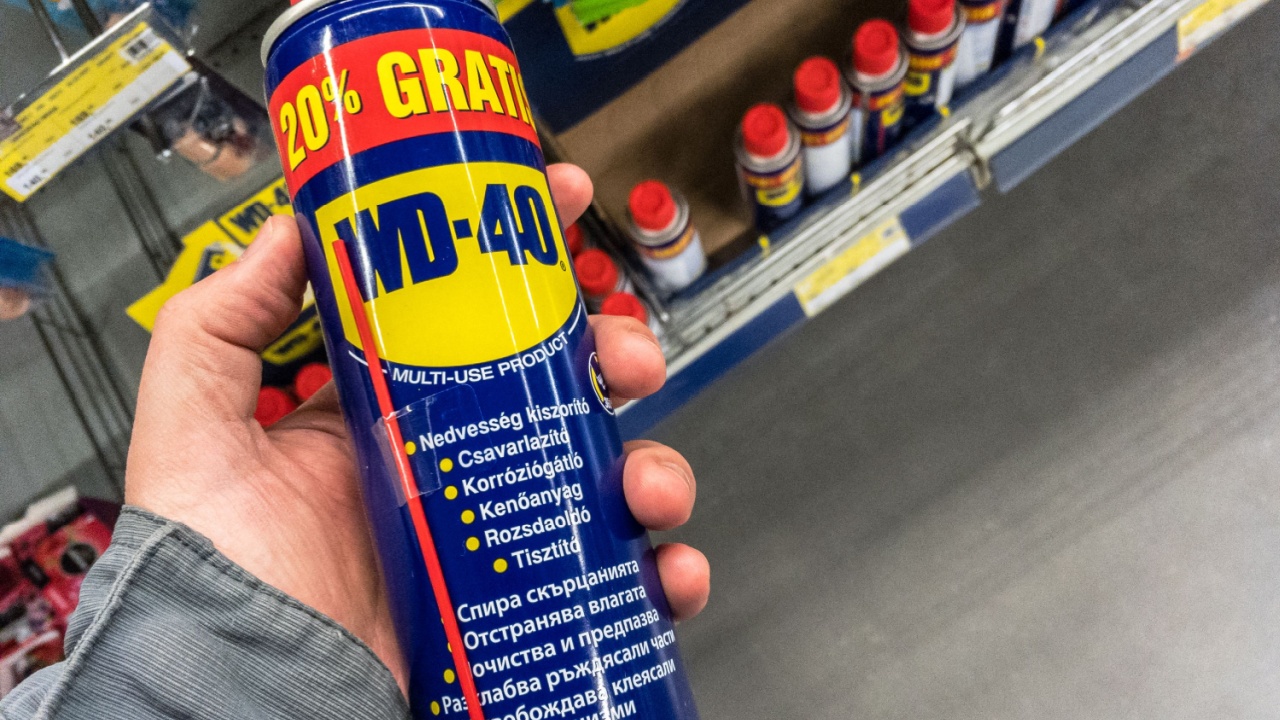
That blue and yellow can often sit on the garage shelf, collecting dust. It doesn’t get much attention until a door hinge starts squeaking. Most people know WD-40 as the go-to for fixing noisy metal, but it’s way more versatile than that.
Originally made for aerospace water displacement, this handy spray is great for cleaning, fixing, and unsticking things all around the house. Here are a few ways it can save you time and money on fancy cleaning products!
1. Dissolve Stubborn Adhesive Residue
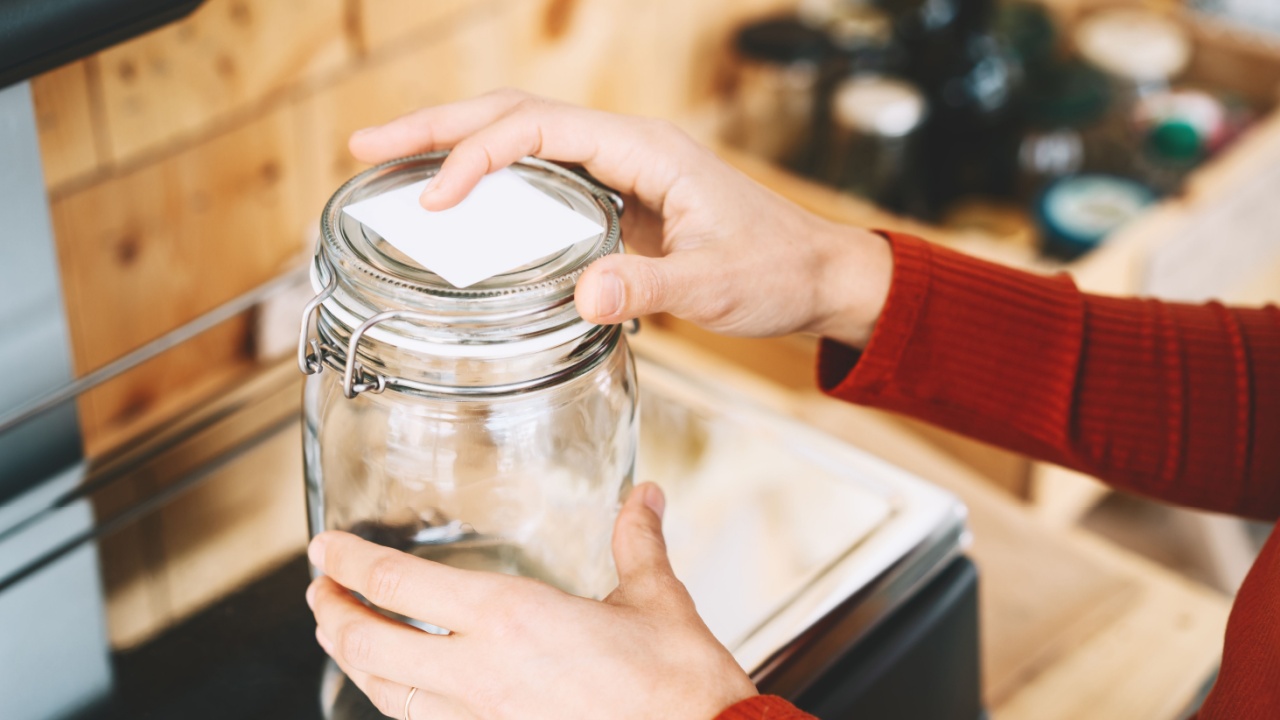
Price tags, jar labels, and stickers leave behind a sticky mess that soap and water simply smear around. The solvents in WD-40 effectively break down the chemical bonds in adhesives, turning that gummy residue into a liquid that wipes away easily.
This method works on glass, plastic, and even some furniture surfaces. It serves as a powerful alternative to expensive adhesive removers found at hardware stores.
How to do it:
- Saturate the sticker or residue with the spray.
- Allow the formula to sit for five to ten minutes to penetrate the adhesive.
- Use a plastic scraper or a cloth to wipe the gunk away.
- Clean the area with soapy water afterward to remove any oily film.
2. Revive Seized Zippers
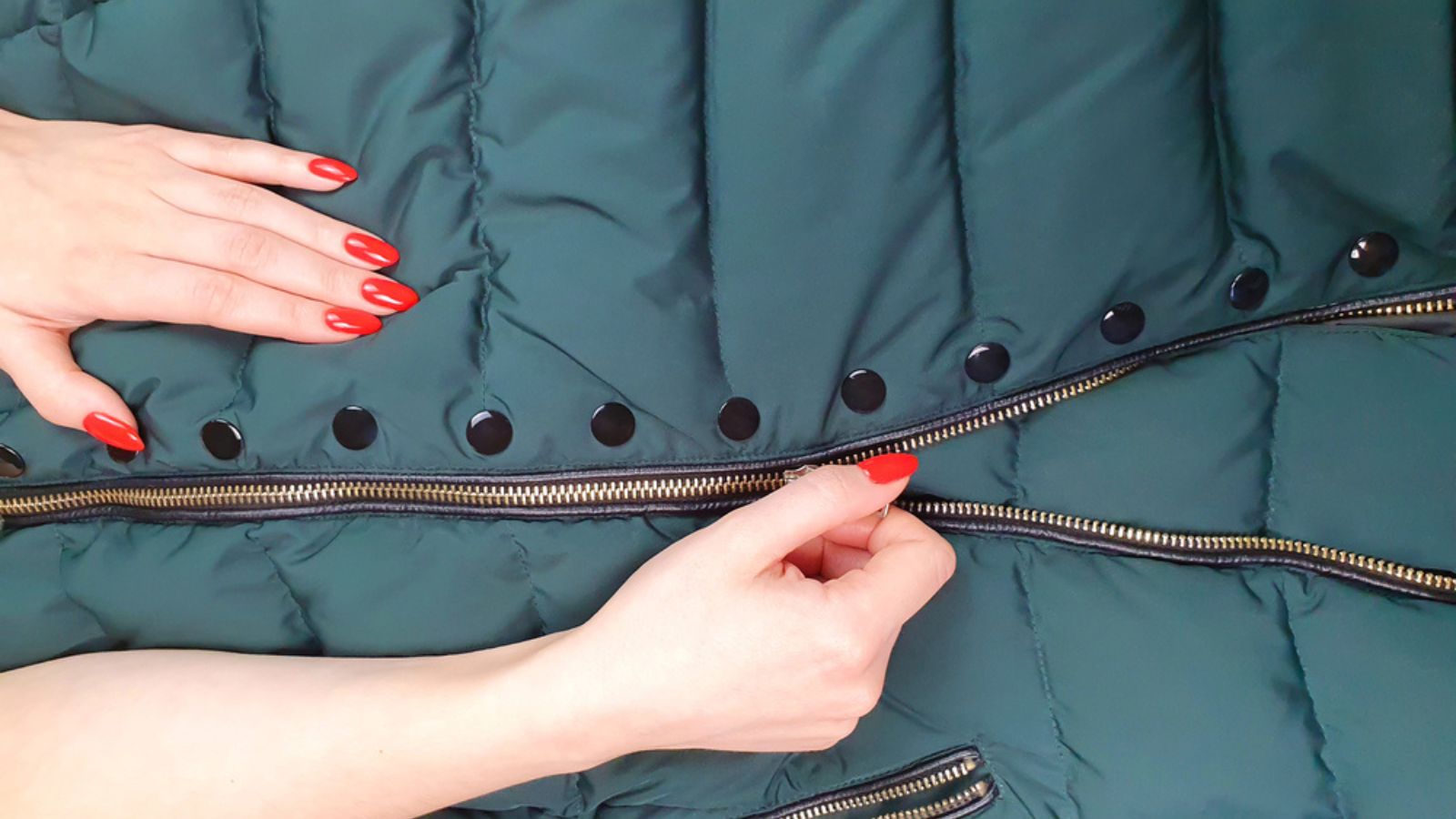
There’s nothing more frustrating than a stuck zipper on your favorite jacket or backpack. This usually happens when metal zippers get a little rusty or when the teeth just aren’t cooperating.
A little bit of lubricant can fix the problem, saving you a trip to the tailor. Since WD-40 is water-repellent, it also protects the metal from future rust, which is often what causes the zipper to get stuck in the first place.
Application Tip:
- Avoid spraying directly onto the fabric, as it can leave a stain.
- Spray a small amount into a cup or lid.
- Dip a cotton swab into the liquid and apply it precisely to the zipper teeth.
- Gently work the slider back and forth until it moves freely.
3. Polish and Protect Stainless Steel Appliances
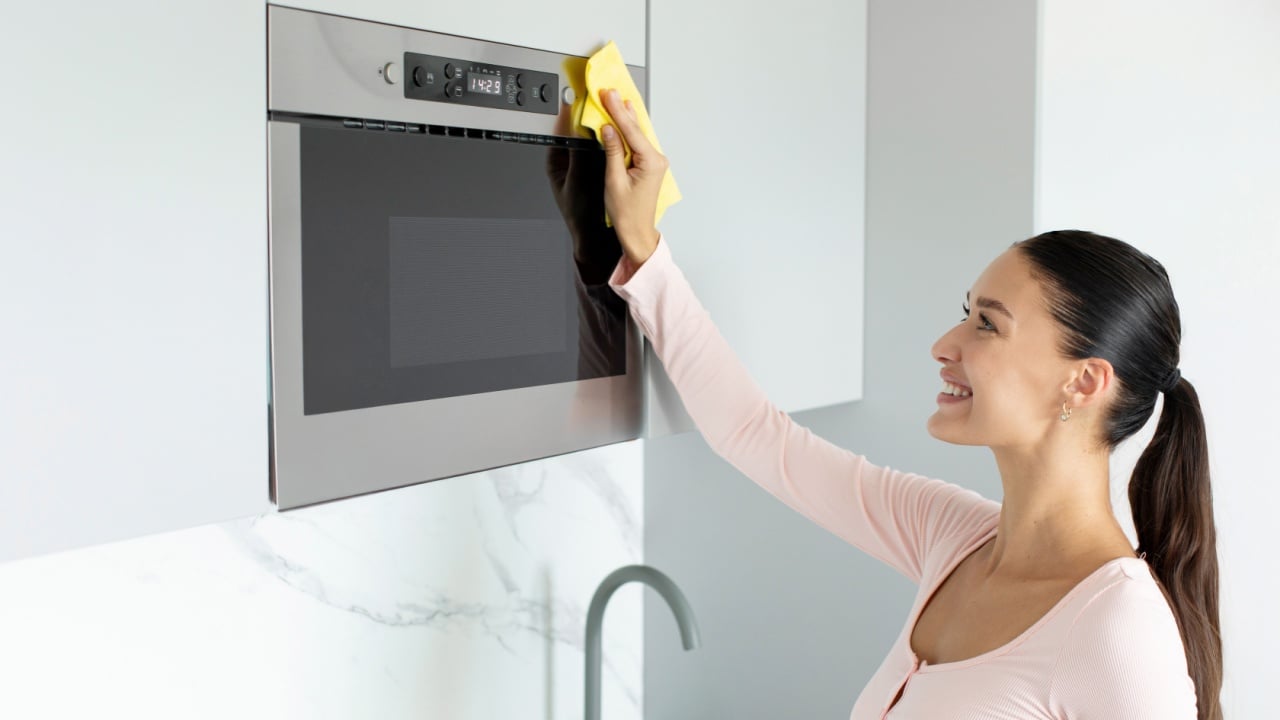
Stainless steel appliances look sleek until fingerprints, water spots, and smudges cover the surface. Many specialized cleaners leave streaks or build-up.
WD-40 not only cuts through the grime but also leaves a thin, protective layer that resists future fingerprints. This barrier helps water slide right off instead of drying into spots, keeping your kitchen looking cleaner for longer.
The Process:
- Apply a light mist to a clean microfiber cloth.
- Wipe the appliance in the direction of the grain (the faint lines in the metal).
- Buff with a dry section of the cloth to remove excess oil.
4. Remove Scuff Marks from Flooring
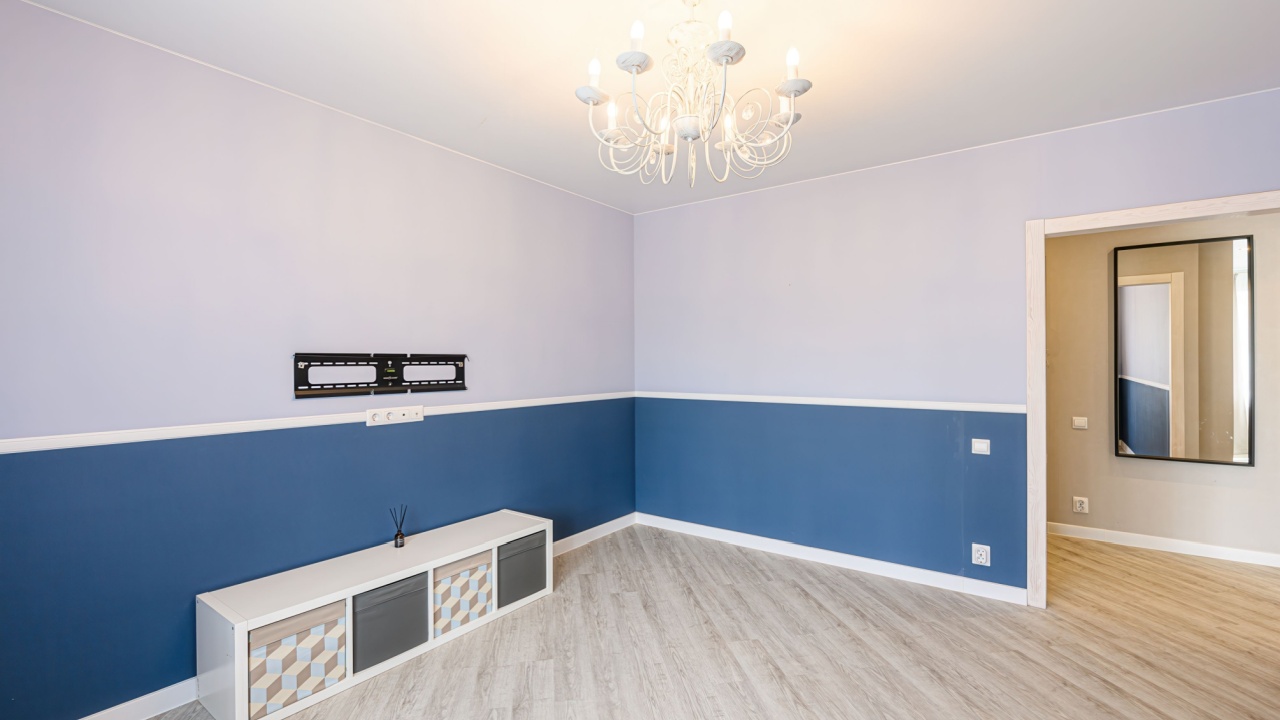
Scuff marks from shoes or furniture can be a real eyesore on your tile, laminate, or vinyl floors. Trying to scrub them off with regular cleaners often takes a lot of elbow grease and might even damage the floor’s finish.
WD-40’s lubricating formula helps lift the rubber right off the surface, so you can wipe it away with barely any effort.
Quick Fix:
- Spray a small amount directly onto the scuff mark.
- Wait about 30 seconds.
- Wipe away with a paper towel or rag.
- Mop the area afterward to prevent the floor from being slippery.
5. Prevent Snow Build-Up on Windows
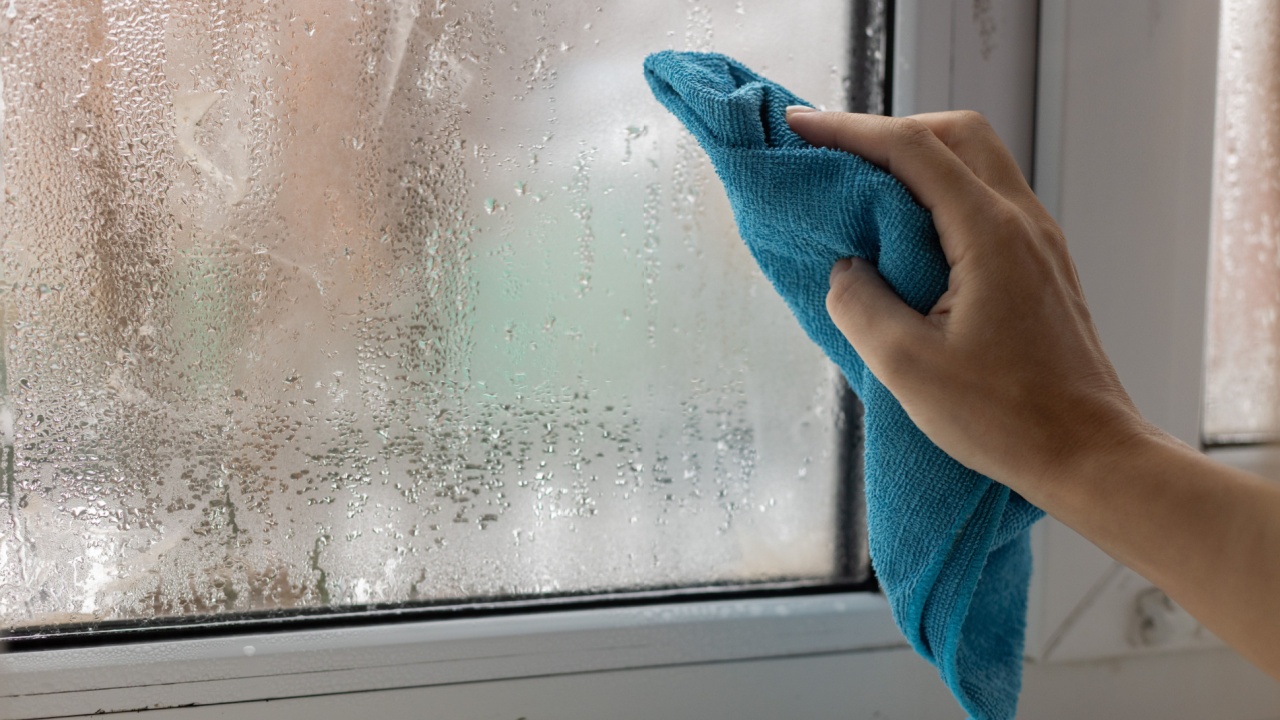
During winter storms, snow and ice can accumulate on windows, blocking light and potentially causing damage as it melts and refreezes.
Because WD-40 stands for “Water Displacement,” it works by creating a barrier that snow can’t stick to. A quick spray makes it easy to brush away snow and ice buildup.
Winter Prep:
- Check the weather forecast for incoming snow.
- Spray the exterior of your windows with a light coating.
- Wipe away any drips for a clear view that resists ice accumulation.
Putting the Can to Work
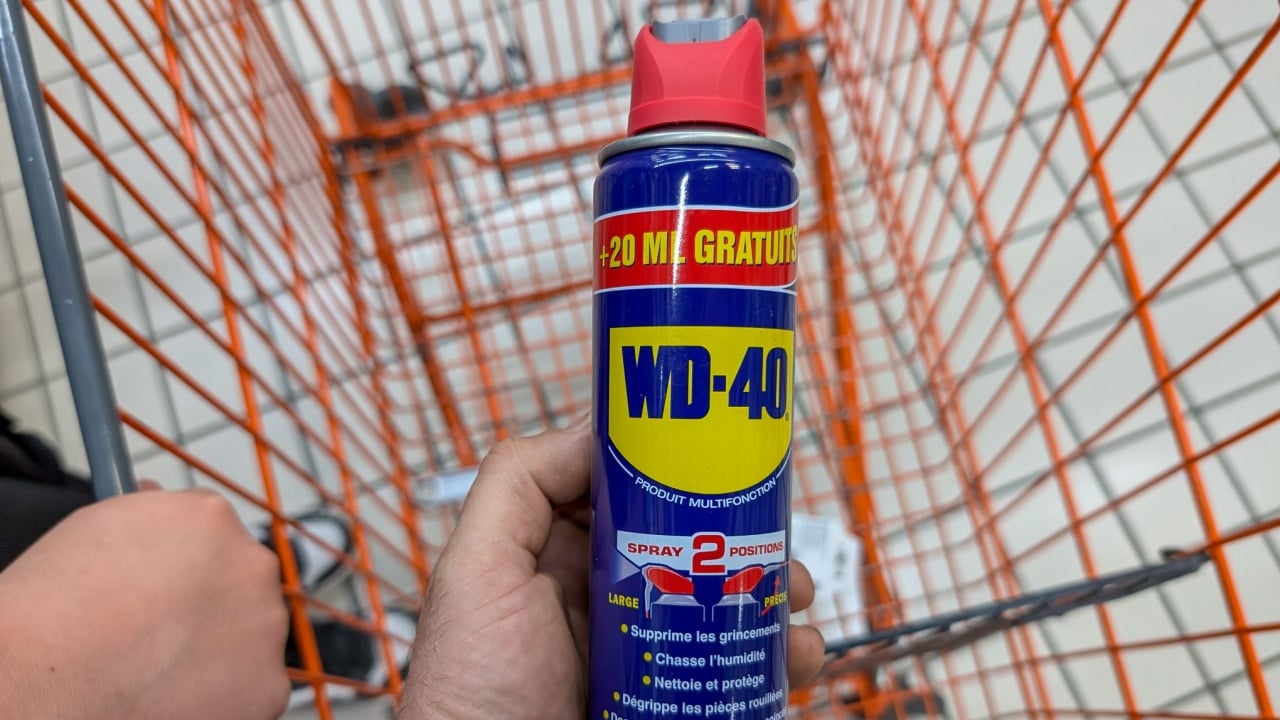
WD-40 serves as a reliable solution for sticking, staining, and squeaking issues around the home. While it handles a vast array of tasks, always remember to use it in a well-ventilated area and keep it away from heat sources.
Grab that can from the garage and try tackling one of these small annoyances today. A quick spray might be the simple fix the house needs.