3 Reasons Snakes Are Actually Good for Your Yard (And How to Attract Them)
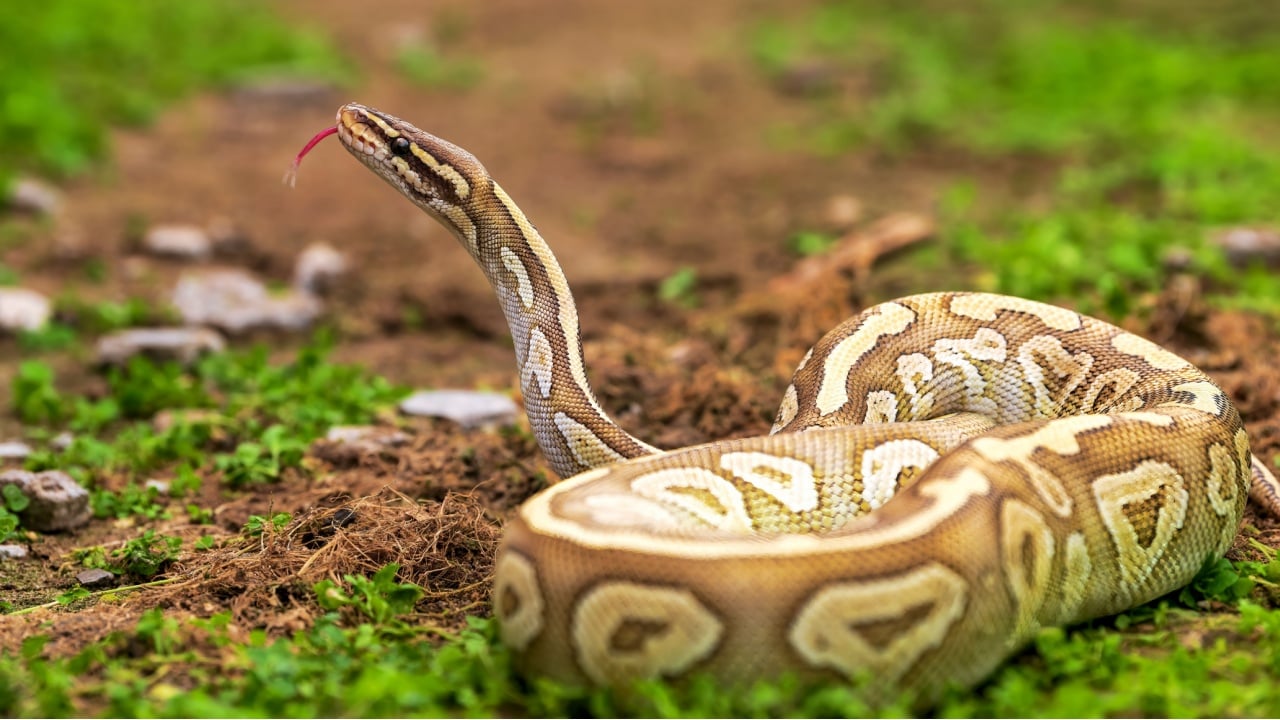
Most backyard snakes want nothing to do with people. They spend their time hiding, hunting, and helping control the small animals and pests that can cause trouble in a garden. That quiet role is one reason a healthy yard often has a few snakes nearby.
Many gardeners focus on birds, bees, and butterflies, but snakes are part of that bigger picture, too. In many areas, they are a natural part of the landscape, not a sign that something is wrong.
A yard that welcomes wildlife can become more stable with fewer pest spikes.
Here is why snakes can be good for your yard and how to make your outdoor space more inviting to them in safe, simple ways.
1. Snakes Help With Natural Pest Control
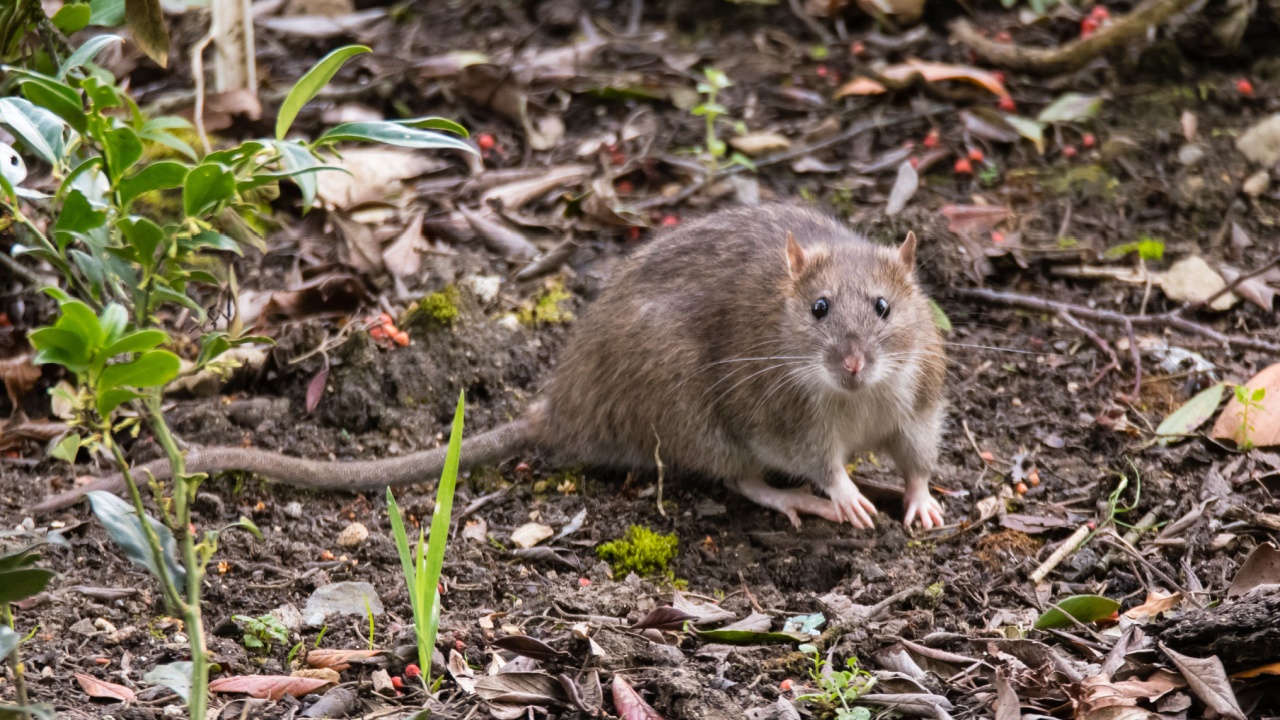
Snakes are skilled hunters that feed on many animals homeowners would rather have less of in the yard. Depending on the species, they may eat mice, rats, insects, worms, slugs, frogs, small birds, and even other snakes.
This natural pest control can reduce damage without adding more chemicals to your yard. A snake that eats rodents may lower the number of pests that spread disease and disturb planting areas.
If you want this benefit, give snakes places to hunt and hide near the edges of the yard instead of keeping every corner cleared and bare (just be cautious near these corners).
2. Some Snakes Help Limit Venomous Species
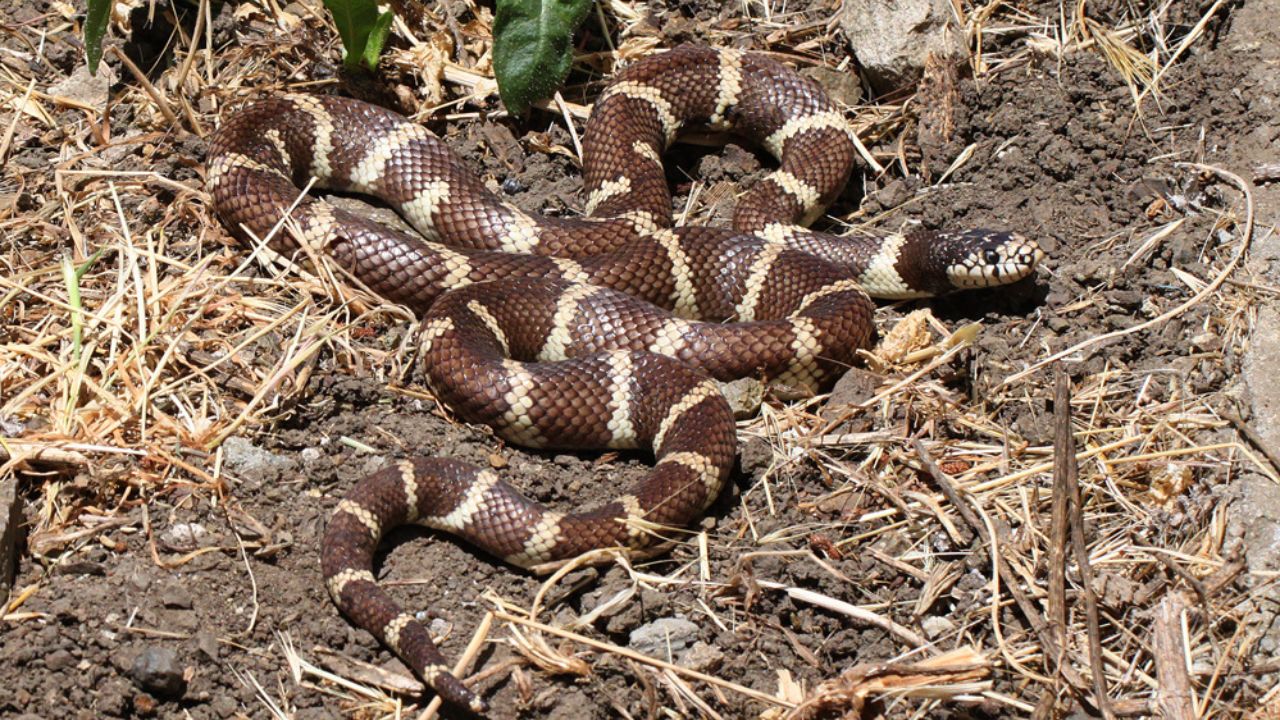
One of the most useful facts for homeowners is that some non-venomous snakes prey on venomous ones. Kingsnakes are a strong example, since they are known to eat other snakes, including dangerous species in some regions. In dryer regions, bull snakes are known for managing rattlesnake populations as well.
That does not mean every harmless snake in a yard will solve the problem, but it does show that snake populations can help keep each other in check.
If you live in an area with venomous snakes, the answer is not to remove every snake you see. A better approach is to learn which species are common where you live and leave non-venomous snakes alone when possible.
3. Their Presence Can Point to a Healthy Yard
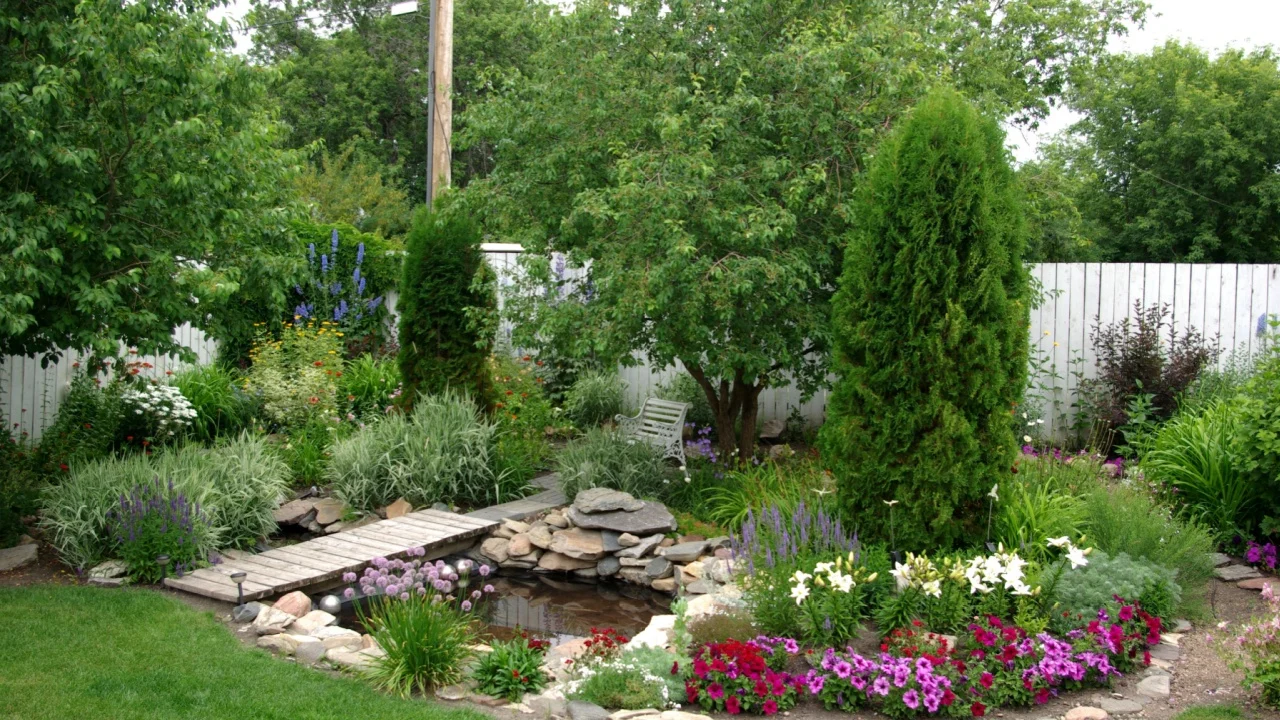
Snakes tend to do well in places that offer shelter, water, food, and a mix of plant life. For that reason, seeing them from time to time can be a sign that your yard supports biodiversity.
In simple terms, the space is doing a decent job of meeting the needs of native wildlife instead of pushing it away.
That does not mean every yard should aim to attract large numbers of snakes. It means a yard with some native plants, layered cover, and fewer toxins often supports more kinds of life.
If you already plant for pollinators, use mulch, and keep parts of the yard less disturbed, you may already be creating the kind of place snakes use.
How to Attract Snakes to Your Yard- 1. Create a Safe Shelter for Snakes
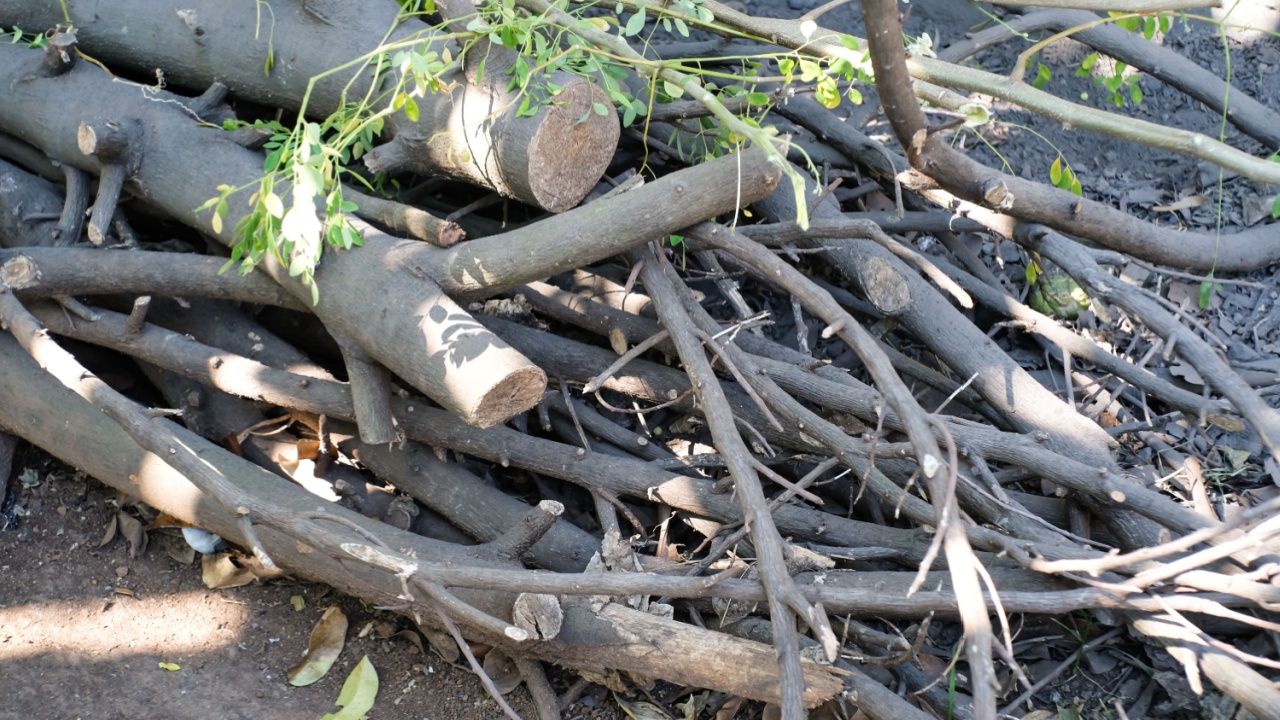
Snakes need cover to hide from predators, rest during the heat of the day, and wait for prey. Rock piles, brush piles, fallen logs, wood stacks, and thick ground cover can all shelter them.
These features also attract insects, frogs, and small mammals, which makes the area more useful for hunting snakes.
Place these shelter areas away from play spaces, patios, and main walkways so wildlife has room without causing stress for your family. A quiet back corner or a less-used edge of the yard is often a good spot.
Keep the area natural and avoid moving logs or rocks often, since snakes prefer places that stay stable.
2. Use Native Plants and Skip Pesticides
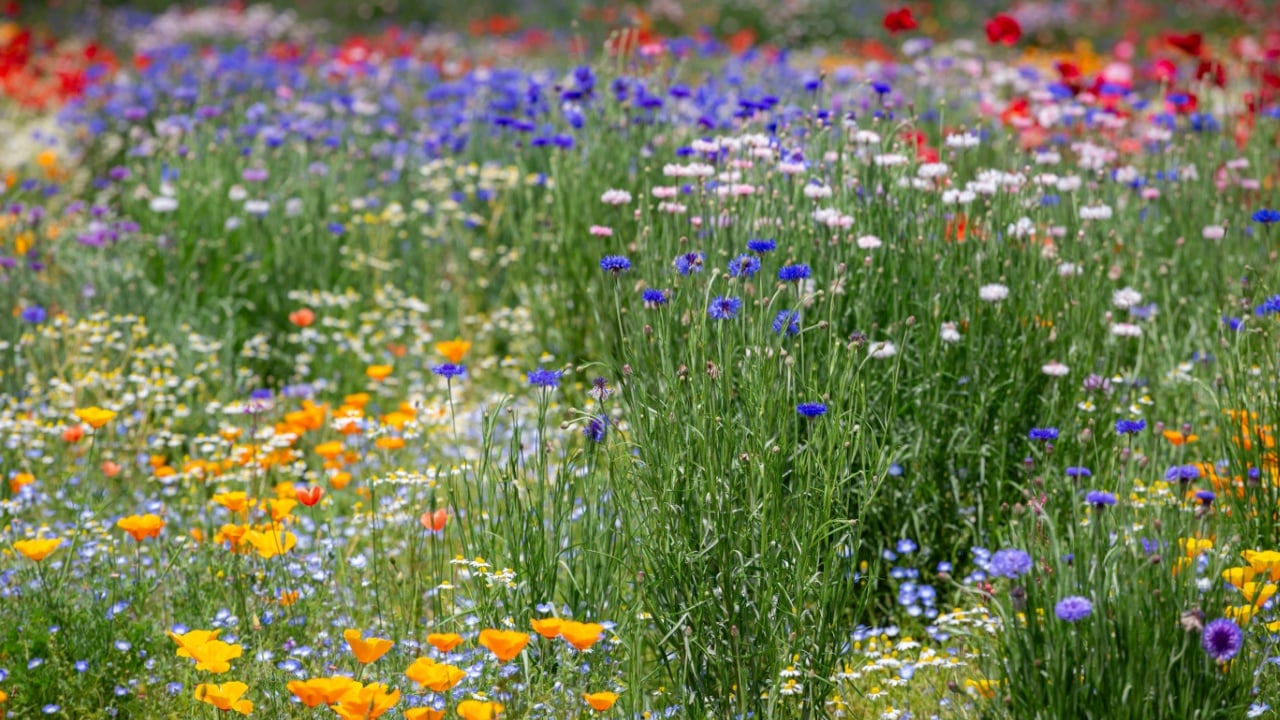
Native plants help build the kind of yard snakes use because they support insects, birds, frogs, and small mammals. In turn, those animals feed snakes and strengthen the local food web.
Dense plantings, meadow-style patches, and shrubs can also give snakes shaded travel routes through the yard.
Pesticides can hurt snakes directly and can also reduce the food they depend on. If you kill off insects, frogs, or rodents with chemicals, you shrink the food supply that draws snakes in.
A more natural yard care plan with fewer sprays and better plant choices can make the space healthier for wildlife as a whole.
3. Add Water and Keep the Yard Welcoming
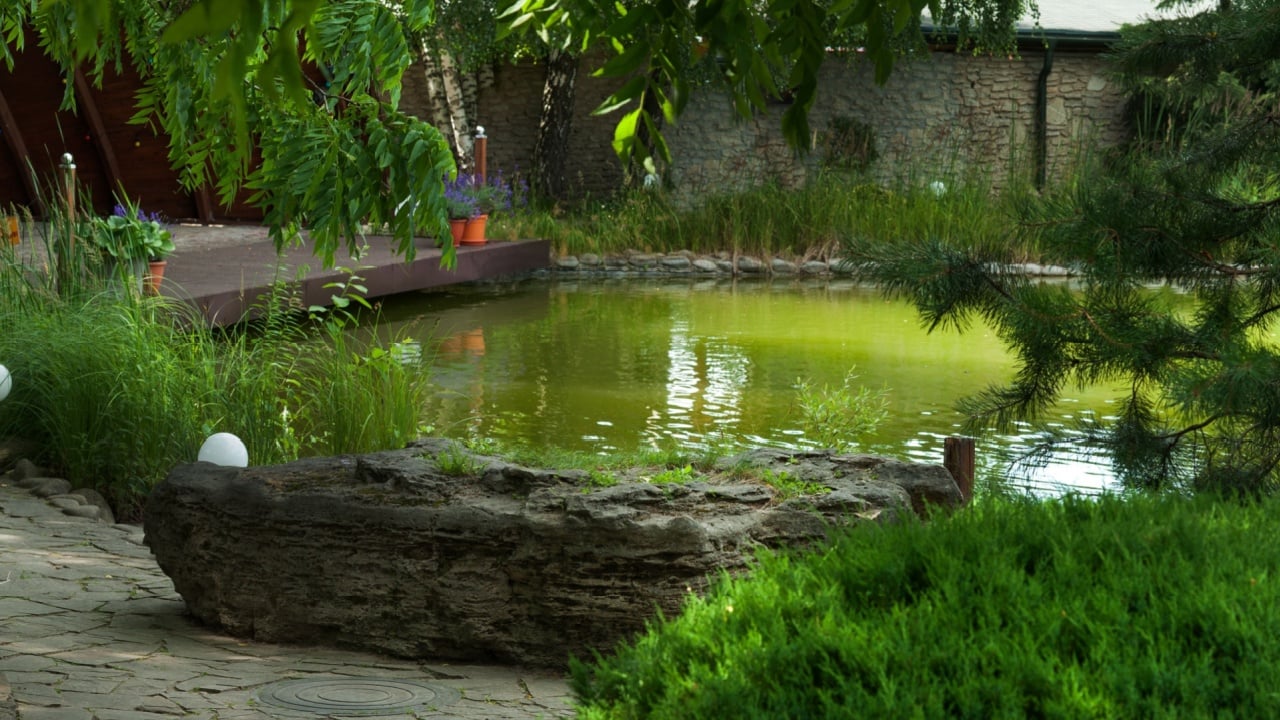
Like all animals, snakes need water. A small pond, shallow water feature, or even a simple fountain can help make your yard more attractive to them.
Water also draws frogs and insects, which adds another food source and makes the habitat richer.
Keep the space calm and predictable if you want wildlife to stay. That means avoiding constant mowing in every corner, leaving some leaf litter in quiet spots, and cutting back on loud disturbance near habitat areas.
You do not need a wild yard to attract snakes, just a yard with a few natural features and room for life to settle in.
Welcoming Nature’s Quiet Helpers
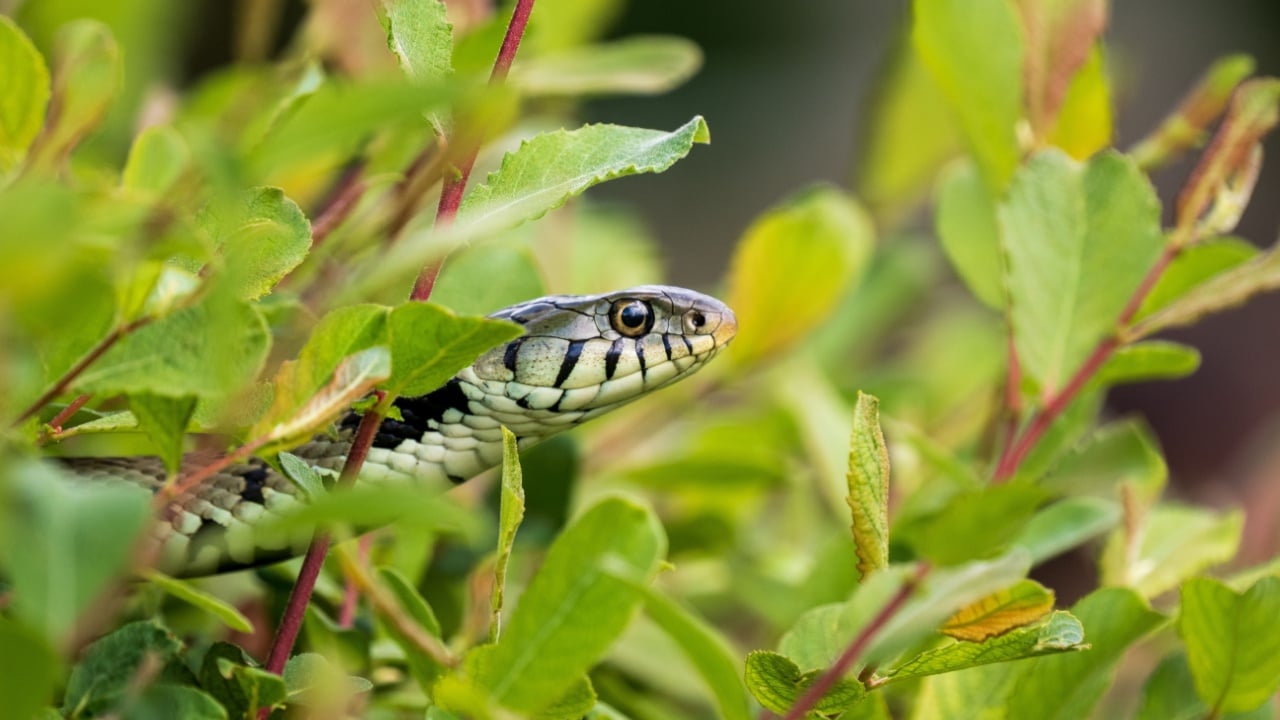
Next time you spot a snake moving quietly through your yard, remember there’s more to the story than meets the eye. Their presence shows that your outdoor space is alive and working as a whole.
By welcoming these often-misunderstood creatures, you champion a yard that thrives and supports the natural world right outside your door.
Read More:
Never Do These 10 Things in Your Yard If You Want to Keep Snakes Away